Tyrosine
INCI: tyrosine
Amino acid for skin conditioning and repair
About Tyrosine
Tyrosine is a non-essential amino acid that plays a crucial role in protein synthesis and cellular repair within the skin. As one of the 20 standard amino acids that make up proteins, tyrosine serves as a building block for collagen and elastin, the structural proteins responsible for skin firmness and elasticity. In K-beauty formulations, tyrosine is valued for its skin conditioning properties and its ability to support the skin's natural repair processes. Unlike many active ingredients that work on the surface, tyrosine functions at a deeper cellular level, helping to strengthen the skin barrier and improve overall skin resilience. With a perfect comedogenic rating of 0/5, tyrosine is suitable for all skin types, including acne-prone and sensitive skin. The ingredient appears in 153 K-beauty products on Seoul Sister, predominantly in cleansers and treatment essences where it works alongside other actives to enhance skin texture and support repair. Korean skincare brands particularly appreciate tyrosine for its compatibility with fermented ingredients and enzymes, as seen in products like SUM37's Secret Rice Nuruk Daily Exfoliating Cleanser and Some By Mi's Lacto Soy Enzyme Deep Cleansing Foam. Its gentle nature and multifunctional benefits make it an ideal ingredient for the K-beauty philosophy of supporting skin health rather than forcing rapid changes.
How Tyrosine Works
At the molecular level, tyrosine functions as a precursor for several important compounds in the skin. Once absorbed, it contributes to the synthesis of structural proteins like collagen and elastin through the skin's natural protein-building pathways. Tyrosine also serves as a precursor to melanin, the pigment that protects skin from UV damage, though in skincare formulations it primarily supports overall skin conditioning rather than pigmentation effects. The amino acid helps maintain the skin's natural moisture barrier by contributing to the formation of natural moisturizing factors (NMFs), which are essential for keeping skin hydrated and protected. Additionally, tyrosine supports cellular energy production through its role in neurotransmitter synthesis, particularly in the formation of dopamine and norepinephrine, which can influence skin cell metabolism and repair processes. When combined with other amino acids in formulations, tyrosine helps create a comprehensive protein support system that mimics the skin's natural composition, making it easier for skin cells to uptake and utilize these building blocks for repair and renewal.
Tyrosine by Skin Type
Oily Skin
Tyrosine is excellent for oily skin due to its zero comedogenic rating and lightweight nature. It helps strengthen the skin barrier without adding heaviness or clogging pores, which can help regulate sebum production over time. The ingredient supports cellular repair that may be compromised by frequent cleansing or harsh acne treatments common in oily skin routines.
Dry Skin
For dry skin, tyrosine contributes to the formation of natural moisturizing factors that help the skin retain water more effectively. By supporting barrier function and protein synthesis, it helps repair the compromised moisture barrier that characterizes dry skin. Tyrosine works particularly well in combination with other humectants and emollients found in K-beauty formulations.
Combo Skin
Combination skin benefits from tyrosine's balanced approach to skin conditioning. It provides necessary protein support to dry areas without overwhelming oily zones, thanks to its non-comedogenic profile. The ingredient helps normalize skin function across different facial zones by supporting overall barrier health rather than targeting specific concerns.
Sensitive Skin
Tyrosine is well-suited for sensitive skin as it's a naturally occurring component of healthy skin and works with the skin's existing biology rather than against it. With a strong safety rating of 4/5, it supports barrier repair and resilience without causing irritation. Sensitive skin types can use tyrosine-containing products daily as part of a gentle, supportive routine.
Normal Skin
Normal skin can use tyrosine as a maintenance ingredient that supports ongoing skin health and prevents future concerns. It helps maintain the optimal balance of proteins and moisture factors that characterize healthy skin. Tyrosine works well in daily cleansers and essences where it can provide consistent, gentle support without disrupting normal skin function.
How to Use Tyrosine
- 1Look for tyrosine in cleansers and treatment essences where it can work alongside other amino acids and fermented ingredients for enhanced skin conditioning benefits.
- 2Pair tyrosine-containing products with vitamin C or niacinamide formulations to support comprehensive skin repair and brightening, as amino acids help optimize the effectiveness of other actives.
- 3Use tyrosine products consistently rather than expecting immediate results, since amino acids work gradually by supporting the skin's natural processes over time (typically 4-6 weeks for visible improvements).
- 4Layer tyrosine-containing essences or serums before heavier moisturizers to ensure optimal absorption of these water-soluble building blocks into the skin.
- 5Consider using tyrosine products after exfoliation or chemical peels when skin is in active repair mode and can benefit most from protein building blocks.
Background
Tyrosine was first isolated in 1846 by German chemist Justus von Liebig from casein, a protein found in cheese (the name derives from the Greek word 'tyros' meaning cheese). While tyrosine has been recognized in biochemistry for nearly two centuries, its application in skincare is relatively recent, emerging from the broader trend of incorporating amino acids into cosmetic formulations in the 1990s and early 2000s. Korean beauty brands were particularly early adopters of amino acid technology, influenced by traditional fermentation practices that naturally produce free amino acids. The K-beauty industry's focus on gentle, skin-identical ingredients made tyrosine a natural fit, especially as research revealed the importance of amino acids in maintaining the skin's natural moisturizing factors. Today, tyrosine appears in sophisticated K-beauty formulations that combine it with fermented extracts, enzymes, and other amino acids to create comprehensive skin conditioning systems rather than relying on single-ingredient solutions.
K-Beauty Products with Tyrosine
View all 166 →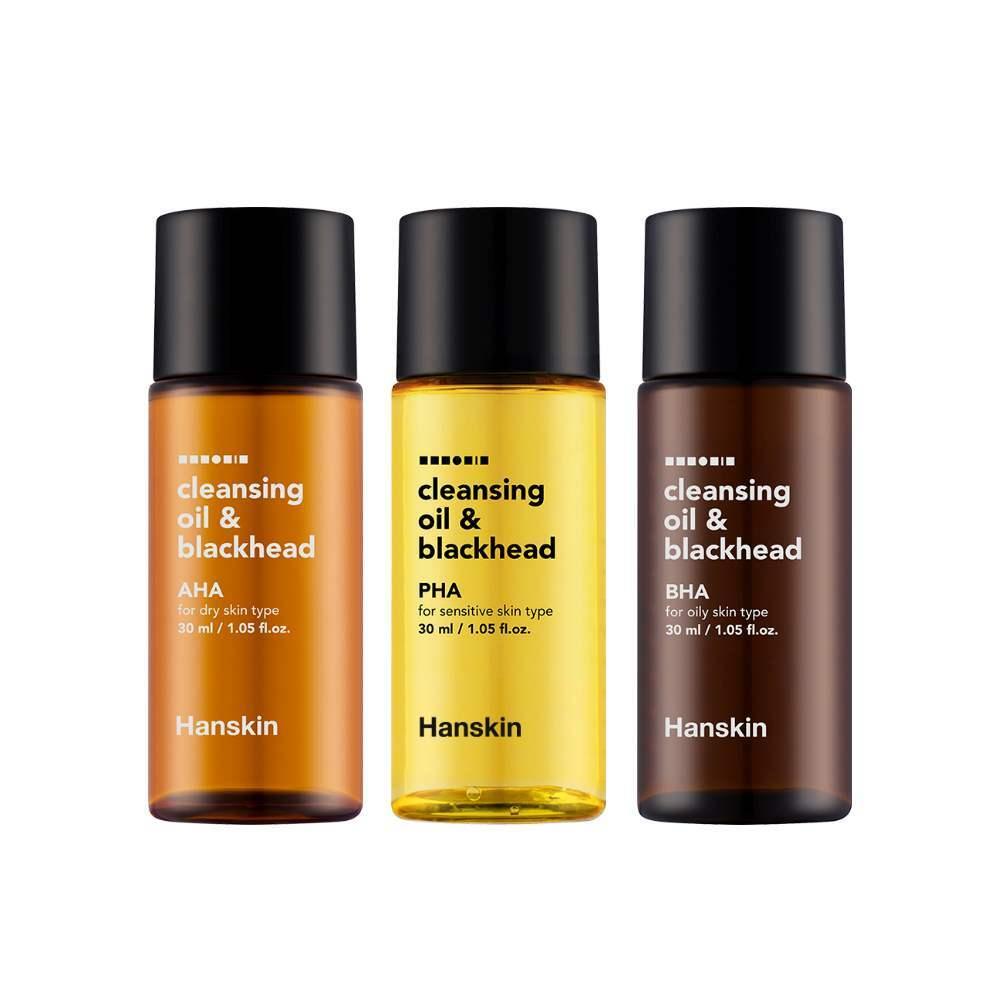
Cleansing Oil & Blackhead 3P Travel Kit
Hanskin
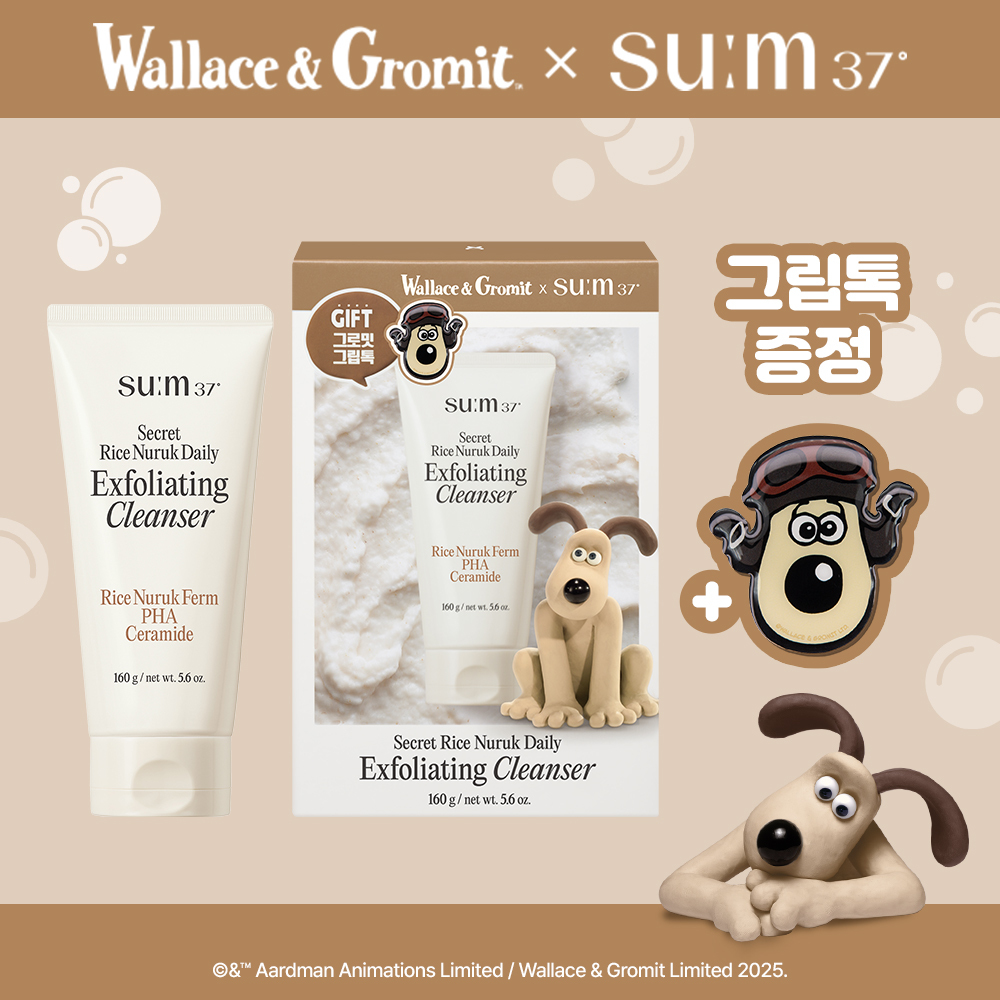
Secret Rice Nuruk Daily Exfoliating Cleanser
SUM37
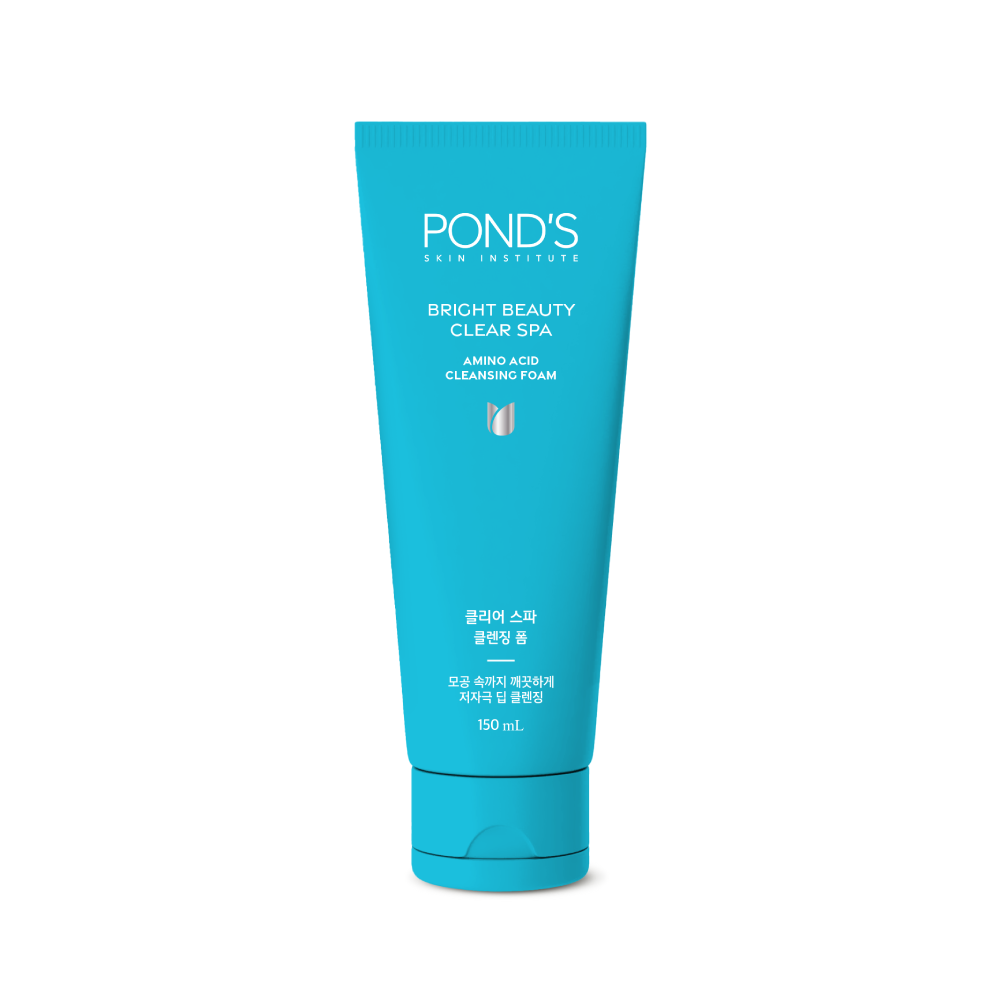
Bright Beauty Clear Spa Amino Acid Cleansing Foam
Pond's

Reedle Shot 100 Essence Double Pack
VT
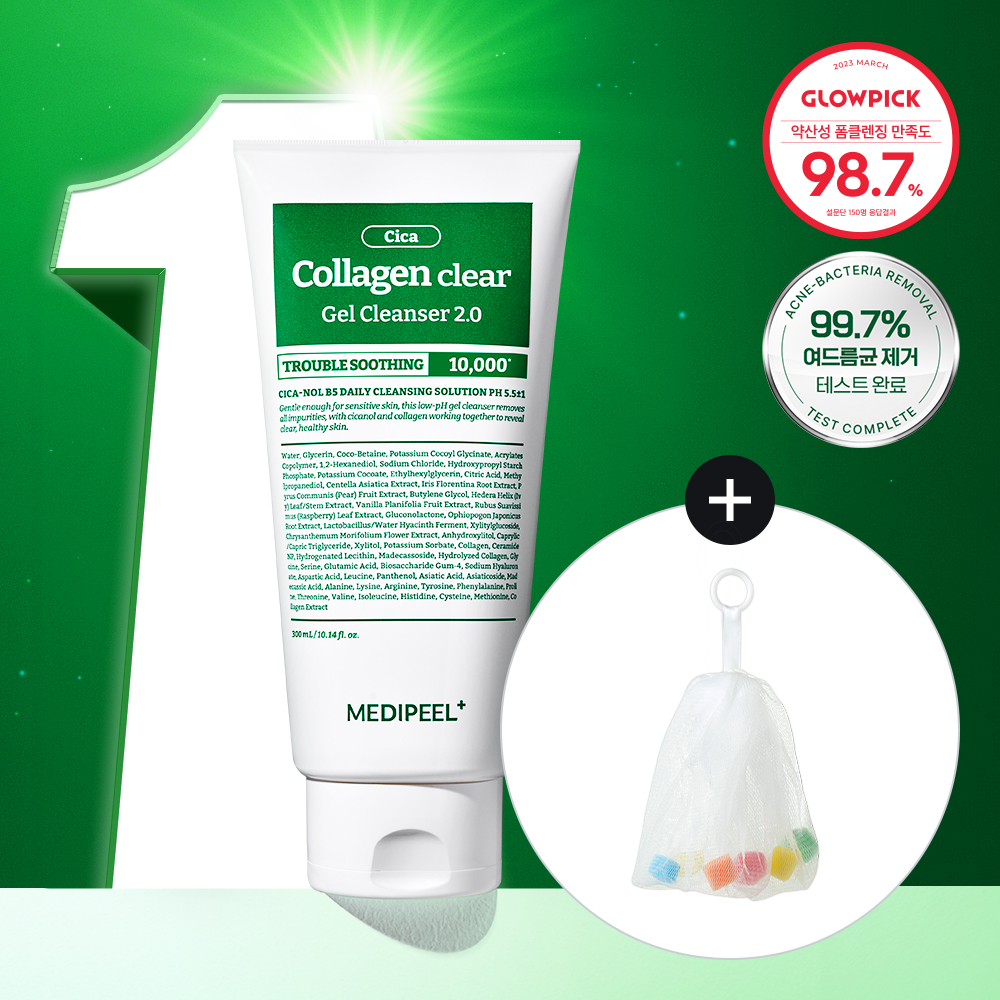
Green Cica Collagen Clear 2.0 Special Set
Medi-Peel
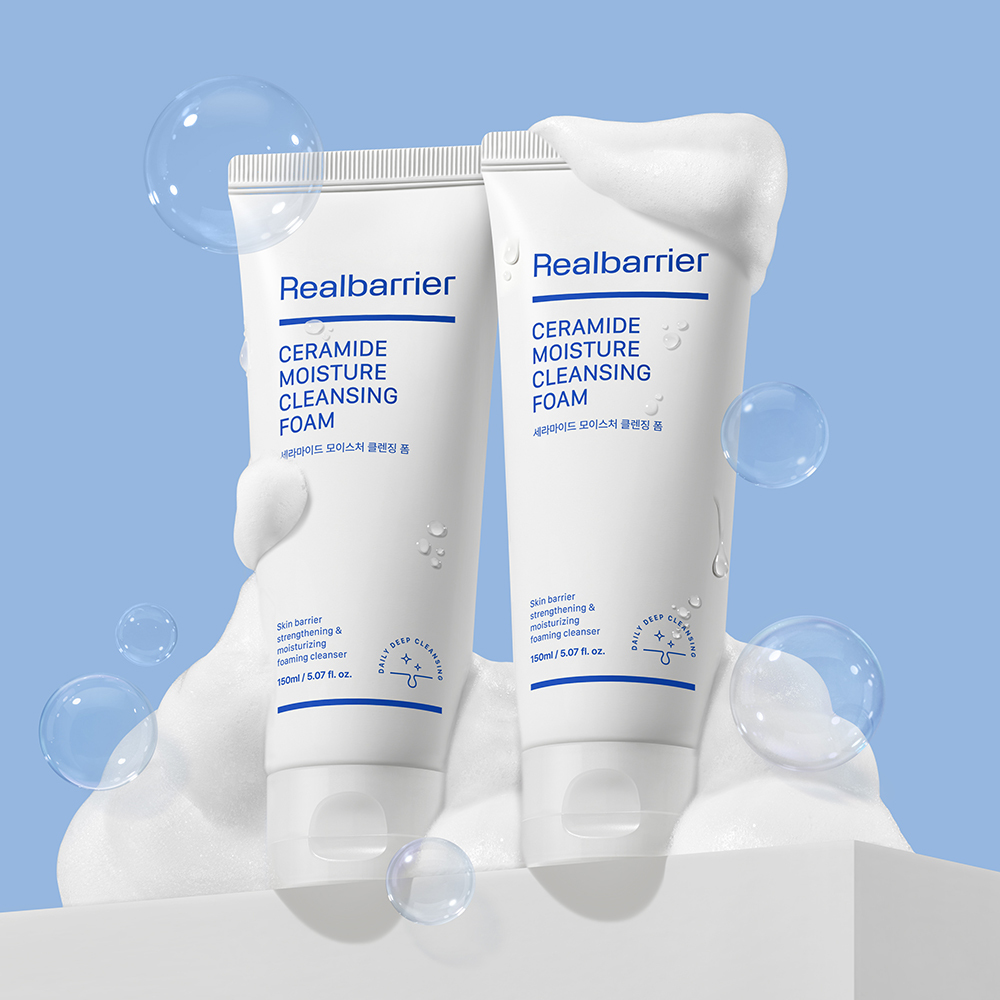
Ceramide Moisture Cleansing Foam
Real Barrier
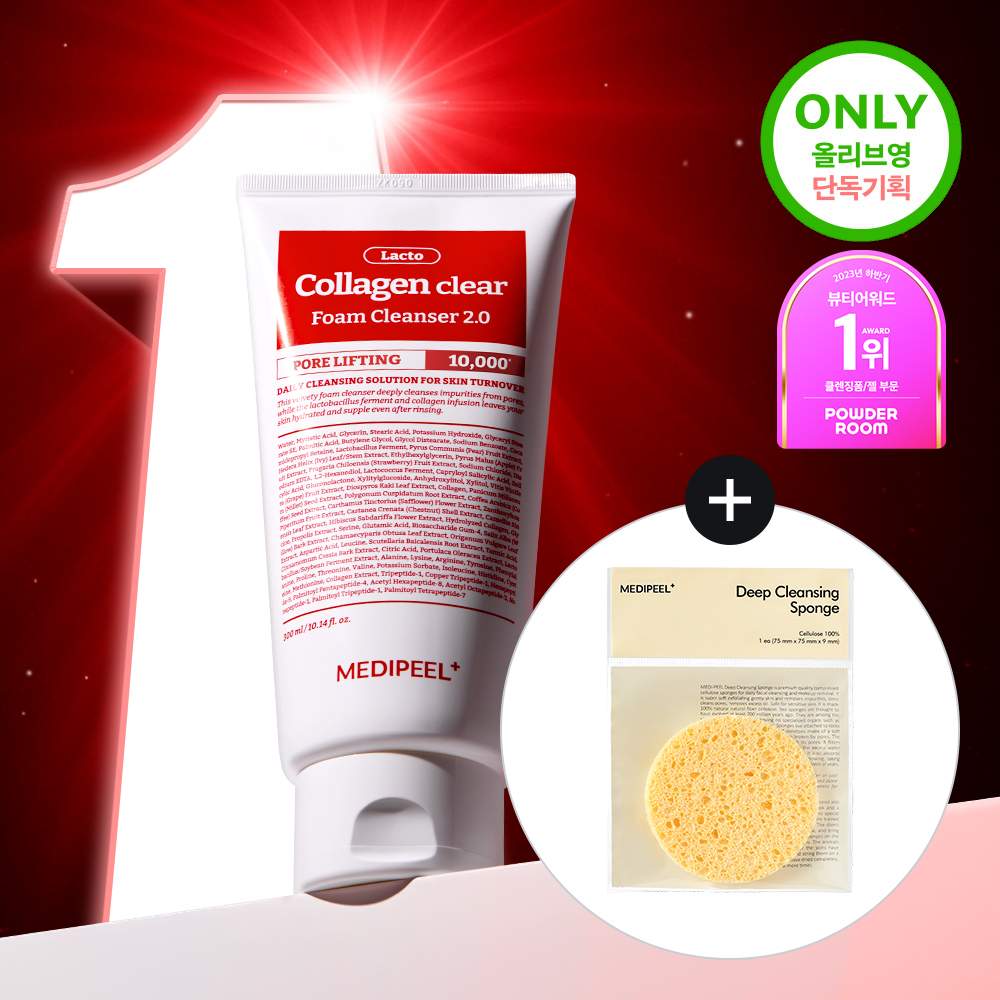
Red Lacto Collagen Clear 2.0 Special Set
Medi-Peel

Reedle Shot 300 Essence
VT
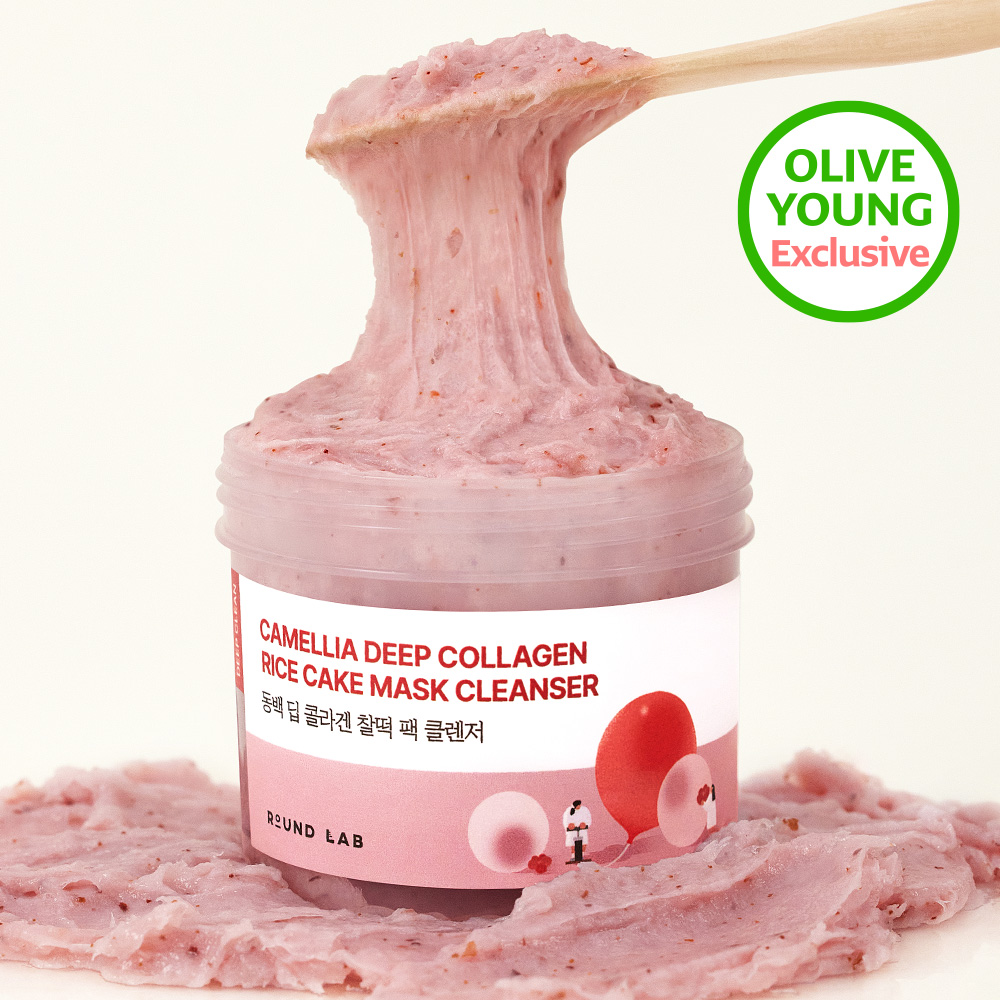
Camellia Deep Collagen Rice Cake Mask Cleanser
Round Lab
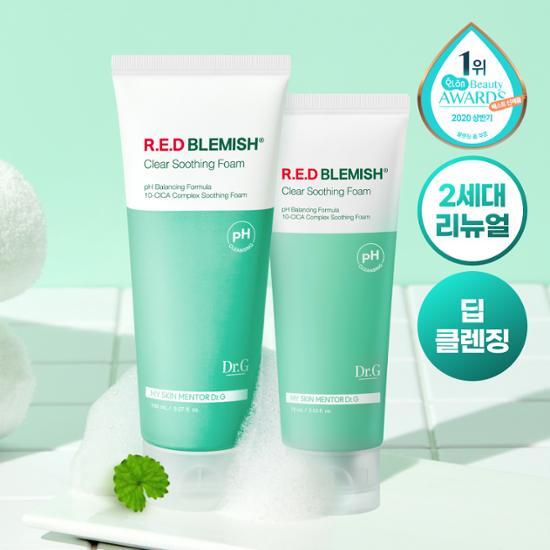
pH Cleansing Red Blemish Clear Soothing Foam Duo Set
Dr.G
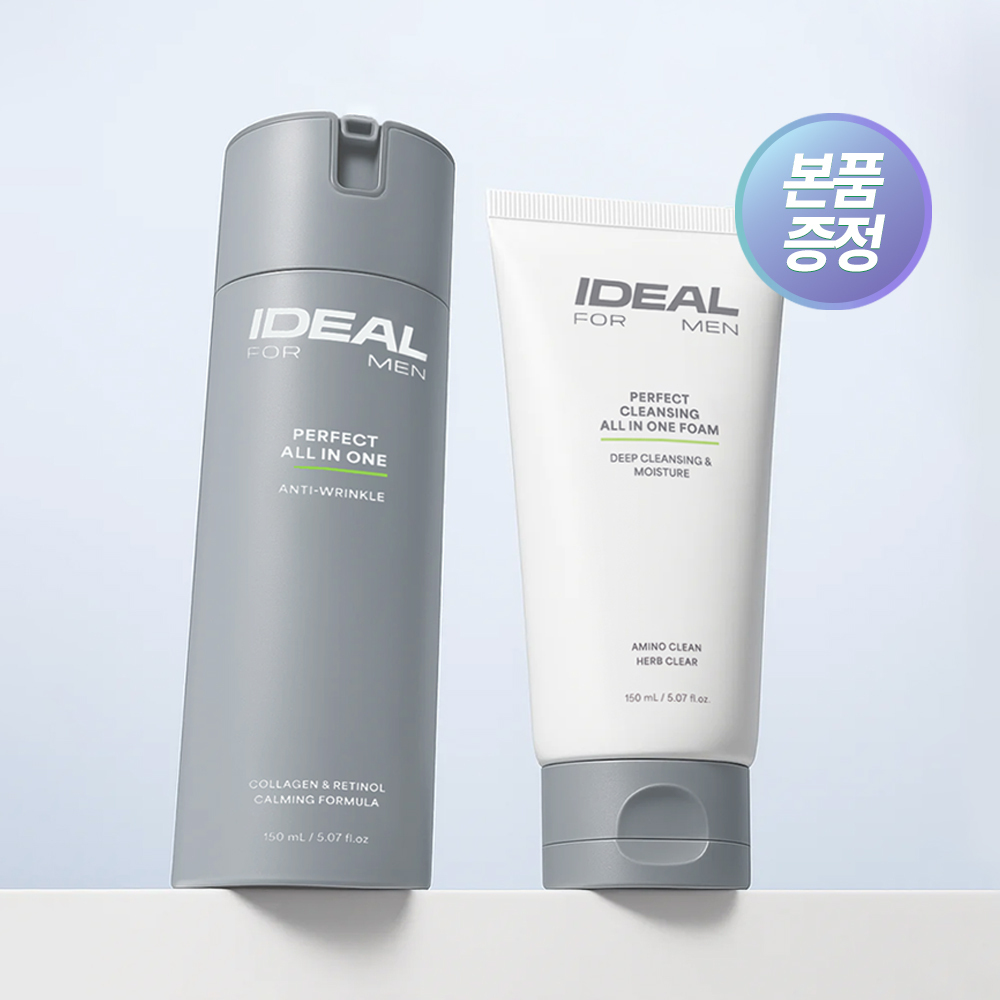
Perfect All In One Set
Ideal for Men
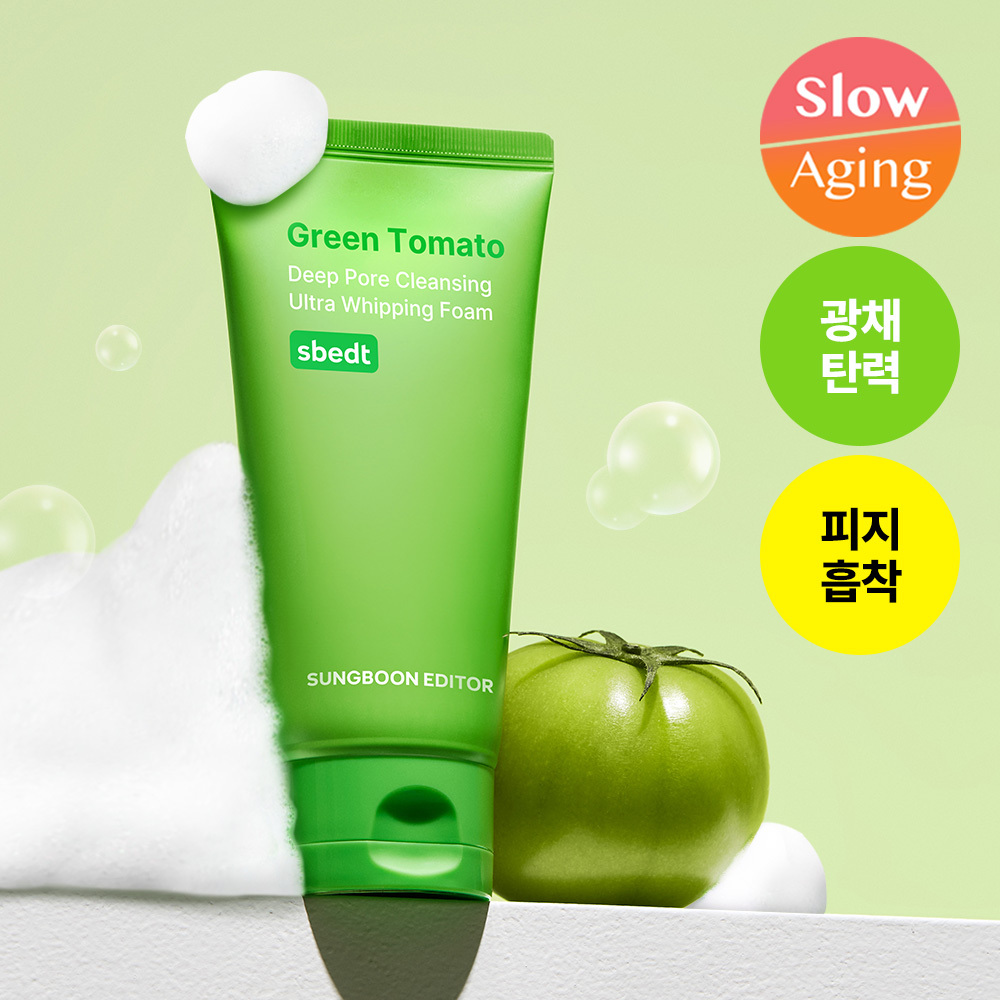
Green Tomato Deep Pore Cleansing Ultra Whipping Foam
Sungboon Editor
Frequently Asked Questions
Can tyrosine cause hyperpigmentation or dark spots since it's a melanin precursor?▼
Is tyrosine effective enough on its own or does it need other ingredients to work?▼
How long does it take to see results from tyrosine in skincare?▼
Can I use tyrosine products if I'm pregnant or breastfeeding?▼
Why is tyrosine so common in K-beauty cleansers specifically?▼
Explore More
Want personalized ingredient advice?
Yuri, our AI beauty advisor, can tell you how Tyrosine works with your specific skin type, routine, and concerns.
Ask Yuri, free