Coenzyme Q10
INCI: Ubiquinone
Antioxidant that protects skin from oxidative stress
About Coenzyme Q10
Coenzyme Q10, also known as ubiquinone, is a naturally occurring antioxidant found in every cell of your body. In K-beauty formulations, it's prized for its ability to neutralize free radicals that cause premature aging and environmental damage. Think of it as your skin's natural energy booster. As we age, our body's production of CoQ10 decreases significantly, starting around age 20 and dropping even more dramatically after 30. This decline shows up as fine lines, loss of firmness, and dullness. Korean skincare brands have embraced CoQ10 in everything from lightweight serums to rich recovery creams, often pairing it with peptides and other anti-aging actives for synergistic effects. What makes CoQ10 special is its dual action: it both protects skin from oxidative damage and supports cellular energy production, helping skin cells function more efficiently. With a perfect safety rating of 5/5 and zero comedogenic potential, it's gentle enough for all skin types while delivering serious anti-aging benefits. The ingredient appears in 62 K-beauty products on Seoul Sister, frequently in premium formulations alongside cutting-edge actives like peptides, PDRN, and niacinamide.
How Coenzyme Q10 Works
Coenzyme Q10 works at the cellular level by participating in your skin's mitochondrial energy production. Mitochondria are the powerhouses of your cells, and CoQ10 is essential for ATP synthesis, the energy currency that fuels all cellular processes including collagen production and skin repair. When applied topically, ubiquinone penetrates the upper layers of skin and converts to its active form, ubiquinol, which acts as a potent antioxidant. It specifically targets singlet oxygen and other reactive oxygen species generated by UV exposure, pollution, and normal metabolism. By intercepting these free radicals before they can damage cellular membranes and DNA, CoQ10 prevents the cascade of oxidative stress that leads to collagen breakdown and visible aging. Research shows that CoQ10 can reduce the depth of wrinkles and improve skin smoothness by supporting fibroblast function and protecting against photoaging. Its lipophilic nature allows it to integrate into cell membranes where it can neutralize lipid peroxidation, the process that leads to loss of skin firmness and elasticity.
Coenzyme Q10 by Skin Type
Oily Skin
Coenzyme Q10 is excellent for oily skin because it's non-comedogenic and won't clog pores or increase sebum production. The antioxidant protection is particularly valuable since oily skin is often more prone to environmental damage and inflammation. Look for it in lightweight serums or essences rather than heavy creams.
Dry Skin
Dry skin benefits enormously from CoQ10's ability to support cellular energy and skin barrier repair. It helps skin cells function more efficiently, improving moisture retention and reducing the appearance of fine lines caused by dehydration. Pair it with hydrating ingredients like hyaluronic acid for maximum benefit, as seen in rich recovery creams.
Combo Skin
Combination skin can handle CoQ10 in various textures depending on the zone. Its non-comedogenic nature means it won't aggravate oily areas, while its anti-aging and protective benefits address dryness and early signs of aging. Ampoules and essences offer the perfect middle-ground texture for this skin type.
Sensitive Skin
With a perfect 5/5 safety rating, CoQ10 is gentle and well-tolerated by sensitive skin. It actually helps calm oxidative stress and inflammation that can trigger sensitivity. The ingredient's ability to support cellular repair makes it particularly beneficial for skin recovering from irritation or environmental damage.
Normal Skin
Normal skin can incorporate CoQ10 as a preventative anti-aging measure. It maintains skin's youthful energy production and protects against the environmental stressors that accelerate aging. Regular use helps preserve the healthy, balanced state of normal skin well into your 30s and beyond.
How to Use Coenzyme Q10
- 1Apply CoQ10 serums or ampoules in the morning under sunscreen for maximum antioxidant protection against daytime environmental stressors like UV and pollution.
- 2Layer CoQ10 with vitamin C or niacinamide for enhanced antioxidant benefits, but introduce gradually if you have sensitive skin to avoid overwhelming it with too many actives at once.
- 3Use CoQ10 products consistently for at least 8-12 weeks to see visible improvements in fine lines and skin firmness, as cellular-level changes take time to manifest.
- 4Store CoQ10 products away from direct light and heat, as the ingredient can oxidize and lose potency when exposed to these elements.
Background
Coenzyme Q10 was discovered in 1957 by biochemist Frederick Crane at the University of Wisconsin, who isolated it from beef heart mitochondria. Its role in cellular energy production earned it recognition in medical research long before skincare applications. The ingredient gained cosmetic attention in the 1980s when scientists realized that topical application could deliver antioxidant benefits to skin. Japanese and Korean beauty industries were early adopters, incorporating CoQ10 into anti-aging formulations in the 1990s. K-beauty brands particularly embraced it for its synergy with other cutting-edge ingredients like peptides and growth factors. Today, it's a staple in premium Korean anti-aging products, valued for its scientific credibility and proven effectiveness. The ingredient's natural occurrence in the body and excellent safety profile made it an easy sell to consumers seeking powerful but gentle anti-aging solutions.
K-Beauty Products with Coenzyme Q10
View all 70 →
No. 9 NAD Bio Lifting-sil Essence
Numbuzin
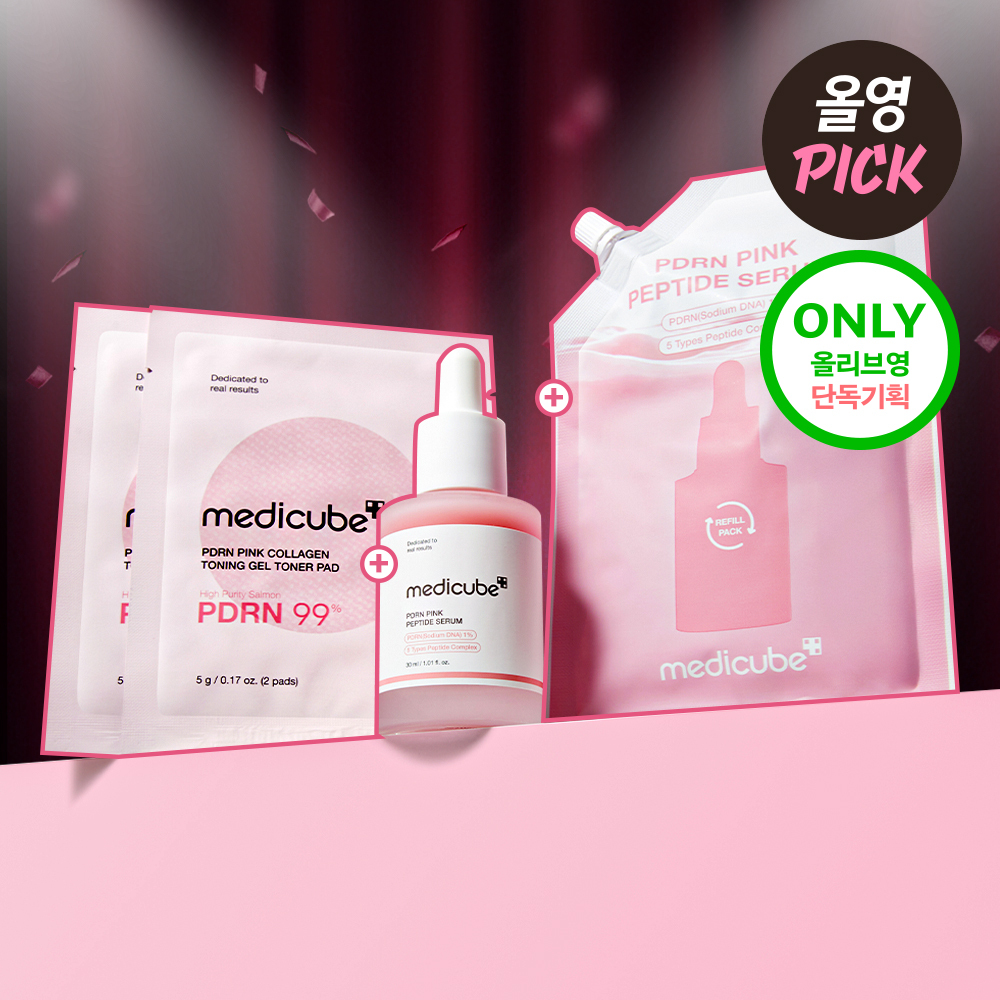
PDRN Pink Peptide Ampoule
Medicube
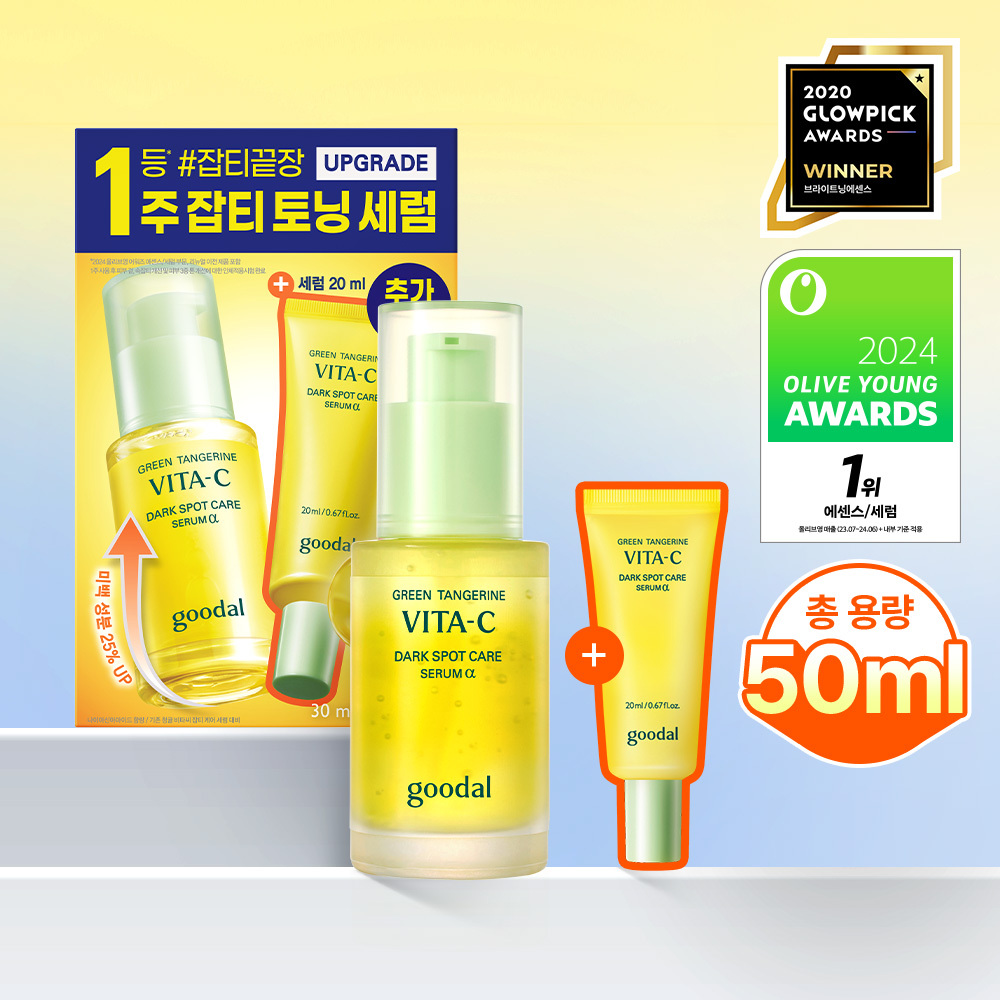
Green Tangerine Vita-C Dark Spot Care Serum α
Goodal
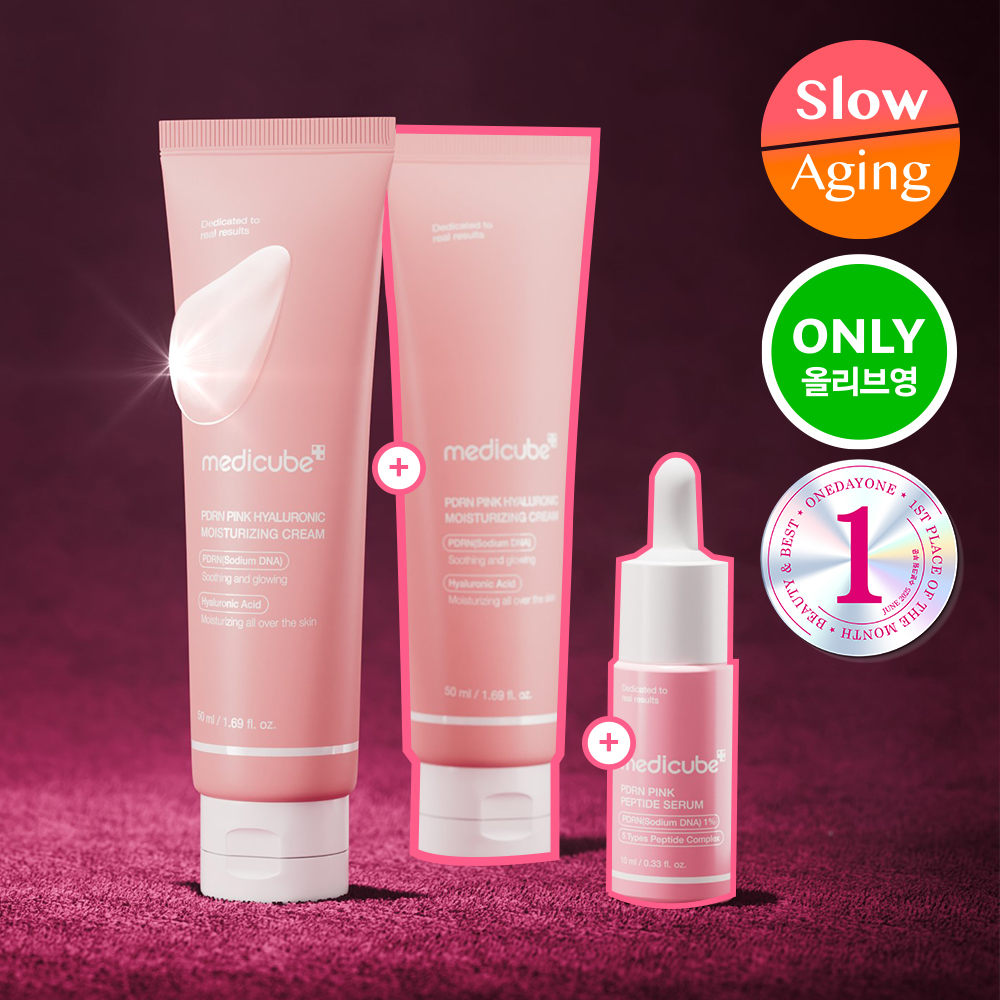
PDRN Pink Hyaluronic Moisturizing Cream Double Pack
Medicube
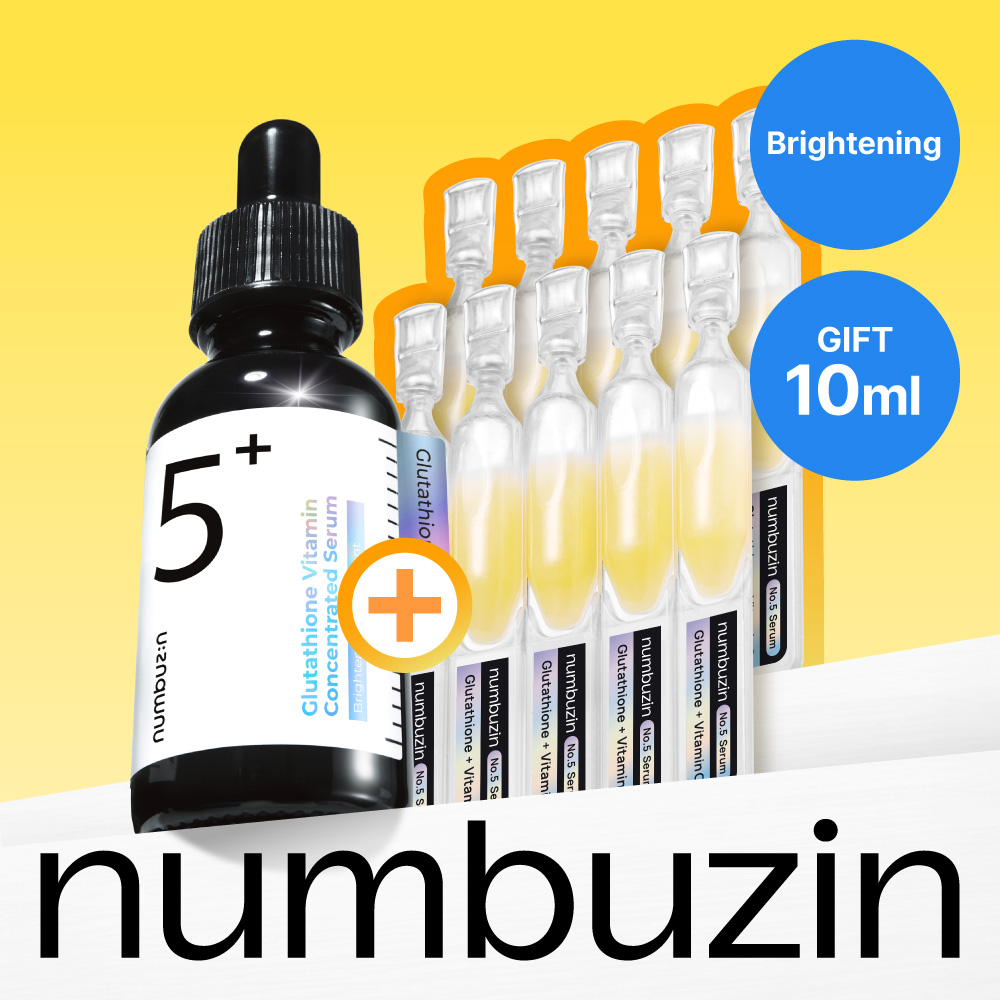
No. 5 Glutathione Vitamin Concentrated Serum
Numbuzin
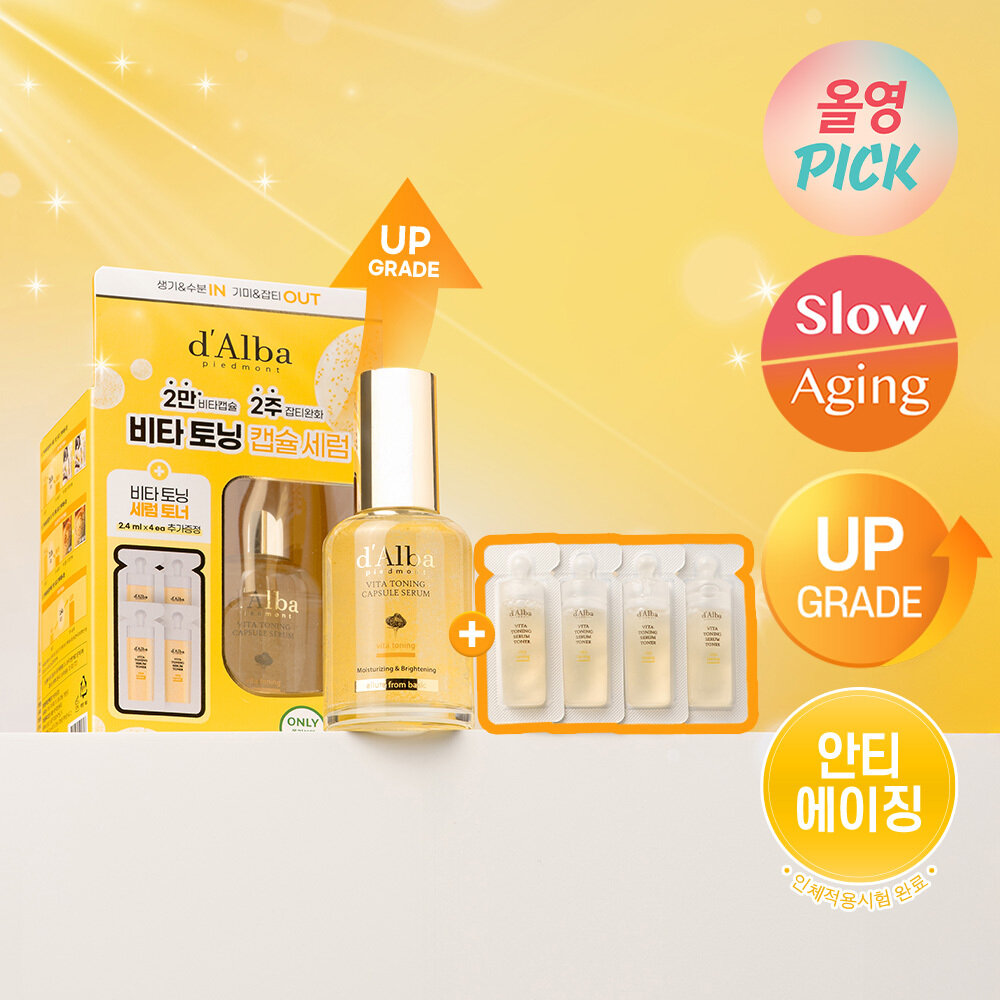
Vita Toning Capsule Serum
d'Alba
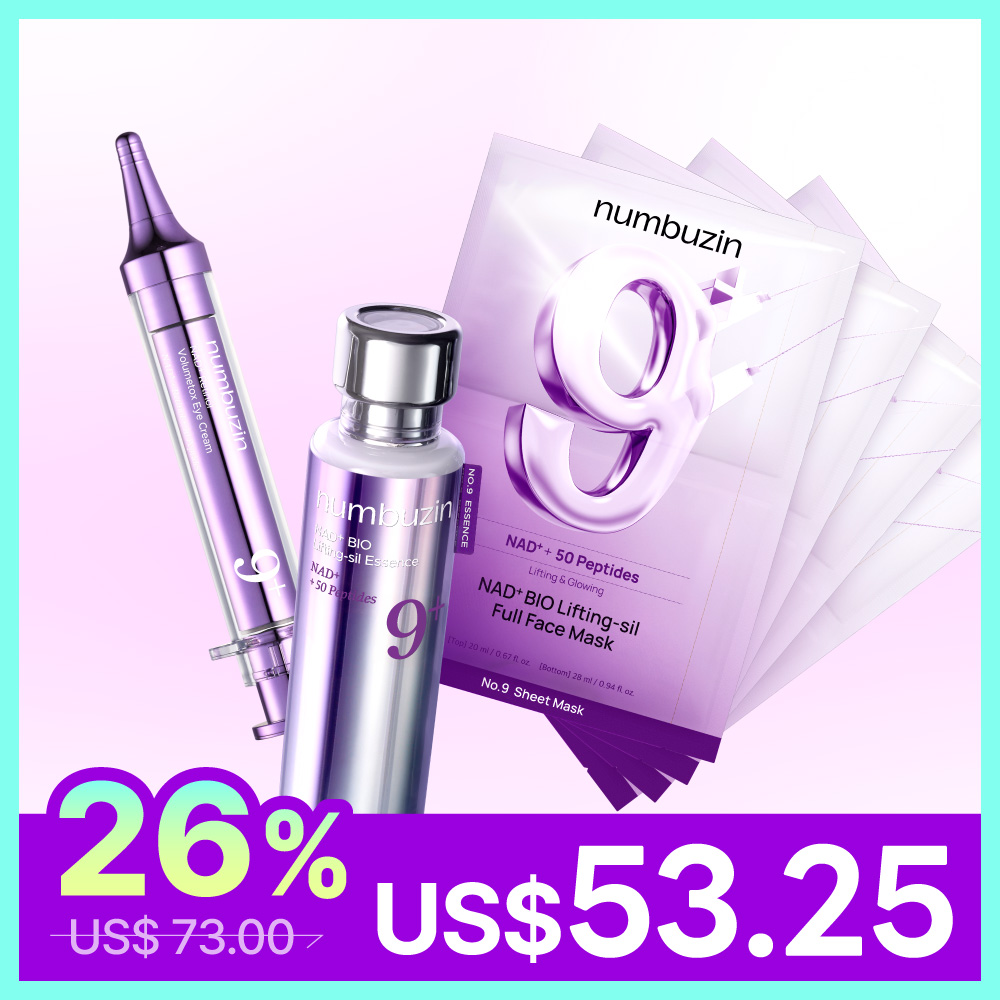
No. 9 NAD Ultimate Lifting Set
Numbuzin
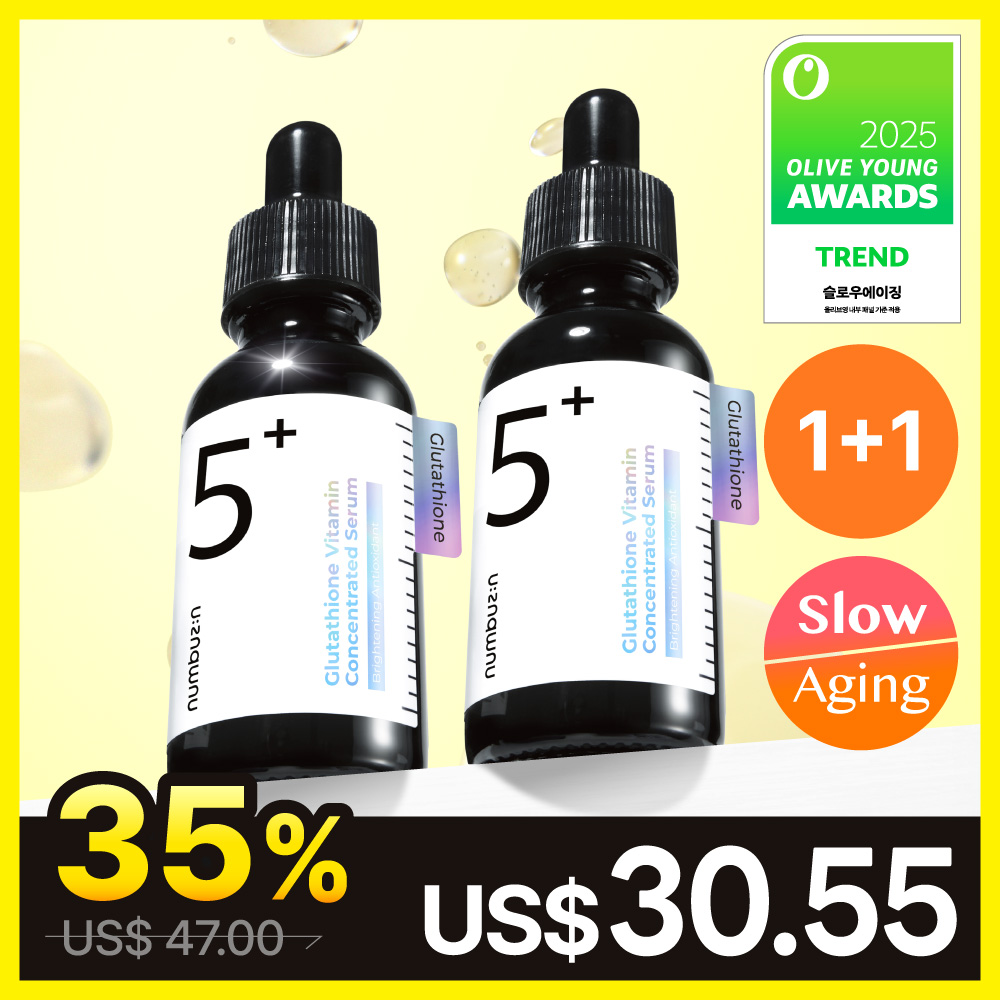
No.5+ Vitamin Concentrated Serum Duo Set
Numbuzin
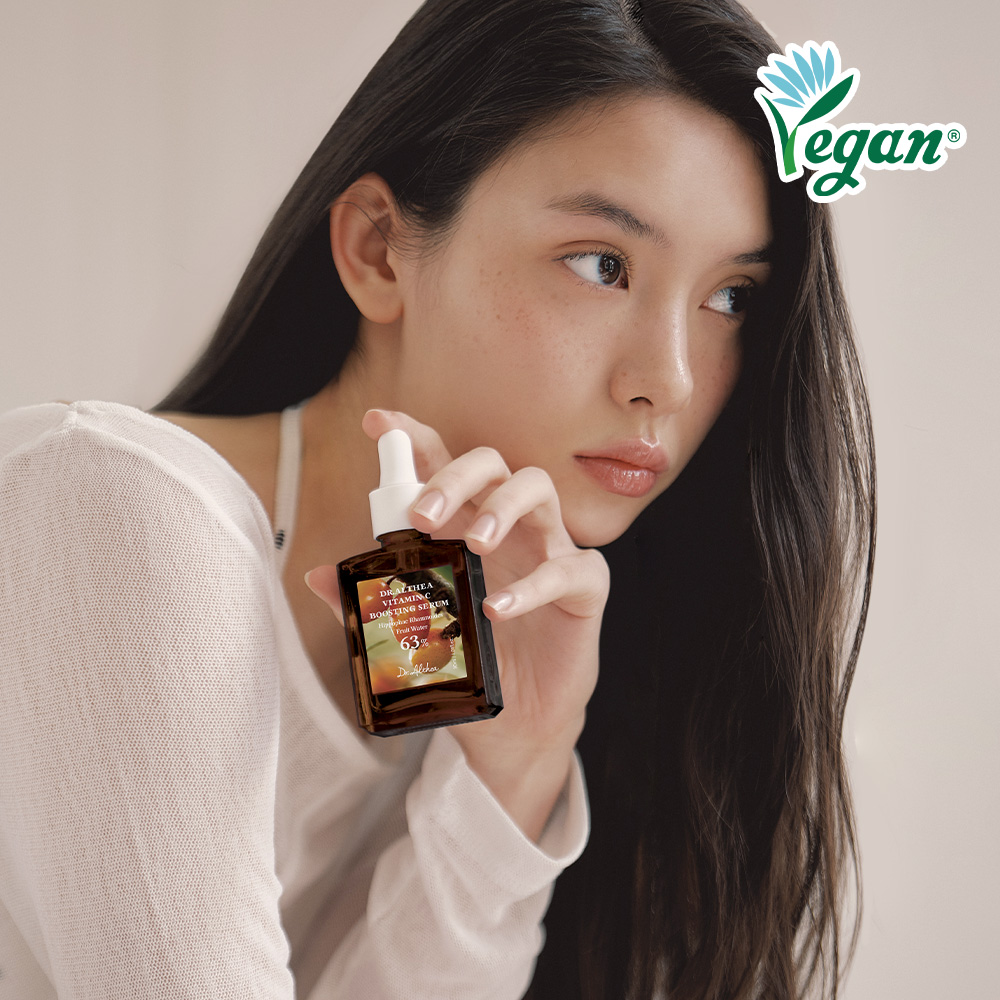
Vitamin C Boosting Serum
Dr. Althea
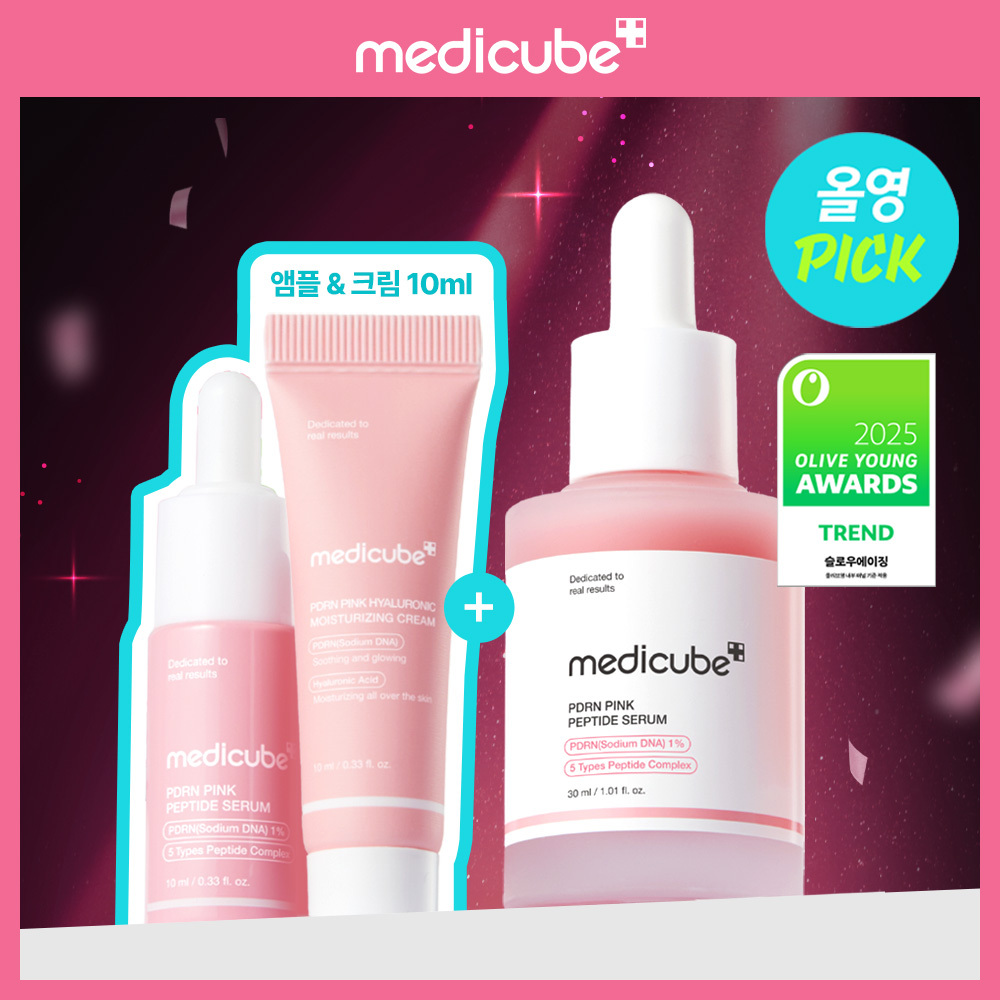
PDRN Pink Peptide Ampoule Set
Medicube
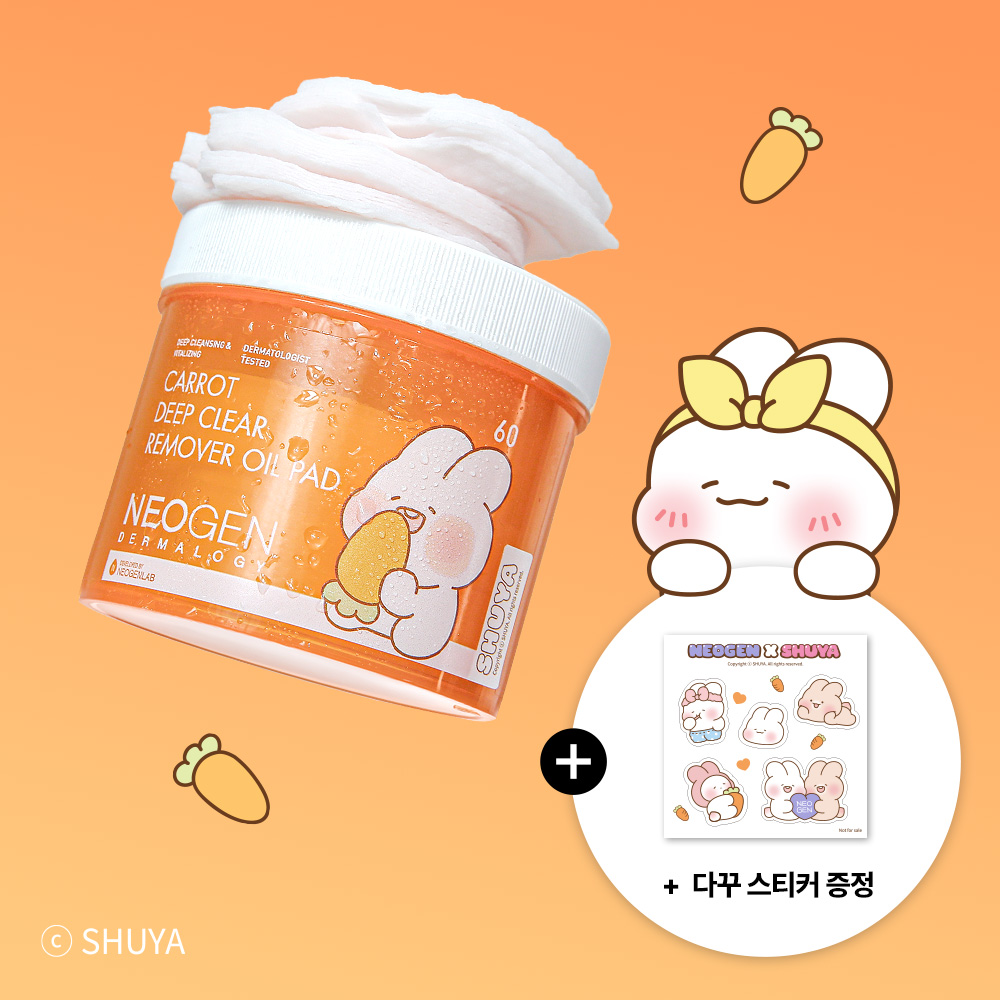
Dermalogy Carrot Deep Clear Remover Oil Pad
Neogen
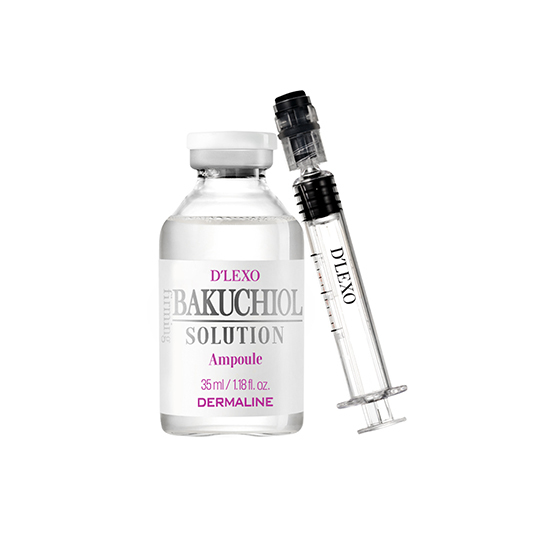
D'LEXO Bakuchiol Firming Solution Ampoule
DERMALINE
Frequently Asked Questions
Can I use Coenzyme Q10 if I'm in my 20s or is it only for mature skin?▼
How does Coenzyme Q10 compare to vitamin C for antioxidant protection?▼
Why do so many high-rated K-beauty products pair Coenzyme Q10 with peptides?▼
Will Coenzyme Q10 products cause breakouts or clog my pores?▼
Explore More
Want personalized ingredient advice?
Yuri, our AI beauty advisor, can tell you how Coenzyme Q10 works with your specific skin type, routine, and concerns.
Ask Yuri, free