Vegetable Squalane
Emollient that mimics skin lipids and enhances moisture
About Vegetable Squalane
Vegetable squalane is a hydrogenated form of squalene, a lipid naturally found in human sebum that keeps skin soft and protected. While our bodies produce squalene (spelled with an 'e'), it oxidizes quickly when exposed to air. Vegetable squalane (with an 'a') is the stabilized, shelf-stable version derived from plant sources like sugarcane, olives, and rice bran. K-beauty brands embraced this ingredient early because it mirrors the molecular structure of skin's own moisture barrier, making it biomimetic and highly compatible with all skin types. Unlike heavy oils, squalane has a lightweight, silky texture that sinks in immediately without any greasy residue. It delivers deep hydration by preventing water loss, while also improving the absorption of other active ingredients layered underneath or on top. With a comedogenic rating of just 1/5, it's one of the safest emollients for acne-prone skin. Korean formulations often pair vegetable squalane with ceramides, hyaluronic acid, or fermented extracts to create moisture-rich products that repair and strengthen the skin barrier. Products like Real Barrier's Extreme Cream Ampoule and ZEROID's Intensive Cream Toner both earn perfect 5.0/5 ratings, demonstrating how effectively this ingredient performs in K-beauty formulations focused on hydration and barrier repair.
How Vegetable Squalane Works
Vegetable squalane works by integrating directly into the lipid matrix of your stratum corneum, the outermost layer of skin. Because its molecular structure is nearly identical to the squalene your sebaceous glands naturally produce, skin recognizes it as a native lipid rather than a foreign substance. This allows squalane to slip between corneocytes (skin cells) and fill in gaps in the moisture barrier, preventing transepidermal water loss (TEWL). Unlike occlusive ingredients that sit on the surface, squalane is both emollient and semi-occlusive, meaning it softens skin while also creating a breathable seal that locks in hydration. At the same time, it delivers antioxidant protection by neutralizing free radicals and preventing lipid peroxidation, which is the breakdown of skin's natural oils. Squalane also has a unique affinity for other lipophilic (oil-loving) ingredients, which means it helps carry fat-soluble vitamins and actives deeper into skin. This is why K-beauty products combine it with niacinamide, retinol, or peptides to boost their efficacy.
Vegetable Squalane by Skin Type
Oily Skin
Oily skin actually benefits immensely from vegetable squalane because it's non-comedogenic and regulates sebum production rather than adding to it. When your skin is dehydrated, it overcompensates by producing more oil. Squalane provides the hydration signal that tells sebaceous glands to calm down, leading to less shine and fewer breakouts over time.
Dry Skin
This is where vegetable squalane truly shines. Dry skin lacks sufficient natural lipids to retain moisture, and squalane fills that gap by reinforcing the barrier and preventing water evaporation. Products like Hanyul's Red Rice Moisture Firming Emulsion use squalane alongside fermented rice extracts to deliver plump, dewy hydration that lasts all day without feeling heavy.
Combo Skin
Combination skin needs balance, and vegetable squalane delivers exactly that. It hydrates dry zones like cheeks without congesting the T-zone. Because it's lightweight and absorbs quickly, it won't cause midday oiliness in areas that already produce sebum, making it ideal for products you'd use all over your face.
Sensitive Skin
Sensitive skin types can trust vegetable squalane because it's hypoallergenic, non-irritating, and free from common allergens. It actively soothes inflammation by supporting the skin barrier, which is often compromised in sensitive skin. ZEROID's dermatologist-developed formulas leverage squalane for exactly this reason, earning top ratings from users with reactive skin.
Normal Skin
Normal skin maintains its balance easily with vegetable squalane. It provides just enough hydration to keep skin soft and resilient without disrupting your natural moisture levels. Think of it as maintenance hydration that prevents future dryness or sensitivity while keeping your complexion healthy and glowing.
How to Use Vegetable Squalane
- 1Layer squalane after water-based serums but before heavier creams to lock in hydration and help actives penetrate deeper.
- 2Use it as the last step in your nighttime routine to seal in all previous layers and prevent moisture loss while you sleep.
- 3Mix a drop or two with your foundation for a dewy, skin-like finish without added oils that could break you out.
- 4Apply squalane on damp skin right after toning for maximum absorption and a plumping effect that smooths fine lines.
- 5Safe to use morning and night, year-round. It's stable, won't oxidize, and works in all climates from humid summers to dry winters.
Background
Squalene was first discovered in shark liver oil in 1906 by Japanese chemist Mitsumaru Tsujimoto, and for decades, sharks were the primary source. However, ethical and sustainability concerns pushed the beauty industry to find plant-based alternatives. By the 2000s, biotechnology made it possible to derive squalene from sugarcane and olives, then hydrogenate it into stable squalane. K-beauty brands were early adopters of vegetable squalane, integrating it into clean, cruelty-free formulations aligned with the industry's ethos of gentle yet effective skincare. Korean traditional medicine has long valued plant oils for their healing properties, so the shift to vegetable squalane felt like a natural evolution. Today, it's a staple in barrier-repair and hydration-focused products across all price points in K-beauty.
K-Beauty Products with Vegetable Squalane
View all 27 →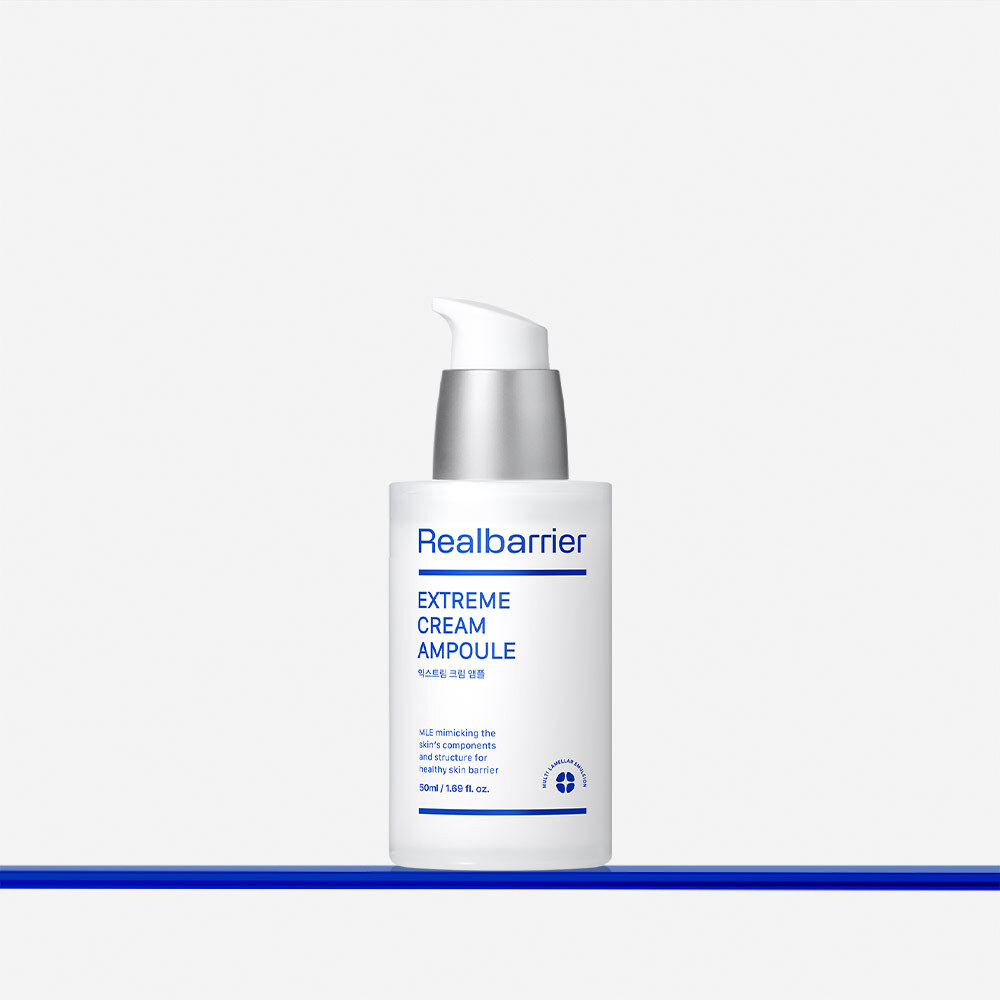
Extreme Cream Ampoule
Real Barrier
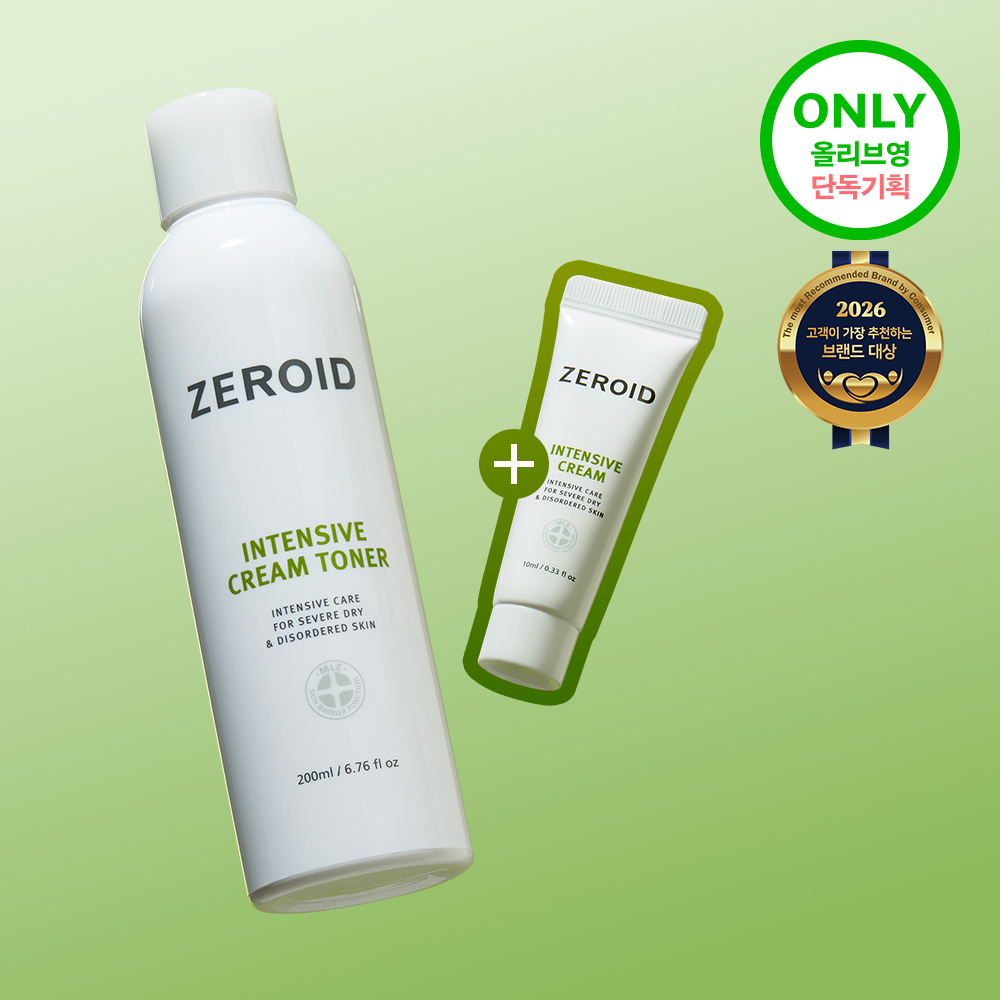
Intensive Cream Toner
ZEROID
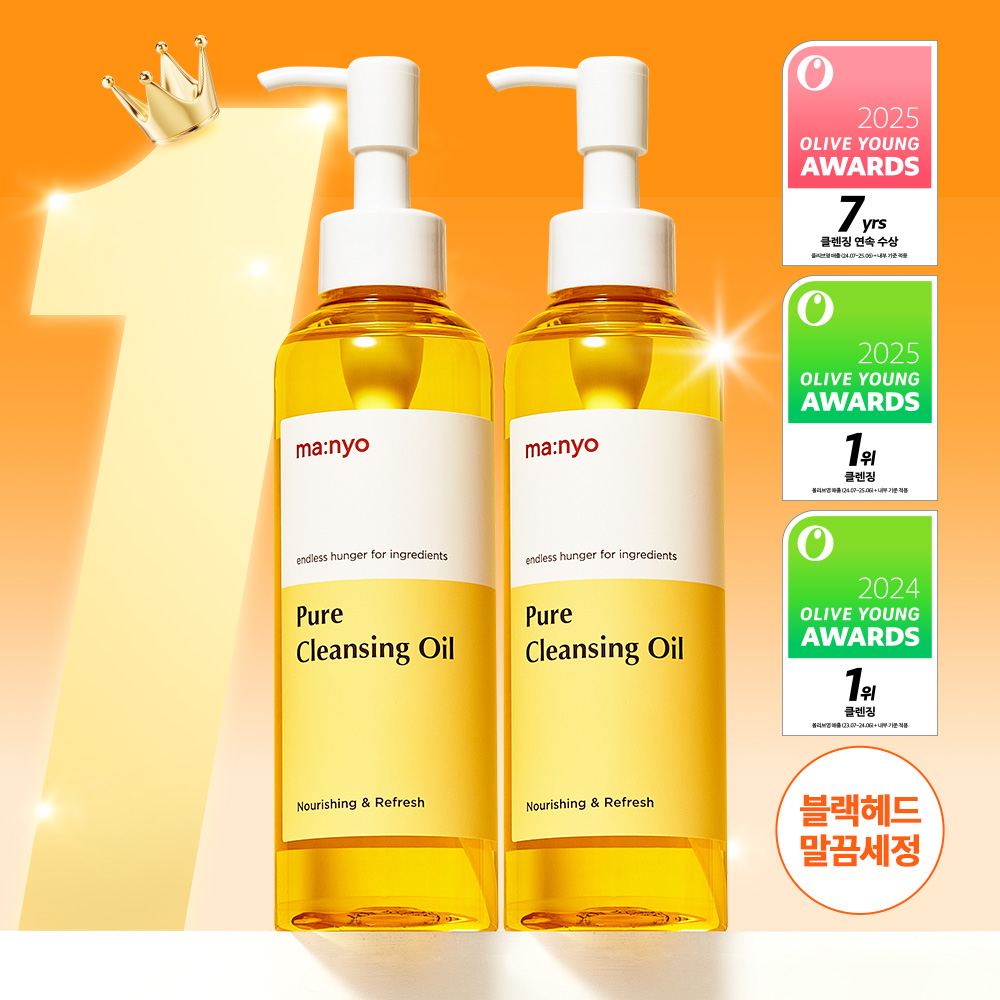
Pure Cleansing Oil Double Pack
ma:nyo

Hyaluronic Acid Aqua Gel Cream
Isntree
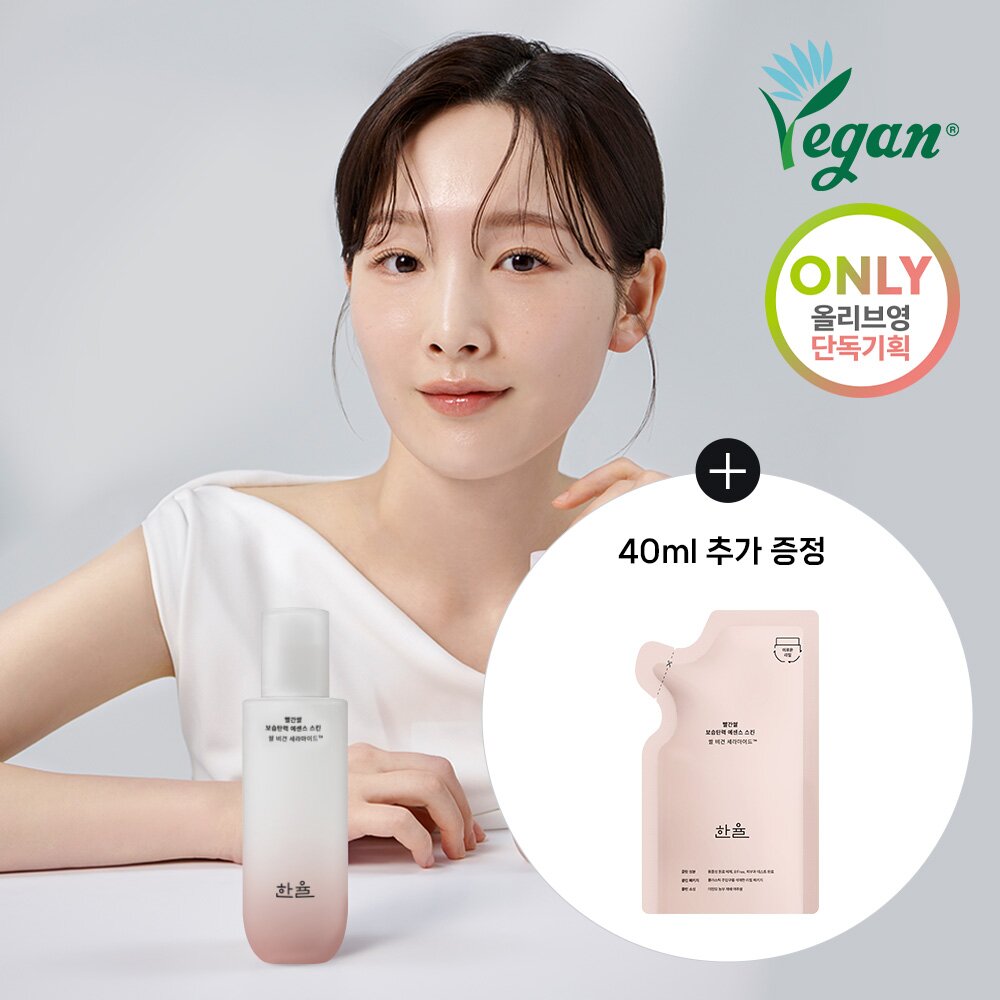
Red Rice Moisture Firming Essence Skin Special Set
Hanyul

Pure Cleansing Oil
ma:nyo
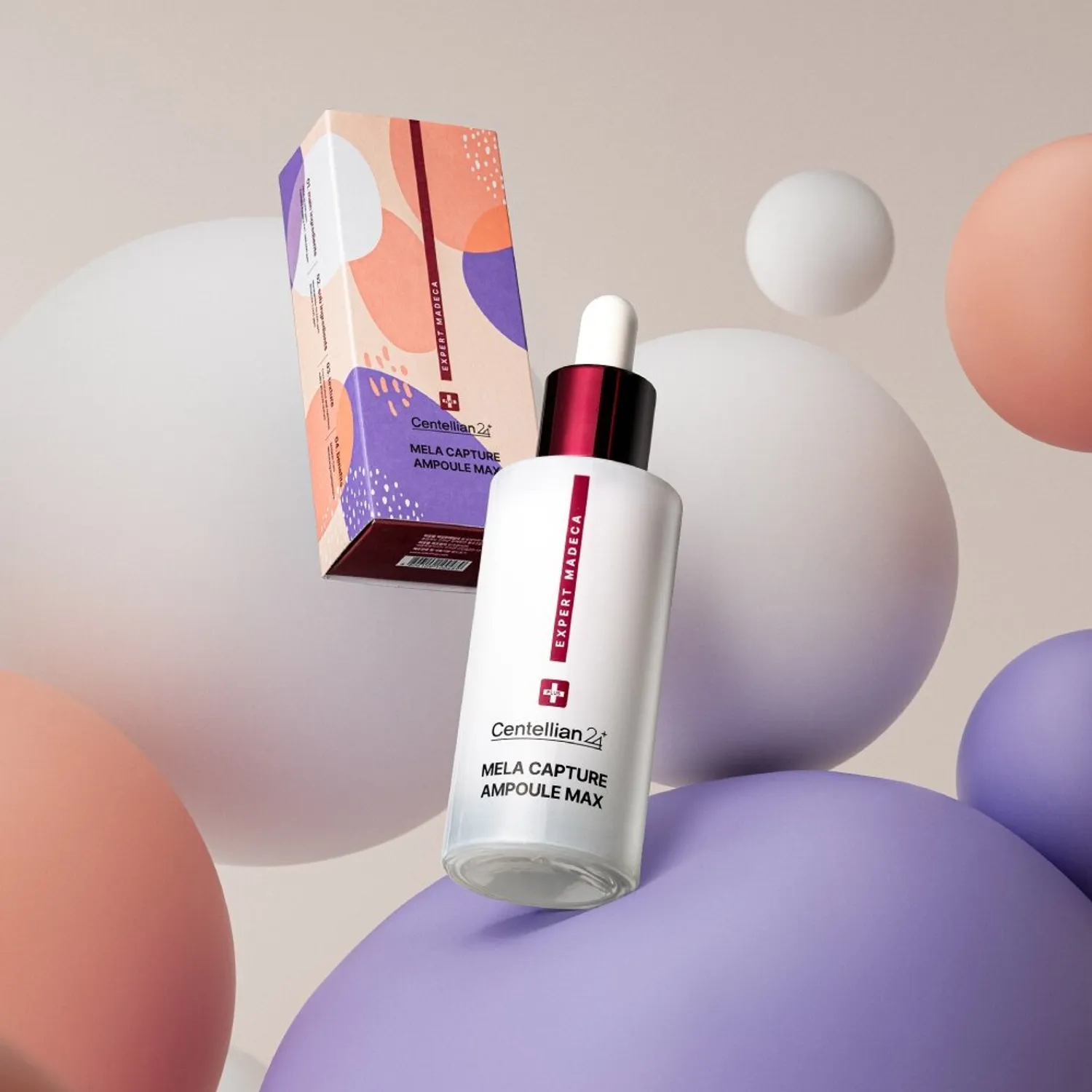
Expert Madeca Mela Capture Ampoule Max
Centellian24
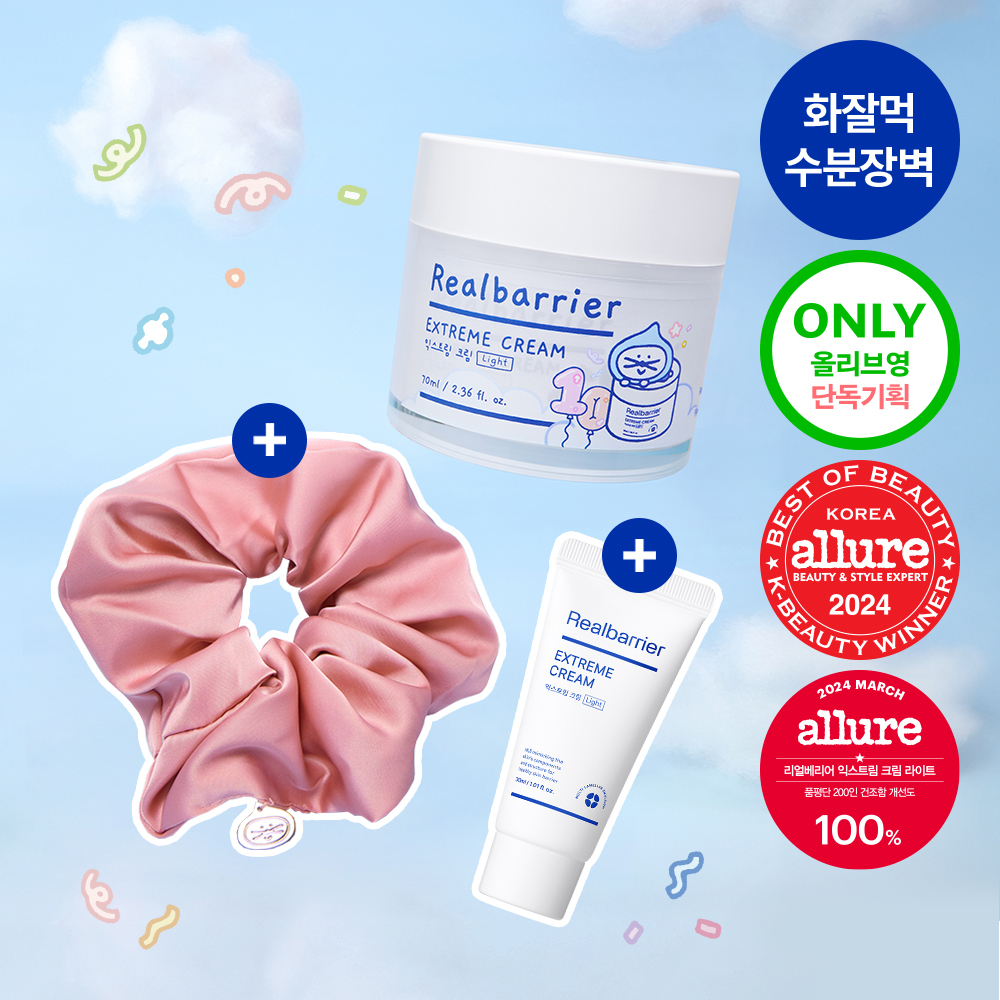
Extreme Cream Light
Real Barrier
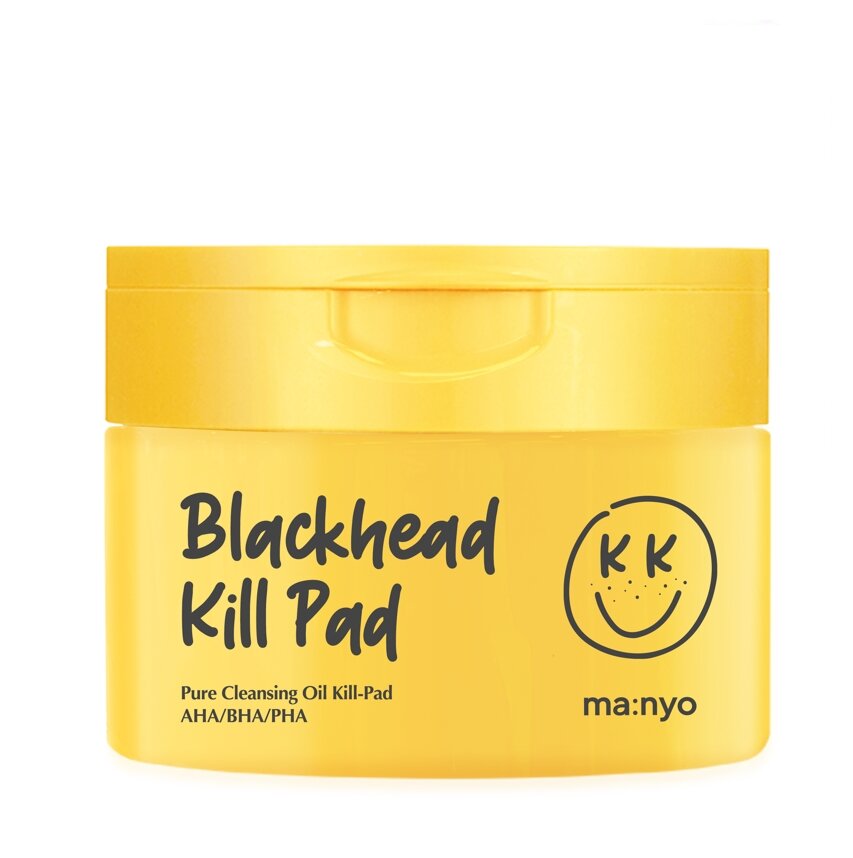
Blackhead Pure Cleansing Oil Kill-Pad
ma:nyo
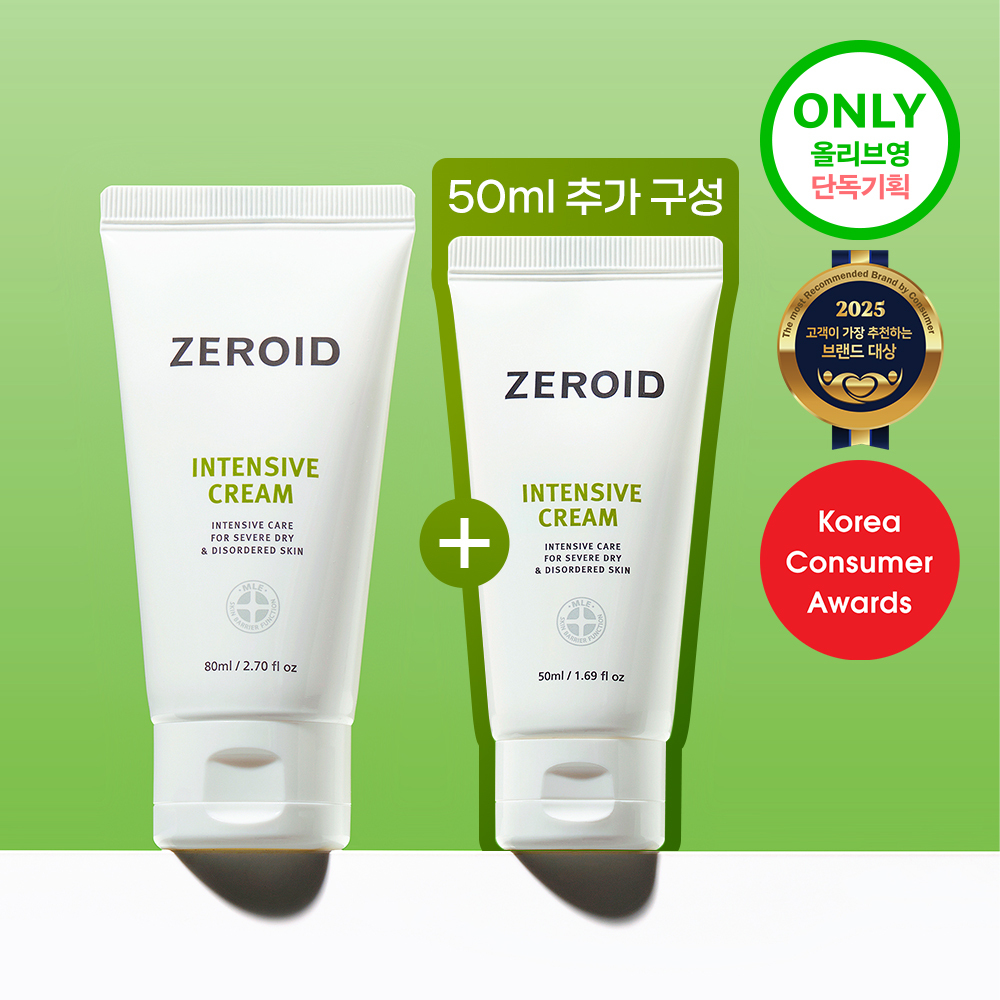
Intensive Cream
ZEROID
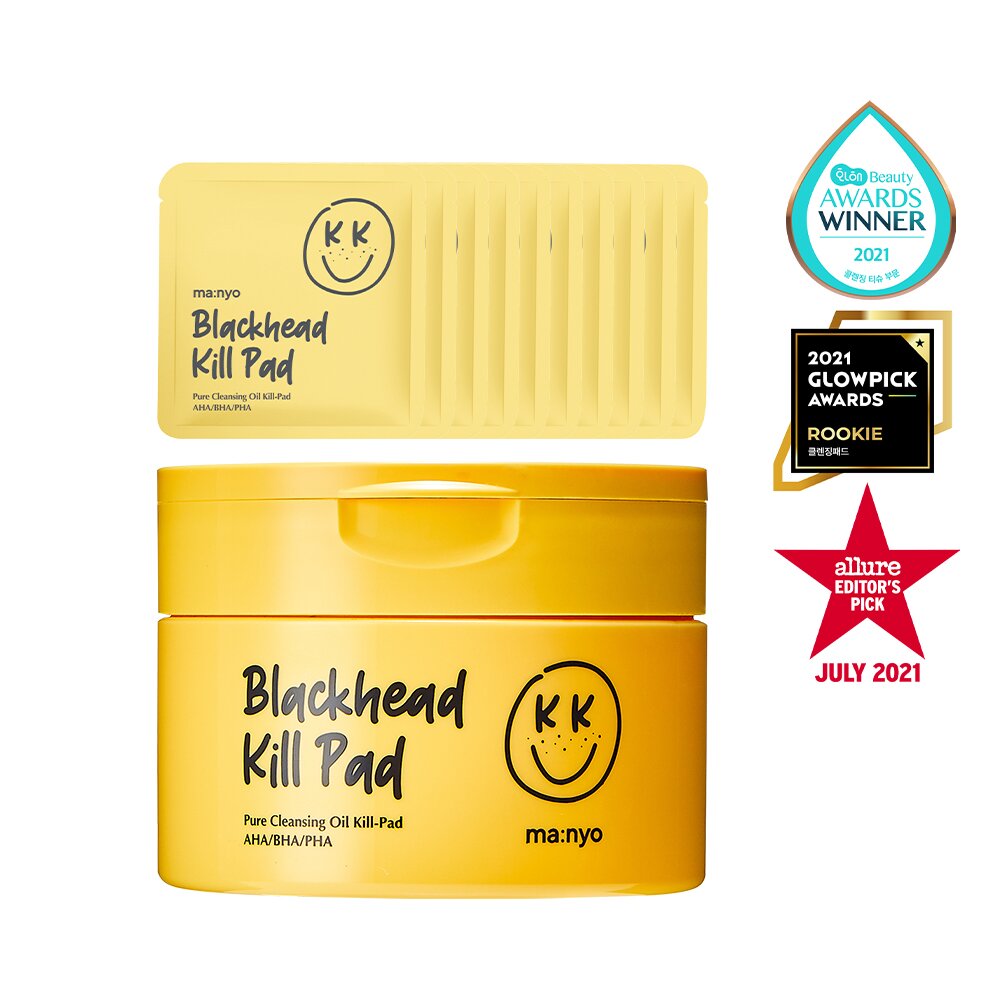
Blackhead Pure Cleansing Oil Kill Pad Special Set
ma:nyo
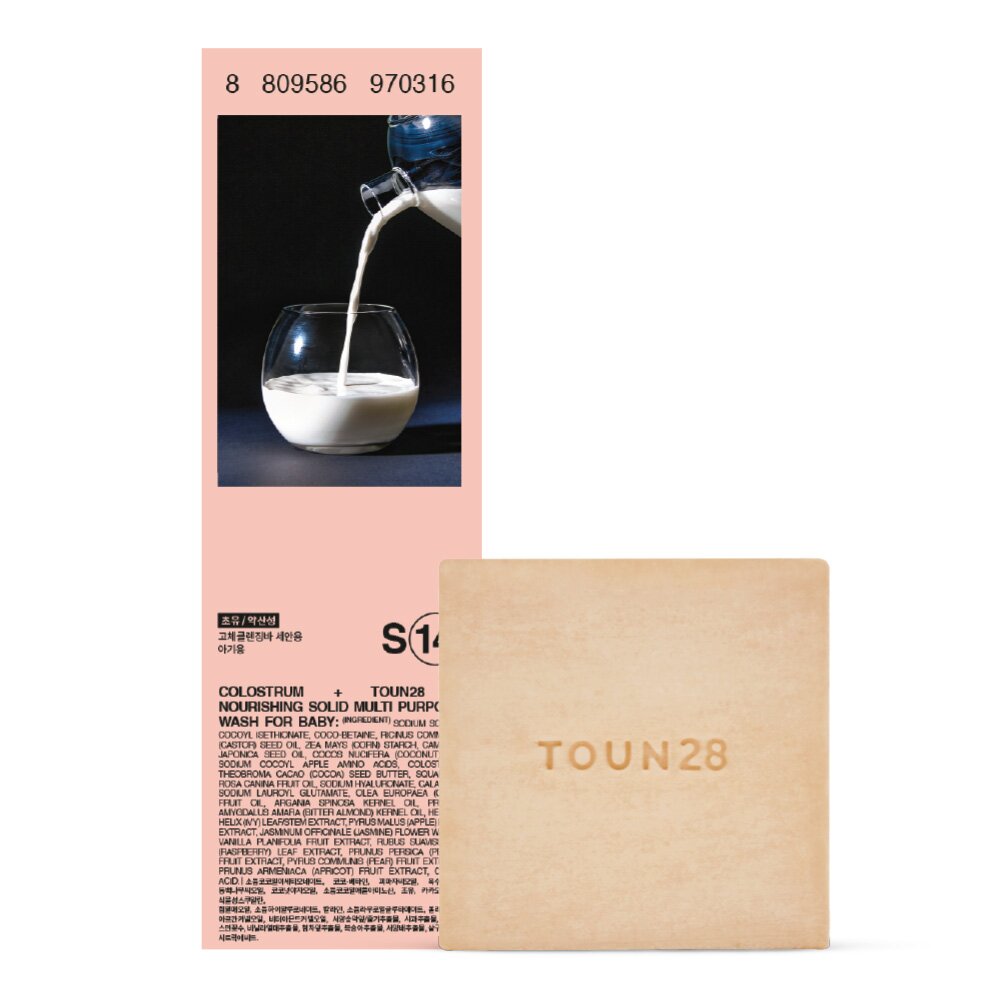
Facial Soap S14 (Foremilk / For all family)
TOUN28
Frequently Asked Questions
Is vegetable squalane really non-comedogenic for acne-prone skin?▼
What's the difference between squalane and squalene?▼
Can I use vegetable squalane with retinol or vitamin C?▼
Why do top-rated K-beauty products like Real Barrier and ZEROID use vegetable squalane?▼
Is vegetable squalane suitable for humid climates?▼
Explore More
Want personalized ingredient advice?
Yuri, our AI beauty advisor, can tell you how Vegetable Squalane works with your specific skin type, routine, and concerns.
Ask Yuri, free