Mung Bean Extract
INCI: Vigna Radiata Seed Extract
Antioxidant and skin brightening agent
About Mung Bean Extract
Mung bean extract, derived from the seeds of Vigna radiata, is a traditional Korean skincare ingredient that has experienced a modern renaissance in K-beauty formulations. Rich in vitamins A, B, C, and E, plus minerals like potassium and iron, this legume extract delivers powerful antioxidant protection while gently brightening and clarifying the complexion. Korean beauty culture has long valued mung beans for their cooling, purifying properties, originally using ground mung bean powder as a natural cleanser and exfoliant. Today's formulations harness the extract's bioactive compounds, including flavonoids, phenolic acids, and vitexin, which work synergistically to neutralize free radicals, reduce hyperpigmentation, and support the skin's natural barrier function. With a comedogenic rating of 0/5, mung bean extract is particularly celebrated for its ability to refine pores and control excess sebum without clogging or irritating the skin. This makes it an ideal ingredient for those struggling with congestion, dullness, or uneven texture. The extract's gentle nature combined with its multitasking benefits explains its presence in 28 K-beauty products on Seoul Sister, from cleansing balms to sunscreens, with standout formulations like Beplain's Mung Bean Cooling Moisture Sunscreen and KAHI's Pore Control Mung Bean Cleansing Balm earning perfect 5.0/5 ratings from users who appreciate its ability to clarify without stripping or sensitizing.
How Mung Bean Extract Works
Mung bean extract functions through multiple complementary mechanisms at the cellular level. Its high concentration of vitexin, a C-glycosyl flavone, inhibits tyrosinase activity, the enzyme responsible for melanin production, which helps prevent and fade hyperpigmentation and dark spots. The extract's phenolic compounds donate electrons to unstable free radicals generated by UV exposure and pollution, neutralizing oxidative stress before it can damage cellular DNA and collagen structures. Meanwhile, the natural enzymes present in mung bean extract provide gentle proteolytic activity, breaking down the bonds between dead skin cells to promote natural exfoliation without physical abrasion. This enzymatic action helps decongest pores and refine skin texture over time. The extract also contains peptides and amino acids that support the skin's natural moisture barrier by reinforcing the lipid matrix between corneocytes. Its anti-inflammatory properties stem from the inhibition of pro-inflammatory cytokines, which reduces redness and calms reactive skin. The cooling sensation often associated with mung bean formulations comes from the extract's ability to promote microcirculation while simultaneously soothing nerve endings, creating a refreshing effect that's both physiological and sensory.
Mung Bean Extract by Skin Type
Oily Skin
Mung bean extract is exceptional for oily skin types, with its natural astringent properties helping to regulate sebum production without triggering rebound oiliness. The extract's ability to refine pores and provide gentle enzymatic exfoliation keeps congestion at bay while its zero comedogenic rating ensures it won't contribute to breakouts, making products like KAHI's Pore Control Mung Bean Cleansing Balm particularly effective for this skin type.
Dry Skin
While mung bean extract isn't primarily hydrating, it supports dry skin by strengthening the moisture barrier and providing antioxidant protection that prevents transepidermal water loss. The amino acids and peptides in the extract help maintain skin integrity, though dry skin types should pair mung bean products with richer moisturizers to maximize benefits without potential tightness from its mild astringent properties.
Combo Skin
Combination skin benefits significantly from mung bean extract's balancing act, as it can mattify oily zones without dehydrating drier areas. The extract's pore-refining abilities target congestion in the T-zone while its gentle, non-stripping nature respects the more delicate cheek areas, making it ideal in multi-purpose formulations like cleansing balms that need to work across varying skin conditions.
Sensitive Skin
With a safety rating of 4/5, mung bean extract is generally well-tolerated by sensitive skin, offering anti-inflammatory and cooling benefits that can actually calm reactivity. The extract's antioxidant protection helps defend compromised barriers against environmental stressors, though those with legume allergies should patch test first, as cross-reactivity is possible even in topical applications.
Normal Skin
Normal skin types can use mung bean extract as a preventative measure to maintain clarity, brightness, and resilience. The extract's comprehensive benefits, from antioxidant protection to gentle exfoliation and pore refinement, help keep normal skin in optimal condition while defending against the environmental factors that could push it toward imbalance over time.
How to Use Mung Bean Extract
- 1Start with leave-on products like serums or sunscreens rather than cleansers to maximize contact time with skin and allow the brightening and antioxidant compounds to fully absorb.
- 2Layer mung bean extract products before occlusives in your routine, as the extract works best when it can penetrate the skin rather than sitting on top of heavy creams or oils.
- 3If you have active breakouts, the enzymatic properties in mung bean cleansing balms can help prevent new congestion, but avoid aggressive rubbing over inflamed areas.
- 4Pair with vitamin C or niacinamide for enhanced brightening results, as mung bean extract's tyrosinase inhibition works synergistically with other melanin-regulating ingredients.
- 5Store mung bean products away from direct heat and light to preserve the extract's antioxidant compounds, which can degrade with excessive temperature fluctuations.
Background
Mung beans have been cultivated in India and Southeast Asia for over 4,000 years, but their journey into Korean skincare reflects centuries of hanbang (traditional Korean medicine) wisdom. Historical records show that Joseon dynasty women ground mung beans into a fine powder called nokdu, mixing it with water to create a natural cleanser that removed impurities while brightening the complexion. This practice was particularly popular among court ladies who valued the bean's cooling properties during hot summers. The tradition persisted through generations, with Korean grandmothers passing down nokdu face wash recipes as beauty secrets. Modern K-beauty brands have elevated this humble legume by extracting its bioactive compounds through advanced technology, concentrating the beneficial flavonoids and vitamins while removing potential irritants. The current mung bean renaissance in K-beauty, exemplified by brands like Beplain building entire product lines around the ingredient, represents a perfect marriage of ancestral knowledge and contemporary cosmetic science, validating traditional practices with clinical research on antioxidant and brightening efficacy.
K-Beauty Products with Mung Bean Extract
View all 34 →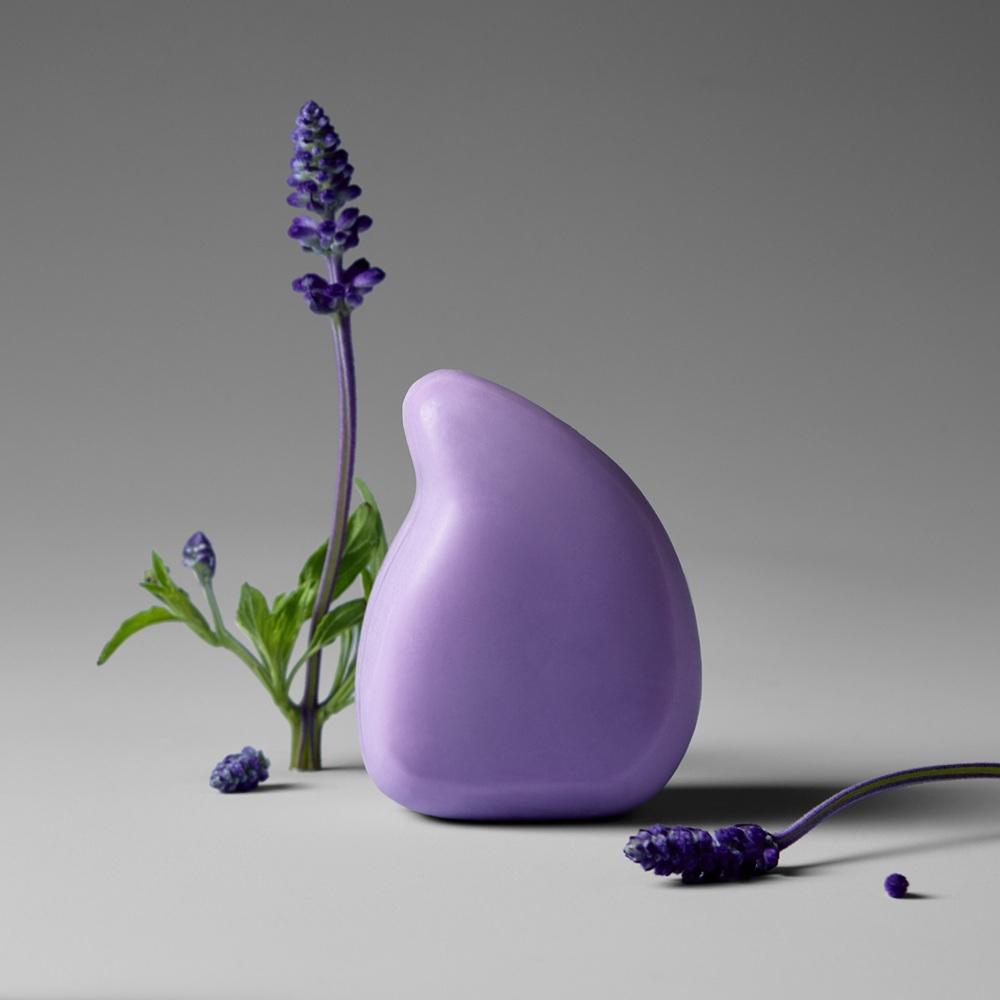
ReSaltZ Salt Massage Lavender Cleansing Bar
Beplain
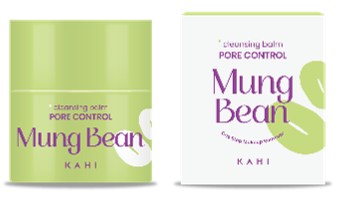
Pore Control Mung Bean Cleansing Balm
KAHI
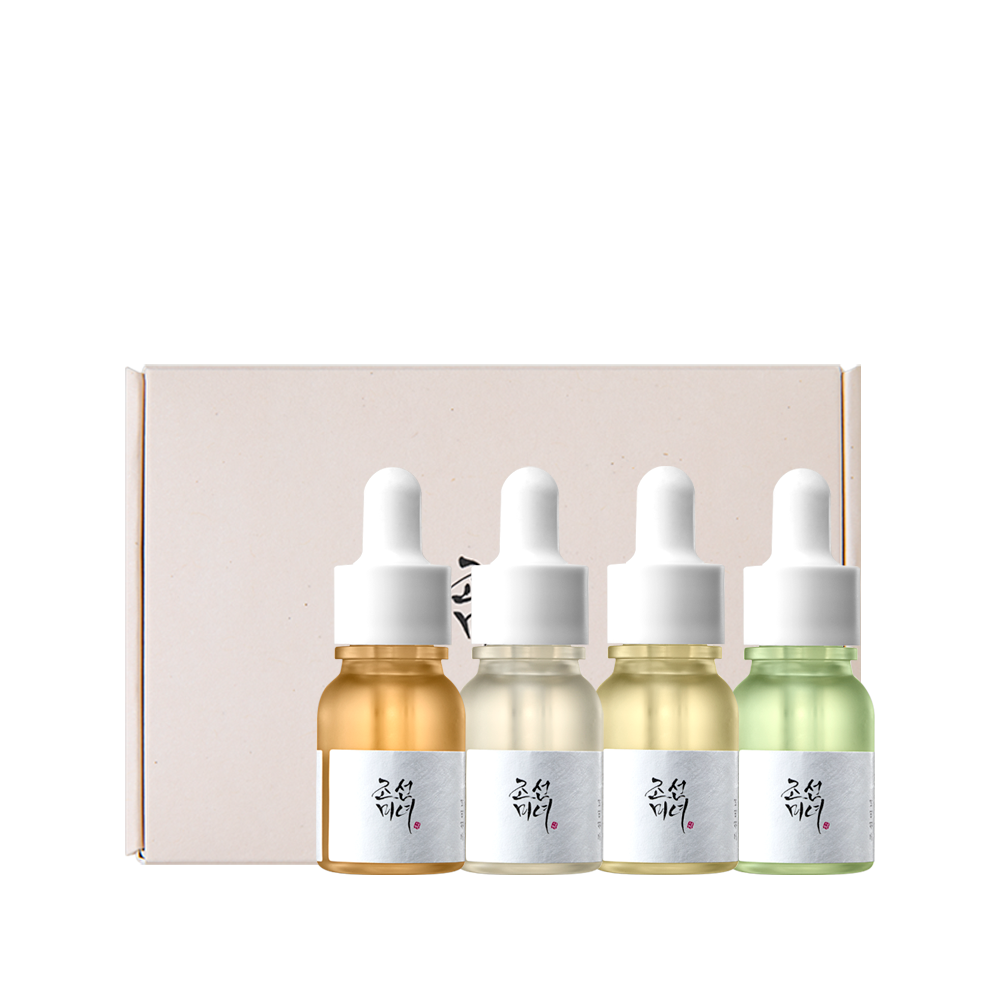
Hanbang Serum Discovery Kit
Beauty of Joseon
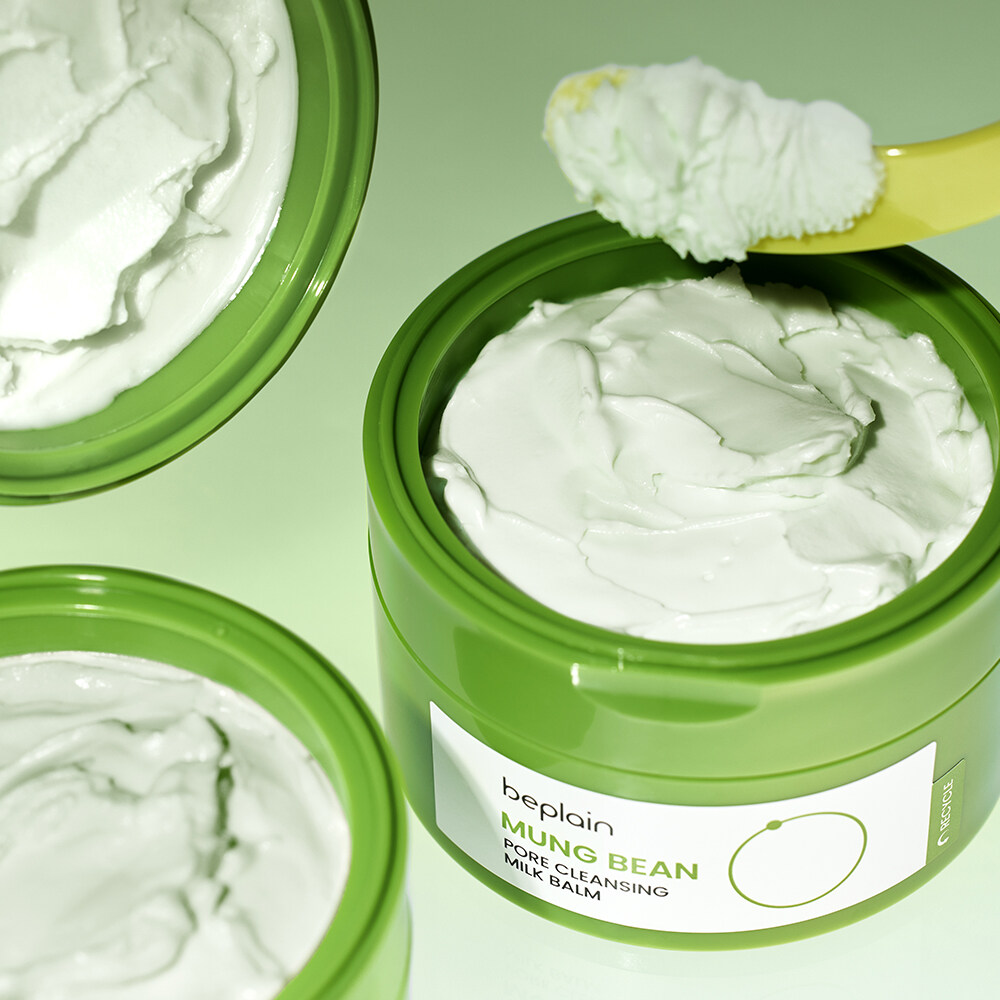
Mung Bean Pore Cleansing Milk Balm
Beplain
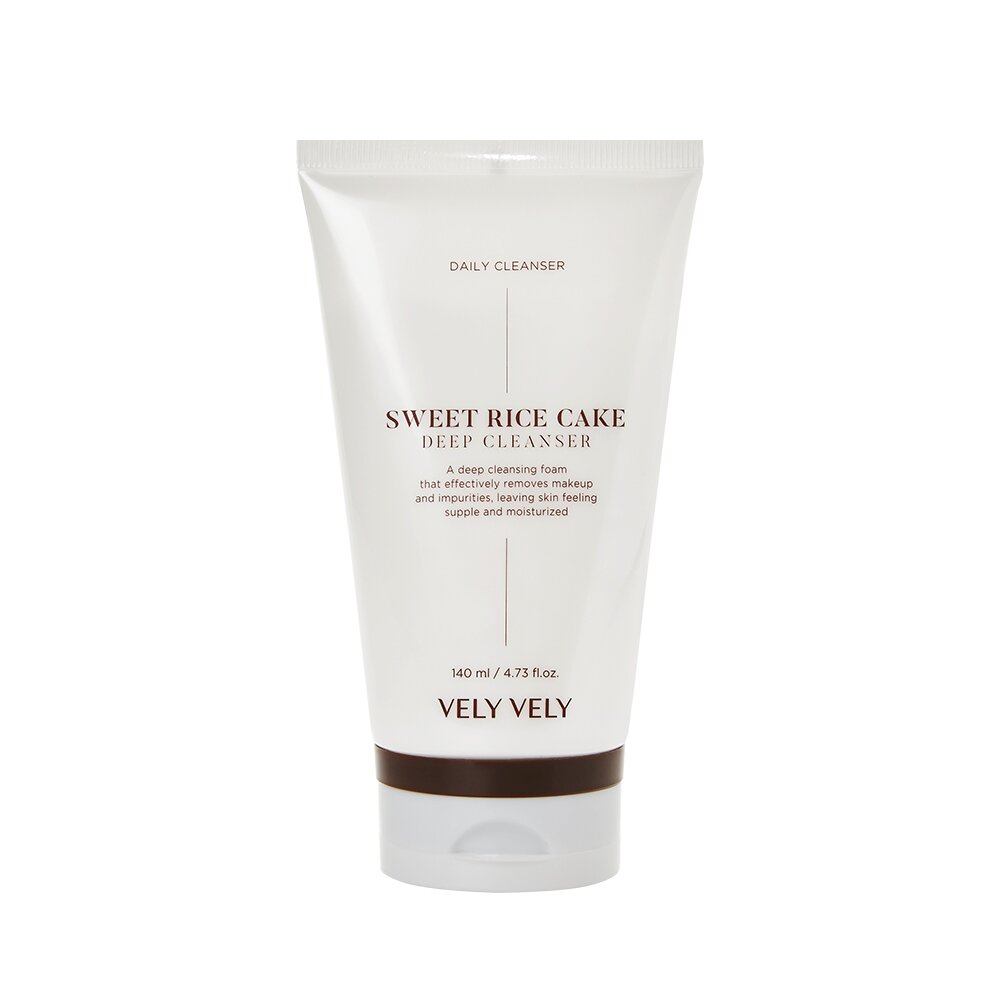
Sweet Rice Cake Deep Cleanser
VELY VELY
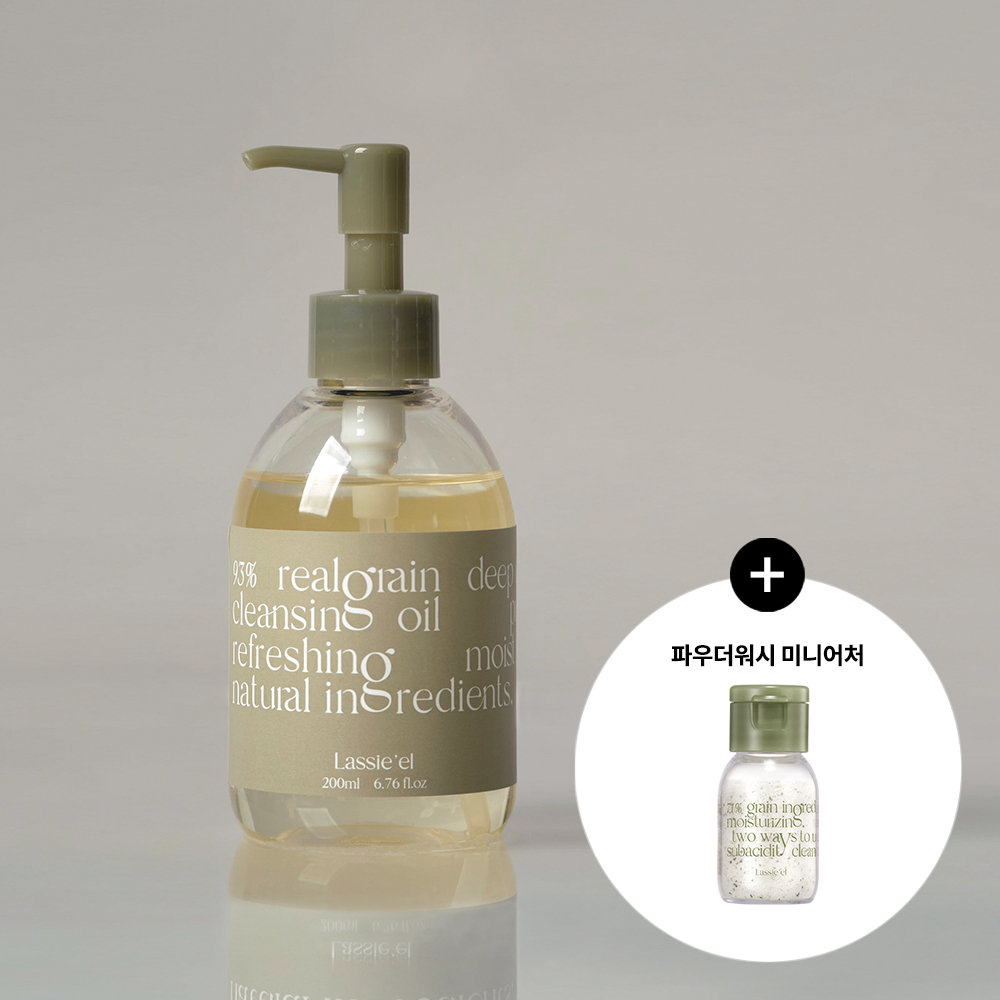
Grain Cleansing Oil Special Set
Banila Co
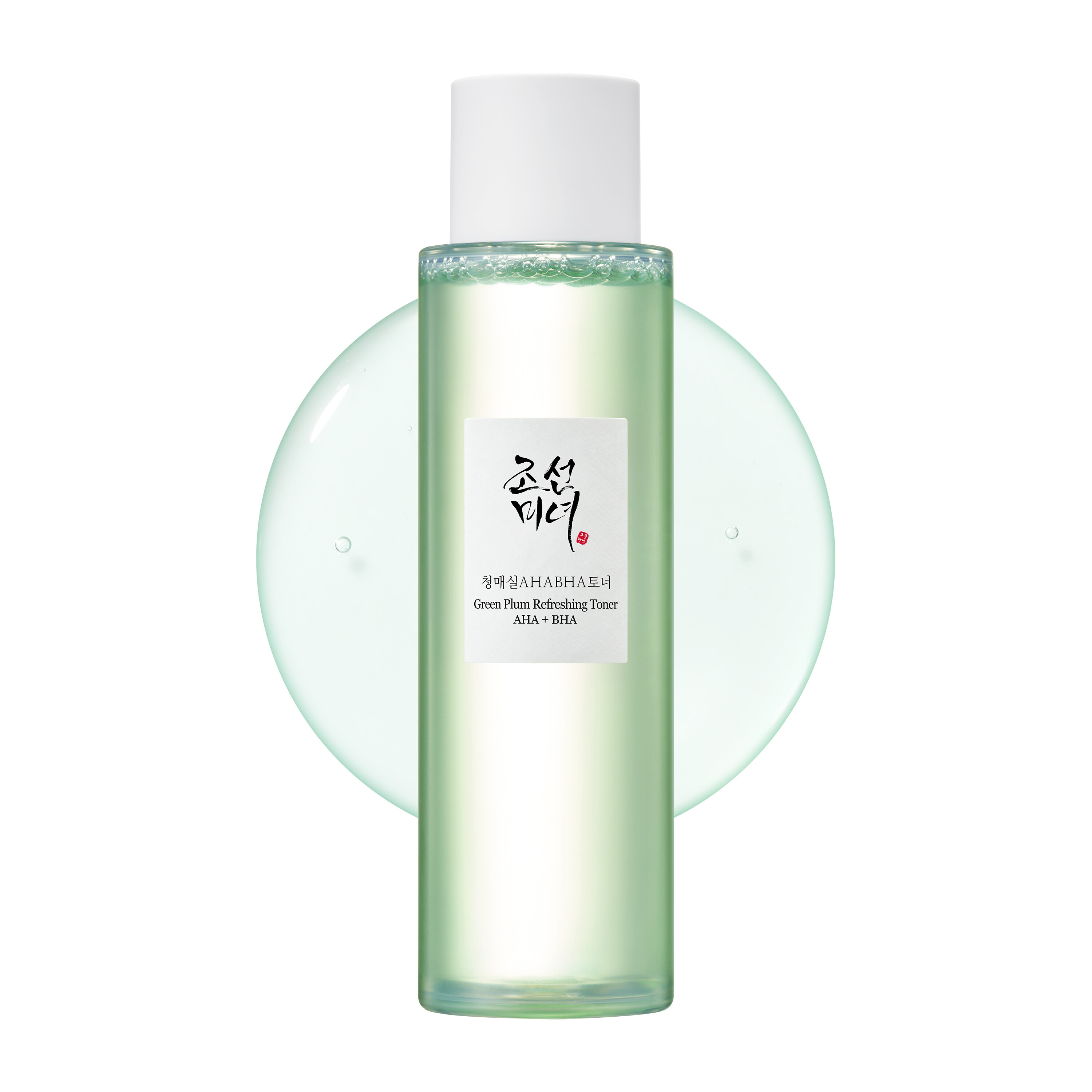
Green Plum Refreshing Toner
Beauty of Joseon
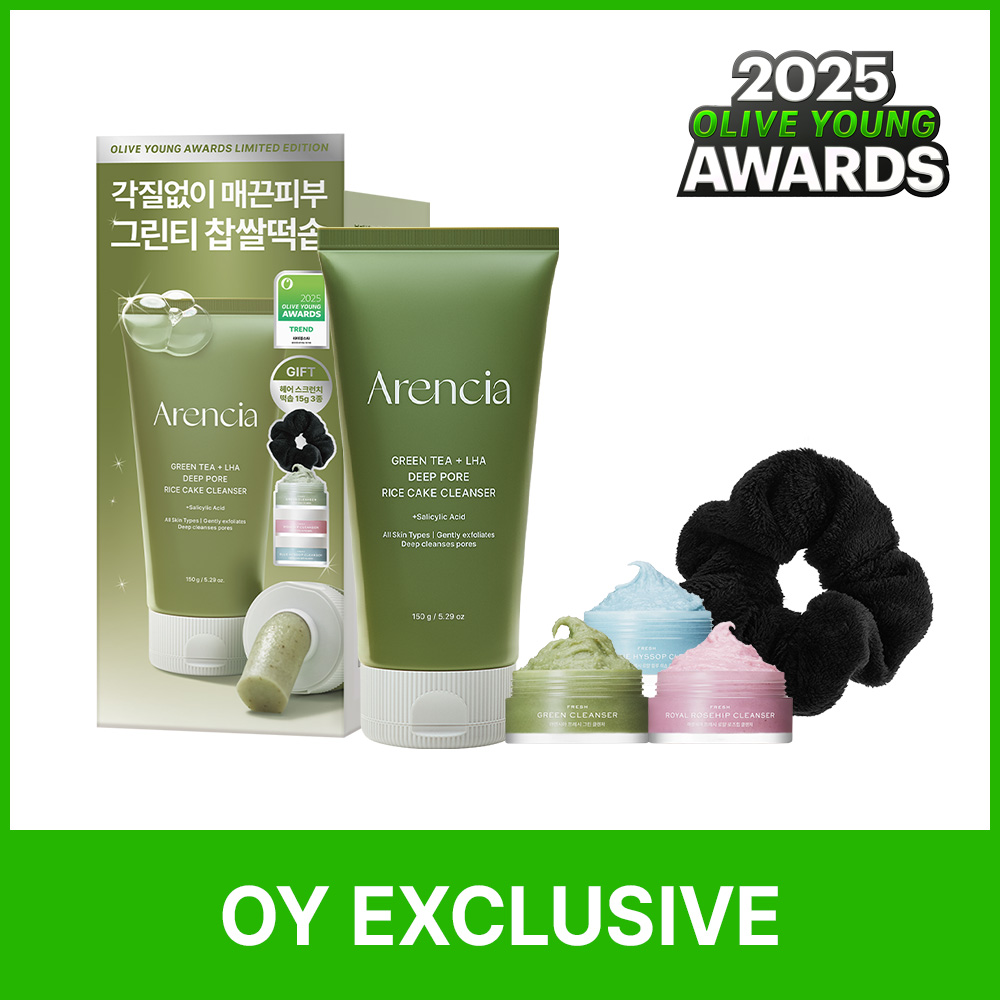
Green Tea + LHA Deep Pore Rice Cake Cleanser
Arencia

Mung Bean Milk Peeling Gel Special Set
Beplain
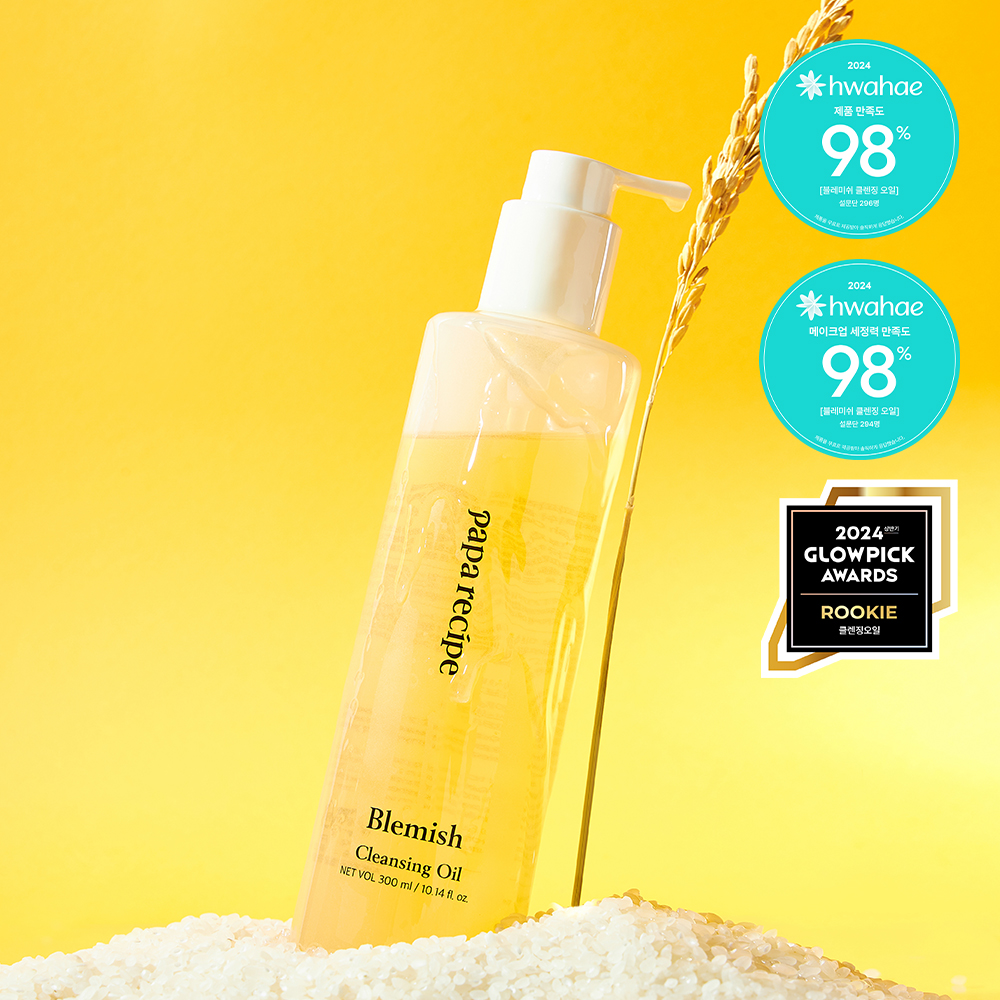
Blemish Cleansing Oil
Papa Recipe
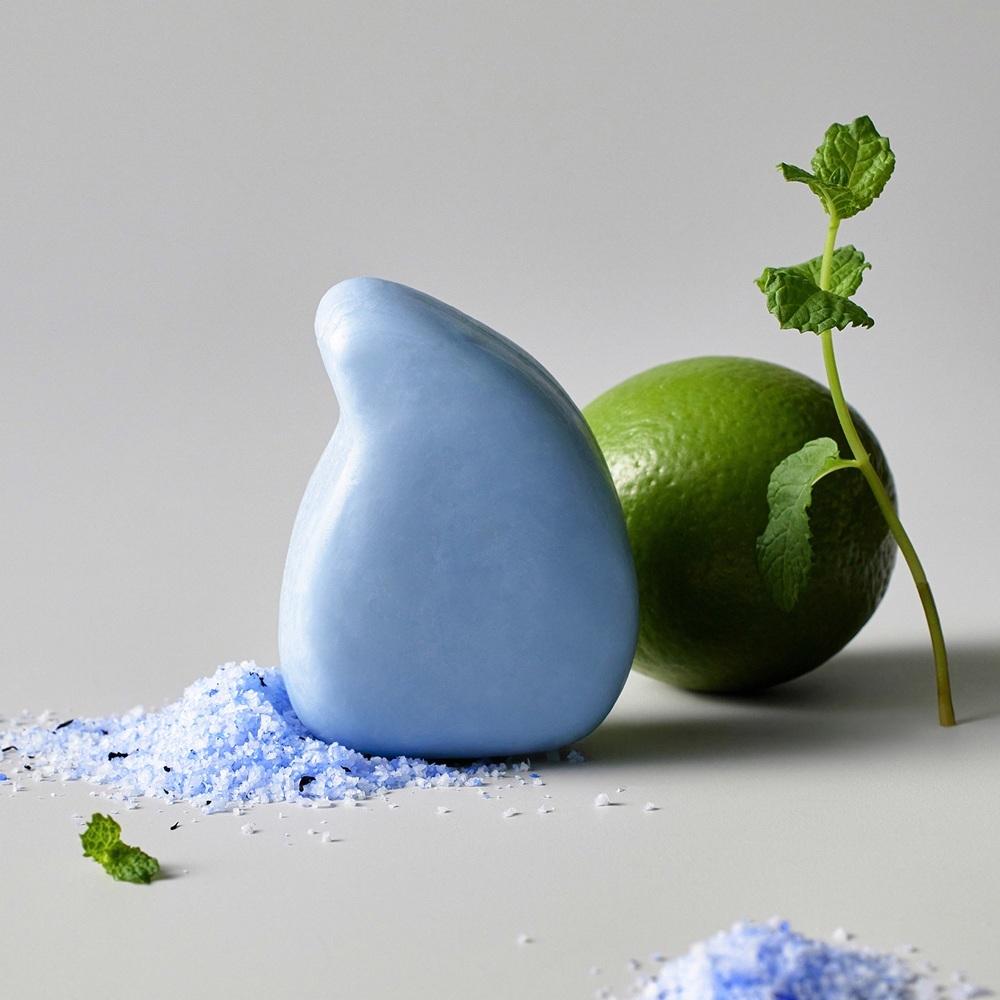
ReSaltZ Salt Massage Ocean Cleansing Bar
Beplain
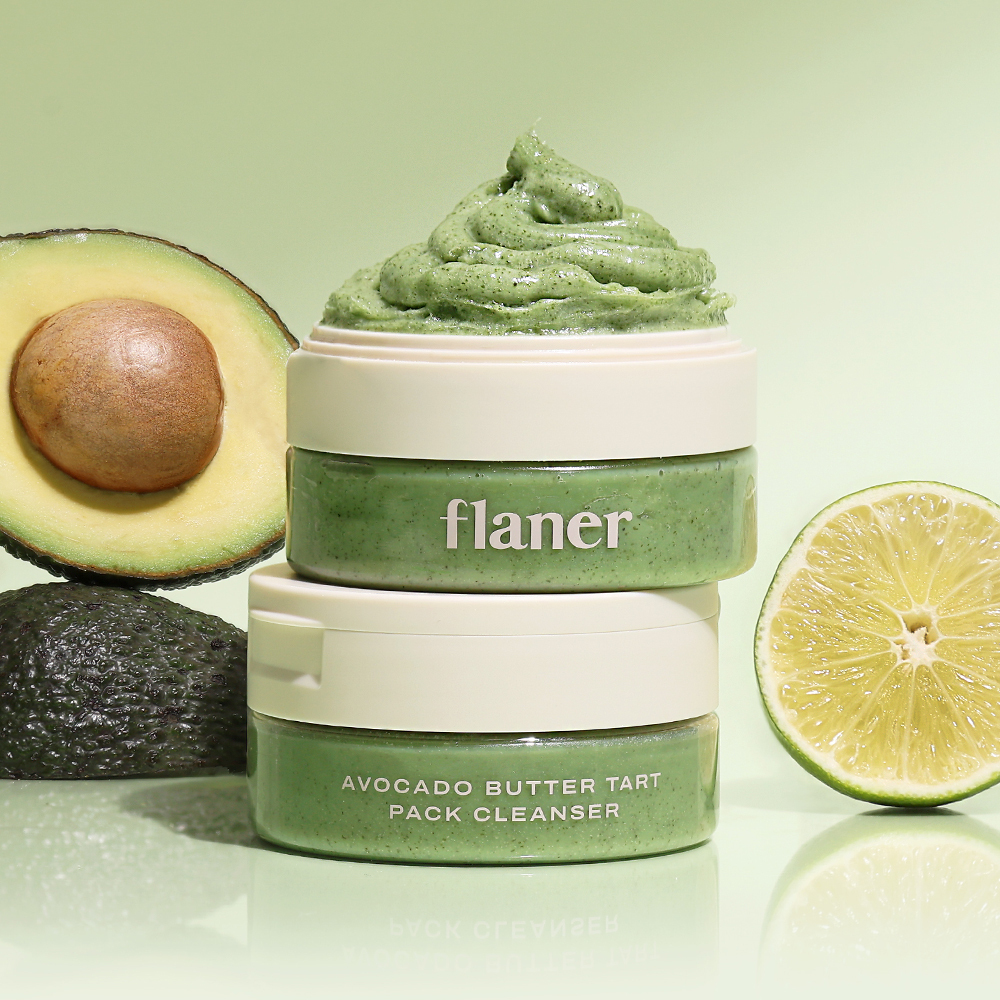
Avocado Butter Tart Pack Cleanser
Beplain
Frequently Asked Questions
Is mung bean extract safe for acne-prone skin?▼
How long does it take to see brightening results from mung bean extract?▼
Can I use mung bean extract products during pregnancy?▼
Does mung bean extract help with large pores?▼
Should I avoid mung bean extract if I have a soy allergy?▼
Articles About Mung Bean Extract
Explore More
Want personalized ingredient advice?
Yuri, our AI beauty advisor, can tell you how Mung Bean Extract works with your specific skin type, routine, and concerns.
Ask Yuri, free