Mistletoe Leaf Extract
INCI: Viscum Album (Mistletoe) Leaf Extract
Antioxidant and soothing botanical extract
About Mistletoe Leaf Extract
Mistletoe Leaf Extract is a botanical powerhouse derived from the leaves of Viscum album, a semi-parasitic plant that has been treasured in traditional European medicine for centuries. In K-beauty formulations, this extract is prized for its dual action as both an antioxidant defender and a soothing agent, making it particularly valuable in products targeting congested, irritated, or reactive skin. The extract contains flavonoids, polyphenols, and viscotoxins that work together to neutralize free radicals while calming inflammation. What makes mistletoe especially interesting in the Korean skincare context is its frequent appearance in pore-focused treatments, where its soothing properties help offset the potential irritation from sebum-dissolving actives. With a low comedogenic rating of 1/5, it won't clog pores, which explains why you'll find it in top-rated products like Ilso's Super Melting Sebum Softener (4.7/5) and CNP's Anti-Pore Blackhead Perfect Clear Kit Pro (4.5/5). The moderate safety rating of 3/5 reflects that while generally well-tolerated, mistletoe contains bioactive compounds that require proper extraction and formulation expertise, something Korean brands have mastered through years of botanical research.
How Mistletoe Leaf Extract Works
At the cellular level, Mistletoe Leaf Extract functions through multiple mechanisms. Its flavonoid compounds, particularly quercetin derivatives, donate electrons to unstable free radicals generated by UV exposure and pollution, effectively neutralizing oxidative stress before it can damage cellular membranes and DNA. This antioxidant action helps prevent the cascade of inflammation that leads to redness, sensitivity, and premature aging. Simultaneously, the extract's polysaccharide components interact with skin cells to modulate the release of pro-inflammatory cytokines, the chemical messengers that trigger irritation responses. Think of it as turning down the volume on your skin's alarm system. The viscotoxins, while requiring careful formulation, contribute to the extract's ability to improve microcirculation in the skin, supporting better nutrient delivery and waste removal. This combination of antioxidant defense and inflammation control makes mistletoe particularly effective in formulas designed to deep-clean pores while maintaining skin barrier integrity, which is why Korean chemists frequently pair it with more aggressive sebum-targeting ingredients.
Mistletoe Leaf Extract by Skin Type
Oily Skin
Mistletoe Leaf Extract is exceptionally well-suited for oily skin types, particularly when dealing with congested pores and excess sebum. Its low comedogenic rating (1/5) means it won't add to pore blockages, while its soothing properties help calm the inflammation that often accompanies breakouts. You'll notice it appears in several highly-rated sebum control products like the Ilso Super Melting Sebum Softener (4.7/5), where it balances out more aggressive pore-clearing actives.
Dry Skin
While mistletoe isn't a primary hydrator, its antioxidant and anti-inflammatory properties can benefit dry skin by protecting against environmental stressors that compromise the moisture barrier. However, dry skin types should look for mistletoe in formulas that also contain rich emollients and humectants, as the extract alone won't address hydration needs. It works best as a supporting ingredient rather than a star player for dryness concerns.
Combo Skin
This is where Mistletoe Leaf Extract truly shines. Combination skin needs ingredients that can address oiliness in the T-zone without irritating drier cheek areas, and mistletoe's dual soothing and sebum-compatible nature makes it ideal. Products like the Bringgreen Tea Tree Cica Pore Pack (4.7/5) leverage this versatility, targeting congestion while maintaining overall skin comfort across different zones.
Sensitive Skin
The soothing and anti-inflammatory mechanisms of Mistletoe Leaf Extract make it a valuable ally for sensitive skin, particularly when used in formulations designed to address both sensitivity and congestion. Its ability to calm irritation while providing antioxidant protection helps strengthen reactive skin over time. The moderate safety rating of 3/5 reflects that proper formulation matters, so stick with reputable K-beauty brands that understand botanical extraction.
Normal Skin
Normal skin can absolutely benefit from mistletoe's preventative antioxidant action and gentle soothing properties. While you may not experience dramatic transformation, incorporating mistletoe-containing products helps maintain skin balance and provides environmental protection. It's particularly useful in occasional treatments like the Mediheal Blackhead Melting Clear Nose Patch (4.6/5) to keep pores clear without disruption.
How to Use Mistletoe Leaf Extract
- 1Mistletoe works best in leave-on treatments rather than cleansers, as its antioxidant and soothing benefits need contact time to penetrate and act on skin cells.
- 2If you're using mistletoe in a pore treatment product, apply it after cleansing on slightly damp skin to help the active compounds absorb more effectively into congested areas.
- 3Pair mistletoe-containing products with niacinamide or centella asiatica formulas to amplify the soothing benefits, especially if you're dealing with both congestion and sensitivity.
- 4For maximum antioxidant protection, use mistletoe products in your morning routine to defend against daytime environmental stressors like pollution and UV radiation.
- 5When trying mistletoe for the first time, patch test on your jawline for 24 hours, particularly if you have very sensitive skin or known plant allergies.
Background
Mistletoe has a fascinating journey from ancient folklore to modern K-beauty formulations. Historically revered by Celtic druids and used in traditional European medicine for everything from epilepsy to circulation issues, mistletoe (Viscum album) has been studied extensively for its bioactive compounds since the early 20th century. Korean cosmetic chemists became interested in mistletoe extract in the 2010s as part of the broader K-beauty movement to incorporate globally-sourced botanicals with proven traditional use. The extraction technology to safely isolate the beneficial flavonoids and polysaccharides while controlling the more potent viscotoxins represented a technical achievement. Today, mistletoe appears primarily in K-beauty's pore care category, where its unique combination of soothing and antioxidant properties helps Korean brands create effective yet gentle sebum treatments. This reflects K-beauty's philosophy of addressing specific concerns without compromising overall skin health, a principle that has made ingredients like mistletoe increasingly popular in Western markets seeking balanced, science-backed formulations.
K-Beauty Products with Mistletoe Leaf Extract

Super Melting Sebum Softener
Ilso
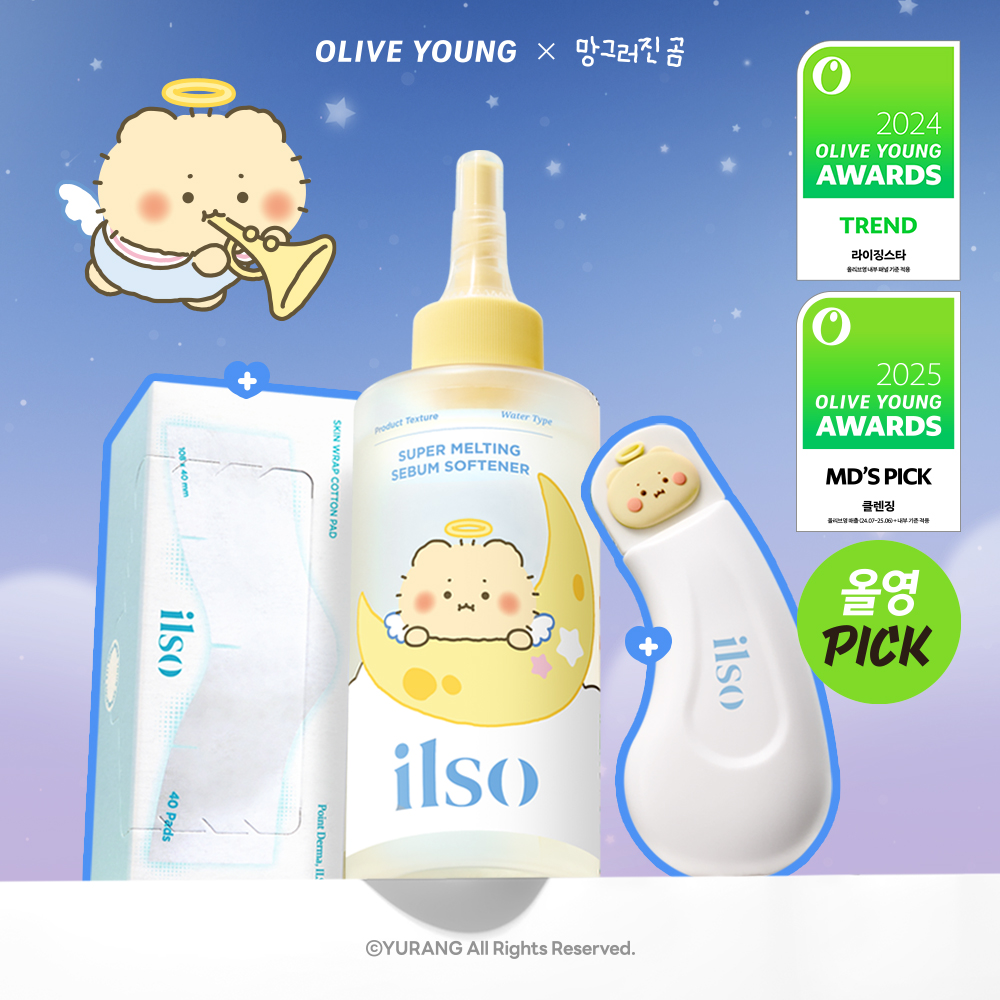
Super Melting Sebum Softener Set
Ilso
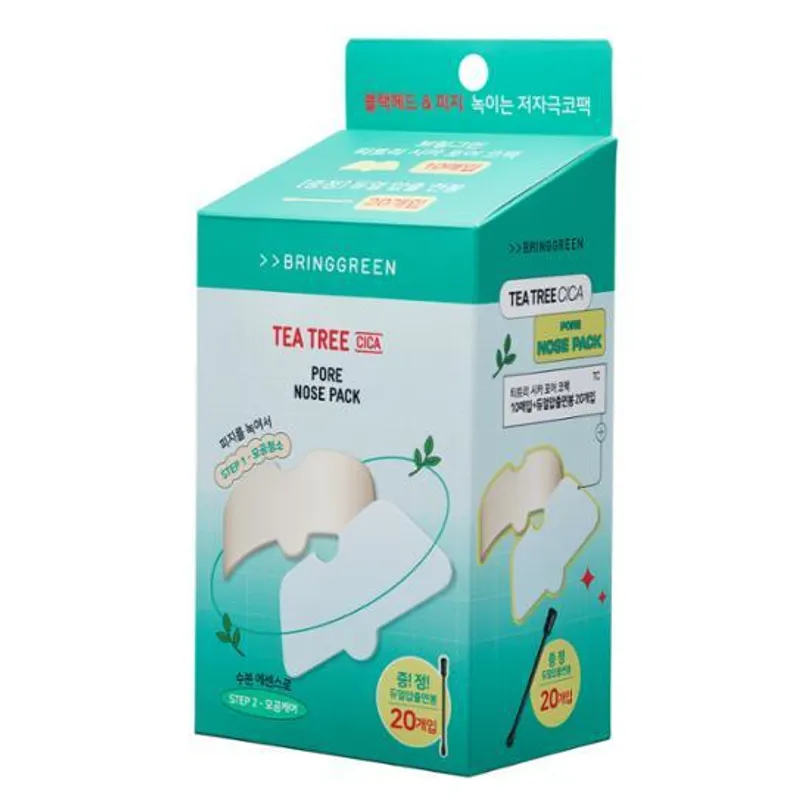
Tea Tree Cica Pore Pack 10P
Bringgreen
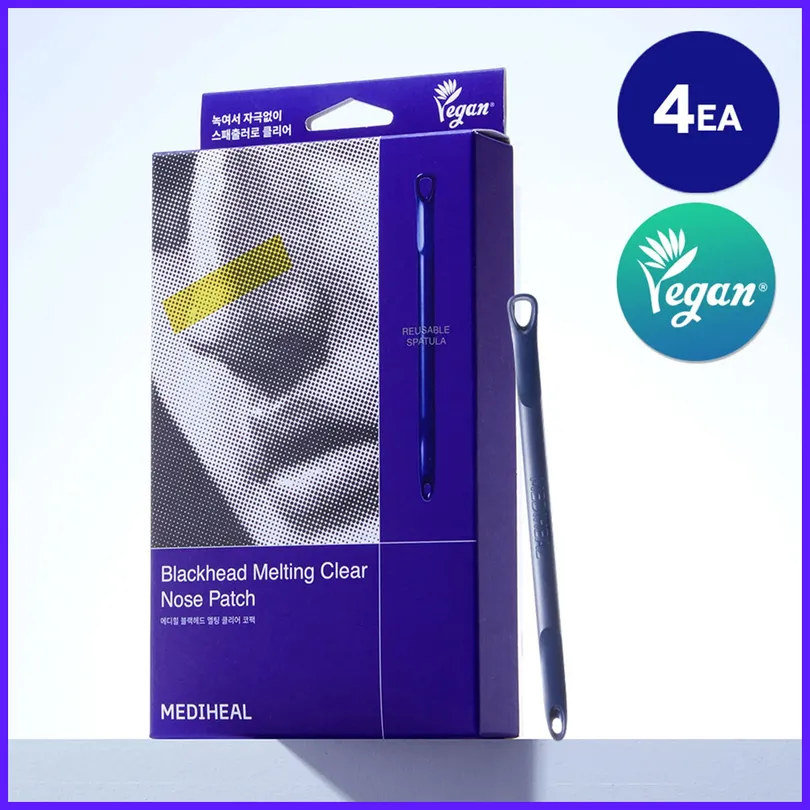
Blackhead Melting Clear Nose Patch
Mediheal
Sun Project Water Sun Cream SPF50+ PA+++
Thank You Farmer

Anti-Pore Blackhead Perfect Clear Kit Pro
CNP
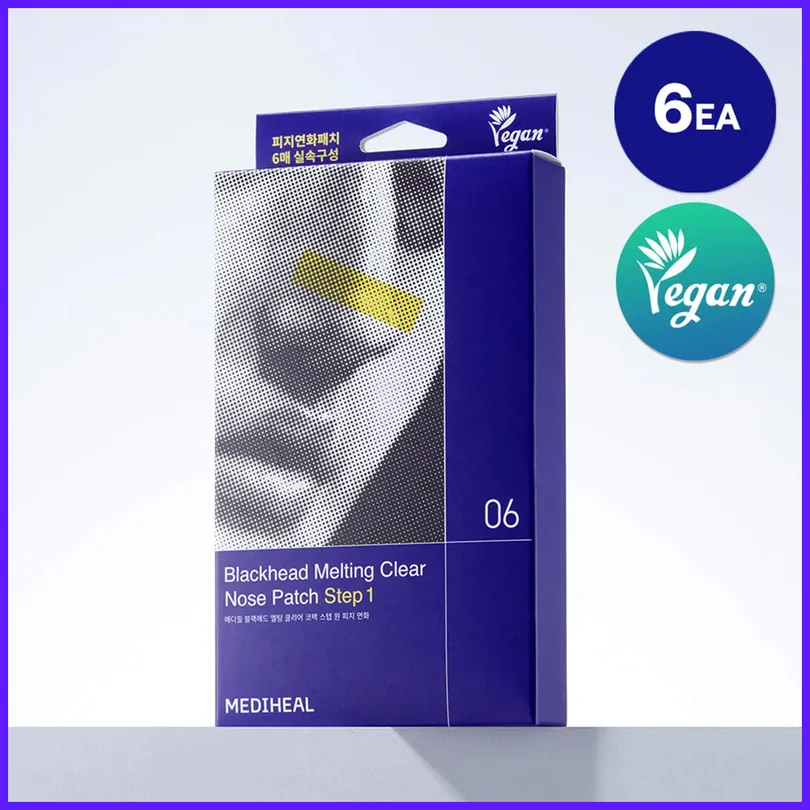
Blackhead Melting Clear Nose Patch Step 1
Mediheal
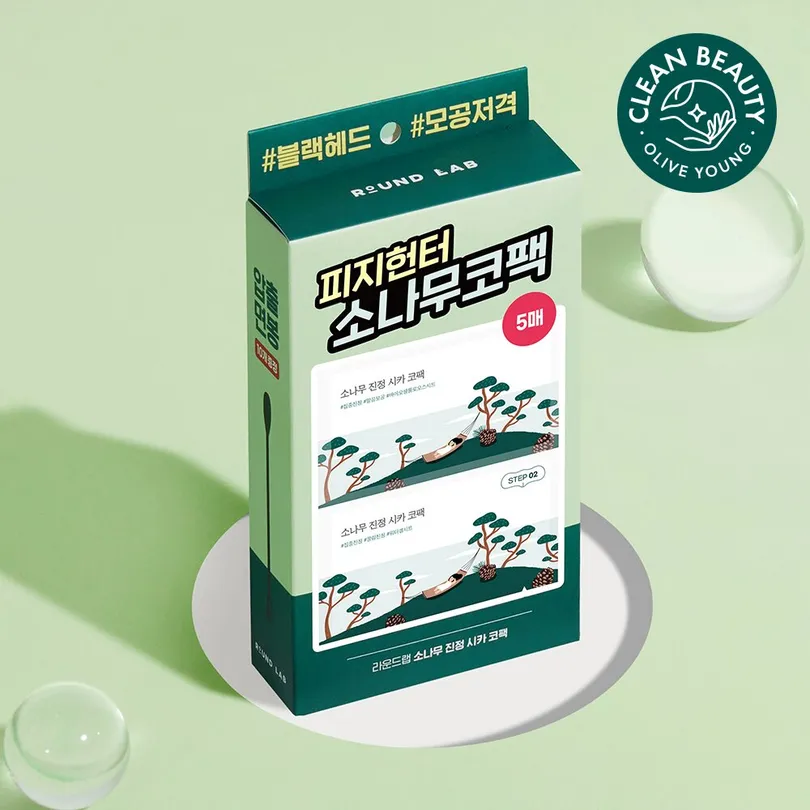
Pine Tree Soothing Cica Biocellulose Nose Pack 2-Step Kit
Round Lab
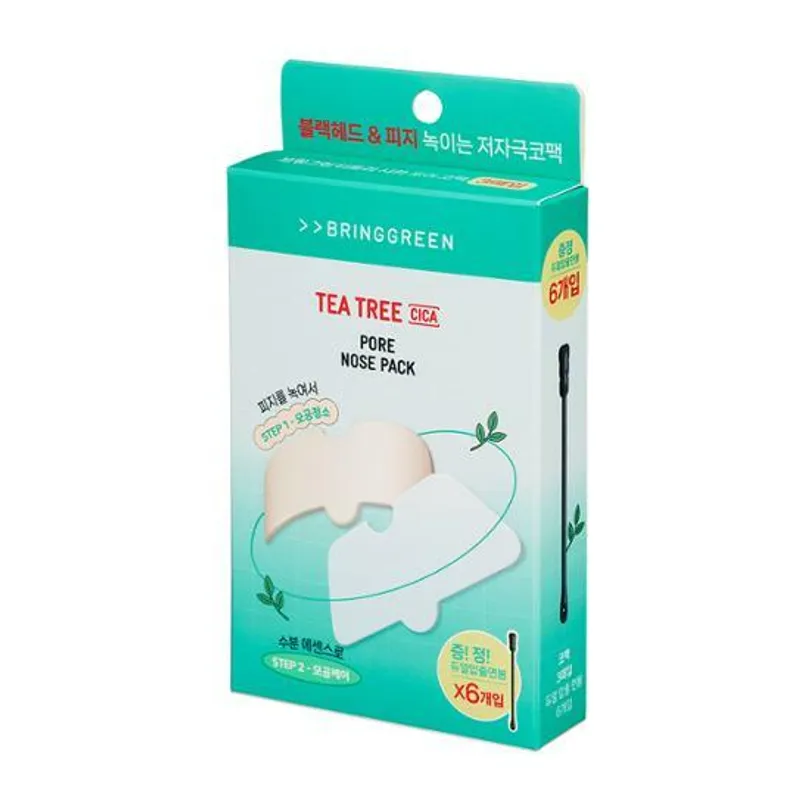
Tea Tree Cica Pore Nose Strip 3P
Bringgreen
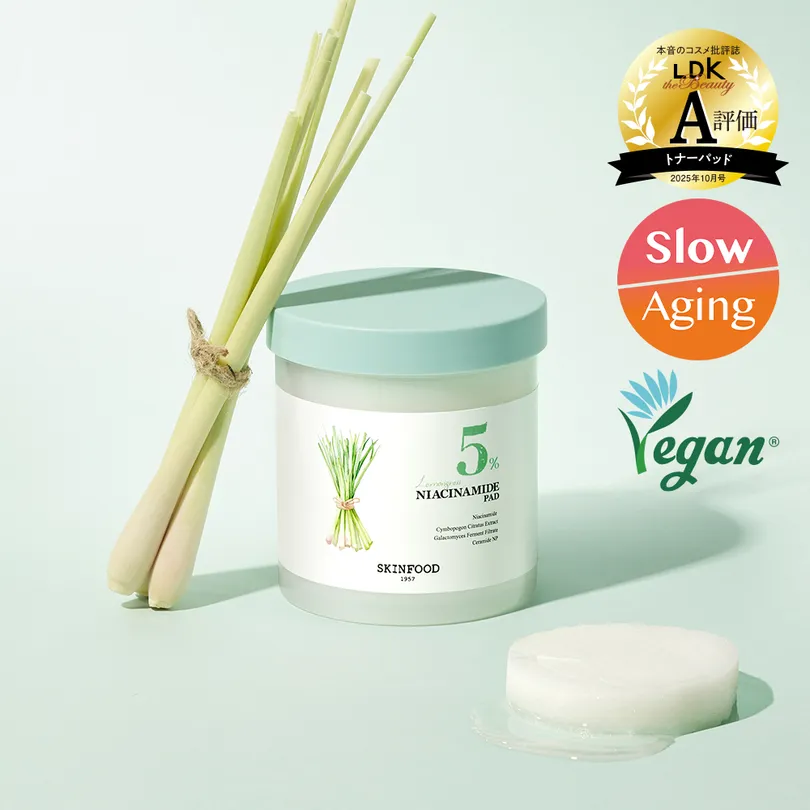
Lemongrass Niacinamide 5 Pad
Skinfood
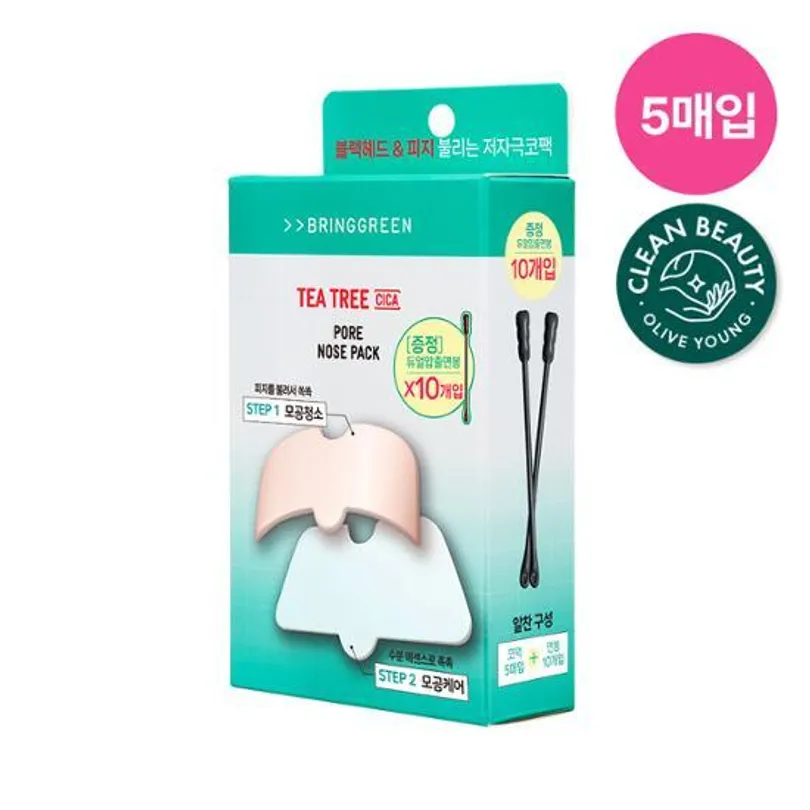
Tea Tree Cica Pore Nose Pack
Bringgreen
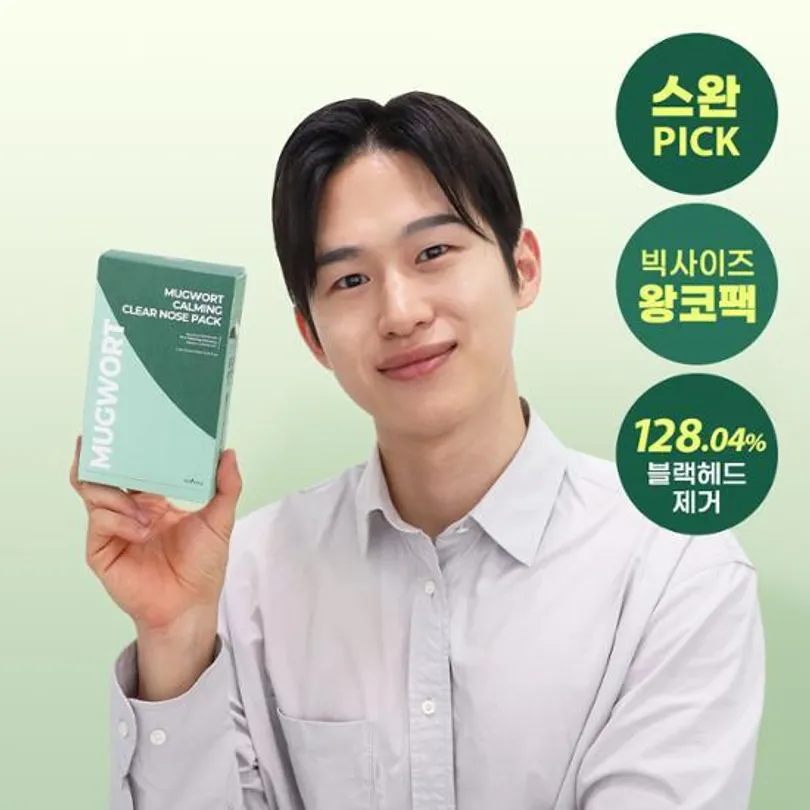
Mugwort Calming Clear Nose Pack
Isntree
Frequently Asked Questions
Is Mistletoe Leaf Extract safe to use on skin even though mistletoe berries are toxic?▼
Why does Mistletoe Leaf Extract appear in so many pore-focused products?▼
Can I use Mistletoe Leaf Extract every day or should it be occasional?▼
Does Mistletoe Leaf Extract actually help prevent blackheads or just treat existing ones?▼
Are there any ingredients I shouldn't mix with Mistletoe Leaf Extract?▼
Explore More
Want personalized ingredient advice?
Yuri, our AI beauty advisor, can tell you how Mistletoe Leaf Extract works with your specific skin type, routine, and concerns.
Ask Yuri, free