White Willow Bark Extract
Natural source of salicylic acid for gentle exfoliation
About White Willow Bark Extract
White willow bark extract is nature's original BHA, containing salicin that converts to salicylic acid when applied to skin. This botanical ingredient has been used for centuries in traditional medicine for its anti-inflammatory properties, but in modern K-beauty formulations, it serves as a gentle alternative to synthetic salicylic acid. Korean skincare brands favor white willow bark because it delivers exfoliation benefits without the harsh irritation often associated with chemical exfoliants. With a comedogenic rating of 0/5, it won't clog pores, making it a strategic choice for formulas targeting congested skin. Found in 202 K-beauty products on Seoul Sister, from cleansing oils to peeling ampoules, white willow bark has become essential in products designed for pore care and clarity. The extract works particularly well in cleansing formulations, as evidenced by its presence in top-rated products like Round Lab's Pine Cica Deep Pore Cleansing Oil and HYAAH's Mild But Deep Cleansing Water Set, both scoring perfect 5.0/5 ratings. Unlike synthetic salicylic acid that can strip skin, white willow bark offers a slower, more sustained release of active compounds, which explains why sensitive skin types can often tolerate it better while still experiencing effective pore refinement and surface exfoliation.
How White Willow Bark Extract Works
White willow bark's effectiveness comes from salicin, a glycoside compound that enzymatically converts to salicylic acid once absorbed into skin. This conversion process happens gradually, creating a time-release effect that minimizes irritation while maintaining exfoliating benefits. As a beta hydroxy acid (BHA), the resulting salicylic acid is lipophilic, meaning it can penetrate through sebum into pores to dissolve the keratin plugs and excess oil that cause congestion. Beyond exfoliation, white willow bark contains additional phenolic compounds and tannins that provide antioxidant and anti-inflammatory benefits. These secondary compounds help calm skin while the salicylic acid works, which is why formulations with this ingredient often feel gentler than those with synthetic BHAs. The extract also inhibits certain enzymes involved in inflammation pathways, reducing redness and sensitivity. Because the salicin must be converted to become active, the exfoliating effect builds more gradually than direct salicylic acid application, making it suitable for people who find traditional BHAs too aggressive.
White Willow Bark Extract by Skin Type
Oily Skin
White willow bark is particularly effective for oily skin types because its oil-soluble nature allows it to penetrate sebum-filled pores and break down blockages from within. The extract helps regulate excess oil production while keeping pores clear, which explains why it appears frequently in oil cleansers and pore-refining products for this skin type. Its 0/5 comedogenic rating means it won't contribute to the congestion oily skin is already prone to experiencing.
Dry Skin
Dry skin can benefit from white willow bark's gentle exfoliation without the moisture-stripping effects of harsher acids. The gradual conversion of salicin to salicylic acid means less disruption to the skin barrier, which dry skin types need to protect carefully. However, this ingredient should be paired with hydrating components in formulations, as any exfoliant can potentially exacerbate dryness if used without adequate moisture support.
Combo Skin
Combination skin may find white willow bark ideal because it addresses oily T-zone concerns without over-drying cheek areas. The extract's ability to target pores specifically while delivering anti-inflammatory benefits makes it suitable for skin that needs zone-specific treatment. Products like cleansing waters and balancing toners that contain this ingredient work well for combination types who need versatile solutions.
Sensitive Skin
Sensitive skin often tolerates white willow bark better than synthetic salicylic acid due to its time-release nature and additional soothing compounds. The anti-inflammatory tannins help counteract potential irritation from exfoliation, creating a more balanced effect. That said, people with aspirin allergies should avoid this ingredient entirely, as salicin is chemically related to aspirin and can trigger similar reactions.
Normal Skin
Normal skin can use white willow bark as a maintenance ingredient to keep pores clear and skin texture smooth without disrupting balance. The extract provides preventative benefits, stopping congestion before it becomes visible while offering gentle renewal. It's particularly useful in regular cleansing routines to maintain the healthy baseline that normal skin types want to preserve.
How to Use White Willow Bark Extract
- 1Start with leave-on products like toners or serums 2-3 times weekly before increasing frequency, as even gentle exfoliants need an adjustment period
- 2White willow bark works synergistically with niacinamide for pore refinement, which is why many K-beauty formulas combine these ingredients
- 3Always follow with SPF during daytime, as any exfoliating ingredient increases photosensitivity even if the effect is gentler than synthetic acids
- 4If you have aspirin sensitivity, patch test carefully or avoid this ingredient completely due to the chemical relationship between salicin and aspirin
- 5Pair with hydrating ingredients like hyaluronic acid or centella asiatica to prevent over-drying, especially if using in cleansers that may already be stripping
Background
White willow bark (Salix alba) has been used medicinally for over 2,400 years, with ancient Egyptian, Greek, and Chinese texts documenting its pain-relieving and fever-reducing properties. The bark contains salicin, which inspired the development of aspirin in the 1800s when chemists isolated and synthesized acetylsalicylic acid. Korean traditional medicine recognized willow bark's anti-inflammatory benefits, but its incorporation into modern K-beauty formulations represents a strategic evolution, repurposing an ancient remedy for contemporary skincare concerns. The ingredient gained prominence in Korean cosmetics during the natural beauty movement of the 2010s, when brands sought gentler alternatives to synthetic chemical exfoliants. K-beauty's focus on skin barrier health and minimal irritation made white willow bark an ideal candidate for pore-care formulations, particularly in cleansing products where its gentle action could be maximized without the extended contact time of leave-on treatments.
K-Beauty Products with White Willow Bark Extract
View all 204 →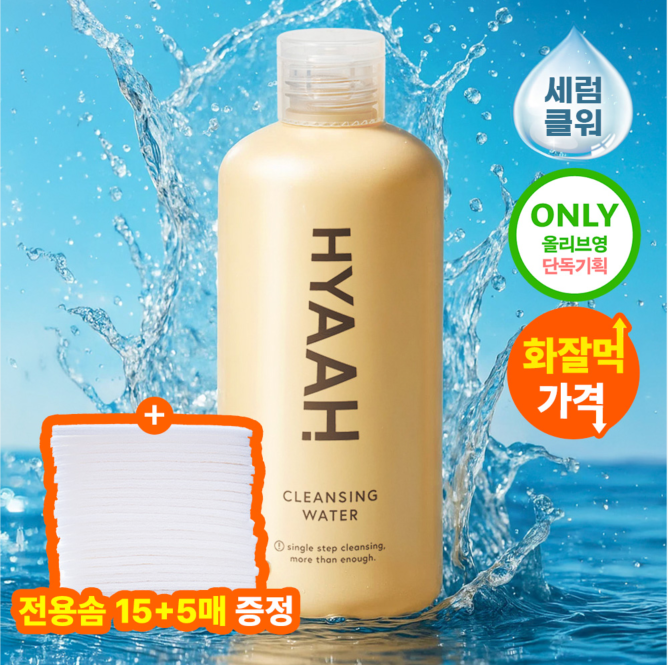
Mild But Deep Cleansing Water Set
HYAAH
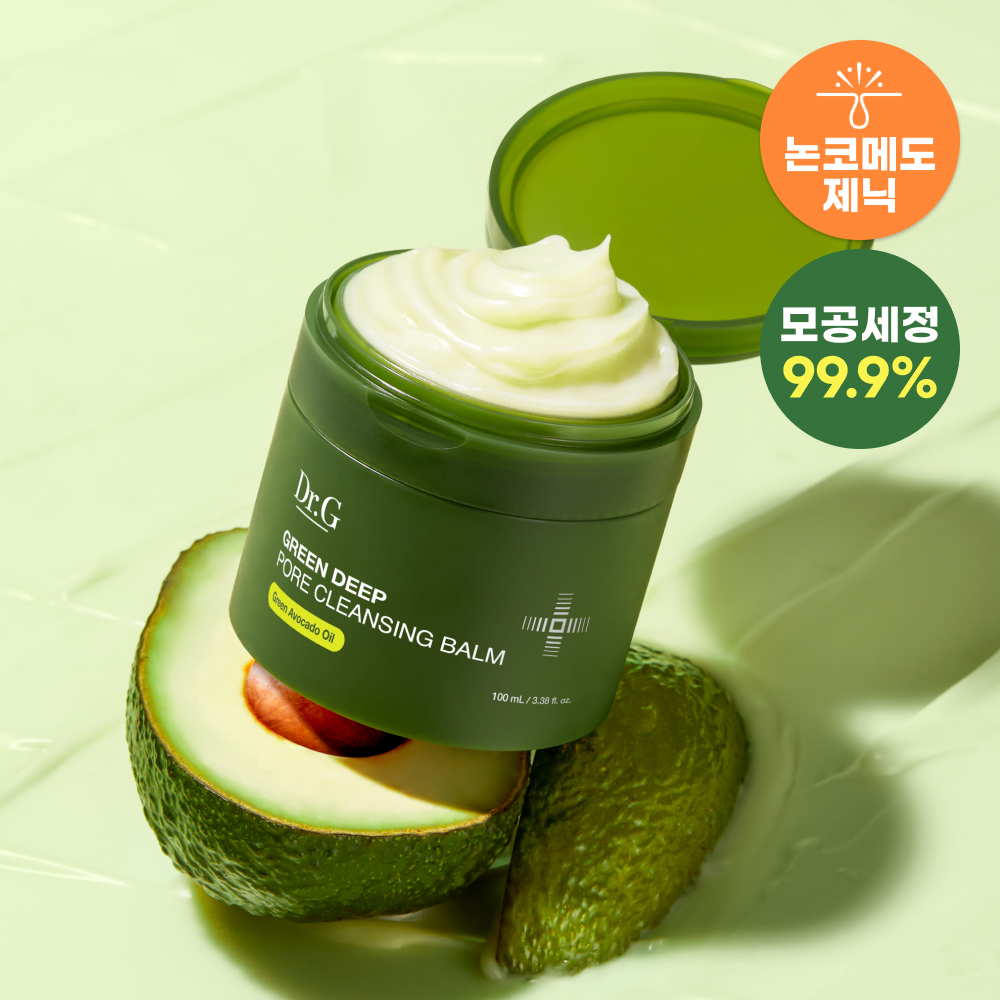
Green Deep Pore Cleansing Balm
Dr.G
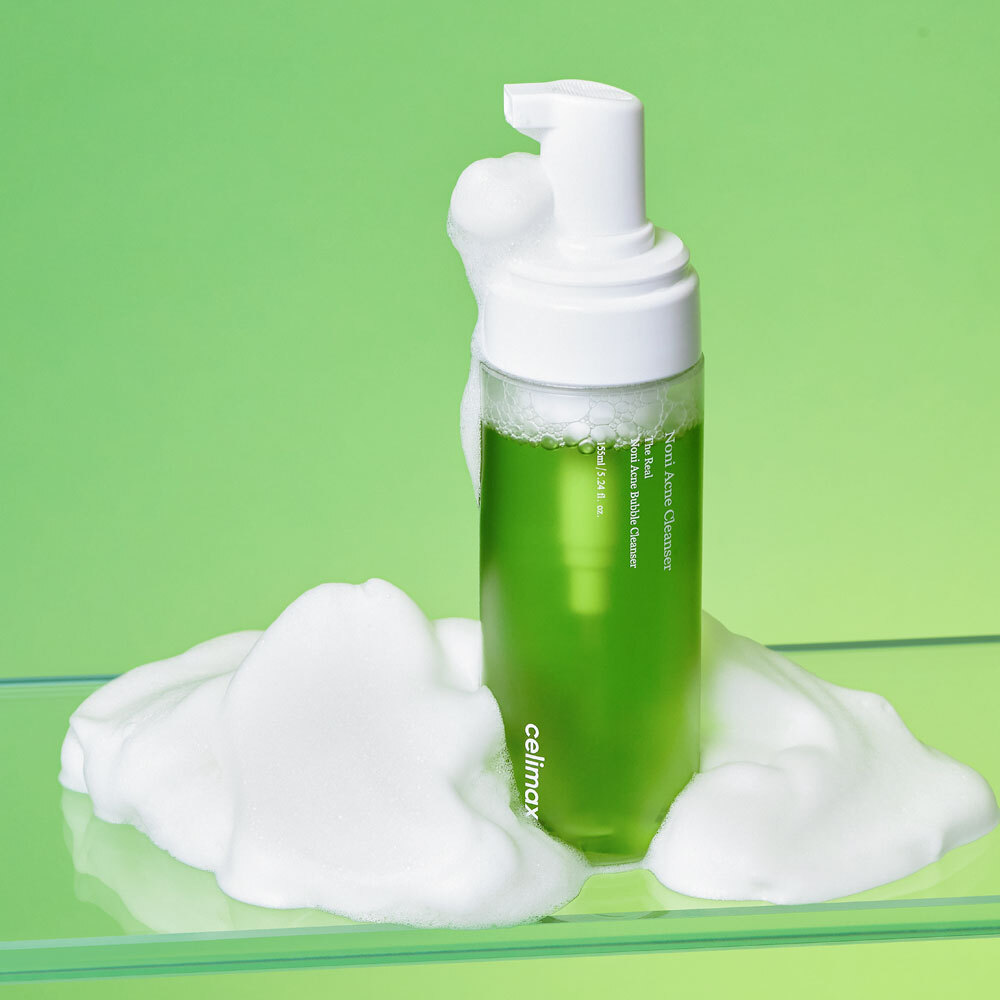
The Real Noni Acne Bubble Cleanser
Celimax
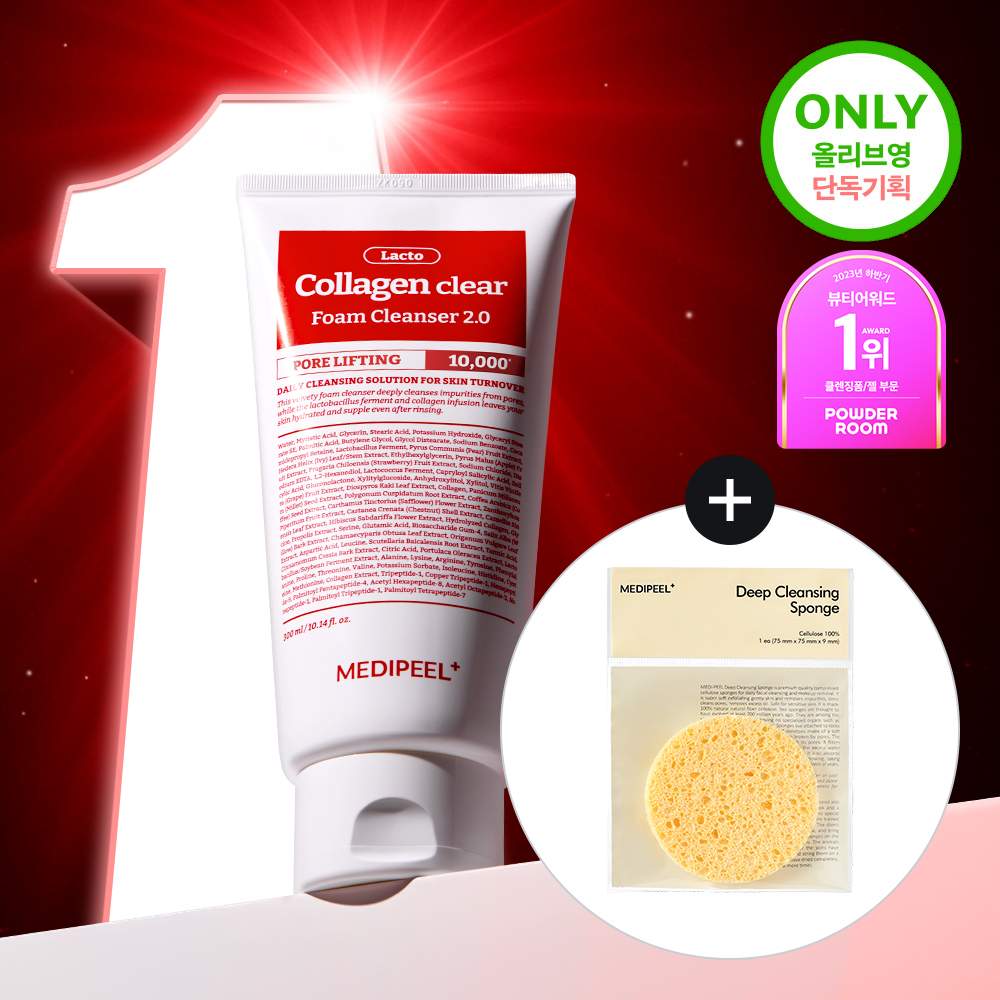
Red Lacto Collagen Clear 2.0 Special Set
Medi-Peel

Super Melting Sebum Softener
Ilso
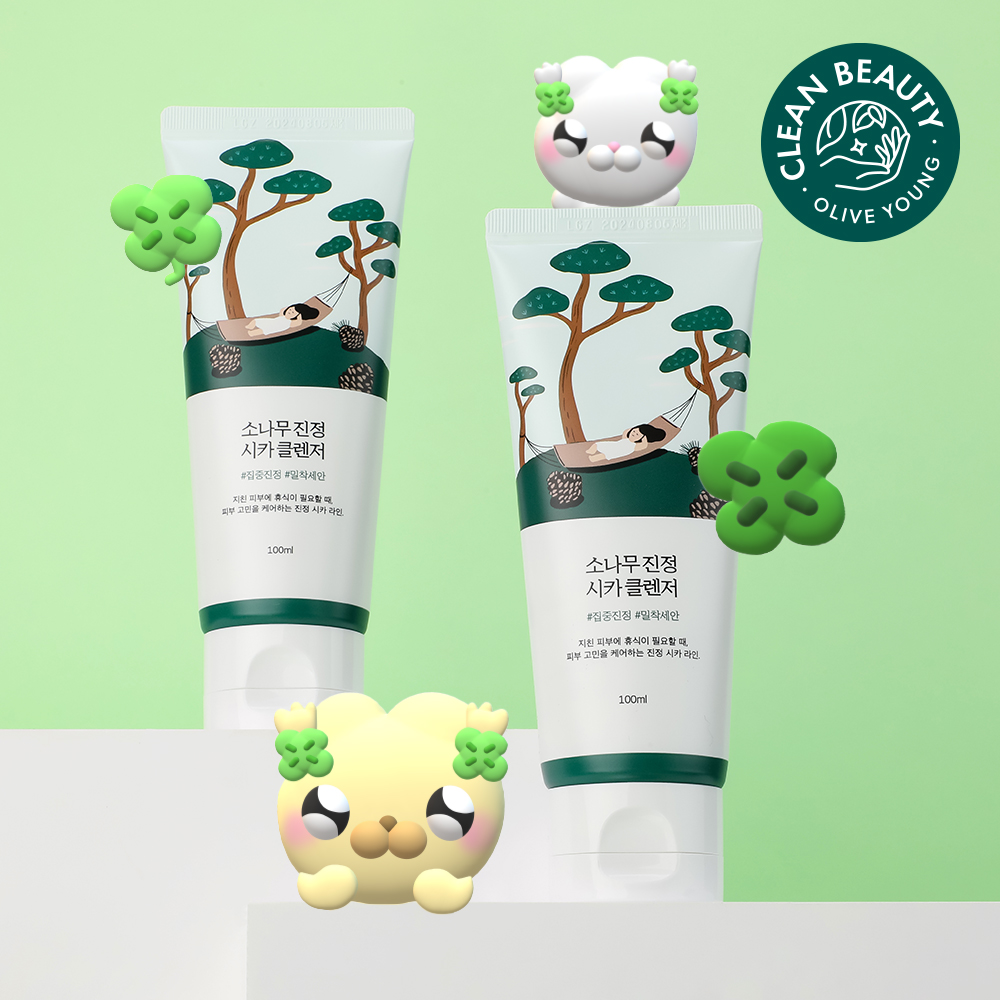
Pine Calming Cica Cleanser Double Pack
Round Lab
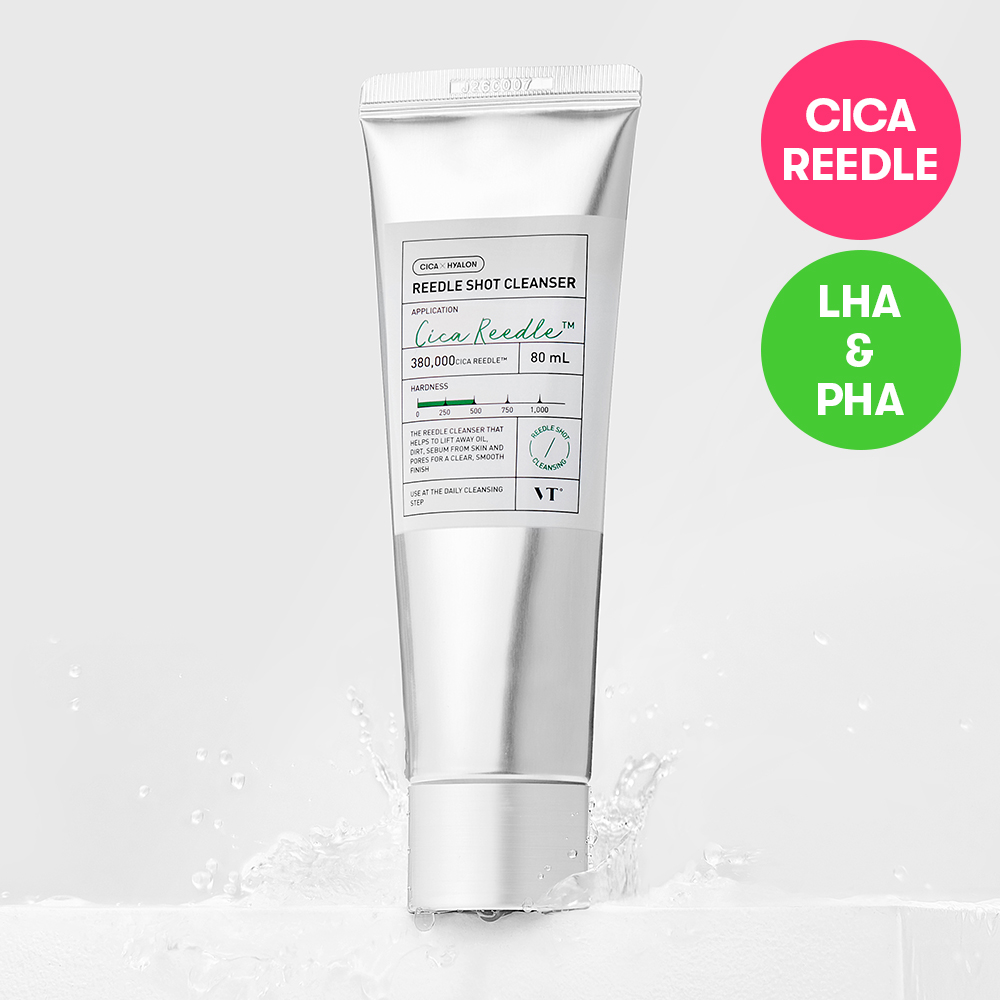
Reedle Shot Cleanser
VT
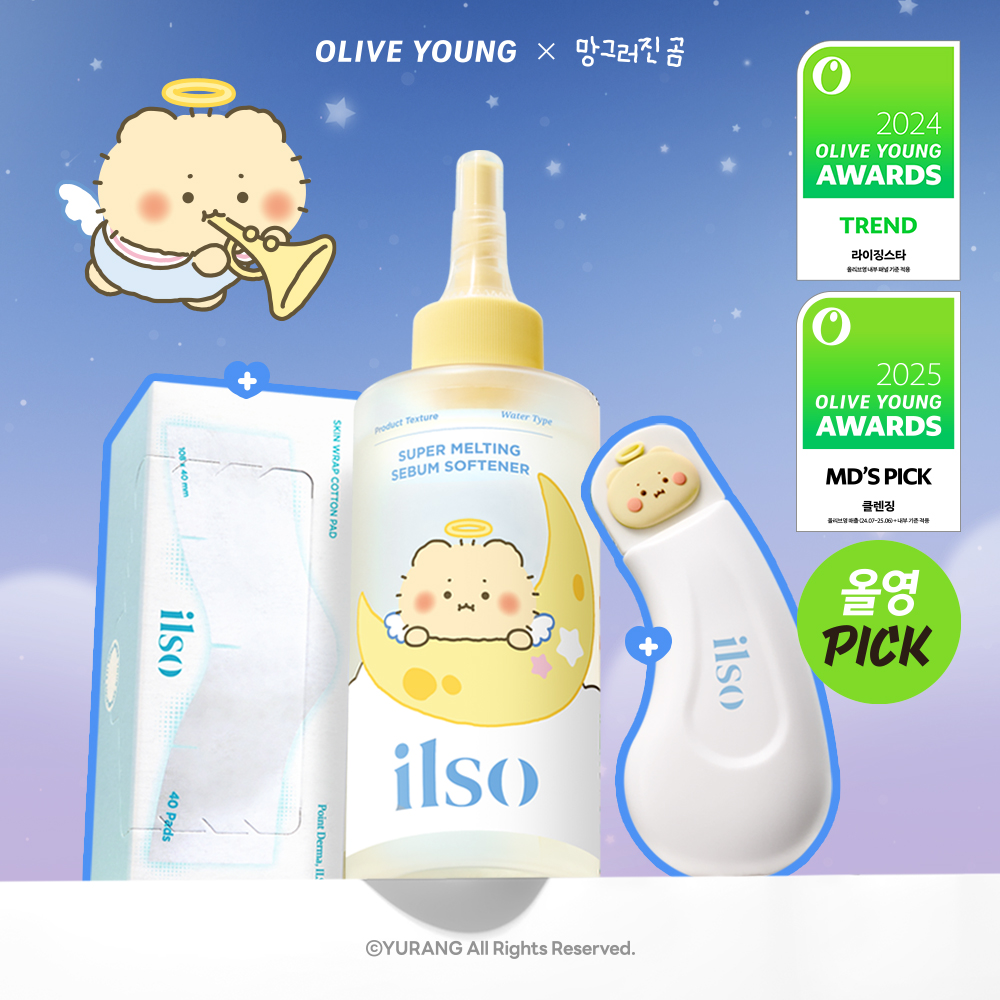
Super Melting Sebum Softener Set
Ilso
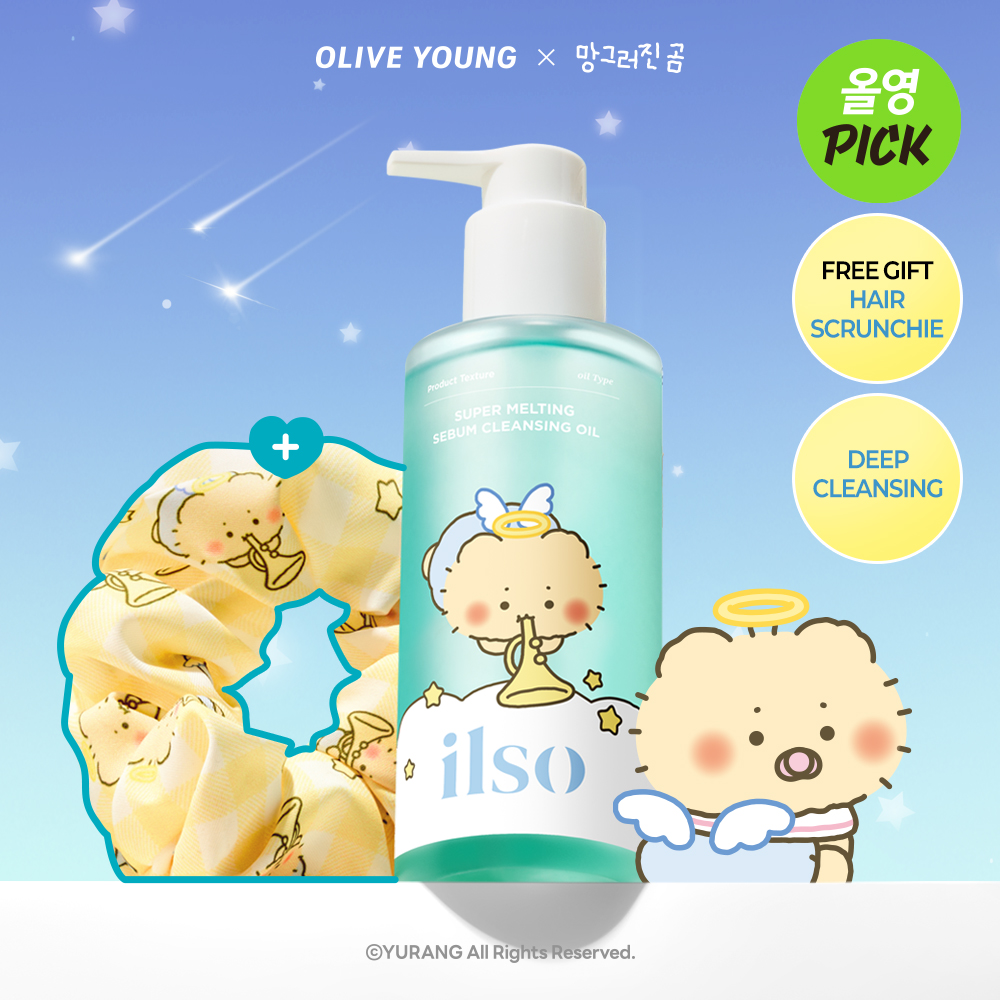
Super Melting Sebum Cleansing Oil
Ilso
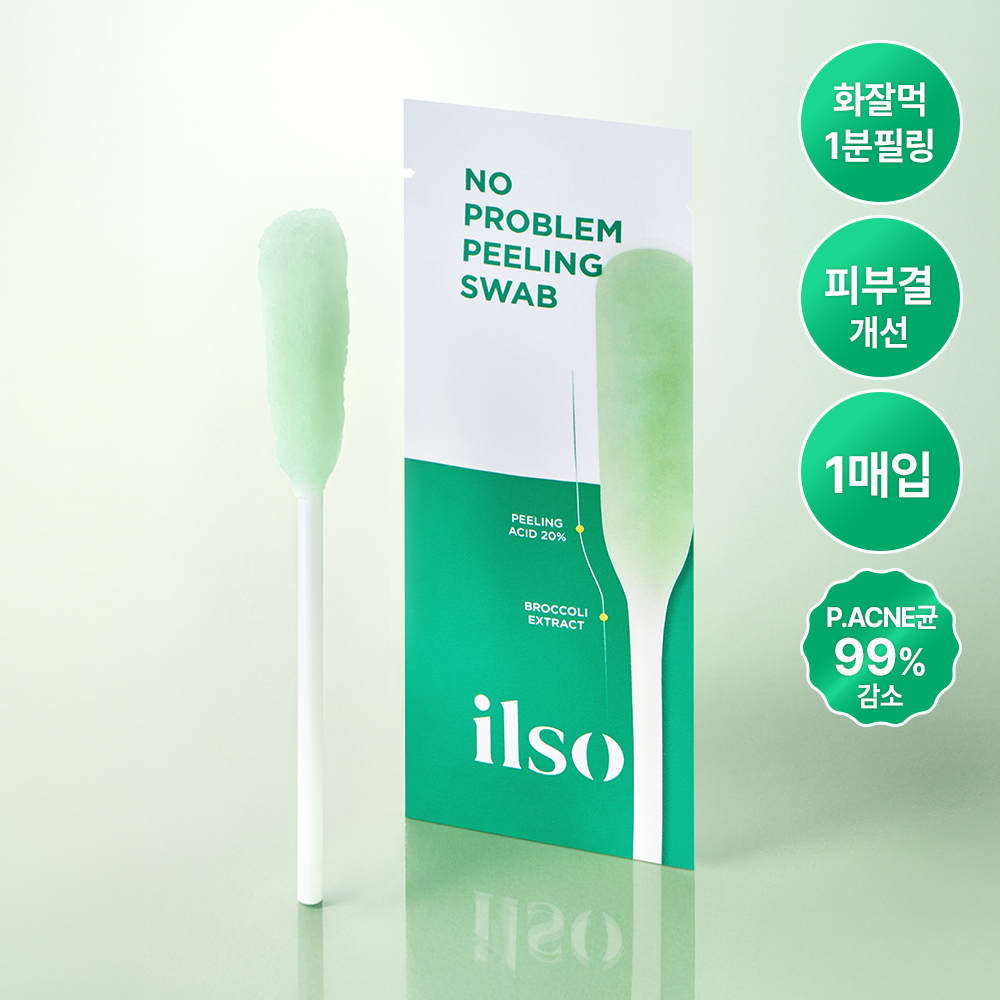
No Problem Peeling Swab
Ilso
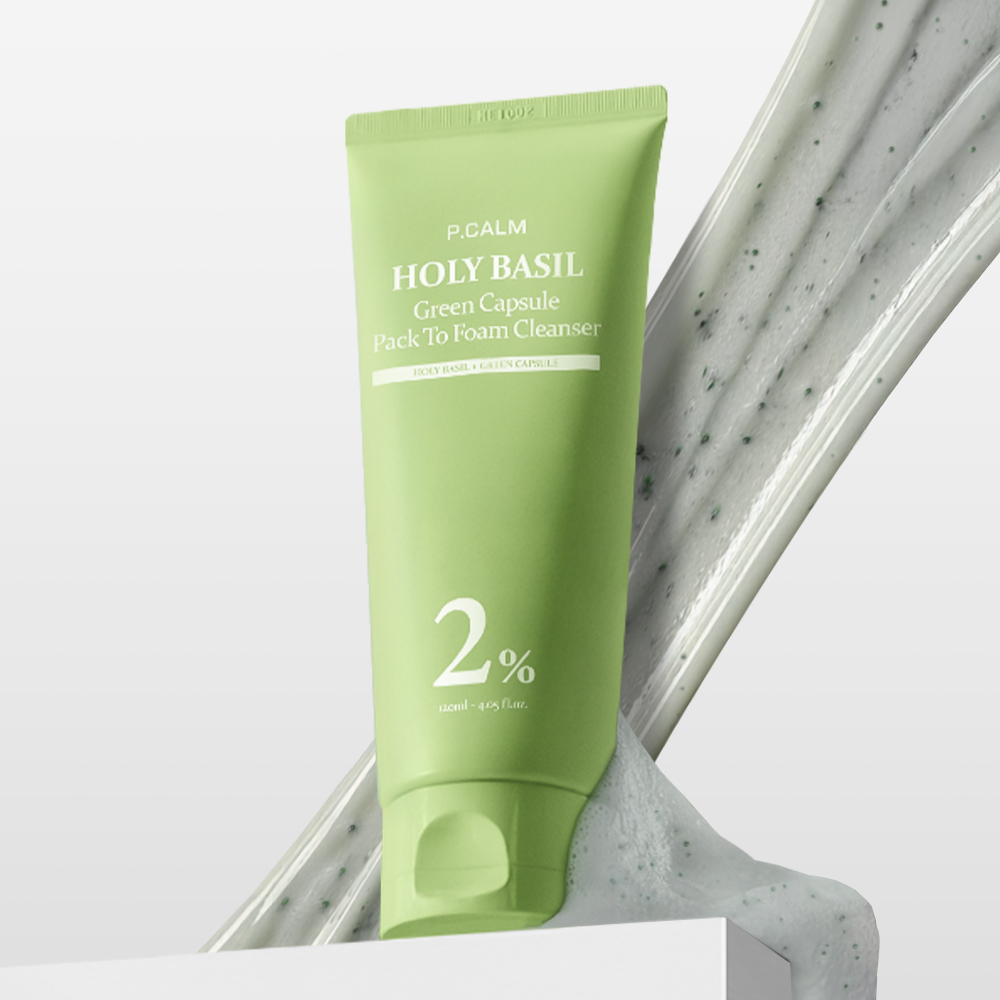
P.CALM Holy Basil Green Capsule Pack To Foam Cleanser
Beplain
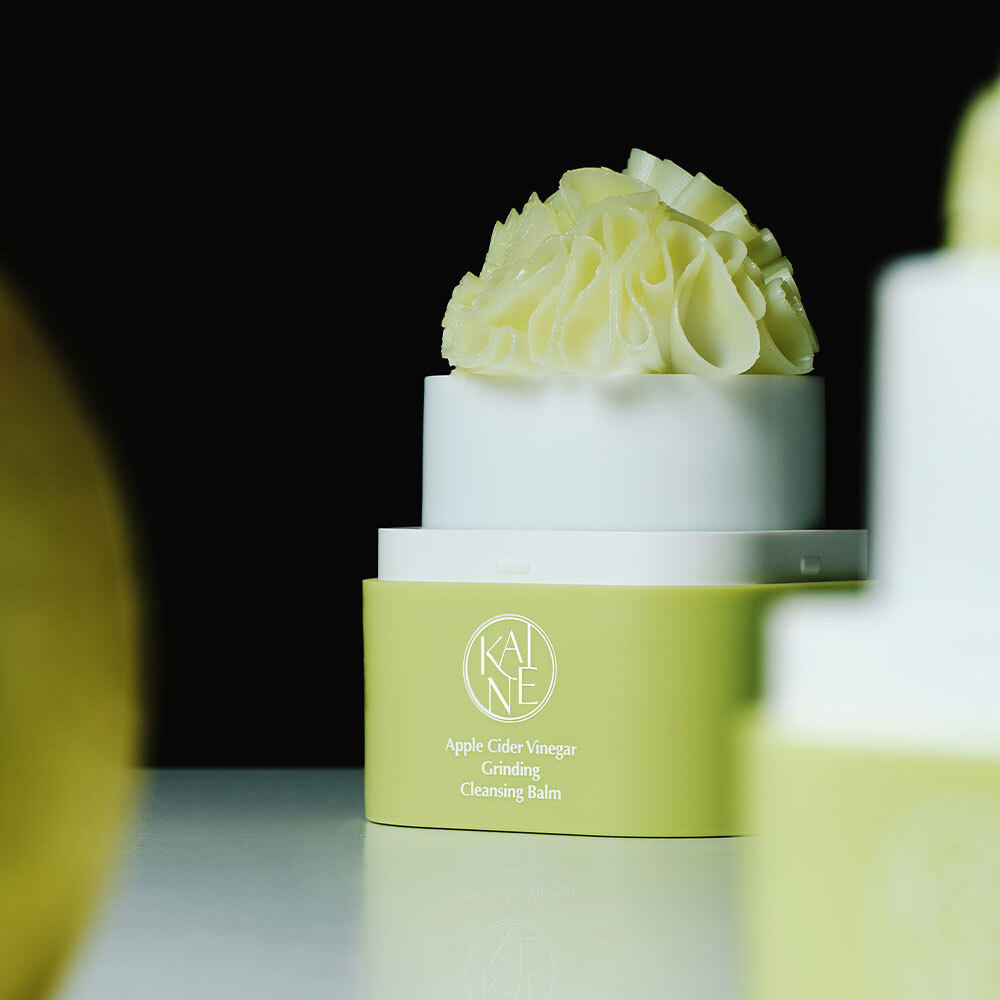
Apple Cider Vinegar Grinding Cleansing Balm
KAINE
Frequently Asked Questions
Is white willow bark extract as effective as salicylic acid for acne?▼
Can I use white willow bark if I'm allergic to aspirin?▼
Why do so many K-beauty cleansers contain white willow bark?▼
How long does it take to see results from white willow bark extract?▼
Explore More
Want personalized ingredient advice?
Yuri, our AI beauty advisor, can tell you how White Willow Bark Extract works with your specific skin type, routine, and concerns.
Ask Yuri, free