Corn Germ Oil
INCI: Zea Mays (Corn) Germ Oil
Emollient rich in fatty acids and vitamin E
About Corn Germ Oil
Corn Germ Oil is a nutrient-dense botanical oil extracted from the embryo of corn kernels, the tiny section that would sprout into a new plant. This golden oil has been valued in skincare for its rich composition of linoleic acid (up to 60%), oleic acid, and one of the highest natural concentrations of vitamin E among plant oils. In K-beauty formulations, corn germ oil serves as a lightweight emollient that softens skin without feeling heavy or greasy. Its high linoleic acid content makes it particularly interesting for formulations targeting sebum regulation, as linoleic acid can help balance the skin's natural oil composition. You'll often find it in cleansing products where it works to dissolve makeup and sunscreen while delivering antioxidant protection. The vitamin E (tocopherol) content provides meaningful free radical defense, helping protect skin from environmental stressors that accelerate aging. Korean formulators appreciate corn germ oil for its ability to enhance skin barrier function while maintaining a silky texture. With 19 products on Seoul Sister featuring this ingredient, including top-rated cleansers from brands like Round Lab and VIDIVICI, it's earning recognition as a multitasking ingredient that bridges the gap between effective cleansing and skin nourishment.
How Corn Germ Oil Works
At the molecular level, corn germ oil works through several complementary mechanisms. Its linoleic acid content integrates into the lipid bilayer of the stratum corneum, the outermost layer of skin, helping to reinforce barrier integrity and reduce transepidermal water loss. This omega-6 fatty acid also influences sebaceous gland activity. Research suggests that sebum deficient in linoleic acid becomes thicker and more likely to cause congestion, so topical linoleic acid may help normalize sebum composition. The vitamin E (primarily gamma-tocopherol in corn germ oil) functions as a lipid-soluble antioxidant that neutralizes free radicals before they can damage cell membranes and proteins. When used in cleansers, corn germ oil works on the principle of like dissolves like. Its lipophilic (oil-loving) nature allows it to bind with sebum, makeup, and sunscreen on the skin's surface, emulsifying these substances so they can be rinsed away with water. The phytosterols present in corn germ oil have a structure similar to cholesterol and may help modulate inflammation by competing with arachidonic acid metabolism, reducing the production of pro-inflammatory compounds.
Corn Germ Oil by Skin Type
Oily Skin
Corn germ oil's high linoleic acid content makes it surprisingly beneficial for oily skin types. Studies show that oily, acne-prone skin often has sebum that's deficient in linoleic acid and higher in oleic acid, which can contribute to congestion. Supplementing with linoleic-rich oils may help rebalance sebum composition. However, with a comedogenic rating of 3/5, those with very congestion-prone skin should monitor their response and consider it primarily in rinse-off products like the cleansers it commonly appears in.
Dry Skin
This oil excels for dry skin due to its emollient properties and barrier-supporting fatty acids. The combination of linoleic and oleic acids helps seal in moisture while the vitamin E protects the compromised barrier from oxidative stress that can worsen dryness. Corn germ oil absorbs relatively quickly compared to heavier oils, making it suitable for layering in multi-step routines without leaving skin feeling greasy or interfering with subsequent product absorption.
Combo Skin
Combination skin benefits from corn germ oil's balanced fatty acid profile. The linoleic acid helps regulate oil production in the T-zone while the emollient properties address dry patches on cheeks or around the mouth. In cleansing formulations, it effectively removes impurities from oilier areas without stripping moisture from drier zones. The lightweight texture means it won't overwhelm normal areas or create excess shine in oily sections.
Sensitive Skin
The natural anti-inflammatory properties of corn germ oil's phytosterols and vitamin E make it generally well-tolerated by sensitive skin. It provides gentle nourishment without common irritants, though anyone with corn allergies should obviously avoid it. The antioxidant content helps calm reactive skin by neutralizing inflammatory triggers. That said, the moderate comedogenic rating means sensitive skin that's also acne-prone should introduce it carefully and watch for any congestion.
Normal Skin
Normal skin can enjoy corn germ oil's full range of benefits without concern. It provides preventive antioxidant protection, maintains optimal barrier function, and adds a soft, smooth texture to skin. The balanced fatty acid profile supports skin's natural lipid composition without tipping toward excess oiliness or dryness. In the cleansers where it most commonly appears, it ensures thorough makeup removal while leaving skin comfortable and conditioned rather than tight or stripped.
How to Use Corn Germ Oil
- 1Look for corn germ oil in first cleansers (oils and balms) where it excels at dissolving makeup and sunscreen while providing antioxidant benefits during the cleansing process.
- 2If you have oily or acne-prone skin, prefer corn germ oil in rinse-off products rather than leave-on treatments to benefit from the linoleic acid without risking pore congestion from the moderate comedogenic rating.
- 3Corn germ oil oxidizes more quickly than some other plant oils due to its high polyunsaturated fat content, so store products containing it away from light and heat, and use them within the recommended timeframe after opening.
- 4Layer corn germ oil-containing products before heavier occlusives in your routine to allow the linoleic acid to penetrate effectively and support barrier function.
- 5If you notice congestion when using products with corn germ oil, it may be due to the moderate comedogenic rating rather than the ingredient being inherently problematic, consider using it less frequently or only in areas that don't break out easily.
Background
Corn germ oil has been produced commercially since the late 1800s when corn milling technology advanced enough to efficiently separate the tiny germ from the rest of the kernel. Initially valued primarily as a cooking oil due to its mild flavor and high smoke point, the cosmetic industry took interest in the mid-20th century when researchers identified its exceptionally high vitamin E content. In traditional medicine, corn silk and corn-derived preparations appeared in various cultures, but the isolated germ oil is a relatively modern ingredient. Korean skincare formulators began incorporating corn germ oil more prominently in the 2010s as the industry moved toward plant-based ingredients with documented benefits beyond simple moisturization. Its appearance in high-performing cleansers reflects K-beauty's philosophy that even rinse-off products should provide skin benefits. The ingredient fits into the broader trend of upcycling agricultural byproducts, as corn germ is separated during the production of corn flour and cornmeal, making the oil an efficient use of what would otherwise be waste material.
K-Beauty Products with Corn Germ Oil
View all 19 →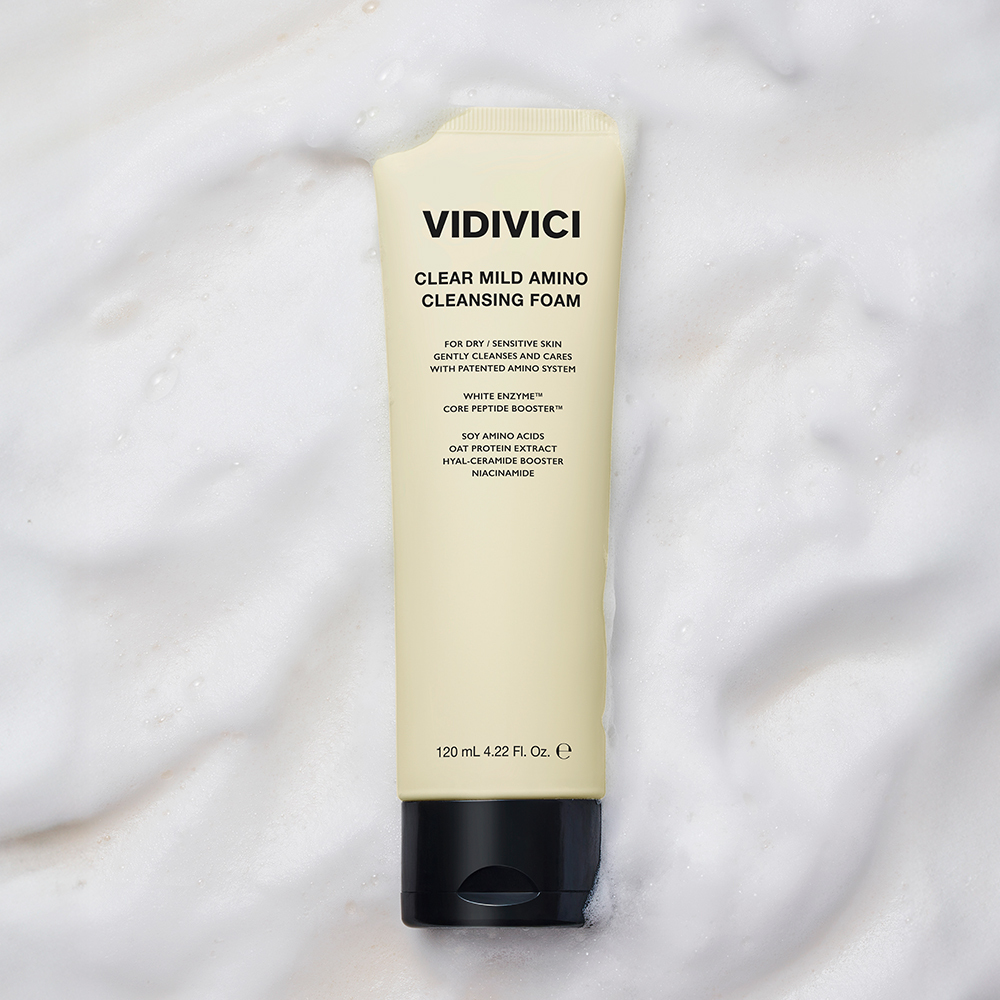
Clear Mild Amino Cleansing Foam
VIDIVICI
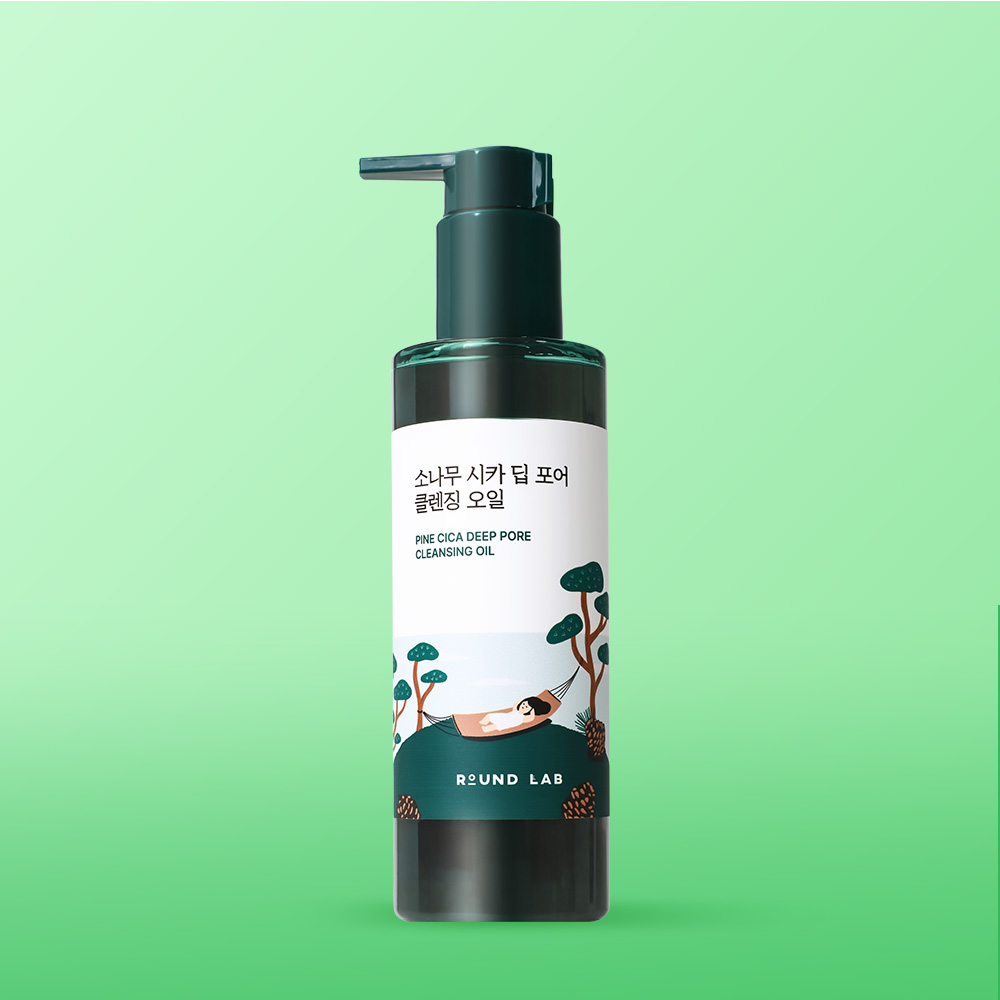
Pine Cica Deep Pore Cleansing Oil
Round Lab
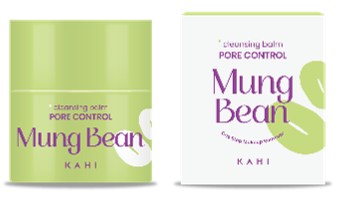
Pore Control Mung Bean Cleansing Balm
KAHI
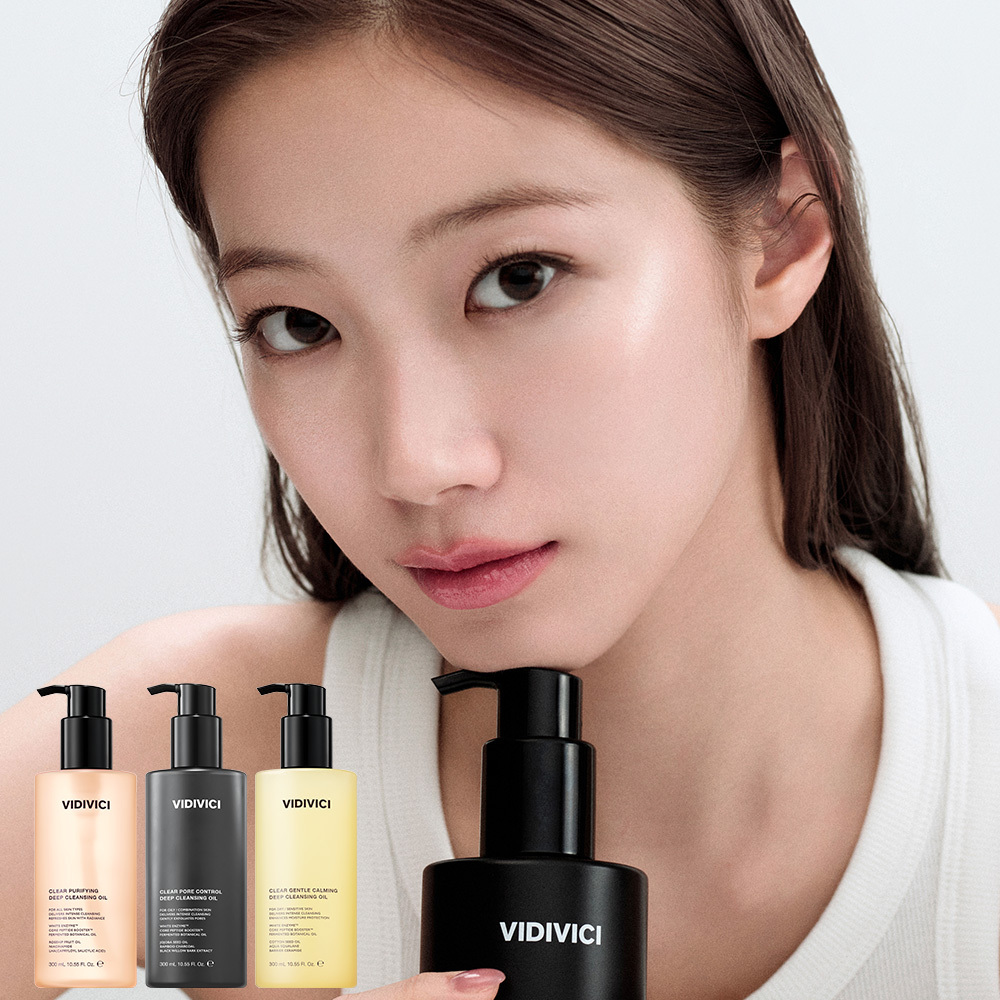
Clear Deep Cleansing Oil
VIDIVICI

Deep Melting Mud Pore Cleansing Oil
Banila Co
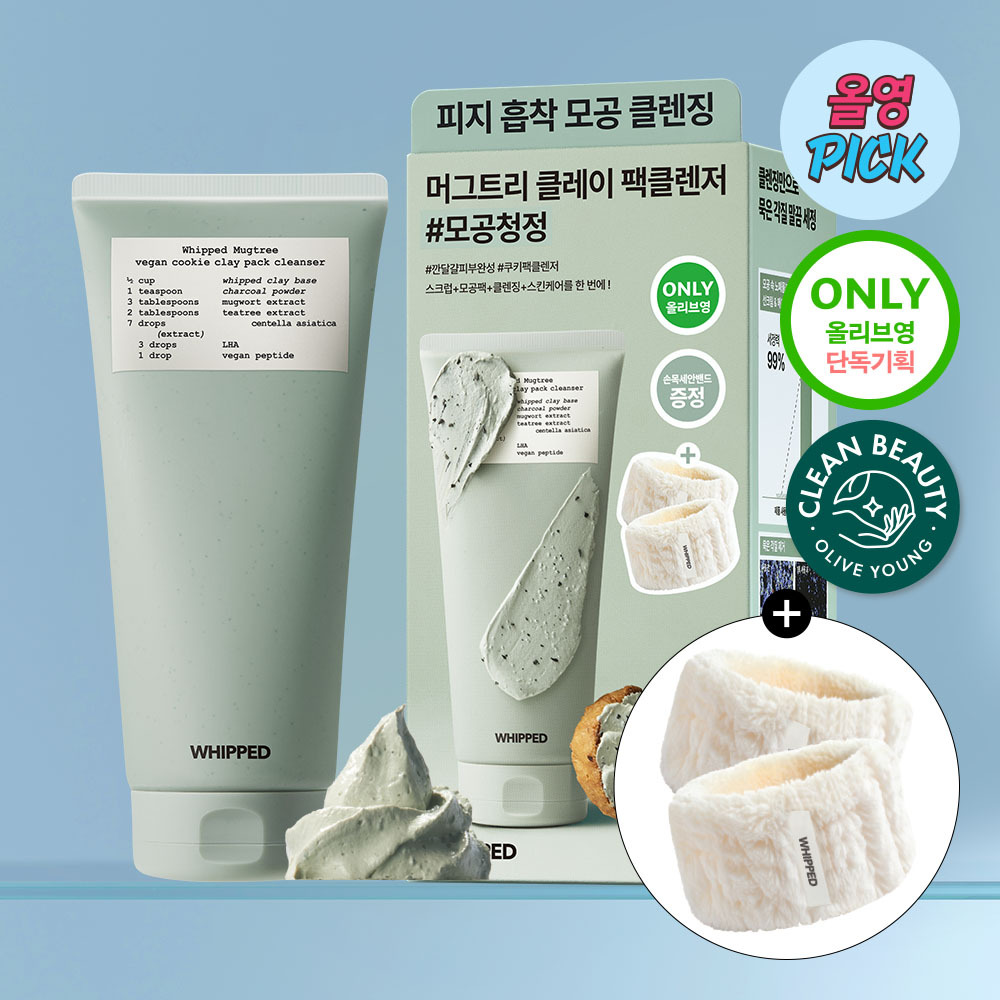
Mugtree Vegan Cookie Clay Pack Cleanser
Whipped
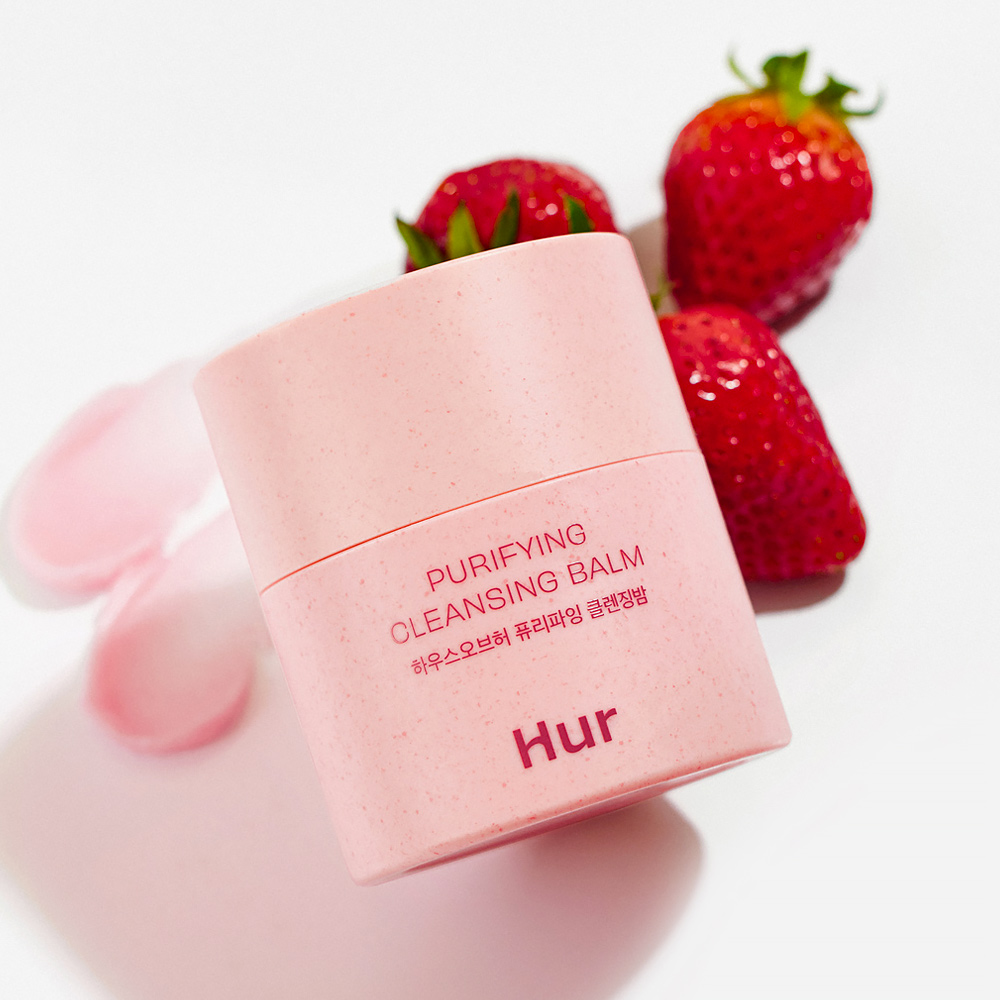
Purifying Cleansing Balm
House of Hur
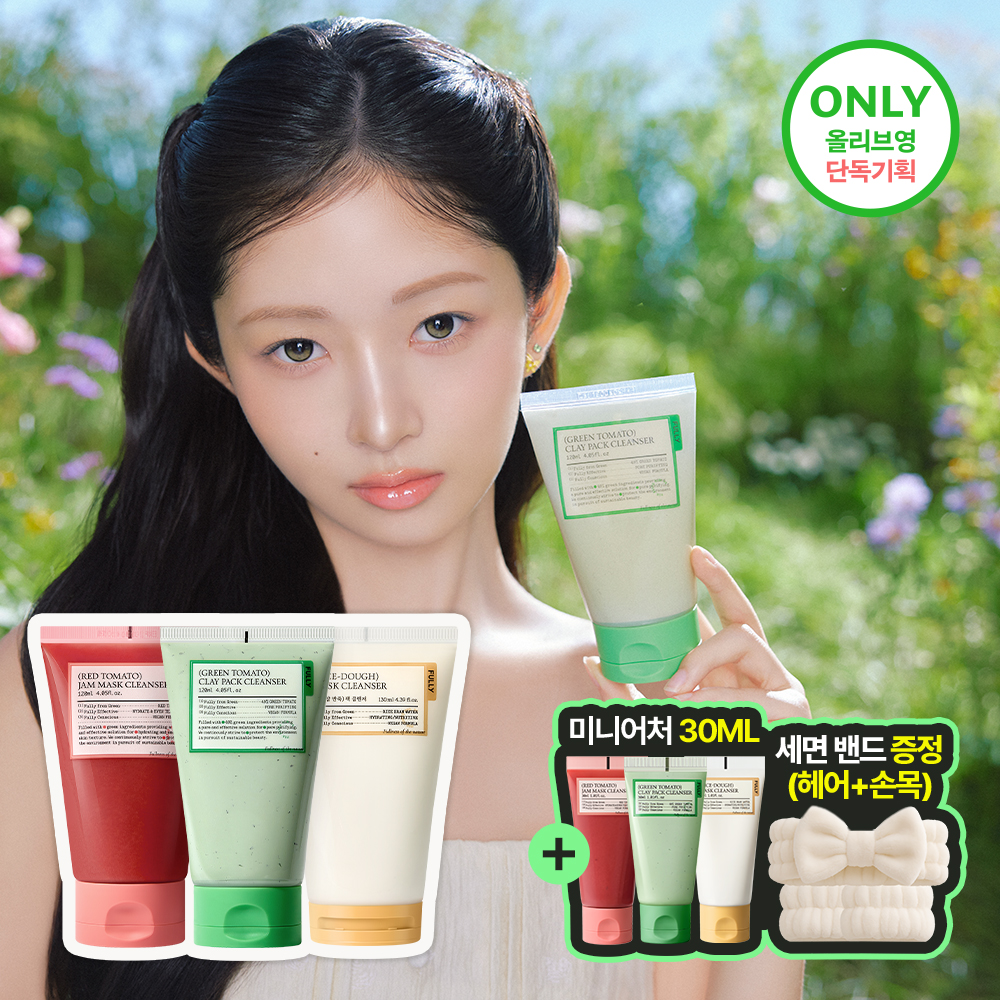
Pack Cleanser Set - Green Tomato / Red Tomato / Rice Dough
Fully
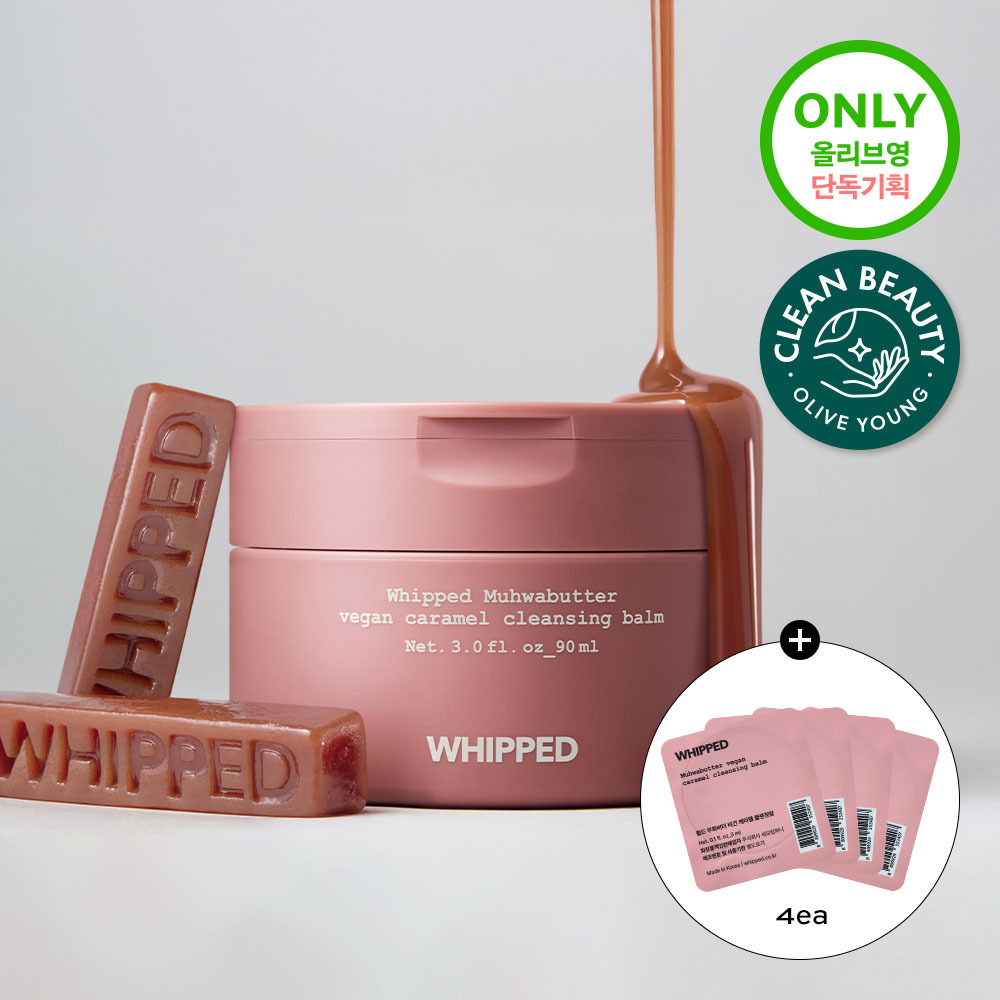
Muhwabutter Vegan Caramel Cleansing Balm
Whipped
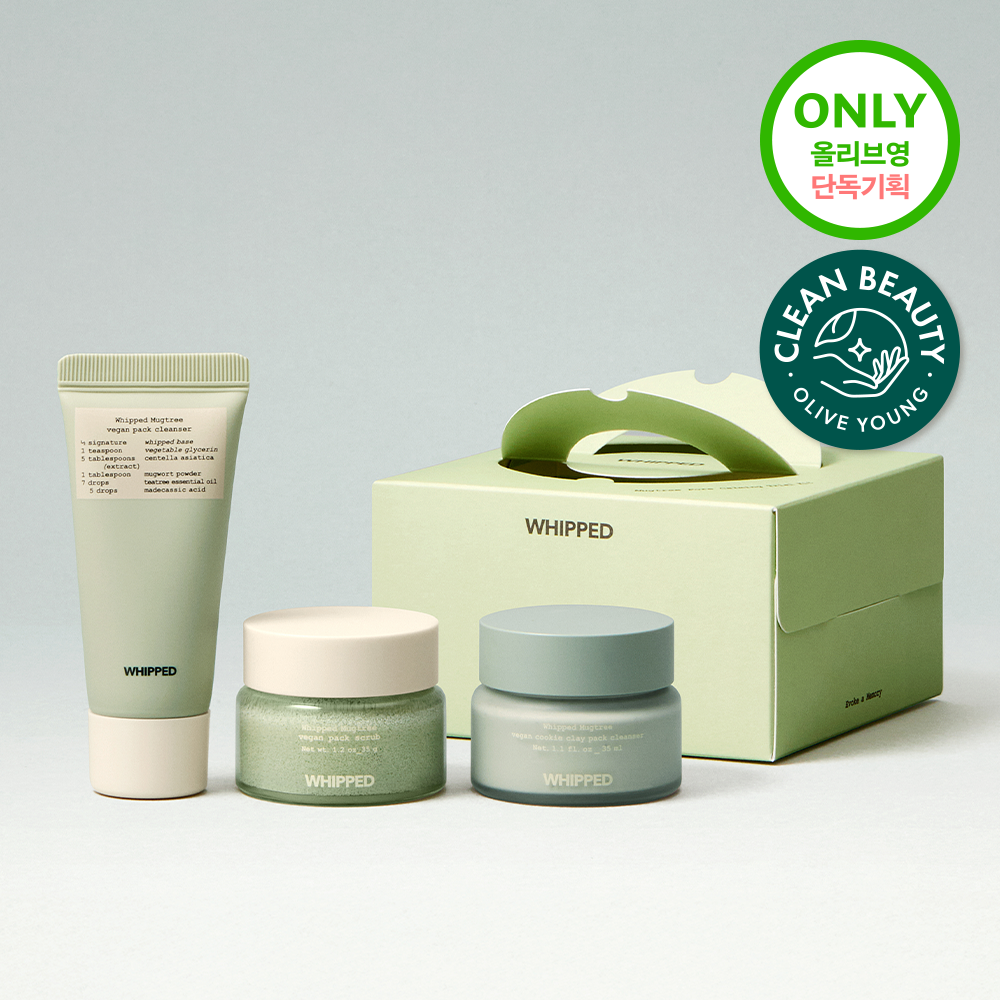
Mugtree Pore Calming Gift Set (Pack Cleanser 25g + Pack Scrub 35g + Cookie Clay 35ml)
Whipped
Nourishing Care Carrot Cleansing Balm
KAHI
Vita Care Cleansing Balm
KAHI
Frequently Asked Questions
Is corn germ oil safe for acne-prone skin despite the 3/5 comedogenic rating?▼
Why is corn germ oil in so many cleansers but not as common in serums or moisturizers?▼
Does the vitamin E in corn germ oil actually survive the cleansing process?▼
Can people with corn allergies use skincare products with corn germ oil?▼
Explore More
Want personalized ingredient advice?
Yuri, our AI beauty advisor, can tell you how Corn Germ Oil works with your specific skin type, routine, and concerns.
Ask Yuri, free