Zinc Gluconate
Antimicrobial and sebum-regulating agent
About Zinc Gluconate
Zinc Gluconate is a water-soluble salt form of zinc that has become a quiet powerhouse in K-beauty formulations, particularly in products targeting acne, excess oil, and skin barrier repair. Unlike harsher zinc compounds, zinc gluconate delivers the skin-calming and sebum-regulating benefits of zinc in a gentler, more bioavailable form that plays well with other active ingredients. In K-beauty, you'll find it in everything from cleansing foams to toners and moisturizers, where it works behind the scenes to control shine, reduce inflammation, and support the skin's natural healing processes. With a comedogenic rating of 0/5, it won't clog pores, making it particularly valuable for oily and acne-prone skin types. The ingredient's antimicrobial properties help manage the bacteria associated with breakouts, while its ability to regulate sebum production addresses one of the root causes of oily skin. What makes zinc gluconate especially appealing in modern formulations is its stability and compatibility. It doesn't interfere with other actives and won't destabilize vitamin C or retinol formulas. Korean brands have embraced it as a supporting player that enhances overall formula performance without causing irritation or dryness, which explains its presence in highly-rated products across multiple categories, from the Yuja Cleansing Tone Up Pack Foam Set by Hanyul to the HOMME Active Water Moisturizer by Laneige, both scoring 4.9-5.0 out of 5.
How Zinc Gluconate Works
At the cellular level, zinc gluconate functions as a cofactor for numerous enzymes involved in skin health and repair. When applied topically, it dissociates to release zinc ions that interact with sebaceous glands, helping to normalize sebum production by regulating the activity of 5-alpha reductase, an enzyme that influences oil gland activity. The antimicrobial action comes from zinc's ability to disrupt bacterial cell membranes and interfere with the metabolism of Cutibacterium acnes, the bacteria implicated in acne formation. Zinc gluconate also modulates inflammatory pathways by inhibiting the release of pro-inflammatory cytokines and histamine from immune cells, which explains why it's effective at calming redness and irritation. Additionally, it supports keratinocyte differentiation and promotes the synthesis of structural proteins like collagen, aiding in wound healing and skin barrier function. The gluconate component acts as a chelating agent that enhances zinc absorption into the skin and provides humectant properties, helping to maintain hydration. This dual mechanism makes it particularly effective in formulations designed for problematic skin that needs both clarifying and soothing effects.
Zinc Gluconate by Skin Type
Oily Skin
Zinc gluconate is particularly beneficial for oily skin due to its sebum-regulating properties. It helps control excess oil production without stripping the skin, making it ideal for daily use in cleansers and toners. The antimicrobial action also helps prevent the breakouts that often accompany oily skin.
Dry Skin
While zinc gluconate isn't typically the star ingredient for dry skin, it can still provide value when combined with hydrating ingredients. Its role in supporting skin barrier repair helps dry skin retain moisture more effectively. Look for it in formulations like ZEROID's Intensive Cream Toner where it's paired with barrier-supporting ingredients.
Combo Skin
This ingredient is excellent for combination skin since it targets oiliness in the T-zone without over-drying other areas. Its non-comedogenic nature means it can be used across the entire face without causing congestion. Products like the Teca-Micro Bubble Ampoule Toner by Anua balance sebum control with hydration, making them ideal for this skin type.
Sensitive Skin
Zinc gluconate is generally well-tolerated by sensitive skin due to its gentle, non-irritating nature and anti-inflammatory properties. It can help calm redness and reduce reactivity without causing the stinging or burning that some other acne-fighting ingredients might trigger. The high safety rating of 4/5 reflects its suitability for reactive skin.
Normal Skin
Normal skin can benefit from zinc gluconate's preventive and maintenance properties. It helps maintain balanced sebum production and supports overall skin health without causing disruption. Including it in your routine through products like sheet masks or light moisturizers helps keep skin in its optimal state.
How to Use Zinc Gluconate
- 1Use zinc gluconate products in your morning routine, as its sebum-regulating effects help control shine throughout the day.
- 2Layer it under other actives like niacinamide or hyaluronic acid, as zinc gluconate is highly compatible and can actually enhance the effectiveness of other ingredients.
- 3If using multiple products containing zinc gluconate, space them out between morning and evening routines to avoid over-drying, even though the risk is minimal.
- 4For acne-prone skin, look for leave-on products like toners or moisturizers rather than just cleansers, so the ingredient has more contact time with your skin.
- 5Pair with gentle exfoliants like PHAs to maximize pore-clarifying benefits without irritation.
Background
Zinc has been used medicinally for thousands of years, with ancient Egyptians using zinc-containing ointments for wound healing. However, zinc gluconate as a specific compound was developed in the mid-20th century as a more bioavailable and gentler alternative to other zinc salts. It gained popularity first in oral supplements for immune support before the cosmetic industry recognized its potential for topical skincare applications. Korean beauty brands began incorporating zinc gluconate in the 2010s as part of the movement toward gentle, science-backed ingredients that address multiple skin concerns without irritation. Its rise coincided with growing consumer demand for non-drying acne treatments and products that support skin barrier function. Today, it's a staple in K-beauty formulations designed for troubled skin, appearing across product categories from cleansers to treatment toners and moisturizers.
K-Beauty Products with Zinc Gluconate
View all 18 →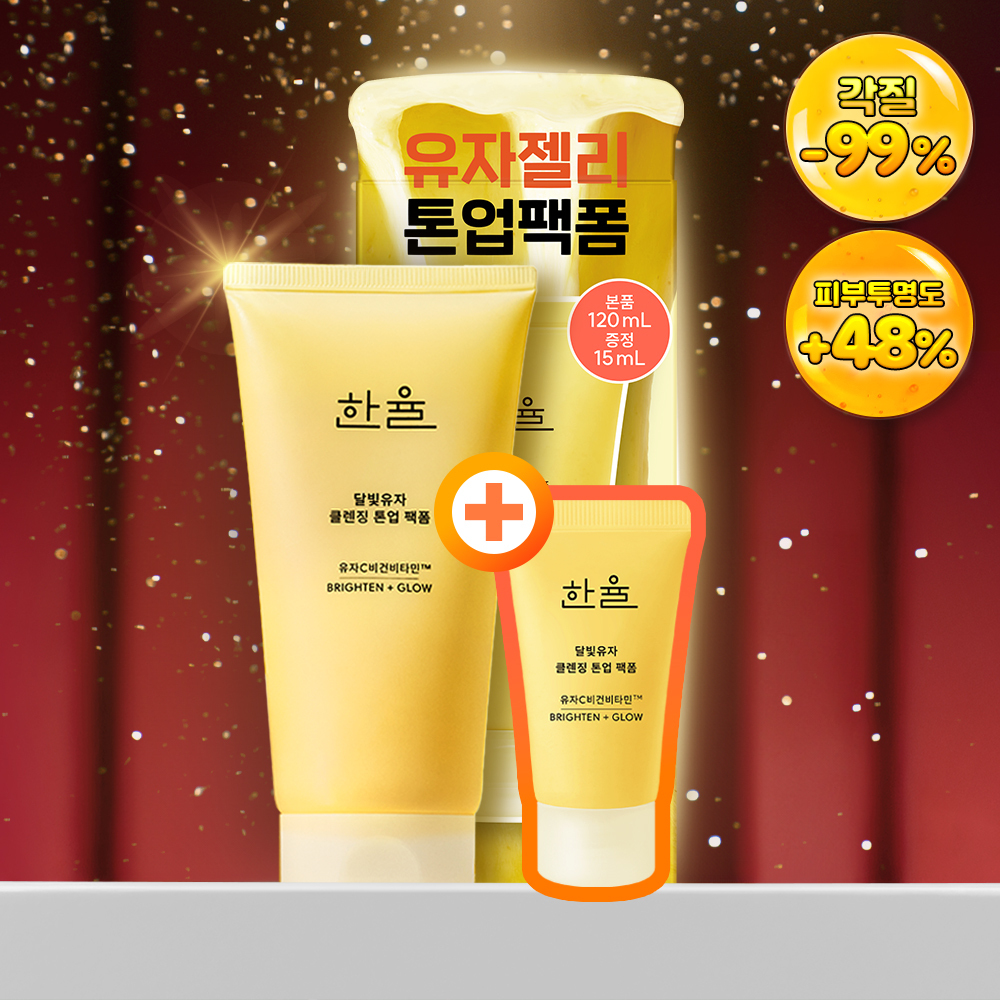
Yuja Cleansing Tone Up Pack Foam Set
Hanyul
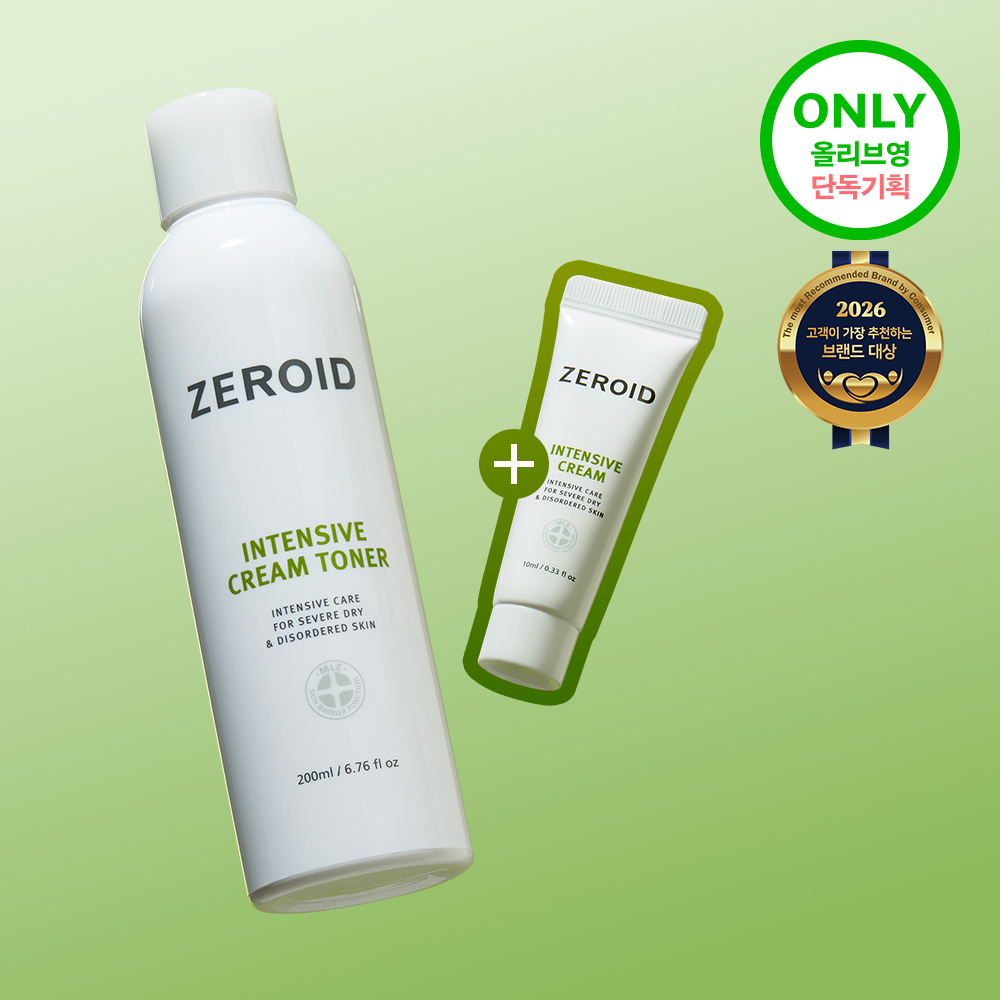
Intensive Cream Toner
ZEROID
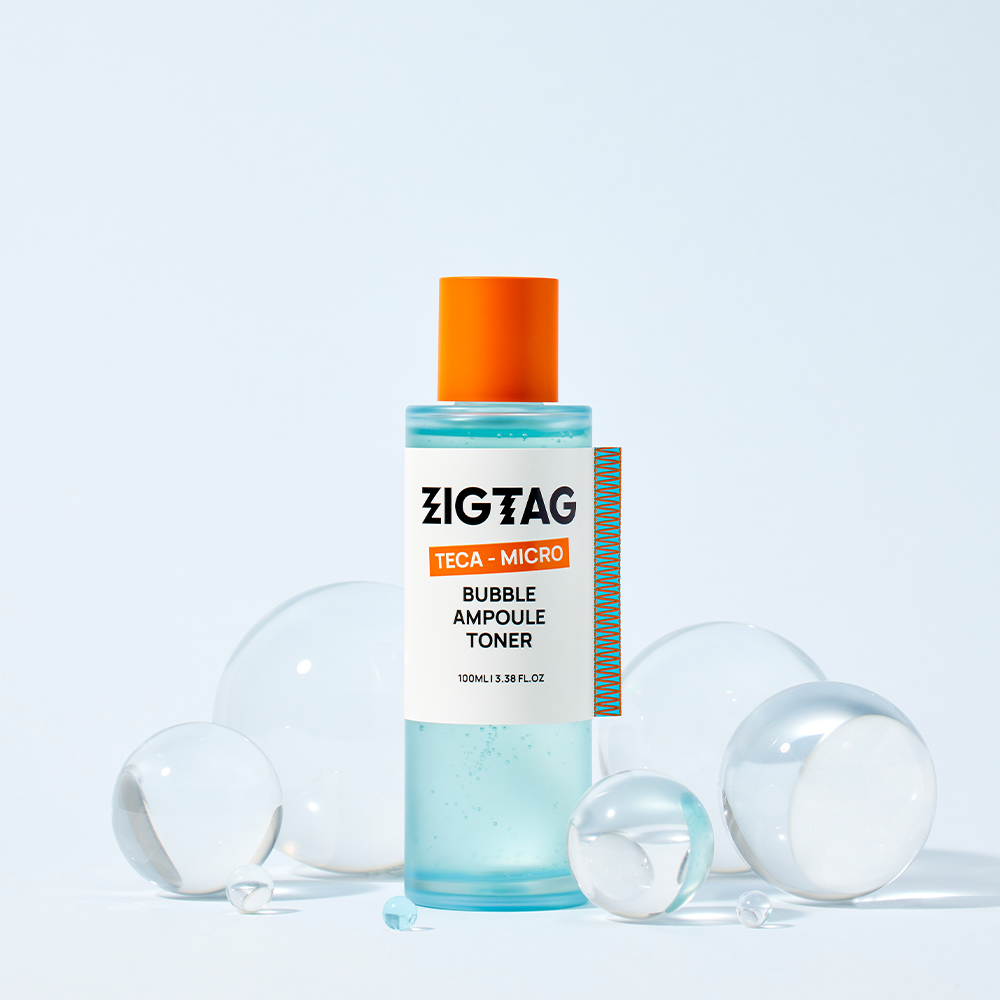
Teca-Micro Bubble Ampoule Toner
Anua
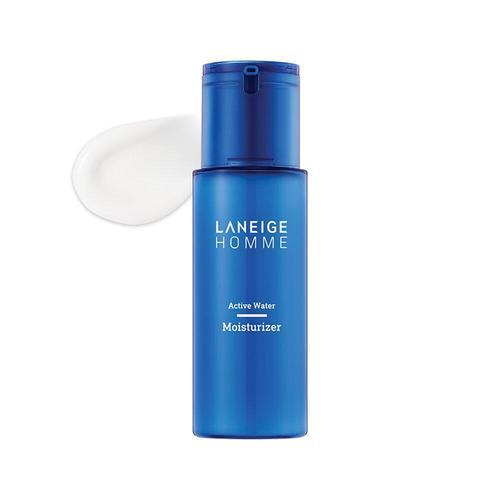
HOMME Active Water Moisturizer
Laneige

Regenerative Schild Cream
Aestura
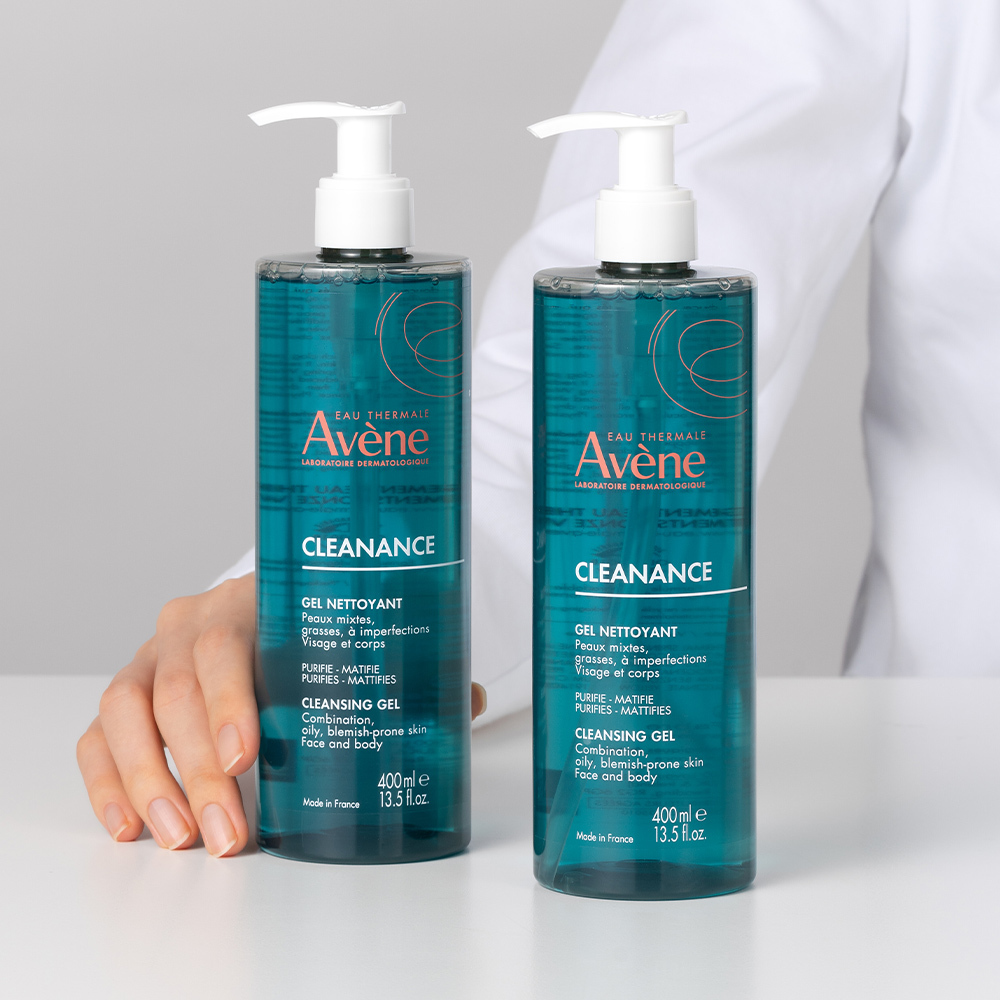
Cleanance Cleansing Gel Double Pack
Avène
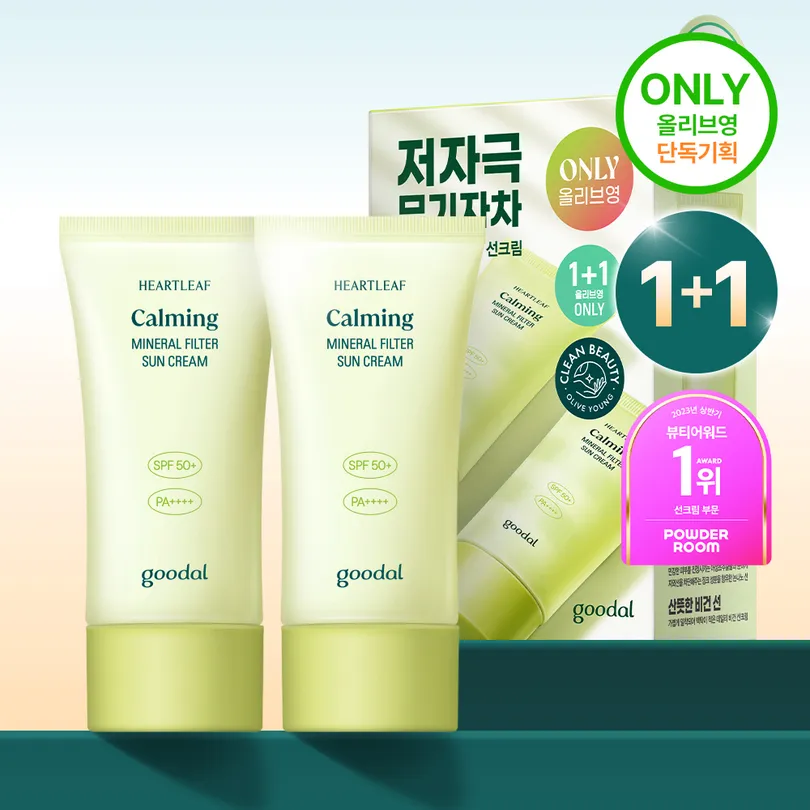
Heartleaf Mineral Filter Sun Cream
Goodal
Yuja Cleansing Peeling Gel Balm
Hanyul

Intensive Oint Cream
ZEROID
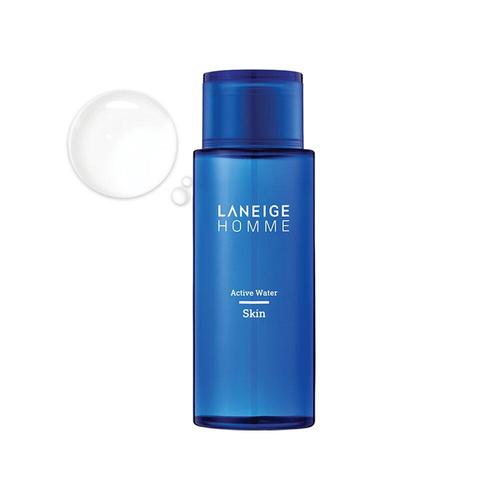
Homme Active Water Skin Toner
Laneige
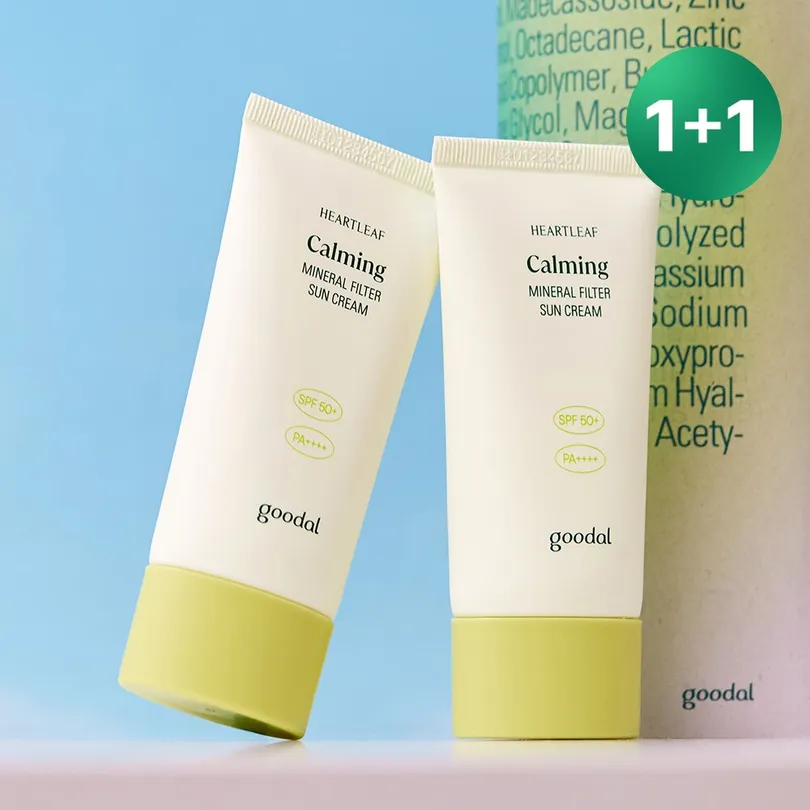
Heartleaf Calming Mineral Filter Sun Cream Special Set
Goodal
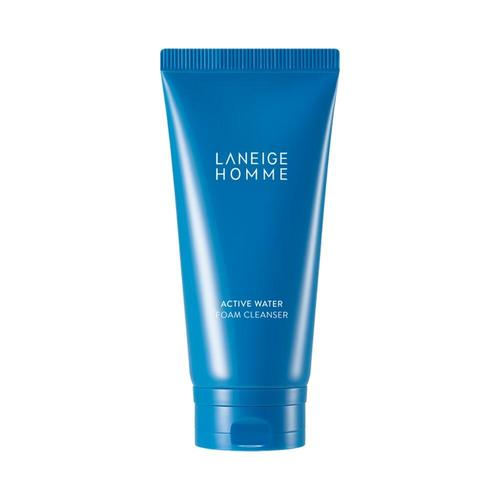
Homme Active Water Foam Cleanser
Laneige
Frequently Asked Questions
Can zinc gluconate help with hormonal acne?▼
Is zinc gluconate the same as regular zinc oxide used in sunscreens?▼
How long does it take to see results from zinc gluconate?▼
Can I use zinc gluconate with vitamin C or retinol?▼
Will zinc gluconate dry out my skin?▼
Explore More
Want personalized ingredient advice?
Yuri, our AI beauty advisor, can tell you how Zinc Gluconate works with your specific skin type, routine, and concerns.
Ask Yuri, free