Why Is PDRN So Popular? The Honest Breakdown
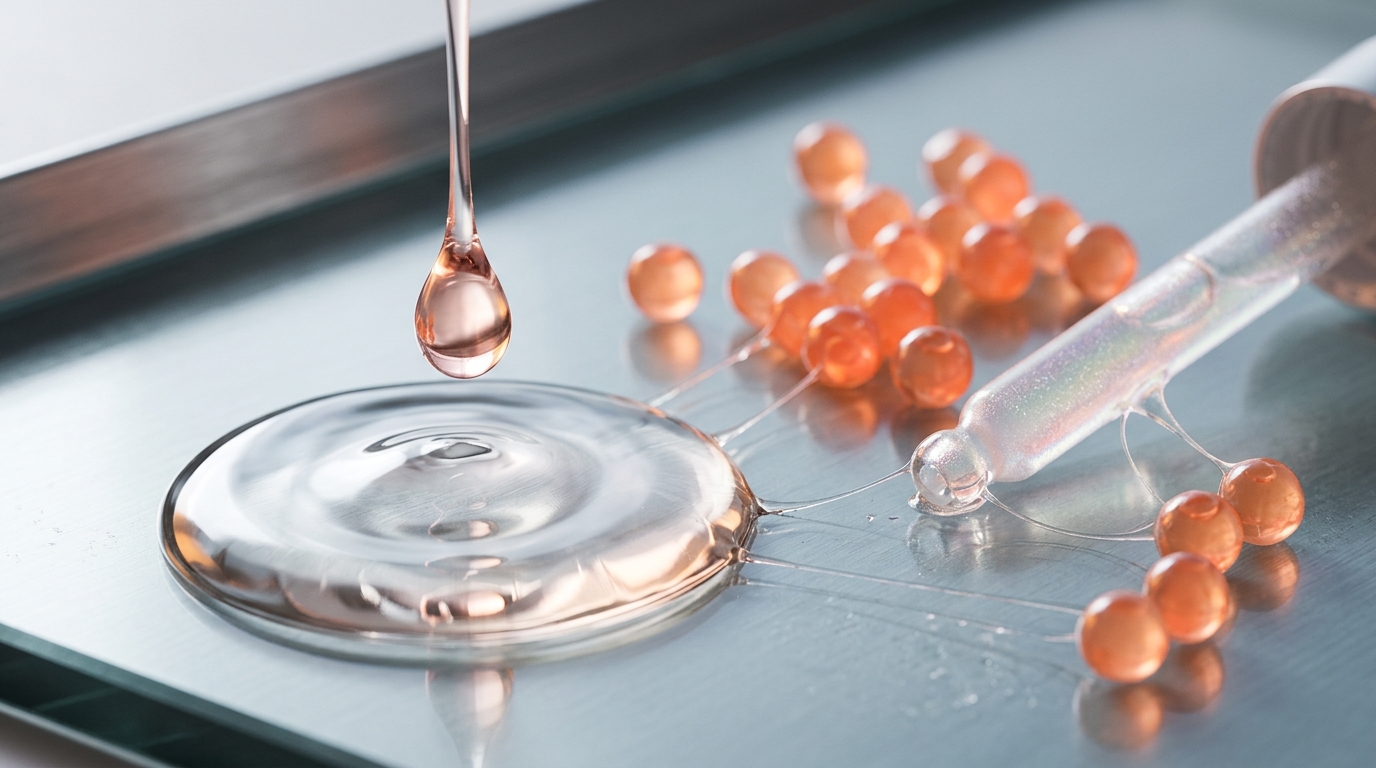
PDRN is on every For You page and every Korean serum launch right now. Here's what's actually in it, what it does for your skin, and whether the hype matches the science, or if you're about to drop money on a buzzword.
Quick Answer: Why Is PDRN So Popular Right Now?
PDRN blew up because it sits at the intersection of two things Gen Z loves: a slightly sci-fi backstory (it's derived from salmon DNA) and a plausible-sounding "repair and regenerate" promise. It got huge in Korea through in-clinic "salmon DNA" injectables first, then trickled into at-home serums, and now TikTok runs on the before-and-after glow content. The hype is real, but it's doing a lot of borrowing from the injectable version, which is not the same thing as the serum on your shelf.
The Situation You're In
You've seen "PDRN" slapped across what feels like every new Korean serum launch this year, and the comments are all some version of this changed my skin. You're ingredient-literate enough to be suspicious of anything trending this hard, but also curious enough that you've got a tab open on a product page right now. The thing you can't get a straight answer on: is PDRN actually doing something, or is it the latest word brands print on the box because it tests well on your generation?
Fair instinct. Let's check the actual science and the actual ingredient list before you commit.
What PDRN Actually Is (And What It Isn't)
PDRN stands for polydeoxyribonucleotide, basically fragments of DNA, usually extracted and purified from salmon sperm or roe. The idea is that these DNA fragments are structurally similar enough to human DNA to interact with your skin's repair pathways, nudging cell turnover and supporting the skin's own regeneration. In a medical setting, PDRN has genuine research behind it for wound healing and tissue repair, which is where a lot of the credibility comes from.
Here's the part the marketing skips: "salmon DNA" and "PDRN" are not interchangeable terms, even though brands use them like they are. PDRN is a specific, purified, fragmented form. Most "PDRN" serums actually list Sodium DNA on the label and let you assume it's the same ingredient from the injectable studies. It often isn't, or it's there in amounts that make the label true but the effect modest. I went deep on this exact distinction in What Is PDRN Skincare, Really? because it's the single most misunderstood thing about this ingredient.
The other reality check: most of the impressive PDRN research is on injectable PDRN delivered into the skin by a needle. A topical serum has to get the molecule through your stratum corneum, which DNA fragments are not naturally great at. So a serum can be worth using, it's generally soothing, hydrating, and barrier-friendly, but it's not going to replicate an in-clinic treatment. Anyone implying otherwise is selling you the injectable's reputation at serum prices.
Why It Got So Popular So Fast
A few things stacked up at once. First, Korea's clinic culture normalized "salmon DNA" treatments years before the serums existed, so there was already a built-in association with glassy, recovered-looking skin. When the at-home versions launched, they inherited that halo for free.
Second, PDRN slots neatly into the barrier repair and skin regeneration conversation that's been dominating K-beauty since the whole "slugging" and "skin cycling" wave. People who overdid actives and wrecked their barriers were primed for anything that promised recovery and calm. PDRN markets itself right into that gap.
Third, and this is the honest part, it's a great word. "Polydeoxyribonucleotide derived from salmon DNA" sounds like a lab breakthrough. It's genuinely more interesting content than "here's some niacinamide." The sponsored-influencer cycle loves a novel-sounding hero ingredient, and PDRN gives them one. That doesn't make it fake. It just means the volume of hype is outrunning the strength of the topical evidence, and those are two different things to keep separate.
What Actually Works: How to Buy PDRN Without Getting Played
Read the ingredient list, not the front of the box. In Seoul Sister's database, of 188 products with "PDRN" in the name and a complete ingredient record, 171 list Sodium DNA and zero list polydeoxyribonucleotide (counted October 2026). So the ingredient you're most likely buying is Sodium DNA. That isn't a bad ingredient, but it isn't PDRN, and it shouldn't be priced like the injectable. When the list isn't in English, the Seoul Sister ingredient encyclopedia and product database are there precisely so you can check what's actually in it instead of trusting the marketing render.
Treat PDRN as a supporting player, not your whole routine. The skin it genuinely helps is skin that's irritated, over-exfoliated, or just dull and dehydrated. If that's you, the smarter move is to get your barrier calm first, then let a PDRN serum ride on top. A plain, well-formulated hydrating base does more heavy lifting than people admit, something like the Klairs Supple Preparation Unscented Toner, which is built on betaine and centella asiatica, with sodium hyaluronate further down and no fragrance or essential oils, gives PDRN a calm, hydrated canvas to work on. Unglamorous, but it's the step that actually moves the needle.
Don't layer it over a stripped, angry barrier. PDRN serums are usually gentle, but if your skin is already reactive, start with how you cleanse. A non-stripping cleanse keeps your barrier intact so you're not fighting uphill. The ma:nyo Pure Soybean Cleansing Milk is a gentle milk cleanser type that removes makeup without stripping. For truly reactive days, a micellar water like Bioderma Sensibio H2O is the no-rinse, low-drama choice. You can browse more vetted options on the best cleansers page.
Keep your SPF in the equation. Any "regeneration" story is pointless if you're undoing it with UV damage every afternoon. If you want something that doubles as coverage, the Te' Chorok 35 Tone Up Sun Cushion is a zinc-oxide-and-titanium-dioxide based tone-up cushion with a natural finish. One honest note on Korean sunscreens generally: the versions reformulated for US shelves can test weaker than their Korean-market labels because of different approved filters, so know what you're buying and check the best sunscreens breakdown rather than assuming the number on the box.
Key Takeaways
- PDRN is real, but the serum isn't the injectable. Most strong evidence is for in-clinic PDRN delivered by needle; topical serums are generally soothing and barrier-friendly, not miracle regenerators.
- "Salmon DNA" and Sodium DNA are not purified PDRN. In Seoul Sister's catalog, 171 of 188 "PDRN" products list Sodium DNA and none list polydeoxyribonucleotide.
- It got popular from clinic culture + the barrier-repair trend + a genuinely cool-sounding name, not necessarily from topical results outperforming everything else.
- It works best as a supporting step on calm, hydrated skin, not as a rescue for a wrecked barrier.
- SPF and a non-stripping routine matter more than any single trending active.
Frequently Asked Questions
Does topical PDRN actually work, or do you need injections?
Topical PDRN serums can genuinely soothe, hydrate, and support a stressed barrier, and plenty of people love how their skin feels using them. But the dramatic "regeneration" research you've seen is mostly on injectable PDRN that gets delivered past the skin's surface barrier. Treat a serum as a nice supporting step, not a needle-free version of the clinic treatment.
Is PDRN safe if I'm allergic to fish?
This is worth flagging to a doctor if you have a known fish or shellfish allergy, since PDRN is derived from salmon. The ingredient is highly purified, but "highly purified" isn't a guarantee, patch test, and when in doubt check with an allergist before committing to daily use.
What's the difference between PDRN and PN in skincare?
PN (polynucleotides) are longer-chain versions of the same family, while PDRN is the more fragmented form. Brands often use them in overlapping marketing, and both ride the same "salmon DNA repair" story. For a topical serum, the more important question isn't PDRN-vs-PN, it's which ingredient is actually on the label (usually Sodium DNA) and where it sits in the list, which tells you more honestly than the buzzword on the front.
Can I use PDRN with retinol or exfoliating acids?
Generally yes, PDRN's calming, barrier-supporting profile actually pairs nicely with the irritation potential of actives. A common approach is using actives on their own nights and letting PDRN support recovery. If you're layering several strong things and not sure about the order, that's exactly the kind of thing worth double-checking for your specific routine.
Is PDRN worth the money or is it overhyped?
Both. It's a legitimately decent soothing/hydrating ingredient, so it's not a scam, but the price premium often reflects the buzzword more than the dose. Worth it if you check where Sodium DNA sits on the ingredient list and the price matches; a waste if you're paying hero-ingredient prices for a trace amount under a "salmon DNA" sticker.
The Bottom Line
PDRN isn't hype with nothing behind it, there's real science, it's just mostly about the injectable version, and the serum on your shelf is a gentler, more modest relative riding that reputation. The move isn't to avoid it; it's to buy it with your eyes open, check where the actual ingredient sits on the list, and keep your barrier and SPF handled so you're not building a regeneration routine on sand.
If you want the deeper distinction between salmon DNA and true PDRN, the full breakdown is here, and you can look up any ingredient on a specific product in the ingredient encyclopedia. And if you're staring at a particular PDRN serum wondering whether it's worth it for your skin type specifically, tap Ask Yuri on this page, which opens a free chat (no account needed). She'll check the product's ingredient list with you.