Centella Asiatica Extract
Korean: 센텔라 아시아티카 추출물
soothing, healing, anti-inflammatory
Derived from the Gotu Kola plant, cica is one of the defining ingredients of K-beauty. Rich in madecassoside, asiaticoside, and asiatic acid. Calms inflammation, accelerates wound healing, strengthens the barrier, and reduces redness. Suitable for the most sensitive skin.
About Centella Asiatica Extract
Centella Asiatica Extract, often called cica or tiger grass, is arguably the most iconic ingredient in K-beauty's healing-focused philosophy. Derived from the Gotu Kola plant native to Asian wetlands, this botanical powerhouse has been used in traditional Korean and Ayurvedic medicine for thousands of years to treat wounds and skin conditions. What makes centella exceptional is its unique constellation of bioactive compounds, particularly madecassoside, asiaticoside, asiatic acid, and madecassic acid, collectively known as triterpenes. These compounds work synergistically to calm inflammation, accelerate wound healing, strengthen the skin barrier, and reduce visible redness. With a perfect safety rating and zero comedogenic potential, centella appears in over 1,200 K-beauty products spanning every category from cleansers to sleeping masks. The ingredient's versatility explains its ubiquity: it's gentle enough for compromised skin yet effective enough to show measurable results. Real-world effectiveness data from Seoul Sister users confirms what Korean skincare brands have known for decades, with 100% of sensitive skin users reporting improvement in overall sensitivity and 92% seeing reduced redness. Whether you're dealing with active breakouts, post-procedure healing, or chronic sensitivity, centella addresses multiple skin concerns without the irritation risk associated with more aggressive actives.
How Centella Asiatica Extract Works
Centella's effectiveness stems from its triterpene compounds penetrating the dermis to trigger specific healing mechanisms. Madecassoside and asiaticoside act as potent anti-inflammatory agents by inhibiting the production of pro-inflammatory cytokines, the chemical messengers that cause redness, swelling, and discomfort. At the cellular level, asiatic acid stimulates fibroblast proliferation and increases collagen synthesis, essentially telling your skin cells to repair and reinforce the barrier. This dual action explains why centella both calms existing irritation and prevents future sensitivity. The ingredient also enhances antioxidant enzyme activity, helping skin neutralize free radicals from UV exposure and pollution. Unlike temporary soothing agents that simply mask symptoms, centella actually modulates the inflammatory cascade at multiple points, creating lasting improvement in skin resilience. Its small molecular structure allows deep penetration without disrupting the lipid barrier, making it uniquely suited for compromised skin that can't tolerate occlusive or heavy formulations. The wound-healing properties extend to acne as well, where centella helps damaged tissue recover faster and reduces post-inflammatory hyperpigmentation.
Centella Asiatica Extract by Skin Type
Oily Skin
Centella is surprisingly effective for oily, acne-prone skin, with 74% of users reporting improvement in breakouts according to Seoul Sister data. Its anti-inflammatory properties calm the redness and swelling associated with active acne while promoting faster healing of blemishes. Because it's completely non-comedogenic and lightweight, centella won't add congestion or greasiness that oily skin struggles with.
Dry Skin
While centella isn't a traditional moisturizer, it supports dry skin by strengthening the barrier function that prevents water loss. The ingredient helps damaged, dehydrated skin rebuild its protective lipid layers, creating a foundation for other hydrating products to work more effectively. However, effectiveness data shows only moderate results for dullness (50%), so dry skin types should pair centella with dedicated humectants and emollients.
Combo Skin
Combination skin benefits enormously from centella's balanced approach, it soothes reactive areas without adding oil to the T-zone. The ingredient works across different skin zones simultaneously, calming sensitivity on cheeks while helping control inflammation that triggers excess sebum in oilier areas. Its universal compatibility makes it ideal for skin that behaves differently across the face.
Sensitive Skin
This is where centella truly shines, with 100% effectiveness for overall sensitivity and 92% for redness reduction in real user reports. The ingredient addresses the root causes of reactivity rather than just masking symptoms, helping sensitive skin become less fragile over time. With a perfect 5/5 safety rating, it's suitable even for skin that reacts to most active ingredients.
Normal Skin
Even balanced skin benefits from centella's protective and preventative properties. The ingredient acts as a buffer against environmental stressors, pollution, and daily irritation that can gradually compromise healthy skin. Regular use helps maintain the resilient, calm baseline that defines normal skin, preventing the sensitivity and reactivity that often develop with age or lifestyle factors.
How to Use Centella Asiatica Extract
- 1Layer centella products after actives like retinol or acids to buffer potential irritation. Apply your treatment, wait 5-10 minutes, then follow with a centella serum or cream to calm and support barrier recovery.
- 2For maximum effectiveness on active breakouts or irritation, apply centella products to damp skin. The moisture helps the lightweight molecules penetrate deeper where they can modulate inflammation at the source.
- 3Centella works beautifully in combination with niacinamide and ceramides. This trio addresses barrier function from multiple angles, with centella calming inflammation, niacinamide reducing sensitivity, and ceramides sealing in results.
- 4Keep a centella-rich product in the fridge for emergency use on sunburns, post-procedure redness, or sudden reactions. The cooling temperature plus the anti-inflammatory compounds provide immediate comfort and accelerate healing.
Background
Centella Asiatica has been used in traditional Asian medicine for over 3,000 years, earning colorful nicknames like "tiger grass" from the legend that wounded tigers would roll in the plant to heal injuries. In Korean traditional medicine, centella appeared in remedies for everything from leprosy to fever, valued for its remarkable wound-healing properties. The ingredient's journey into modern K-beauty began in the 1960s and 70s when Korean dermatologists started researching traditional botanicals scientifically. By the 1990s, Korean brands were incorporating centella into post-procedure creams for patients recovering from laser treatments and chemical peels. The 2010s saw centella explode into mainstream K-beauty with the "cica cream" trend, where thick, green-tinted balms promised to heal everything from acne to sensitivity overnight. Today, centella appears in sophisticated formulations across all product categories, cementing its status as K-beauty's most versatile healing ingredient.
Addresses These Concerns
Effectiveness by Skin Type
Drawing on K-beauty clinical research and community consensus, Centella Asiatica Extract shows the highest effectiveness for sensitive skin targeting redness (85% positive) and sensitive skin targeting irritation (83% positive). It also benefits oily skin for acne.
For redness · 55 reports
For irritation · 50 reports
For acne · 50 reports
K-Beauty Products with Centella Asiatica Extract
View all 1,381 →
Mung Bean pH-Balanced Cleansing Foam
Beplain

345 Relief Cream
Dr. Althea

Reedle Shot 100 Essence Double Pack
VT
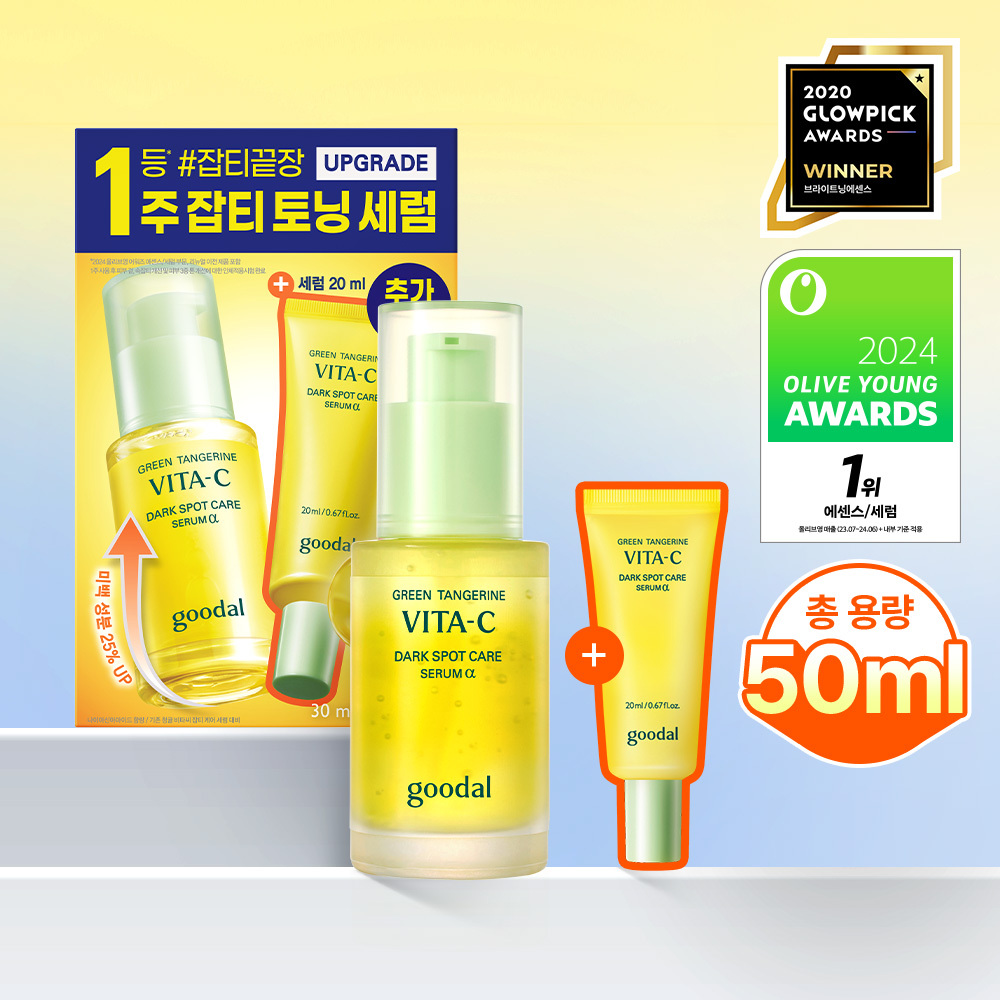
Green Tangerine Vita-C Dark Spot Care Serum α
Goodal
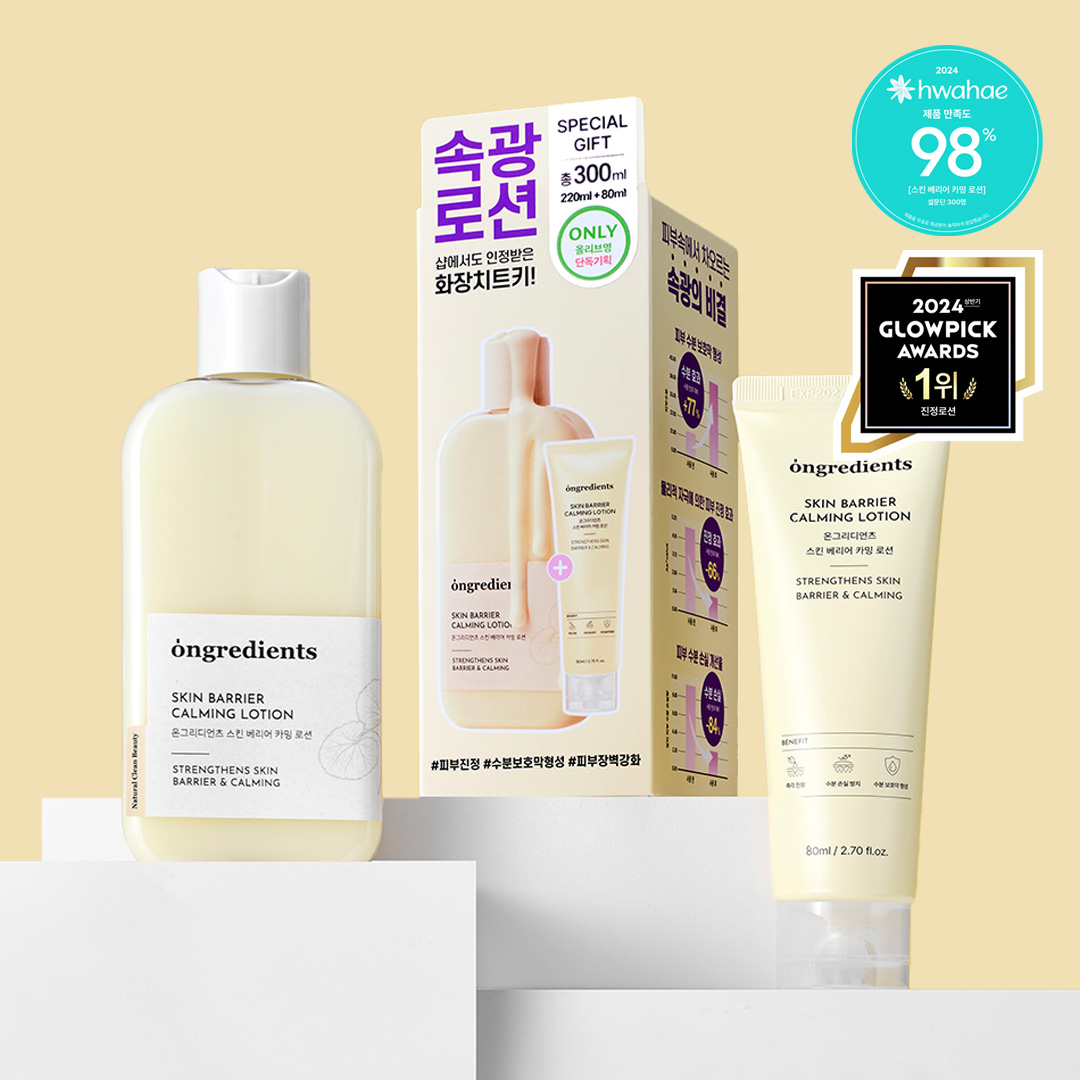
Skin Barrier Calming Lotion Set
Ongredients
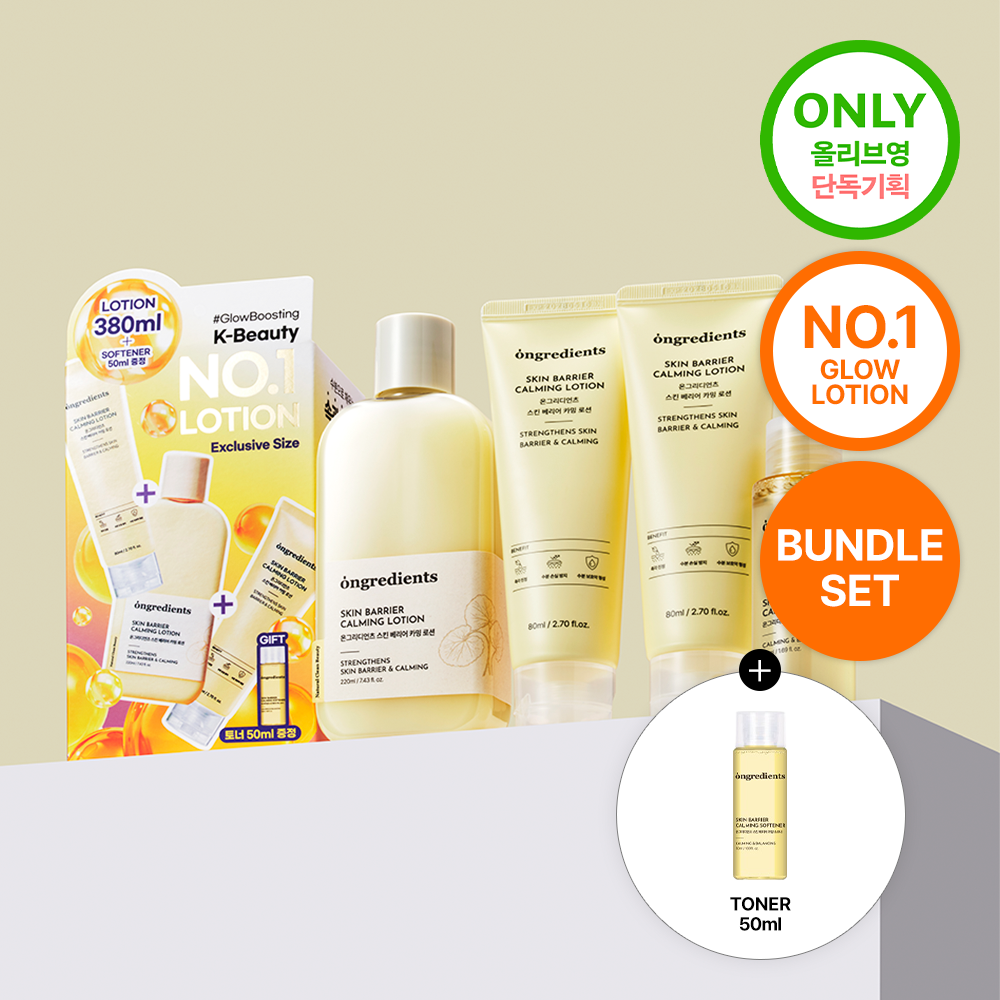
Skin Barrier Calming Large Size Set (Lotion + Softener)
Ongredients

Madagascar Centella Probio-Cica Enrich Cream
SKIN1004
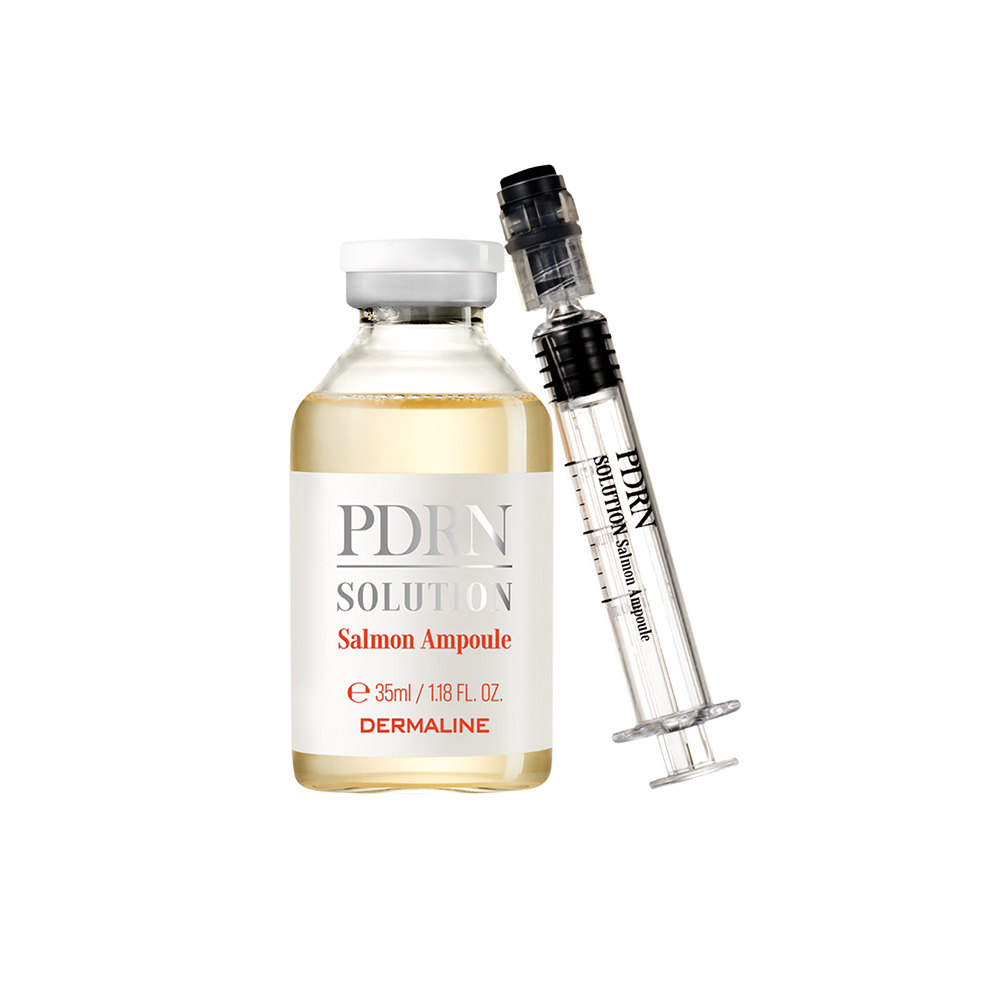
D'LEXO PDRN Solution Salmon Ampoule
DERMALINE
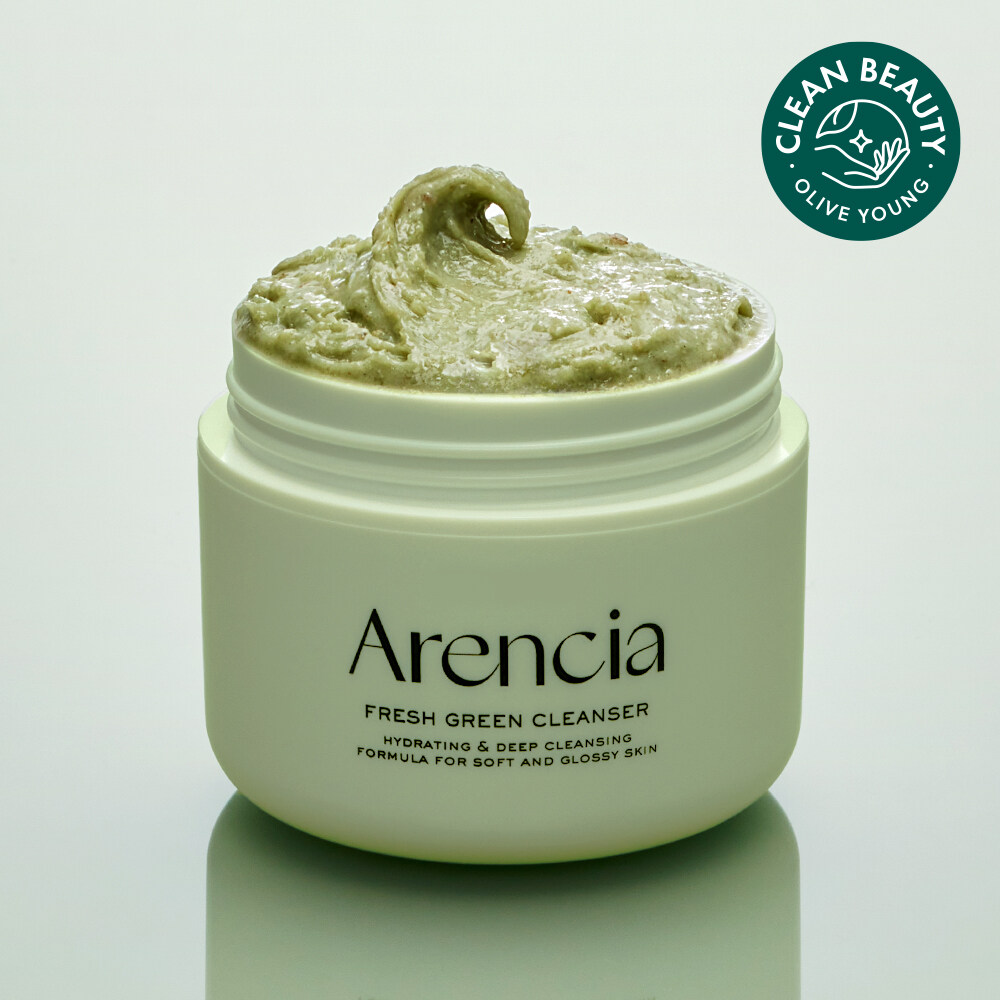
Fresh Green Rice Mochi Cleanser
Arencia

Niacinamide 10% + TXA 4% Dark Spot Correcting Serum
Anua

Reedle Shot 300 Essence
VT
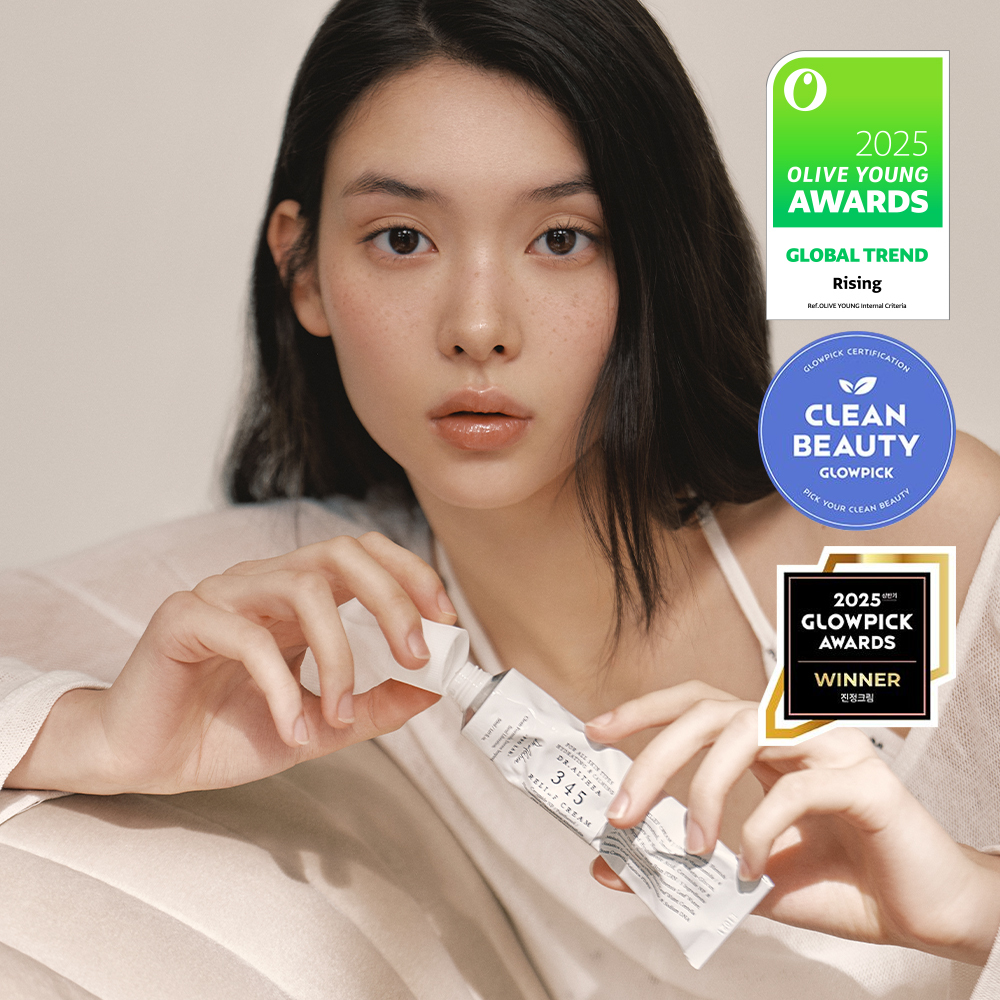
345 Relief Cream Set
Dr. Althea
Frequently Asked Questions
How long does it take for centella to reduce redness and sensitivity?▼
Can I use centella with retinol or vitamin C?▼
Is centella effective for acne or just soothing?▼
What's the difference between centella extract and madecassoside?▼
Why do some centella products look green and others don't?▼
Articles About Centella Asiatica Extract
Best Korean Face Mask for Your Skin Type: 8 Picks by Concern
Eight Korean masks matched to real skin concerns, each justified by what's actually on the ingredient list, not the front of the box. Dry, sensitive, oily, and dull-looking skin each get two picks, with the fragrance figure you need to know before you buy.
Best Korean Moisturizer for Your Skin Type: 8 Picks for Dry, Oily, Combo and Sensitive Skin
Eight Korean moisturizers sorted by what your skin actually is, not by hype. Gel creams for oily and combo, richer picks for dry, and fragrance-free options for sensitive and barrier-stressed skin, each justified by its real ingredient list.
Deep Cystic Acne: What Actually Helps (and What Doesn't)
Deep cysts aren't a "you didn't try hard enough" problem, they're a below-the-surface inflammation problem that most spot treatments can't reach. Here's what actually helps, what makes it worse, and how to build a routine that doesn't wreck your barrier while you heal.
Explore More
Want personalized ingredient advice?
Yuri, our AI beauty advisor, can tell you how Centella Asiatica Extract works with your specific skin type, routine, and concerns.
Ask Yuri, free