Ethyl Ascorbic Acid
INCI: 3-O-Ethyl Ascorbic Acid
Stable vitamin C derivative for brightening and antioxidant protection
About Ethyl Ascorbic Acid
Ethyl Ascorbic Acid is a stable, water-soluble vitamin C derivative that has become a staple in K-beauty formulations for good reason. Unlike pure L-ascorbic acid, which oxidizes quickly and can irritate sensitive skin, this ethylated form remains stable at a neutral pH and penetrates the skin barrier more efficiently. Once absorbed, enzymes in the skin convert it to active vitamin C, delivering powerful brightening and antioxidant benefits without the typical irritation associated with traditional vitamin C serums. K-beauty brands have embraced this ingredient because it aligns perfectly with the Korean skincare philosophy of achieving luminous, glass-like skin through gentle yet effective ingredients. With 134 products on Seoul Sister featuring this derivative, it has proven itself as a reliable alternative to more unstable forms of vitamin C. The ingredient works by inhibiting tyrosinase, the enzyme responsible for melanin production, which helps fade dark spots and prevent new hyperpigmentation from forming. It also stimulates collagen synthesis, improving skin texture and reducing fine lines over time. What makes ethyl ascorbic acid particularly appealing is its ability to deliver results at lower concentrations (typically 2-5%) compared to the 15-20% often needed with pure ascorbic acid, making it suitable for daily use even on reactive skin.
How Ethyl Ascorbic Acid Works
At the molecular level, ethyl ascorbic acid functions as both a direct antioxidant and a pro-vitamin. When applied topically, it neutralizes free radicals generated by UV exposure and pollution, preventing oxidative damage to cellular structures and lipids. The ethyl group attached to the ascorbic acid molecule increases its lipophilicity, allowing it to penetrate the lipid-rich stratum corneum more effectively than pure vitamin C. Once inside the skin, esterase enzymes cleave the ethyl group, converting the molecule into L-ascorbic acid, the biologically active form of vitamin C. This activated vitamin C then inhibits tyrosinase activity by chelating the copper ions at the enzyme's active site, disrupting melanin production at its source. Simultaneously, it acts as a cofactor for prolyl hydroxylase and lysyl hydroxylase, enzymes critical for collagen synthesis. By stabilizing collagen molecules and promoting their cross-linking, ethyl ascorbic acid strengthens the dermal matrix. Its antioxidant properties also protect existing collagen from degradation by matrix metalloproteinases, enzymes that break down structural proteins. This dual action of prevention and repair makes it effective for both anti-aging and brightening concerns.
Ethyl Ascorbic Acid by Skin Type
Oily Skin
Ethyl ascorbic acid works exceptionally well for oily skin because it is non-comedogenic and can help regulate sebum oxidation, which contributes to breakouts and enlarged pores. Its lightweight, water-soluble nature means it absorbs quickly without leaving a greasy residue. The antioxidant properties also help protect against post-inflammatory hyperpigmentation that often follows acne.
Dry Skin
This ingredient benefits dry skin by supporting the skin barrier through collagen synthesis and providing antioxidant protection against environmental stressors that can worsen dryness. However, it works best when layered with hydrating ingredients like hyaluronic acid or ceramides, as vitamin C derivatives alone do not provide moisture. Many K-beauty serums pair ethyl ascorbic acid with nourishing components specifically for this reason.
Combo Skin
Combination skin types can use ethyl ascorbic acid across the entire face without concern, as it addresses both the dehydration in dry zones and the oxidative stress in oilier areas. Its balanced molecular structure makes it versatile enough to brighten dull patches on cheeks while helping control shine in the T-zone. The key is applying it before targeted moisturizers that address zone-specific needs.
Sensitive Skin
Ethyl ascorbic acid is one of the gentlest vitamin C derivatives available, making it suitable for sensitive and reactive skin types that cannot tolerate traditional ascorbic acid. Its stable structure at neutral pH eliminates the stinging and redness often associated with low-pH vitamin C formulas. That said, start with products containing 2-3% concentration and patch test first, as individual sensitivities can still occur.
Normal Skin
Normal skin can take full advantage of ethyl ascorbic acid's brightening and anti-aging benefits without concern. Use it as a preventative measure to maintain even tone and protect against future signs of aging. Products with 3-5% concentration are ideal for maintaining healthy skin without overwhelming it.
How to Use Ethyl Ascorbic Acid
- 1Apply ethyl ascorbic acid products in the morning before sunscreen to boost photoprotection, as its antioxidant properties enhance UV defense throughout the day.
- 2Layer it after cleansing and toning but before heavier serums and moisturizers to ensure proper absorption of this water-soluble ingredient.
- 3Pair with niacinamide for enhanced brightening effects despite old myths about vitamin C and niacinamide conflicts. Modern formulations like Primera's PDRN-Niacinamide serum prove these ingredients work synergistically.
- 4Store products in a cool, dark place to maximize stability, although ethyl ascorbic acid is far more stable than pure ascorbic acid and won't oxidize as quickly.
- 5Use consistently for 8-12 weeks to see significant brightening results, as melanin turnover and collagen synthesis are gradual processes.
Background
Ethyl ascorbic acid was developed in Japan in the 1980s as part of ongoing research to create stable vitamin C derivatives that could withstand cosmetic formulation challenges. Traditional L-ascorbic acid had proven difficult to work with due to its instability in water, rapid oxidation, and requirement for very low pH levels that irritated skin. Japanese and Korean cosmetic chemists pioneered various ascorbic acid derivatives, with ethyl ascorbic acid emerging as one of the most successful due to its unique combination of stability, efficacy, and skin compatibility. K-beauty brands quickly adopted this ingredient as it aligned with their focus on gentle, effective formulations that deliver results without irritation. By the 2010s, it had become a cornerstone ingredient in Korean brightening and anti-aging products, appearing in everything from cleansers to serums. Its rise paralleled the global K-beauty movement's emphasis on achieving luminous, even-toned skin through science-backed ingredients.
K-Beauty Products with Ethyl Ascorbic Acid
View all 150 →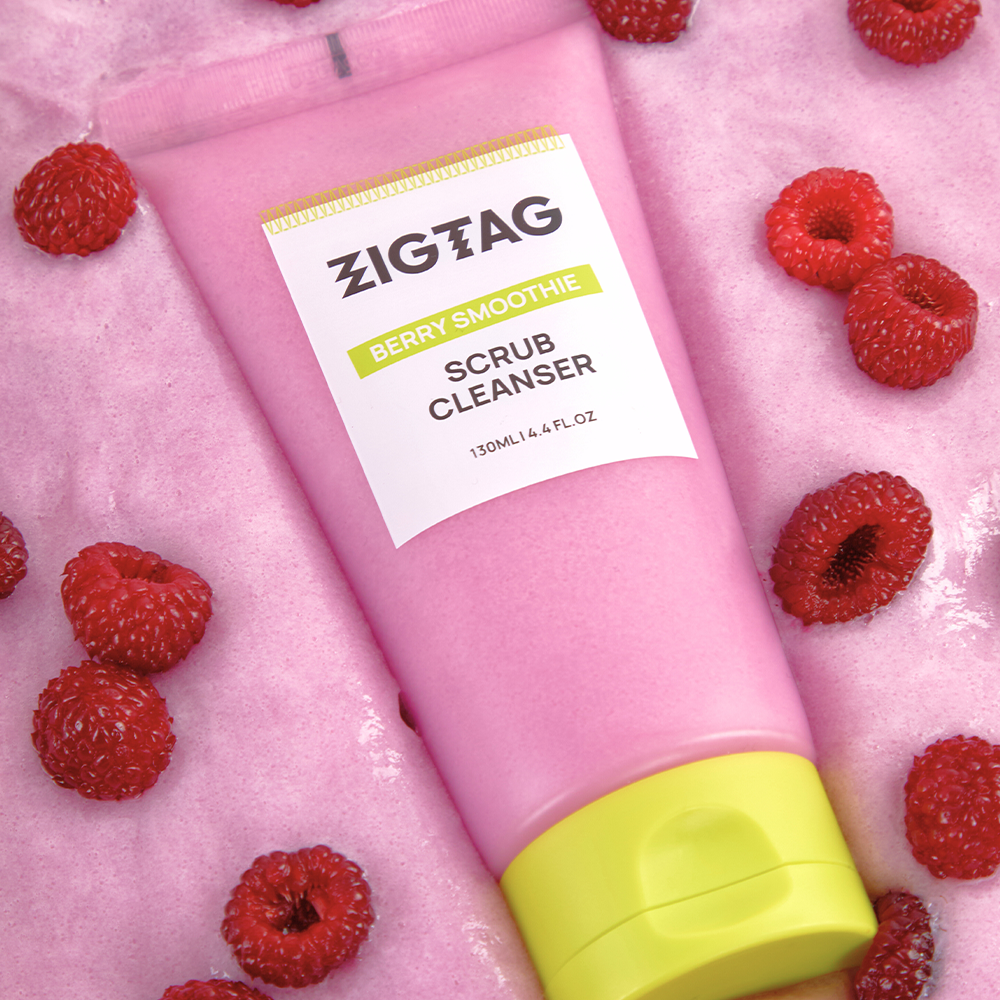
Berry Smoothie Scrub Cleanser
Beplain

Vitamin C Booster Shot
Arencia
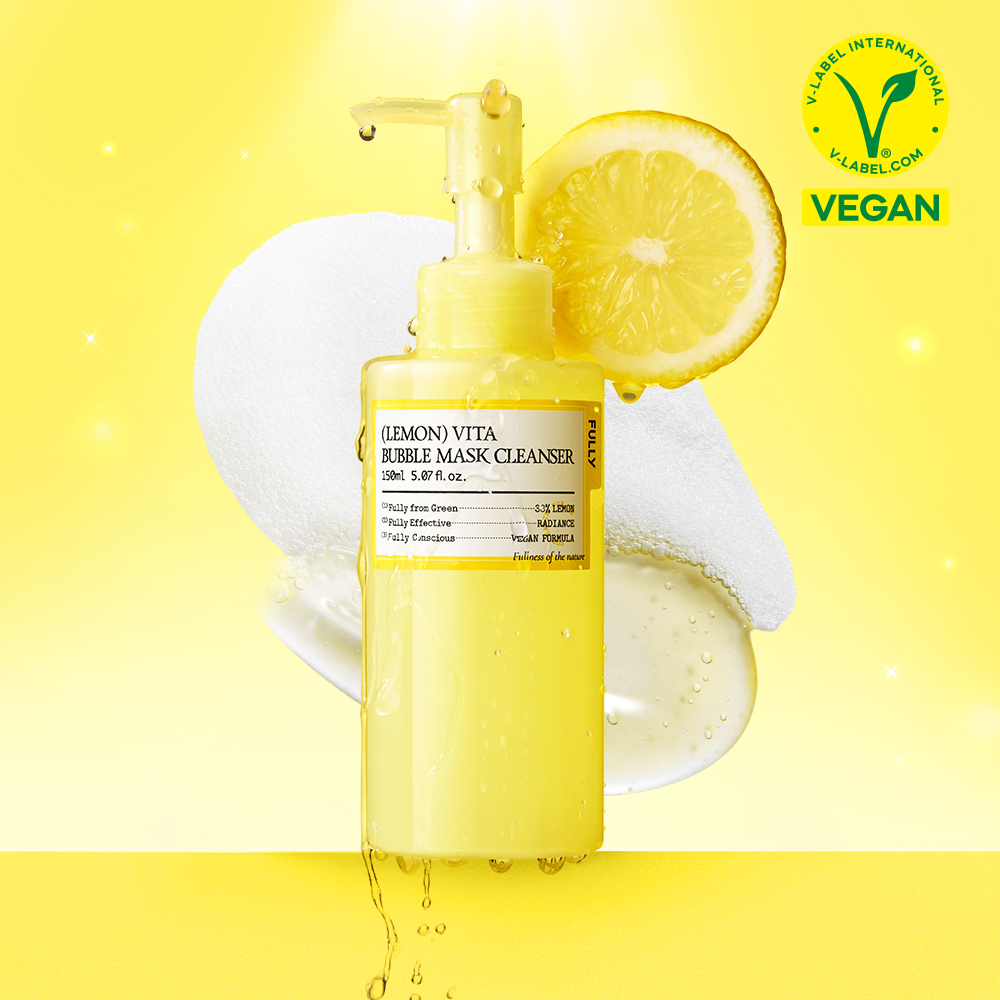
Lemon Vita Bubble Pack Cleanser
Fully
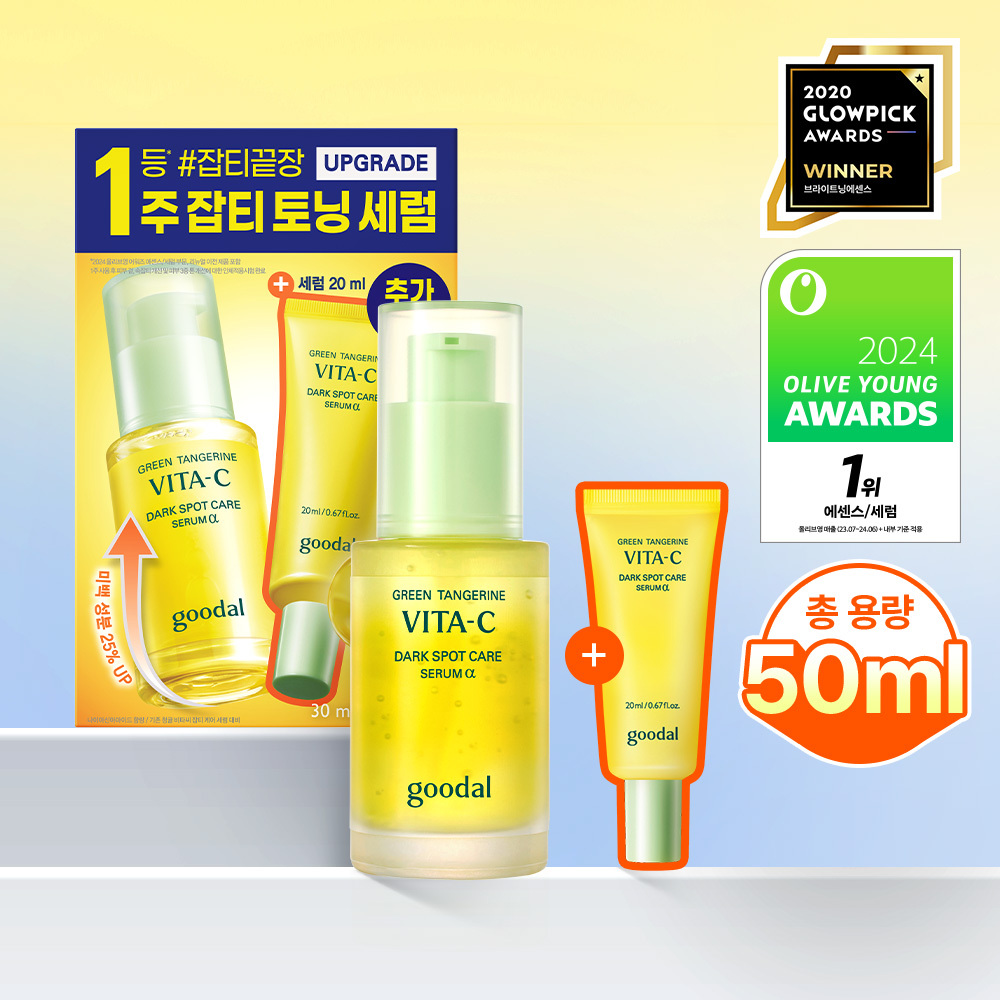
Green Tangerine Vita-C Dark Spot Care Serum α
Goodal
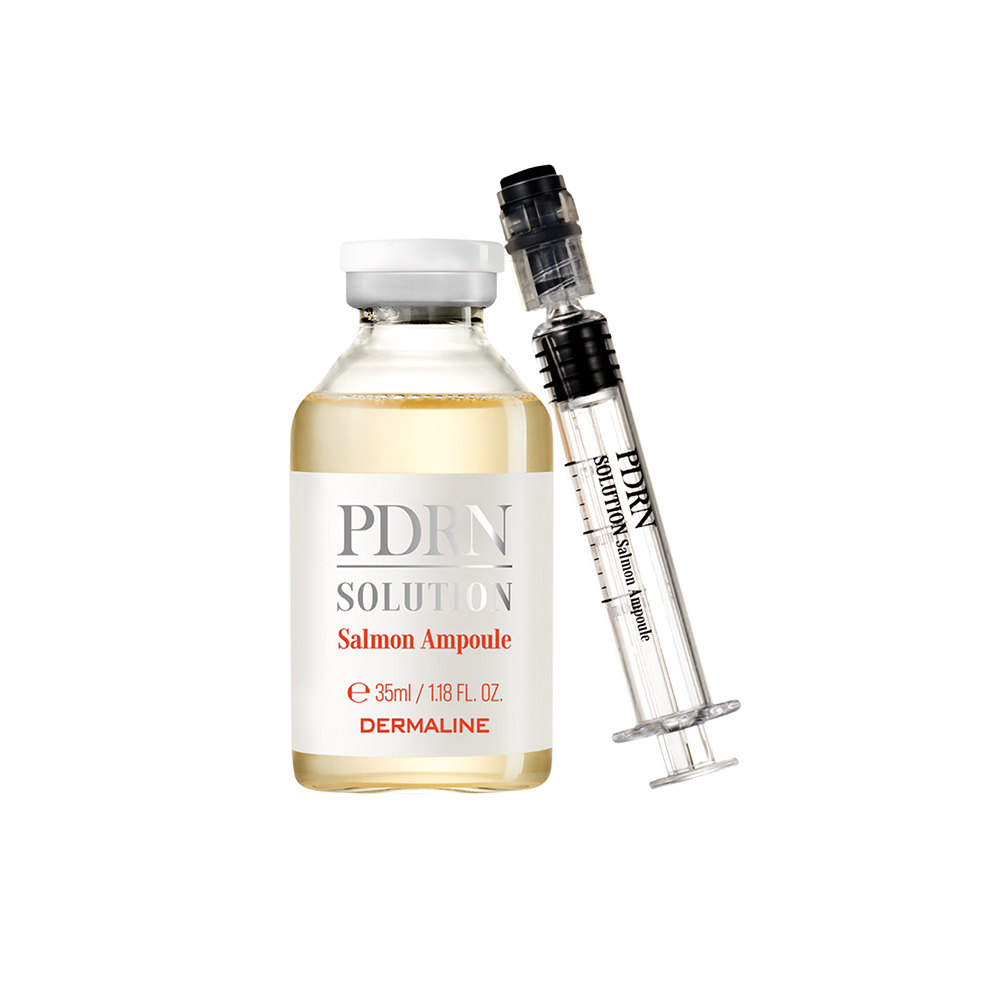
D'LEXO PDRN Solution Salmon Ampoule
DERMALINE
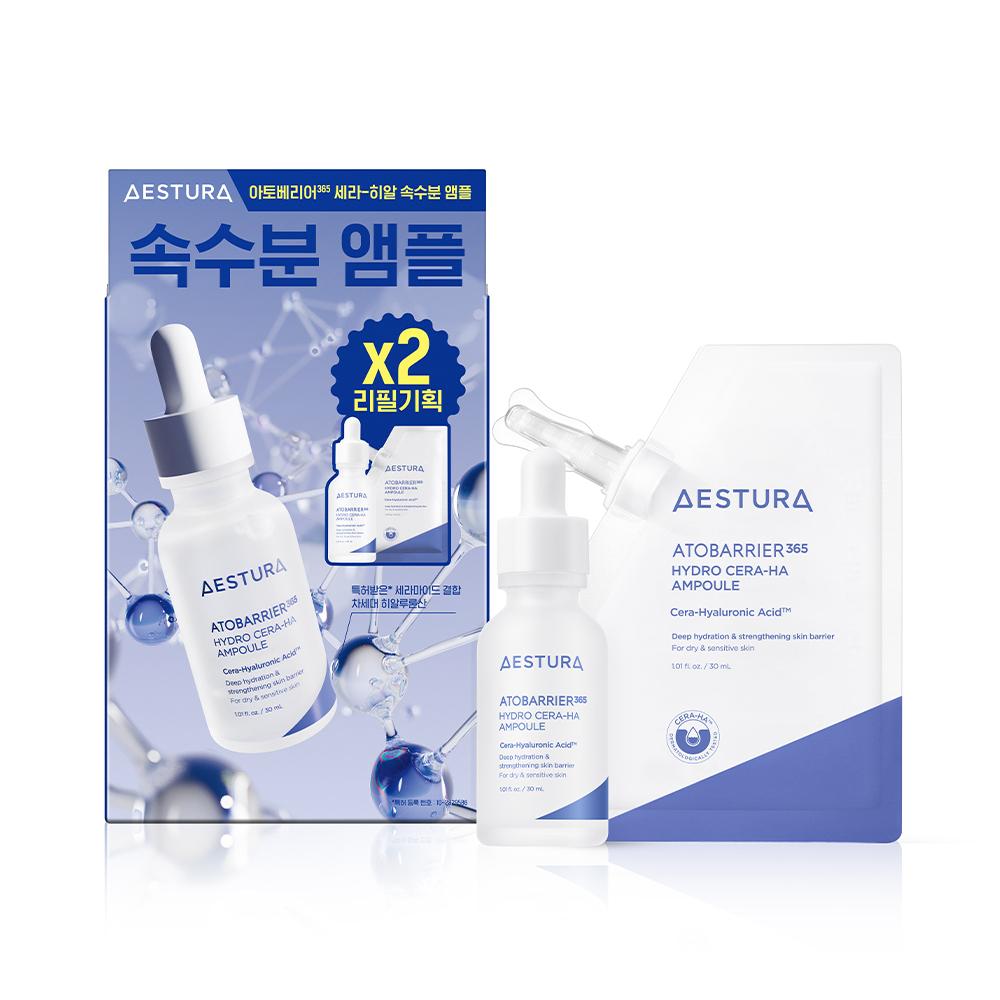
Atobarrier 365 Cera-Ha Ampoule 30ml Refill Set
Aestura

Niacinamide 10% + TXA 4% Dark Spot Correcting Serum
Anua
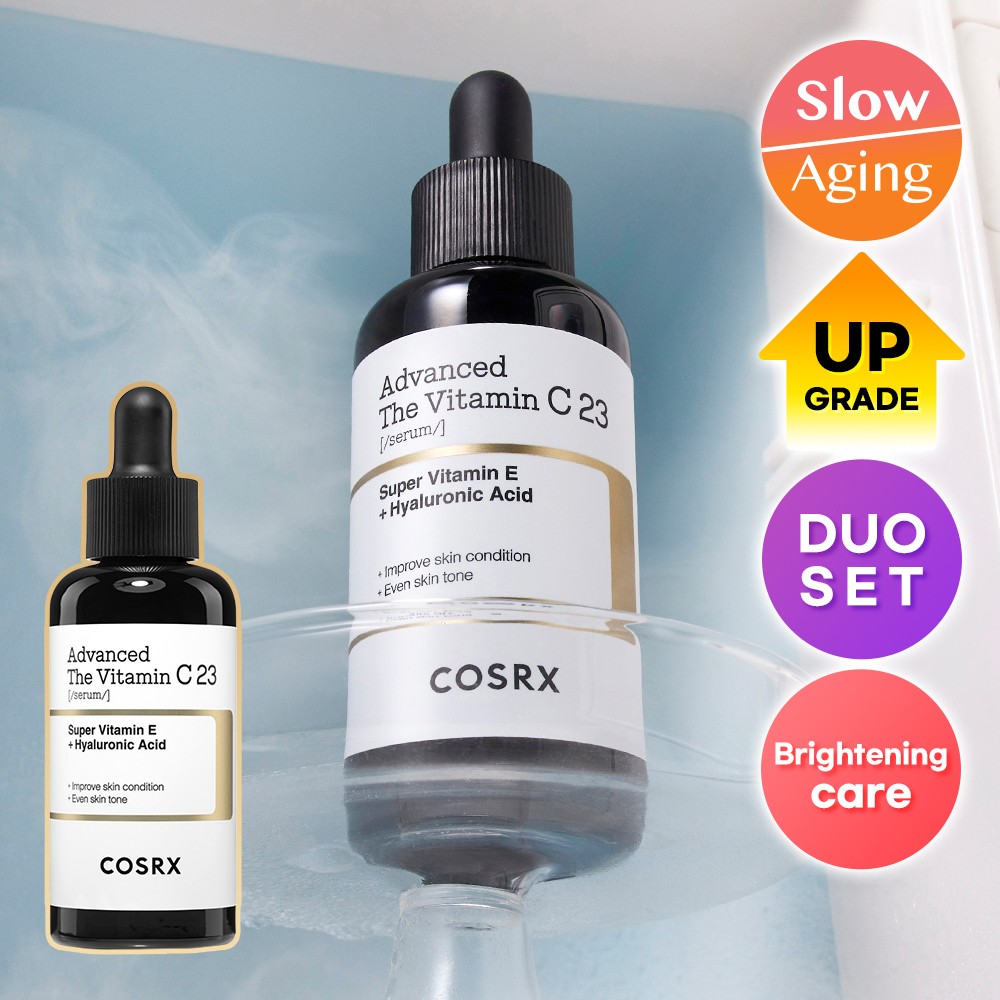
Advanced The Vitamin C 23 Serum
COSRX
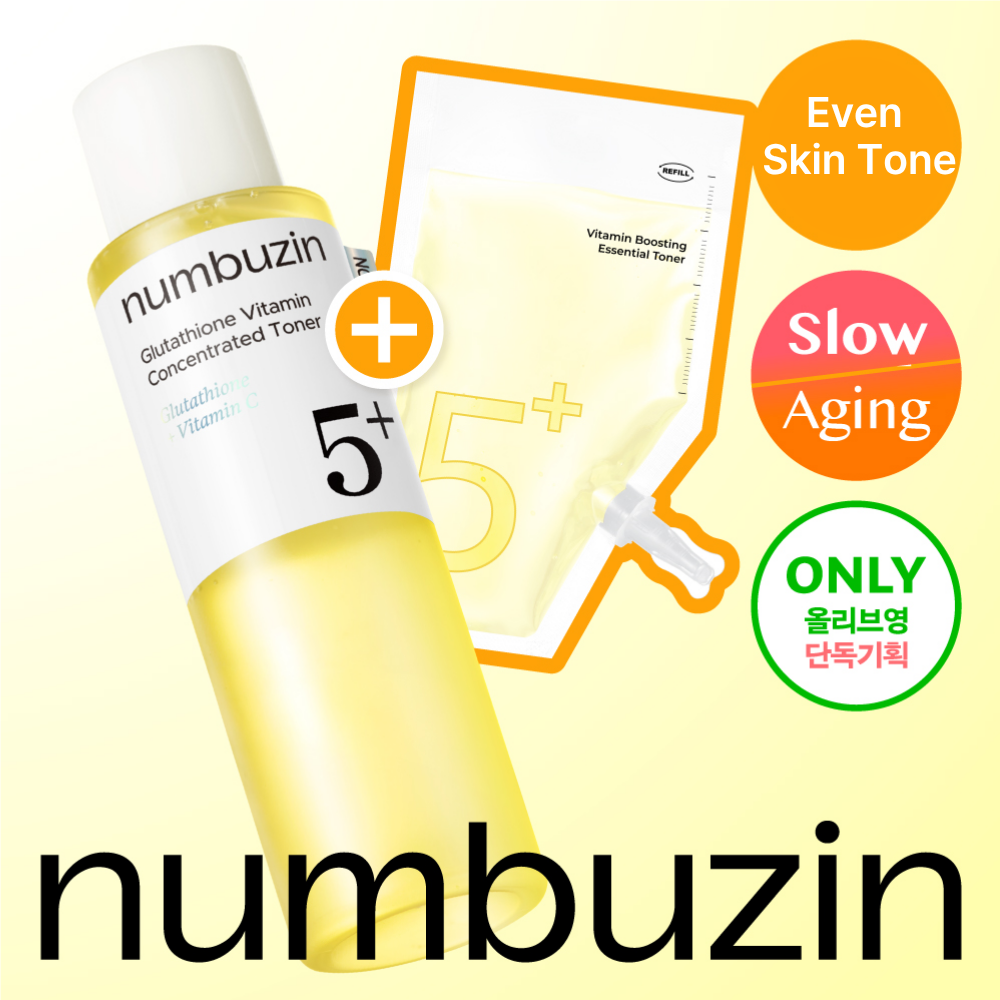
No. 5 Vitamin Boosting Essential Toner
Numbuzin
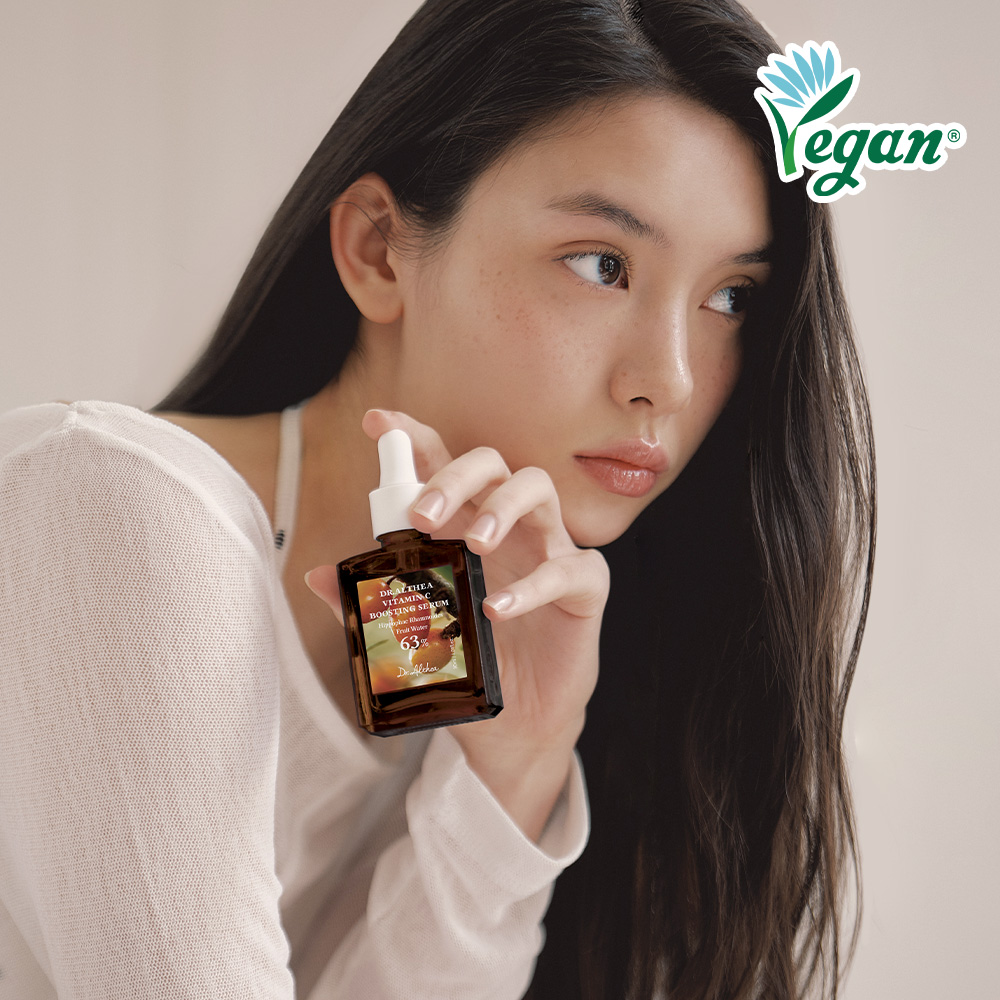
Vitamin C Boosting Serum
Dr. Althea
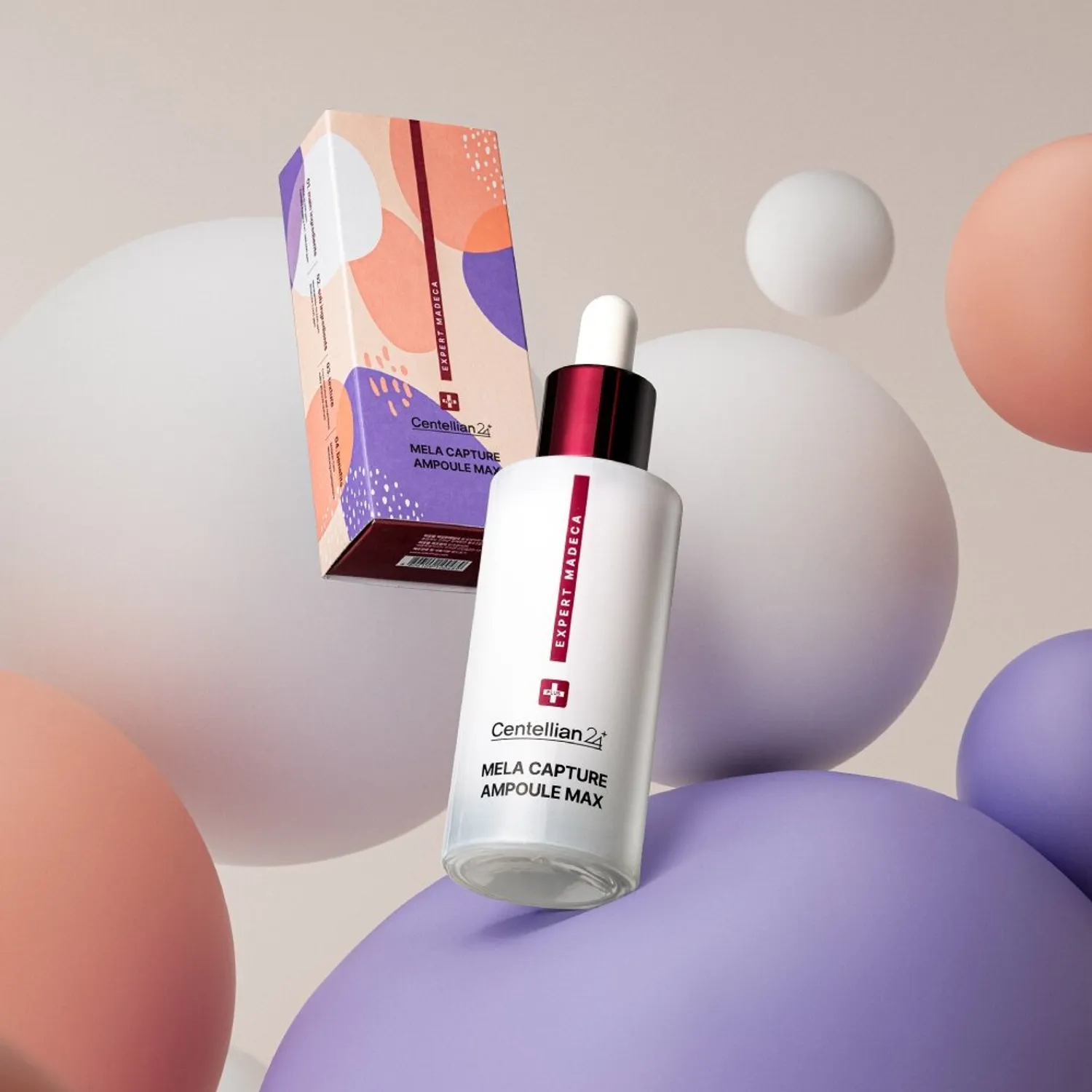
Expert Madeca Mela Capture Ampoule Max
Centellian24
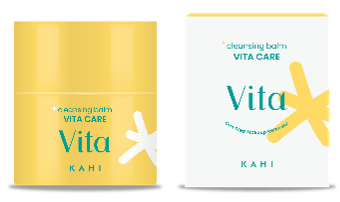
Vita Care Cleansing Balm
KAHI
Frequently Asked Questions
How does ethyl ascorbic acid compare to other vitamin C derivatives?▼
Can I use ethyl ascorbic acid with retinol?▼
Will ethyl ascorbic acid help with acne scars?▼
What concentration of ethyl ascorbic acid should I look for?▼
Why is ethyl ascorbic acid so popular in K-beauty?▼
Articles About Ethyl Ascorbic Acid
Best Korean Skincare for PIH: How to Fade Post-Acne Dark Spots
PIH (brown post-acne marks) needs pigment-pathway ingredients, not the barrier-calming actives that work on red PIE marks. Here is what actually fades dark spots, and how long it really takes.
Given Up on Vitamin C? Here's Why (And What to Try)
If your vitamin C serum turned orange, stung your face, or just did nothing, you're not the problem, the form of vitamin C probably is. Here's what's actually going on and what to reach for instead.
Best Korean Skincare for Dark Spots: What Actually Fades Hyperpigmentation (And What's Just Marketing)
Dark spots and hyperpigmentation are some of the most frustrating skin concerns to treat, and K-beauty has some genuinely effective solutions. We break down the ingredients that actually work, how to layer them properly, and which Korean products deliver real results.
Explore More
Want personalized ingredient advice?
Yuri, our AI beauty advisor, can tell you how Ethyl Ascorbic Acid works with your specific skin type, routine, and concerns.
Ask Yuri, free