Adenosine
Korean: 아데노신
anti-aging, firming, soothing
A naturally occurring nucleoside with anti-inflammatory and anti-aging properties. Stimulates collagen synthesis, reduces wrinkle depth, and improves skin elasticity. Approved by the Korean Ministry of Food and Drug Safety (MFDS) as a functional anti-wrinkle ingredient. Very commonly found in K-beauty anti-aging products.
About Adenosine
Adenosine is a naturally occurring nucleoside that your body produces for cellular energy and communication. In skincare, it's a powerhouse anti-aging ingredient backed by serious science and regulatory approval. The Korean Ministry of Food and Drug Safety officially recognizes adenosine as a functional anti-wrinkle ingredient, which is why you'll find it in over 2,000 K-beauty products across Seoul Sister's platform. What makes adenosine special is its triple-action approach: it stimulates collagen production to plump skin from within, reduces existing wrinkle depth through cellular signaling, and improves overall elasticity while calming inflammation. Unlike some anti-aging ingredients that can be harsh or unstable, adenosine is gentle, non-comedogenic, and suitable for most skin types. It's become a staple in K-beauty formulations because it delivers visible results without irritation, making it perfect for layering in multi-step routines. You'll often see it paired with other hydrating and firming ingredients like PDRN and hyaluronic acid in products from brands like Mediheal, Anua, and VT, where it works synergistically to address fine lines, loss of firmness, and even redness.
How Adenosine Works
At the molecular level, adenosine works by binding to specific receptors on your skin cells, triggering a cascade of beneficial responses. When adenosine attaches to A2 receptors on fibroblasts (the cells that produce collagen), it stimulates these cells to ramp up collagen and elastin synthesis. This is similar to giving your skin's structural support system a direct signal to rebuild and strengthen. Adenosine also acts as a potent anti-inflammatory agent by modulating cytokine production, which is why it helps calm redness and irritation while simultaneously working on wrinkles. The ingredient influences cellular energy metabolism through ATP pathways, essentially optimizing how your skin cells function and repair themselves. What's particularly effective is adenosine's ability to inhibit muscle contractions at a cellular level, similar to but much gentler than neurotoxin treatments. This helps soften expression lines without paralyzing muscles. The result is smoother, firmer skin with improved texture and reduced wrinkle depth, all achieved through natural cellular communication rather than aggressive intervention.
Adenosine by Skin Type
Oily Skin
Adenosine works well for oily skin because it's lightweight and non-comedogenic with a 0/5 rating, meaning it won't clog pores or trigger breakouts. Its anti-inflammatory properties can help calm the redness that sometimes accompanies oily, acne-prone skin. Since oily skin can still show signs of aging, adenosine addresses fine lines without adding heavy oils or occlusives.
Dry Skin
This is where adenosine truly shines. Seoul Sister community data shows 50% effectiveness for dry skin dealing with dullness, based on 10 user reports. Adenosine supports the skin barrier by promoting healthy cell function and collagen production, which helps dry skin retain moisture better over time. Look for it in rich creams like Anua's PDRN Hyaluronic Acid 100 Moisturizing Cream, where it's combined with intense hydrators.
Combo Skin
Combination skin benefits from adenosine's balanced approach—it firms and smooths without being too heavy for oily zones or too light for dry patches. The soothing properties help even out any inflammation differences between your T-zone and cheeks. Because it's so well-tolerated, you can use adenosine products across your entire face without adjusting for different zones.
Sensitive Skin
Adenosine is remarkably gentle for a functional anti-aging ingredient, earning a perfect 5/5 safety rating. Its natural anti-inflammatory action actually helps calm reactive skin while delivering anti-aging benefits. If you have sensitive skin that can't tolerate retinoids or strong acids, adenosine offers a non-irritating alternative for addressing wrinkles and firmness. It's approved by regulatory bodies specifically because of its excellent safety profile.
Normal Skin
For normal skin, adenosine is preventative maintenance at its finest. Regular use helps maintain collagen levels and skin elasticity before significant aging signs appear. You can easily incorporate it into serums like VT's Reedle Shot 100 Essence or lightweight moisturizers without disrupting your skin's natural balance. It layers beautifully with other ingredients in a typical K-beauty routine.
How to Use Adenosine
- 1Apply adenosine products after cleansing and toning but before heavier creams to maximize absorption—serums and essences penetrate best on damp skin
- 2Use morning and night for best results, since collagen synthesis and cellular repair happen continuously (not just during sleep)
- 3Adenosine plays well with nearly everything, so feel free to layer it with vitamin C, niacinamide, peptides, or hyaluronic acid for enhanced anti-aging effects
- 4Give it at least 4-6 weeks of consistent use to see visible improvements in wrinkle depth and firmness, as collagen production is a gradual process
- 5Store adenosine products away from extreme heat and direct sunlight to maintain stability, though it's generally more stable than ingredients like retinol
Background
Adenosine was first isolated in 1929 by biochemist Albert Szent-Györgyi, who later won a Nobel Prize for his work on cellular respiration. As a naturally occurring compound found in all living cells, adenosine plays fundamental roles in energy transfer and cellular signaling throughout the body. Its journey into skincare began in the 1990s when researchers discovered its ability to stimulate collagen synthesis and reduce inflammation topically. Korean skincare scientists were early adopters, rigorously testing adenosine's anti-wrinkle efficacy and successfully petitioning the MFDS for functional ingredient status. This official recognition transformed adenosine from a niche ingredient into a K-beauty staple, cementing its reputation as a scientifically proven, regulation-approved anti-aging powerhouse. Today, it's a cornerstone of Korean skincare innovation, appearing in everything from affordable daily creams to premium PDRN-infused treatments.
Addresses These Concerns
K-Beauty Products with Adenosine
View all 2,310 →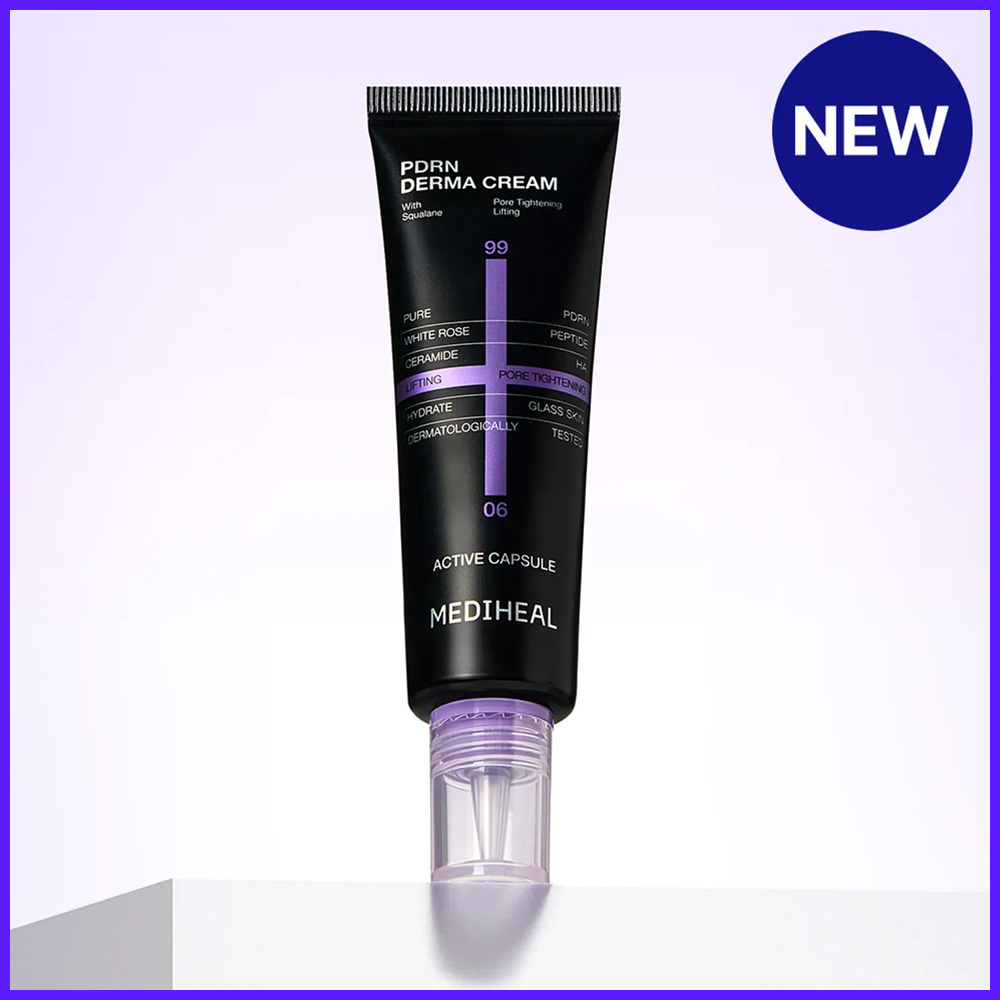
PDRN Lifting Derma Cream
Mediheal

PDRN Hyaluronic Capsule 100 Serum Refill Set
Anua

PDRN Hyaluronic Acid 100 Moisturizing Cream
Anua
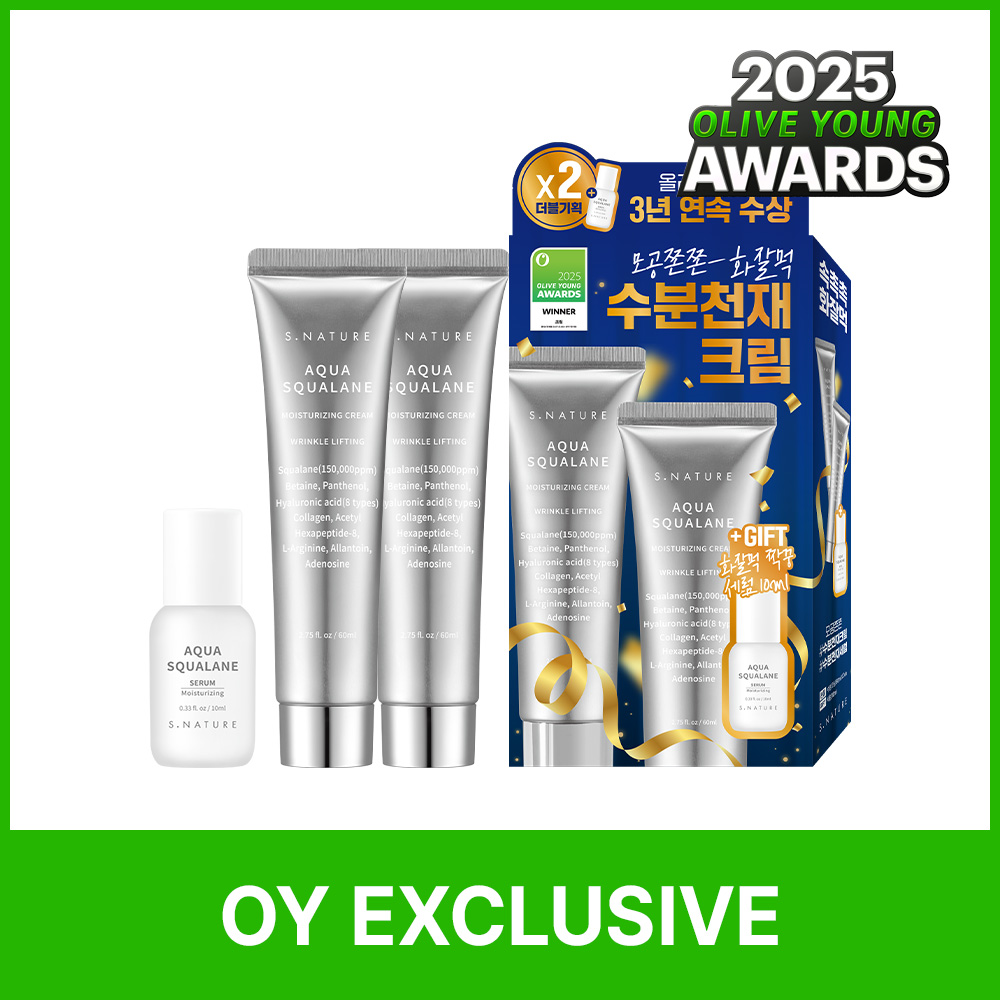
Aqua Squalane Moisturizing Cream
S.Nature

Reedle Shot 100 Essence Double Pack
VT
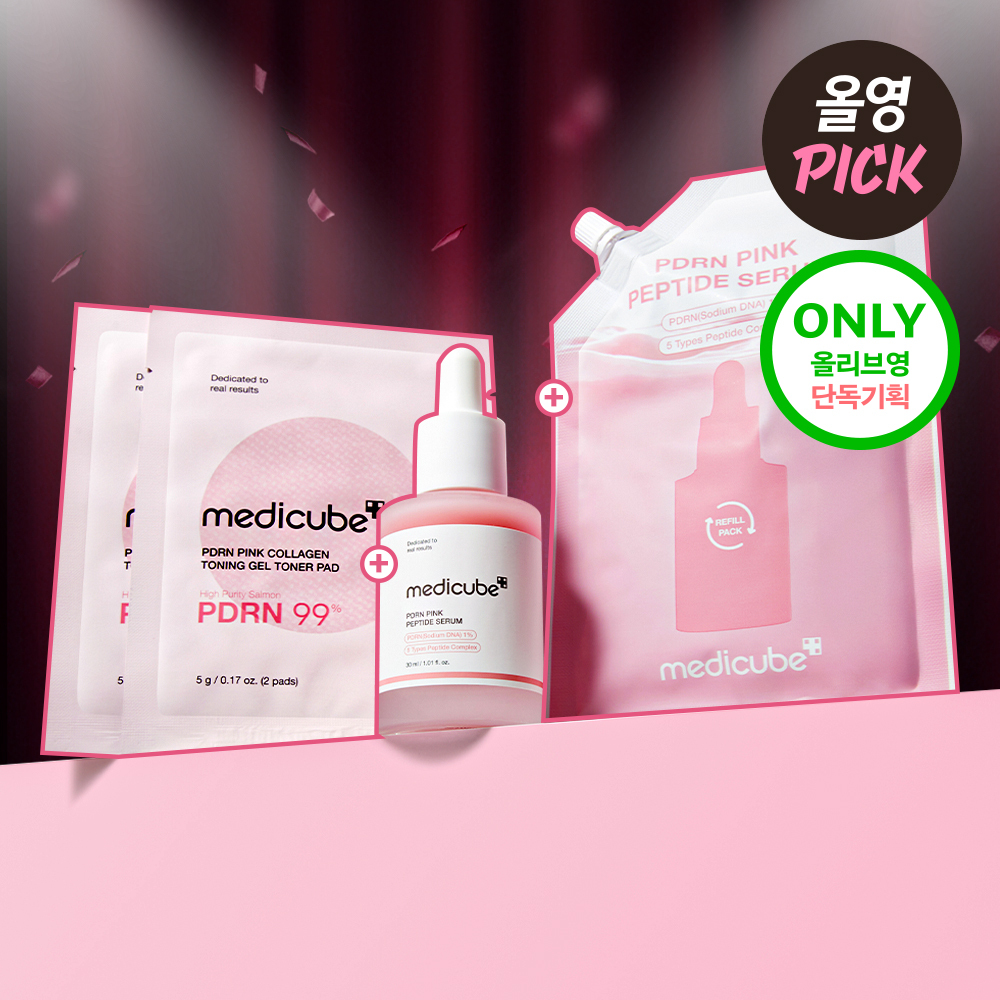
PDRN Pink Peptide Ampoule
Medicube
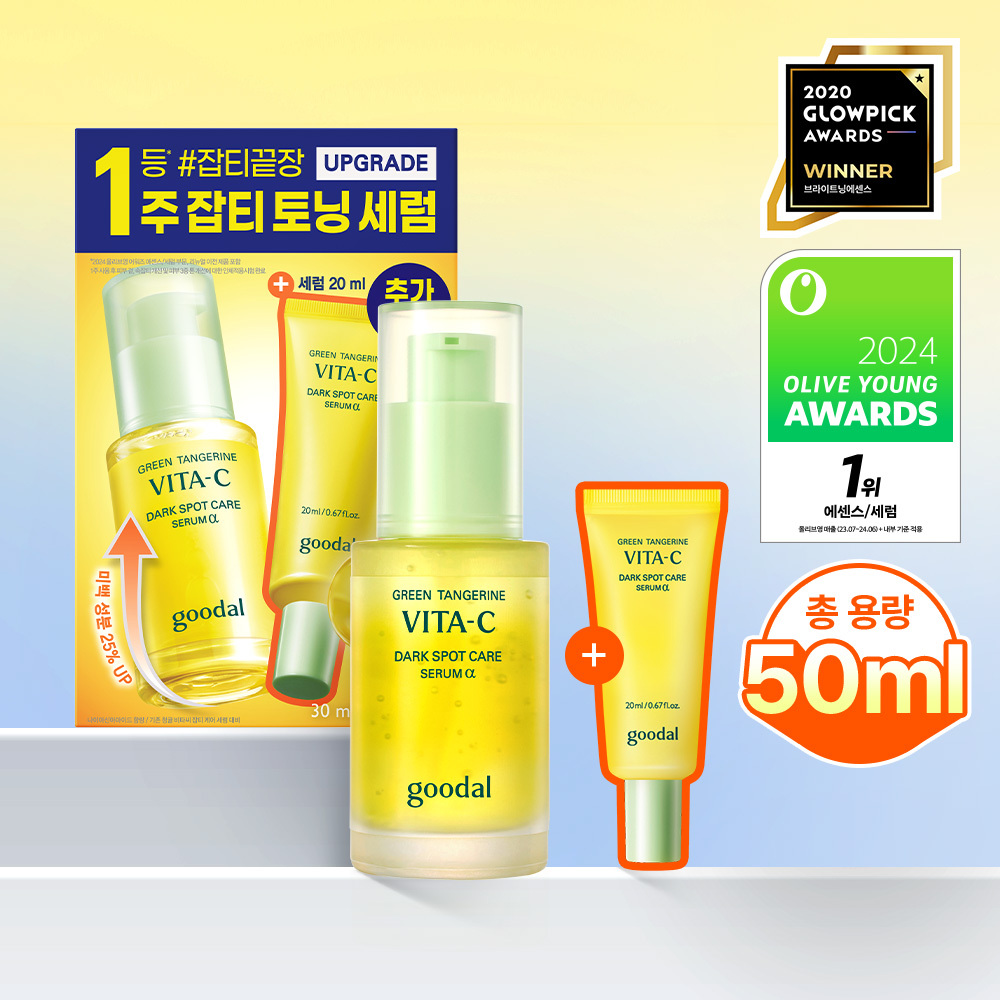
Green Tangerine Vita-C Dark Spot Care Serum α
Goodal
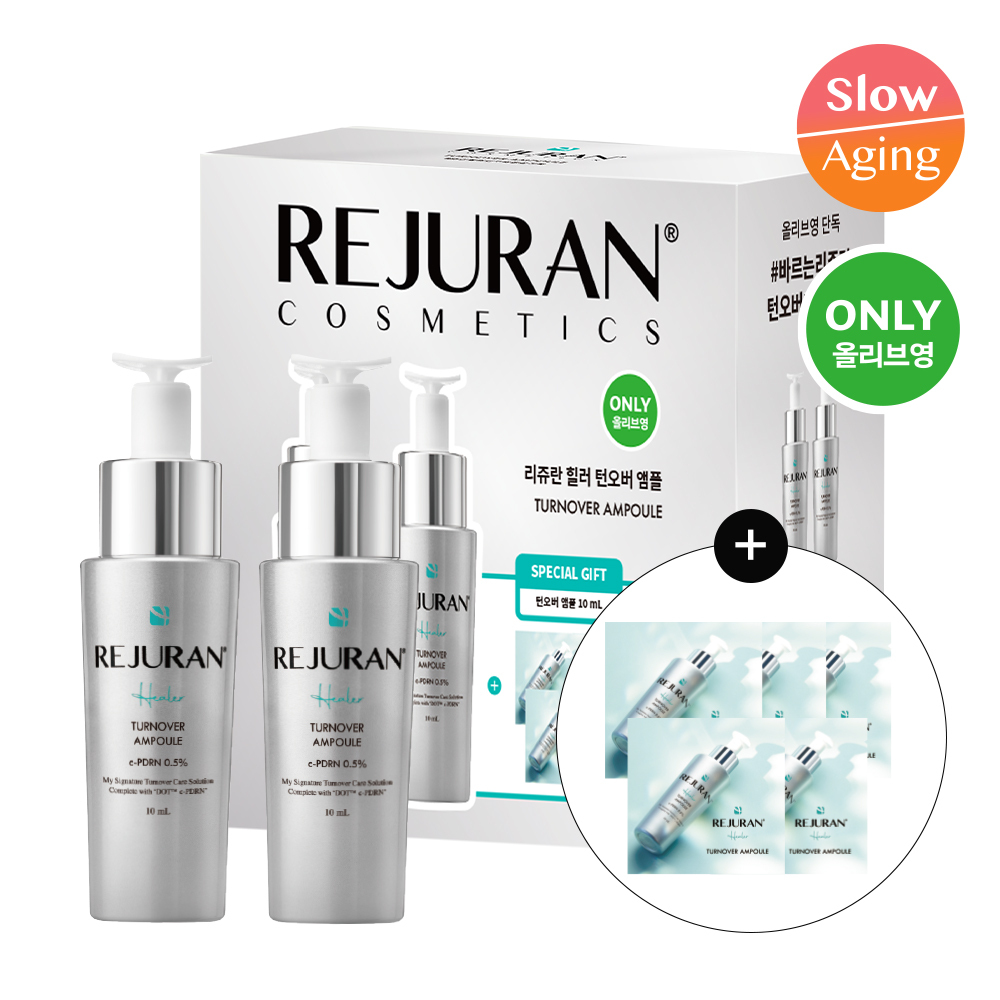
Healer Turnover Ampoule
Rejuran
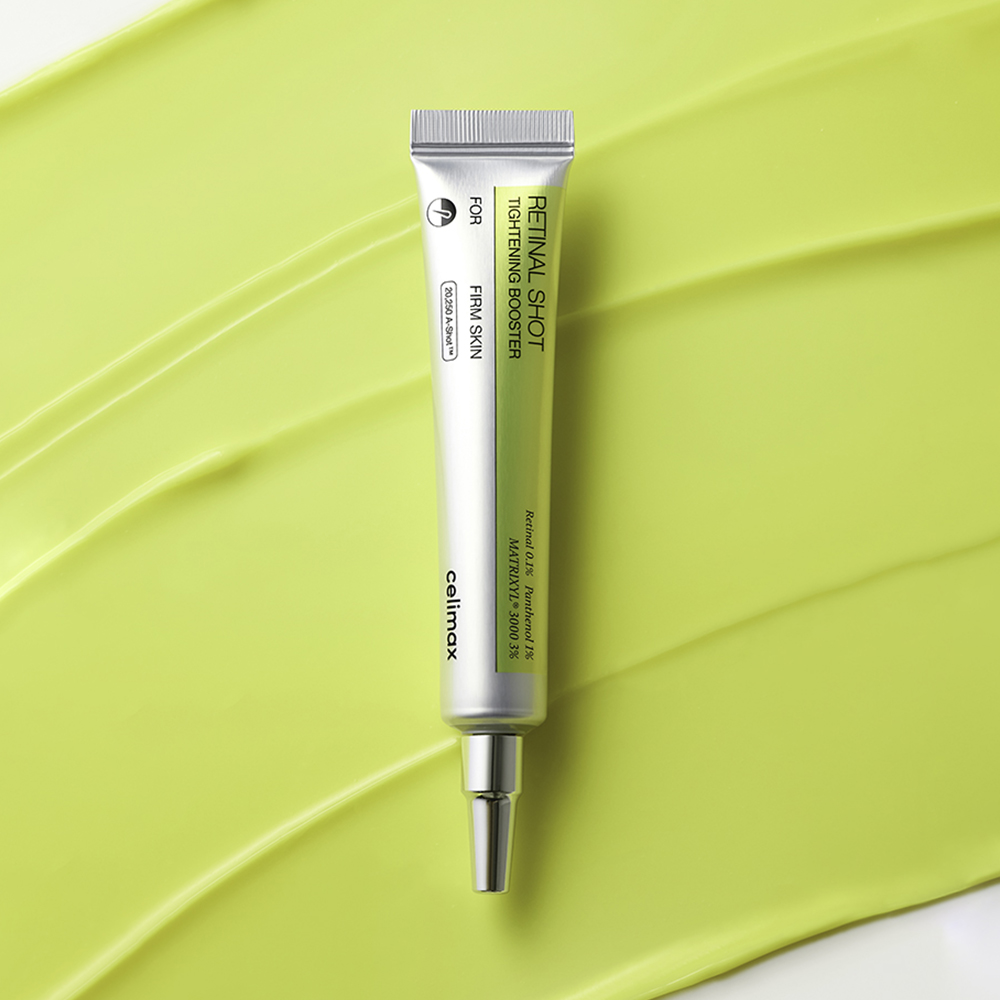
The Vita A Retinal Shot Tightening Booster
Celimax
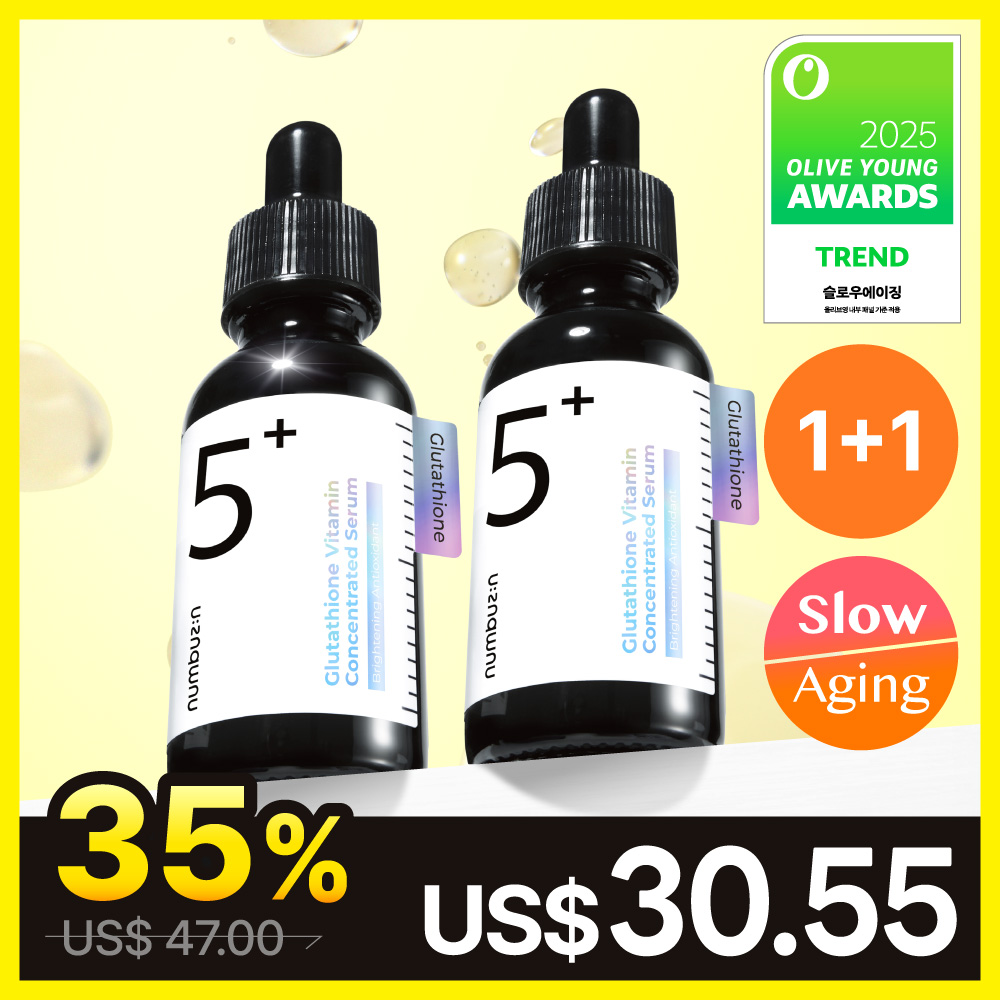
No.5+ Vitamin Concentrated Serum Duo Set
Numbuzin
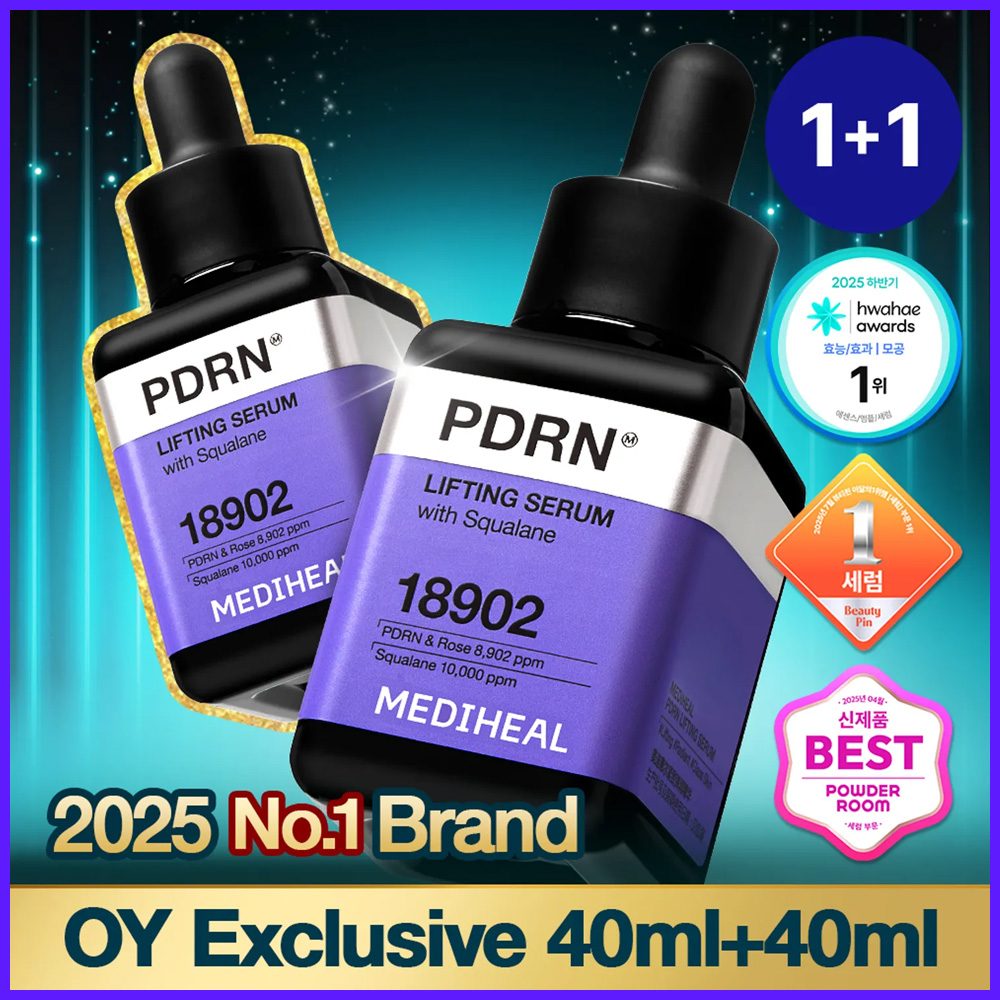
PDRN Lifting Serum
Mediheal

Reedle Shot 300 Essence
VT
Frequently Asked Questions
How does adenosine compare to retinol for anti-aging?▼
Why is adenosine so popular in K-beauty products?▼
Can adenosine help with anything besides wrinkles?▼
At what age should I start using adenosine products?▼
Are there any ingredients adenosine doesn't work well with?▼
Articles About Adenosine
Explore More
Want personalized ingredient advice?
Yuri, our AI beauty advisor, can tell you how Adenosine works with your specific skin type, routine, and concerns.
Ask Yuri, free