Bentonite Clay
INCI: Bentonite
Absorbent clay that removes impurities and excess oil
About Bentonite Clay
Bentonite clay is a naturally occurring volcanic ash sediment that has been used for centuries in skincare for its exceptional ability to absorb impurities and excess sebum. Formed from weathered volcanic ash, this mineral-rich clay expands when mixed with water, creating a negatively charged surface that acts like a magnet for positively charged toxins, oils, and debris on the skin. In K-beauty formulations, bentonite clay is prized for its purifying properties and appears in 76 products on Seoul Sister, from bubbly mask cleansers like SUM37's Micro-Active Green Vitamin Bubbletox Pack (rated 5.0/5) to pore-refining treatments like Medicube's Spa Relief Frozen Pore Mask (5.0/5). The clay's ability to deeply cleanse without harsh surfactants makes it a staple in Korean skincare, where gentle yet effective purification is paramount. While it has a comedogenic rating of 2/5, meaning it may potentially clog pores if left on too long or used too frequently, when formulated correctly in wash-off products, bentonite clay offers powerful detoxification benefits. Its mineral content, including silica, calcium, magnesium, and iron, also provides nourishing benefits that go beyond simple absorption, making it a multifunctional ingredient in modern K-beauty formulations.
How Bentonite Clay Works
Bentonite clay functions through a process called adsorption, where its negatively charged particles bind to positively charged impurities on the skin's surface. When hydrated, the clay's layered structure expands significantly, increasing its surface area and creating space between layers that traps oils, dirt, and toxins. As the clay dries on your skin, it contracts slightly, creating a gentle pulling effect that helps draw out debris from pores while absorbing excess sebum from the skin's surface. The minerals in bentonite clay, particularly silica, also support the skin's natural barrier function and can help regulate oil production over time. Unlike harsh chemical exfoliants that work by breaking down the bonds between dead skin cells, bentonite clay physically lifts away impurities while depositing beneficial minerals. This dual-action mechanism makes it particularly effective in mask formulations, where the clay has time to perform its absorptive work before being rinsed away, leaving skin feeling clean but not stripped.
Bentonite Clay by Skin Type
Oily Skin
Bentonite clay is highly effective for oily skin types, as its superior absorption capacity helps control excess sebum production and mattify the complexion. Products like Mamonde's Amazing Deep Mint Charcoal-Ate Pack Cleanser (5.0/5) combine bentonite with other clarifying ingredients to manage shine throughout the day. Use once or twice weekly to avoid over-drying.
Dry Skin
For dry skin, bentonite clay should be used sparingly and in formulations that include hydrating ingredients. While the clay itself can be drying, products like SUM37's Micro-Active Pink Vitamin Bubbletox Mask (5.0/5) balance bentonite with moisturizing components to prevent excessive water loss. Limit use to once every two weeks and follow immediately with a nourishing serum and moisturizer.
Combo Skin
Combination skin benefits greatly from bentonite clay's targeted action. The clay naturally gravitates toward oilier areas like the T-zone while having minimal impact on drier cheek areas. Multi-masking with bentonite-based products on oily zones while using hydrating masks elsewhere can help balance the complexion. Weekly use is typically appropriate for this skin type.
Sensitive Skin
Sensitive skin can tolerate bentonite clay when used cautiously, but the comedogenic rating of 2/5 suggests potential for irritation if overused. Look for formulations like Beplain's z+piderm EGF Skin Barrier Cleansing Foam (5.0/5) that combine bentonite with soothing ingredients to minimize reactivity. Always patch test first and limit contact time to 5-7 minutes rather than waiting for complete drying.
Normal Skin
Normal skin types can use bentonite clay regularly without significant concerns, benefiting from both its purifying and mineral-rich properties. Products like Medicube's Spa Relief Frozen Pore Mask (5.0/5) help maintain clear pores and balanced oil production. Weekly or bi-weekly use helps keep skin in optimal condition without disrupting its natural equilibrium.
How to Use Bentonite Clay
- 1Never let bentonite clay dry completely on your skin, as this can cause excessive dryness and potential irritation. Remove the mask when it's still slightly damp for optimal benefits.
- 2Mix powdered bentonite clay with filtered or distilled water rather than tap water, as the minerals in tap water can interfere with the clay's negative charge and reduce effectiveness.
- 3Apply bentonite clay masks in a thick, even layer (about 1/8 inch) to ensure proper absorption and prevent premature drying, especially around more delicate areas like the under-eyes.
- 4Always follow a bentonite clay treatment with a hydrating toner, serum, and moisturizer to replenish any moisture lost during the purification process and restore skin's barrier function.
Background
Bentonite clay takes its name from Fort Benton, Wyoming, where the largest known deposit was discovered in the late 1800s. However, healing clays have been used therapeutically for thousands of years across cultures, from ancient Egyptian beauty rituals to traditional Chinese medicine, where similar clays were applied to draw out toxins and heal skin ailments. Korean beauty culture embraced bentonite clay as part of its jjimjilbang (bathhouse) traditions, where clay treatments have long been used for deep purification. The ingredient gained modern K-beauty prominence in the 2010s as brands began incorporating it into innovative formats like bubble masks and hybrid cleansers, moving beyond traditional mud masks. Today, Korean formulators often combine bentonite with fermented ingredients, botanical extracts, and advanced delivery systems to create multifunctional products that purify while nourishing, as seen in the 76 bentonite-containing products available on Seoul Sister.
K-Beauty Products with Bentonite Clay
View all 85 →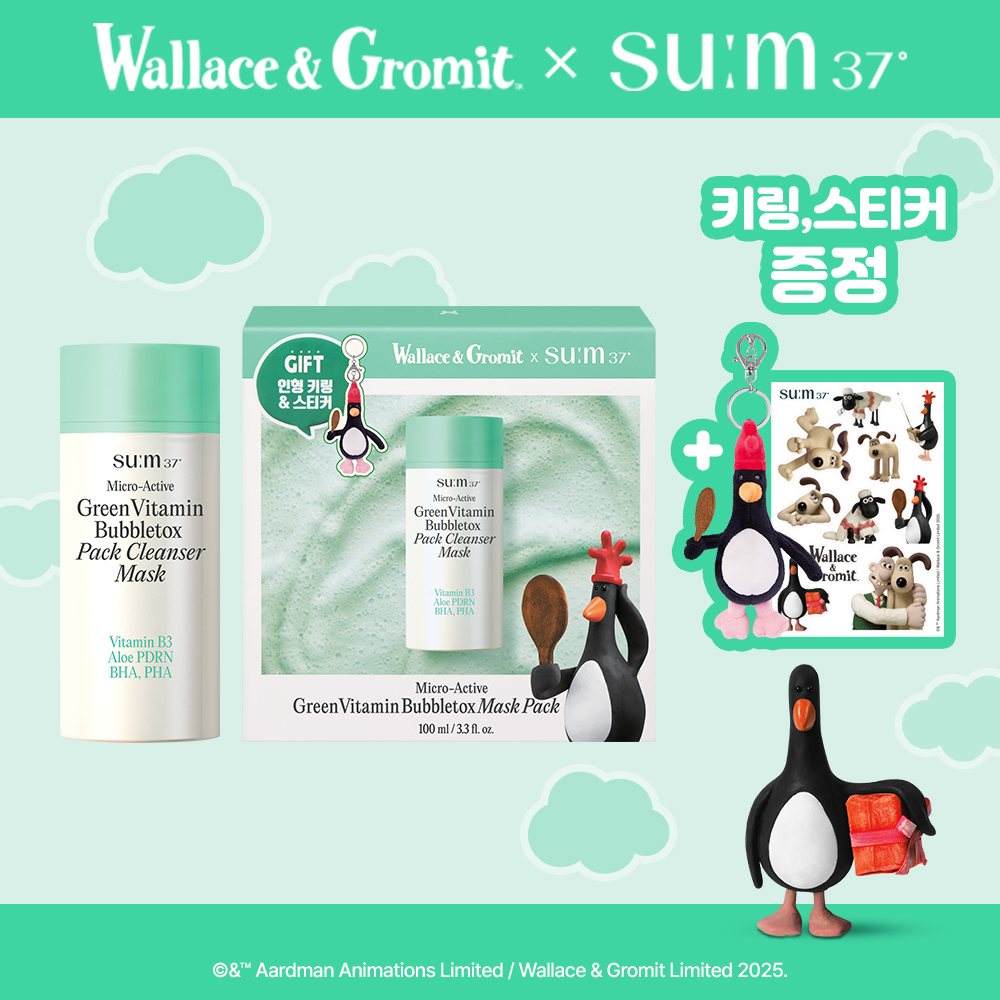
Micro-Active Green Vitamin Bubbletox Pack Cleanser Mask
SUM37
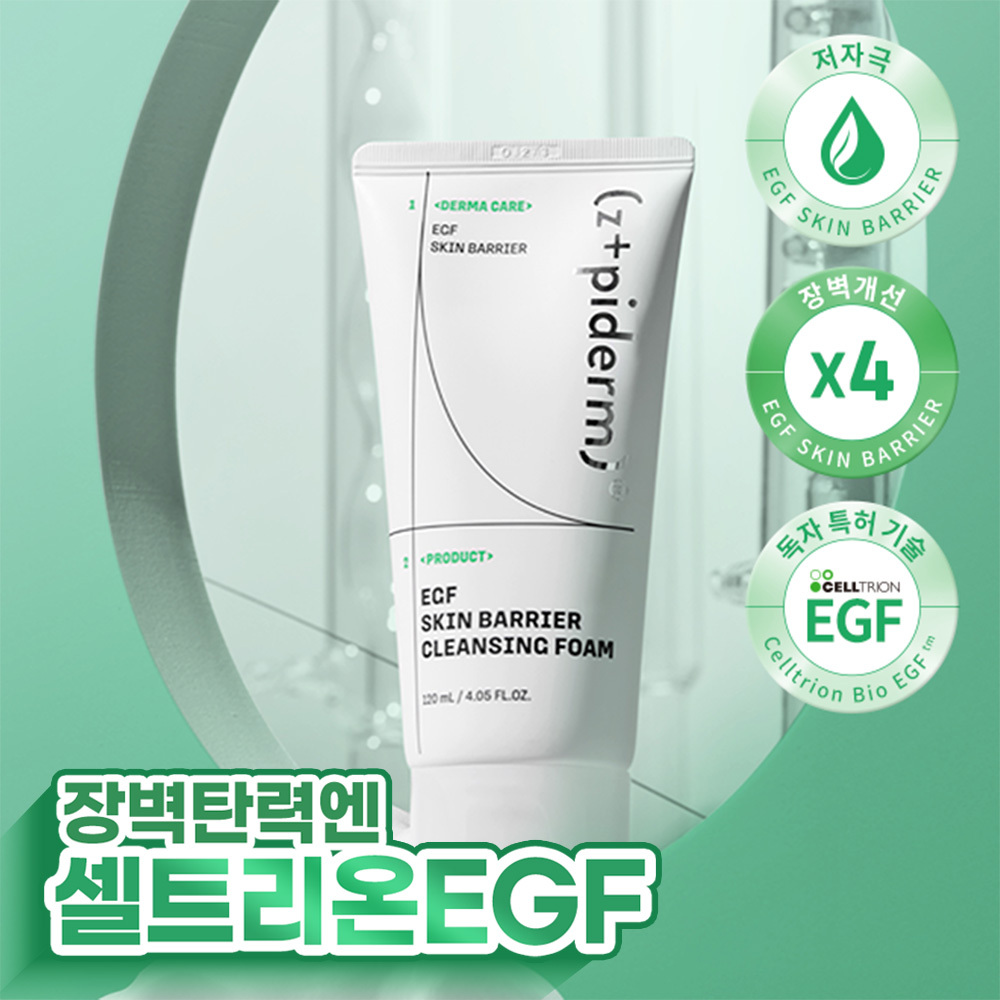
z+piderm EGF Skin Barrier Cleansing Foam
Beplain
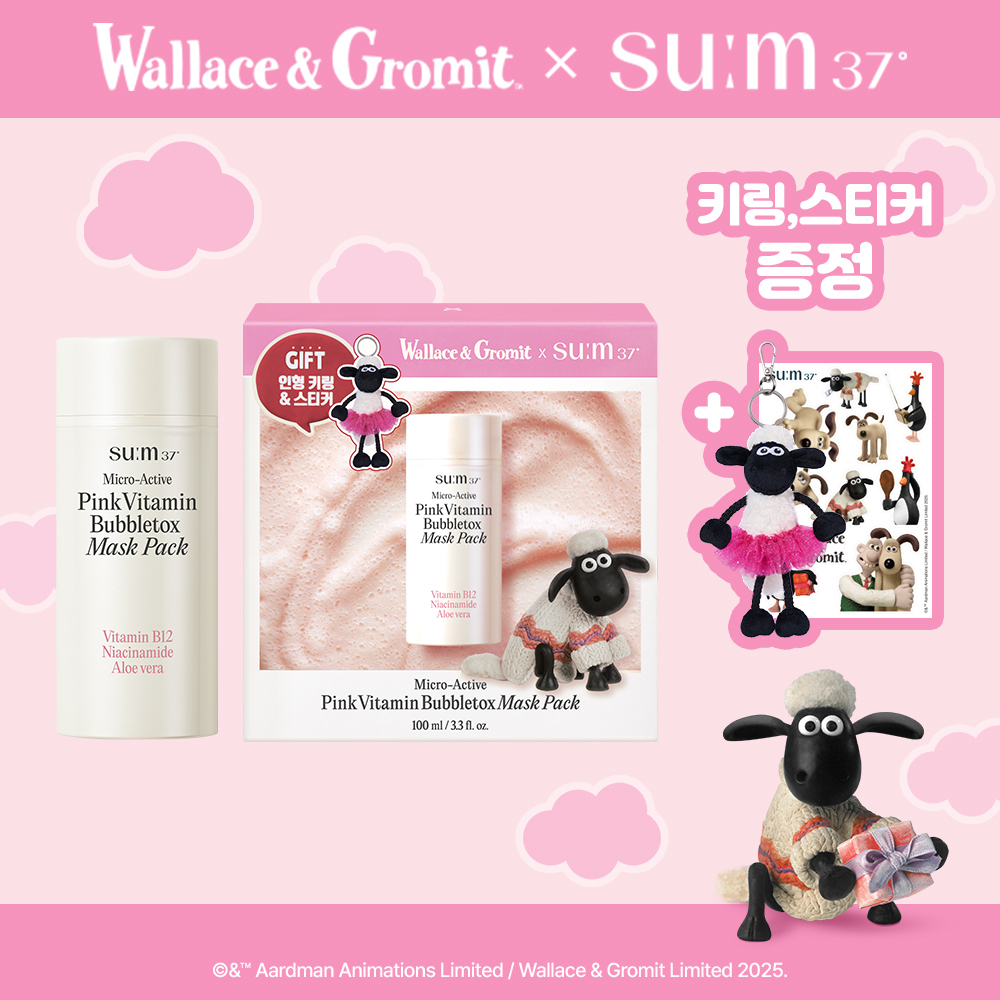
Micro-Active Pink Vitamin Bubbletox Mask Pack
SUM37
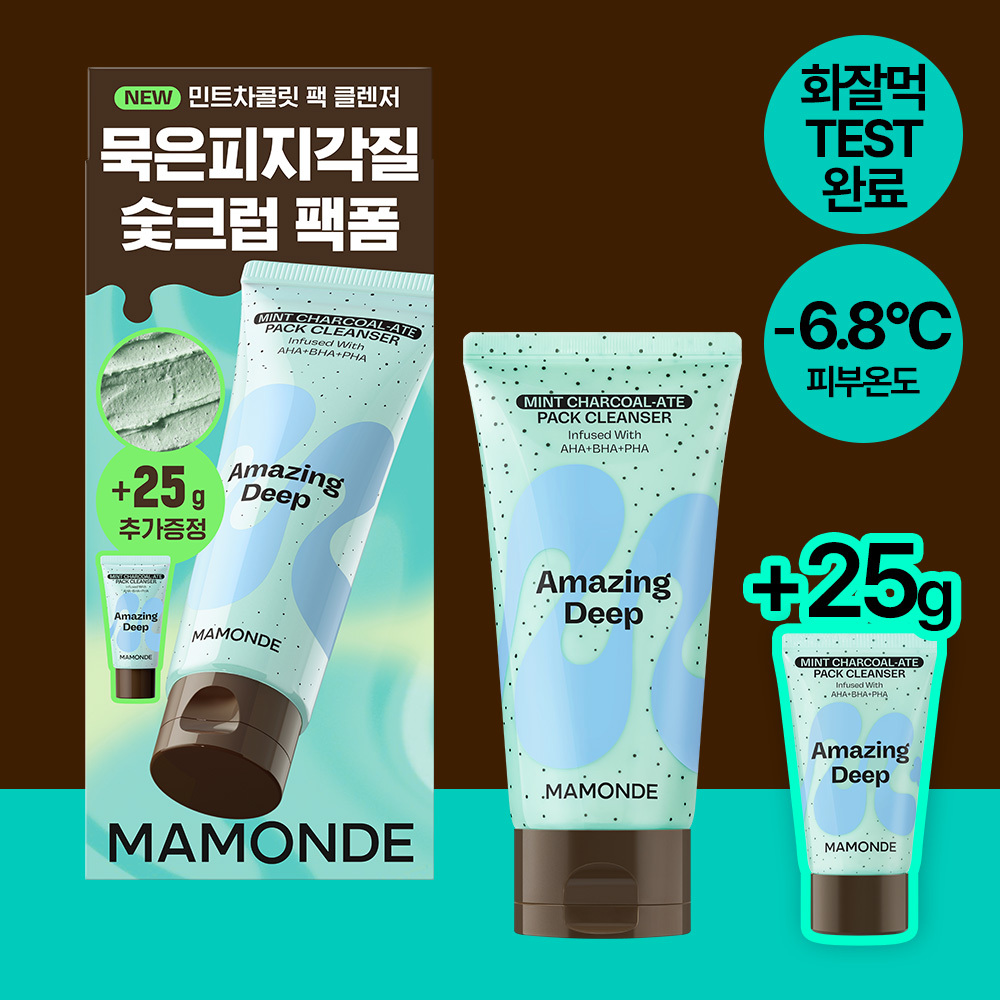
Amazing Deep Mint Charcoal-Ate Pack Cleanser
Mamonde
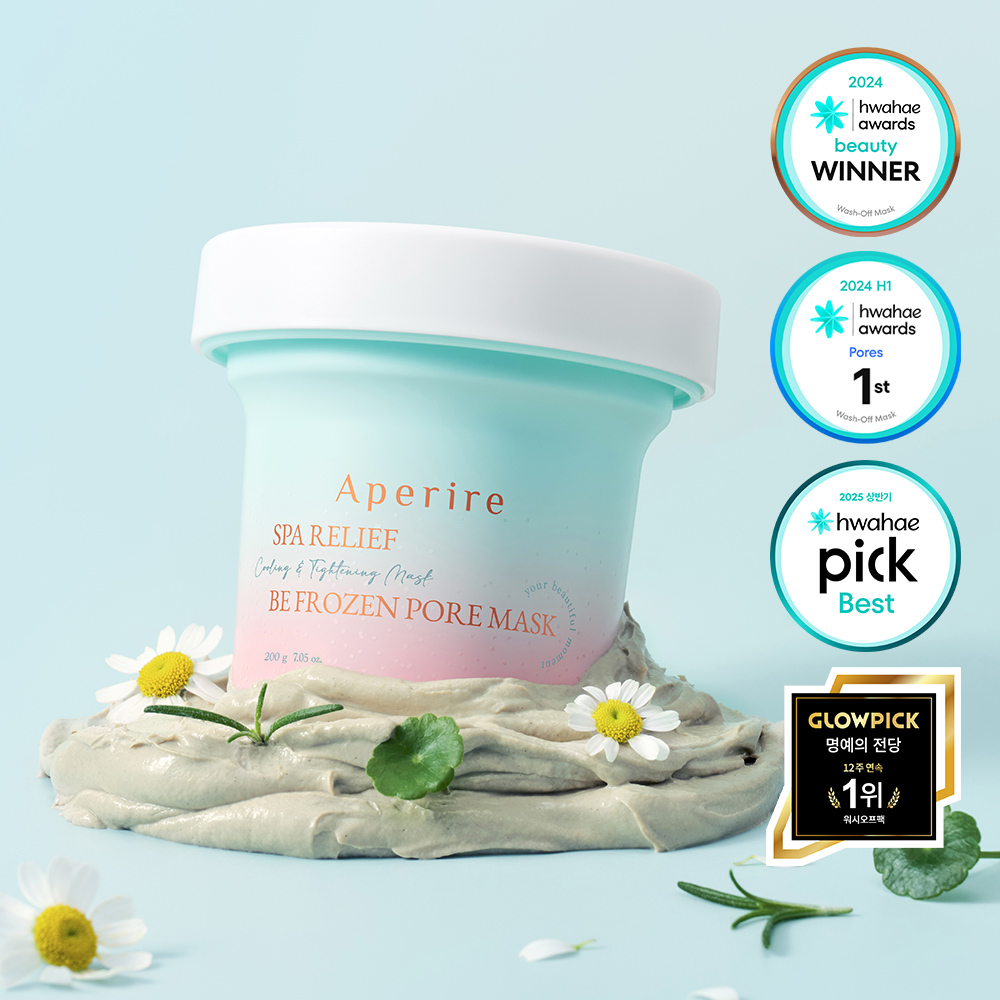
Spa Relief Frozen Pore Mask
Medicube
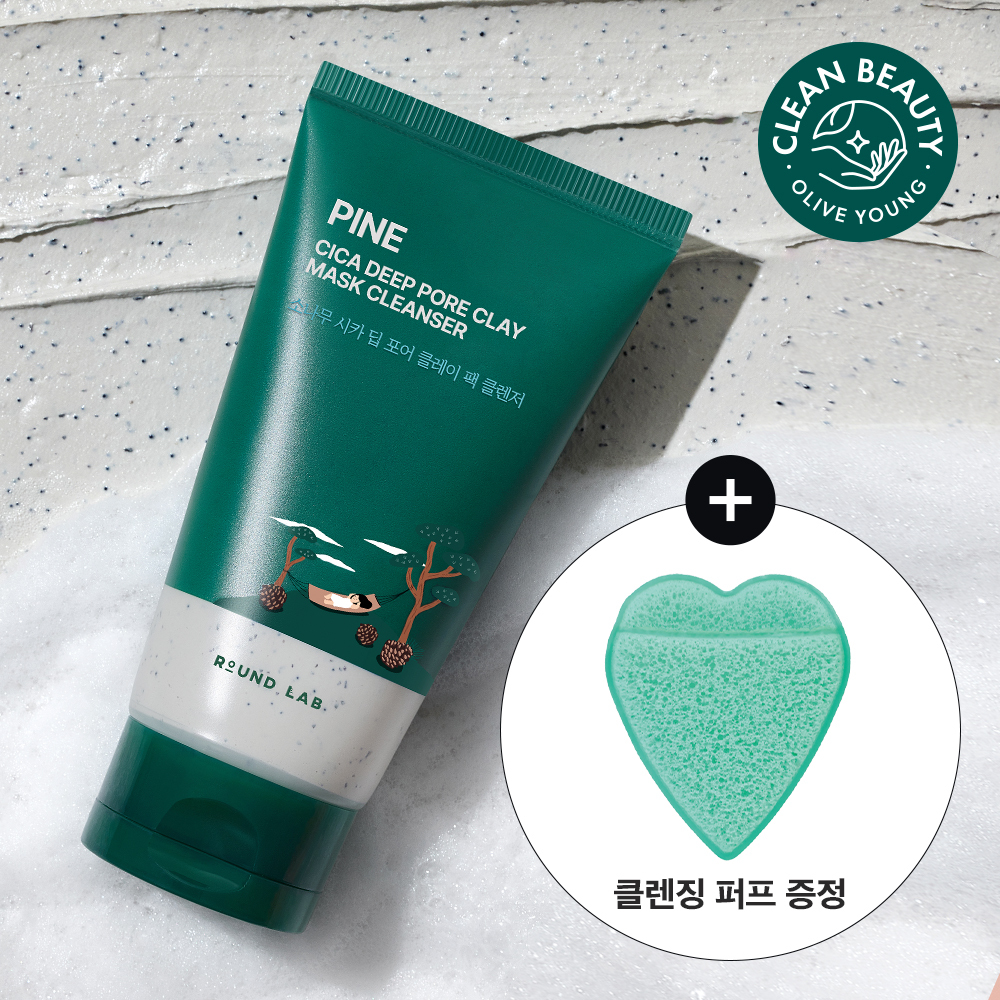
Cica Deep Pore Clay Mask Cleanser
Round Lab
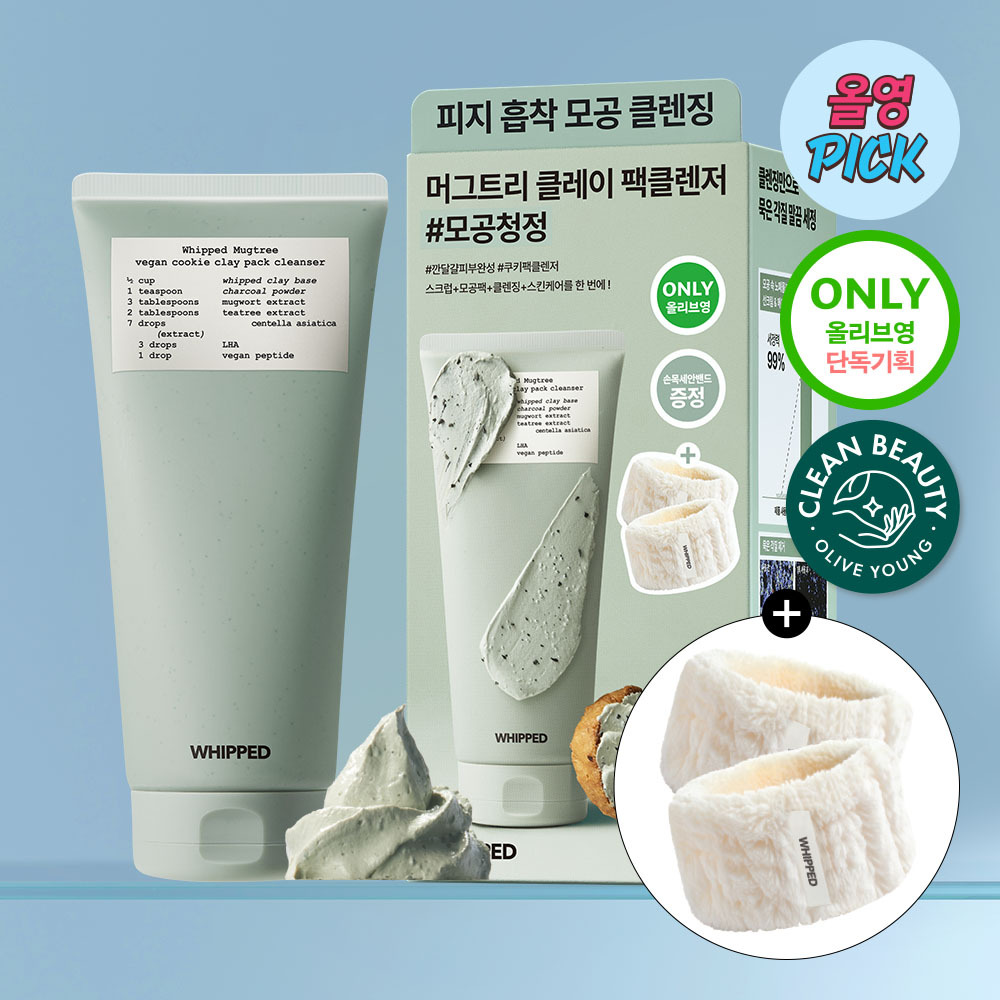
Mugtree Vegan Cookie Clay Pack Cleanser
Whipped
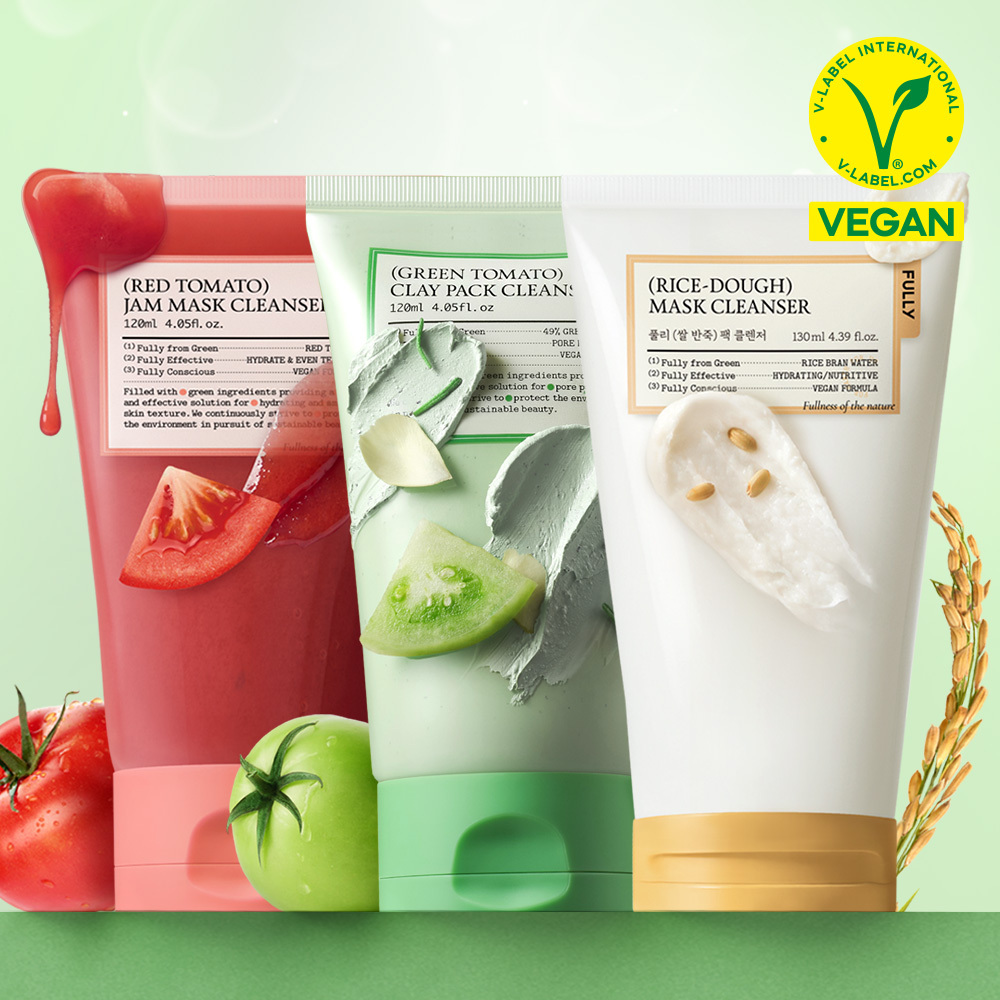
Pack Cleanser - Green Tomato/Red Tomato/Rice Dough
Fully
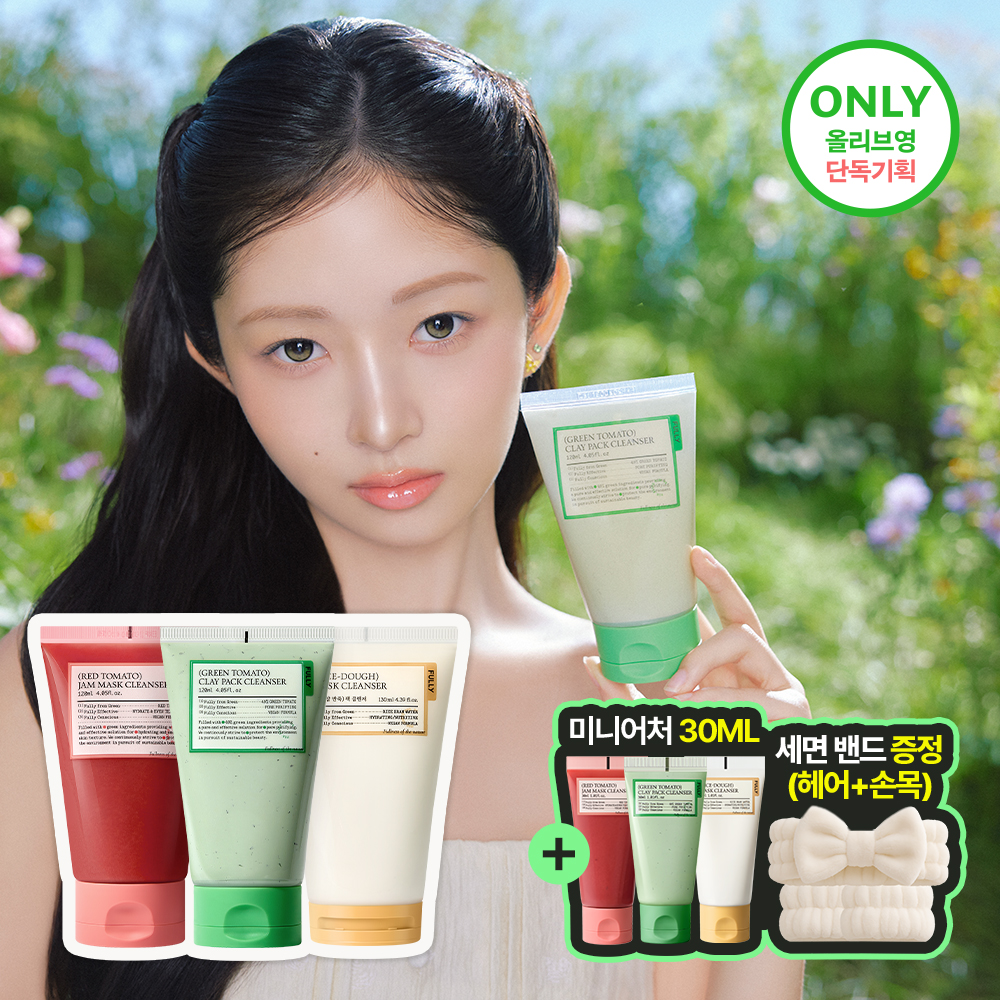
Pack Cleanser Set - Green Tomato / Red Tomato / Rice Dough
Fully
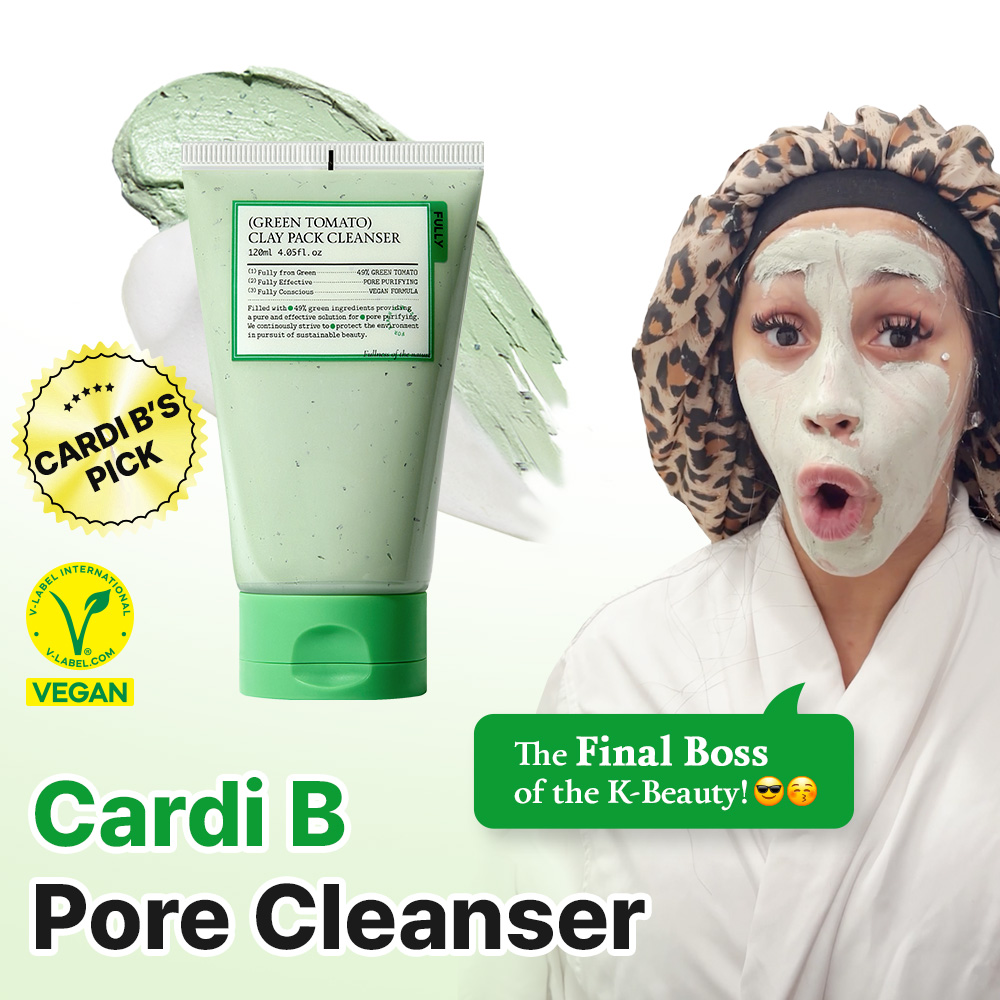
Pack Cleanser Set - Green Tomato/Red Tomato/Rice Dough
Fully
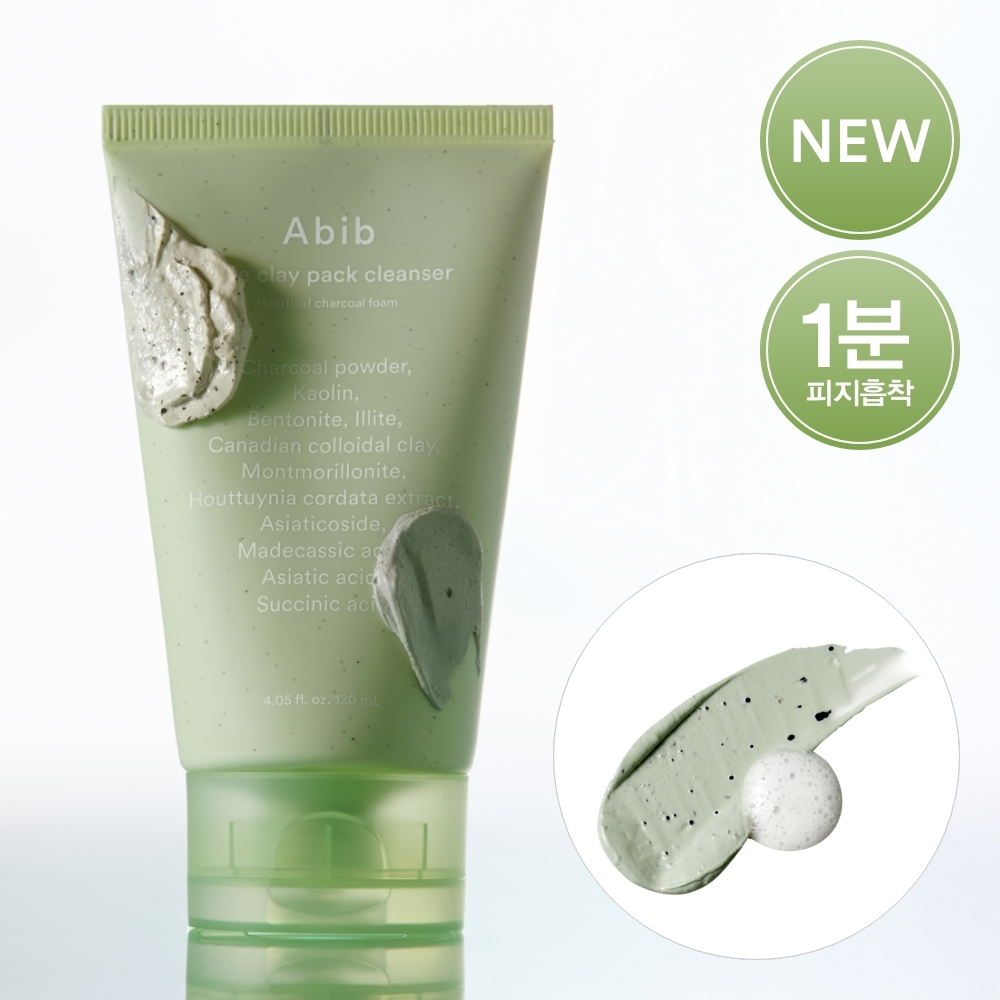
Pore Clay Pack Cleanser Heartleaf Charcoal Foam
Abib
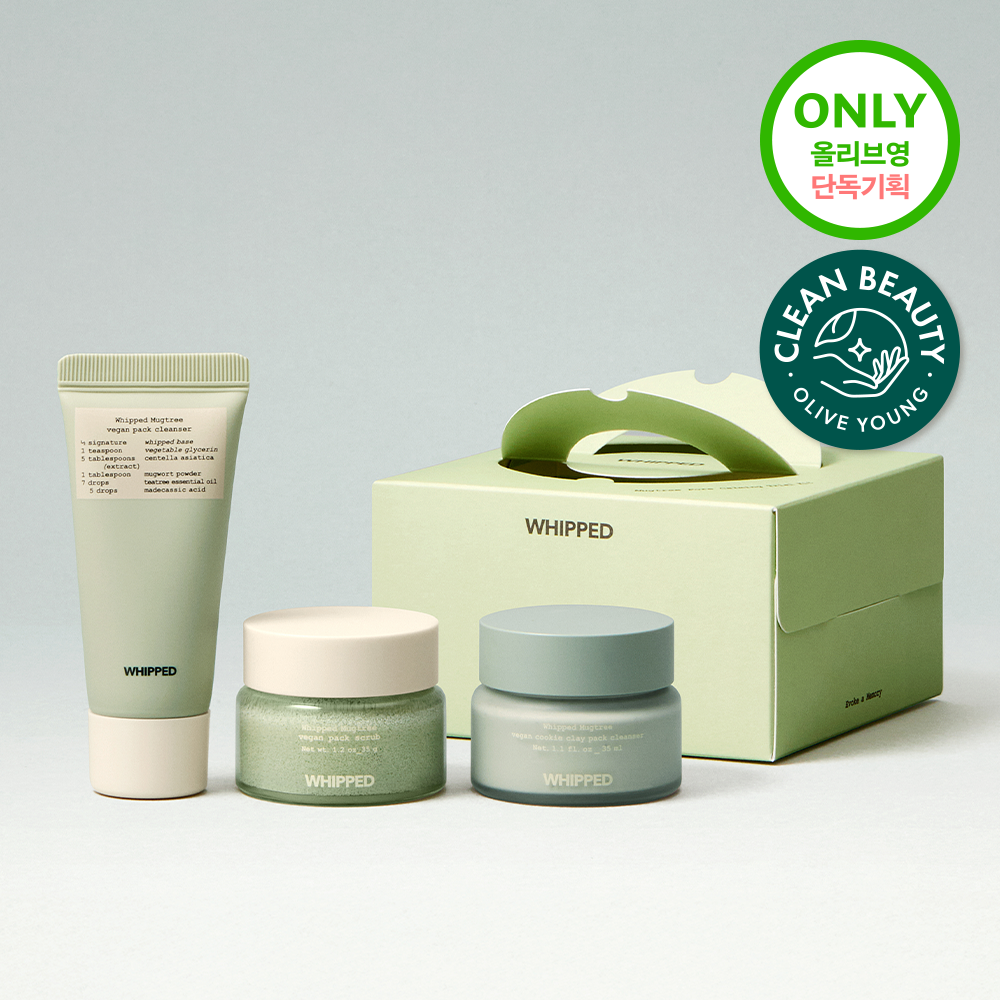
Mugtree Pore Calming Gift Set (Pack Cleanser 25g + Pack Scrub 35g + Cookie Clay 35ml)
Whipped
Frequently Asked Questions
Can bentonite clay actually remove blackheads and minimize pores?▼
Why does bentonite clay have a comedogenic rating of 2/5 if it's supposed to clean pores?▼
How often should I use bentonite clay masks?▼
Is bentonite clay safe to use with other active ingredients like retinol or acids?▼
What's the difference between bentonite clay products and charcoal masks?▼
Articles About Bentonite Clay
Best Korean Face Mask for Your Skin Type: 8 Picks by Concern
Eight Korean masks matched to real skin concerns, each justified by what's actually on the ingredient list, not the front of the box. Dry, sensitive, oily, and dull-looking skin each get two picks, with the fragrance figure you need to know before you buy.
Sebaceous Filaments vs Blackheads: How to Tell & Treat
Those tiny dots on your nose might not be blackheads at all. Sebaceous filaments are a normal part of your skin, and treating them wrong can make things worse. Here's how to tell the difference and what actually helps.
Explore More
Want personalized ingredient advice?
Yuri, our AI beauty advisor, can tell you how Bentonite Clay works with your specific skin type, routine, and concerns.
Ask Yuri, free