Betaine Salicylate
Beta hydroxy acid for gentle exfoliation
About Betaine Salicylate
Betaine Salicylate is a gentle chemical exfoliant that combines salicylic acid with betaine, a naturally derived amino acid. This fusion creates a BHA (beta hydroxy acid) that delivers the pore-clearing, oil-soluble benefits of traditional salicylic acid but with significantly less irritation. While standard salicylic acid can feel harsh and drying, especially on sensitive or dehydrated skin, betaine salicylate maintains a milder pH and works more gradually, making it a signature ingredient in K-beauty's philosophy of effective yet gentle skincare. It penetrates deep into pores to dissolve sebum, dead skin cells, and congestion, making it particularly valuable for managing blackheads, whiteheads, and textural irregularities without the redness or peeling that often accompanies stronger acids. Korean brands have embraced betaine salicylate as a way to deliver real exfoliation benefits to a broader audience, including those who previously couldn't tolerate acids. You'll find it in 76 products on Seoul Sister, particularly in cleansers and peeling gels where it can work on the skin's surface without extended contact time. Its comedogenic rating of 0/5 means it won't clog pores (which would be counterproductive for a pore-clearing ingredient), and its 4/5 safety rating reflects its excellent tolerability profile across most skin types.
How Betaine Salicylate Works
Betaine salicylate functions as an oil-soluble exfoliant, meaning it can penetrate through sebum to reach inside congested pores, unlike water-soluble AHAs that work primarily on the skin's surface. Once inside the pore, it breaks down the keratin protein bonds that hold dead skin cells together, effectively dissolving the plugs that cause blackheads and whiteheads. The betaine component acts as an osmolyte, helping skin cells maintain proper hydration balance while the salicylic acid portion does its exfoliating work. This dual action means your skin gets the anti-inflammatory and antibacterial benefits of salicylic acid (which is particularly helpful for acne-prone skin) without the compensatory irritation. At a cellular level, betaine salicylate also helps regulate sebum production by keeping pores clear, which signals sebaceous glands to produce less oil over time. The gentler pH profile (typically around 4.0-5.0 compared to 3.0-4.0 for pure salicylic acid) means it causes less disruption to your skin's protective barrier while still delivering measurable exfoliation and pore refinement.
Betaine Salicylate by Skin Type
Oily Skin
Betaine salicylate is particularly beneficial for oily skin because it dives deep into sebum-filled pores to clear congestion and reduce excess oil production over time. The top-rated products containing this ingredient on Seoul Sister (like the Pongdang Pore Deep Clean Cleansing Oil and Jeju Sparkling Water Deep Pore Cleansing Oil, both rated 5.0/5) are specifically designed for deep pore cleansing, which oily skin types desperately need. Unlike harsher acids that can trigger reactive oil production, betaine salicylate works gently enough that your skin won't panic and overproduce sebum in response.
Dry Skin
Dry skin can actually benefit from betaine salicylate's gentle exfoliation, as it removes the flaky, dead surface cells that prevent moisturizers from penetrating effectively. However, you'll want to use it sparingly (1-2 times per week maximum) and always follow with a rich, barrier-repairing moisturizer. The betaine component provides some humectant properties, helping skin retain moisture during the exfoliation process, but this ingredient alone won't address the underlying hydration needs of dry skin.
Combo Skin
This is perhaps the ideal ingredient for combination skin because it can address the oily, congested areas (typically T-zone) without over-drying the normal or dry zones. Products like the Blue Freedom Capsule Cleansing Foam (5.0/5 on Seoul Sister) allow you to apply betaine salicylate where you need it most. The gentle nature means you can use it more frequently than traditional salicylic acid without creating that frustrating situation where your forehead is clear but your cheeks are flaking.
Sensitive Skin
Betaine salicylate was essentially created with sensitive skin in mind. While traditional salicylic acid often causes redness, stinging, and irritation in reactive skin types, betaine salicylate's milder formulation and lower effective pH make it significantly more tolerable. That said, sensitive skin should still introduce it slowly (once weekly initially) and watch for any signs of irritation. The Ceramic Bubble Peeling Cleanser by Parnell (5.0/5) combines betaine salicylate with soothing ingredients, which is the smart approach for sensitive types.
Normal Skin
Normal skin can use betaine salicylate as a maintenance exfoliant to keep pores clear and skin texture smooth without risking the irritation that might disrupt a balanced complexion. You have the most flexibility with frequency (2-3 times weekly) and can experiment with different product formats, from cleansers to leave-on treatments. The Pineapple Mild Peeling Gel by Graymelin (4.9/5) offers a gentle physical-chemical exfoliation combo that works well for maintaining already-healthy skin.
How to Use Betaine Salicylate
- 1Start with rinse-off products like cleansers or peeling gels before progressing to leave-on treatments, as this gives your skin time to build tolerance to the exfoliating effects.
- 2Use betaine salicylate products in your evening routine rather than morning, as freshly exfoliated skin is more vulnerable to UV damage (though this ingredient is gentler than most acids).
- 3Don't combine with other strong exfoliants (like AHAs, retinol, or vitamin C) on the same day when first introducing betaine salicylate. Once your skin adapts, careful layering is possible, but overwhelming your skin leads to barrier damage.
- 4Follow up with a niacinamide serum or ceramide moisturizer to support skin barrier recovery and maximize the pore-refining effects.
- 5If you're using it for active breakouts, apply it consistently 2-3 times per week rather than spot-treating, as betaine salicylate works preventatively by keeping pores clear before congestion forms.
Background
Betaine salicylate emerged from Korean cosmetic chemistry as a direct response to consumer demand for effective exfoliation without irritation. Traditional salicylic acid, while beloved by dermatologists for treating acne, posed challenges for the Asian beauty market where consumers often have thinner, more sensitive skin and prefer gentle, gradual results over aggressive treatments. Korean chemists developed betaine salicylate by combining salicylic acid with betaine, a compound originally derived from sugar beets that had already proven its worth as a humectant and skin-soother in Asian skincare. The innovation caught on rapidly in K-beauty formulations around the mid-2010s, coinciding with the global rise of Korean skincare's reputation for science-backed yet gentle ingredients. Today, it represents a perfect example of how K-beauty refines Western dermatological ingredients to suit different skin needs and cultural preferences around skincare tolerance.
K-Beauty Products with Betaine Salicylate
View all 88 →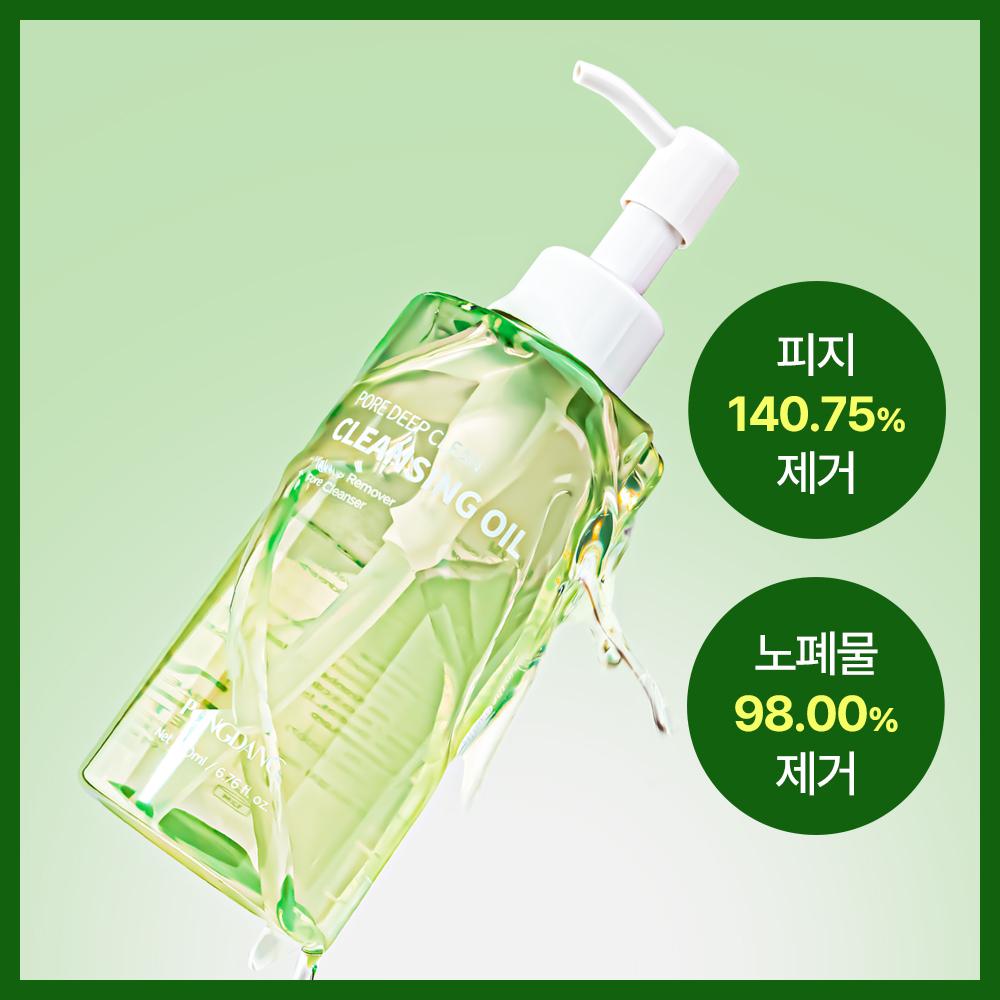
Pongdang Pore Deep Clean Cleansing Oil
Banila Co
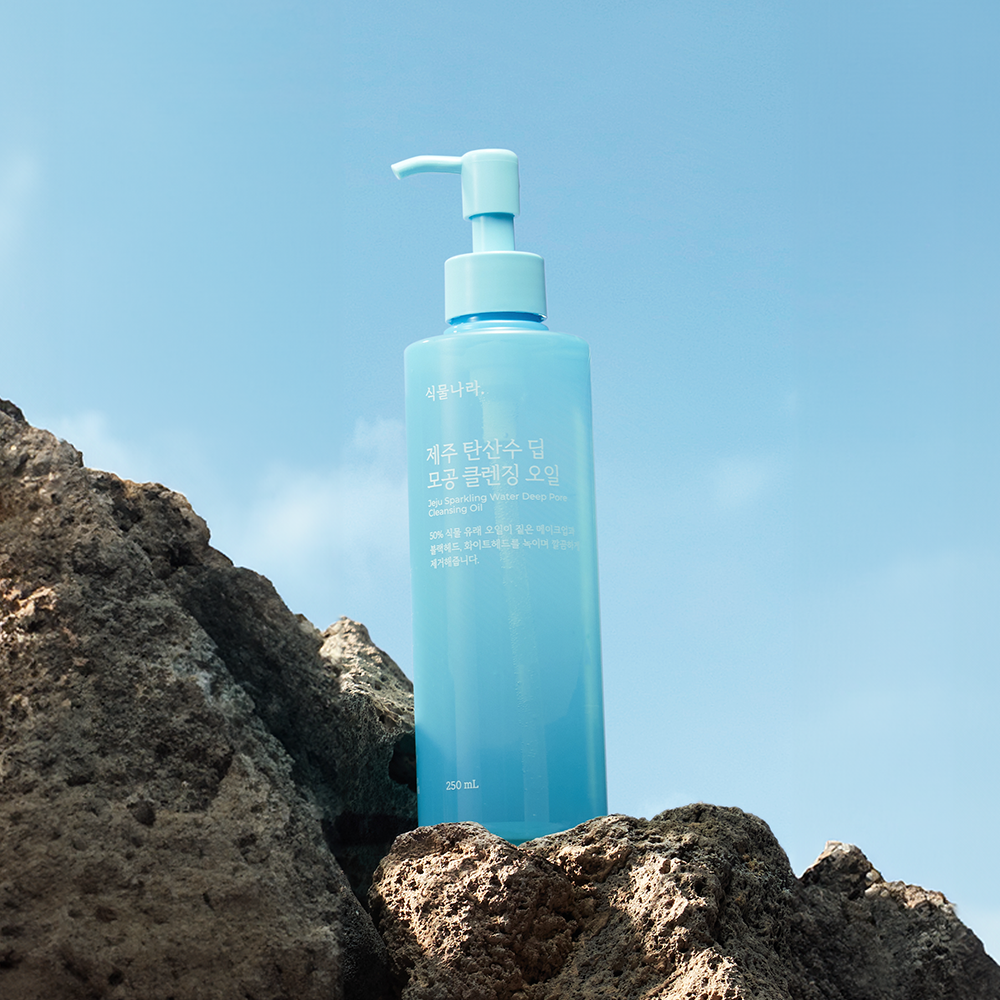
Jeju Sparkling Water Deep Pore Cleansing Oil
Shingmulnara
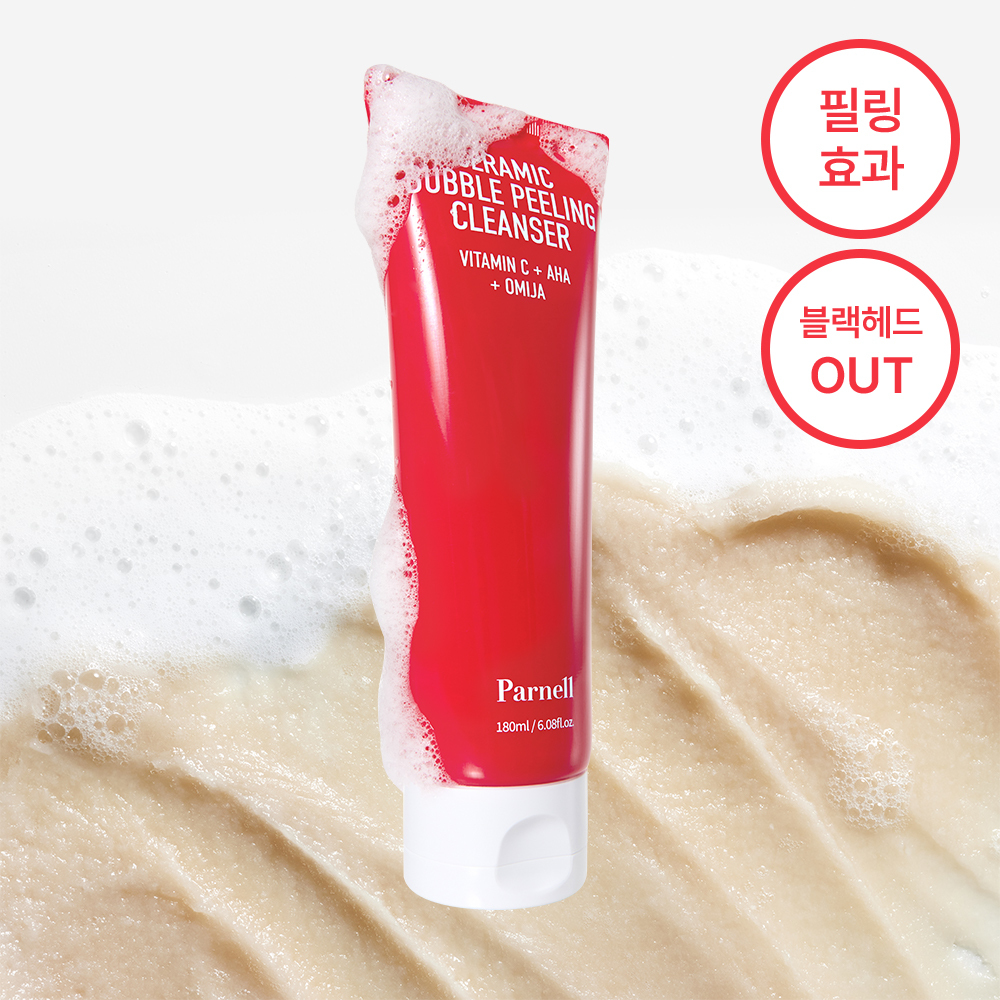
Ceramic Bubble Peeling Cleanser
Parnell
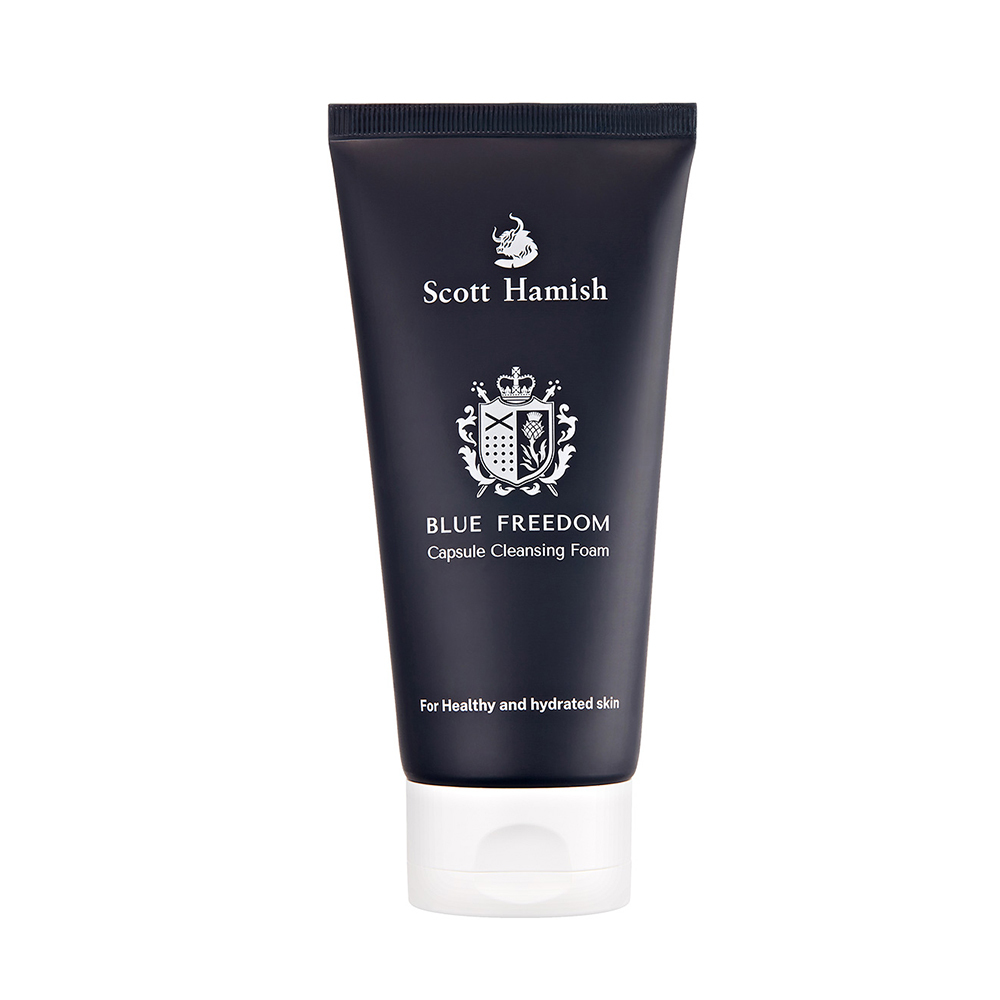
Blue Freedom Capsule Cleansing Foam
Beplain
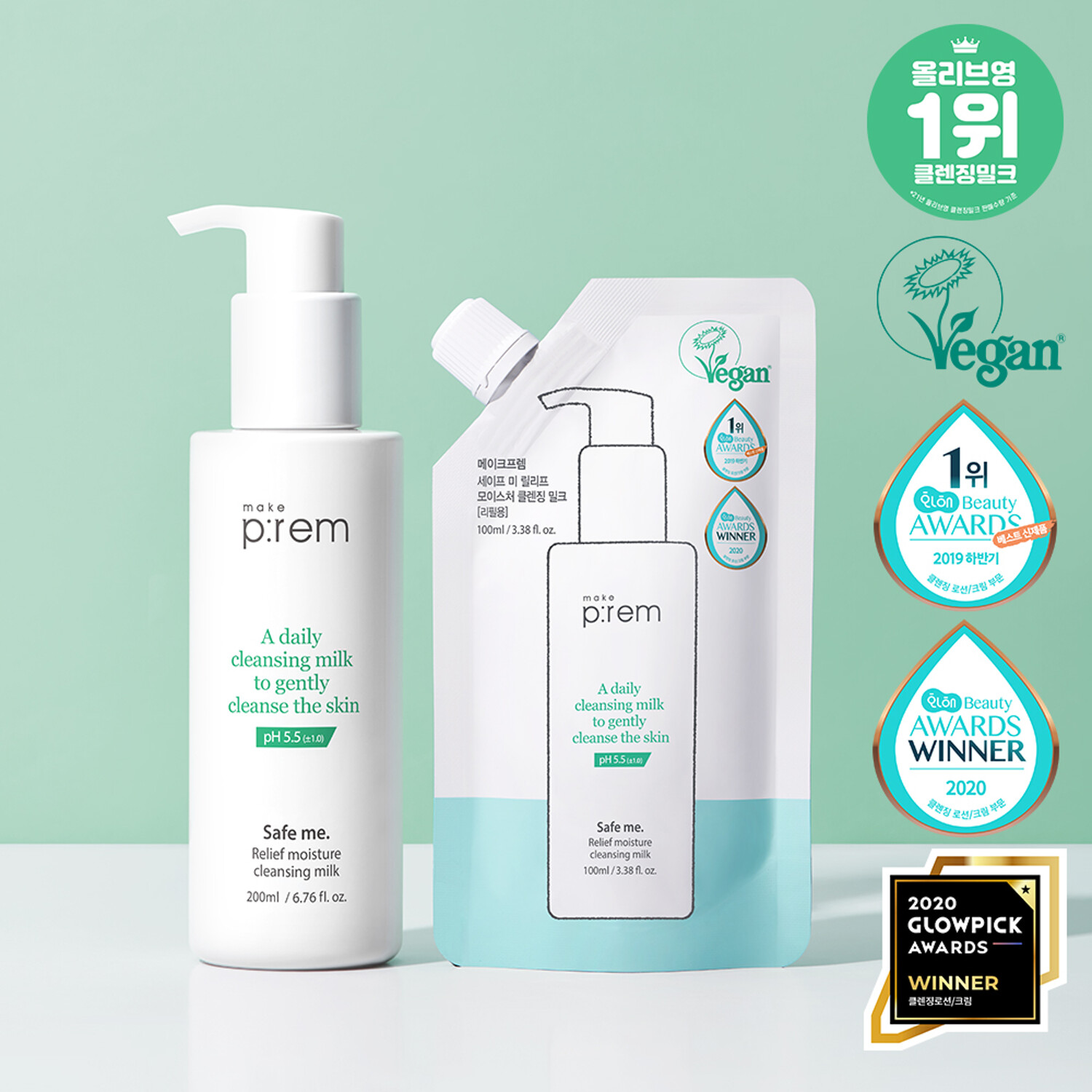
Clean Vegan Cleansing Milk Refill Special Set
Makeprem
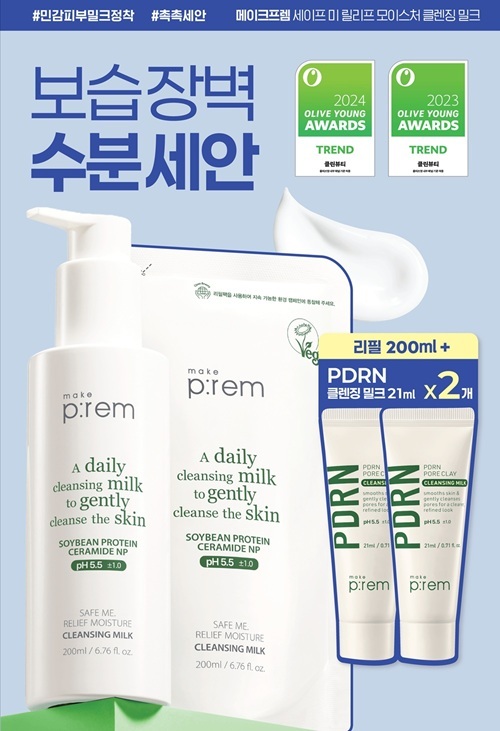
Safe Me Relief Moisture Cleansing Milk
Makeprem

Niacinamide 10% + TXA 4% Dark Spot Correcting Serum
Anua
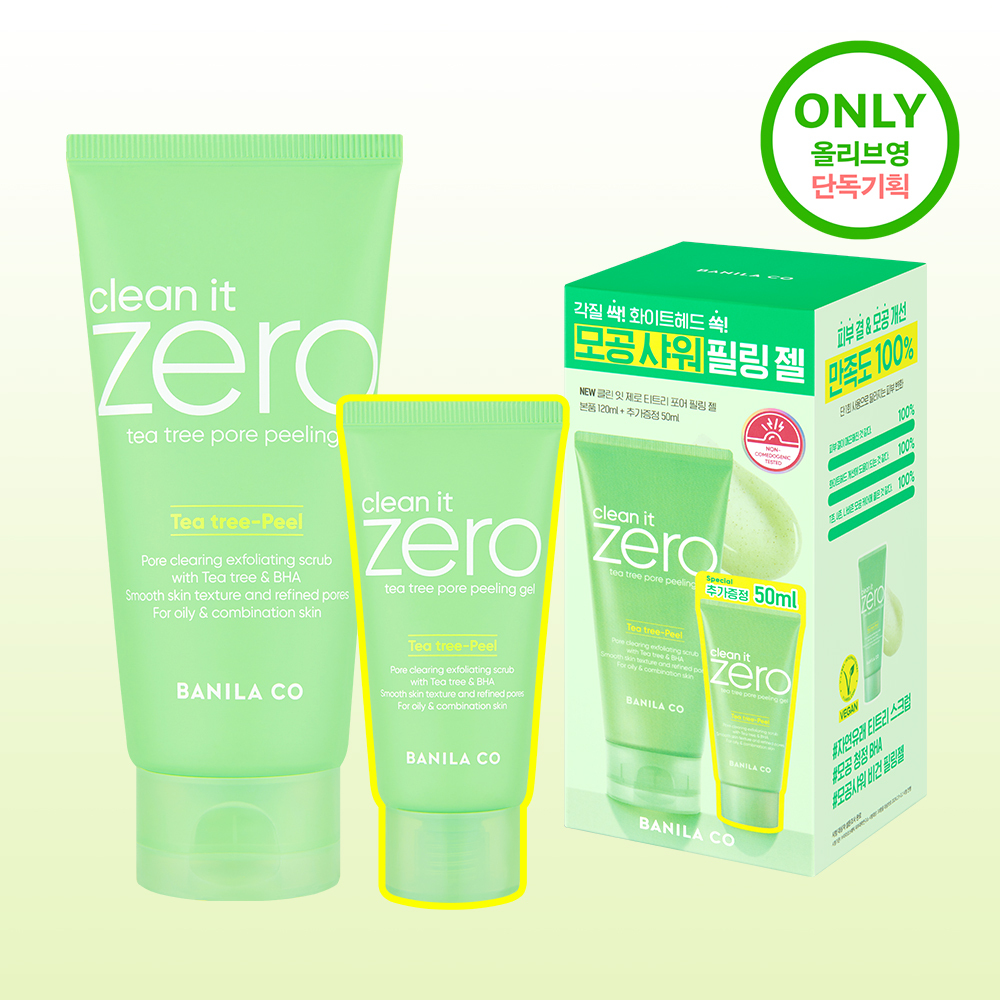
Clean It Zero Tea Tree Pore Peeling Gel
Banila Co
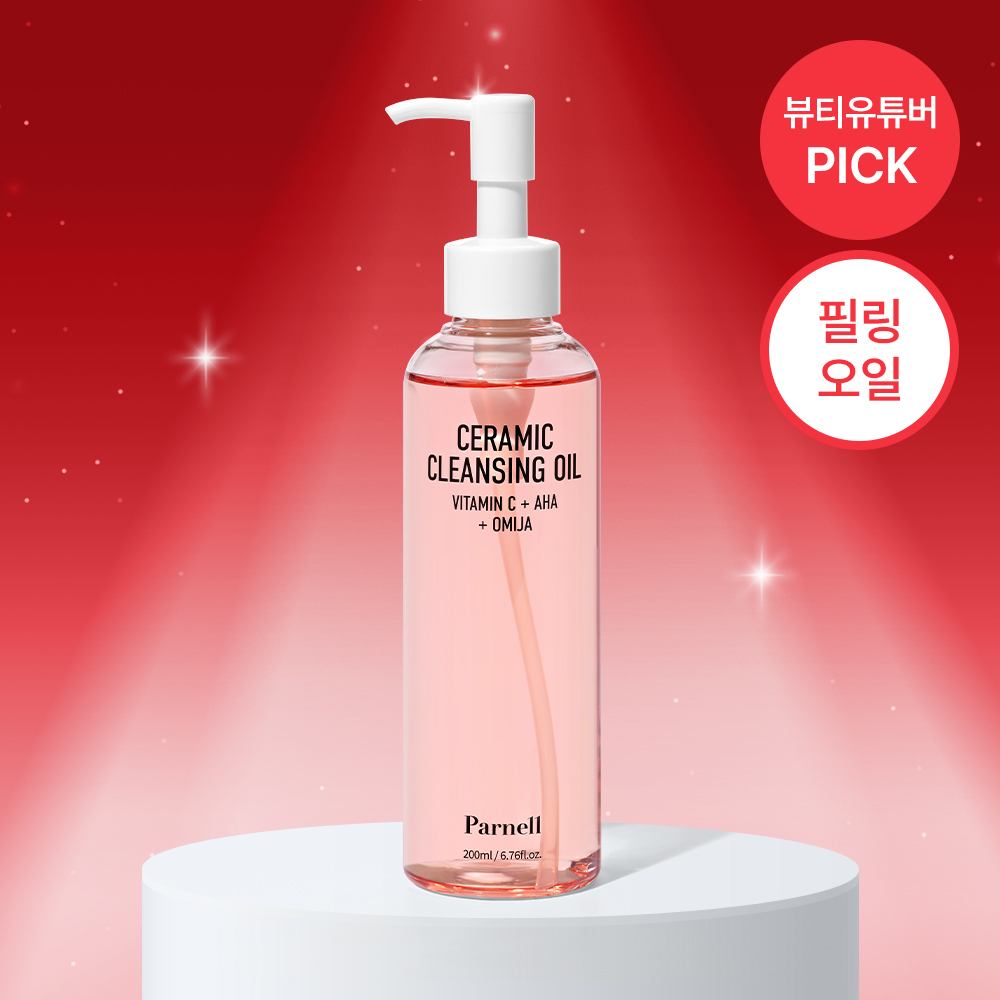
Ceramic Cleansing Oil
Parnell
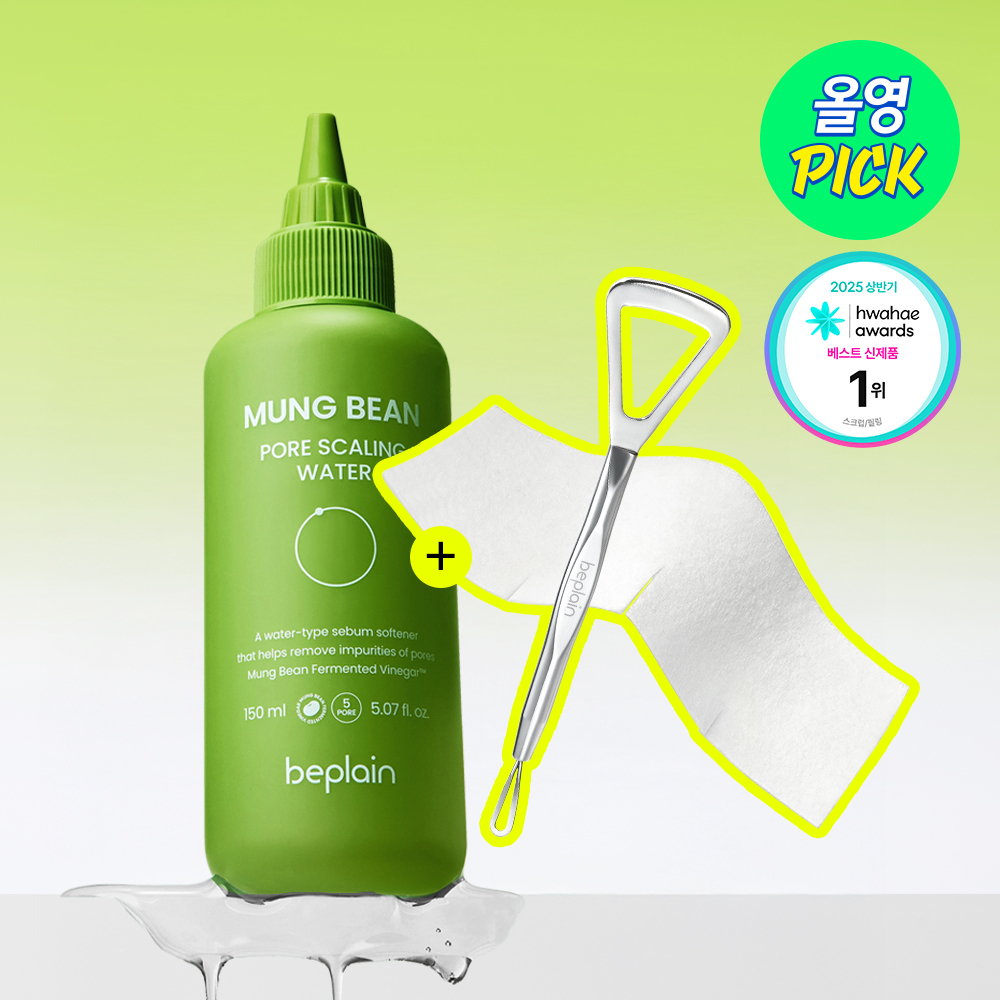
Mung Bean Pore Scaling Water Set
Beplain
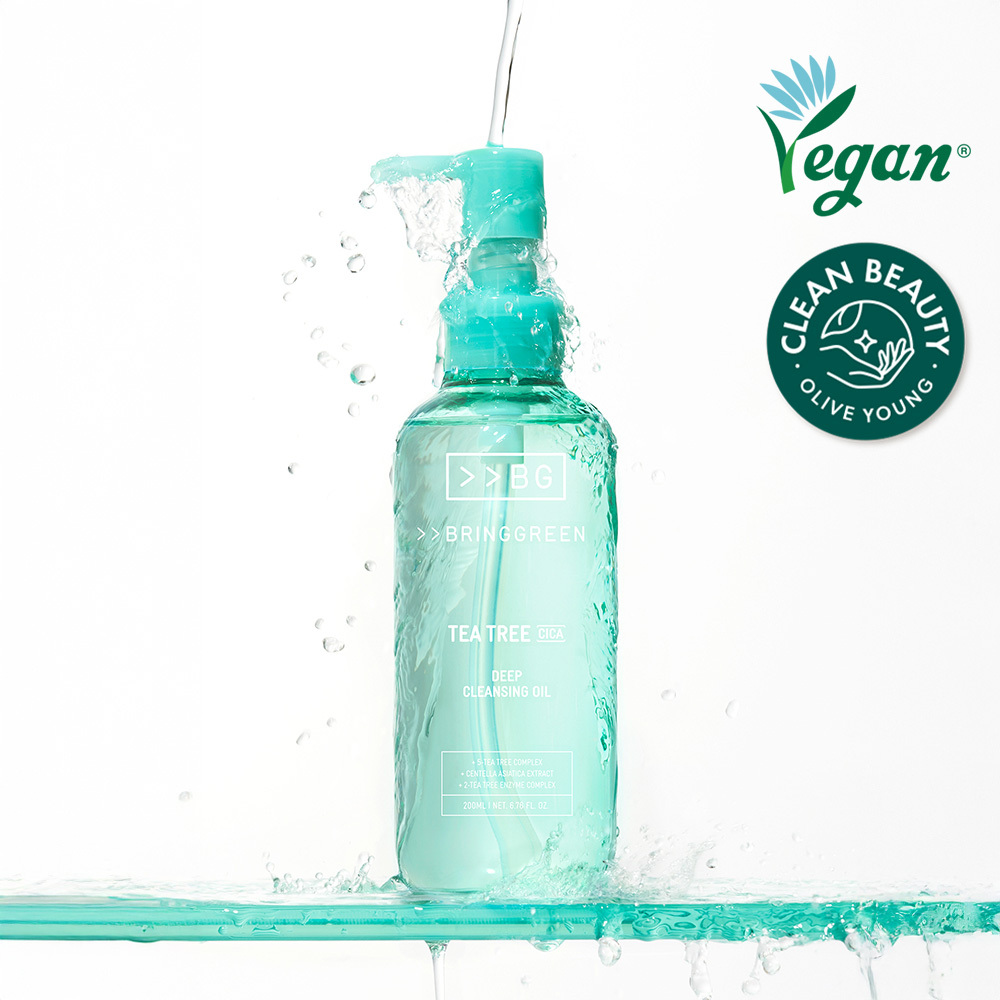
Tea Tree Cica Deep Cleansing Oil
Bringgreen
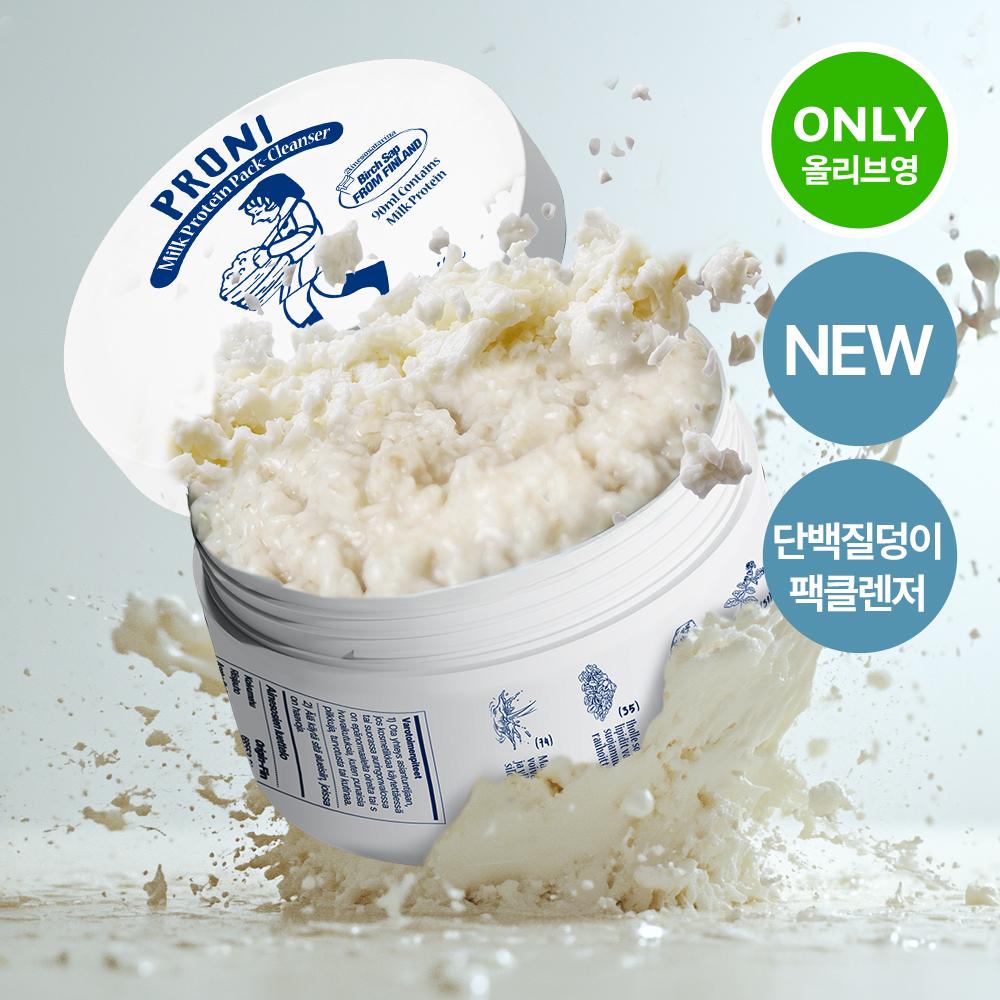
Proni Milk Protein Pack Cleanser
Torhop
Frequently Asked Questions
Is betaine salicylate as effective as regular salicylic acid for acne?▼
Can I use betaine salicylate every day?▼
Will betaine salicylate help with blackheads and sebaceous filaments?▼
Can I use betaine salicylate if I'm pregnant or breastfeeding?▼
What's the difference between betaine salicylate and willow bark extract?▼
Articles About Betaine Salicylate
Explore More
Want personalized ingredient advice?
Yuri, our AI beauty advisor, can tell you how Betaine Salicylate works with your specific skin type, routine, and concerns.
Ask Yuri, free