Caffeine
Antioxidant and anti-inflammatory, reduces puffiness
About Caffeine
Caffeine is a powerful multitasking ingredient in K-beauty that does far more than wake you up in the morning. This naturally occurring compound, found in coffee beans, tea leaves, and cacao plants, has become a skincare staple for its ability to combat puffiness, reduce inflammation, and protect skin from environmental damage. In K-beauty formulations, caffeine is prized for its ability to visibly de-puff the under-eye area and improve microcirculation, making it a go-to ingredient in morning skincare routines. Beyond its cosmetic benefits, caffeine functions as a potent antioxidant that neutralizes free radicals and helps prevent premature aging. Korean brands have embraced caffeine not just in targeted eye treatments but across a wide range of products, from cleansers to serums to creams. With a safety rating of 4/5 and a comedogenic rating of 0/5, it's suitable for all skin types and won't clog pores. You'll find caffeine in 182 K-beauty products on Seoul Sister, including highly rated formulations like Arencia's Retinal Booster Shot and Luvum's Green Citrus Vitamin C Serum+, where it works synergistically with other actives to enhance overall skin health. The ingredient's popularity in K-beauty reflects the category's focus on functional, science-backed ingredients that deliver visible results without irritation.
How Caffeine Works
Caffeine works through multiple mechanisms at the cellular level. As a vasoconstrictor, it temporarily narrows blood vessels near the skin's surface, which reduces blood flow and visibly minimizes puffiness and redness. This is especially effective around the delicate eye area where fluid accumulation is common. At the molecular level, caffeine inhibits phosphodiesterase, an enzyme that breaks down cyclic AMP, a molecule involved in cellular energy metabolism. By maintaining higher levels of cyclic AMP, caffeine helps cells function more efficiently and supports skin barrier repair. Its antioxidant properties come from its ability to scavenge reactive oxygen species (free radicals) that damage collagen and elastin fibers, contributing to wrinkles and sagging. Caffeine also inhibits UV-induced skin carcinogenesis and has been shown to protect against photoaging by reducing the formation of sunburn cells. Additionally, it demonstrates anti-inflammatory effects by suppressing pro-inflammatory cytokines like TNF-alpha and IL-1, which makes it effective for calming irritated or reactive skin. When applied topically, caffeine penetrates the skin barrier efficiently due to its relatively small molecular size and lipophilic nature.
Caffeine by Skin Type
Oily Skin
Caffeine is excellent for oily skin because it won't add heaviness or contribute to breakouts (comedogenic rating of 0/5). Its anti-inflammatory properties help calm the redness that often accompanies acne-prone oily skin, while its antioxidant benefits protect against environmental stressors that can trigger excess sebum production.
Dry Skin
While caffeine doesn't directly hydrate, it works well in formulations for dry skin when combined with moisturizing ingredients. Its antioxidant protection helps prevent further damage to a compromised barrier, and the improved microcirculation can enhance nutrient delivery to skin cells. Look for caffeine in creams and essences rather than lightweight serums to ensure adequate hydration.
Combo Skin
Caffeine is ideal for combination skin because it addresses concerns in both oily and dry zones without exacerbating either. It de-puffs and refreshes the T-zone while providing antioxidant protection to drier cheek areas. Its non-comedogenic nature means it won't cause congestion in oilier areas while its anti-inflammatory properties benefit the entire face.
Sensitive Skin
Caffeine can be beneficial for sensitive skin due to its anti-inflammatory and soothing properties, which help calm redness and reactivity. However, some individuals with highly reactive skin may experience sensitivity to caffeine itself. Start with lower concentrations and products that combine caffeine with calming ingredients like centella or green tea for the best tolerance.
Normal Skin
Normal skin benefits from caffeine's preventative antioxidant effects and its ability to maintain healthy microcirculation. It's an excellent ingredient for maintaining skin's youthful appearance and protecting against daily environmental stressors without causing any imbalance or irritation to already well-functioning skin.
How to Use Caffeine
- 1Apply caffeine products in the morning when puffiness is most noticeable, especially around the eyes where overnight fluid accumulation occurs.
- 2Gently pat caffeine eye treatments onto the under-eye area rather than rubbing to avoid tugging delicate skin and to help stimulate circulation.
- 3Store caffeine serums and creams in a cool place or refrigerator for enhanced de-puffing effects, as the cool temperature provides additional vasoconstriction.
- 4Layer caffeine products under sunscreen for added antioxidant protection against UV-induced free radical damage throughout the day.
- 5If you're sensitive to caffeine systemically (it makes you jittery when ingested), start with products containing lower concentrations to test your skin's topical tolerance.
Background
Caffeine has been consumed as a stimulant for thousands of years, with coffee cultivation dating back to ancient Ethiopia and tea to ancient China. However, its use in skincare is a relatively modern innovation that emerged in the late 20th century when cosmetic scientists began investigating the topical benefits of this well-studied compound. The ingredient gained serious traction in Western skincare during the 1990s and early 2000s, particularly in eye creams marketed for reducing puffiness. K-beauty brands embraced caffeine in the 2010s as part of the category's broader commitment to functional, scientifically proven ingredients. Korean formulators were particularly innovative in incorporating caffeine beyond eye care, adding it to essences, serums, and even cleansers. The ingredient aligns perfectly with K-beauty philosophy: it's effective, gentle, naturally derived, and addresses multiple concerns simultaneously. Today, caffeine appears in products ranging from luxury treatments to accessible everyday essentials across Korean skincare lines.
K-Beauty Products with Caffeine
View all 199 →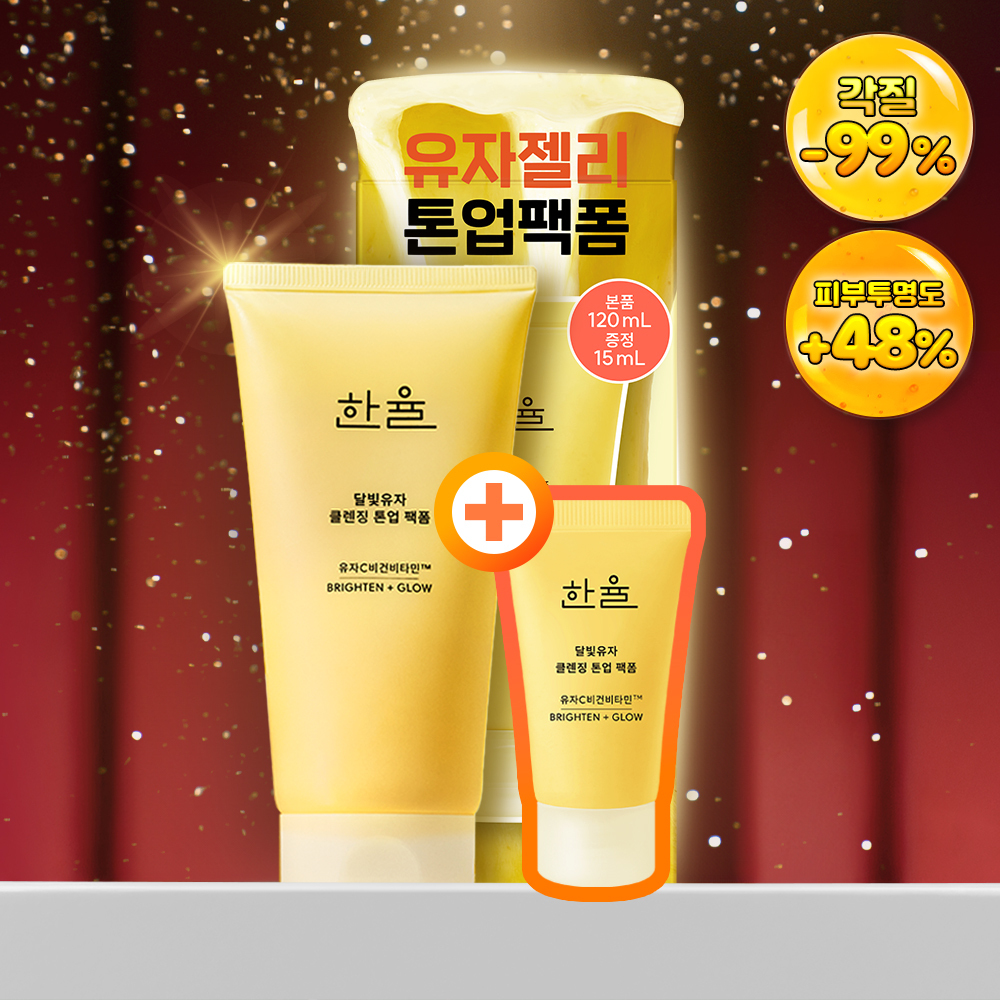
Yuja Cleansing Tone Up Pack Foam Set
Hanyul
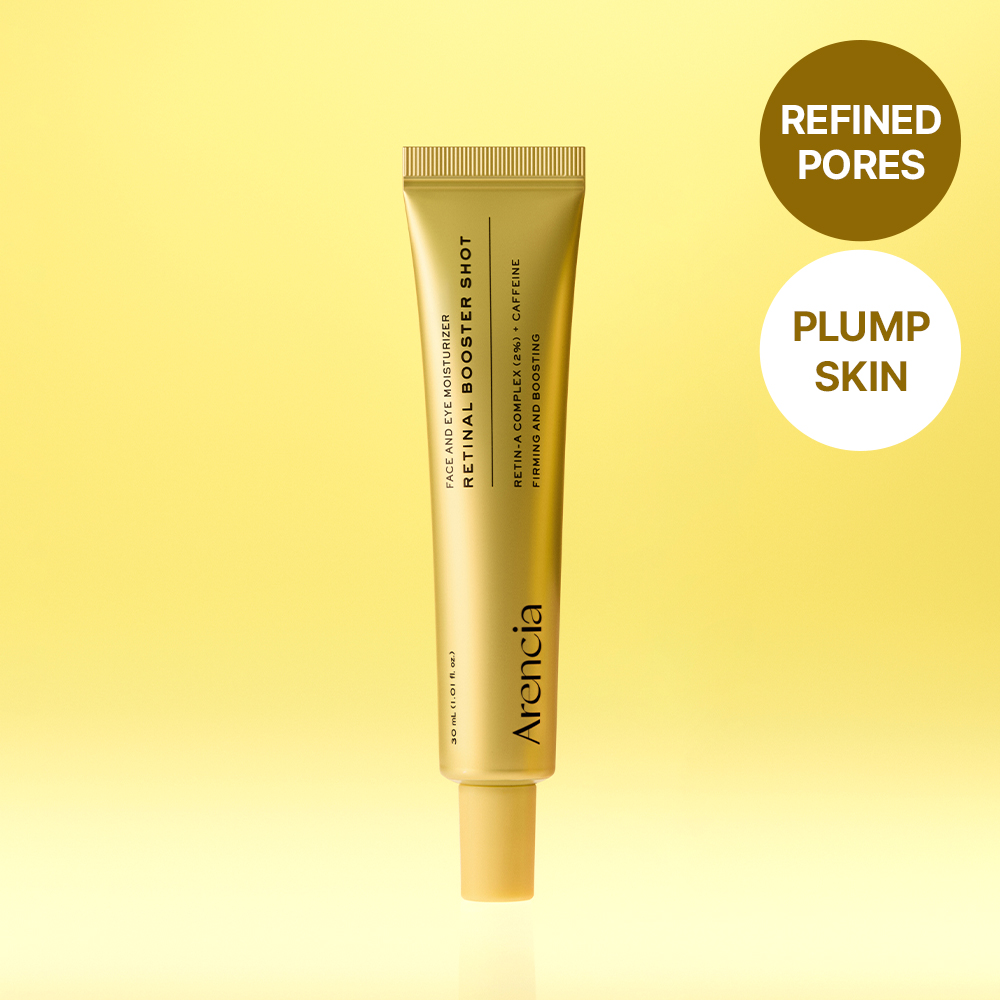
Retinal Booster Shot
Arencia
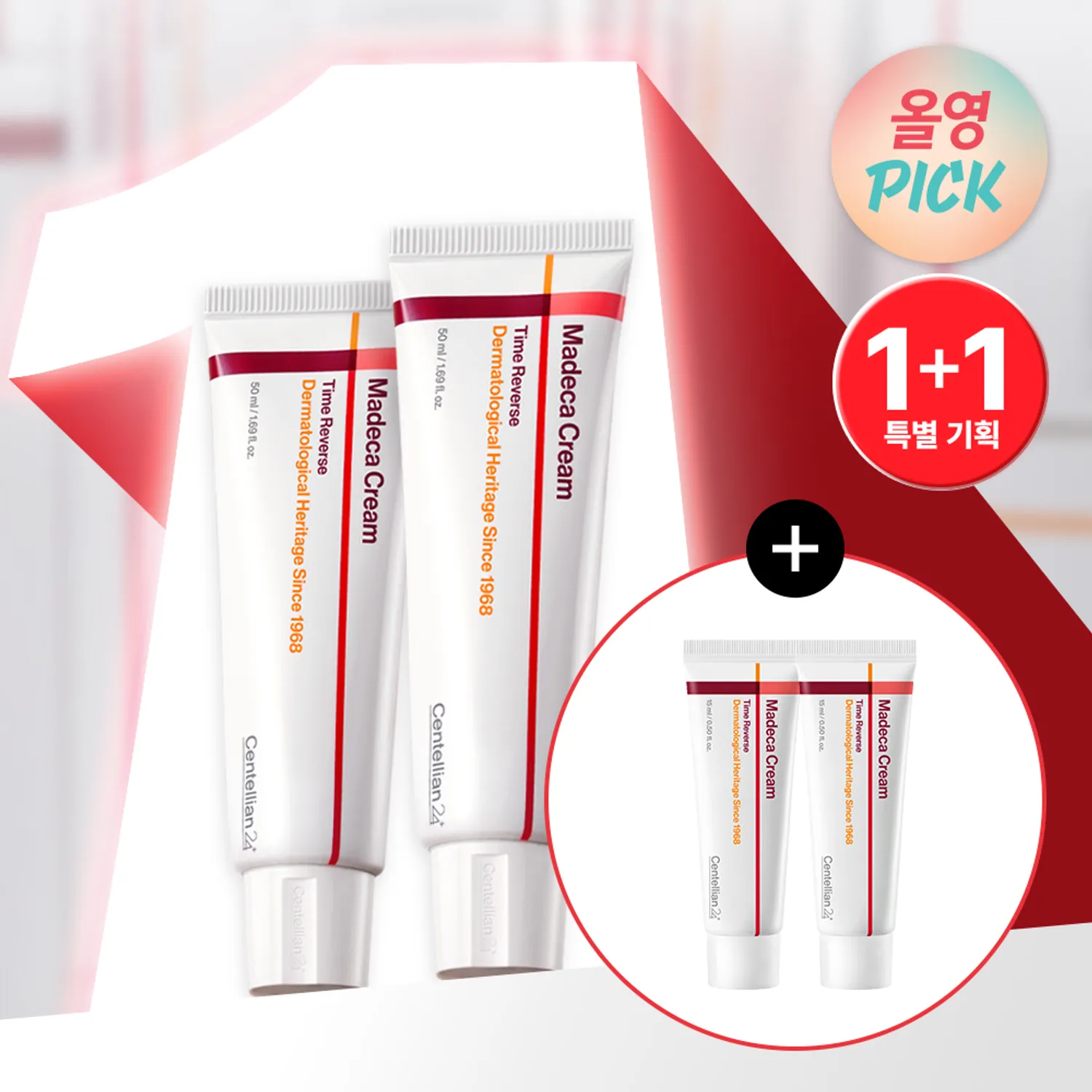
Madeca Cream Time Reverse Double Pack
Centellian24
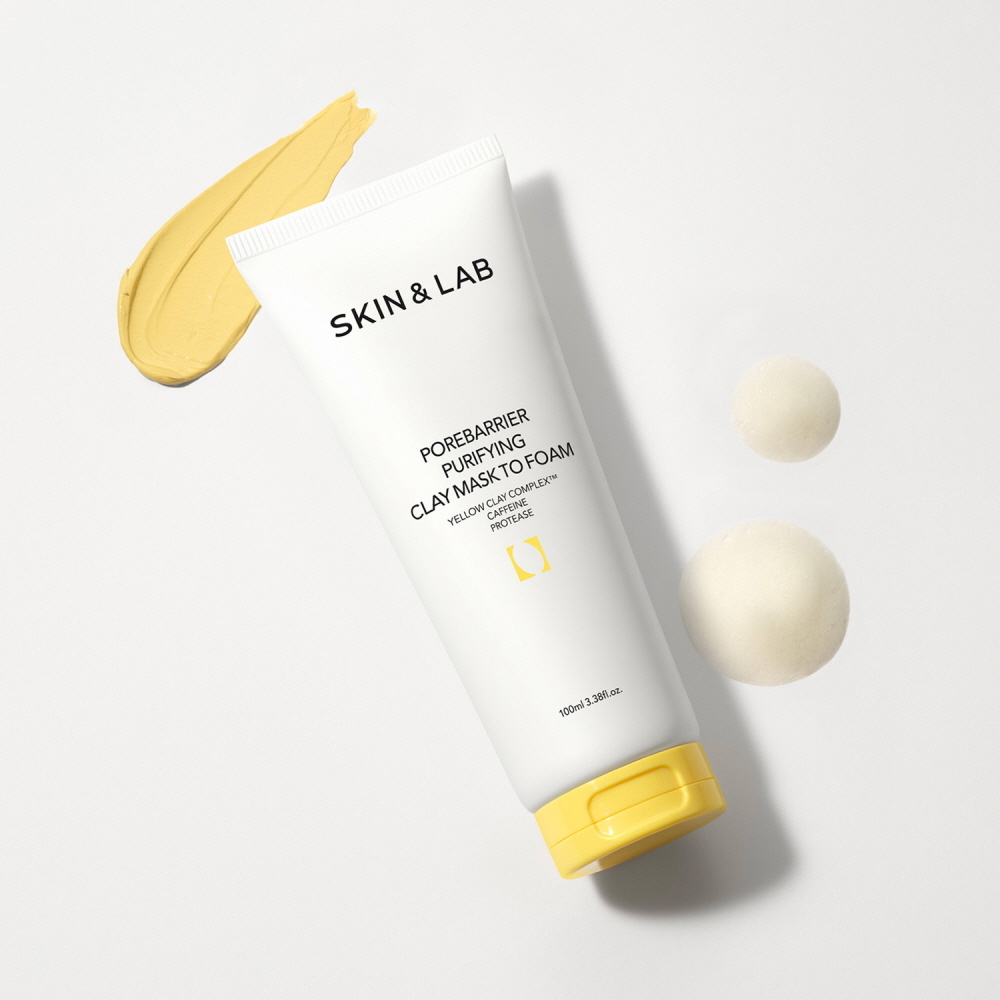
Porebarrier Purifying Clay Mask To Foam
Skin&Lab

Bifida Biome Complex Ampoule
ma:nyo
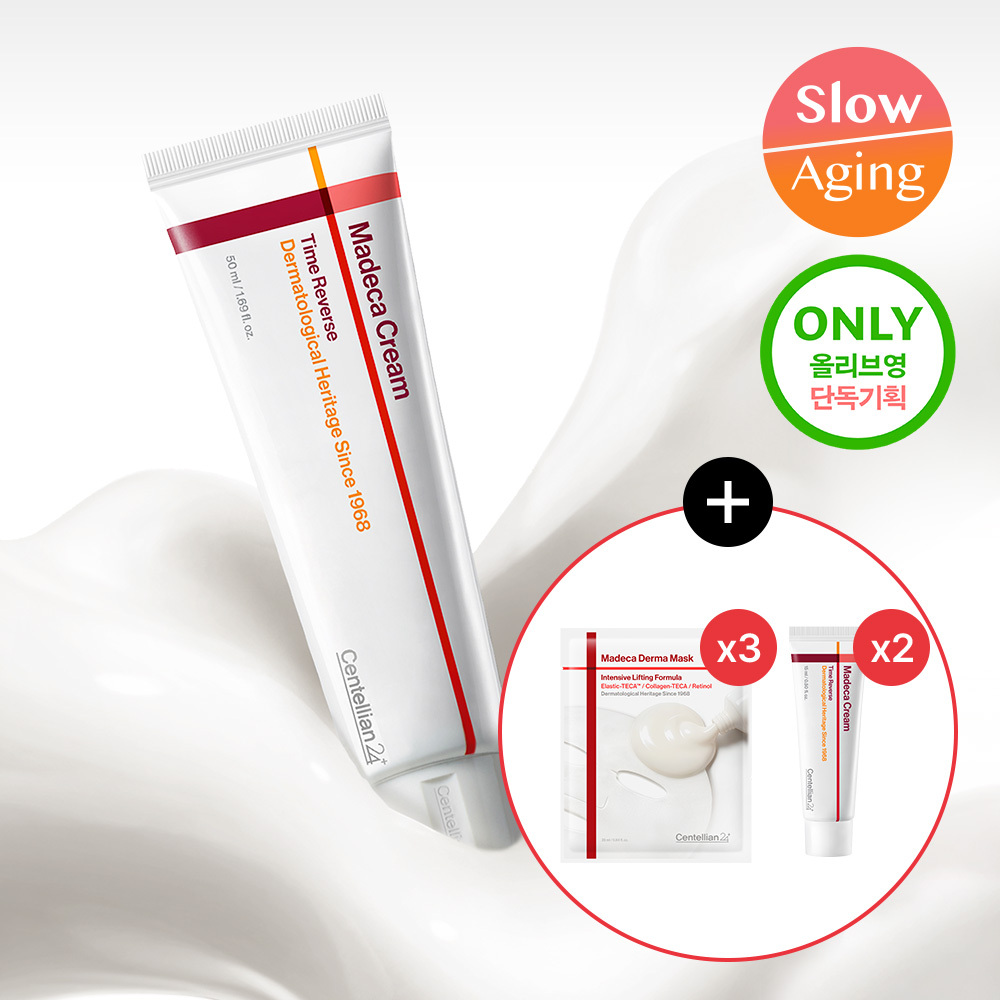
Madeca Cream Time Reverse Set
Centellian24
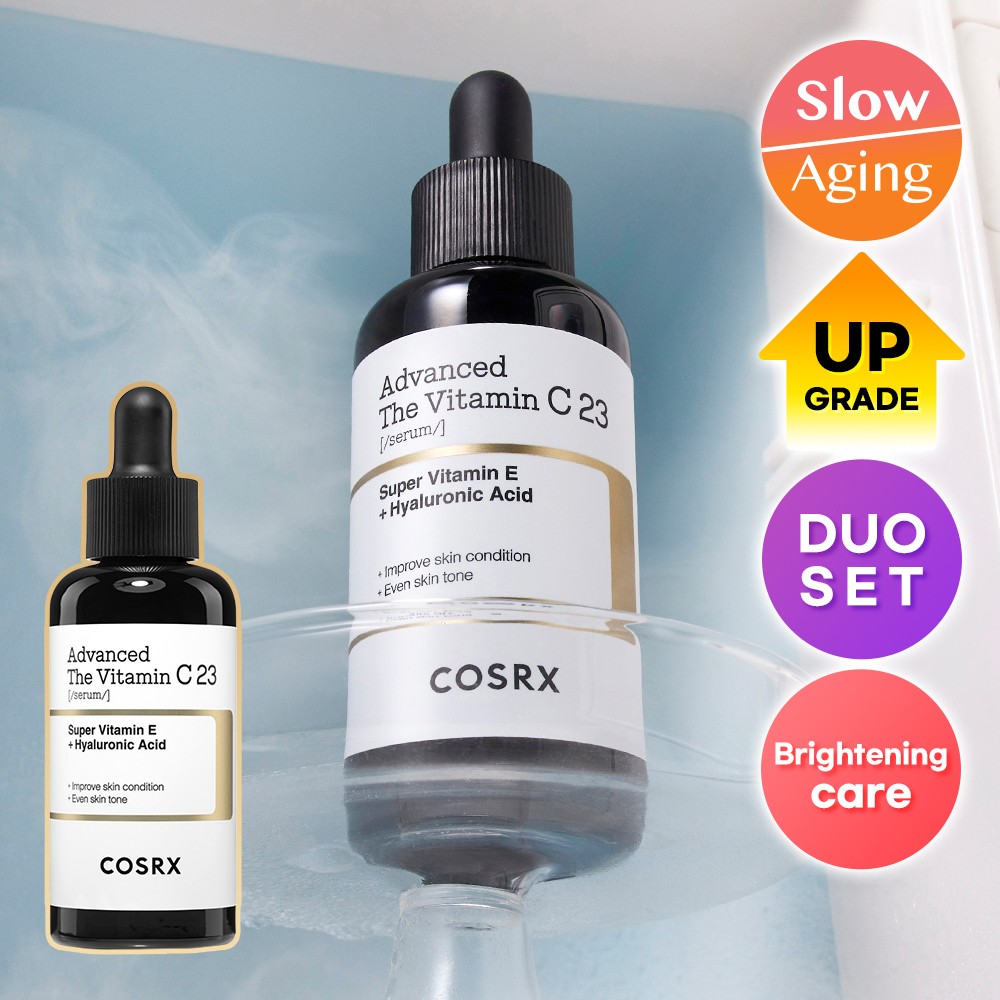
Advanced The Vitamin C 23 Serum
COSRX
Yuja Cleansing Peeling Gel Balm
Hanyul
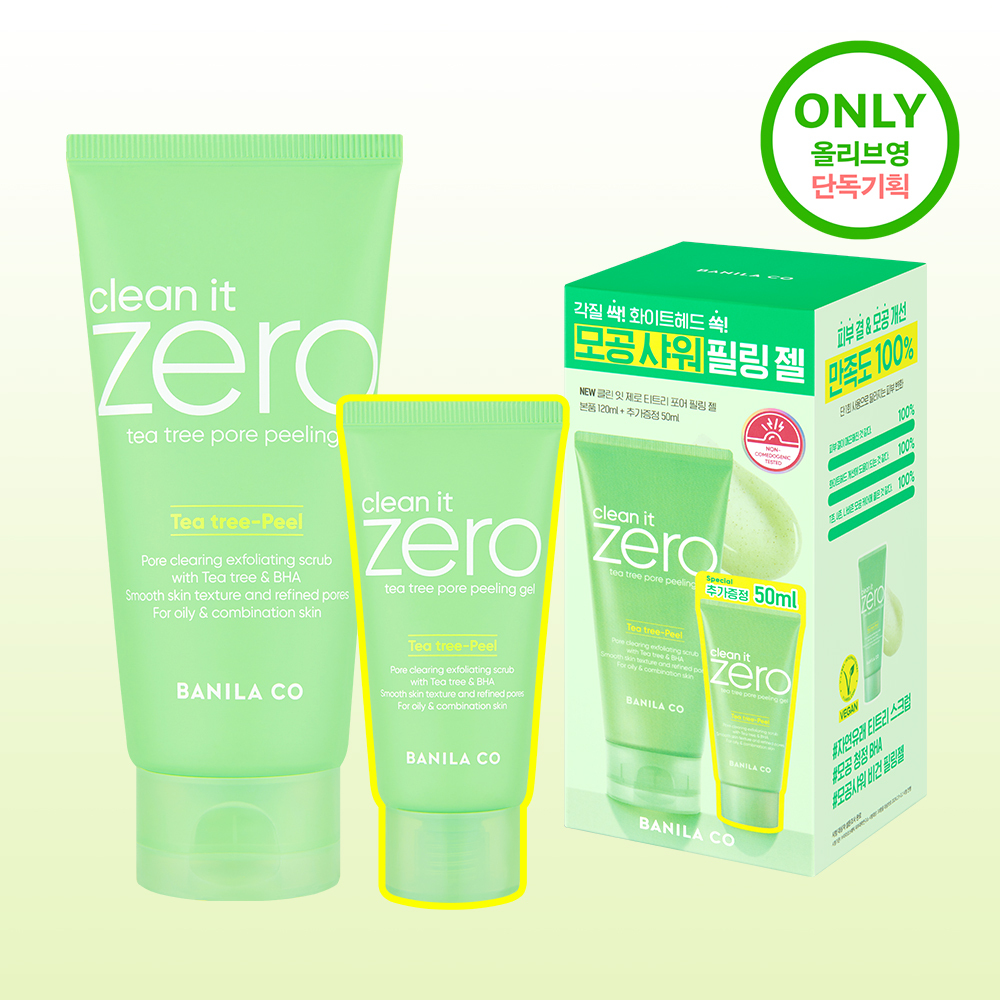
Clean It Zero Tea Tree Pore Peeling Gel
Banila Co
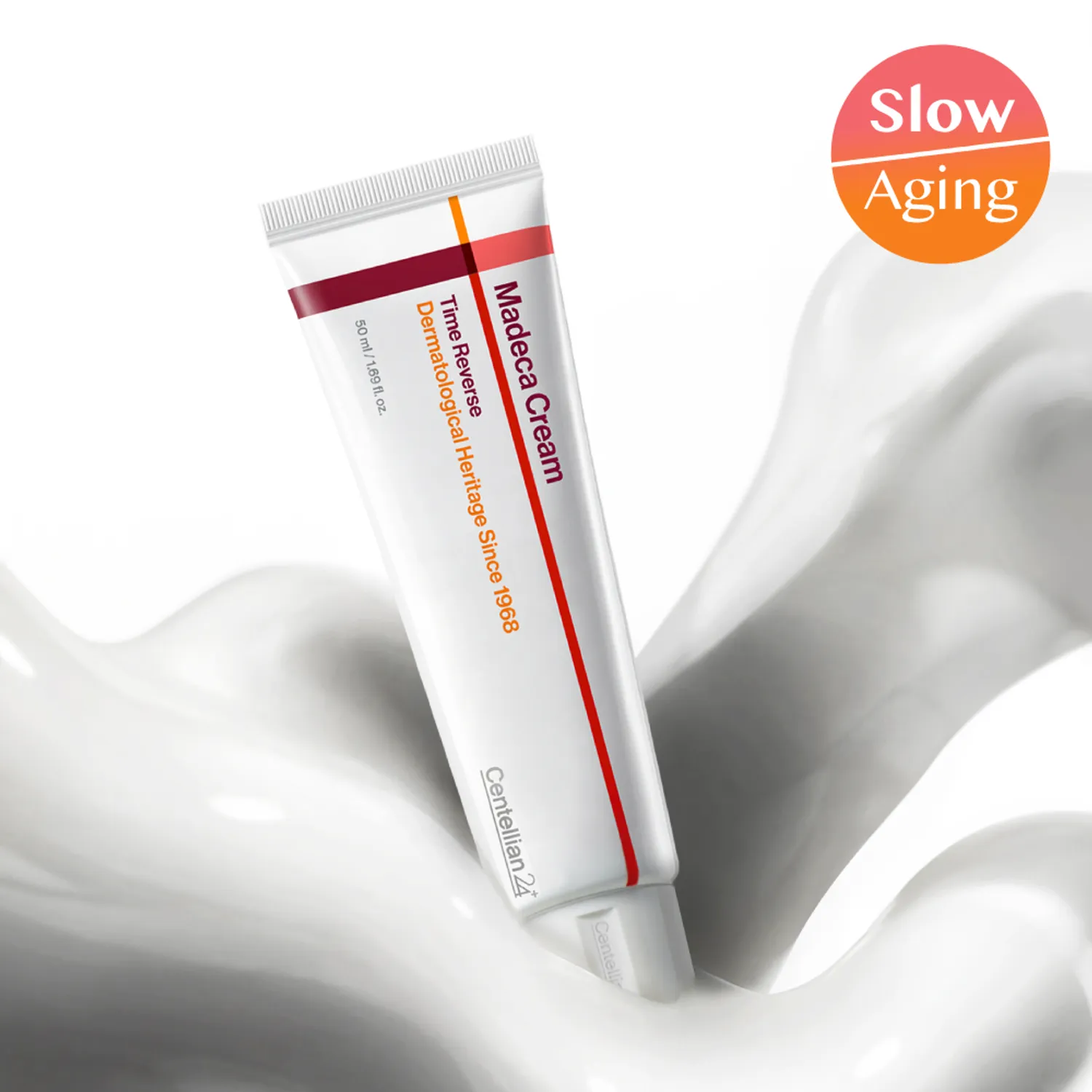
Madeca Cream Time Reverse
Centellian24
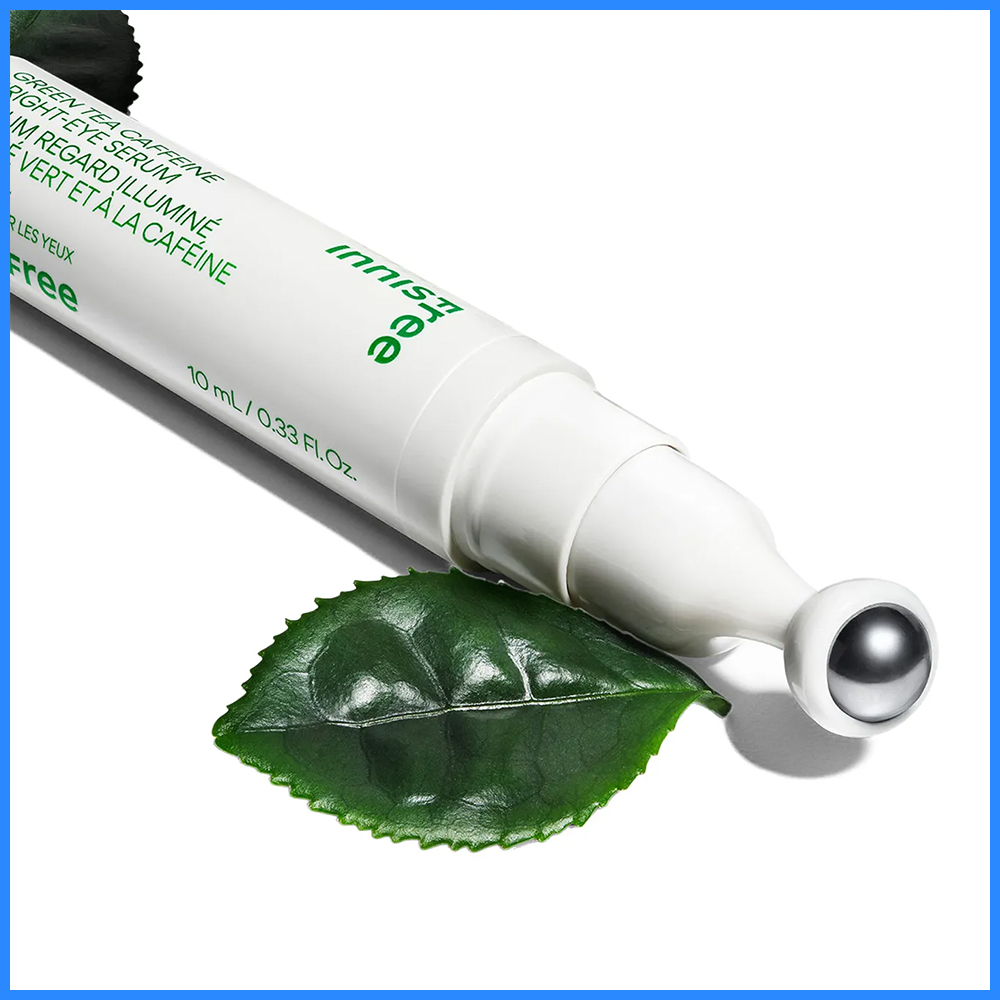
Green Tea Hyaluronic Glow Eye & Face Ball
Innisfree
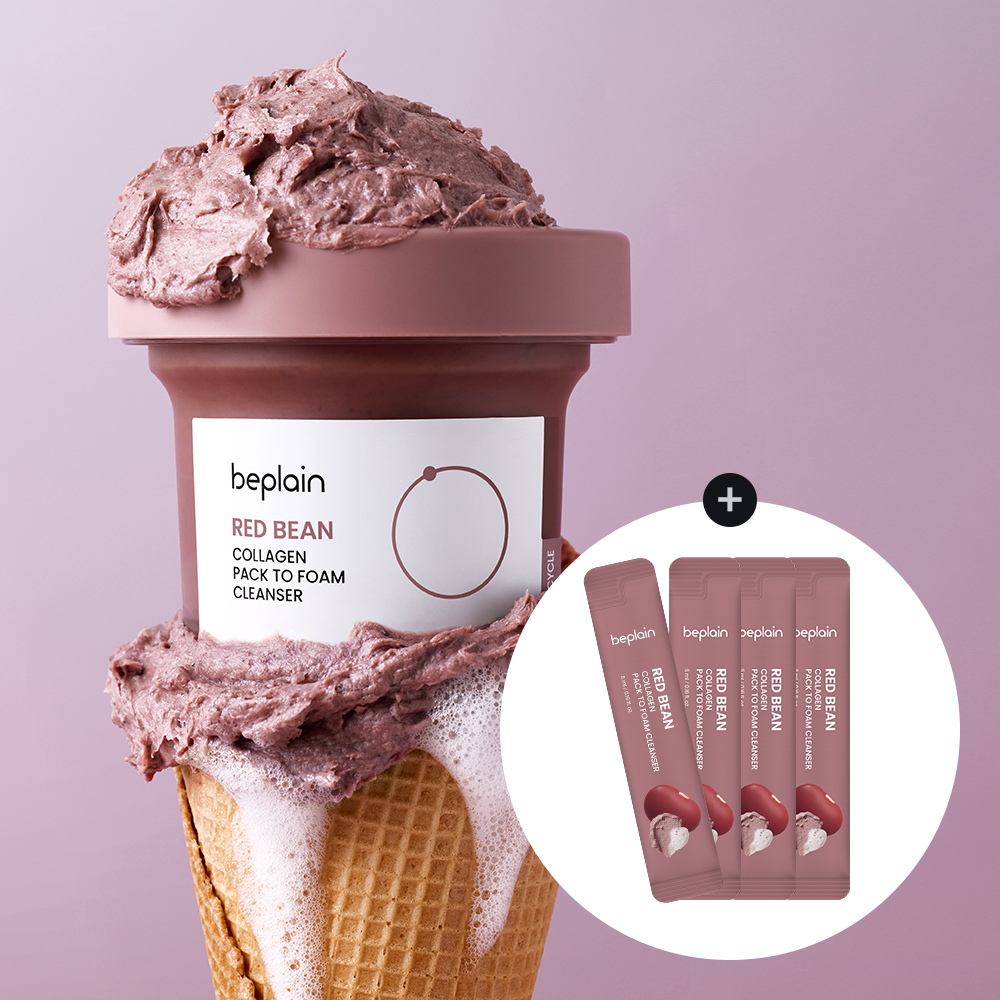
Red Bean Collagen Pack To Foam Cleanser
Beplain
Frequently Asked Questions
How long does it take for caffeine to reduce under-eye puffiness?▼
Can I use caffeine products if I'm pregnant or breastfeeding?▼
Does caffeine actually help with dark circles or just puffiness?▼
Will caffeine in skincare keep me awake or affect my sleep?▼
Why is caffeine combined with vitamin C in products like Luvum's Green Citrus Vitamin C Serum+?▼
Articles About Caffeine
Explore More
Want personalized ingredient advice?
Yuri, our AI beauty advisor, can tell you how Caffeine works with your specific skin type, routine, and concerns.
Ask Yuri, free