Uvinul A Plus
INCI: Diethylamino Hydroxybenzoyl Hexyl Benzoate
UV filter protecting against UVA rays
About Uvinul A Plus
Uvinul A Plus is a photostable, broad-spectrum UVA filter that has become a cornerstone of modern K-beauty sun protection. Unlike older sunscreen actives that degrade under UV exposure, this synthetic ingredient maintains its protective power throughout the day, shielding skin from the deep-penetrating UVA rays responsible for premature aging, hyperpigmentation, and collagen breakdown. What makes Uvinul A Plus particularly valuable in K-beauty formulations is its lightweight, non-greasy texture that layers beautifully under makeup and plays well with other actives like niacinamide and vitamin C. Korean brands have embraced this ingredient because it addresses a key concern for their target market: achieving high sun protection without the heavy, white-cast finish associated with mineral filters. With a comedogenic rating of just 1 out of 5, it's suitable even for acne-prone skin, while its excellent safety profile (rated 4 out of 5) reflects years of dermatological testing and real-world use. Found in 405 K-beauty products on Seoul Sister, from lightweight sun serums to multitasking tone-up creams, Uvinul A Plus represents the evolution of sun care from a necessary chore to an enjoyable skincare step.
How Uvinul A Plus Works
Uvinul A Plus functions through a process called photochemical absorption. When UVA radiation (wavelengths 340-400nm) hits your skin, this molecule intercepts the energy before it can penetrate the epidermis. The diethylamino hydroxybenzoyl structure acts like a molecular sponge, absorbing harmful UV photons and converting them into harmless heat that dissipates from the skin's surface. What sets this ingredient apart is its photostability. Many older UV filters break down when exposed to sunlight, losing effectiveness within hours. Uvinul A Plus maintains its molecular structure even after prolonged sun exposure, providing consistent protection throughout wear time. It also exhibits synergistic behavior with other sunscreen actives, meaning when formulated alongside UVB filters like octinoxate or Tinosorb S, the overall SPF and UVA protection factor increases beyond what each ingredient provides alone. This allows formulators to achieve high protection levels while keeping individual filter concentrations lower, resulting in more elegant, cosmetically appealing textures.
Uvinul A Plus by Skin Type
Oily Skin
Uvinul A Plus is an excellent choice for oily skin types because it doesn't contribute to the greasy, heavy feel that many sunscreens create. Its molecular structure allows it to be formulated into lightweight, fast-absorbing bases that control shine rather than add to it. The low comedogenic rating (1/5) means it won't clog pores or trigger breakouts, a common concern when layering SPF over active skincare.
Dry Skin
While Uvinul A Plus itself doesn't provide hydration, it works beautifully in emollient-rich formulations designed for dry skin. Because it's photostable and doesn't require high concentrations to be effective, formulators can dedicate more of the formula to moisturizing ingredients like hyaluronic acid and ceramides. Look for sun creams that pair this filter with nourishing bases for all-day comfort without compromising protection.
Combo Skin
Combination skin benefits from Uvinul A Plus's versatility in formulation. It appears in both fluid serums for the T-zone and richer creams for drier areas, allowing you to customize your sun protection by zone. Products like Anua's Slowpure Glow Up Fluid Sun Serum leverage this ingredient's lightweight nature to create textures that work across different facial areas without feeling mismatched.
Sensitive Skin
The strong safety rating (4/5) reflects Uvinul A Plus's generally well-tolerated nature, even among sensitive skin types. It's less likely to cause irritation compared to some chemical filters like avobenzone or octinoxate. However, as with any synthetic UV filter, a small percentage of people may experience sensitivity, so patch testing new sunscreen formulas is always advisable, particularly if you have a history of contact dermatitis.
Normal Skin
Normal skin types have the most flexibility with Uvinul A Plus formulations, from gel textures to cream bases. This ingredient's stability means you can layer it under makeup, mix it with foundation, or apply it over active serums without worrying about degradation or pilling. Products like BOHO's All In One Tone Up Cream showcase how this filter can multitask in formulas that provide sun protection, light coverage, and skincare benefits simultaneously.
How to Use Uvinul A Plus
- 1Apply sunscreen with Uvinul A Plus as the final step of your morning skincare routine, after moisturizer but before makeup. Wait 60 seconds for absorption before layering foundation or cushion compacts.
- 2Because this ingredient is photostable, products containing it maintain effectiveness longer than older sunscreen formulas. However, reapplication every 2 hours during direct sun exposure is still recommended for optimal protection.
- 3Uvinul A Plus pairs exceptionally well with physical filters like zinc oxide. If you're creating a custom mix or layering products, combining chemical and mineral filters provides the broadest spectrum protection.
- 4Store sunscreens containing this ingredient at room temperature away from direct heat. While photostable on skin, extreme storage temperatures can affect the overall formula stability over time.
- 5If you're using actives like retinol or acids at night, morning sun protection with Uvinul A Plus is non-negotiable. UVA damage significantly undermines the benefits of these treatments by breaking down the collagen they help build.
Background
Uvinul A Plus was developed by BASF, a German chemical company, in the early 2000s as part of the next generation of photostable UV filters. It received FDA approval in 2001 and quickly gained traction in international markets, though the United States has been slower to approve newer sunscreen ingredients due to regulatory frameworks treating them as drugs rather than cosmetics. Korean beauty brands, operating under different regulatory structures, were early adopters of this technology, incorporating it into innovative hybrid products that blurred the lines between skincare and sun protection. The ingredient's rise in K-beauty coincided with growing consumer awareness of photoaging in the mid-2010s, when the Korean skincare philosophy of prevention over correction gained global influence. Today, it's considered a gold standard UVA filter in markets where it's approved, representing the industry shift toward more elegant, wearable sun protection that consumers actually want to use daily.
K-Beauty Products with Uvinul A Plus
View all 432 →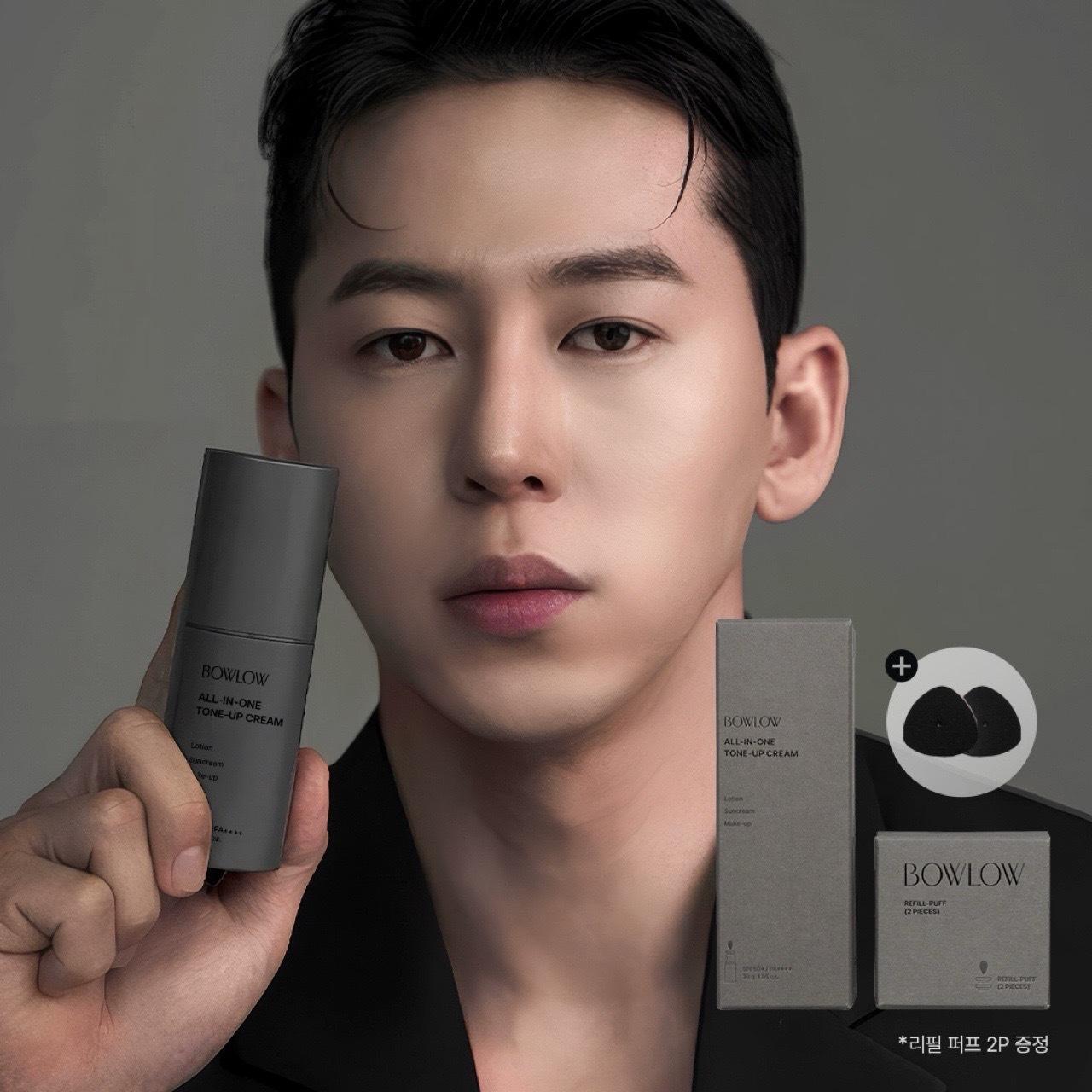
All In One Tone Up Cream
BOHO
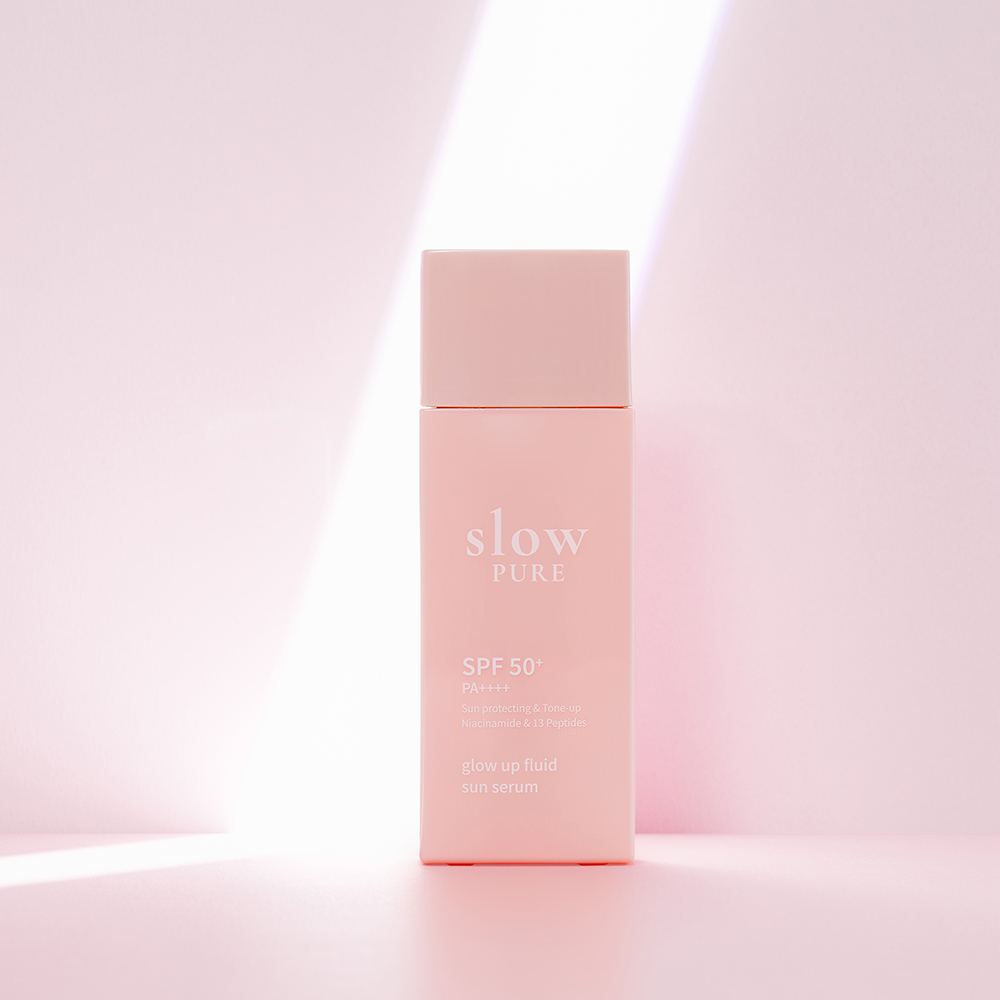
Slowpure Glow Up Fluid Sun Serum
Anua
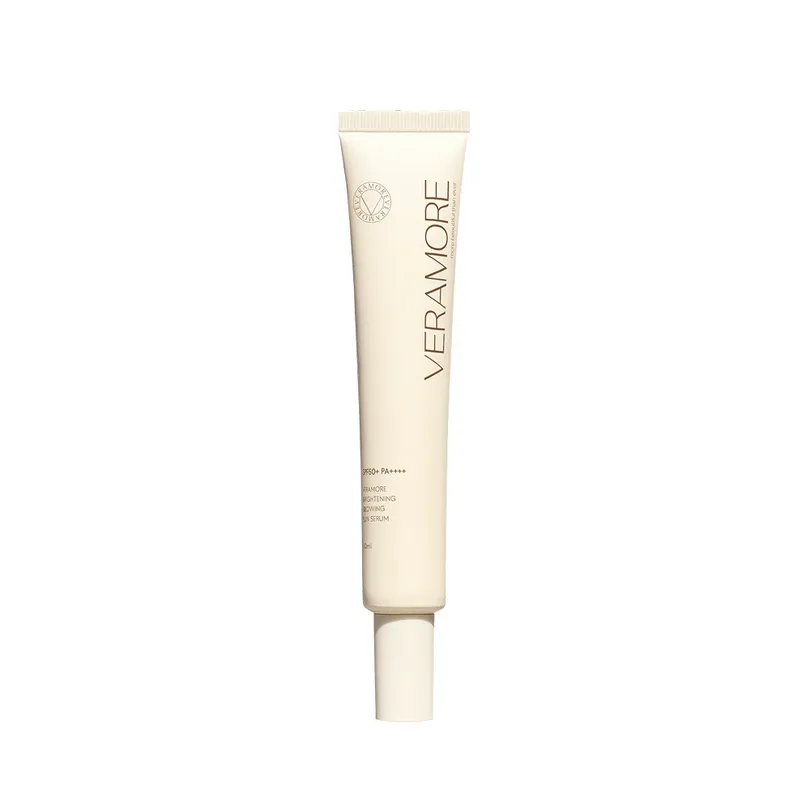
Brightening Glowing Sun Serum
Veramore
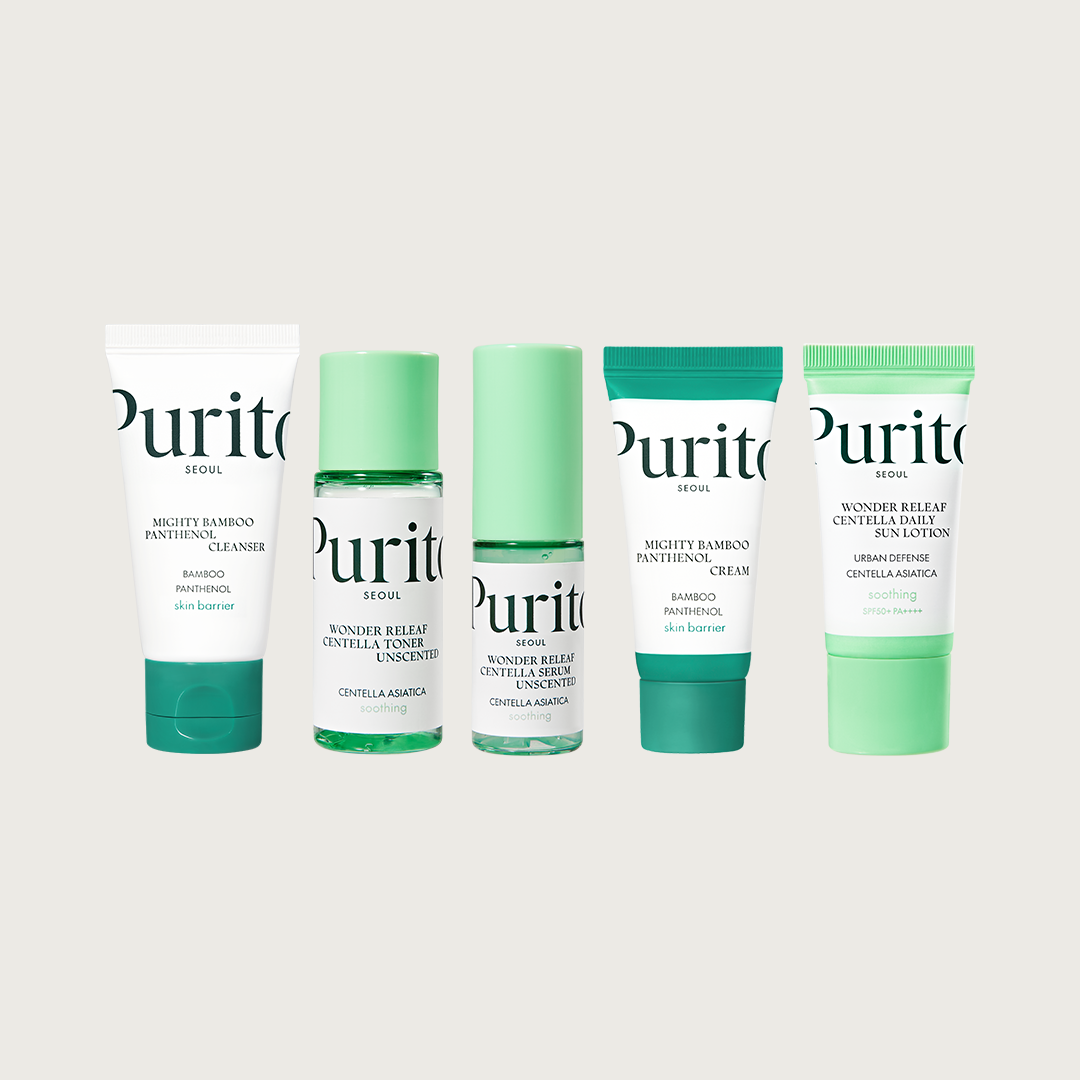
Best Kit 5P
Purito Seoul
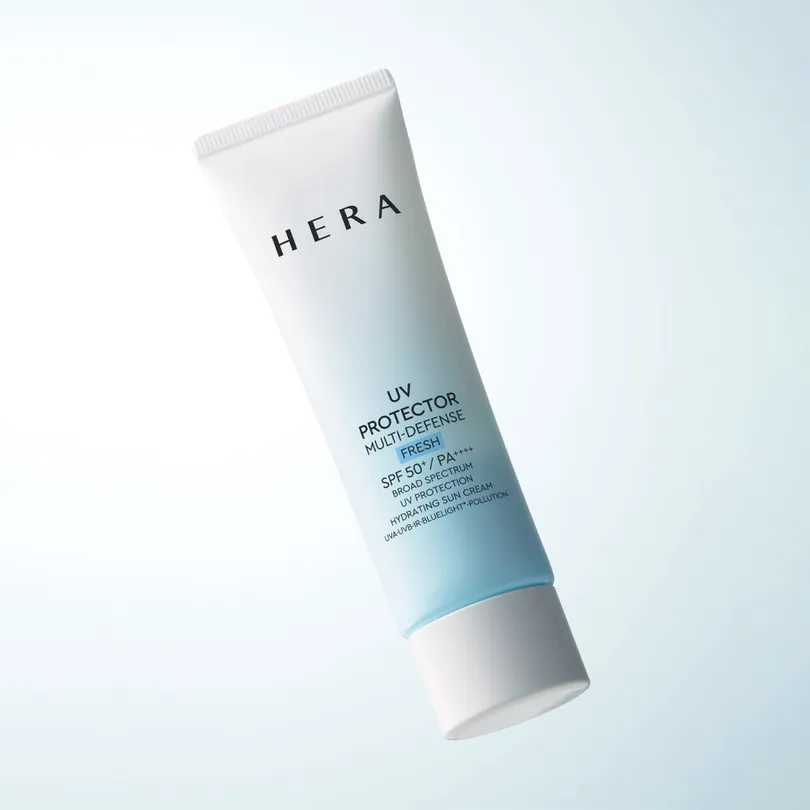
UV Protector Multi-Defense Fresh SPF50+ PA++++
HERA
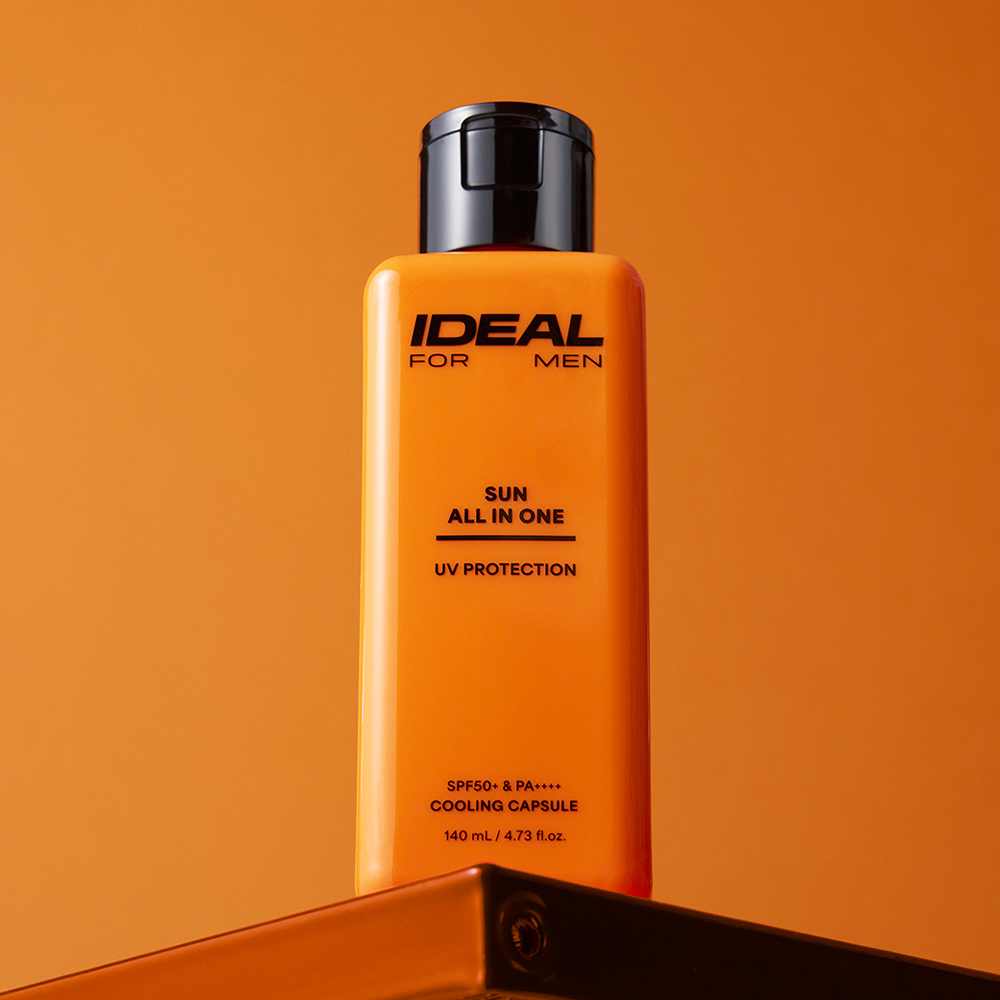
Sun All In One
Ideal for Men
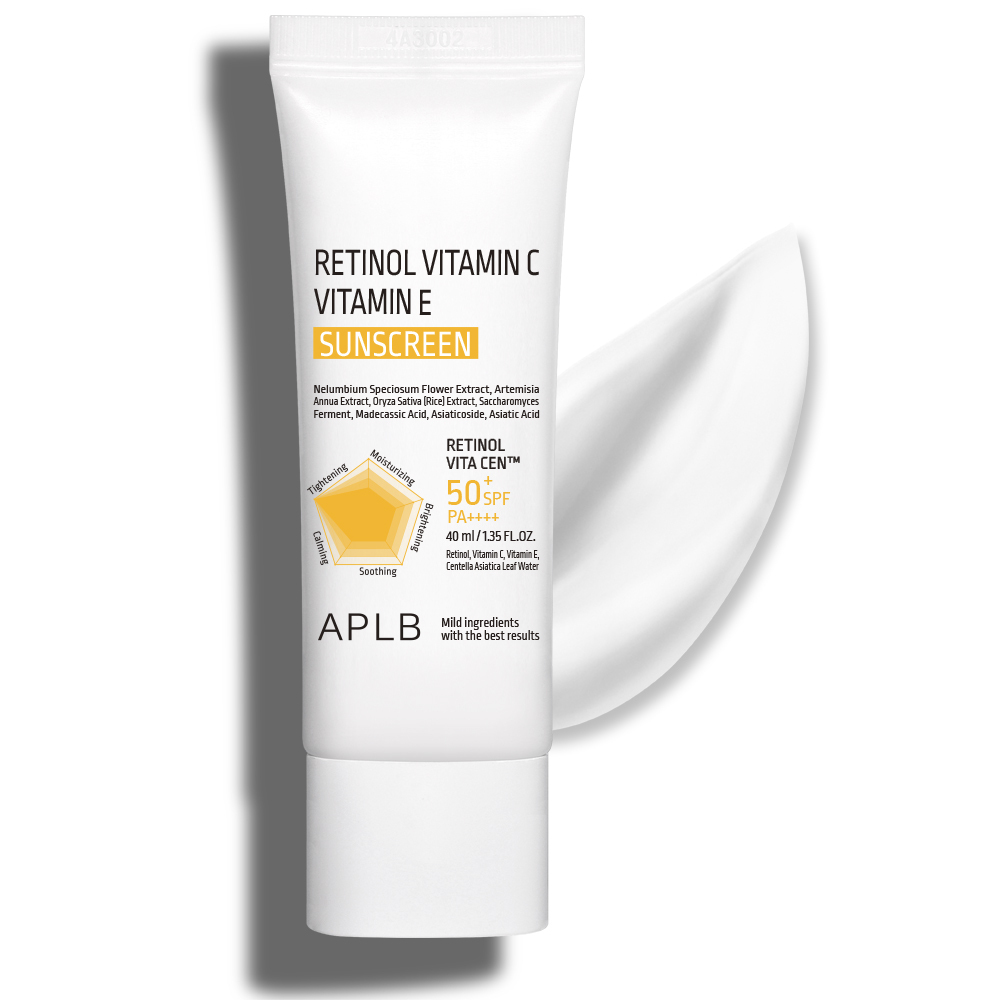
Retinol Vitamin C Vitamin E Sunscreen
APLB
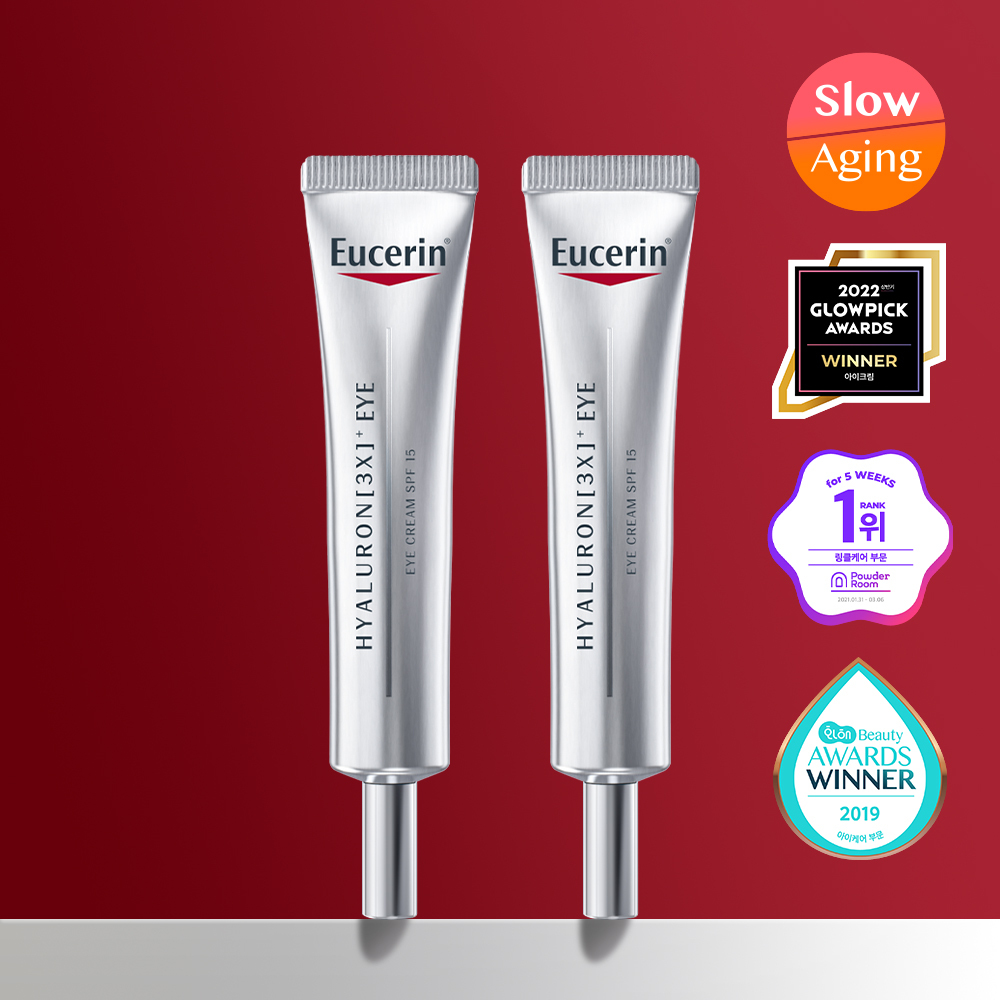
Hyaluron Eye Cream Double Pack
Eucerin
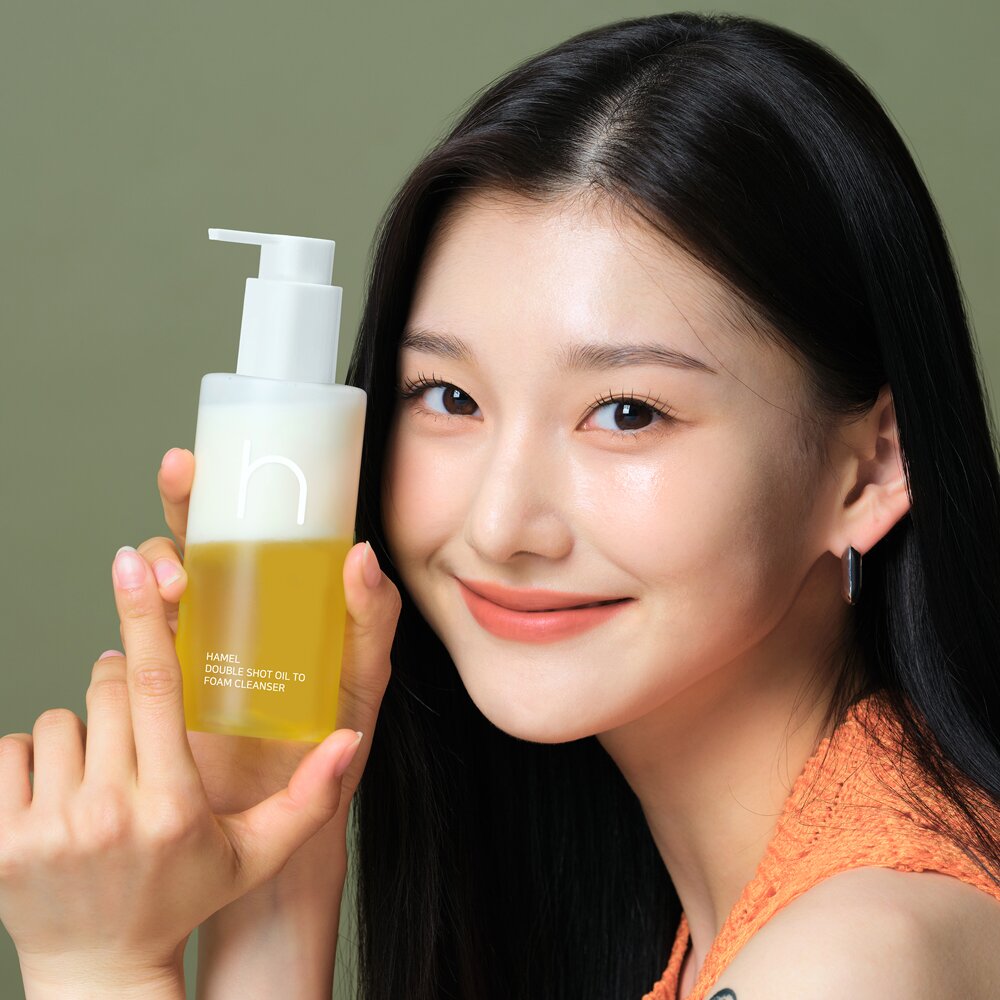
Double Shot Oil To Foam Cleanser
Banila Co
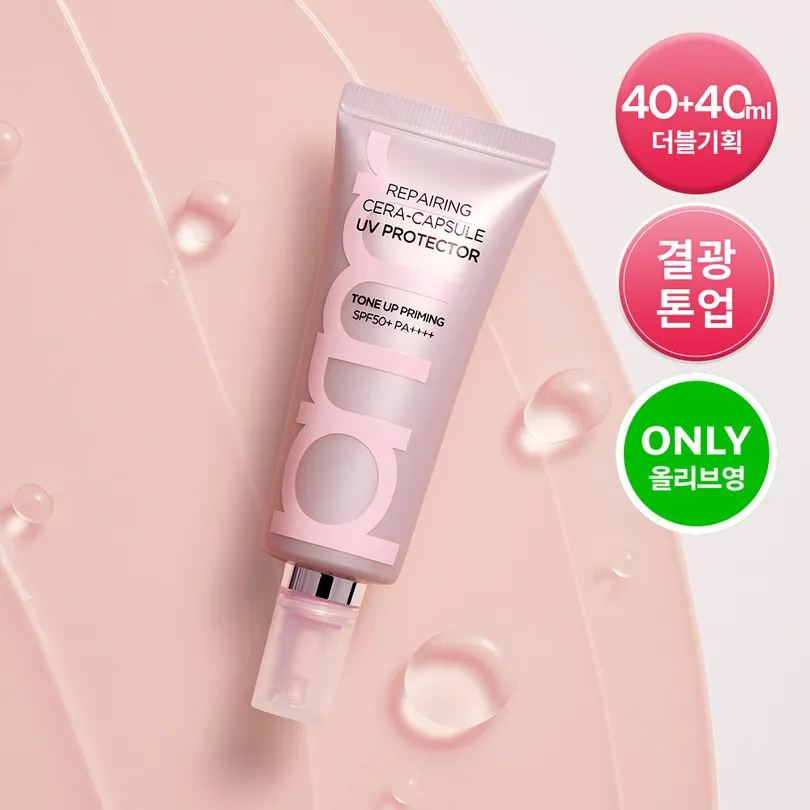
Repairing Cera-Capsule UV Protector Tone Up Priming Double Pack
Primera
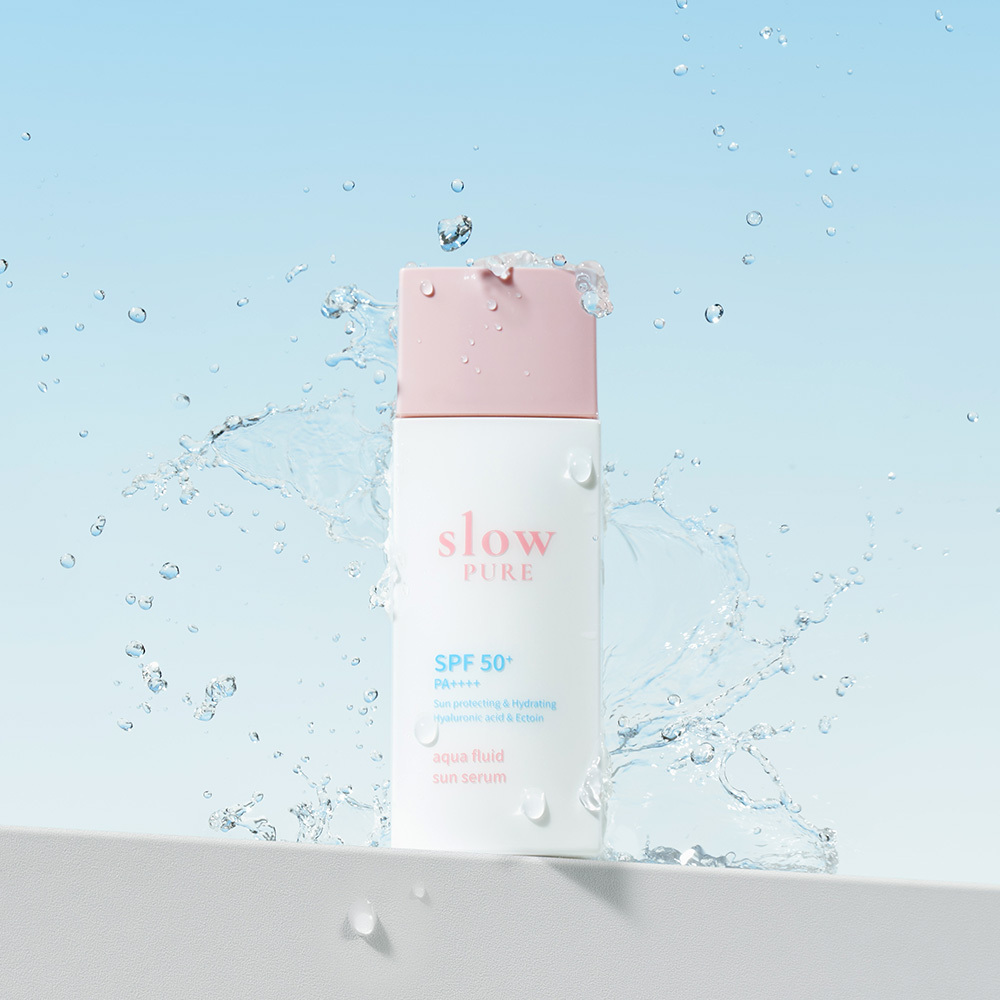
Slowpure Aqua Fluid Sun Serum
Anua
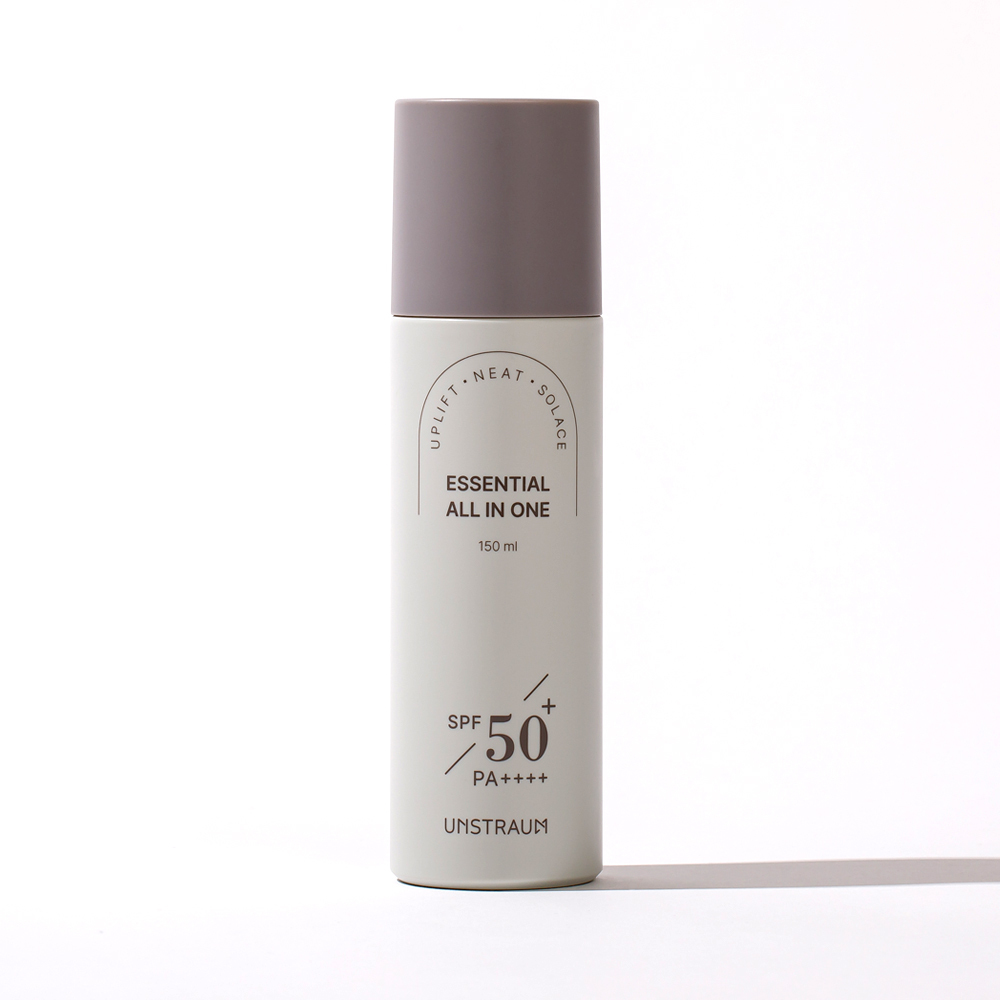
Essential All In One
BOHO
Frequently Asked Questions
Is Uvinul A Plus reef-safe?▼
Can I use Uvinul A Plus sunscreens if I'm pregnant?▼
Why do some sunscreens with this ingredient still leave a white cast?▼
How does Uvinul A Plus compare to newer filters like Tinosorb M?▼
Will products with Uvinul A Plus protect against blue light from screens?▼
Articles About Uvinul A Plus
Beauty of Joseon Aqua Fresh Sunscreen: Full Review
Beauty of Joseon's Aqua Fresh sunscreen has become a staple recommendation across K-beauty communities. But does it actually deliver on its promises, and is it right for your skin type? We break down the full ingredient list, UV protection, and who should (and shouldn't) reach for this one.
Best Korean Skincare for Dry Skin With Pigmentation: A Routine That Treats Both
Treating pigmentation when your skin is dry feels like a catch-22. Most brightening actives are harsh, and most hydrating routines ignore dark spots entirely. Here's how to build a K-beauty routine that does both without compromise.
Best Japanese & Korean Sunscreens You Can Buy in the US (2026) Without Getting Ripped Off
Asian sunscreens feel like a completely different product category compared to Western ones, but buying them in the US often means paying 2-3x the original price. Here's how to find the best Japanese and Korean sunscreens without getting ripped off or ending up with a counterfeit.
Explore More
Want personalized ingredient advice?
Yuri, our AI beauty advisor, can tell you how Uvinul A Plus works with your specific skin type, routine, and concerns.
Ask Yuri, free