MSM (Methylsulfonylmethane)
INCI: Dimethyl Sulfone
Anti-inflammatory and skin conditioning agent
About MSM (Methylsulfonylmethane)
MSM (Methylsulfonylmethane), listed on ingredient labels as Dimethyl Sulfone, is an organic sulfur compound that has become a quietly powerful player in K-beauty formulations. While sulfur might sound harsh, MSM is actually one of the gentler ways to deliver this essential mineral to your skin. It works as both an anti-inflammatory agent and a skin conditioning ingredient, making it valuable for calming irritation while improving overall skin texture. In K-beauty, MSM is particularly popular in hydrating toners and serums where it supports barrier function without adding weight or greasiness. Its non-comedogenic profile (0/5 rating) means it won't clog pores, which explains why brands like Anua and Dear, Klairs include it in their bestselling hydrating products that consistently earn near-perfect ratings. The ingredient's sulfur content is key to its benefits, as sulfur plays a role in collagen production and helps maintain the skin's structural integrity. Unlike more aggressive sulfur treatments used for acne, MSM provides these benefits in a form that's suitable for sensitive skin types, with a solid safety rating of 4/5. Its presence in 27 products across Seoul Sister's database reflects its growing recognition as a multitasking ingredient that addresses inflammation, hydration, and skin resilience simultaneously.
How MSM (Methylsulfonylmethane) Works
MSM delivers bioavailable sulfur to skin cells, where it supports the synthesis of collagen and keratin, two structural proteins essential for firm, healthy skin. At the cellular level, sulfur from MSM helps form disulfide bonds that stabilize these protein structures, literally holding your skin's architecture together. The anti-inflammatory action comes from MSM's ability to modulate inflammatory pathways and reduce the production of pro-inflammatory cytokines, the signaling molecules that trigger redness and irritation. This makes it particularly effective for calming reactive skin without suppressing the immune response entirely. MSM also appears to enhance the permeability of cell membranes, which helps other beneficial ingredients penetrate more effectively while allowing metabolic waste to exit cells more efficiently. Additionally, it functions as a mild keratolytic agent, gently encouraging cell turnover without the irritation associated with stronger exfoliants. The skin conditioning effects come from MSM's ability to support the skin's natural moisture retention mechanisms and strengthen the lipid barrier, reducing transepidermal water loss and improving overall hydration levels.
MSM (Methylsulfonylmethane) by Skin Type
Oily Skin
MSM is excellent for oily skin because it addresses inflammation (a common trigger for excess sebum production) while its 0/5 comedogenic rating ensures it won't contribute to clogged pores. The gentle exfoliating action helps prevent congestion without stripping skin, and its lightweight nature means it layers well under other products without adding greasiness.
Dry Skin
Dry skin benefits significantly from MSM's barrier-strengthening properties and ability to reduce transepidermal water loss. The sulfur content supports collagen synthesis, which helps maintain skin elasticity and resilience, while the anti-inflammatory action soothes the irritation that often accompanies dryness. You'll find it in highly-rated hydrating toners like Anua's Hyper Hyal Plumping Toner (5.0/5) for exactly this reason.
Combo Skin
MSM is ideal for combination skin because it addresses multiple concerns without overloading any area. It hydrates dry zones while keeping oily areas clear thanks to its non-comedogenic profile. The anti-inflammatory benefits help balance reactive T-zones, and it works seamlessly in the lightweight, layerable formulations that combination skin typically prefers.
Sensitive Skin
Sensitive skin types can typically tolerate MSM well despite its sulfur content. The anti-inflammatory action actively calms irritation and redness, while the gentle nature of the compound (reflected in its presence in unscented formulas like Dear, Klairs' Supple Preparation Unscented Toner) makes it suitable for reactive skin. However, as with any ingredient, patch testing is recommended.
Normal Skin
Normal skin maintains its balanced state beautifully with MSM, as the ingredient supports all the functions healthy skin naturally performs well. It provides preventative anti-aging benefits through collagen support, maintains optimal hydration, and offers protective anti-inflammatory effects without disrupting skin's existing equilibrium.
How to Use MSM (Methylsulfonylmethane)
- 1Layer MSM-containing toners or serums immediately after cleansing on damp skin to maximize absorption and hydration benefits.
- 2MSM can enhance the penetration of other active ingredients, so consider using it in earlier steps of your routine before targeted treatments like vitamin C or niacinamide.
- 3Products with MSM work well both morning and night, but pairing them with sunscreen during the day maximizes the anti-inflammatory and barrier-protective benefits.
- 4If you're introducing MSM to address specific inflammation or redness, give it at least 4-6 weeks of consistent use to see noticeable improvement in skin reactivity.
- 5MSM pairs particularly well with hyaluronic acid (as seen in Anua's Hyper Hyal line), as the combination addresses both inflammation and hydration comprehensively.
Background
MSM is a naturally occurring sulfur compound found in small amounts in plants, animals, and humans, and it appears in foods like cow's milk, coffee, and certain vegetables. It was first identified in the 1960s during research into the therapeutic applications of DMSO (dimethyl sulfoxide), a related compound. Scientists discovered that DMSO metabolizes into MSM in the body, and MSM offered many of the benefits without some of DMSO's drawbacks, like its distinctive odor. Initially popular as a dietary supplement for joint health due to sulfur's role in connective tissue, MSM gradually made its way into topical skincare as researchers recognized its anti-inflammatory and skin-conditioning properties. K-beauty brands began incorporating it as the industry's focus shifted toward barrier-supporting, anti-inflammatory ingredients in the mid-2010s. Korean formulators particularly appreciated MSM's ability to deliver sulfur's benefits in a gentle, non-irritating form suitable for the multi-step routines and sensitive skin concerns common among their target consumers.
K-Beauty Products with MSM (Methylsulfonylmethane)
View all 36 →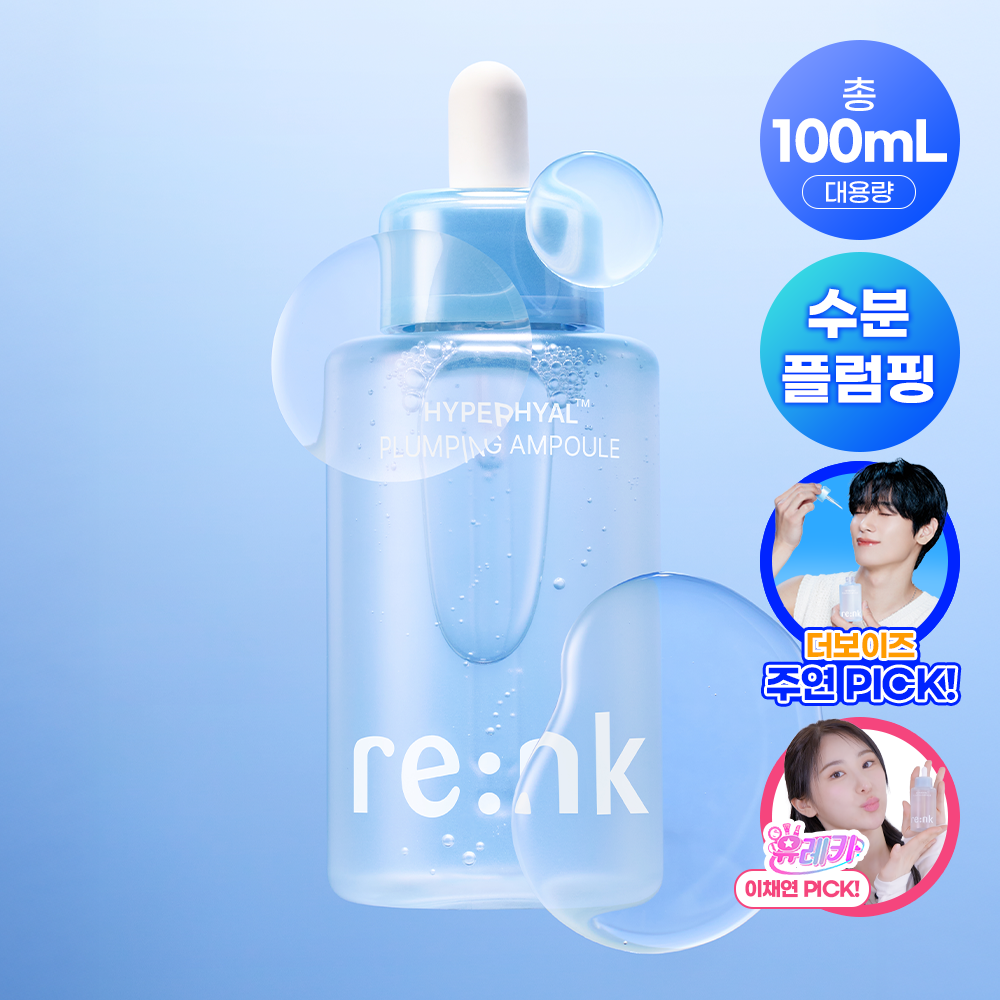
Hyper Hyal Plumping Ampoule
Anua
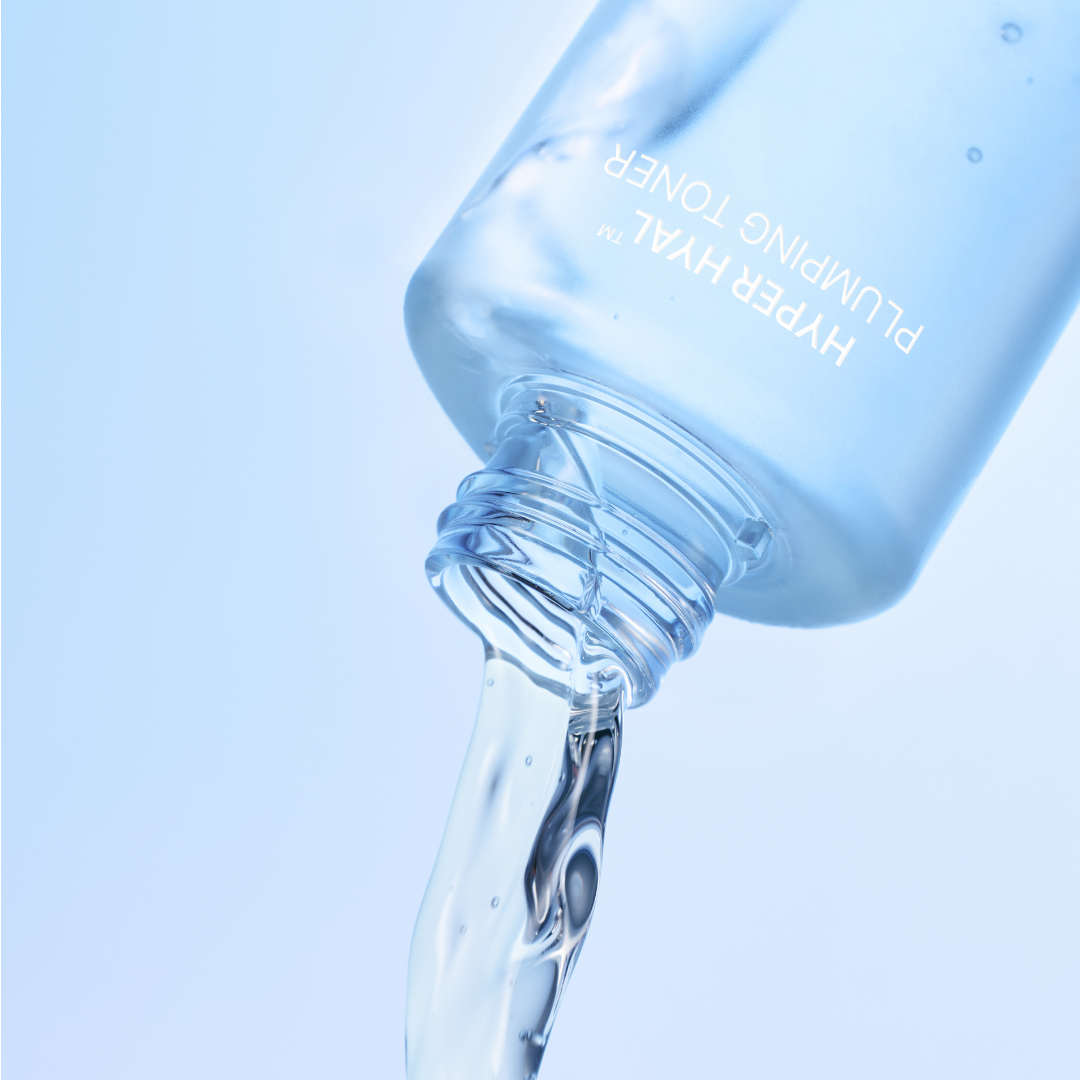
Hyper Hyal Plumping Toner
Anua
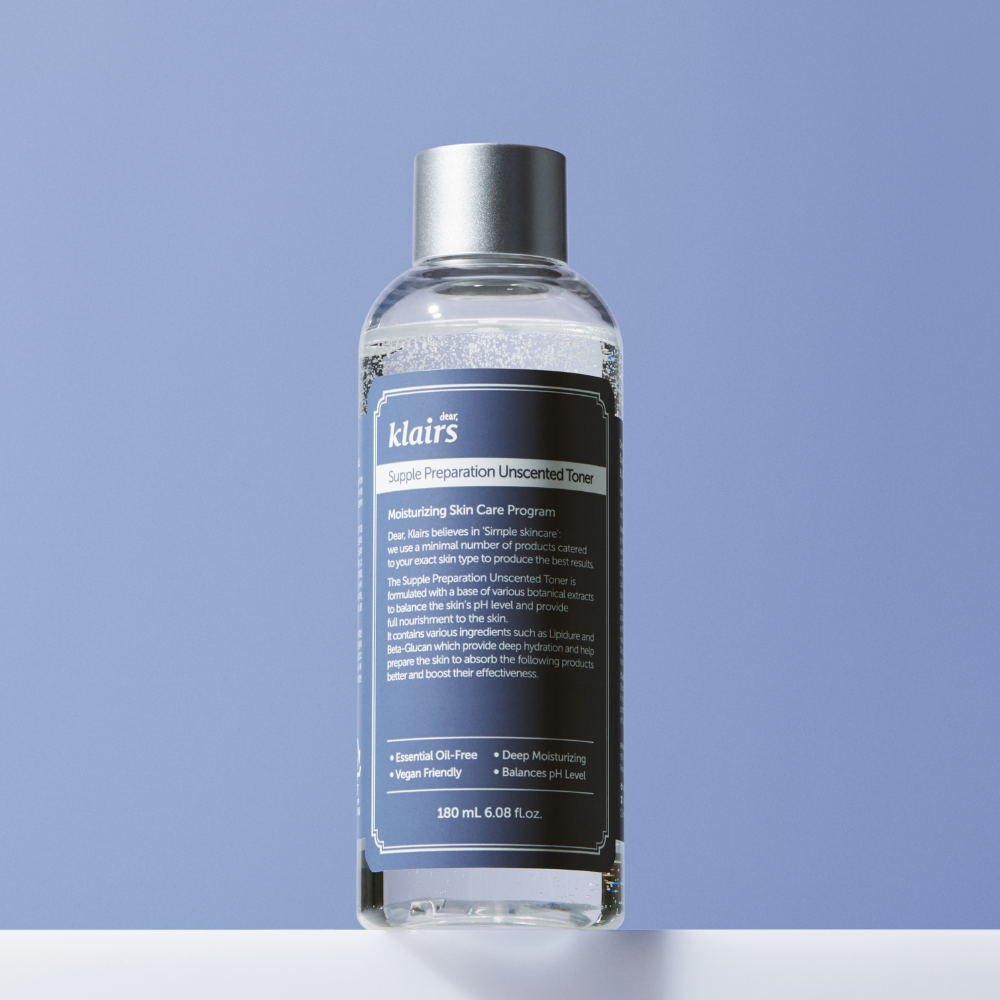
Supple Preparation Unscented Toner
Dear, Klairs
Supple Preparation Facial Toner
Dear, Klairs
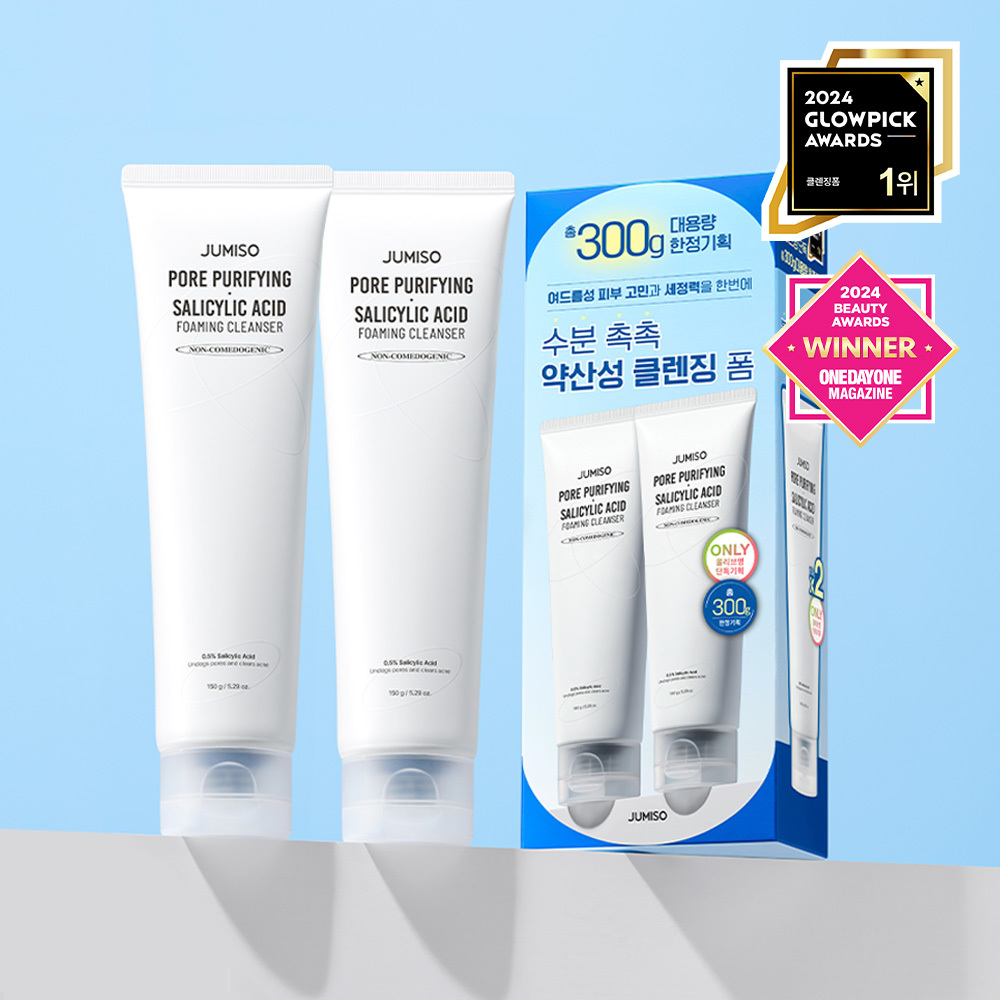
Pore Purifying Salicylic Acid Foaming Cleanser 120g Double Set
Jumiso
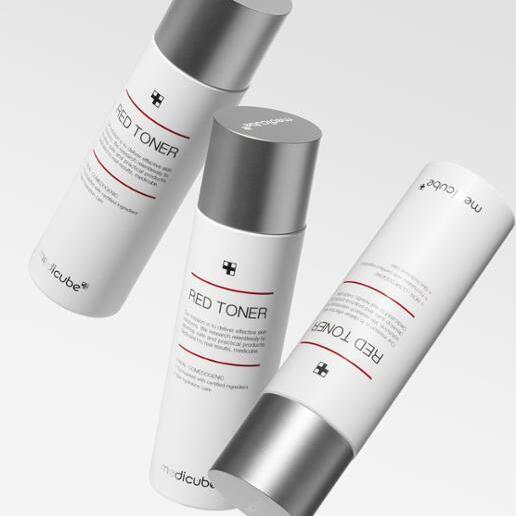
Red Toner 2.0
Medicube
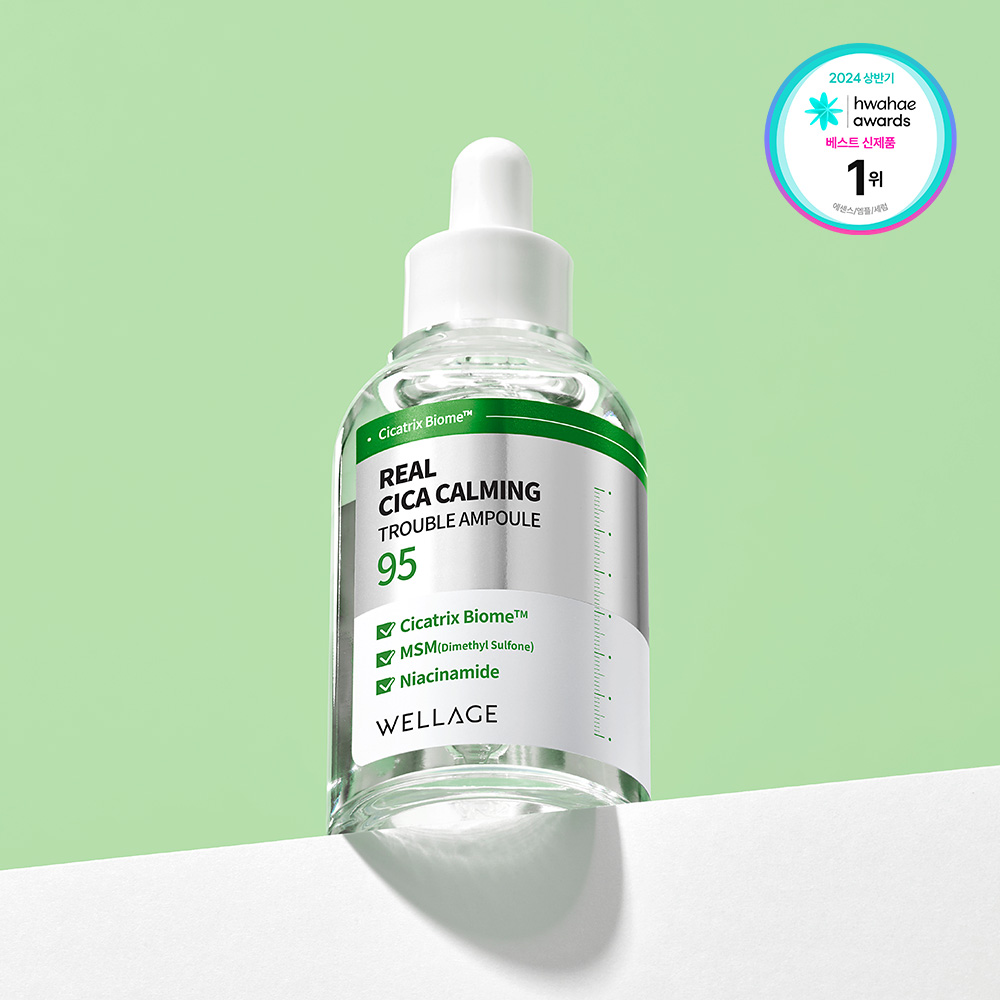
Real Cica Calming 95 Trouble Ampoule
Wellage
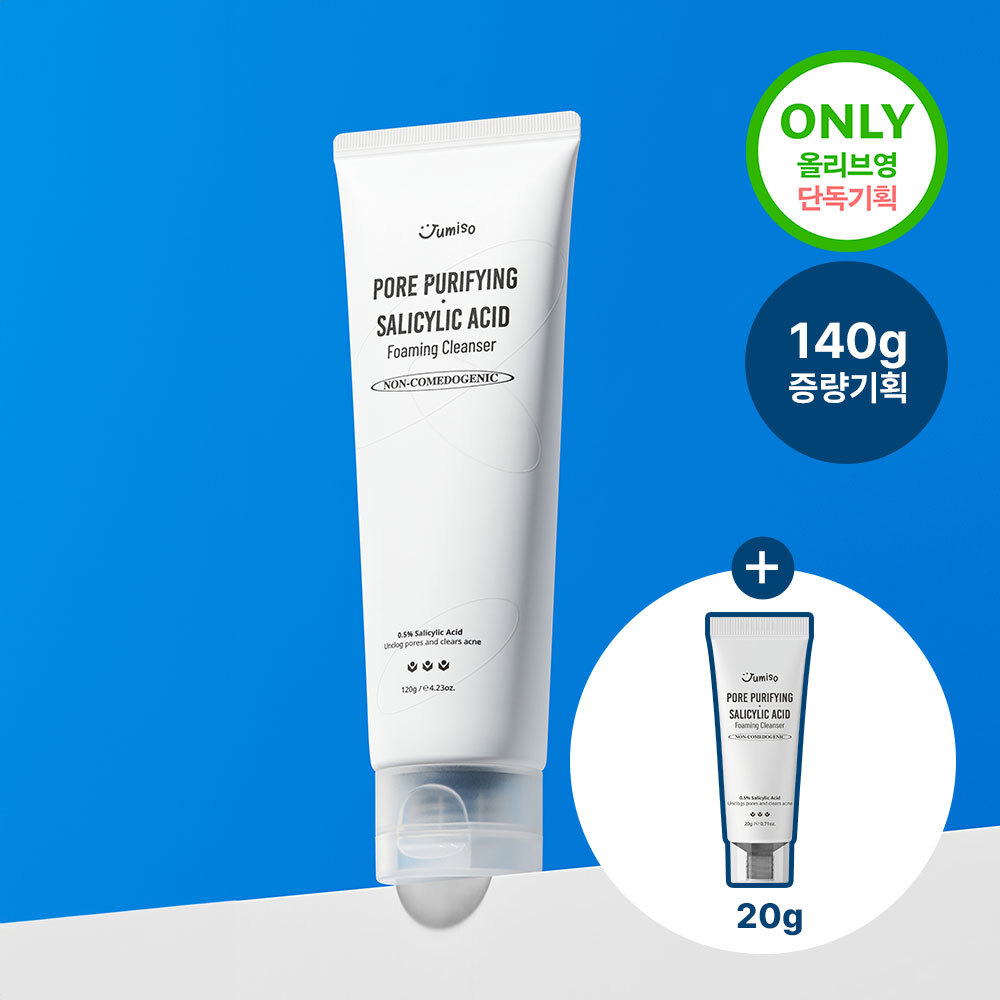
Pore Purifying Salicylic Acid Foaming Cleanser
Jumiso
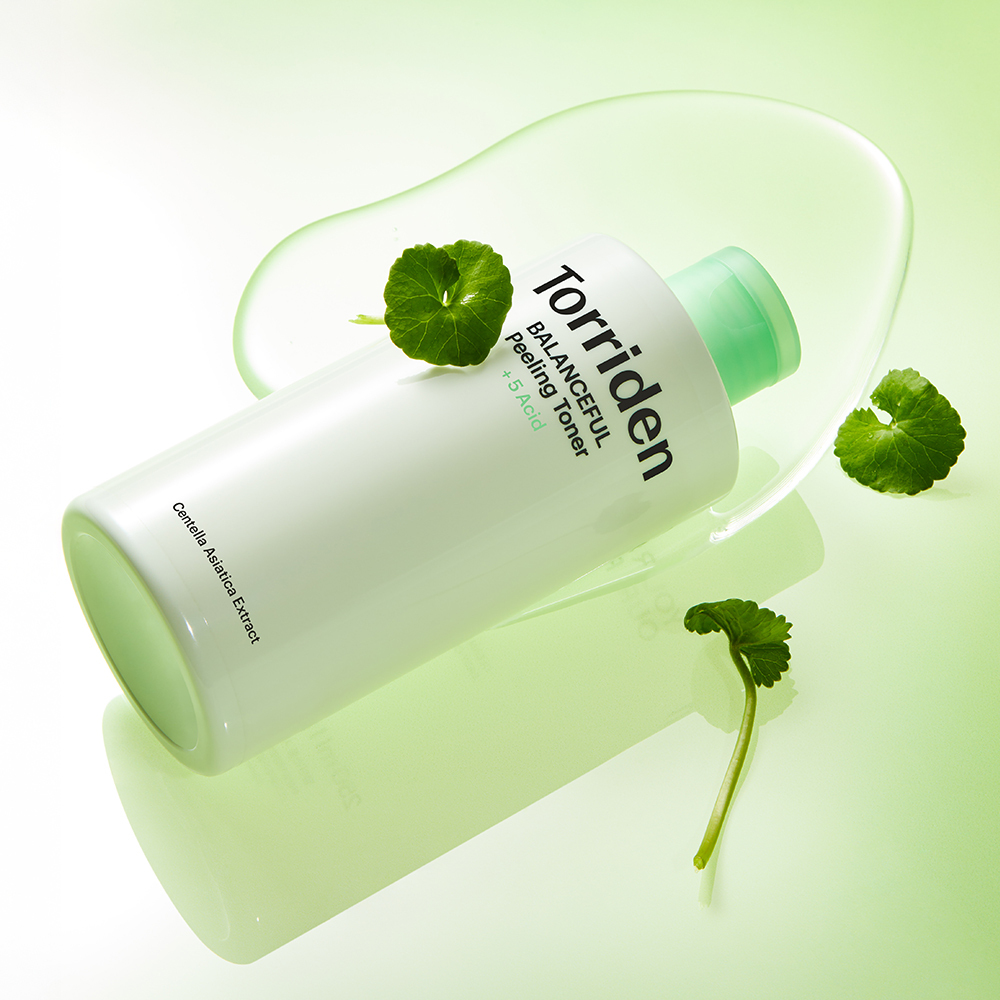
Balanceful Peeling Toner
Torriden
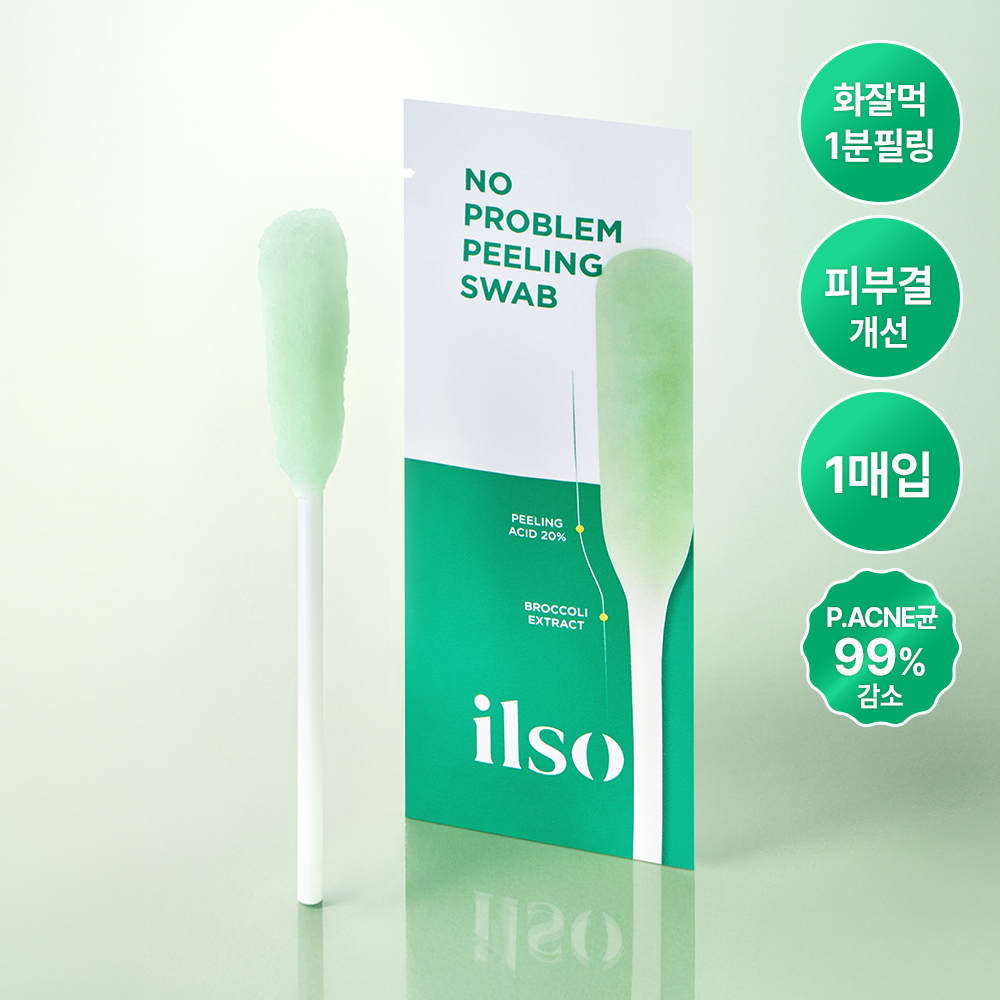
No Problem Peeling Swab
Ilso
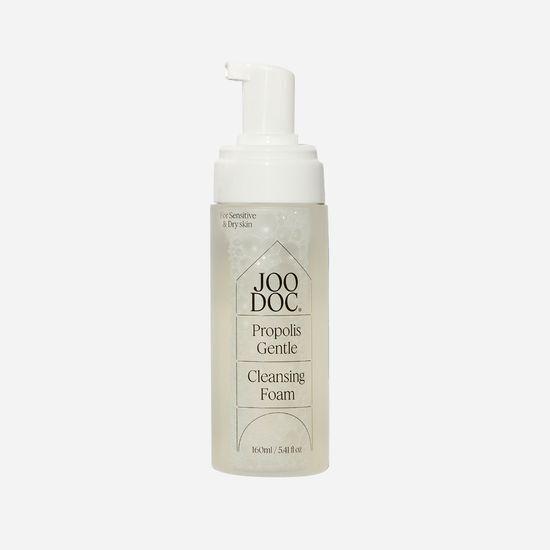
Propolis Gentle Cleansing Foam
Beplain
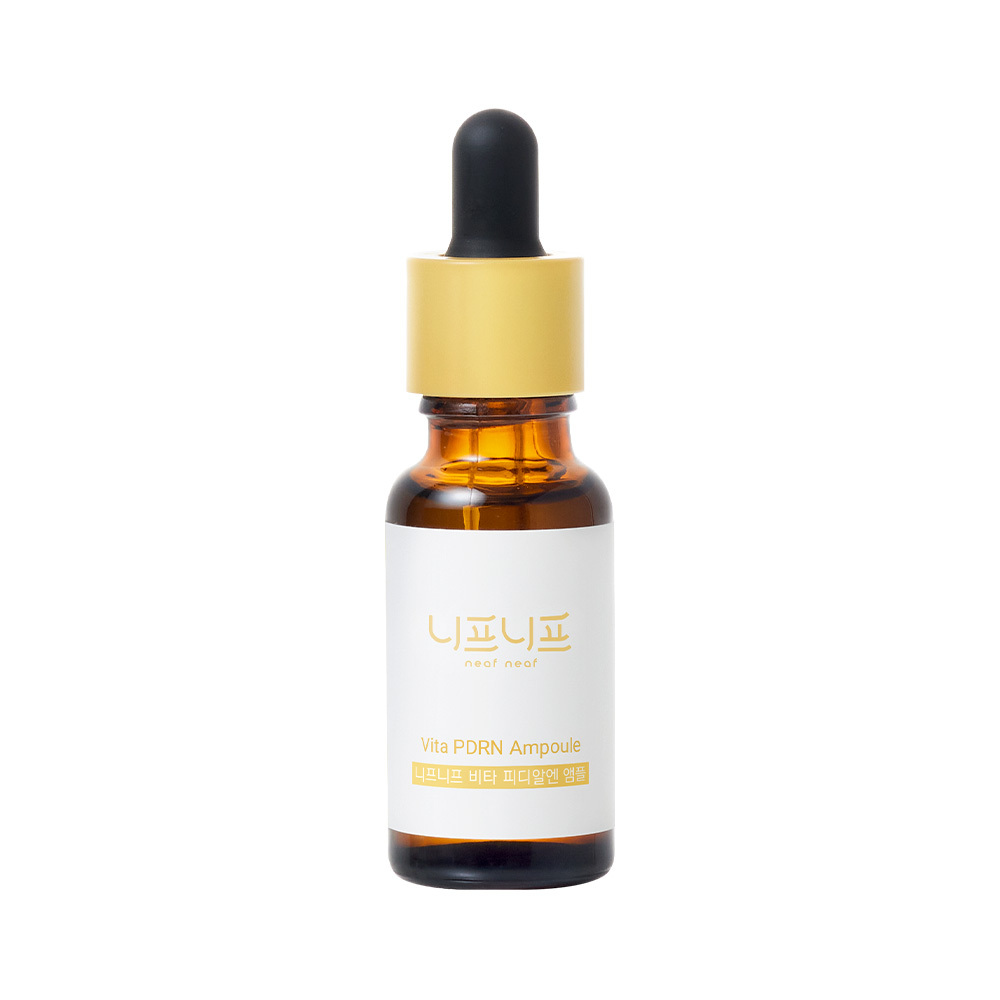
Vita PDRN Ampoule
Anua
Frequently Asked Questions
Is MSM the same as sulfur treatments for acne?▼
Can MSM help with anti-aging?▼
Why do top-rated hydrating products like Anua's Hyper Hyal line include MSM?▼
Does MSM have any smell or irritation concerns?▼
How long does it take to see results from MSM?▼
Articles About MSM (Methylsulfonylmethane)
Explore More
Want personalized ingredient advice?
Yuri, our AI beauty advisor, can tell you how MSM (Methylsulfonylmethane) works with your specific skin type, routine, and concerns.
Ask Yuri, free