K-Beauty Toners: The Ones Actually Worth Your Money
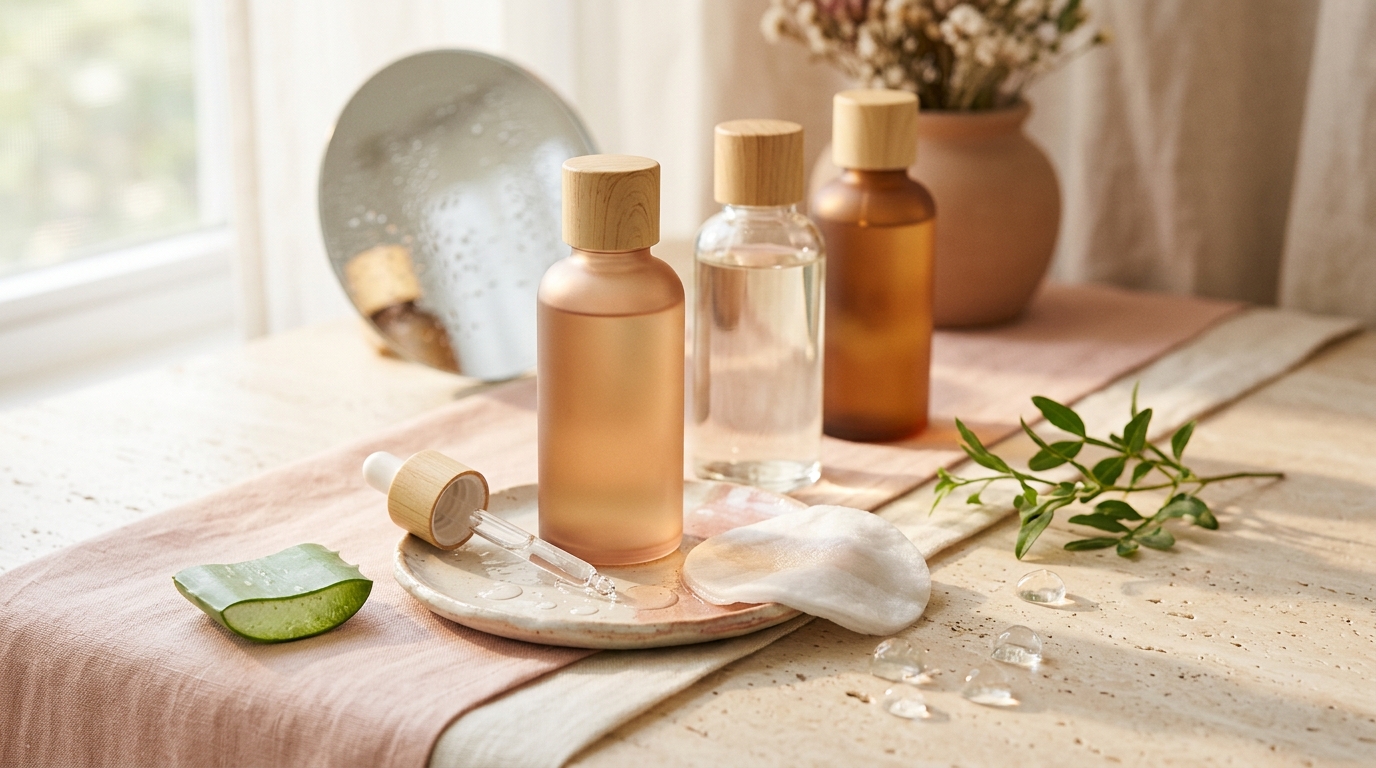
If you're a toner girlie, you already know they're not all created equal. Let's break down what separates a genuinely good hydrating toner from a fancy bottle of irritation, and which ones I'd actually keep on my shelf.
That tight, squeaky-clean feeling isn't clean, it's your barrier crying?
A genuinely good K-beauty toner hydrates and preps your skin without stripping it, that means no drying alcohol high in the ingredient list, no fragrance if you're sensitive, and humectants like sodium hyaluronate or beta-glucan doing the actual work. The Klairs Supple Preparation Unscented Toner is the one I'd hand a toner obsessive who wants something foolproof. Below, I'll explain why most toners disappoint and how to spot the keepers.
The Situation You're In
Okay, fellow toner addict, I see you. You've got a little shelf situation happening, you reach for that satisfying pat-pat-pat step every single morning. It's one of the most enjoyable parts of skincare. But. I bet you've noticed: some of your toners feel amazing and some... Just feel like expensive water. Or worse, some leave your face feeling tight and squeaky in a way that you've been told is "clean" but actually means stripped.
You're not collecting toners because you're impractical. You collect them because they're the easiest, most pleasant way to layer hydration. The problem is the toner category is wildly inconsistent. The word "toner" covers everything from harsh astringents your aunt used in 1995 to silky hydration boosters that are basically essences. So let's sort out which is which.
Why Most Toners Disappoint (Even Pretty Ones)
Here's what's really going on under the hood. The original Western idea of a "toner" was an astringent, something to remove leftover cleanser residue and "tighten pores," usually loaded with denatured alcohol. That's why so many drugstore toners leave your skin feeling tight. That tight feeling isn't clean, it's your barrier crying.
Korean toners flipped the whole concept. In K-beauty, the toner step is about preparing and hydrating damp skin so everything you layer afterward absorbs better, that's literally why a lot of them are called "preparation" toners or "skin softeners." The active ingredients matter way more than the marketing. A toner with hyaluronic acid, panthenol, or beta-glucan near the top is doing real hydration work. A toner whose second or third ingredient is alcohol denat is just fancy evaporation.
The other quiet culprit: fragrance and essential oils. They make a toner smell luxurious and feel spa-like, but for reactive or sensitive skin they're one of the most common irritation triggers. A lot of people think their skin is "purging" or "adjusting" when really it's just mad at the fragrance. Ugh, I know, wasting money on a product that low-key irritates you is the worst feeling, especially when you genuinely love using it.
What Actually Works: How to Pick a Toner You'll Love
Start with the "boring" hydrating toner, it's the workhorse
If you want one toner that earns its spot, the Klairs Supple Preparation Unscented Toner is a safe, forgiving choice, and worth decoding because the formula explains what "good hydrating toner" actually means: it leads with water and butylene glycol (lightweight hydration), then betaine and dimethyl sulfone for added moisture, beta-glucan for that plump-but-not-sticky feel, and centella asiatica plus licorice root to calm redness, with sodium hyaluronate deeper in the list to bind moisture. No fragrance, no essential oils, no alcohol, no drama. This is the "unscented" version specifically, which is the one I'd point sensitive-skin folks to.
It's also a perfect base layer if you're a toner layerer, pat on two or three thin layers on damp skin and you've got a hydration foundation that makes your serum and moisturizer work harder.
Match the toner type to your actual goal
Not every toner should be a hydrator, and this is where collectors get the most value. Think in categories:
- Hydrating/prep toners (humectant-heavy, like the Klairs), daily base layer for everyone.
- Exfoliating toners with salicylic acid or AHAs, for texture and clogged pores, but 2–3x a week max, not daily.
- Soothing toners built around centella asiatica or niacinamide, when your barrier is flaring.
The mistake I see is people stacking three exfoliating toners because they all sound "active" and then wondering why their skin is suddenly raw. You want one active toner and the rest as hydration or soothing. Browse the full lineup on the toners category page if you want to see how they sort out by type.
Read the order of ingredients, not the front of the bottle
Here's the cheat code: ingredients are listed by concentration. If alcohol denat or "alcohol" shows up in the first five ingredients and your skin runs dry or sensitive, skip it. If you see niacinamide, panthenol, or hyaluronic acid up high, that's a toner pulling its weight. You can look up any ingredient's actual function on the ingredient encyclopedia so you're not just trusting marketing copy.
And don't get distracted by a long list of botanical extracts at the very bottom, if they're listed after the preservatives, they're present in trace "fairy dust" amounts and mostly there for the label.
Don't waste your good toner by applying it wrong
This is the part nobody tells toner lovers: humectant toners (hyaluronic acid, glycerin, beta-glucan) work by pulling water into your skin, so they need water to grab onto. Apply them to skin that's still slightly damp from cleansing, like after the Illiyoon Ceramide Ato Foam Cleanser or, if you wore sunscreen that day, after you've properly removed it with the Bioderma Sensibio H2O micellar water. Then seal everything with moisturizer within a minute or so. On bone-dry skin in a dry room, a pure humectant can actually pull moisture out, which is the opposite of the point.
If you want a personalized "does this toner fit my routine" gut-check, you can ask Yuri for free right here on this page, and she'll flag if something conflicts with whatever else you've got going on.
Key Takeaways
- "Toner" means very different things, K-beauty toners hydrate and prep, old-school Western ones strip. Read the formula, not the name.
- Alcohol denat high in the list = tight, dry skin. Humectants like hyaluronic acid, beta-glucan, and panthenol high up = real hydration.
- The Klairs Supple Preparation Unscented Toner is a safe, forgiving pick for sensitive skin and layering. If you want the option with the most verified reviews behind it in our catalog, the Isntree Hyaluronic Acid Toner Plus (about $20, roughly 8,400 reviews) does the same hydrating job.
- Keep only ONE active/exfoliating toner in rotation, the rest should be hydrating or soothing.
- Apply humectant toners to damp skin and seal fast, or you're wasting them.
Frequently Asked Questions
Do I really need a toner in my routine?
It's not mandatory, your skin won't fall apart without one. But a good hydrating toner makes everything you layer after it absorb and perform better, and if you genuinely enjoy the step, that consistency is worth a lot. The key is picking a hydrating prep toner, not a stripping astringent.
How many toners is too many to own?
There's no hard limit if you're rotating thoughtfully, but functionally you want one hydrating daily toner, maybe one soothing toner for flare-ups, and at most one active/exfoliating toner used a couple times a week. The trouble starts when you're layering multiple actives at once without realizing it.
Can I layer two different toners?
Yes, and toner layering (the "7-skin method" being the extreme version) is a real K-beauty technique. Just keep the layers thin, use the same hydrating toner or compatible ones, and don't stack two exfoliating toners, that's a fast track to a wrecked barrier.
Is alcohol in toner always bad?
Not always, fatty alcohols like cetyl or stearyl alcohol are actually moisturizing and totally fine. The one to watch is drying alcohol, listed as alcohol denat, ethanol, or SD alcohol, especially in the first few ingredients. Some skin tolerates it fine; dry and sensitive skin usually doesn't.
What's the difference between a toner and an essence?
The line is genuinely blurry in K-beauty, and a lot of hydrating toners overlap with essences. Generally toners are slightly thinner and come first to prep, while essences are a touch more concentrated with active ingredients. Plenty of products straddle both categories.
The Bottom Line
If you love toners, lean into it, it's one of the most genuinely useful habits in skincare as long as you're choosing hydrating, well-formulated ones instead of stripping astringents in pretty packaging. Get one solid daily hydrator like the Klairs Supple Preparation locked in, add a soothing or active toner only if you have a specific reason, and always check that ingredient order before you buy.
If you want to go deeper, every ingredient above has a full breakdown on the ingredient pages, and you can compare formulas across the whole toners lineup for free. And if you're staring at your shelf wondering whether two of your toners actually fit together, or whether the "hydrating" one you already own is quietly an astringent, ask Yuri on this page before you add anything new. She's free, needs no account, and she can read your actual lineup rather than a generic one.