Licorice Root Extract (Dipotassium Salt)
INCI: Dipotassium Glycyrrhizate
Anti-inflammatory and skin-soothing agent
About Licorice Root Extract (Dipotassium Salt)
Dipotassium glycyrrhizate is the potassium salt derivative of glycyrrhizic acid, a powerful bioactive compound extracted from licorice root (Glycyrrhiza glabra). This ingredient has become a cornerstone in K-beauty formulations for its exceptional anti-inflammatory and skin-soothing properties. Unlike its parent compound glycyrrhizic acid, the dipotassium salt form offers superior water solubility and stability, making it easier for formulators to incorporate into various product types, from lightweight serums to rich creams. Korean skincare brands value this ingredient for its ability to calm irritation, reduce redness, and support the skin barrier without clogging pores or causing sensitivity. With an impressive safety rating of 4/5 and a comedogenic rating of 0/5, dipotassium glycyrrhizate delivers powerful calming benefits without triggering breakouts or irritation. Found in 874 K-beauty products on Seoul Sister, including top-rated formulas like the DW-EGF Vitamin C Boosting Ampoule by Easydew and the Red Acne Succinic Acid Peel by Medicube, this ingredient has proven its versatility across multiple skincare categories. It's particularly valued in acne treatments, where it soothes inflammation without interfering with active ingredients, and in vitamin C formulas, where it helps mitigate potential irritation from potent actives.
How Licorice Root Extract (Dipotassium Salt) Works
Dipotassium glycyrrhizate works by inhibiting the activity of phospholipase A2, an enzyme that triggers the production of inflammatory mediators like prostaglandins and leukotrienes. By blocking this enzyme, it effectively stops the inflammatory cascade at an early stage, preventing redness, swelling, and discomfort before they fully develop. The ingredient also demonstrates cortisol-mimicking properties, though much gentler than actual corticosteroids, by binding to glucocorticoid receptors on skin cells. This action helps regulate the skin's inflammatory response without the side effects associated with steroid use. Additionally, dipotassium glycyrrhizate inhibits reactive oxygen species (ROS) formation, protecting skin cells from oxidative stress that can worsen inflammation and accelerate aging. Its molecular structure allows it to penetrate effectively into the upper layers of skin where inflammation typically occurs, while its water-soluble form ensures even distribution throughout water-based formulations. This makes it particularly effective when paired with other actives that might otherwise cause irritation, as seen in its frequent appearance alongside vitamin C, retinoids, and chemical exfoliants in K-beauty products.
Licorice Root Extract (Dipotassium Salt) by Skin Type
Oily Skin
Dipotassium glycyrrhizate is excellent for oily skin, particularly when dealing with inflammatory acne. Its zero comedogenic rating means it won't clog pores or contribute to breakouts, while its anti-inflammatory action helps calm the redness and swelling associated with active blemishes. Products like the Real Carrotene Acne Foam Cleanser by April Skin leverage this ingredient to soothe irritated, acne-prone skin during the cleansing process.
Dry Skin
For dry skin, this ingredient provides soothing relief without adding heaviness or greasiness. It helps calm inflammation that can result from barrier damage, a common issue in chronically dry skin types. The PDRN Lifting Derma Cream by Mediheal combines dipotassium glycyrrhizate with richer moisturizing ingredients to address both dryness and sensitivity simultaneously.
Combo Skin
Combination skin benefits from dipotassium glycyrrhizate's ability to address multiple concerns without overloading any one area. It soothes inflammation in the T-zone where breakouts may occur while providing gentle care to drier cheek areas. The Barle Yuja Milk In Gel by Makeprem uses this ingredient to balance the needs of different facial zones without causing congestion or dryness.
Sensitive Skin
This ingredient is a sensitive skin superstar, offering powerful calming effects without the risk of irritation or allergic reaction that comes with many other soothing agents. Its gentle anti-inflammatory action makes it ideal for reactive skin that flares up easily. The Red Acne Succinic Acid Peel by Medicube includes dipotassium glycyrrhizate to buffer the potentially irritating effects of chemical exfoliation, making professional-strength peels more tolerable for sensitive types.
Normal Skin
Even normal skin benefits from dipotassium glycyrrhizate as a preventive measure against environmental stressors and occasional irritation. It helps maintain the skin's calm, balanced state and provides insurance against potential reactions when introducing new actives. The DW-EGF Vitamin C Boosting Ampoule by Easydew uses this ingredient to ensure that potent vitamin C delivers results without triggering sensitivity.
How to Use Licorice Root Extract (Dipotassium Salt)
- 1Layer dipotassium glycyrrhizate products before stronger actives like retinoids or high-percentage vitamin C to create a protective buffer that prevents irritation while allowing the actives to work effectively.
- 2Use products containing this ingredient immediately after procedures like chemical peels, microneedling, or extractions to calm post-treatment inflammation and support faster healing.
- 3Apply morning and night for best results, as its anti-inflammatory benefits are cumulative and work best with consistent use rather than spot treatment.
- 4Pair with other barrier-supporting ingredients like ceramides and niacinamide for comprehensive skin health, especially if you're dealing with compromised or reactive skin.
- 5Don't worry about the ingredient's position in the ingredient list, as dipotassium glycyrrhizate is effective even at lower concentrations, typically between 0.1-2%.
Background
Licorice root has been used in traditional Chinese and Korean medicine for over 4,000 years, prized for its ability to harmonize other herbs and reduce inflammation in various conditions. The root contains glycyrrhizic acid, which was first isolated and studied in the early 20th century. Korean skincare scientists later developed dipotassium glycyrrhizate as a more stable, water-soluble derivative that could be easily incorporated into modern cosmetic formulations. This modification made the ingredient's benefits accessible in lightweight, elegant textures that define K-beauty products. The ingredient gained particular prominence in Korean dermatology clinics during the 1990s as an alternative to hydrocortisone for managing inflammatory skin conditions. Its success in clinical settings eventually led to widespread adoption in consumer products, where it became a go-to ingredient for calming sensitive skin and buffering potentially irritating actives. Today, dipotassium glycyrrhizate represents K-beauty's philosophy of using time-tested natural compounds in scientifically optimized forms.
K-Beauty Products with Licorice Root Extract (Dipotassium Salt)
View all 958 →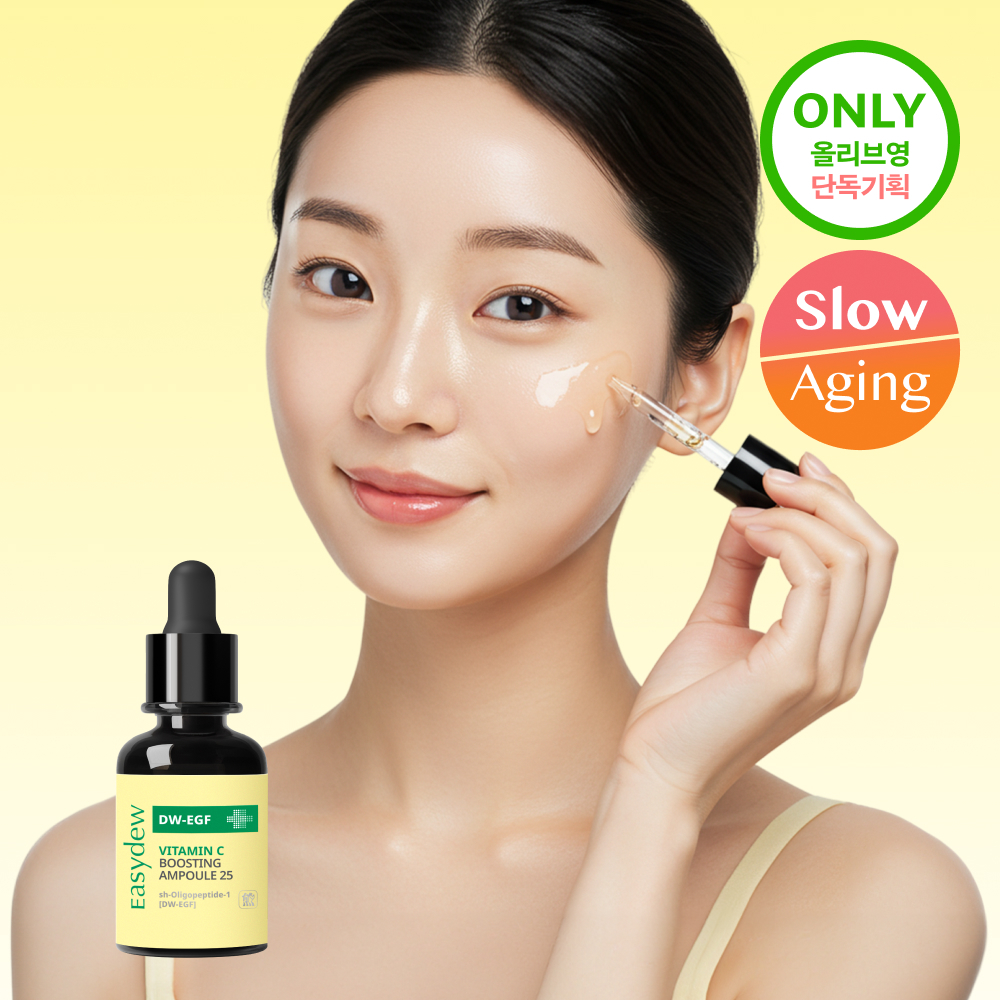
DW-EGF Vitamin C Boosting Ampoule 25
Easydew
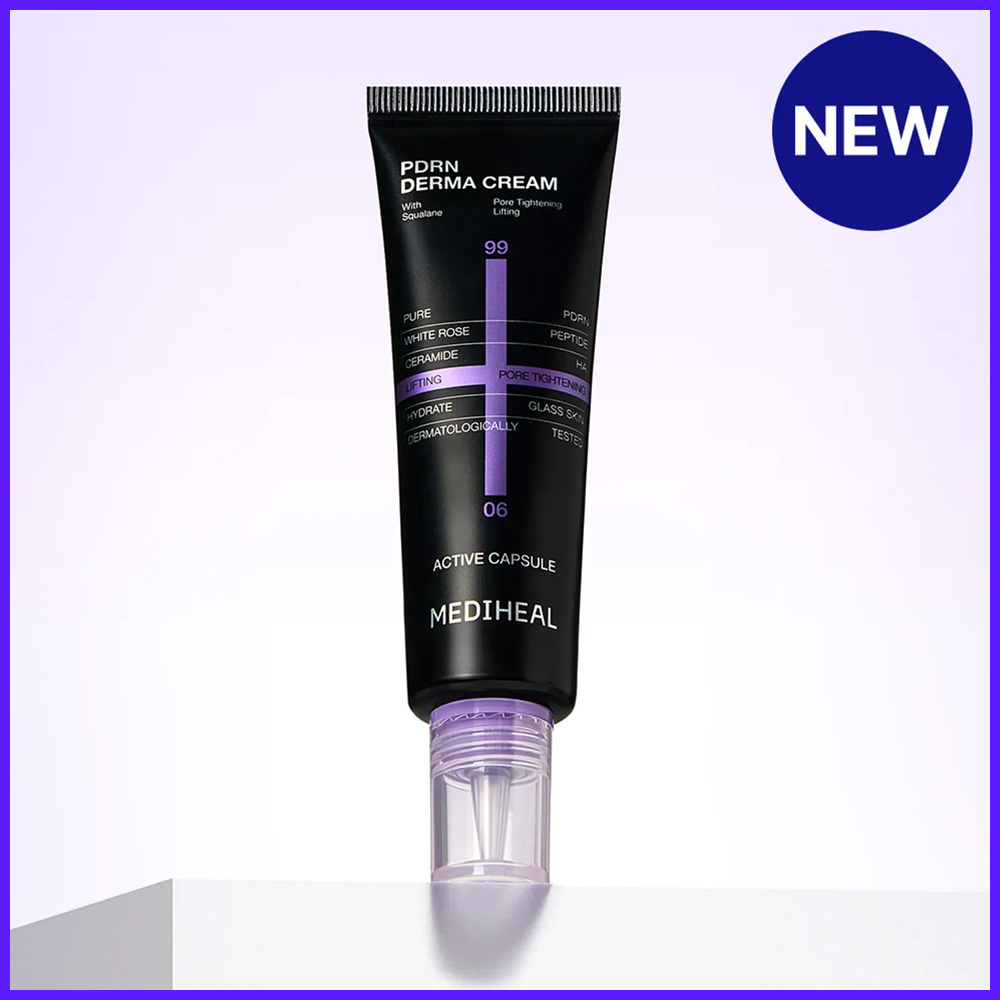
PDRN Lifting Derma Cream
Mediheal
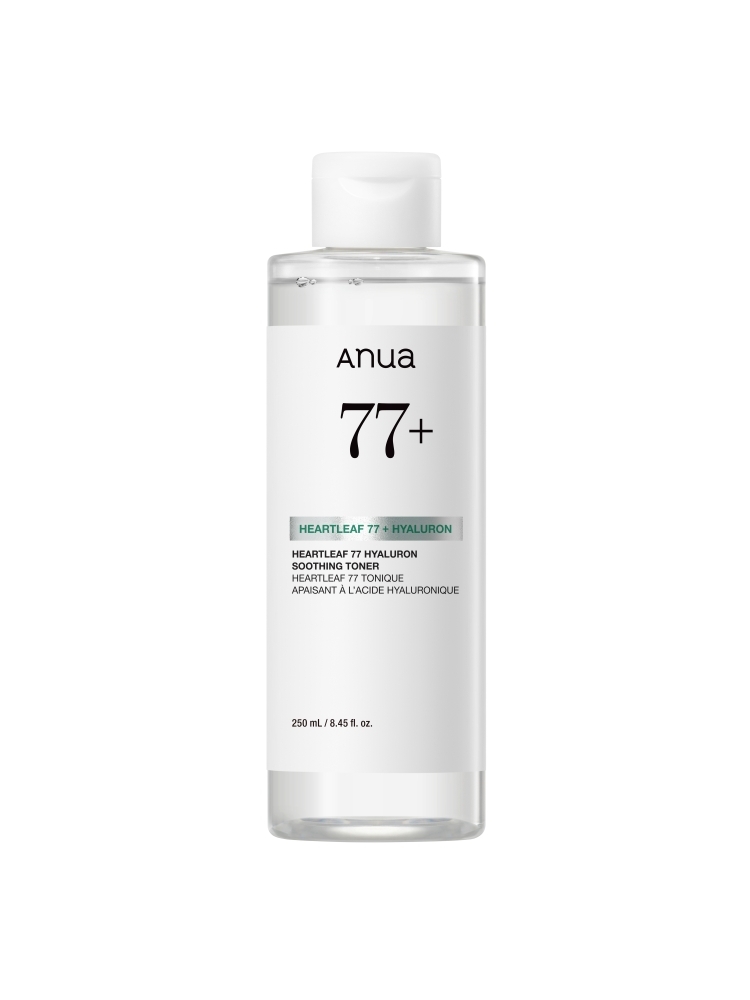
Heartleaf 77 Hyaluron Soothing Toner Double Pack
Anua
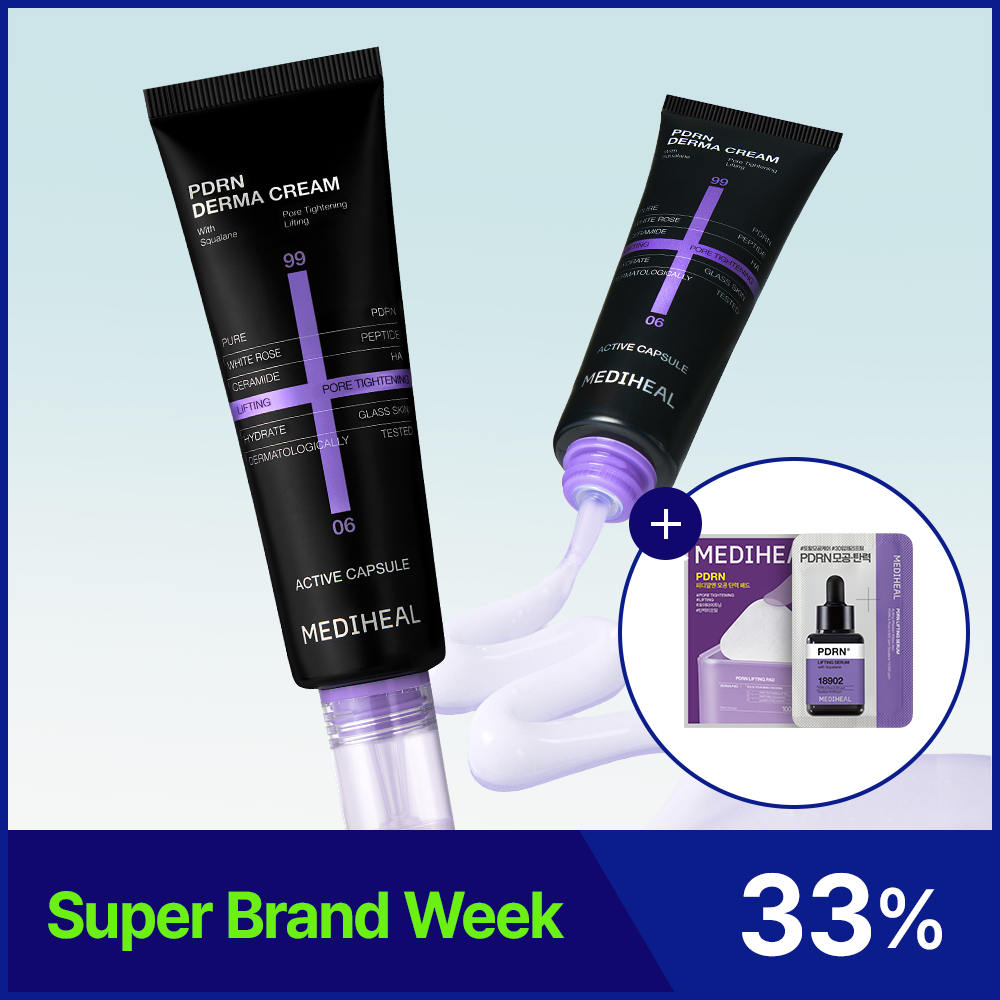
PDRN Cream
Mediheal
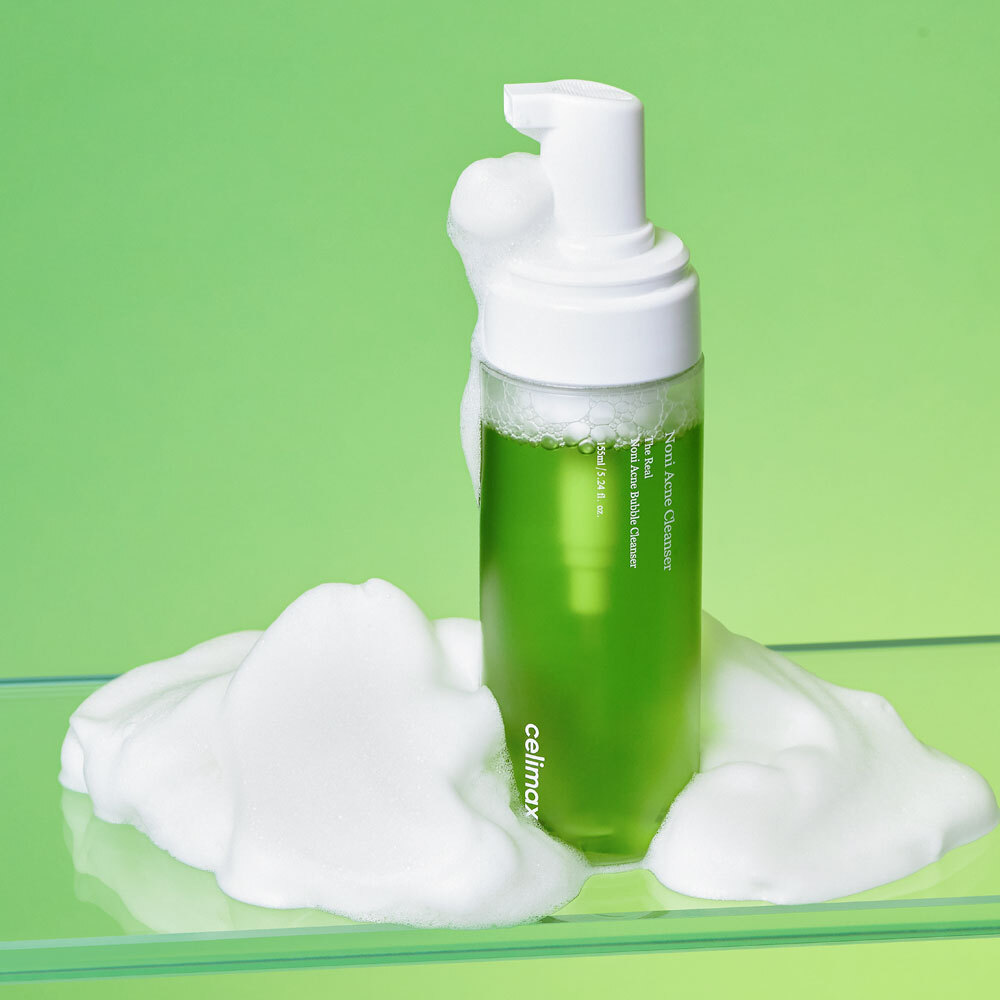
The Real Noni Acne Bubble Cleanser
Celimax
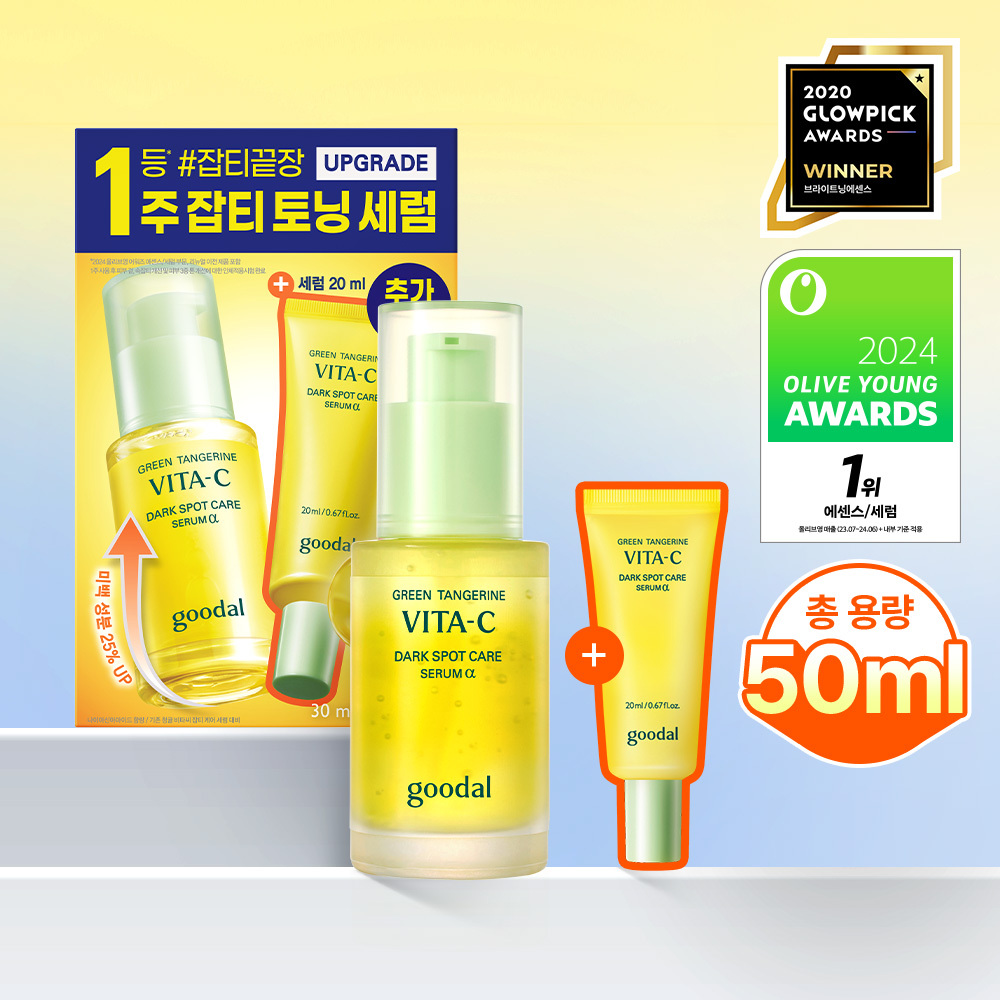
Green Tangerine Vita-C Dark Spot Care Serum α
Goodal
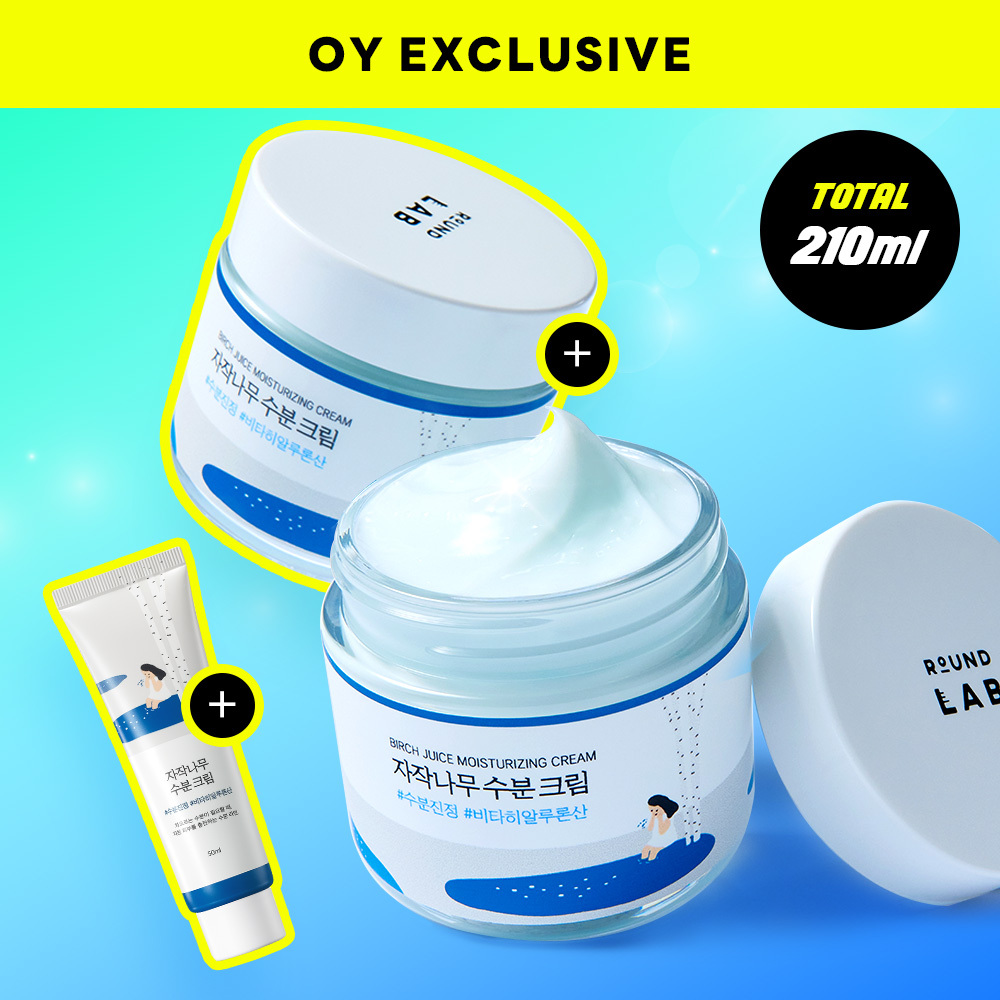
Birch Juice Moisturizing Cream Double Set
Round Lab
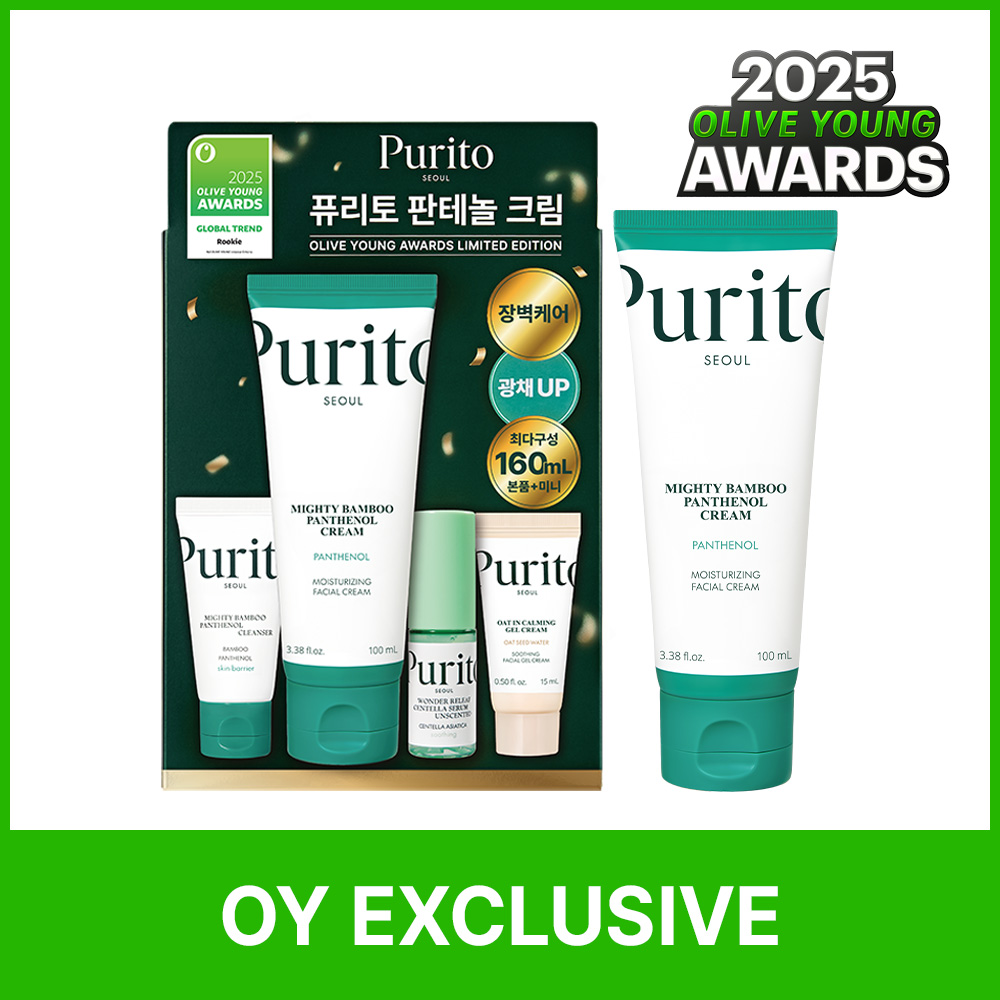
Mighty Bamboo Panthenol Cream
Purito Seoul
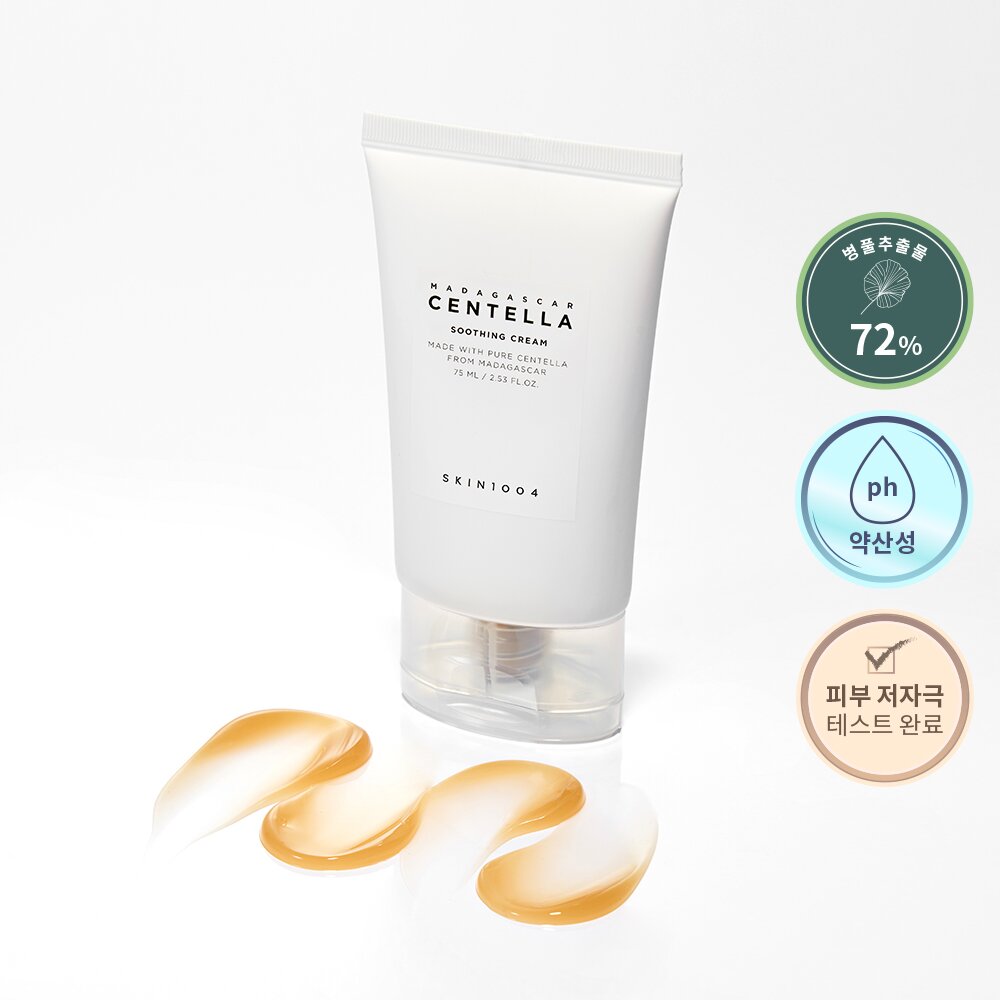
Madagascar Centella Soothing Cream
SKIN1004
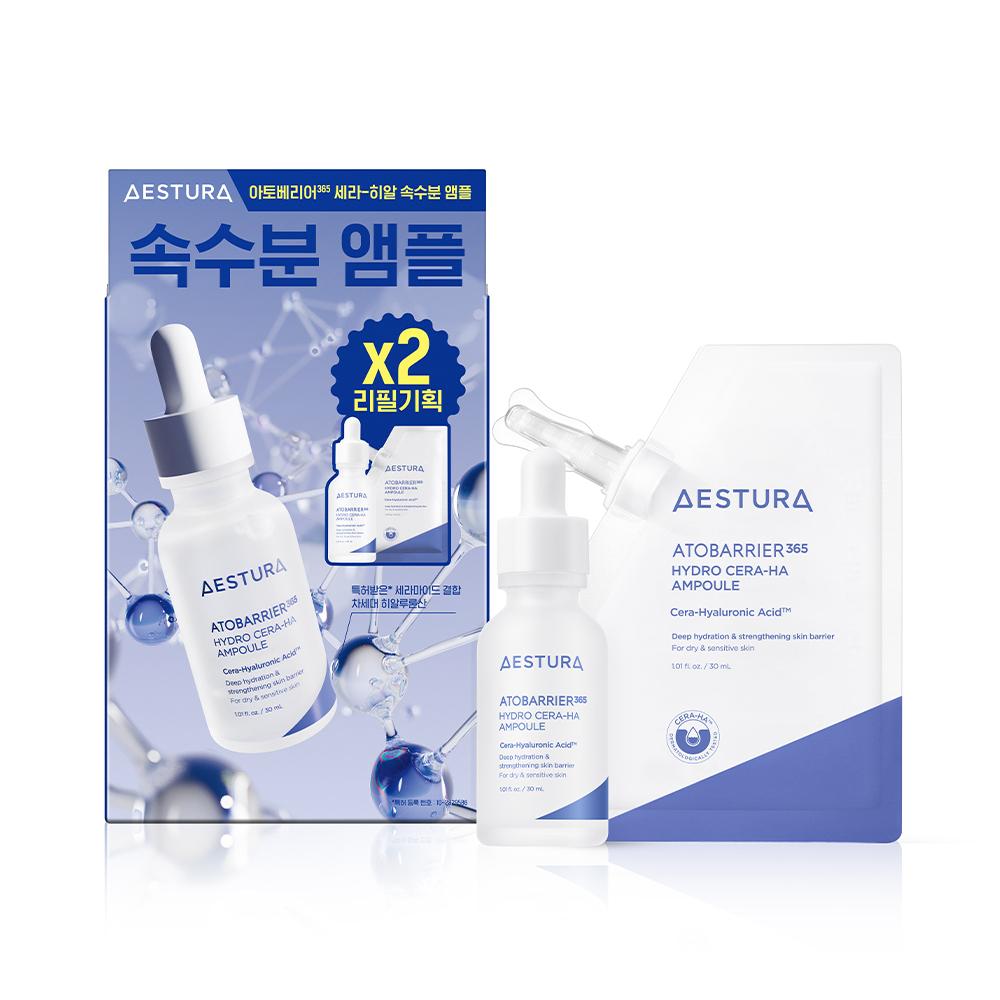
Atobarrier 365 Cera-Ha Ampoule 30ml Refill Set
Aestura
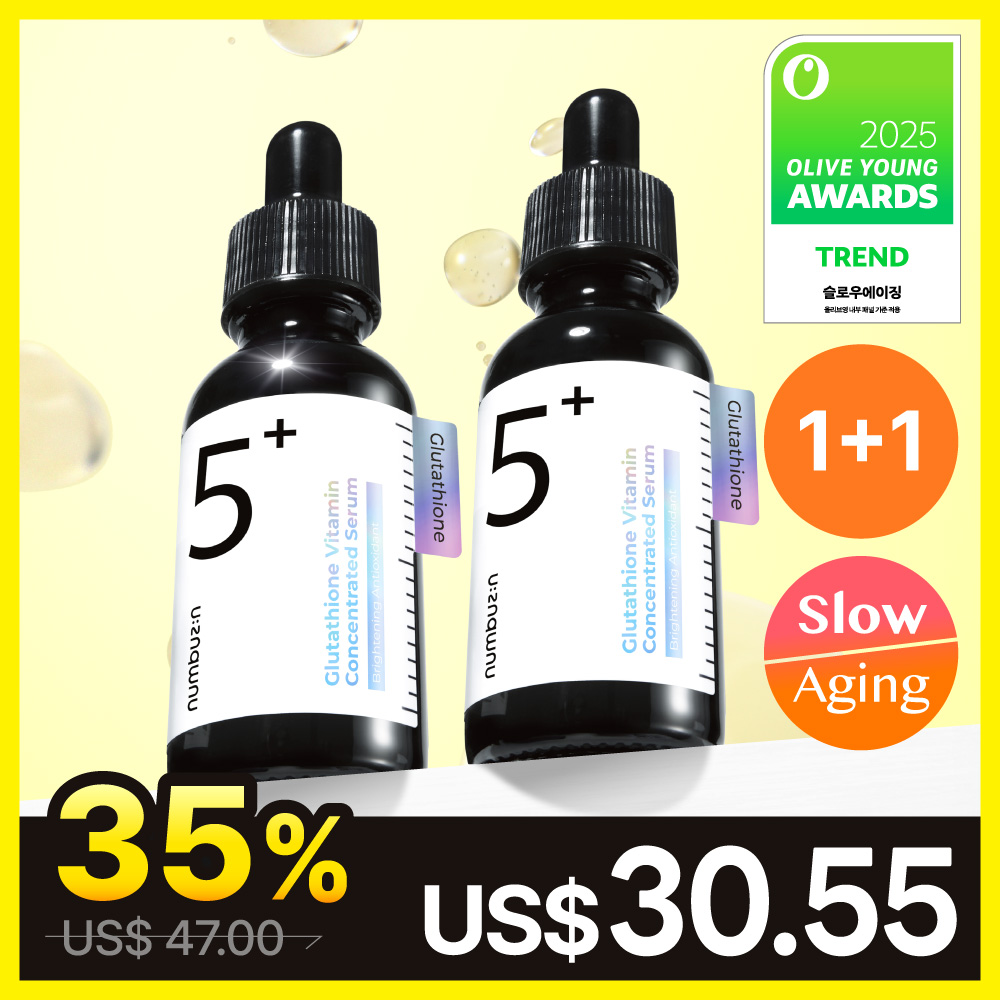
No.5+ Vitamin Concentrated Serum Duo Set
Numbuzin
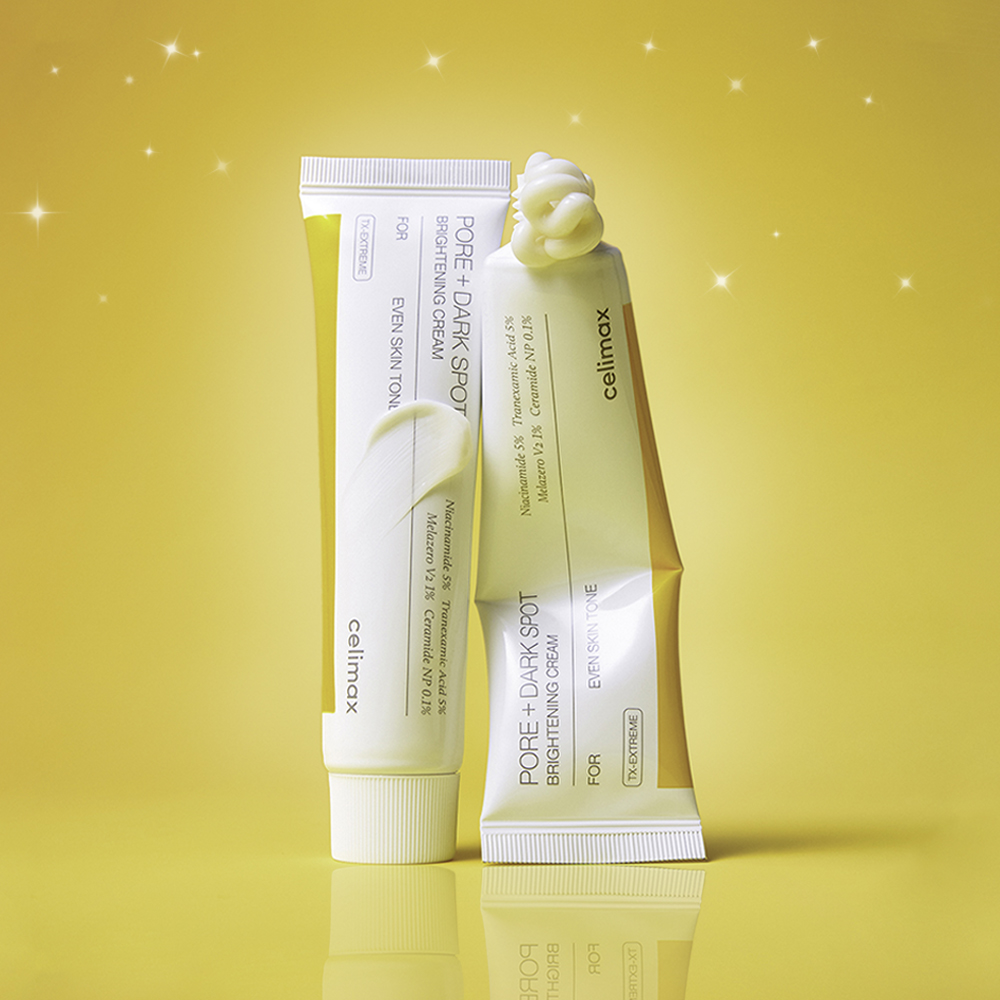
Pore + Dark Spot Brightening Cream
Celimax
Frequently Asked Questions
Is dipotassium glycyrrhizate the same as licorice root extract?▼
Can I use dipotassium glycyrrhizate if I'm pregnant or have high blood pressure?▼
Will this ingredient help with acne scarring and hyperpigmentation?▼
How quickly will I see results from products with dipotassium glycyrrhizate?▼
Can I use this ingredient every day, and does it conflict with other actives?▼
Articles About Licorice Root Extract (Dipotassium Salt)
Explore More
Want personalized ingredient advice?
Yuri, our AI beauty advisor, can tell you how Licorice Root Extract (Dipotassium Salt) works with your specific skin type, routine, and concerns.
Ask Yuri, free