Ferulic Acid
Antioxidant that stabilizes vitamins C and E
About Ferulic Acid
Ferulic acid is a plant-based antioxidant derived from the cell walls of rice, oats, and other grains. In K-beauty formulations, it's prized not just for its own protective properties but for its unique ability to stabilize and amplify the effectiveness of vitamins C and E. This synergistic relationship makes ferulic acid a powerhouse ingredient in anti-aging and brightening serums. When combined with vitamin C, ferulic acid can double the photoprotection against UV damage, while simultaneously preventing the oxidation that often makes vitamin C formulas turn brown and lose potency. Korean skincare brands have embraced ferulic acid in high-performance serums like Easydew's DW-EGF Vitamin C Boosting Ampoule, which achieves a perfect 5.0 effectiveness rating. Beyond stabilization, ferulic acid neutralizes free radicals generated by pollution, blue light, and environmental stressors. This makes it especially relevant for urban K-beauty consumers dealing with fine dust and smog. The ingredient also shows promise in reducing hyperpigmentation, smoothing fine lines, and improving overall skin tone. With a perfect safety rating of 5/5 and zero comedogenic potential, ferulic acid works across all skin types without clogging pores or causing irritation. Its presence in 117 K-beauty products on Seoul Sister reflects its growing status as a must-have actives booster.
How Ferulic Acid Works
At the molecular level, ferulic acid functions as a phenolic antioxidant with a hydroxyl group that donates electrons to unstable free radicals, effectively neutralizing them before they can damage cellular DNA, proteins, and lipids. This electron-donating capacity is what makes it such an effective partner for vitamins C and E. When combined, these three antioxidants create a protective network where ferulic acid regenerates vitamin E, which in turn regenerates vitamin C, extending the active lifespan of all three molecules. Ferulic acid also inhibits tyrosinase, the enzyme responsible for melanin production, which explains its brightening effects on hyperpigmentation and dark spots. Additionally, it suppresses matrix metalloproteinases, the enzymes that break down collagen and elastin in response to UV exposure. By protecting the skin's structural proteins, ferulic acid helps maintain firmness and elasticity. Its small molecular size allows for effective penetration into the epidermis, where it can intercept oxidative damage at the cellular level before visible signs of aging appear.
Ferulic Acid by Skin Type
Oily Skin
Ferulic acid is excellent for oily skin because it's completely non-comedogenic and often formulated in lightweight serum textures. Its antioxidant protection helps counteract the oxidative stress that can worsen sebum oxidation and contribute to inflammatory acne. The ingredient pairs well with vitamin C in mattifying formulas that target both oil control and brightening.
Dry Skin
For dry skin, ferulic acid works best when combined with hydrating ingredients like hyaluronic acid or ceramides. While it doesn't directly moisturize, its protective antioxidant action prevents moisture loss caused by environmental damage. Look for ferulic acid in nourishing ampoules like those from Easydew or Primera that layer well under richer creams.
Combo Skin
Combination skin benefits from ferulic acid's versatility, as it addresses multiple concerns without adding heaviness. The ingredient helps balance uneven tone often seen in combination types while providing antioxidant protection to both oily and dry zones. Serums with ferulic acid can be applied all over or targeted to areas needing brightening or anti-aging support.
Sensitive Skin
Despite being a potent antioxidant, ferulic acid has a perfect safety rating and is generally well-tolerated by sensitive skin when formulated at appropriate concentrations (typically 0.5-1%). It actually helps calm inflammation caused by environmental stressors. Products like Physiogel's Scienceuticals Dailimune Ampoule combine ferulic acid with soothing ingredients specifically for reactive skin types.
Normal Skin
Normal skin can fully appreciate ferulic acid's preventative anti-aging benefits without concern for sensitivity or breakouts. It's an ideal ingredient for maintaining healthy skin by defending against daily oxidative stress from pollution and UV exposure. Regular use in a morning routine helps preserve the skin's youthful appearance over time.
How to Use Ferulic Acid
- 1Apply ferulic acid serums in the morning before sunscreen, as its photoprotective properties work synergistically with SPF to defend against UV damage throughout the day.
- 2Look for formulas that combine ferulic acid with 10-20% vitamin C and 1% vitamin E for maximum antioxidant benefits, like the combination found in top-rated K-beauty ampoules.
- 3Store ferulic acid products in opaque, airtight packaging away from light and heat to prevent oxidation. If your serum turns dark brown, it's lost potency and should be replaced.
- 4Layer ferulic acid under niacinamide or retinol for comprehensive anti-aging results. Products like Primera's PDRN-Niacinamide 10% Toning Glow Serum already combine these actives effectively.
- 5Wait 1-2 minutes after applying ferulic acid serum before layering other products to allow proper absorption and pH stabilization on the skin.
Background
Ferulic acid was first isolated from plant cell walls in the 1960s, but its skincare potential wasn't fully recognized until Duke University researchers published groundbreaking studies in the early 2000s demonstrating its ability to stabilize and enhance vitamin C formulations. This research sparked a revolution in antioxidant skincare, with brands racing to develop stable ferulic acid serums. K-beauty companies were relatively early adopters, incorporating ferulic acid into advanced ampoule formulations by the mid-2010s. The ingredient aligns perfectly with K-beauty's philosophy of layering lightweight, targeted treatments and its emphasis on prevention over correction. Korean brands have since refined ferulic acid delivery systems, combining it with innovative ingredients like PDRN and EGF to create next-generation anti-aging products. Today, ferulic acid appears in 117 K-beauty products on Seoul Sister, cementing its status as a staple active in the Korean skincare arsenal.
K-Beauty Products with Ferulic Acid
View all 122 →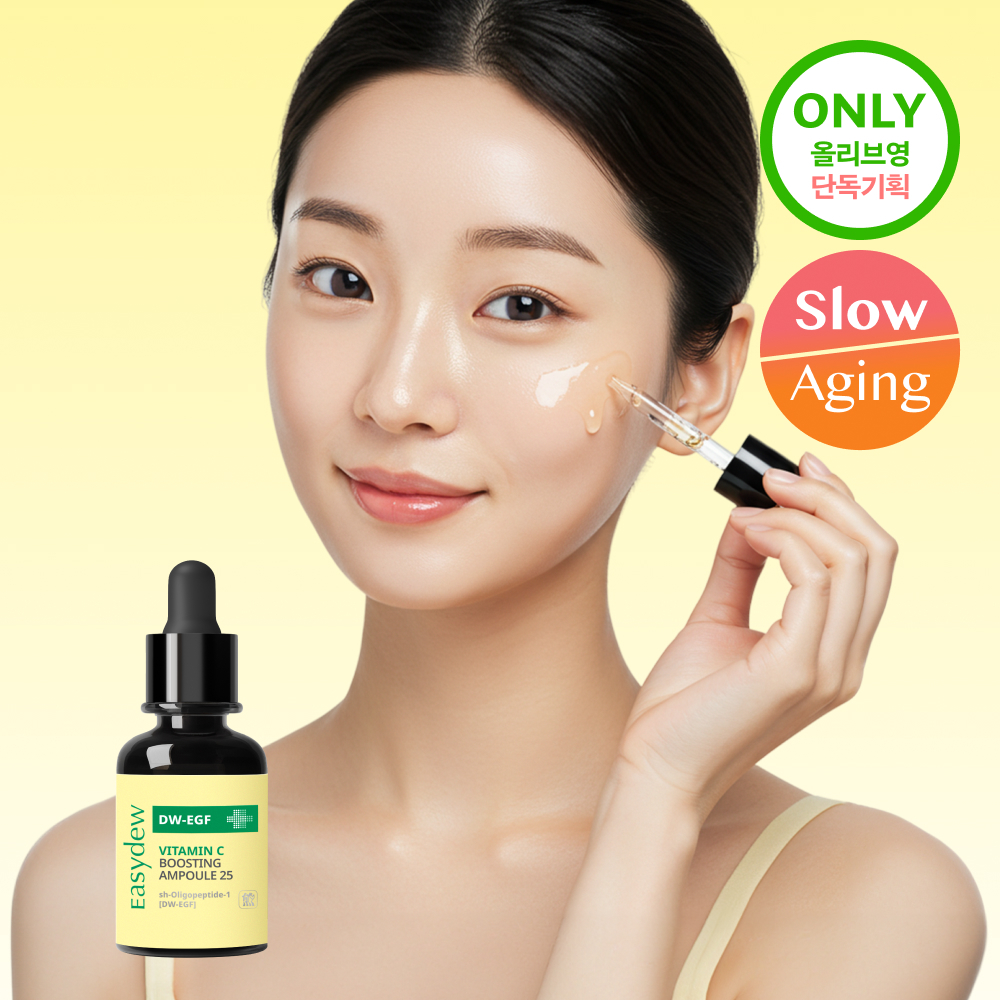
DW-EGF Vitamin C Boosting Ampoule 25
Easydew
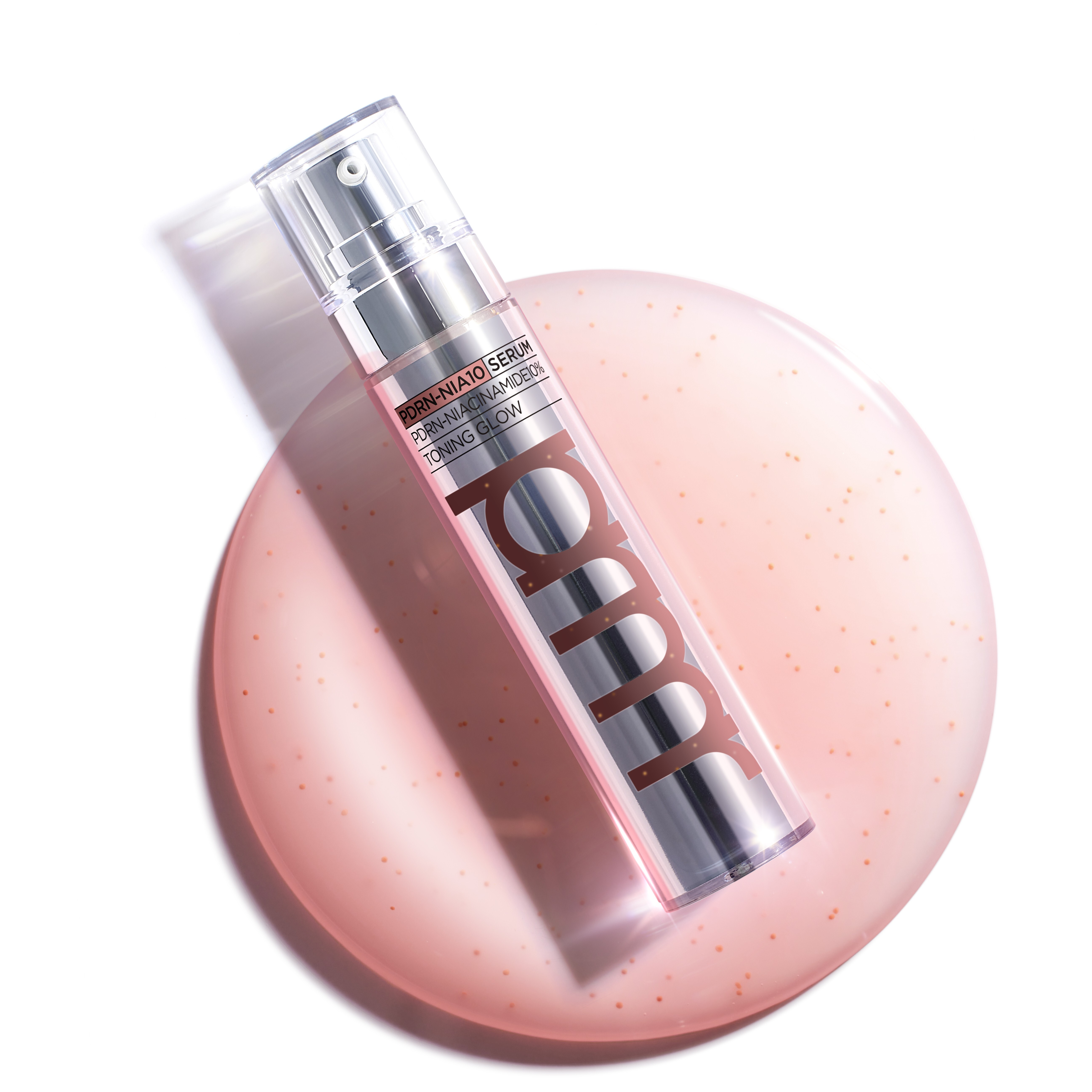
PDRN-Niacinamide 10% Toning Glow Serum
Primera
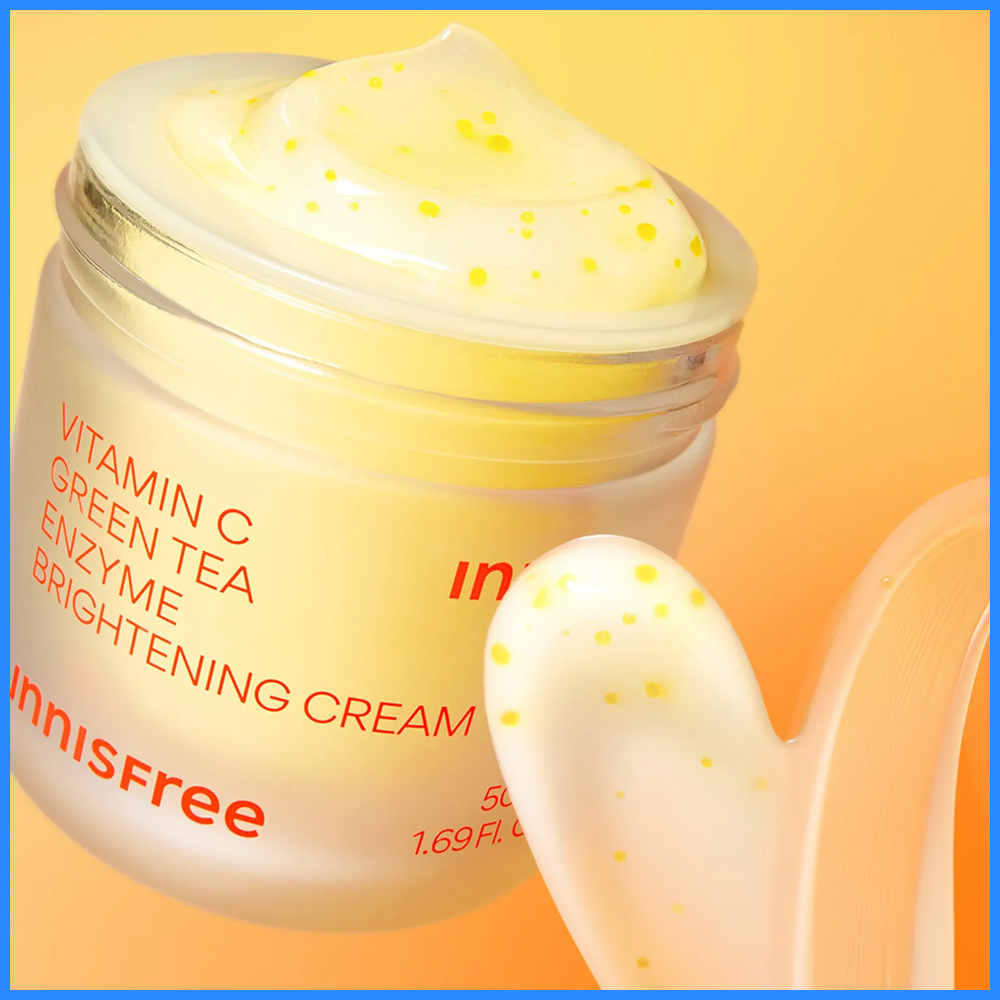
Vitamin C Green Tea Enzyme Brightening Cream
Innisfree
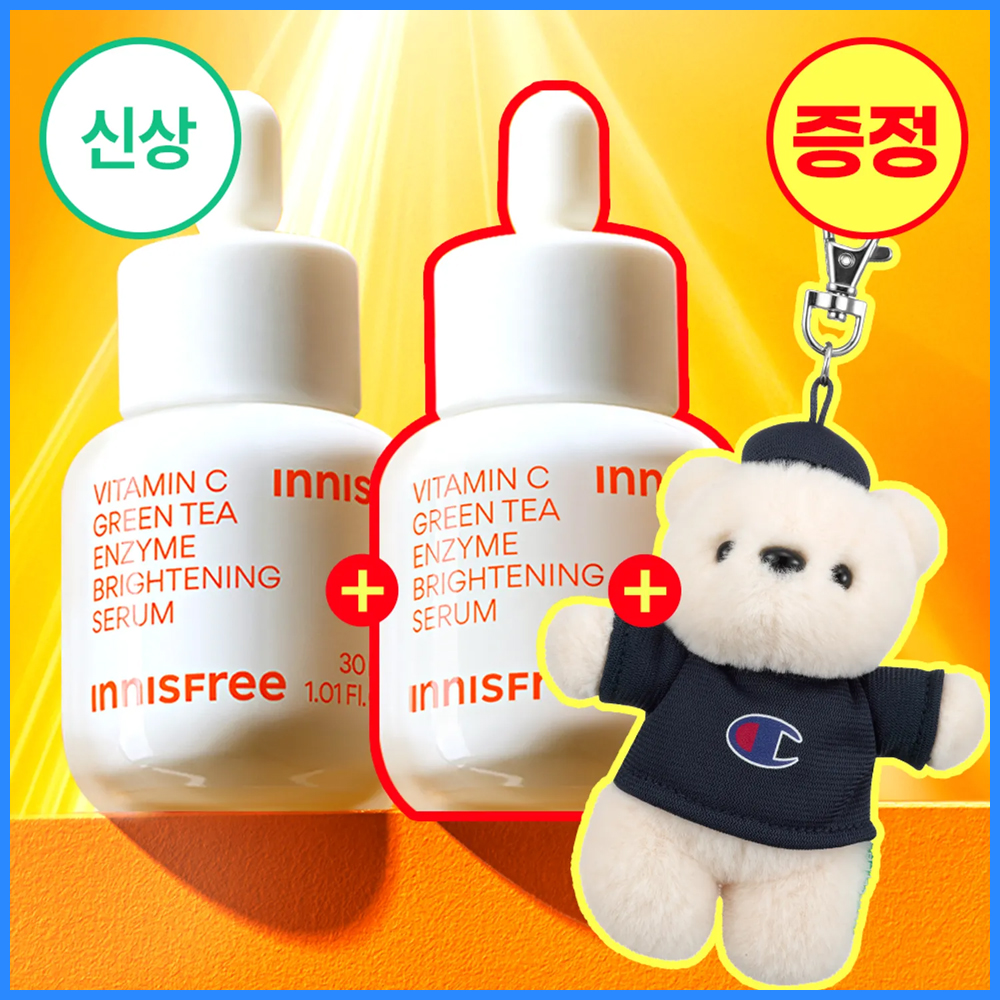
Vitamin C Green Tea Enzyme Brightening Serum
Innisfree
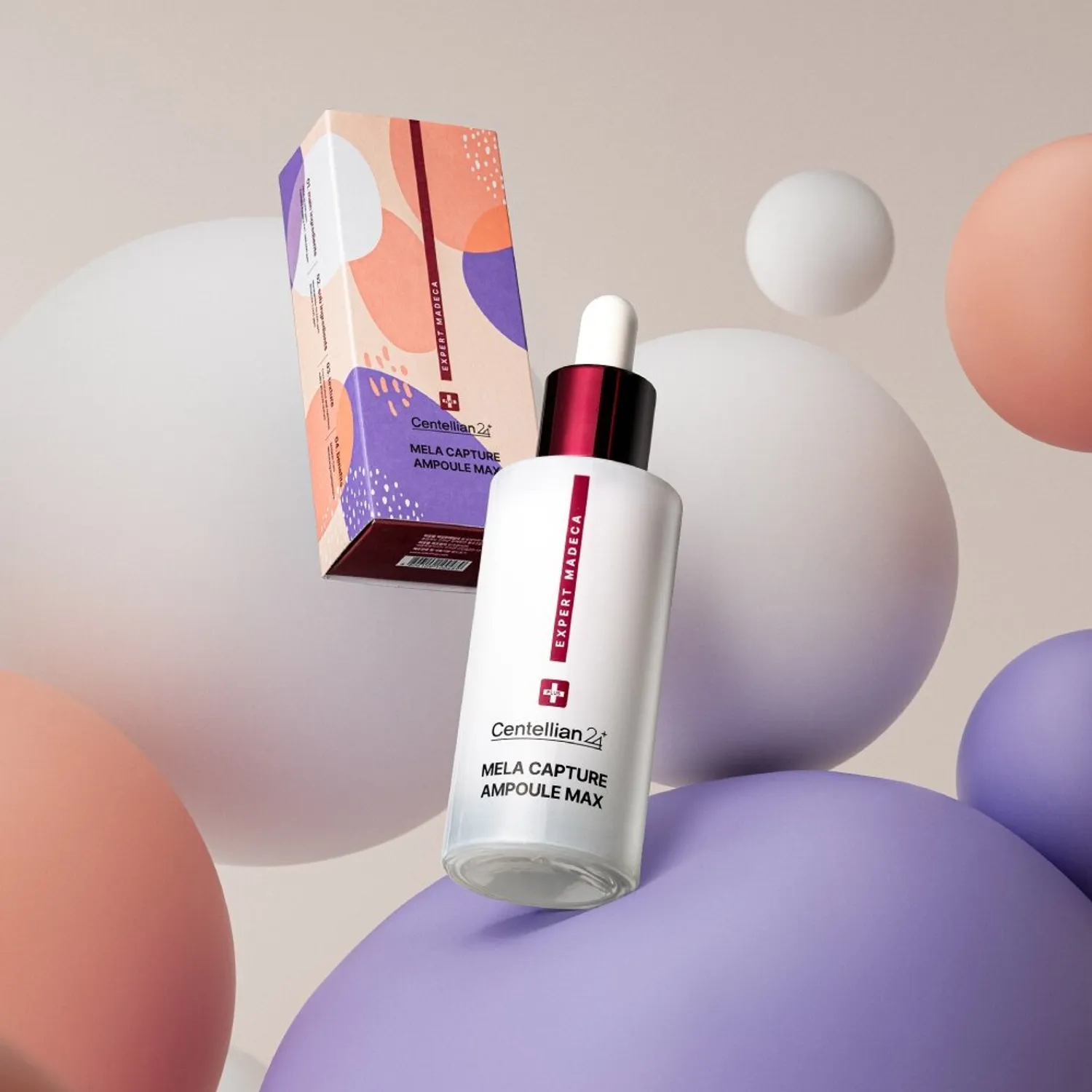
Expert Madeca Mela Capture Ampoule Max
Centellian24
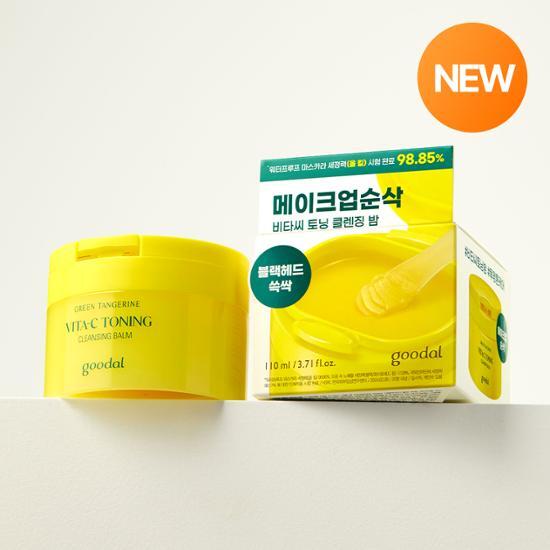
Green Tangerine Vita-C Toning Cleansing Balm
Goodal
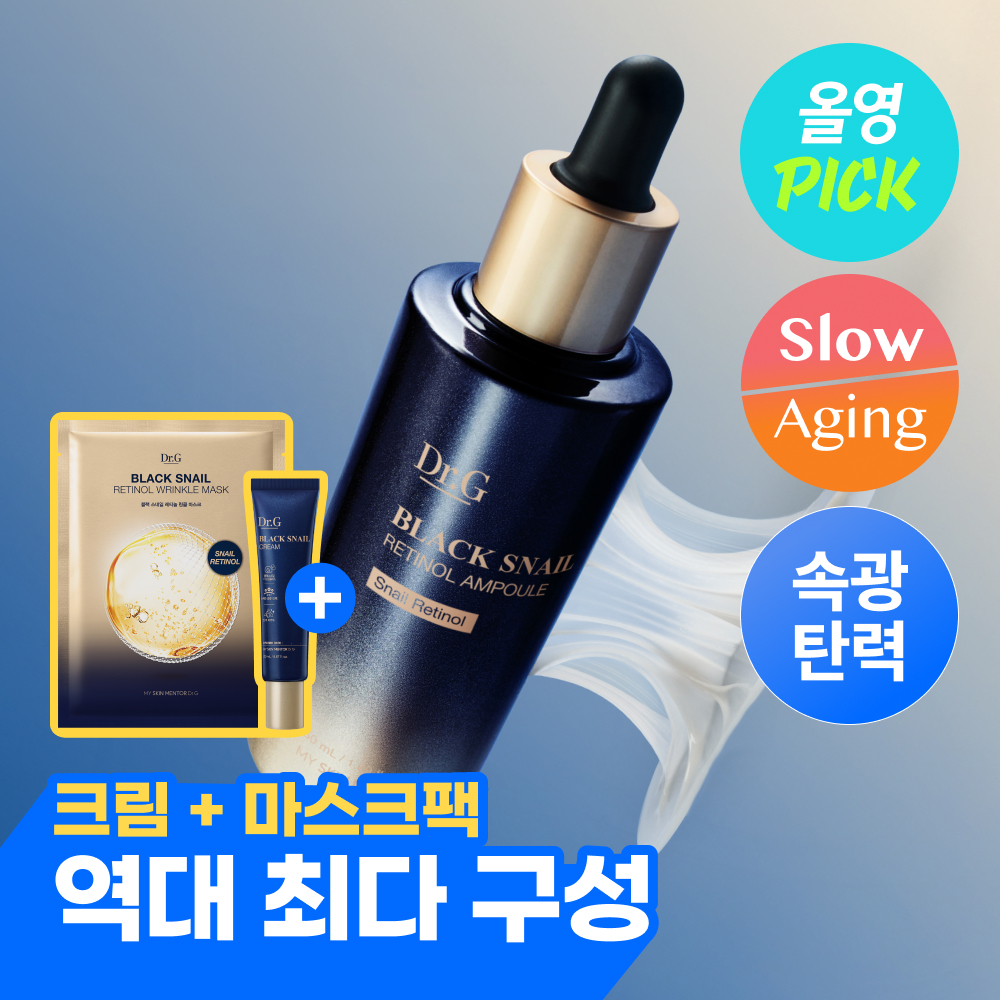
Black Snail Retinol Ampoule Set
Dr.G
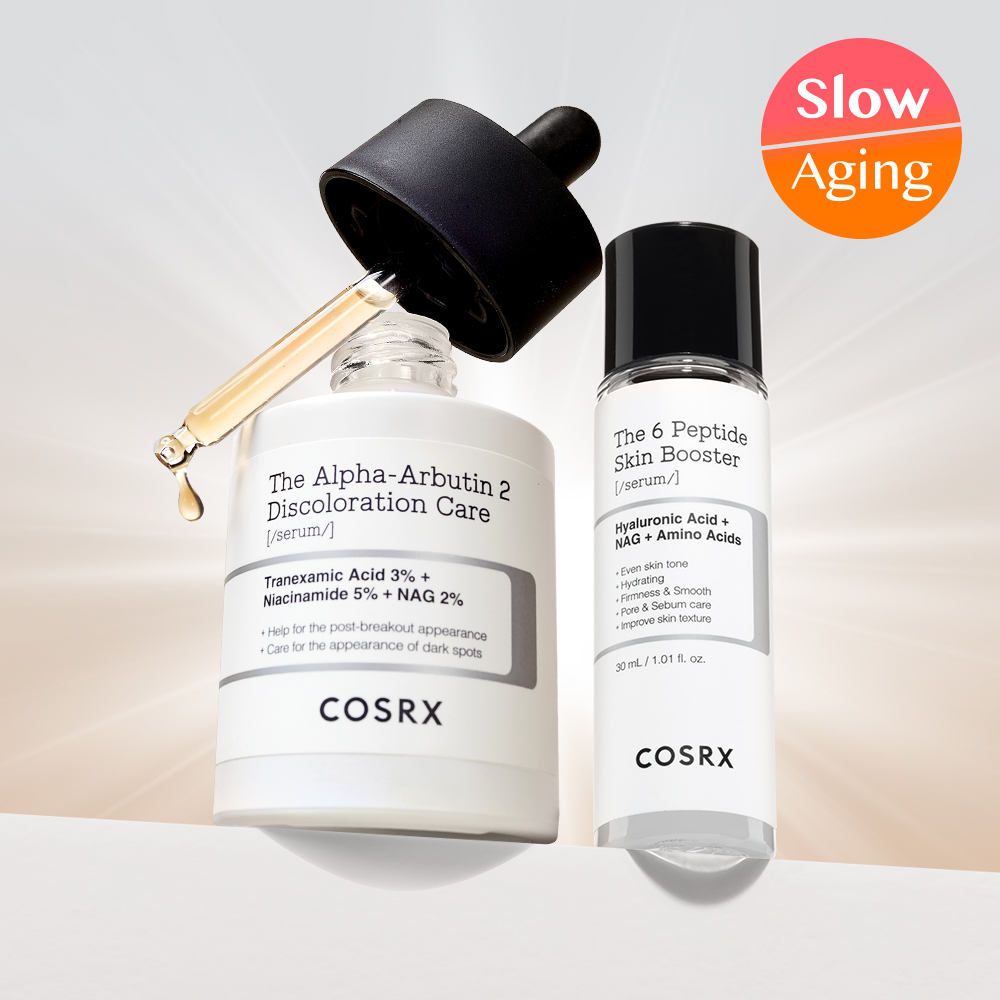
The Alpha-Arbutin 2 Discoloration Care Serum
COSRX

Collagen Reedle Shot 100
VT
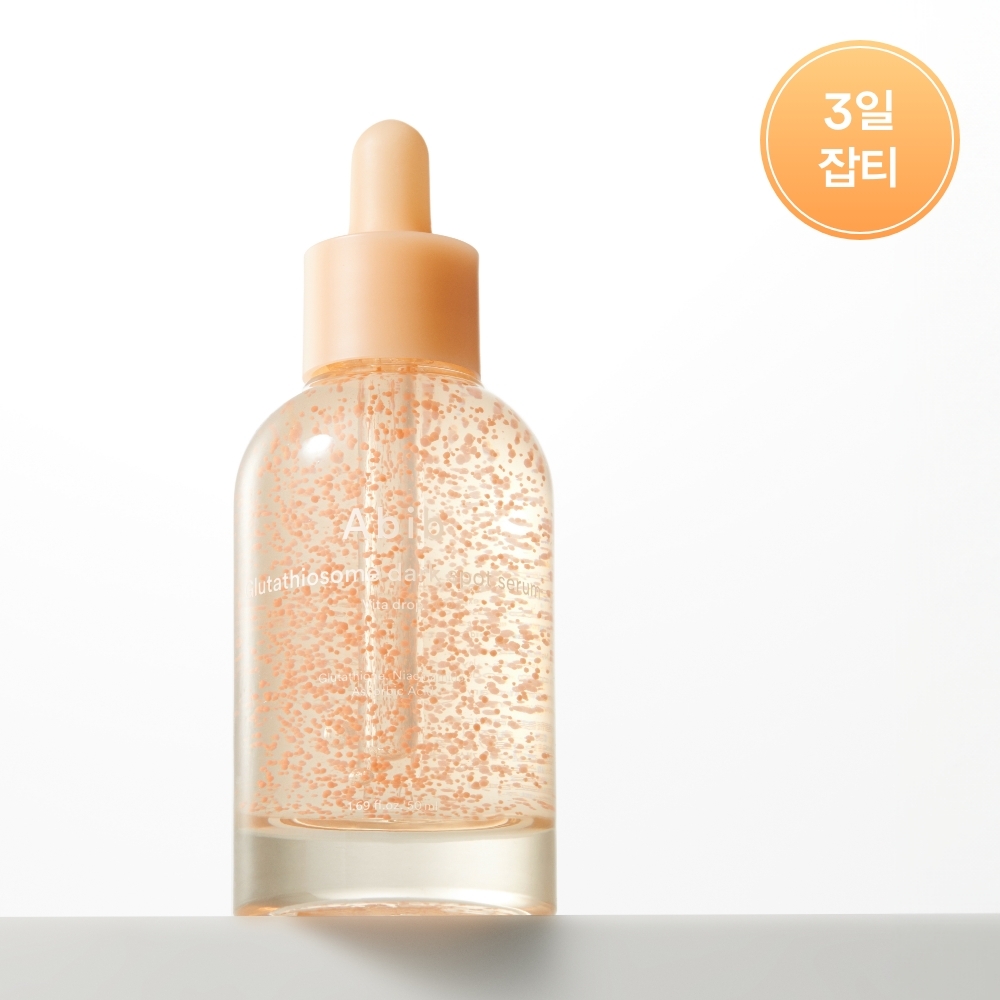
Glutathisome Dark Spot Serum Vita Drop
Abib
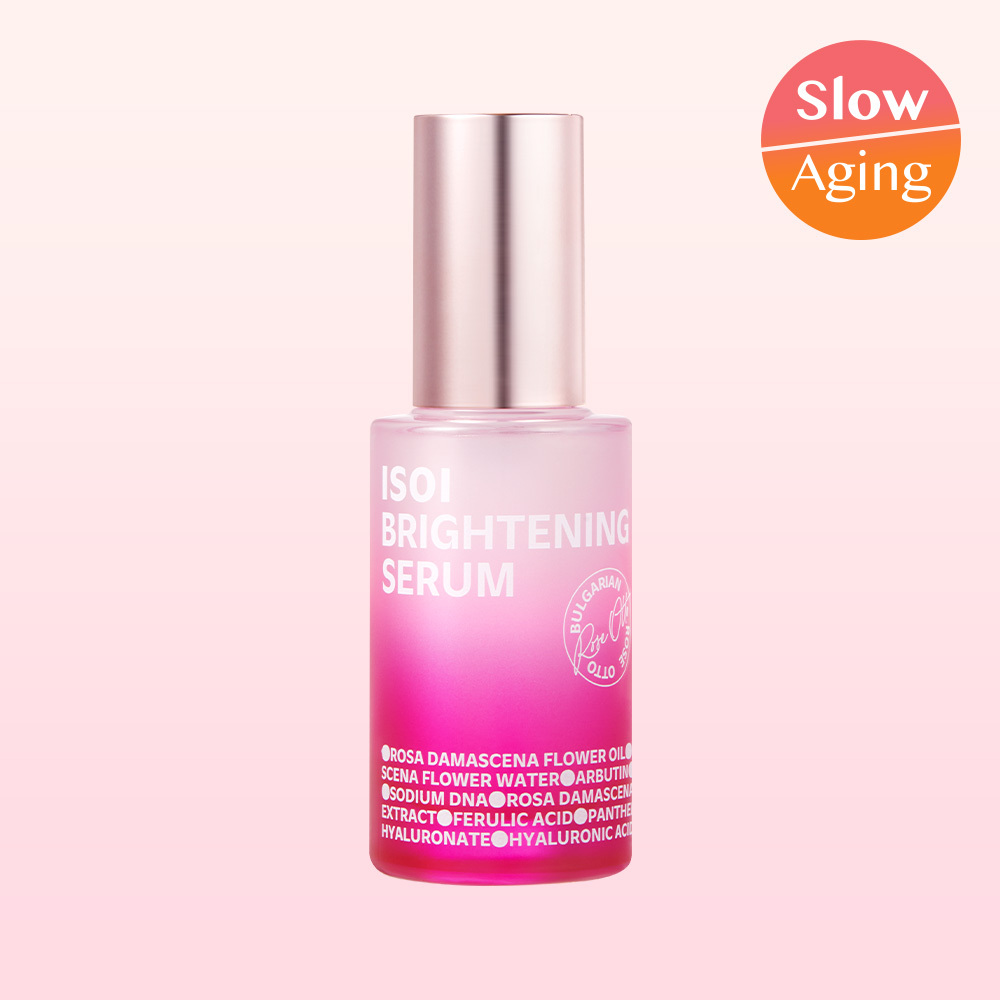
Brightening Serum
Isoi
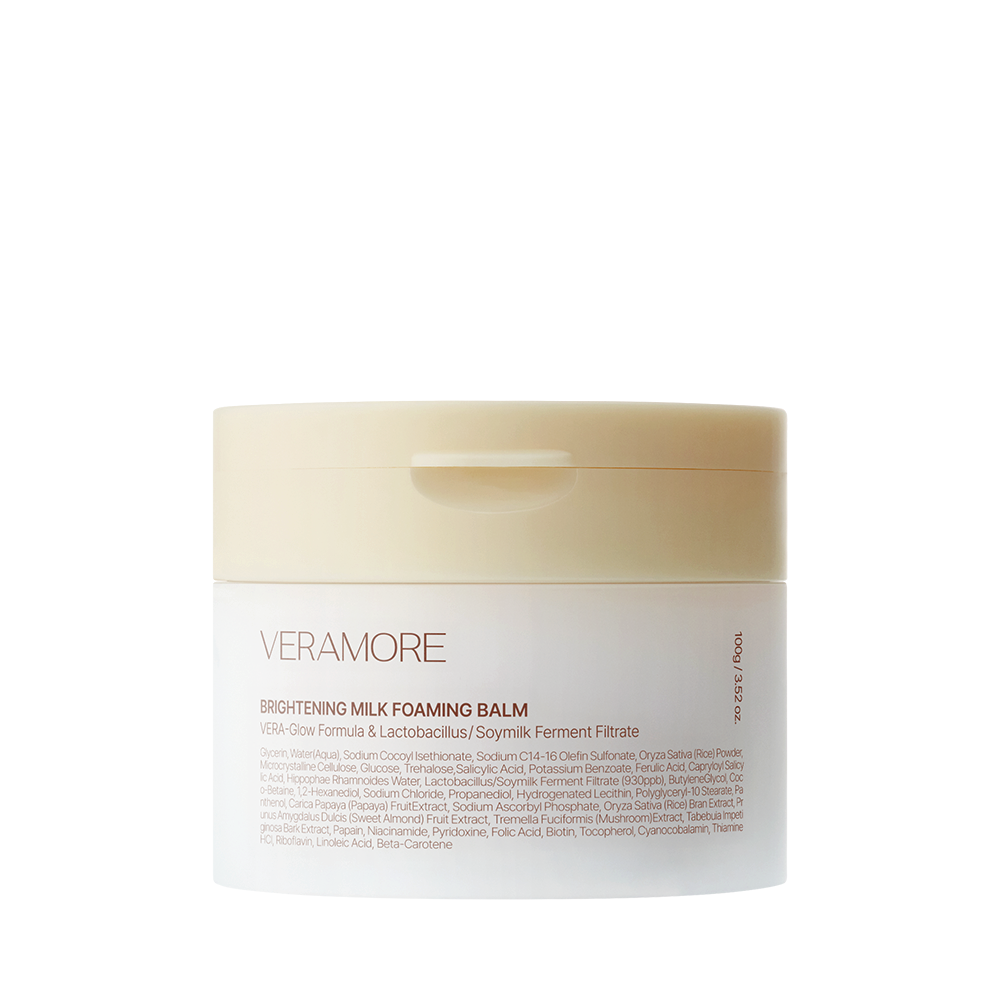
Veramore Brightening Milk Foaming Balm
Banila Co
Frequently Asked Questions
Can I use ferulic acid with retinol or other actives?▼
How quickly will I see results from ferulic acid?▼
Is ferulic acid better than vitamin C alone?▼
Will ferulic acid cause purging or breakouts?▼
Do I still need sunscreen if I use ferulic acid?▼
Articles About Ferulic Acid
How to Get Rid of Hyperpigmentation: K-Beauty Guide
Hyperpigmentation isn't a willpower problem, it's a melanin problem, and most people are treating the wrong layer. Here's what actually fades dark spots, with the K-beauty products and ingredients I'd reach for first.
Best Korean Skincare for Dark Spots: What Actually Fades Hyperpigmentation (And What's Just Marketing)
Dark spots and hyperpigmentation are some of the most frustrating skin concerns to treat, and K-beauty has some genuinely effective solutions. We break down the ingredients that actually work, how to layer them properly, and which Korean products deliver real results.
Explore More
Want personalized ingredient advice?
Yuri, our AI beauty advisor, can tell you how Ferulic Acid works with your specific skin type, routine, and concerns.
Ask Yuri, free