Gluconolactone
Gentle PHA exfoliant and humectant
About Gluconolactone
Gluconolactone is a polyhydroxy acid (PHA) that stands out in the K-beauty ingredient universe as the gentle alternative to traditional AHAs and BHAs. Unlike its more aggressive cousins like glycolic or salicylic acid, gluconolactone has a larger molecular structure that prevents it from penetrating too deeply into skin, making it ideal for sensitive skin types or anyone nervous about trying chemical exfoliation. Beyond its exfoliating properties, this ingredient moonlights as a powerful humectant, meaning it actively draws moisture into your skin while sloughing away dead cells. With a perfect 5/5 safety rating and 0/5 comedogenic rating, gluconolactone has earned its place in 513 K-beauty products on Seoul Sister, particularly in cleansers and treatment masks where gentle effectiveness is paramount. Korean brands have embraced this ingredient because it aligns with K-beauty's philosophy of achieving results without compromising skin barrier health. What makes gluconolactone especially valuable is its antioxidant activity, which helps neutralize free radicals while you exfoliate. This triple-threat action of exfoliation, hydration, and protection explains why top-rated products like Banila Co's Clean It Zero Pore Clarifying Cleansing Balm (5.0/5) and Cell Fusion C's PHA Enzyme Granule Peels Powder (5.0/5) feature it prominently in their formulas.
How Gluconolactone Works
Gluconolactone works through a process called chelation, where it loosens the bonds between dead skin cells (corneocytes) on your skin's surface without aggressively dissolving them the way smaller-molecule AHAs do. Its larger molecular size (178 Da compared to glycolic acid's 76 Da) means it can't penetrate as deeply into the epidermis, which significantly reduces the risk of irritation while still delivering surface-level exfoliation benefits. At the same time, its multiple hydroxyl groups act like tiny magnets for water molecules, pulling hydration into the uppermost layers of your skin. This dual action means you're simultaneously removing dull, dead cells and plumping remaining healthy cells with moisture. Gluconolactone also functions as a lactone (a cyclic ester), which gives it inherent antioxidant properties that help protect skin from oxidative stress during the exfoliation process. Because it doesn't disrupt the acid mantle as dramatically as traditional AHAs, your skin maintains better barrier function throughout the exfoliation process, explaining why sensitive skin types can typically tolerate it well.
Gluconolactone by Skin Type
Oily Skin
Gluconolactone is excellent for oily skin because it exfoliates without stripping essential moisture, which can actually trigger rebound oil production. The 0/5 comedogenic rating means it won't clog pores, and its presence in products like Hanskin's Deep Cleansing Oil Balm & Blackhead (5.0/5) demonstrates its effectiveness at addressing congestion without irritation. The gentle exfoliation helps regulate cell turnover, which can reduce the appearance of enlarged pores over time.
Dry Skin
This ingredient is a dream for dry skin because it functions as both an exfoliant and humectant simultaneously. While it gently removes the flaky, dull surface layer that makes dry skin look lackluster, it's actively drawing moisture into the newly revealed cells underneath. Products like SUM37's Micro-Active Green Vitamin Bubbletox Pack Cleanser Mask (5.0/5) leverage this dual benefit to leave dry skin smooth and hydrated rather than tight and stripped.
Combo Skin
Combination skin benefits from gluconolactone's balanced approach because it addresses both oily T-zone concerns and dry cheek needs without compromise. It exfoliates congested areas gently enough that it won't over-dry the already-dry zones. The humectant properties ensure that while your oily areas get surface refinement, your dry patches receive hydration support in the same step.
Sensitive Skin
Gluconolactone is specifically recommended for sensitive skin types because its large molecular structure prevents deep penetration that typically triggers irritation. The perfect 5/5 safety rating reflects years of dermatological testing showing minimal reactivity. Unlike AHAs that can cause stinging or redness, gluconolactone's gentler action means sensitive skin can finally access exfoliation benefits without the typical inflammatory response.
Normal Skin
Normal skin can use gluconolactone as a maintenance exfoliant that preserves skin health without disruption. It's gentle enough for regular use, helping maintain the smooth, even texture that normal skin naturally has while providing antioxidant protection against environmental stressors. The hydrating properties ensure that even with consistent exfoliation, your skin barrier remains balanced and comfortable.
How to Use Gluconolactone
- 1Start with products that rinse off, like the Banila Co Clean It Zero Pore Clarifying Cleansing Balm, before progressing to leave-on treatments to gauge your skin's tolerance.
- 2Gluconolactone can be used morning and night unlike traditional AHAs, since its gentler action and antioxidant properties make it less photosensitizing, though SPF is always recommended.
- 3Layer gluconolactone products before heavier moisturizers since the humectant properties work best when they can draw subsequent hydration into your skin.
- 4It pairs well with other gentle actives like niacinamide or peptides, making it easy to incorporate into multi-step K-beauty routines without ingredient conflicts.
Background
Gluconolactone is derived from gluconic acid, which is naturally found in honey, fruit juices, and wine. It was originally used in the food industry as a preservative and acidity regulator before dermatologists discovered its skin benefits in the 1990s. The term PHA (polyhydroxy acid) was coined by dermatologists Dr. Eugene Van Scott and Dr. Ruey Yu, who had previously researched AHAs, when they identified this gentler class of exfoliants. Korean skincare brands were early adopters of PHAs in the 2000s, recognizing that Asian skin types, which often show higher sensitivity to traditional chemical exfoliants, needed alternatives that delivered results without irritation. The ingredient gained serious traction in K-beauty around 2015-2017 as brands moved toward barrier-friendly formulations, and its presence in 513 products on Seoul Sister today reflects its established status as a go-to gentle exfoliant in Korean skincare philosophy.
K-Beauty Products with Gluconolactone
View all 536 →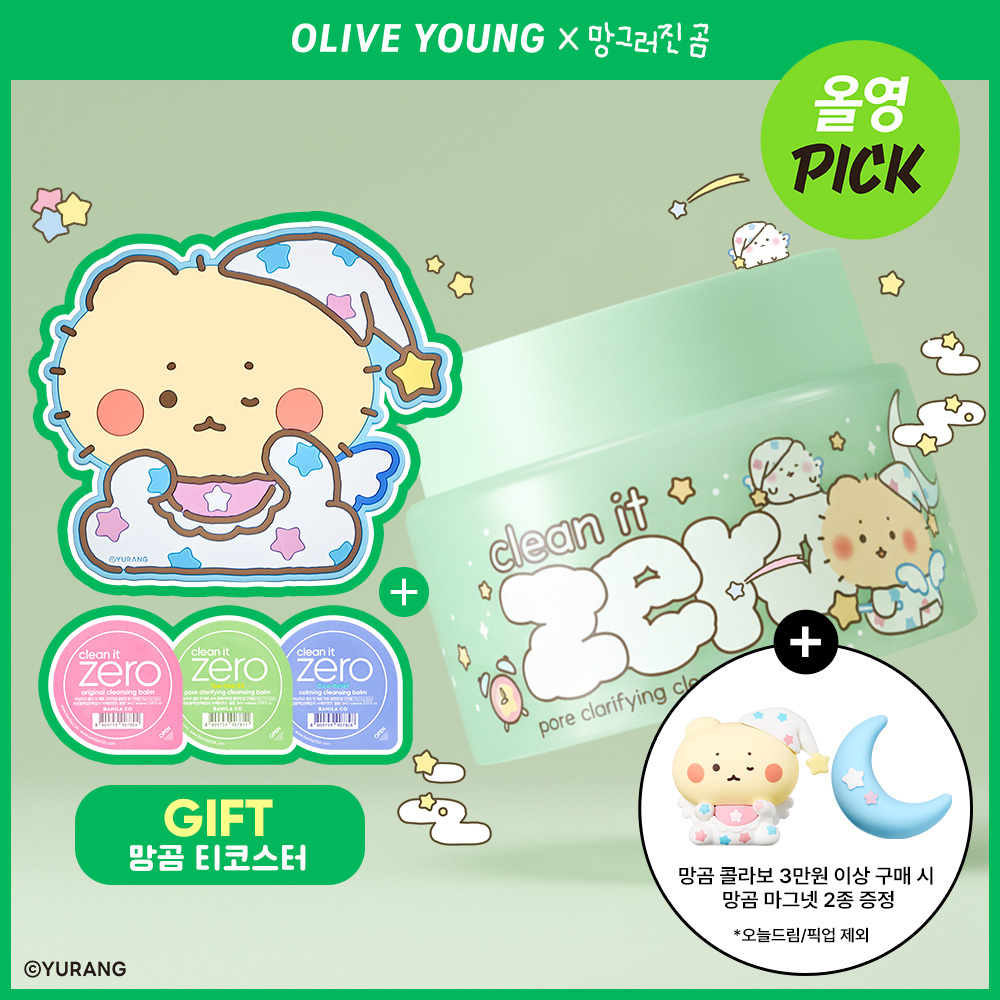
Clean It Zero Pore Clarifying Cleansing Balm
Banila Co
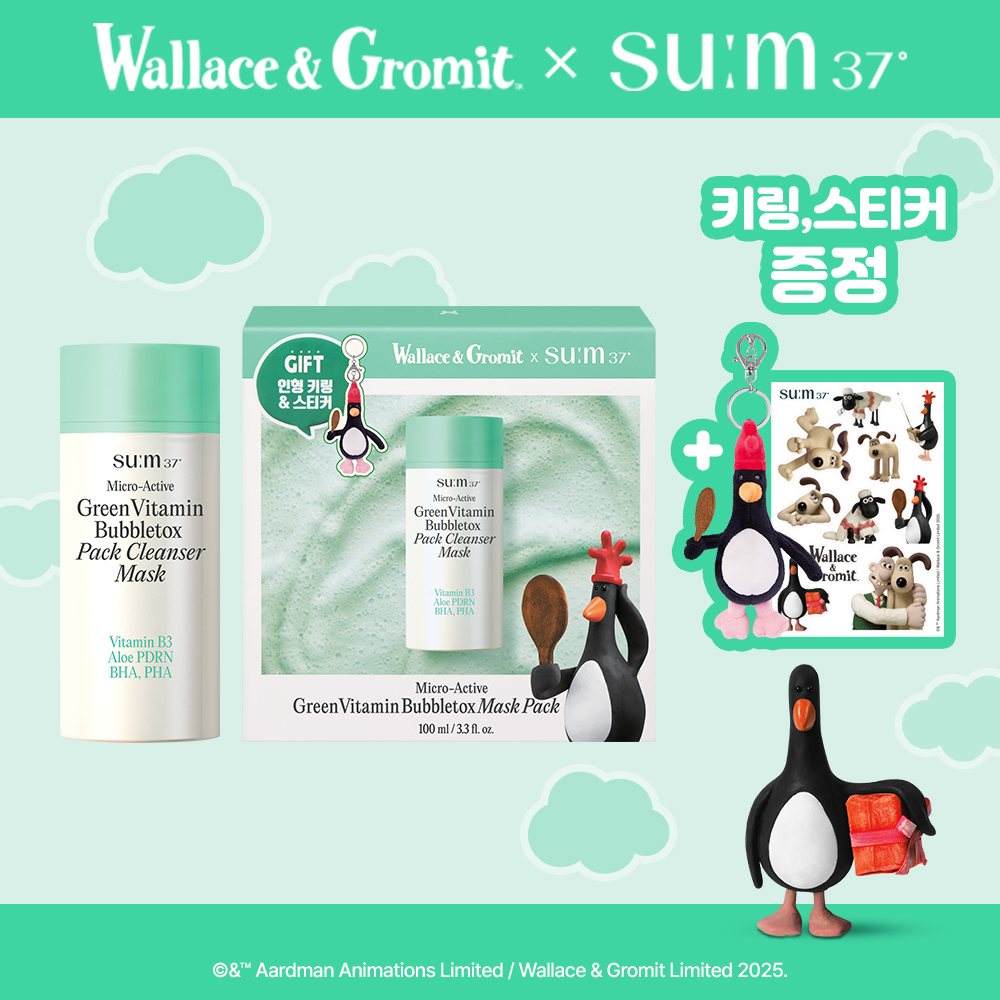
Micro-Active Green Vitamin Bubbletox Pack Cleanser Mask
SUM37
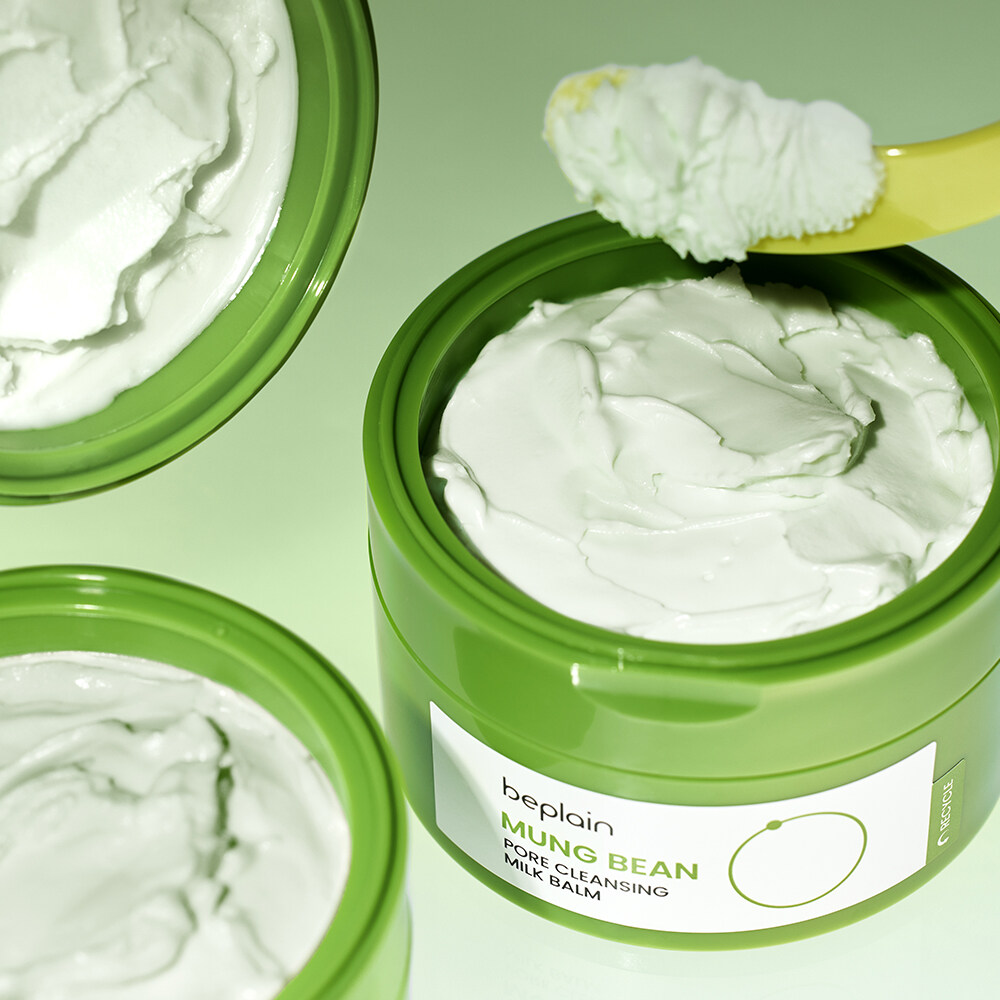
Mung Bean Pore Cleansing Milk Balm
Beplain
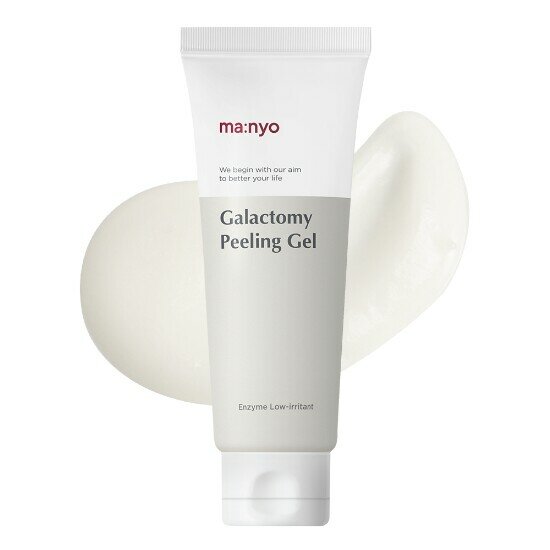
Galactomy Enzyme Peeling Gel
ma:nyo
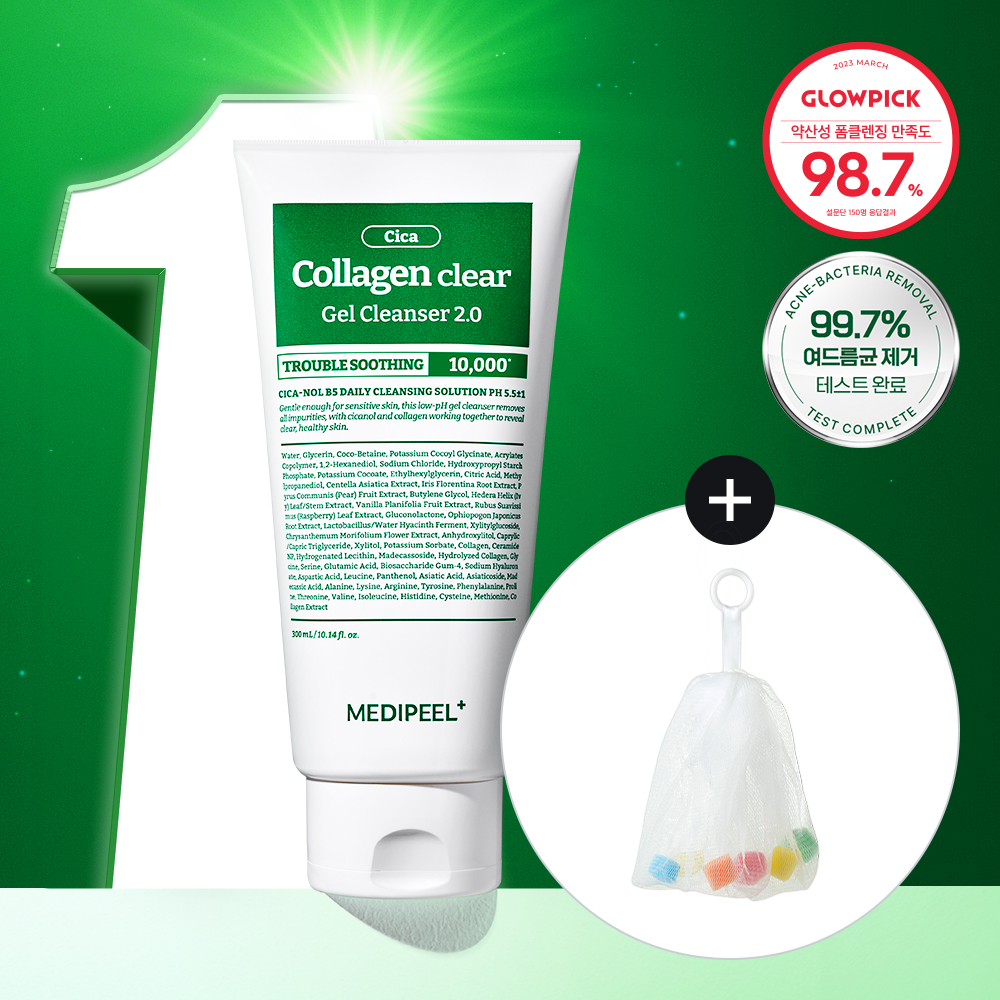
Green Cica Collagen Clear 2.0 Special Set
Medi-Peel
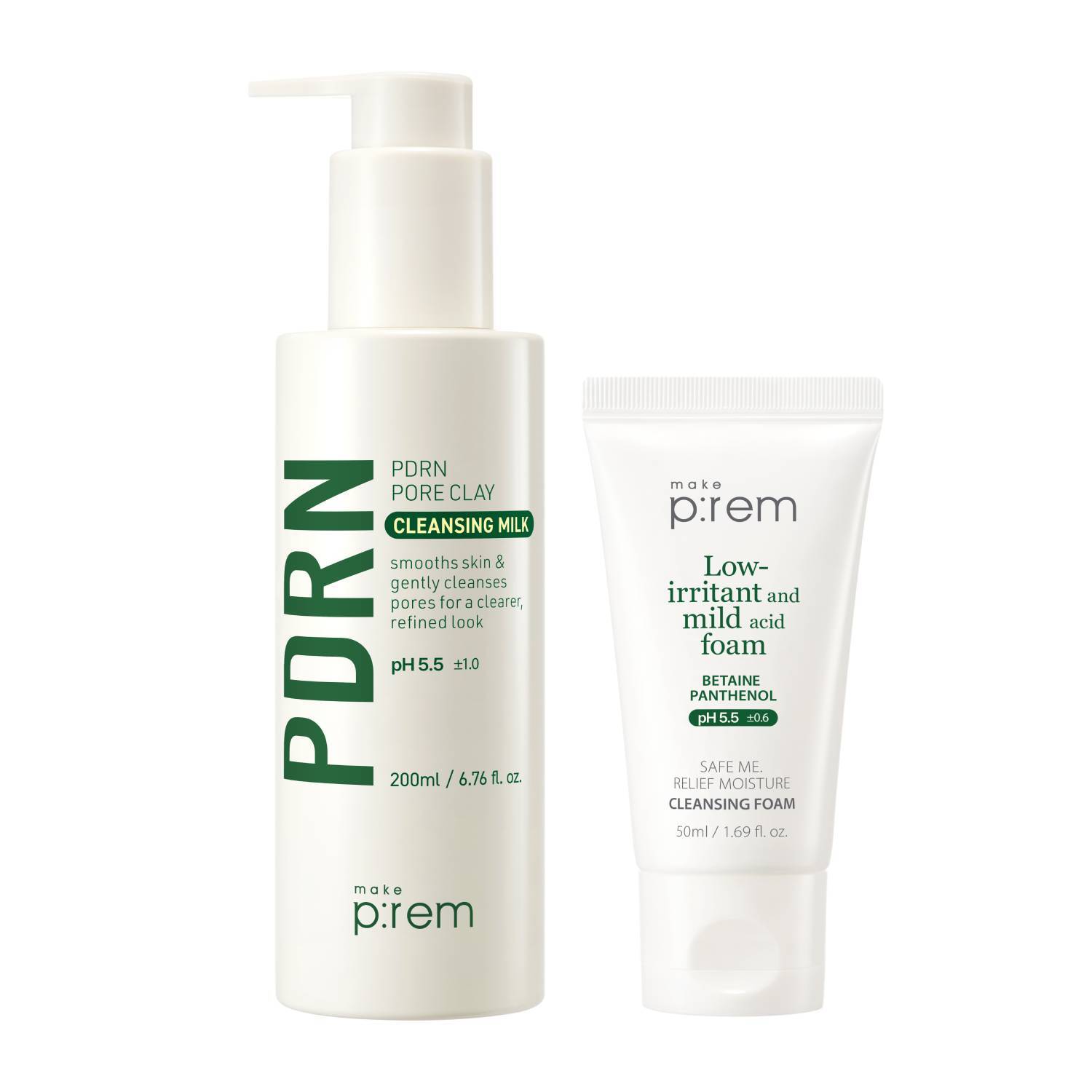
PDRN Pore Clay Cleansing Milk Set
Makeprem

Madeca Matcha Toning Peeling Gel
Centellian24
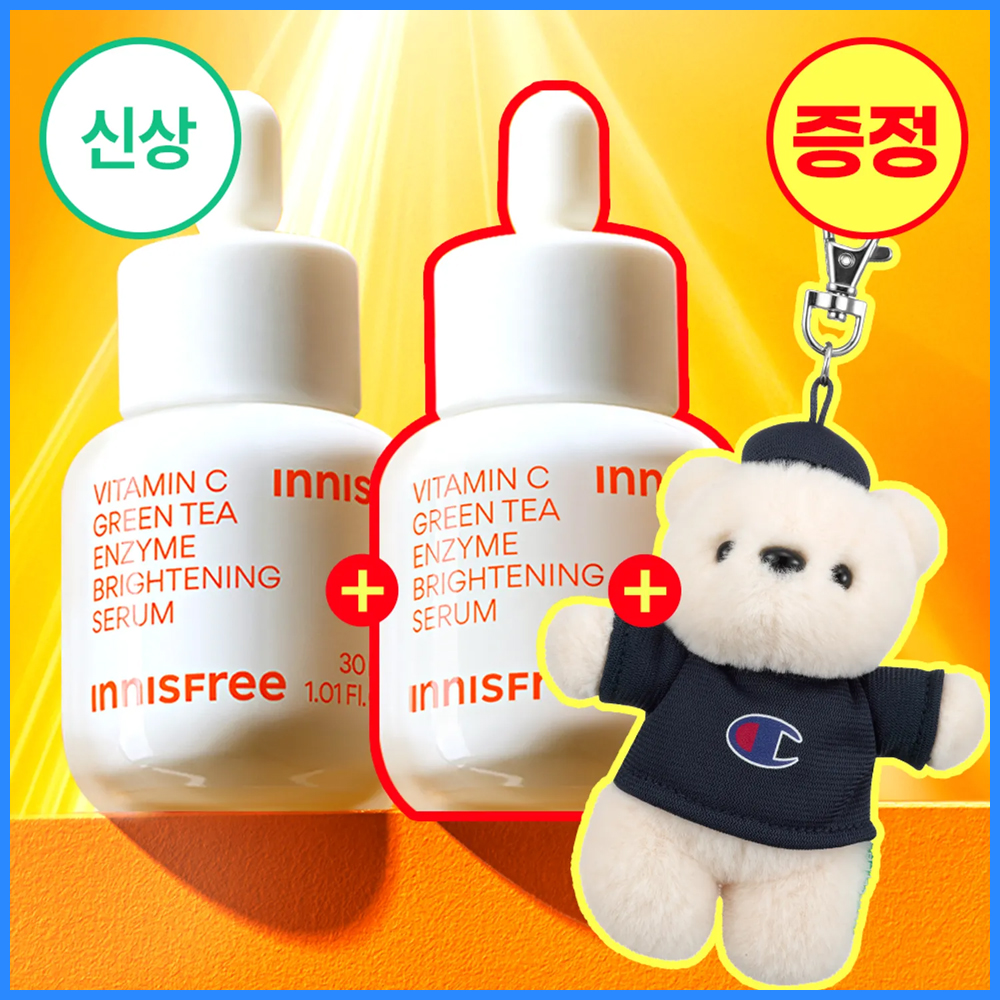
Vitamin C Green Tea Enzyme Brightening Serum
Innisfree
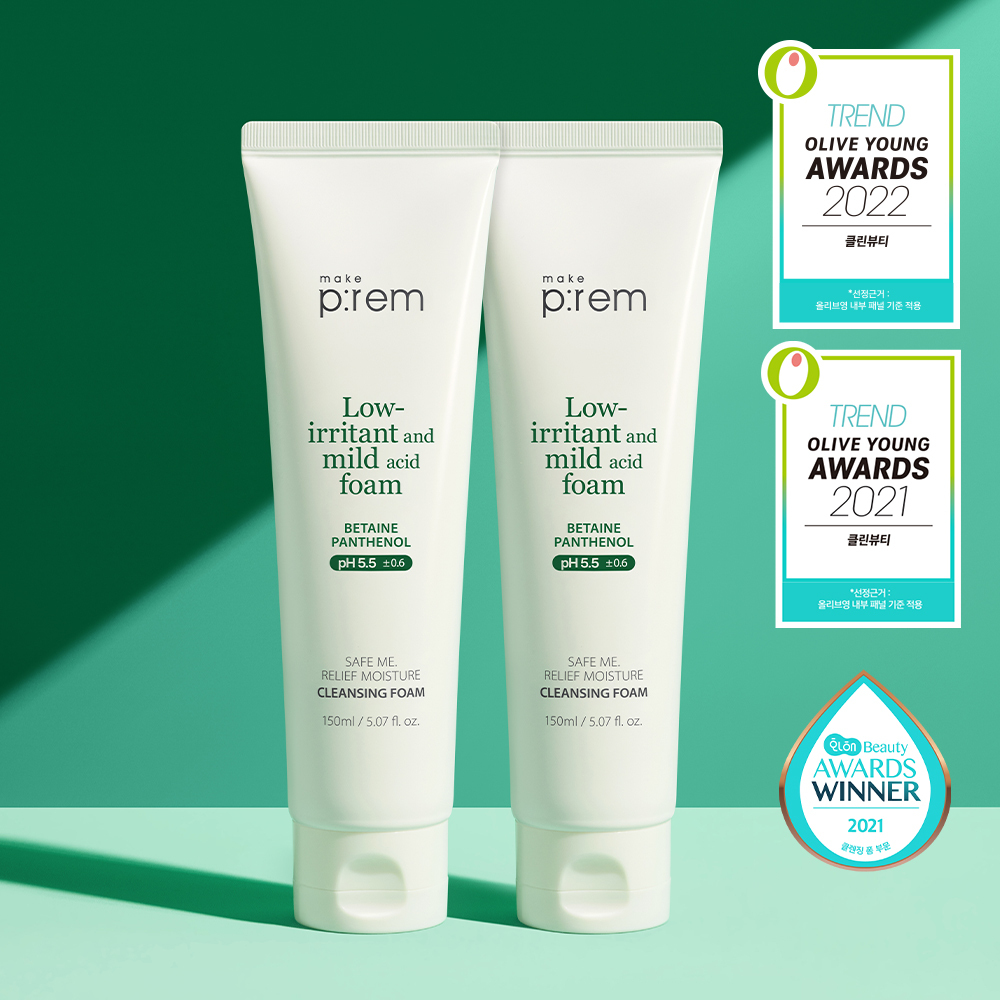
Safe Me Relief Moisture Cleansing Foam
Makeprem
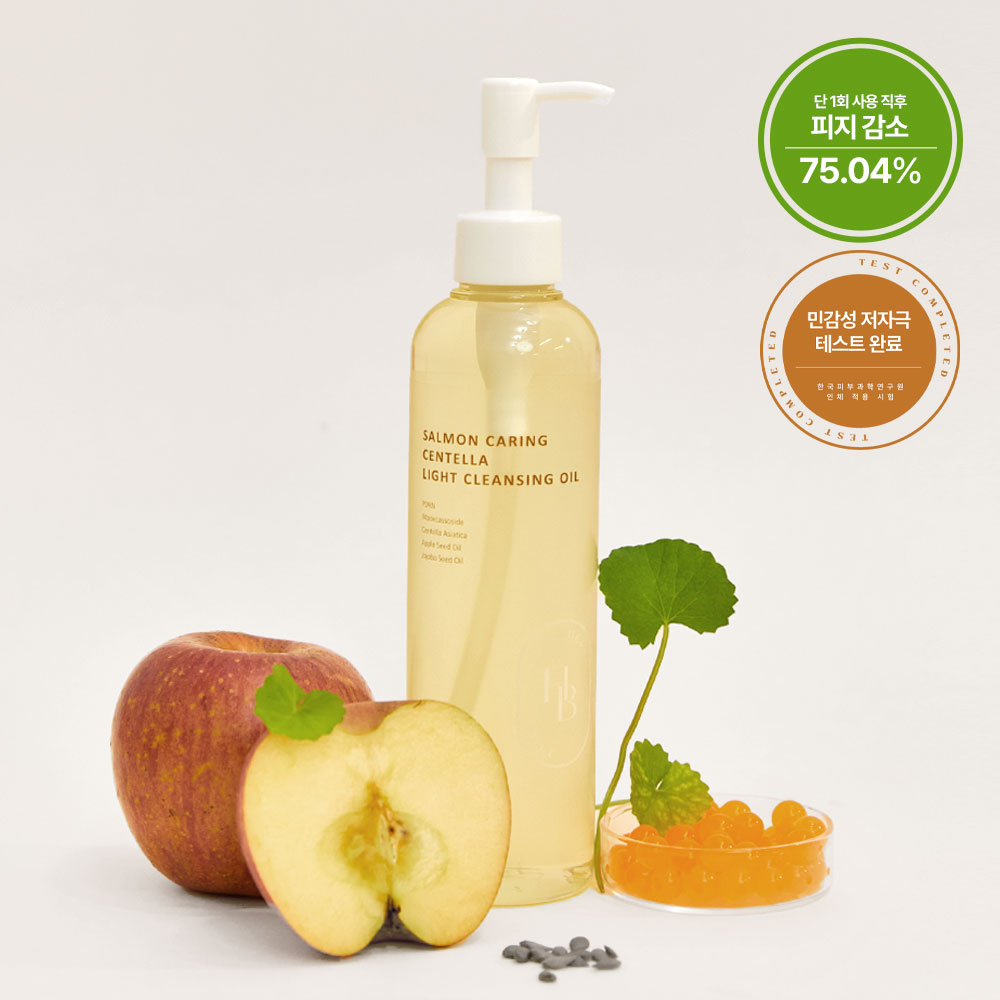
Salmon Caring Centella Light Cleansing Oil
HEVEBLUE
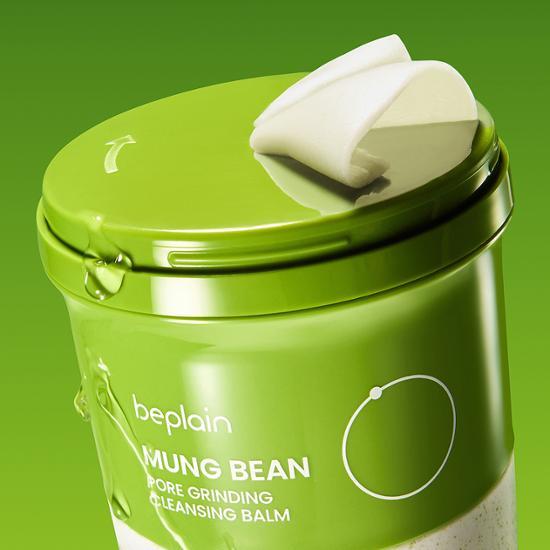
Mung Bean Pore Grinding Cleansing Balm
Beplain
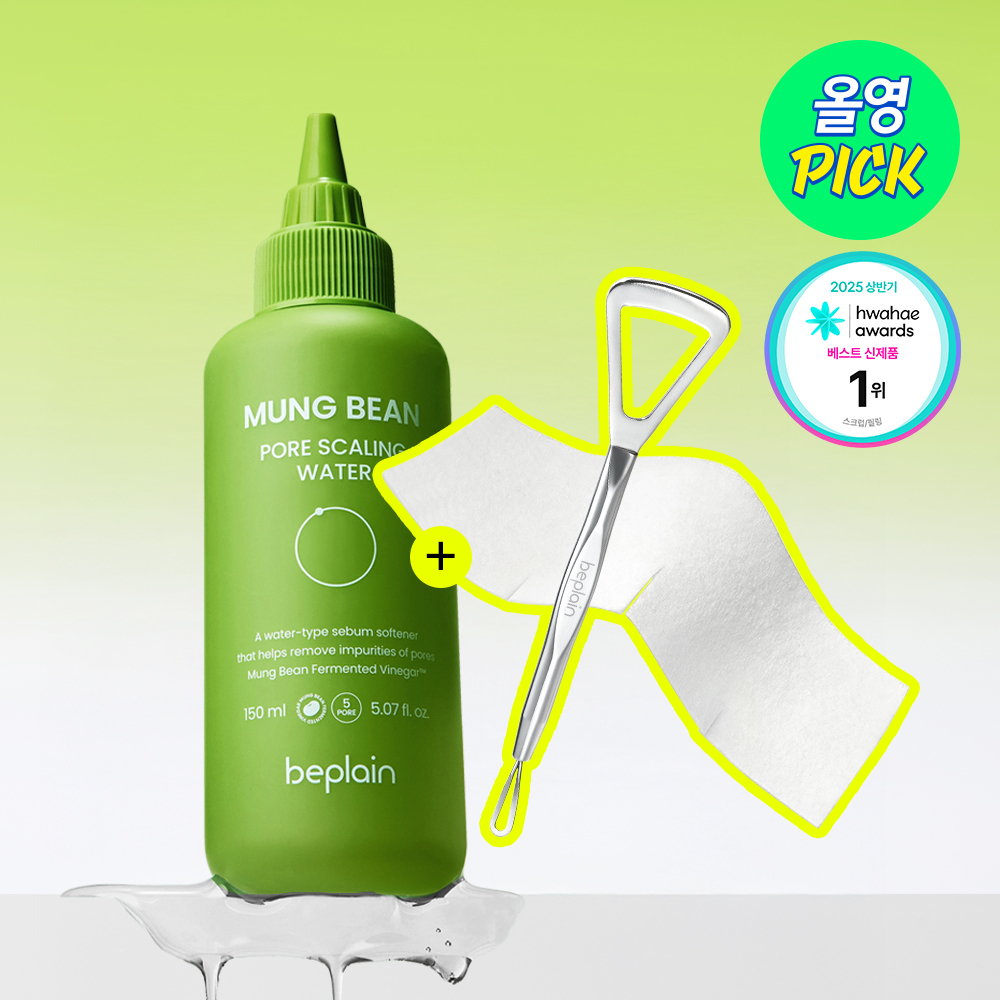
Mung Bean Pore Scaling Water Set
Beplain
Frequently Asked Questions
Is gluconolactone better than glycolic acid for sensitive skin?▼
Can I use gluconolactone every day?▼
Does gluconolactone help with acne and blackheads?▼
Will gluconolactone make my skin peel or flake?▼
Articles About Gluconolactone
How to Get Rid of Hyperpigmentation: K-Beauty Guide
Hyperpigmentation isn't a willpower problem, it's a melanin problem, and most people are treating the wrong layer. Here's what actually fades dark spots, with the K-beauty products and ingredients I'd reach for first.
Best Korean Skincare for Dry Skin With Pigmentation: A Routine That Treats Both
Treating pigmentation when your skin is dry feels like a catch-22. Most brightening actives are harsh, and most hydrating routines ignore dark spots entirely. Here's how to build a K-beauty routine that does both without compromise.
Explore More
Want personalized ingredient advice?
Yuri, our AI beauty advisor, can tell you how Gluconolactone works with your specific skin type, routine, and concerns.
Ask Yuri, free