Hydroxypropyl Bispalmitamide MEA
Lipid barrier strengthener and emollient
About Hydroxypropyl Bispalmitamide MEA
Hydroxypropyl Bispalmitamide MEA is a synthetic ceramide analogue that mimics the structure and function of natural skin ceramides, the lipid molecules that form the protective barrier in your stratum corneum. Think of it as a biomimetic ingredient designed to slot into the spaces between your skin cells like mortar between bricks, preventing water loss and blocking irritants. In K-beauty formulations, this ingredient has gained traction as a gentler alternative to traditional ceramides, particularly in products targeting compromised or sensitive skin. Unlike plant-derived ceramides that can be expensive and unstable, Hydroxypropyl Bispalmitamide MEA offers consistent performance across various product types, from cleansers to moisturizers to sun protection. Its presence in top-rated products like Dr.Different's Zero Cleanser for Oily Skin (5.0/5) and Aestura's Atobarrier 365 Cera-Ha Ampoule (4.8/5) demonstrates its versatility across different skincare categories. The ingredient works by reinforcing the lipid bilayer structure of your skin barrier, which is especially valuable after disruption from environmental stressors, over-exfoliation, or harsh cleansing. With a safety rating of 4/5 and a moderate comedogenic rating of 2/5, it strikes a balance between effective barrier repair and minimal pore-clogging risk, making it suitable for most skin types when formulated properly.
How Hydroxypropyl Bispalmitamide MEA Works
Hydroxypropyl Bispalmitamide MEA functions by integrating into the intercellular lipid matrix of the stratum corneum, where it mimics the lamellar structure of natural ceramides. Your skin barrier consists of corneocytes (dead skin cells) surrounded by a lipid mixture of ceramides, cholesterol, and fatty acids arranged in organized bilayers. When this structure becomes damaged or depleted, trans-epidermal water loss increases and irritants can penetrate more easily. This synthetic ceramide analogue has a molecular structure with two palmitic acid chains attached to an MEA (monoethanolamide) backbone, modified with a hydroxypropyl group that enhances its ability to bind water molecules. Once applied, it physically fills gaps in the lipid barrier and helps restore the optimal 1:1:1 ratio of ceramides, cholesterol, and fatty acids that characterizes healthy skin. The hydroxypropyl modification also improves the ingredient's spreadability and compatibility with other formula components, which is why it performs well in diverse product formats from cleansers to ampoules. By strengthening the barrier, it reduces inflammation signals triggered by barrier dysfunction and helps maintain skin hydration without relying solely on occlusive ingredients.
Hydroxypropyl Bispalmitamide MEA by Skin Type
Oily Skin
Oily skin can absolutely benefit from Hydroxypropyl Bispalmitamide MEA, especially when barrier function has been compromised by aggressive cleansing or acne treatments. The ingredient's moderate comedogenic rating of 2/5 means it carries some pore-clogging risk, but in well-formulated products like Dr.Different's Zero Cleanser for Oily Skin (5.0/5), it provides barrier support without overwhelming sebaceous glands. Look for it in lightweight serums or gel creams rather than heavy occlusives.
Dry Skin
This is where Hydroxypropyl Bispalmitamide MEA truly excels. Dry skin typically suffers from ceramide deficiency and compromised barrier function, making synthetic ceramides like this one essential for restoration. Products like Dr.Different's 311 Moisturizer (4.9/5) leverage this ingredient to rebuild the lipid barrier and prevent moisture loss. Pair it with humectants like hyaluronic acid and occlusives for comprehensive hydration.
Combo Skin
Combination skin benefits from the balanced approach Hydroxypropyl Bispalmitamide MEA offers, providing barrier repair without excessive heaviness. Since combination skin often has a compromised barrier in dry zones and overactive sebum production in oily areas, this ingredient helps normalize barrier function across different facial regions. The key is choosing products with textures that don't overload your T-zone while still nourishing your cheeks.
Sensitive Skin
Sensitive and reactive skin types are prime candidates for Hydroxypropyl Bispalmitamide MEA, as barrier dysfunction is often the root cause of sensitivity. Products like Aestura's Atobarrier line specifically target barrier repair for sensitive skin, and this ingredient's gentle, non-irritating profile (4/5 safety rating) makes it suitable for even compromised skin. It helps reduce the inflammatory cascade triggered by barrier damage, leading to fewer reactions over time.
Normal Skin
Normal skin can use Hydroxypropyl Bispalmitamide MEA as preventive maintenance to keep barrier function optimal. While normal skin doesn't necessarily need intensive barrier repair, this ingredient helps maintain the healthy lipid matrix that characterizes well-functioning skin. It's particularly useful during seasonal transitions, after travel, or when using active ingredients that might stress the barrier.
How to Use Hydroxypropyl Bispalmitamide MEA
- 1Layer products containing Hydroxypropyl Bispalmitamide MEA after water-based serums but before heavier occlusives to maximize barrier integration and allow the ingredient to properly slot into your lipid matrix.
- 2If you're using active ingredients like retinoids, AHAs, or BHAs, apply your ceramide-containing product after your active to help mitigate barrier disruption and reduce irritation.
- 3For compromised or extremely dry skin, look for products that combine this ingredient with other barrier-supporting lipids like cholesterol and fatty acids (check products like the Aestura Atobarrier line for this multi-lipid approach).
- 4Don't assume that more ceramide analogues means better results. A 0.5-2% concentration is typically sufficient, and higher amounts don't necessarily improve efficacy while potentially increasing comedogenicity for acne-prone skin.
Background
Hydroxypropyl Bispalmitamide MEA emerged from dermatological research into barrier dysfunction diseases like atopic dermatitis, where ceramide deficiency is a hallmark feature. Scientists discovered that while natural ceramides are effective, they're expensive to extract and chemically unstable in formulations. This led to the development of synthetic ceramide analogues in the 1990s and early 2000s that could replicate the beneficial effects while offering better stability and lower production costs. K-beauty brands, with their focus on barrier health and sensitive skin solutions, were early adopters of these biomimetic lipids. The ingredient gained prominence in Korea's "cica cream" and "barrier repair" movement of the mid-2010s, appearing in targeted treatment lines like Aestura's Atobarrier series. Its ability to function across multiple product formats, from cleansers to sun protection, made it particularly valuable for K-beauty's multi-step routines where barrier support at every stage is prioritized.
K-Beauty Products with Hydroxypropyl Bispalmitamide MEA
View all 31 →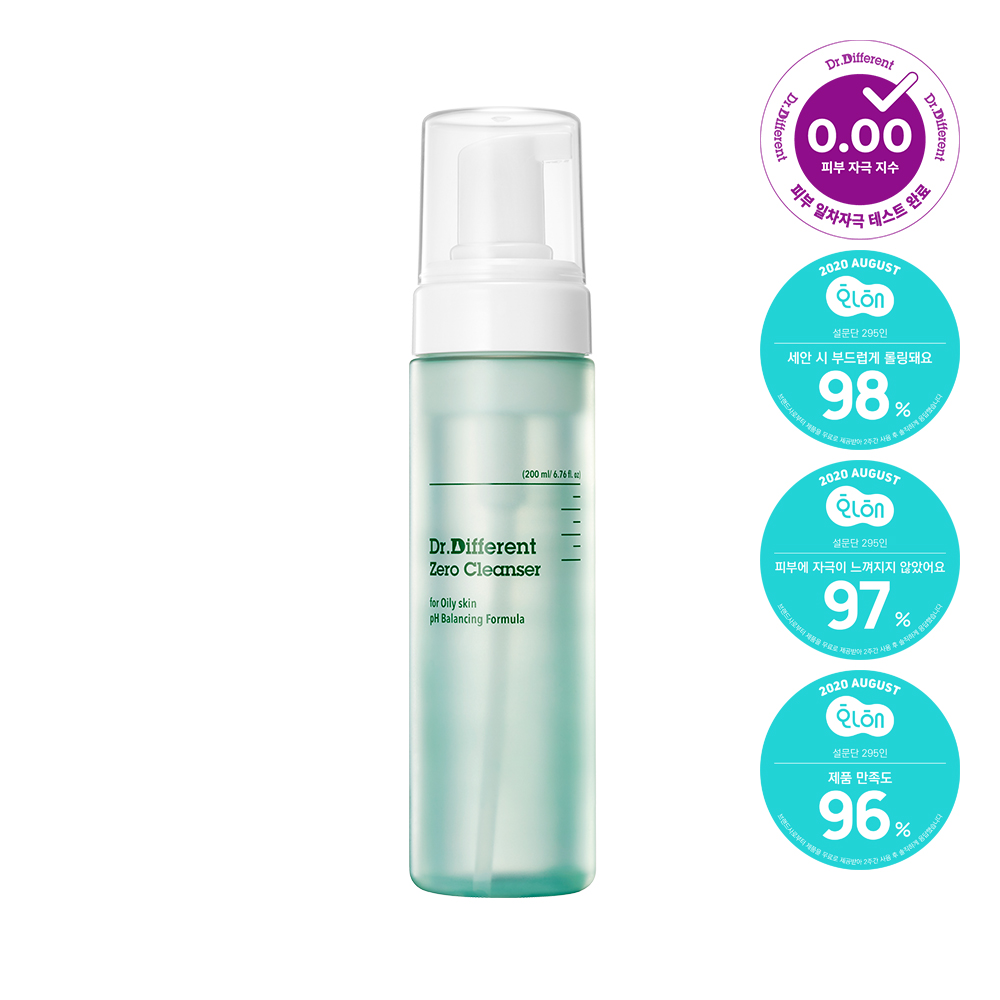
Zero Cleanser for Oily Skin
Dr.Different
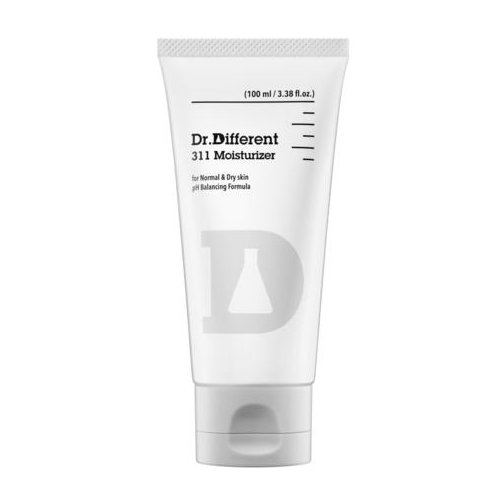
311 Moisturizer
Dr.Different
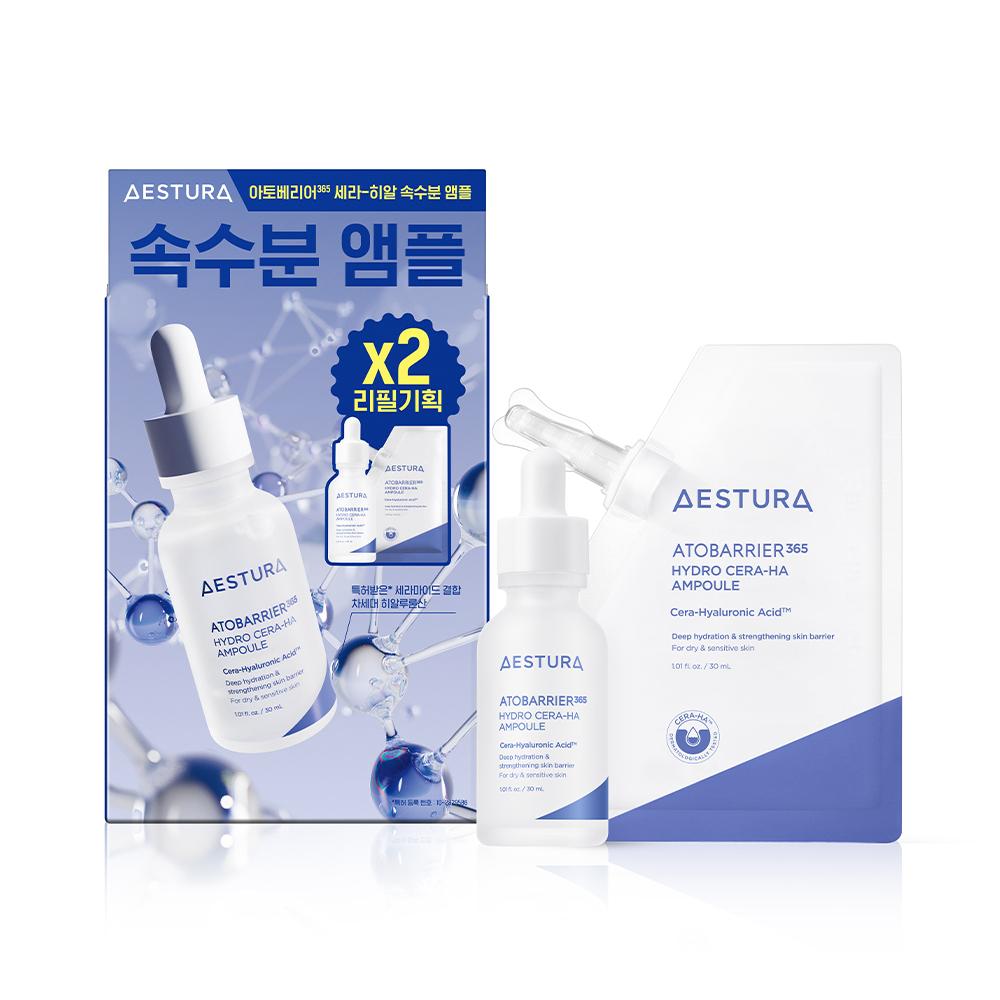
Atobarrier 365 Cera-Ha Ampoule 30ml Refill Set
Aestura
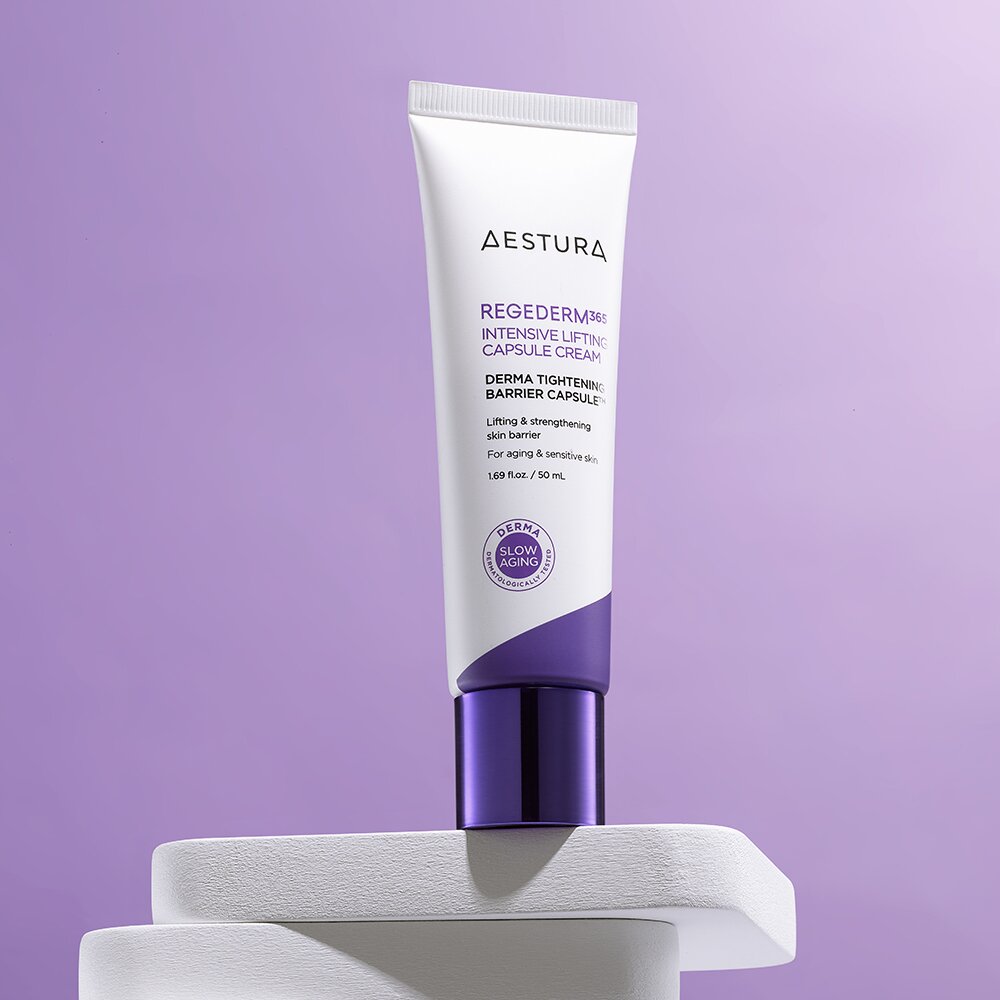
Regederm 365 Intensive Lifting Capsule Cream
Aestura
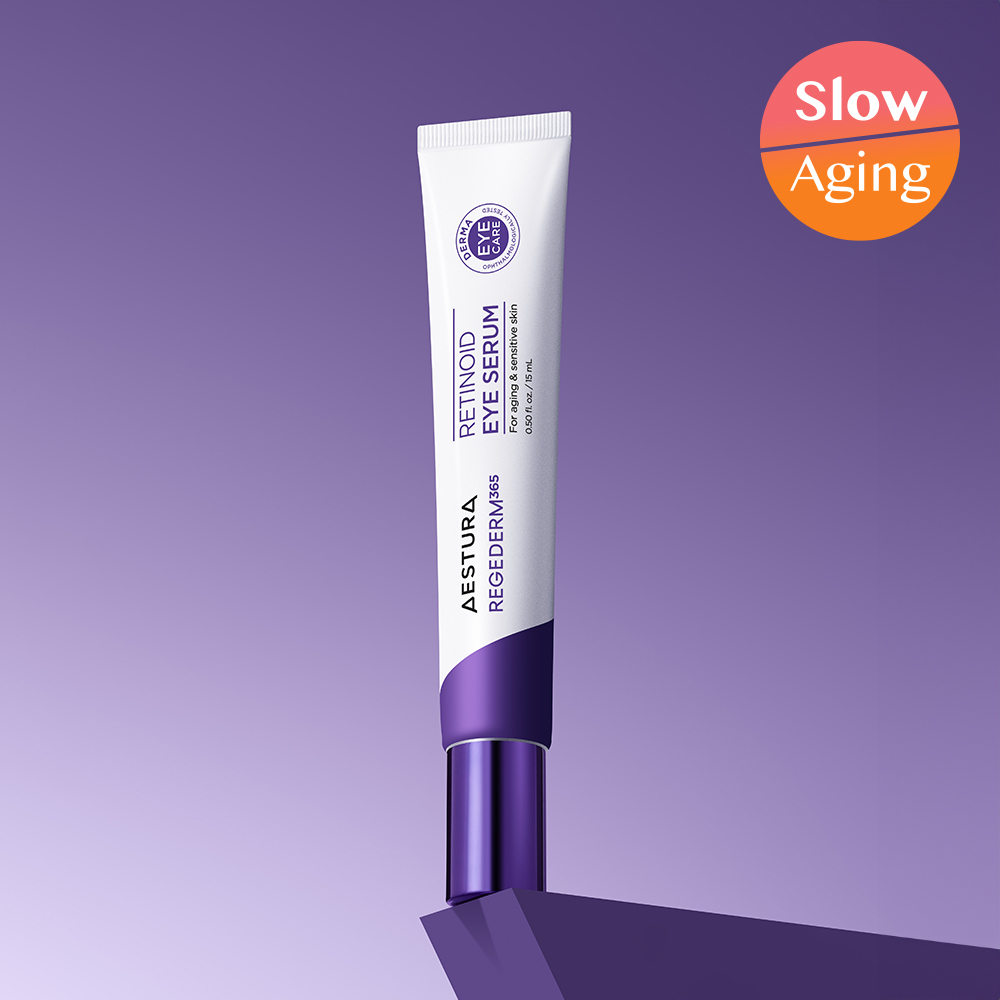
Regederm365 Retinoid Eye Serum
Aestura
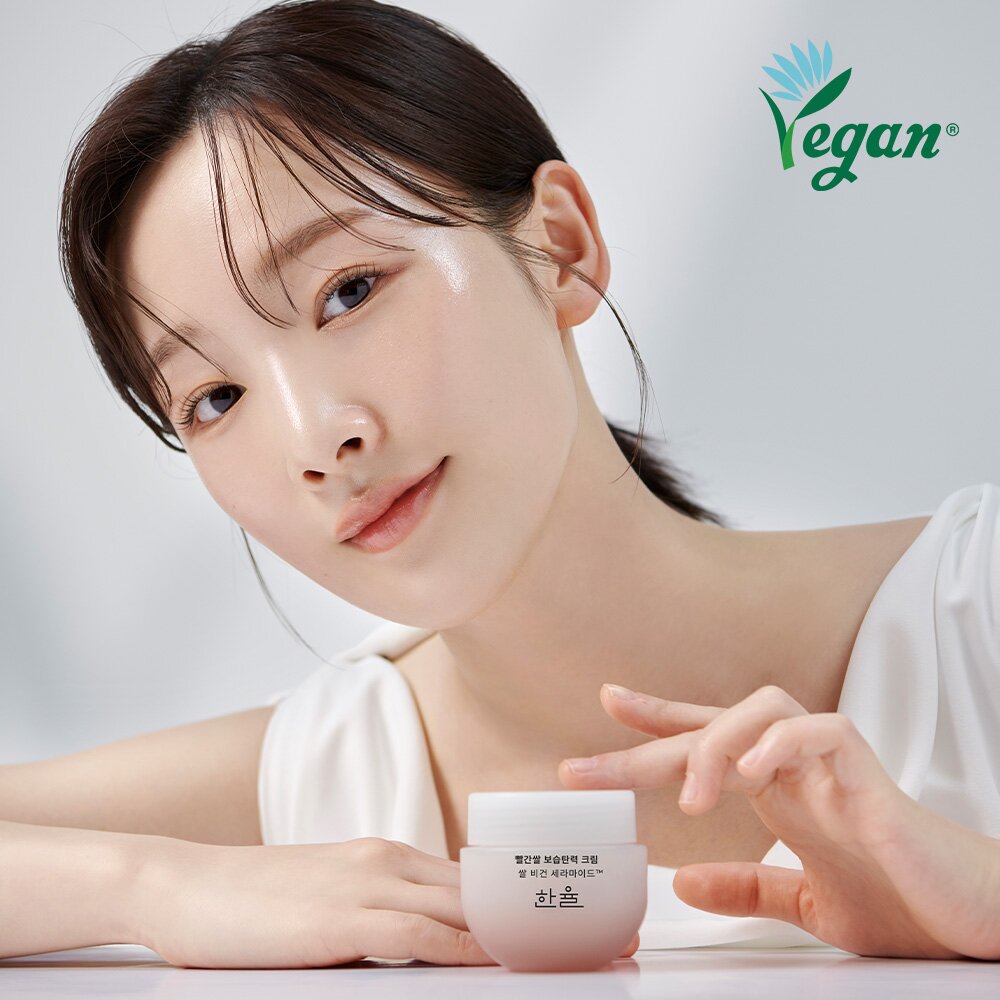
Red Rice Moisture Firming Cream
Hanyul
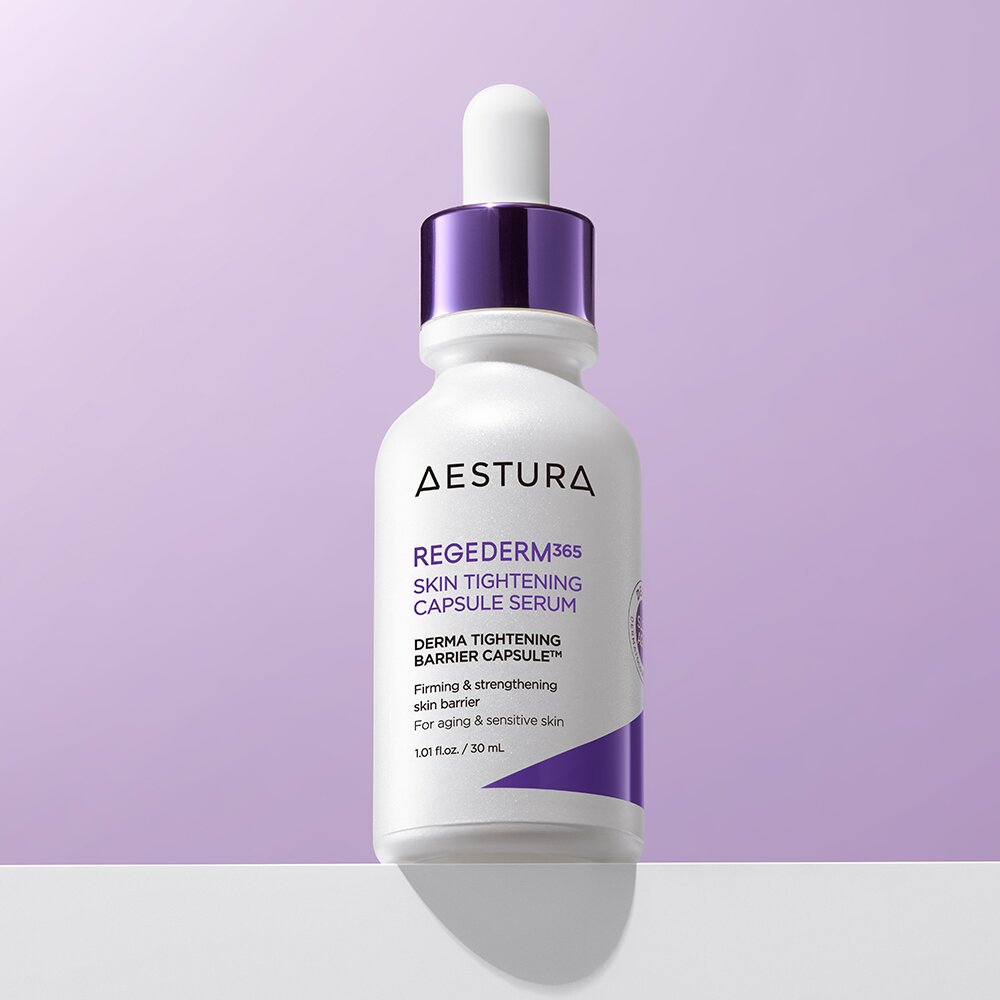
Regederm 365 Skin Tightening Capsule Serum
Aestura
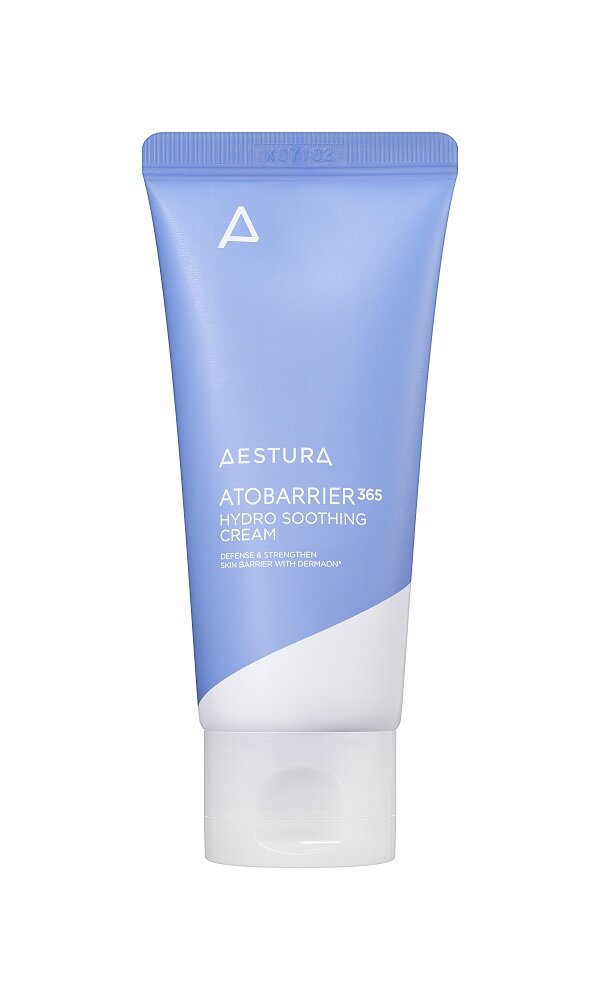
Atobarrier 365 Hydro Soothing Cream
Aestura
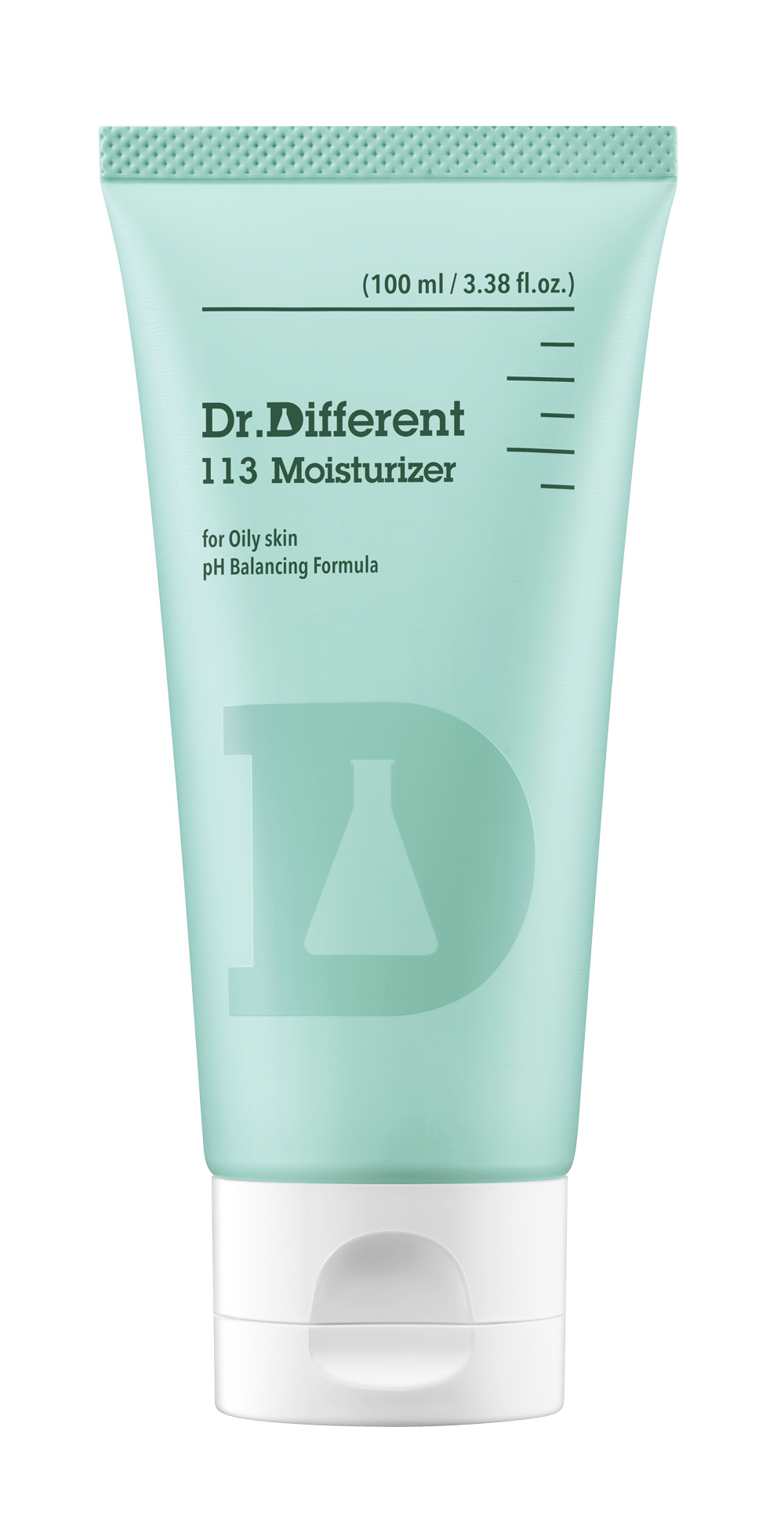
113 Moisturizer for Oily Skin
Dr.Different
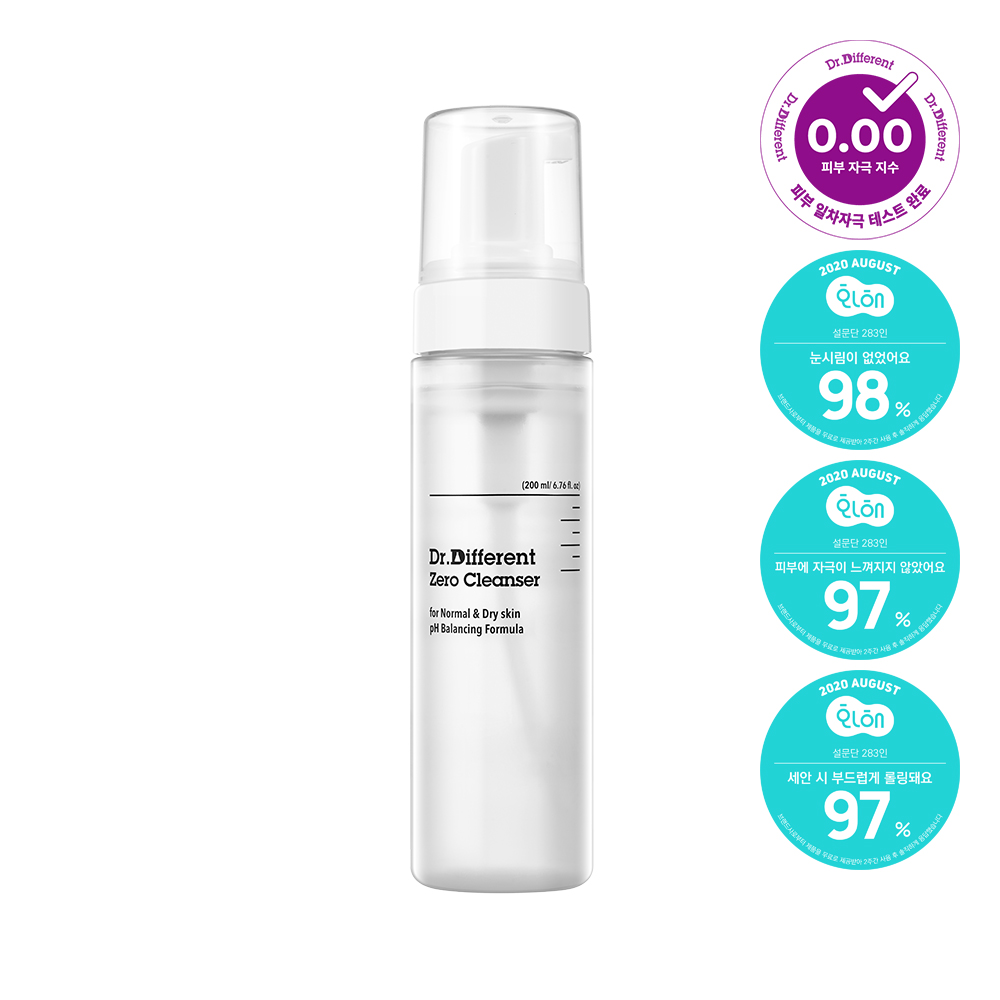
Zero Cleanser for Normal & Dry Skin
Dr.Different
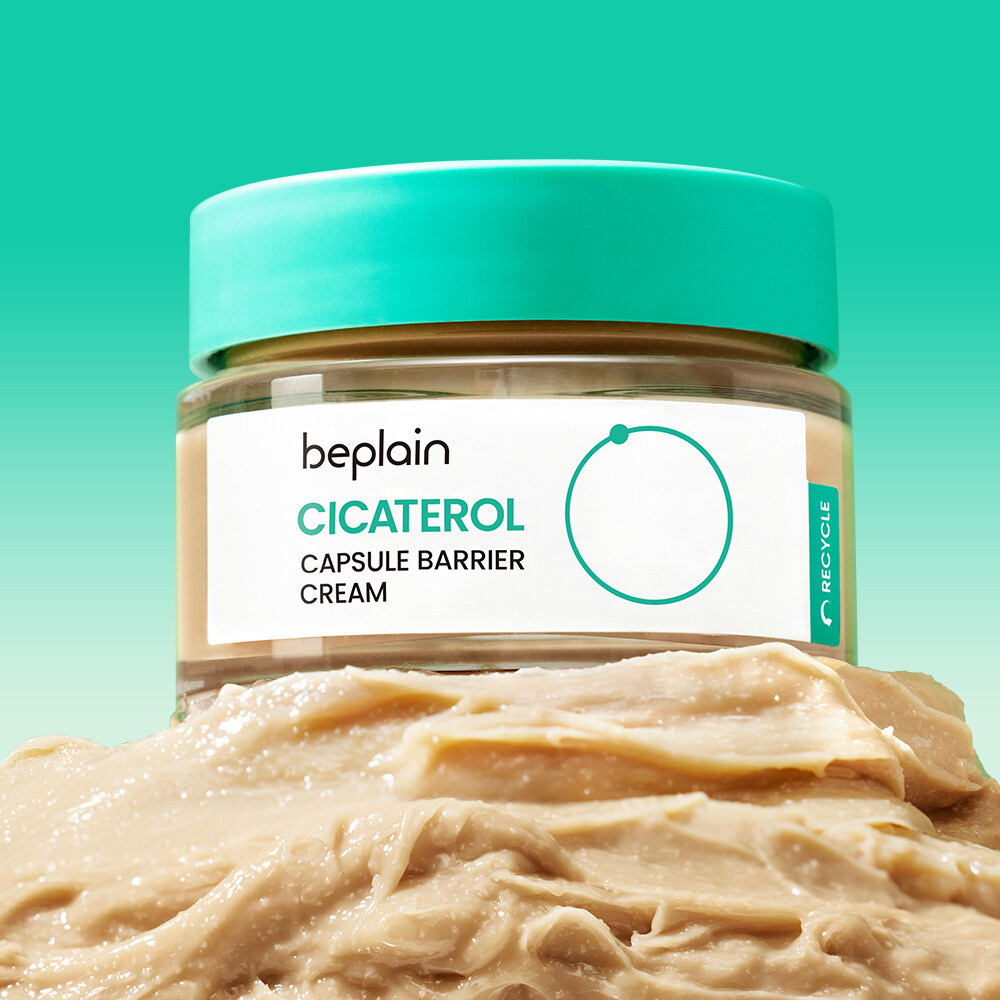
Cicaterol Capsule Barrier Cream
Beplain
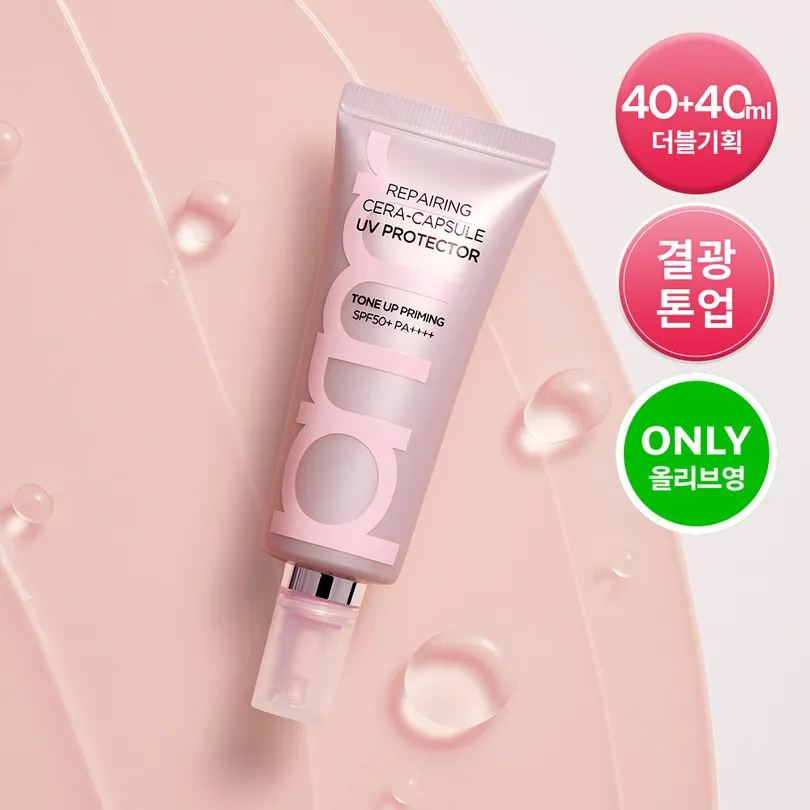
Repairing Cera-Capsule UV Protector Tone Up Priming Double Pack
Primera
Frequently Asked Questions
Is Hydroxypropyl Bispalmitamide MEA the same as ceramides?▼
Will this ingredient clog my pores if I have acne-prone skin?▼
How long does it take to see barrier repair results?▼
Can I use this ingredient with vitamin C or retinol?▼
Articles About Hydroxypropyl Bispalmitamide MEA
Korean Moisturizer or Barrier Cream? How to Tell What Your Skin Actually Needs
A moisturizer is a delivery system with three jobs, and the label rarely says which one you are buying. How to tell damaged from dehydrated, read the ingredient list, and pick accordingly.
Top 10 Trending K-Beauty Products in March 2026
These are the Korean beauty products trending at Olive Young right now. From barrier-repair creams to PDRN serums, here are the products about to dominate your feed.
Explore More
Want personalized ingredient advice?
Yuri, our AI beauty advisor, can tell you how Hydroxypropyl Bispalmitamide MEA works with your specific skin type, routine, and concerns.
Ask Yuri, free