Illite Clay
INCI: Illite
Absorbent clay that removes impurities and oil
About Illite Clay
Illite clay is a naturally occurring mineral clay known for its exceptional oil-absorbing properties and gentle detoxifying action. Named after Illinois where it was first identified, this grey-green clay is rich in minerals like magnesium, calcium, and potassium that benefit skin health. In K-beauty, illite has become a staple in pore-focused formulations, especially wash-off masks and cleansers designed to tackle congestion without stripping the skin. Unlike harsher clays like bentonite, illite offers a more moderate absorption level, making it suitable for a wider range of skin types. Its fine particle structure allows it to draw out sebum, dead skin cells, and environmental pollutants from pores while delivering trace minerals that support skin barrier function. K-beauty brands have embraced illite for its ability to refine skin texture and minimize the appearance of enlarged pores, often combining it with soothing ingredients like centella asiatica or hydrating agents to balance its absorbent nature. With 29 products featuring illite on Seoul Sister, including highly rated options like the Redence Green Grape Gelato Pore Pack Cleanser and Medicube Spa Relief Frozen Pore Mask (both scoring perfect 5.0 ratings), this ingredient has proven its effectiveness in the competitive K-beauty landscape.
How Illite Clay Works
Illite clay functions through a process called adsorption, where its negatively charged particles attract and bind to positively charged impurities, excess sebum, and toxins on the skin's surface. The clay's layered silicate structure creates a large surface area relative to its volume, maximizing its ability to capture unwanted materials. When applied to skin, illite particles swell slightly upon contact with moisture, creating a gentle suction effect that helps lift debris from within pores. As the clay dries, it contracts, further drawing out impurities while simultaneously stimulating microcirculation in the upper layers of the dermis. The mineral content of illite, particularly its silicon dioxide base, helps strengthen the skin's natural protective barrier by supporting collagen production and cellular communication. Unlike physical exfoliants that work through abrasion, illite provides chemical purification that's less likely to cause micro-tears or irritation, making it effective for regular use in maintenance routines.
Illite Clay by Skin Type
Oily Skin
Illite clay is particularly effective for oily skin types, as its moderate absorption capacity helps regulate sebum production without triggering rebound oiliness. The clay's ability to unclog pores and reduce shine makes it ideal for weekly or bi-weekly treatments, especially when used in products like the Homme Perfect Acne Pack Cleanser by Foellie (5.0 rating), which targets excess oil while preventing breakouts.
Dry Skin
While illite is gentler than many clays, dry skin types should approach it cautiously and limit use to once every 7-10 days, focusing application only on congested areas like the T-zone. Look for formulations that combine illite with hydrating ingredients like hyaluronic acid or glycerin to prevent over-drying. The Cica Deep Pore Clay Mask Cleanser by Round Lab (4.9 rating) includes soothing centella to balance illite's absorbent properties, making it more suitable for drier complexions.
Combo Skin
Combination skin benefits greatly from illite clay's balanced absorption profile, as it can be applied all over or strategically to oily zones while avoiding dry patches. This skin type can typically handle illite treatments twice weekly, making it perfect for maintaining clear pores in the T-zone without compromising cheek hydration. Products like the SNP Pore Bounce-Up Clay Mask (5.0 rating) work exceptionally well for combination skin's varying needs.
Sensitive Skin
Sensitive skin can tolerate illite better than more aggressive clays due to its gentler mineral composition and lower irritation potential, though patch testing remains important. The comedogenic rating of 2/5 indicates minimal risk of clogging, but those with reactive skin should limit use to once every 10-14 days and choose formulas with calming co-ingredients. Avoid leaving illite masks on sensitive skin until completely dry, as this can cause temporary redness or tightness.
Normal Skin
Normal skin types can use illite clay as a regular maintenance treatment, typically 1-2 times weekly, to prevent pore buildup and maintain skin clarity. The mineral content supports overall skin health without disrupting the natural balance that normal skin enjoys. Products like the Medicube Spa Relief Frozen Pore Mask (5.0 rating) provide an effective reset for normal skin that's beginning to show signs of congestion or dullness.
How to Use Illite Clay
- 1Apply illite clay masks to damp skin rather than completely dry skin to prevent excessive absorption and maintain comfort during use.
- 2Never let clay masks dry completely to the point of cracking, as this can cause dehydration. Remove when the clay is still slightly tacky to touch, typically after 5-10 minutes.
- 3Follow illite clay treatments with a hydrating toner or essence to replenish moisture and minerals, maximizing the benefits while preventing any temporary tightness.
- 4For targeted treatment, apply illite only to congested areas like the nose, chin, and forehead rather than the entire face, especially if you have combination or dry skin.
- 5Use lukewarm water and gentle circular motions to remove clay masks, as this provides mild physical exfoliation and ensures all residue is cleared from pores.
Background
Illite was first identified and characterized in Illinois in the 1930s by soil scientists studying clay minerals, though the substance itself has existed in nature for millions of years through the weathering of feldspars and micas. The clay forms in marine and freshwater sediments, particularly in regions with moderate weathering conditions. Traditional Korean medicine has long recognized the benefits of various clays for skin purification, though illite specifically gained prominence in K-beauty formulations in the 2010s as the industry began emphasizing pore care and sebum control. Korean formulators appreciated illite's gentler profile compared to bentonite or kaolin, allowing them to create daily or frequent-use products that wouldn't compromise skin barrier integrity. The rise of multi-step skincare routines in Korea created demand for effective yet non-stripping cleansing products, positioning illite as an ideal ingredient for wash-off masks and clay cleansers that fit seamlessly into comprehensive regimens.
K-Beauty Products with Illite Clay
View all 30 →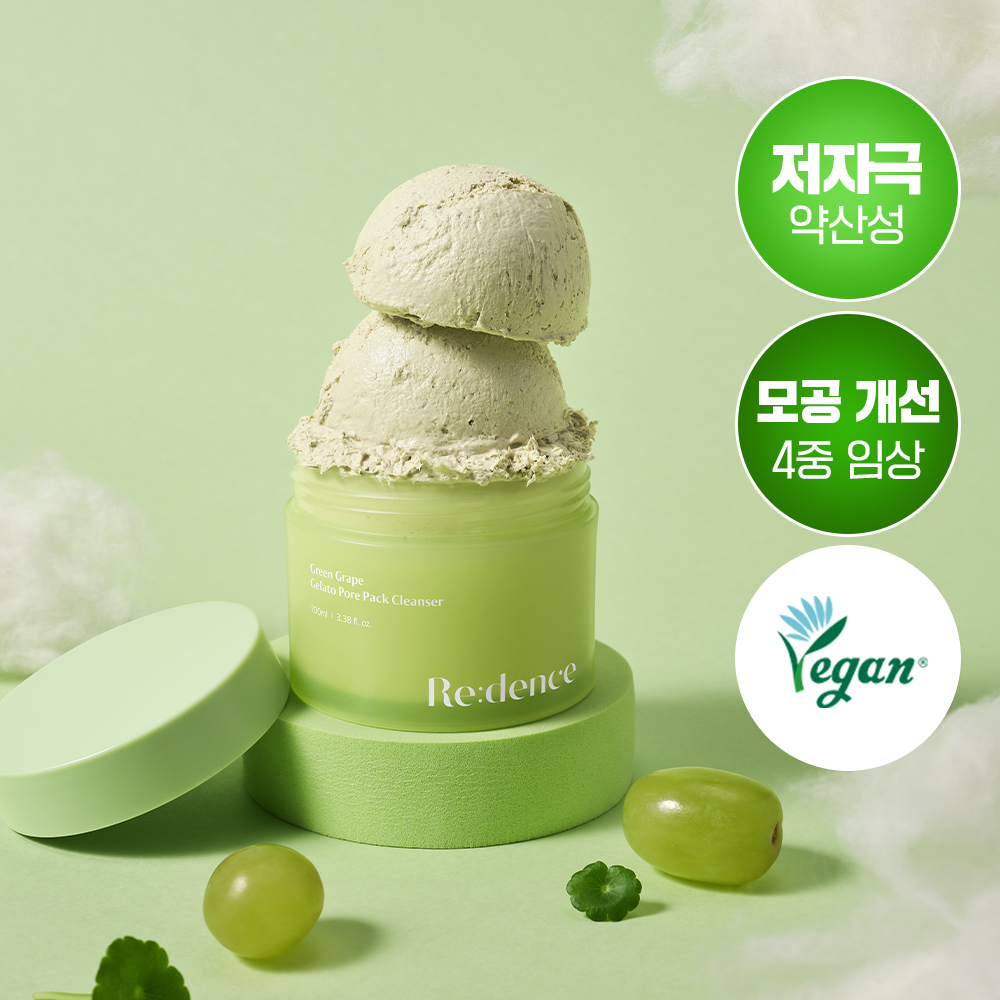
Green Grape Gelato Pore Pack Cleanser
Redence
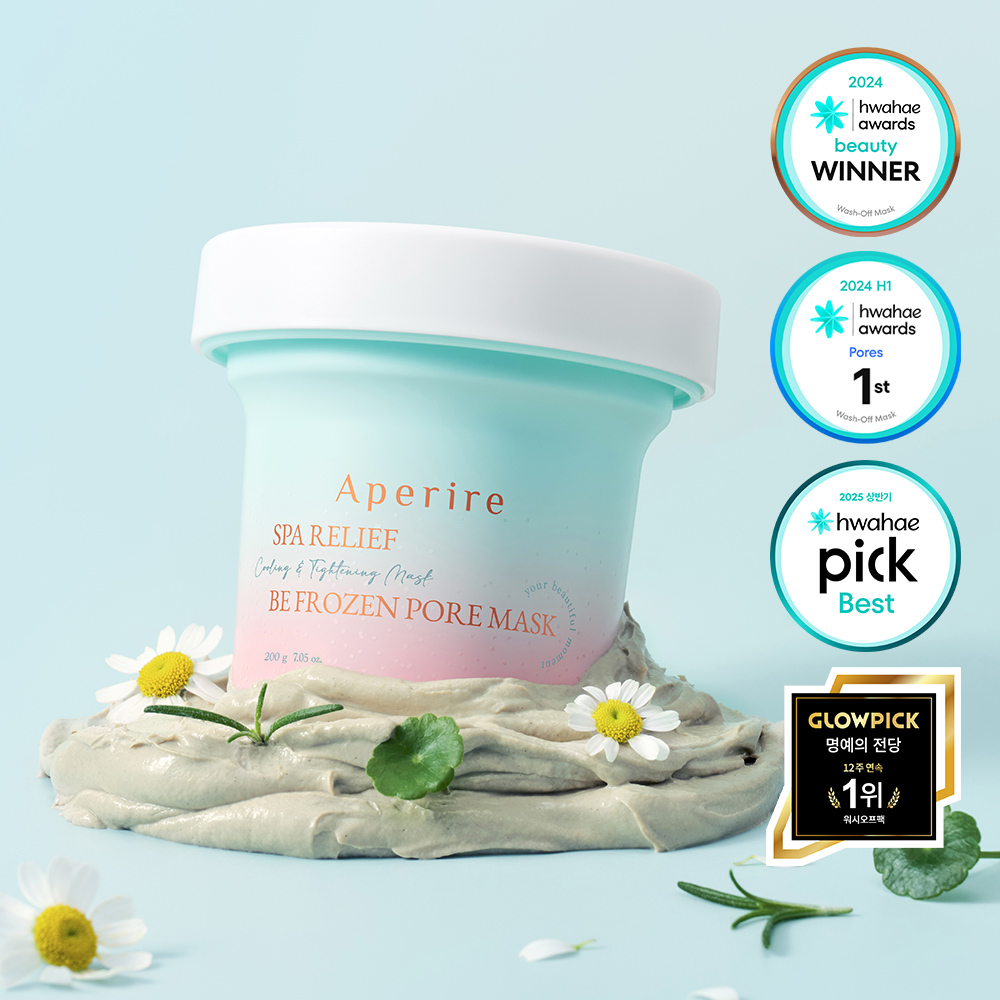
Spa Relief Frozen Pore Mask
Medicube
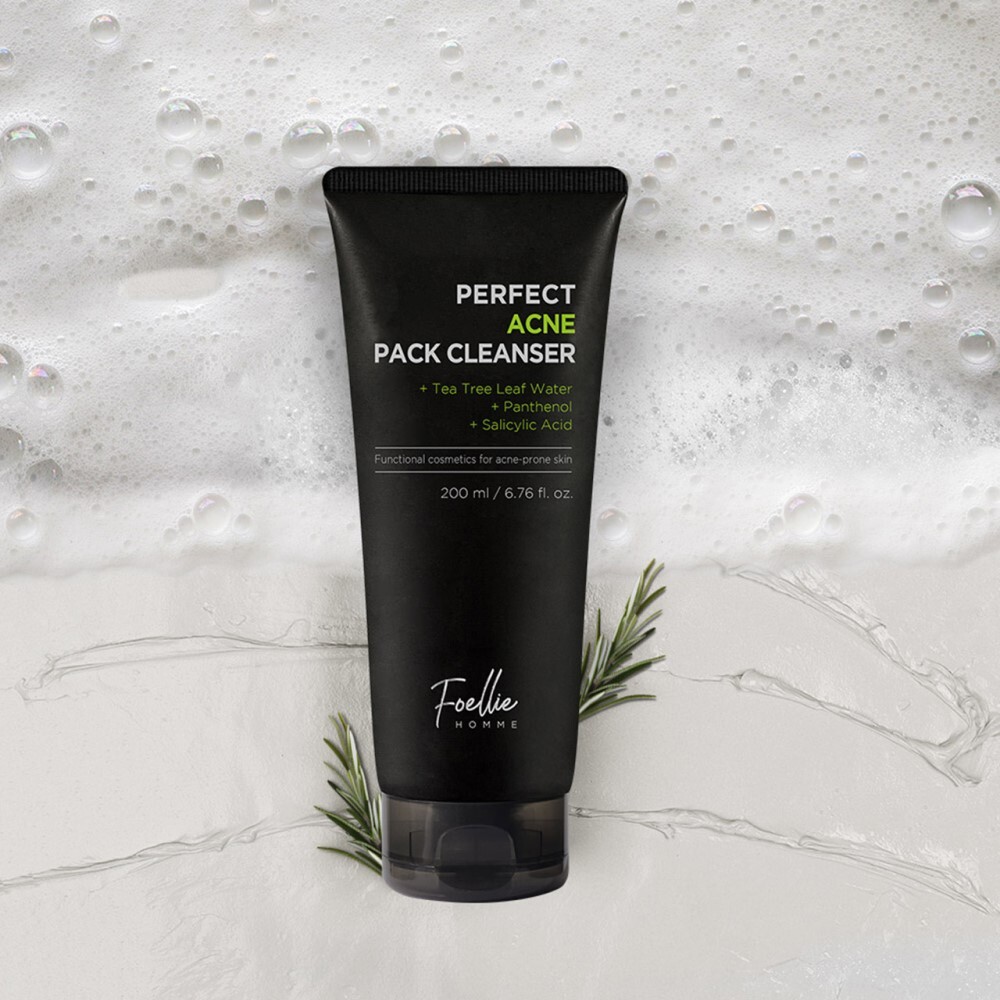
Homme Perfect Acne Pack Cleanser
Foellie
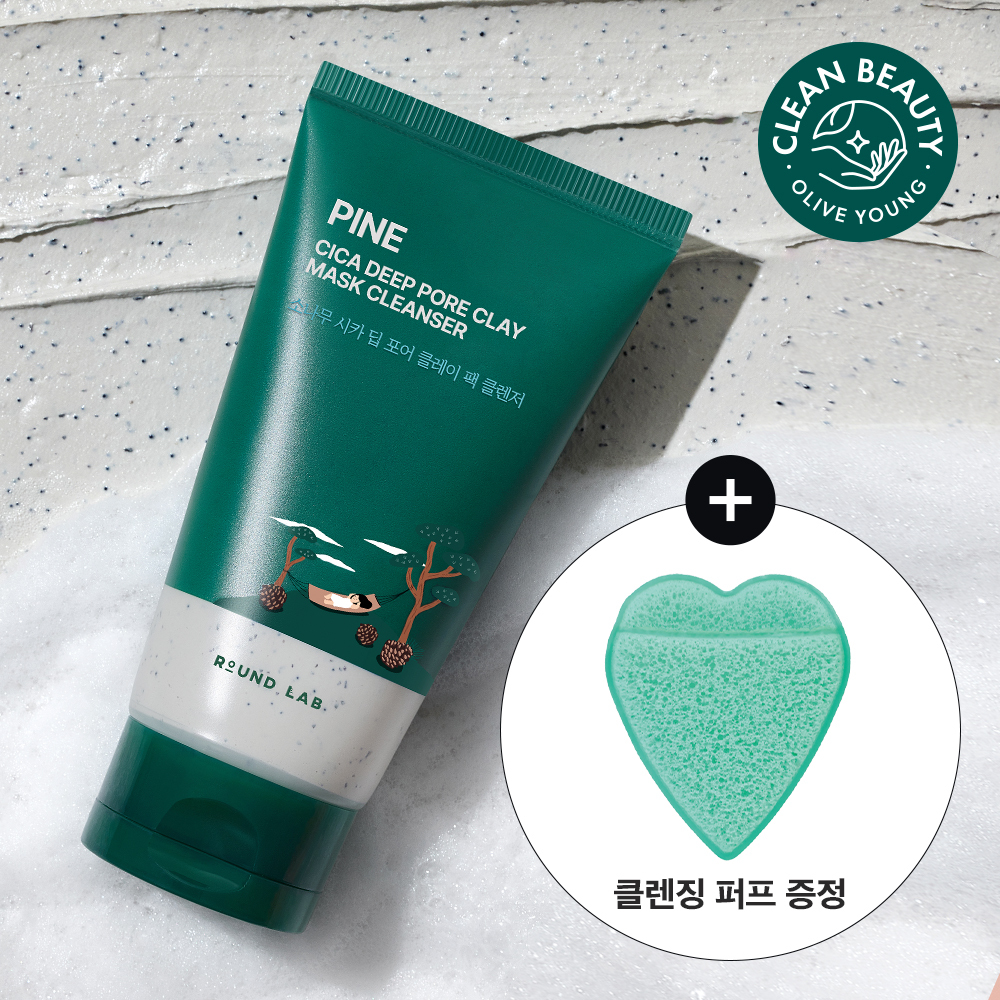
Cica Deep Pore Clay Mask Cleanser
Round Lab
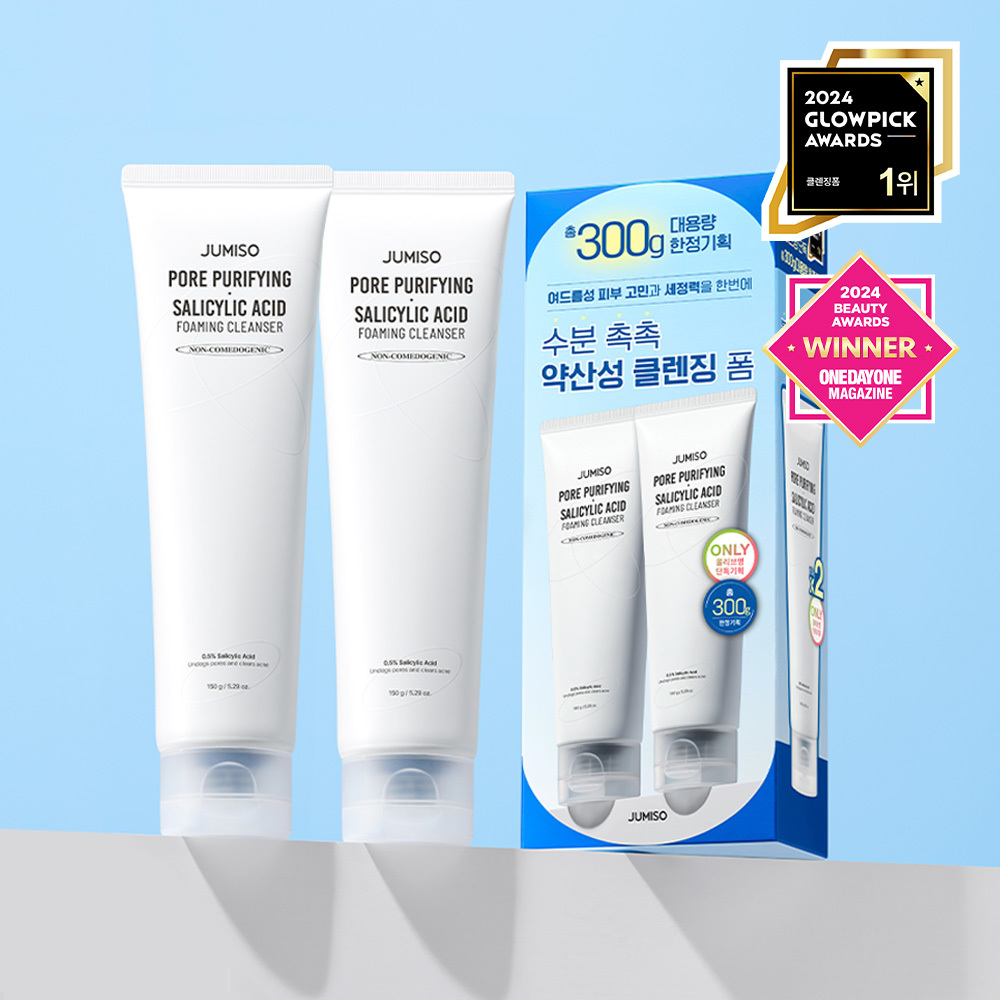
Pore Purifying Salicylic Acid Foaming Cleanser 120g Double Set
Jumiso
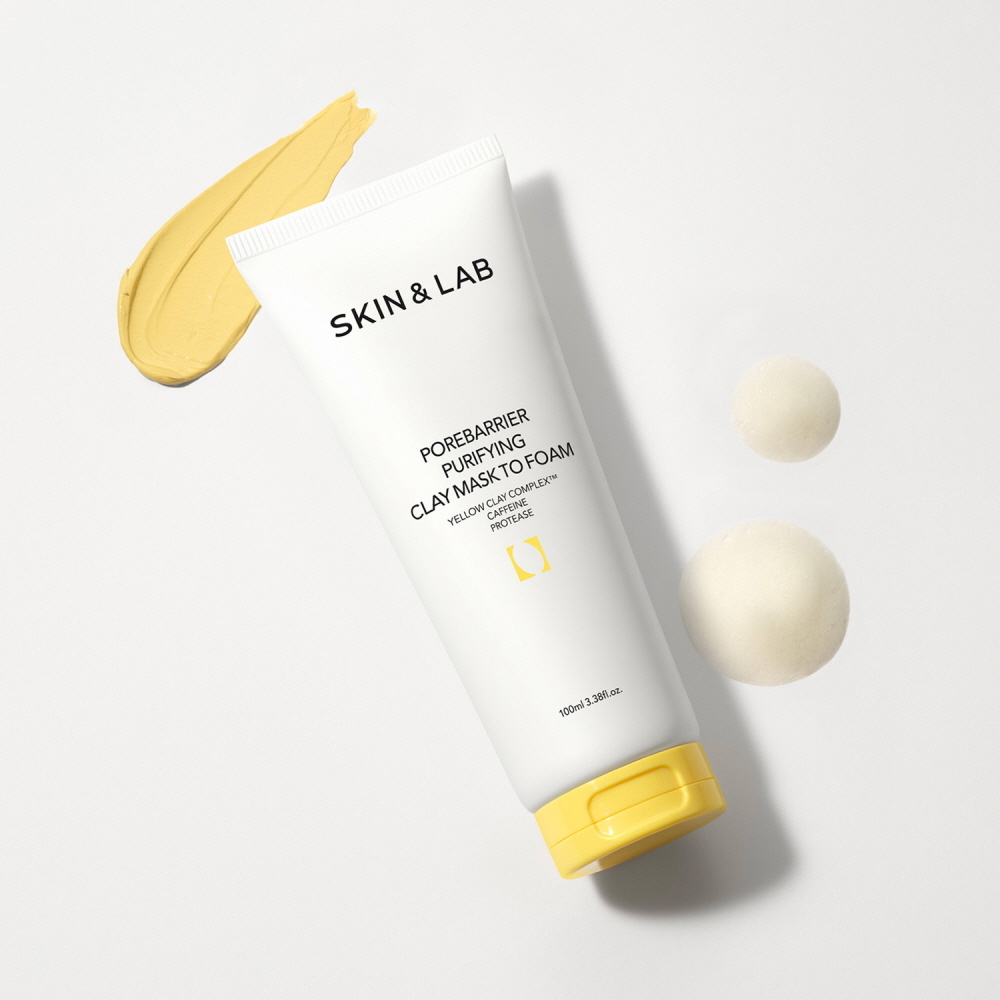
Porebarrier Purifying Clay Mask To Foam
Skin&Lab
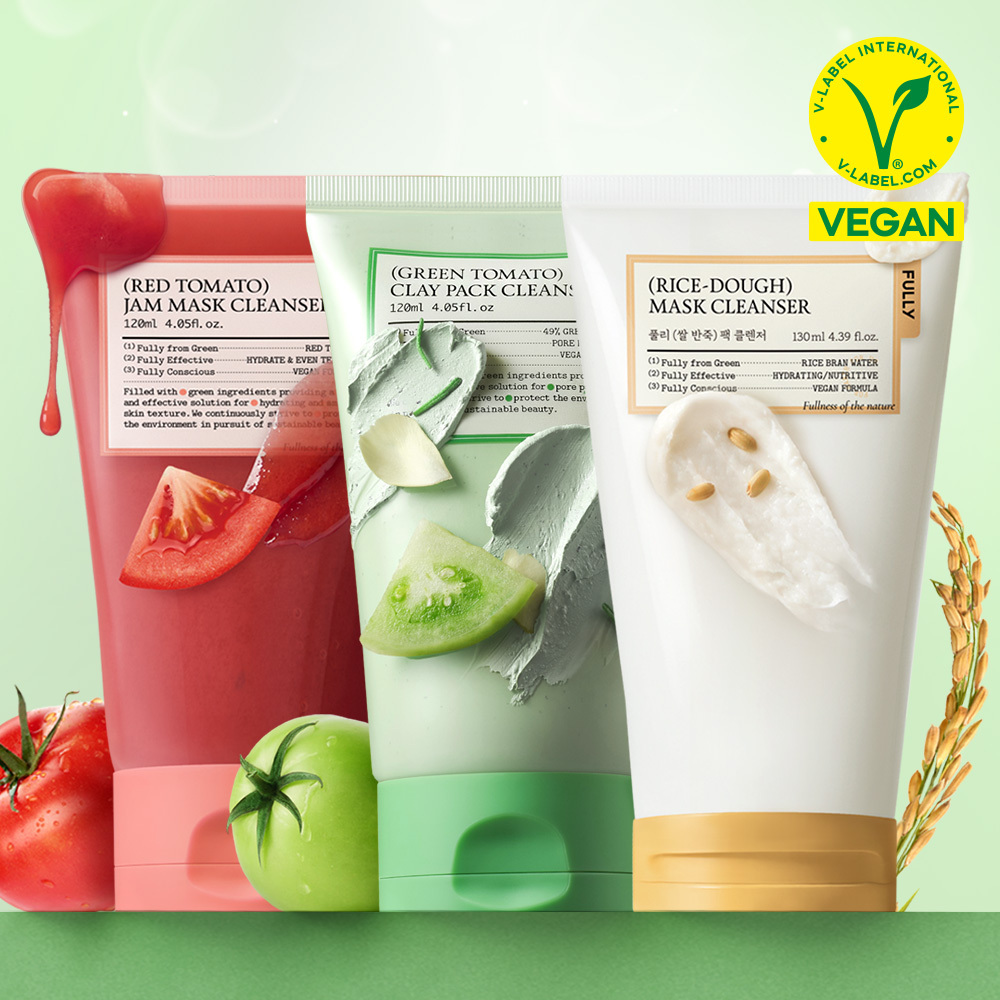
Pack Cleanser - Green Tomato/Red Tomato/Rice Dough
Fully
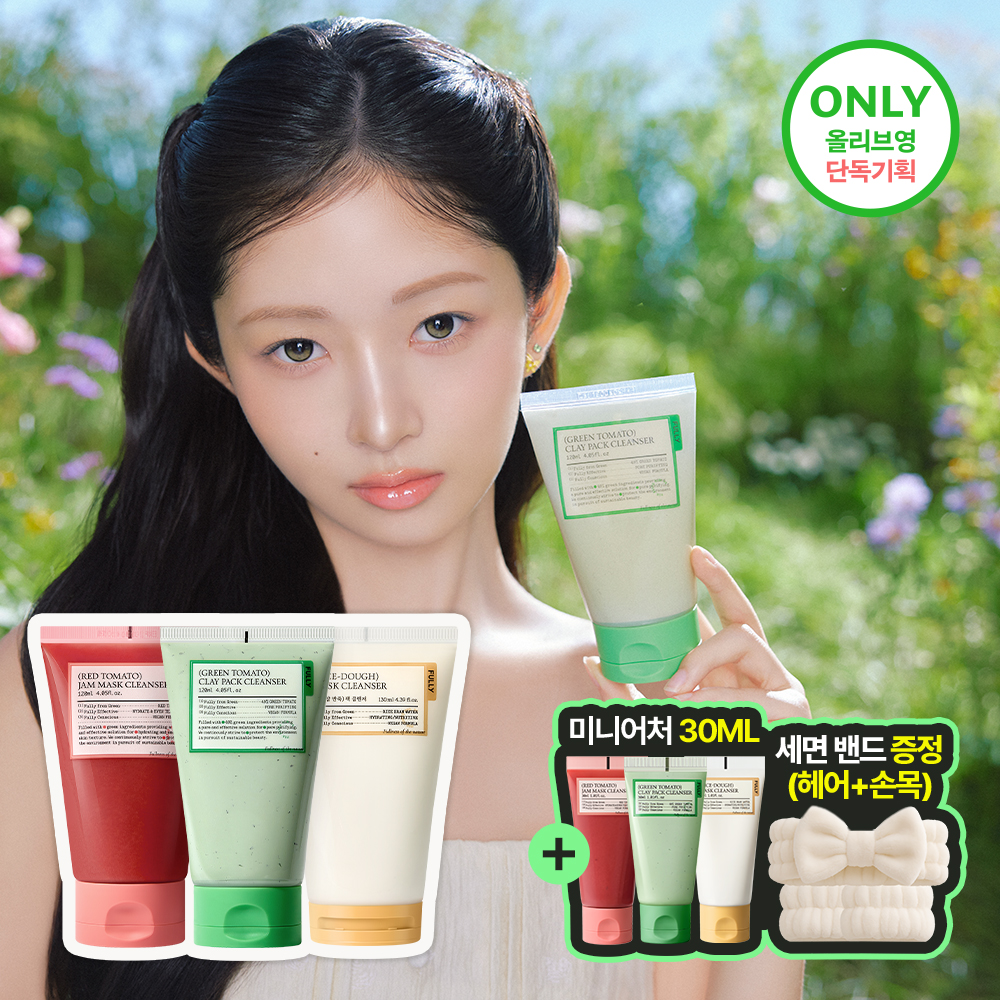
Pack Cleanser Set - Green Tomato / Red Tomato / Rice Dough
Fully
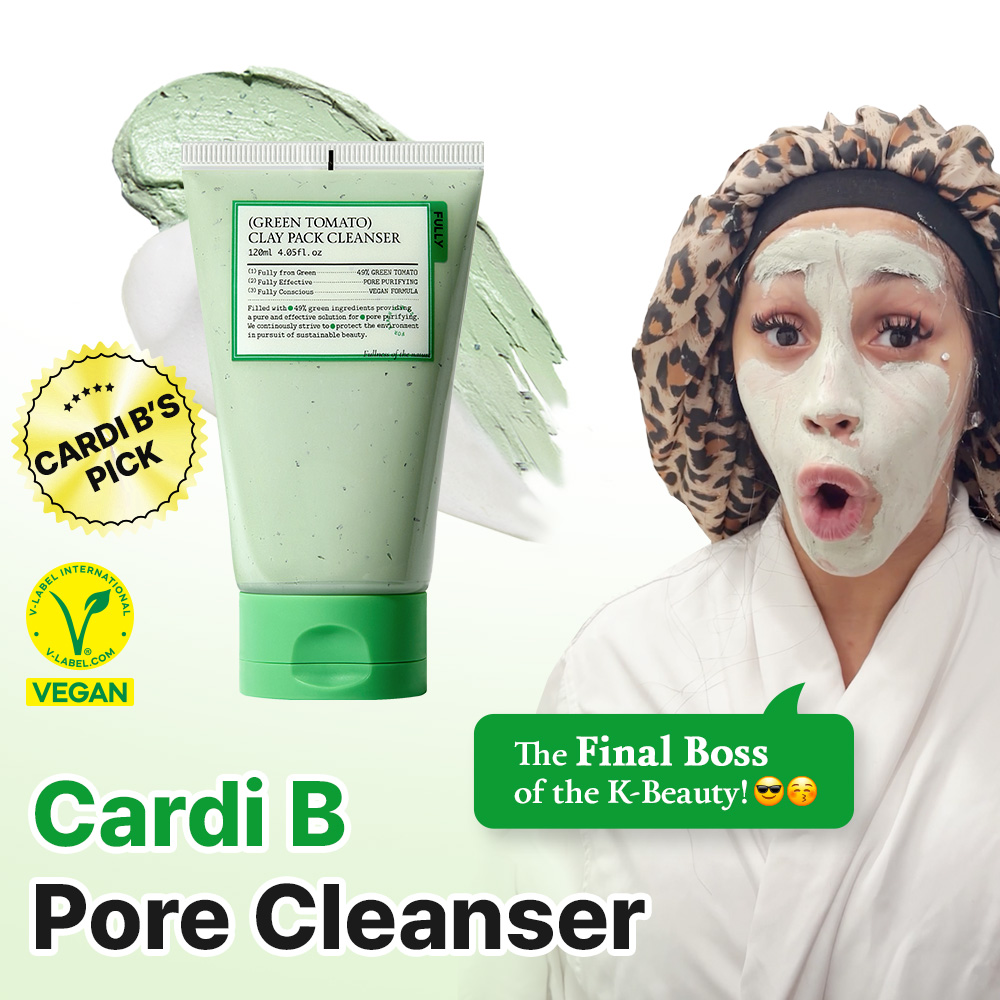
Pack Cleanser Set - Green Tomato/Red Tomato/Rice Dough
Fully
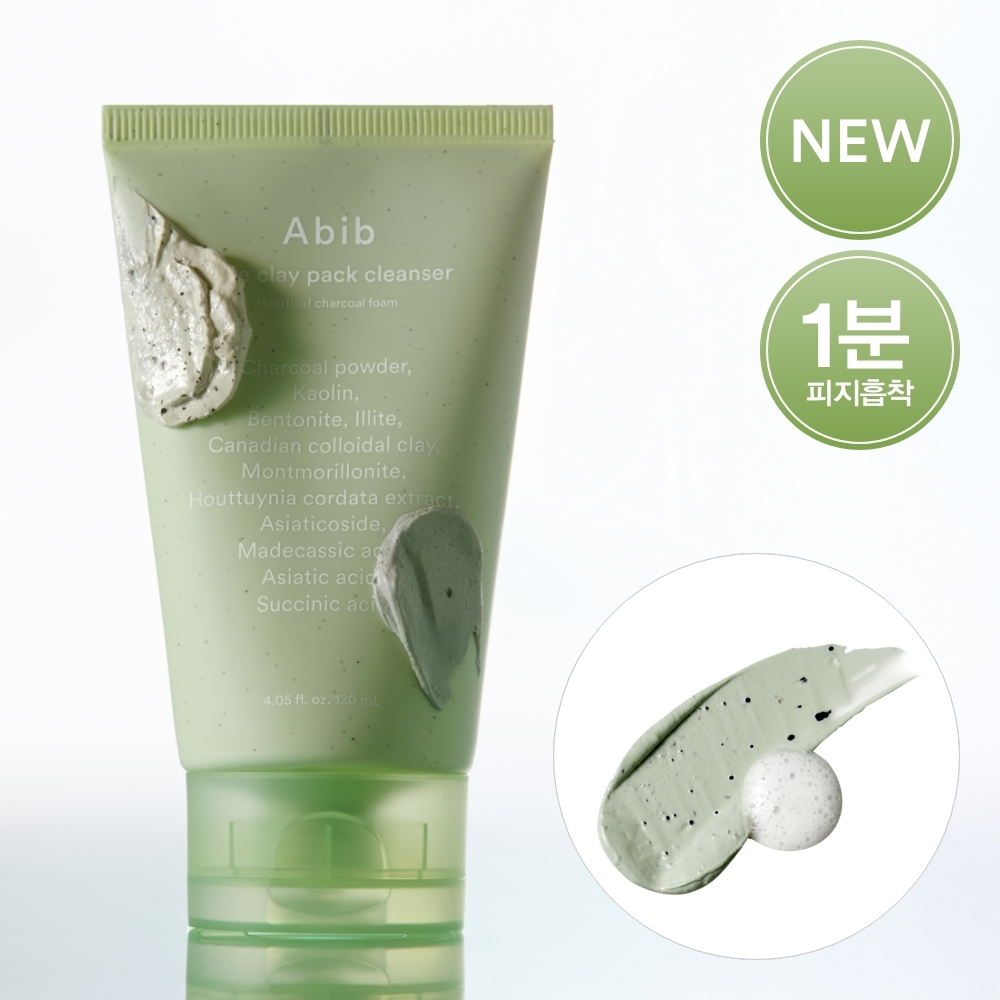
Pore Clay Pack Cleanser Heartleaf Charcoal Foam
Abib
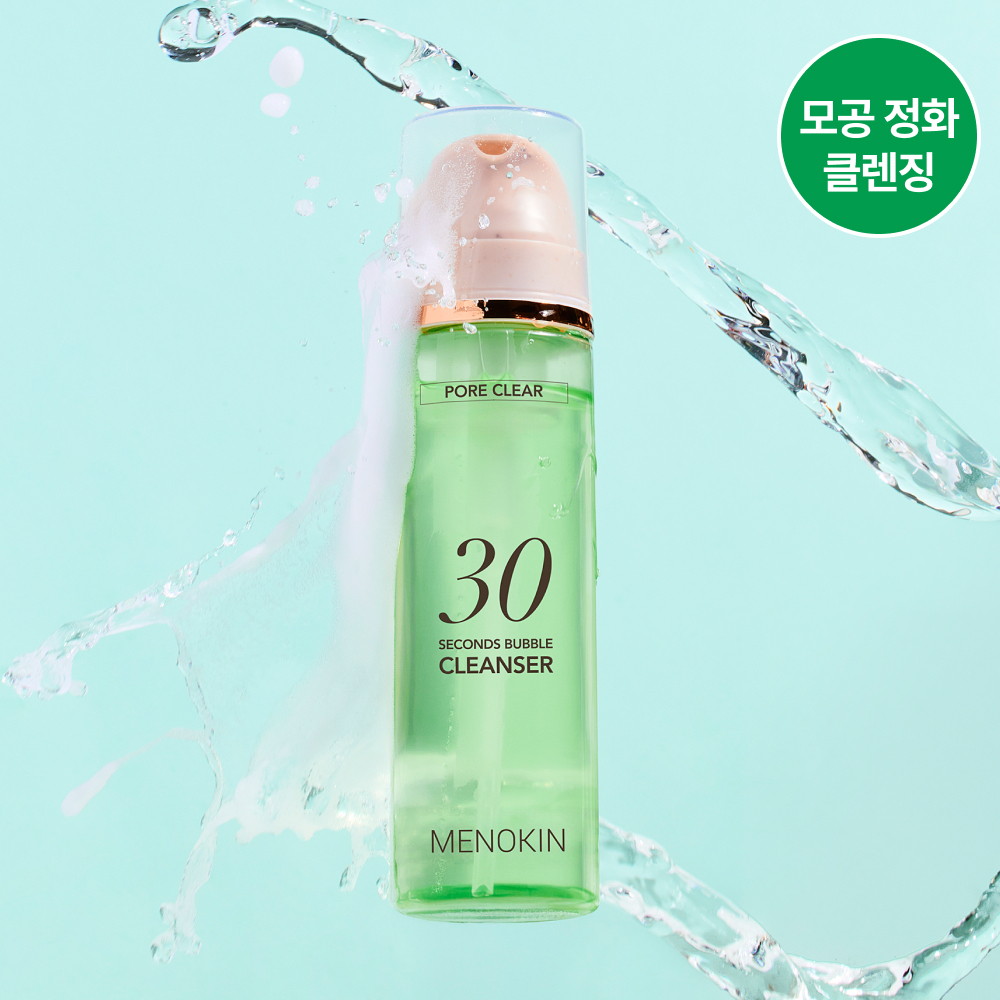
30 Seconds Bubble Cleanser Pore Clear
MENOKIN

White Truffle Return Oil Cream Cleanser
d'Alba
Frequently Asked Questions
Can I use illite clay masks every day?▼
Why does my skin feel tight after using illite clay?▼
Is illite clay safe for acne-prone skin?▼
What's the difference between illite and other clays in K-beauty?▼
Can I mix illite clay with other active ingredients?▼
Explore More
Want personalized ingredient advice?
Yuri, our AI beauty advisor, can tell you how Illite Clay works with your specific skin type, routine, and concerns.
Ask Yuri, free