Rice Ferment
INCI: Lactobacillus/Rice Ferment
Probiotic ferment for brightening and skin conditioning
About Rice Ferment
Rice ferment, scientifically known as Lactobacillus/Rice Ferment, represents one of K-beauty's most celebrated ingredient innovations, rooted in centuries of Korean skincare tradition. This probiotic-rich ferment is created when Lactobacillus bacteria break down rice, producing a potent cocktail of amino acids, vitamins, minerals, and postbiotics that work synergistically to brighten, condition, and strengthen skin. The fermentation process amplifies rice's natural benefits, making nutrients more bioavailable and creating new compounds with enhanced skin-loving properties. Korean beauty brands have mastered this ancient technique, transforming humble rice into a powerhouse ingredient that addresses multiple skin concerns simultaneously. Rice ferment is particularly prized for its ability to visibly improve skin radiance without irritation, making it a staple in everything from essences to emulsions. With 23 products on Seoul Sister featuring this ingredient, including perfect 5.0-rated formulas like Numbuzin's No. 3 Super Glowing Essence Toner and COSNORI's Panthenol Barrier line, rice ferment has proven its place as a modern K-beauty essential. Its low comedogenic rating of 1/5 means it's suitable for virtually all skin types, while its impressive safety rating of 4/5 confirms what Korean women have known for generations: fermented rice is as gentle as it is effective.
How Rice Ferment Works
At the molecular level, rice ferment works through multiple complementary mechanisms. During fermentation, Lactobacillus bacteria enzymatically break down rice's complex starches and proteins into smaller, more easily absorbed molecules like amino acids, peptides, and oligosaccharides. This process also generates postbiotics, beneficial metabolites including lactic acid, which gently exfoliates dead skin cells and accelerates cell turnover for a natural glow. The ferment is rich in kojic acid and arbutin precursors that inhibit tyrosinase, the enzyme responsible for melanin production, leading to visible brightening and evening of skin tone over time. Rice ferment's amino acids strengthen the skin's natural moisture barrier by supporting ceramide synthesis and improving lipid organization in the stratum corneum. The probiotic components also modulate the skin's microbiome, promoting beneficial bacteria while discouraging problematic strains, which reduces inflammation and enhances overall skin resilience. Additionally, the ferment delivers antioxidants like ferulic acid and gamma-oryzanol that neutralize free radicals, protecting against environmental stressors and premature aging. This multi-pathway approach explains why products containing rice ferment, like the 4.9-rated Mixsoon Soybean Milk Serum, deliver comprehensive improvements rather than targeting just one concern.
Rice Ferment by Skin Type
Oily Skin
Rice ferment is remarkably beneficial for oily skin thanks to its non-comedogenic nature (rated 1/5) and ability to balance sebum production without adding heaviness. The gentle exfoliating action from natural lactic acid helps keep pores clear and minimizes their appearance, while the lightweight, watery consistency of most rice ferment products absorbs quickly without leaving residue.
Dry Skin
For dry skin, rice ferment acts as a moisture magnet and barrier strengthener. Its amino acids and polysaccharides bind water to the skin's surface while supporting the lipid barrier from within, creating lasting hydration rather than just temporary relief. The conditioning properties help smooth rough texture and restore suppleness, making it a key ingredient in hydrating formulas like COSNORI's Panthenol Barrier Emulsion.
Combo Skin
Combination skin benefits from rice ferment's balancing nature, as it hydrates dry zones without overwhelming oily areas. The ingredient's ability to regulate both moisture levels and sebum production makes it ideal for addressing the dual needs of combination skin. Products like YUNJAC's Skin Perfecting Glow Up Prep Water (5.0 rating) leverage this versatility perfectly.
Sensitive Skin
Rice ferment is exceptionally gentle on sensitive skin, with its probiotic components actively calming inflammation and strengthening the skin's defense mechanisms. The fermentation process removes potentially irritating compounds while creating soothing postbiotics that reduce redness and reactivity. Its high safety rating (4/5) and long history in Korean skincare support its suitability for even the most delicate complexions.
Normal Skin
Normal skin types can use rice ferment as a preventative powerhouse, maintaining optimal barrier function and radiance while protecting against environmental damage. It enhances skin's natural glow without disrupting its balance, making it perfect for those looking to preserve their skin's healthy state. The ingredient's versatility shines in multi-functional products that normal skin can use daily without concern.
How to Use Rice Ferment
- 1Layer rice ferment products immediately after cleansing on damp skin to maximize absorption, starting with the thinnest consistency (like Numbuzin's essence toner) and building to thicker formulas.
- 2For maximum brightening benefits, use rice ferment products consistently for at least 4-6 weeks, as the tyrosinase-inhibiting effects and cell turnover improvements are cumulative rather than instant.
- 3Rice ferment plays well with other actives, so don't hesitate to pair it with niacinamide, peptides, or hyaluronic acid for enhanced results, though you may want to separate it from high-strength chemical exfoliants in your routine.
- 4Store rice ferment products away from direct sunlight and heat, as the probiotic components can degrade with temperature fluctuations, and always use clean hands or a spatula to prevent contamination.
- 5If you're new to fermented ingredients, start with a toner or essence rather than a serum to gauge your skin's response, though adverse reactions are rare given the ingredient's gentle nature.
Background
Rice ferment's origins trace back over a thousand years to ancient Korea and Japan, where women noticed that brewers making rice wine (makgeolli in Korea, sake in Japan) had remarkably smooth, luminous hands despite harsh working conditions. This observation led to the traditional practice of washing faces with rice water and eventually to the intentional fermentation of rice for skincare purposes. Korean court ladies during the Joseon Dynasty were known to use fermented rice water as a complexion treatment, a beauty secret passed down through generations. Modern K-beauty brands have elevated this folk wisdom through biotechnology, isolating specific Lactobacillus strains that produce optimal ratios of beneficial compounds. The ingredient gained international attention in the 2010s as Korean skincare exploded globally, with brands like SK-II (though Japanese) popularizing fermented ingredients broadly. Today, rice ferment represents the perfect marriage of Korean heritage and contemporary cosmetic science, with Seoul Sister tracking 23 products that carry on this centuries-old tradition in cutting-edge formulations.
K-Beauty Products with Rice Ferment
View all 28 →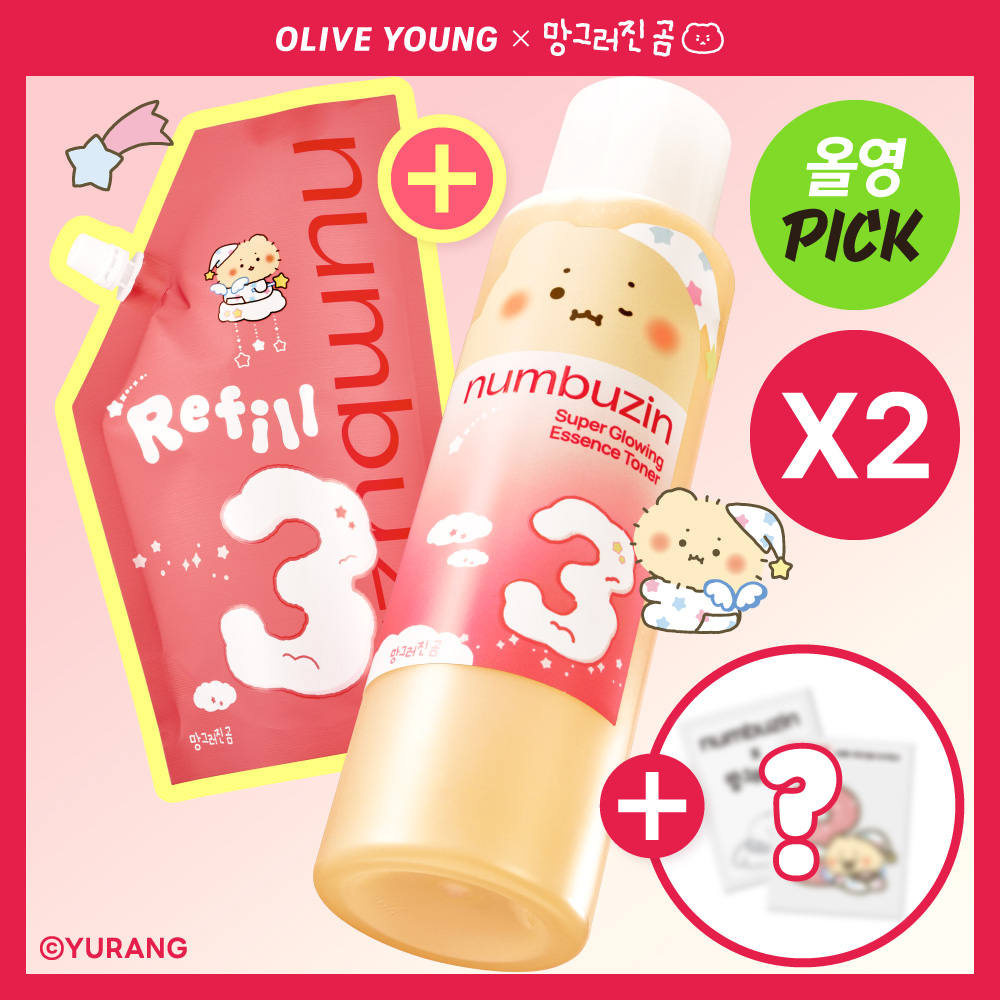
No. 3 Super Glowing Essence Toner
Numbuzin
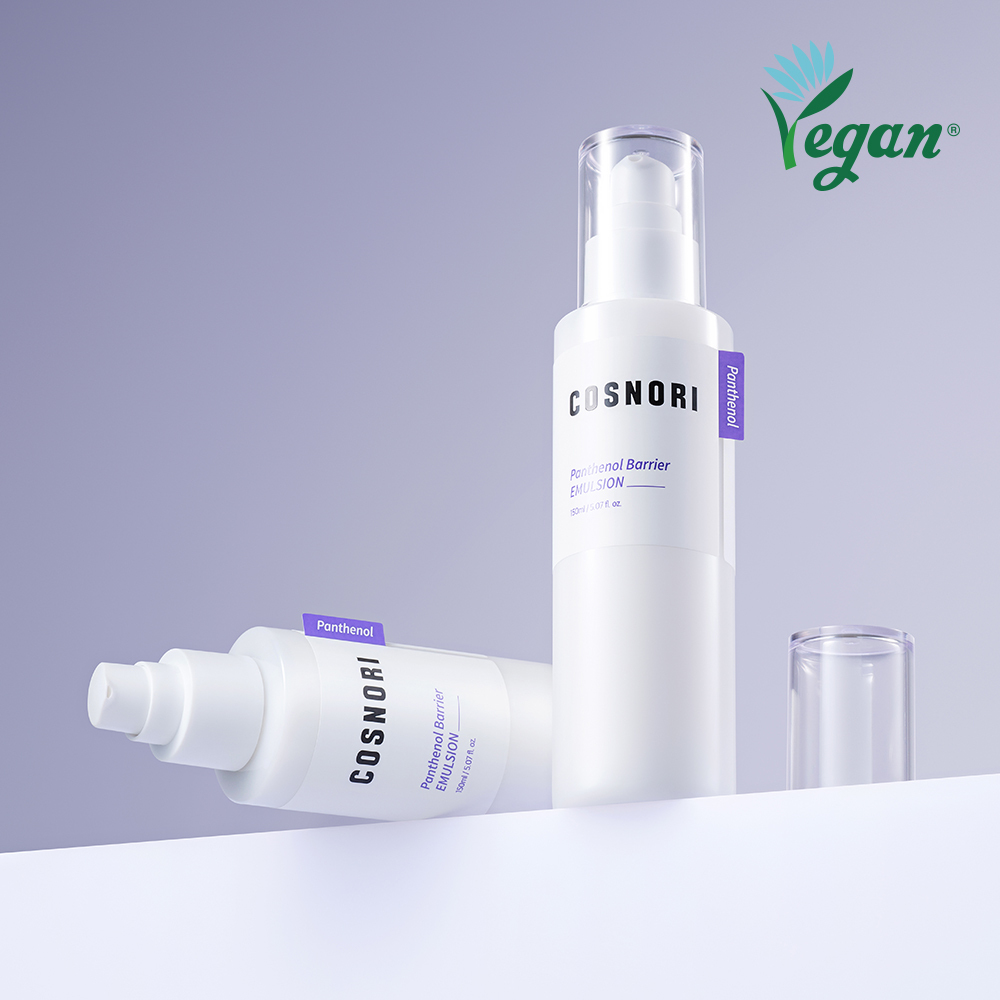
Panthenol Barrier Emulsion
COSNORI
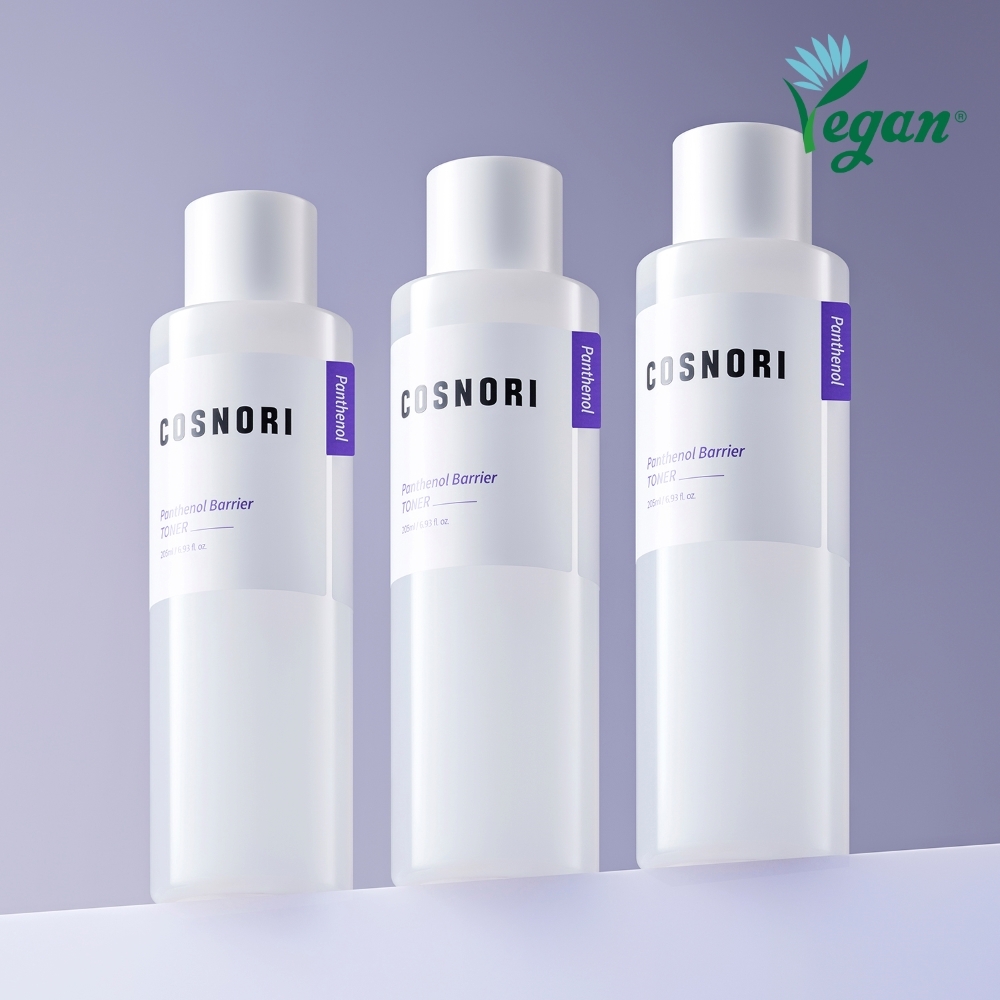
Panthenol Barrier Toner
COSNORI
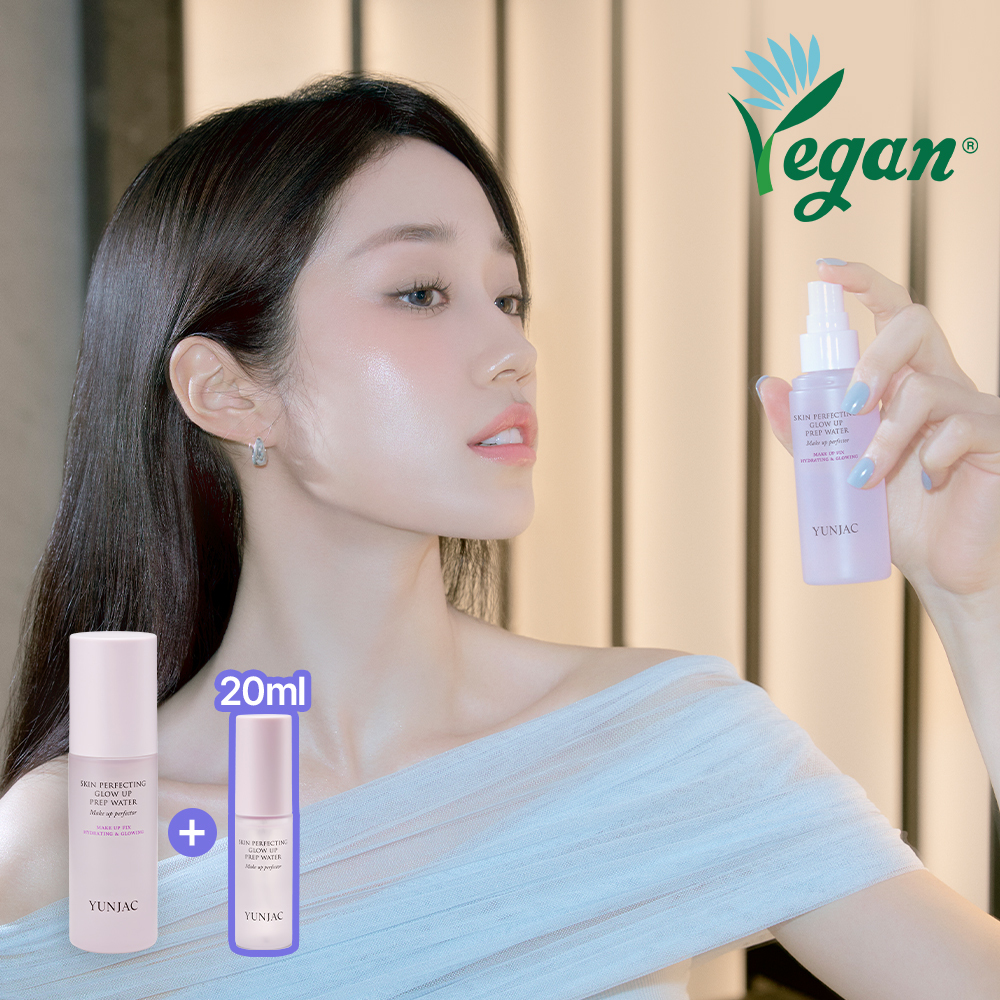
Skin Perfecting Glow Up Prep Water
YUNJAC
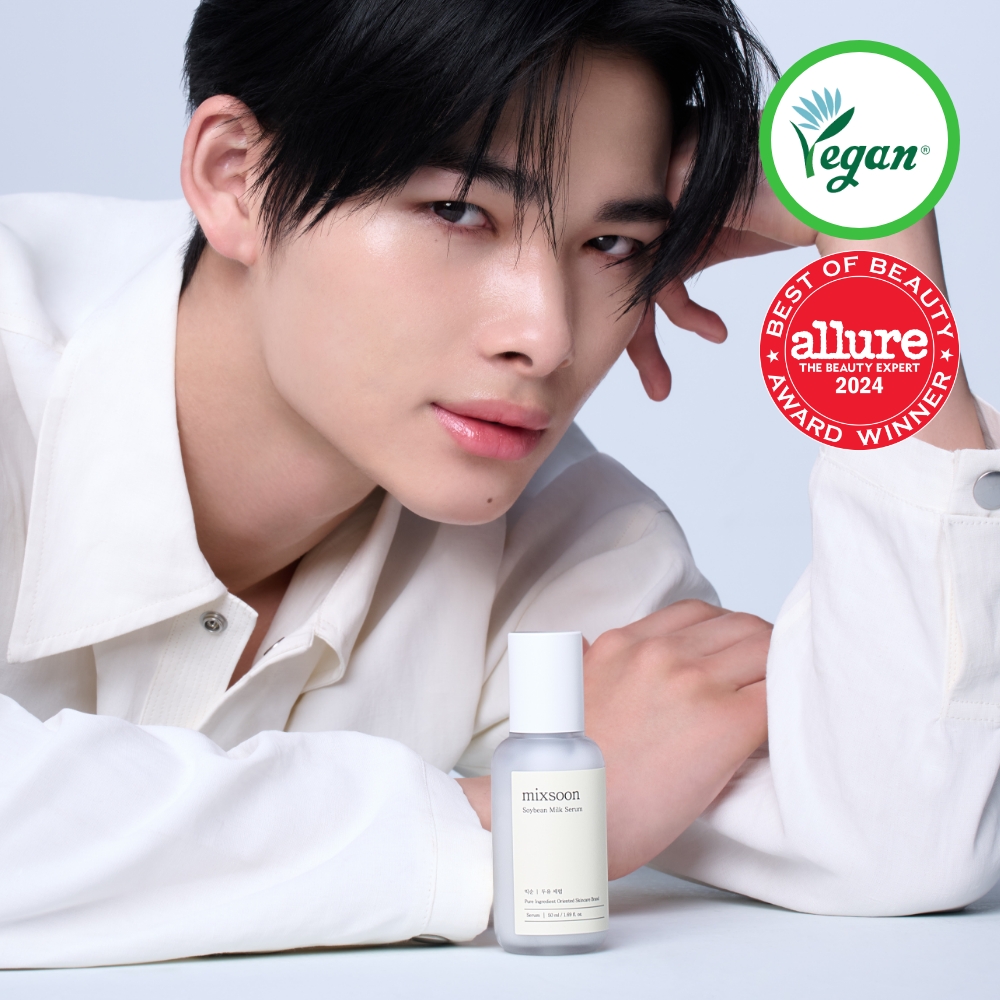
Soybean Milk Serum
Mixsoon
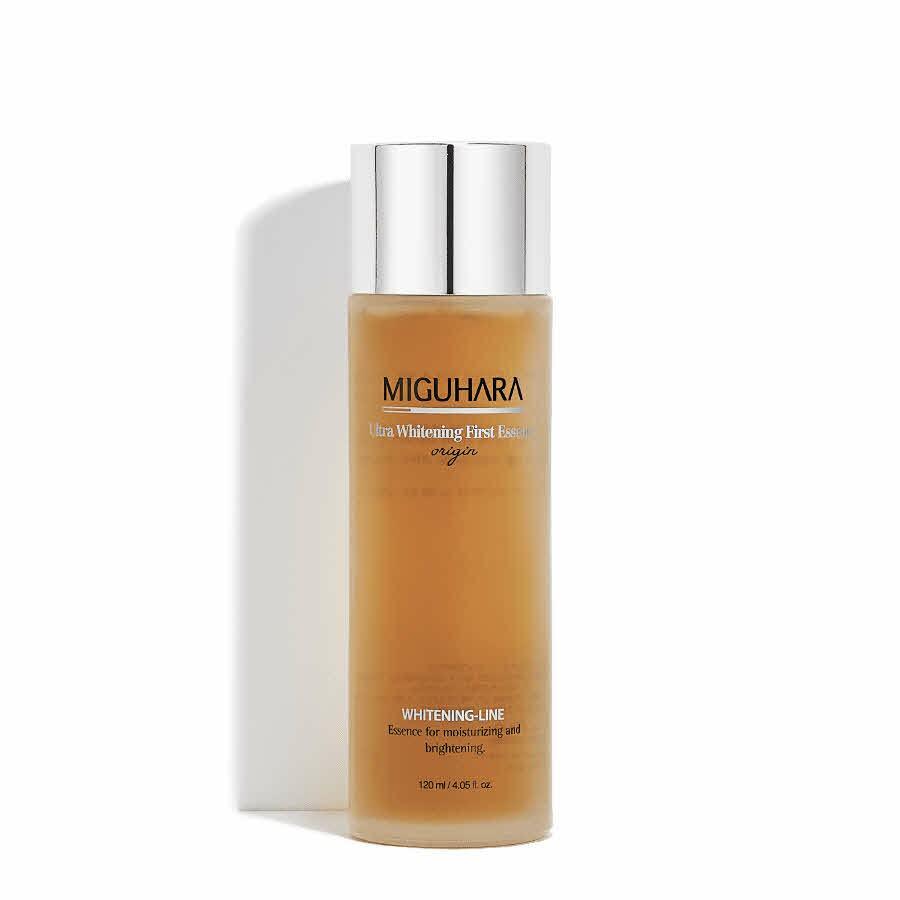
Ultra Whitening First Essence Origin
MIGUHARA
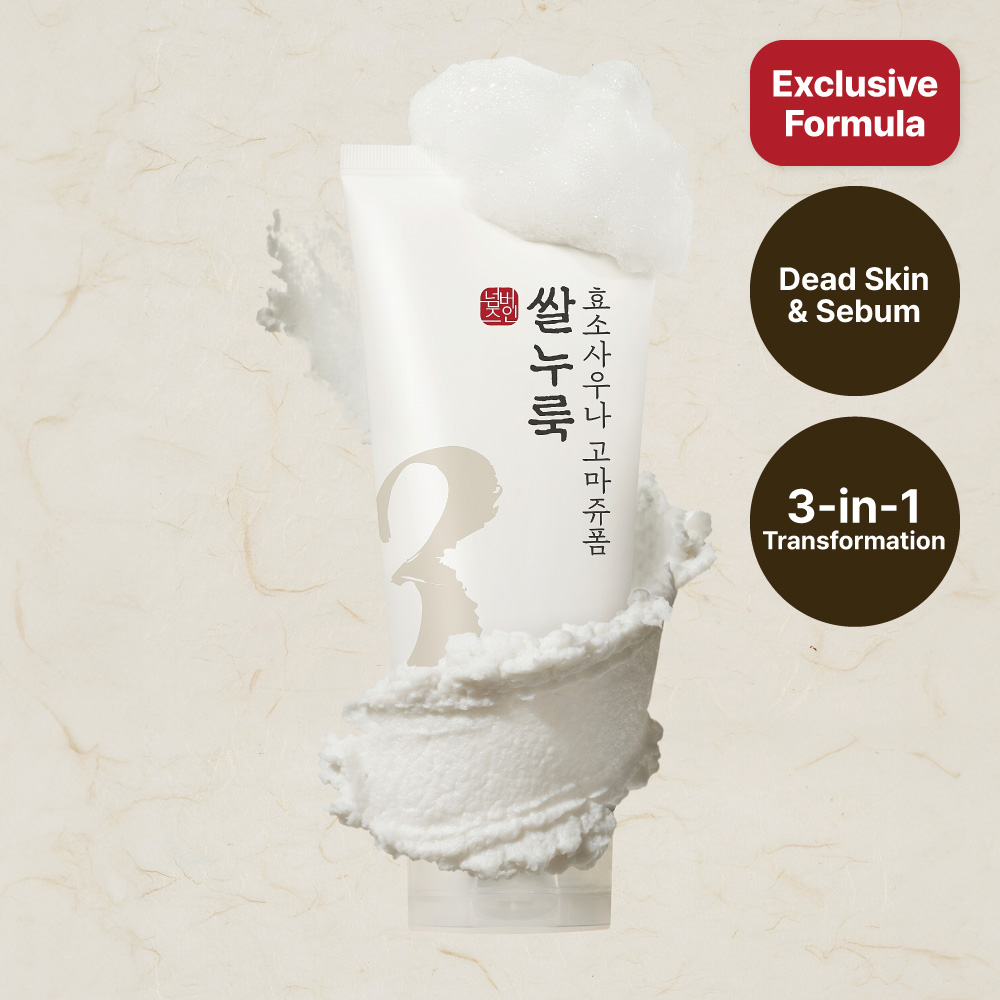
No. 3 Rice Yeast Enzyme Sauna Gommage Foam
Numbuzin
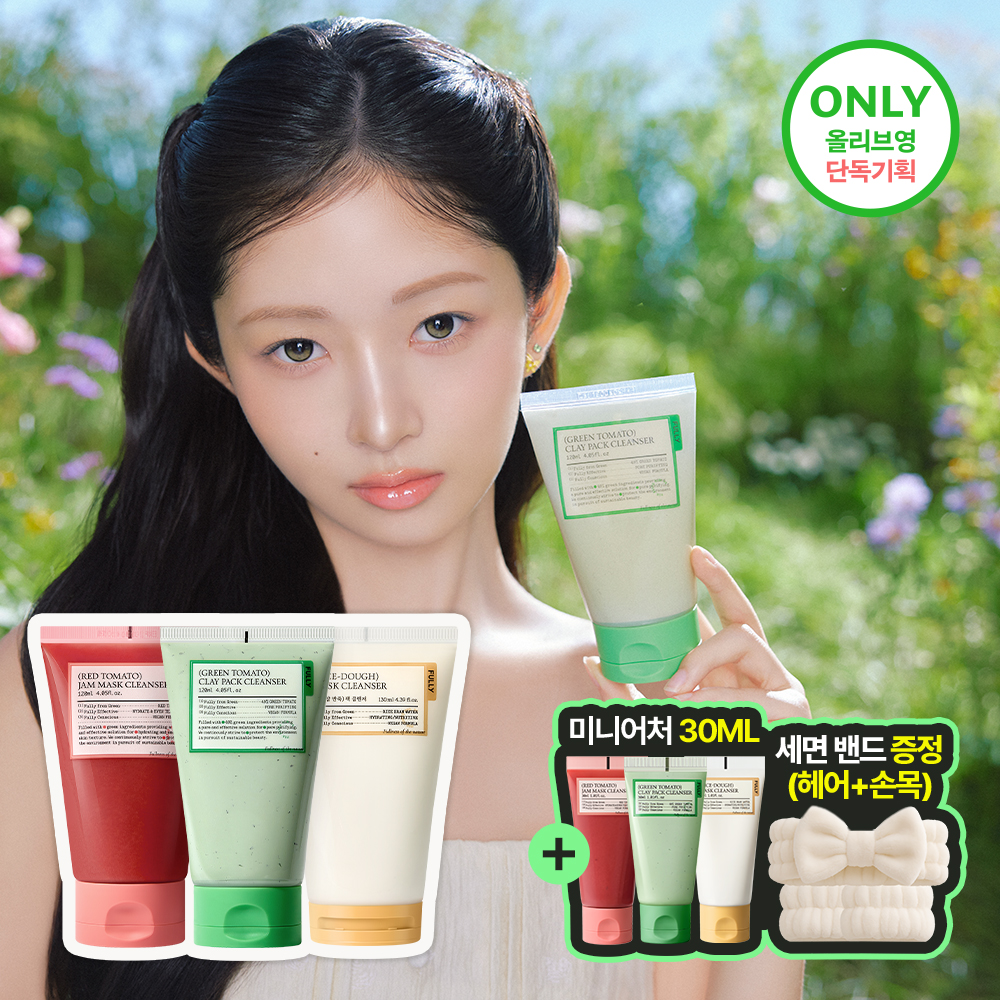
Pack Cleanser Set - Green Tomato / Red Tomato / Rice Dough
Fully
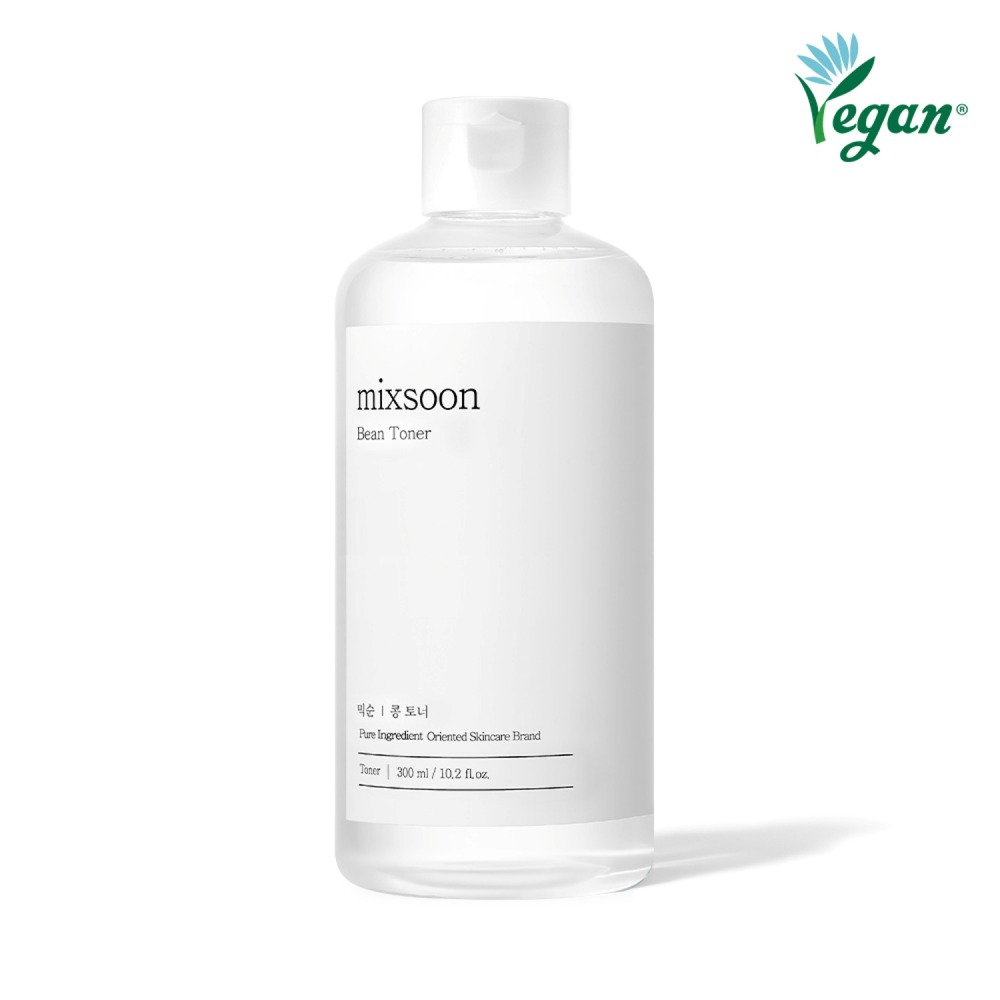
Bean Toner
Mixsoon
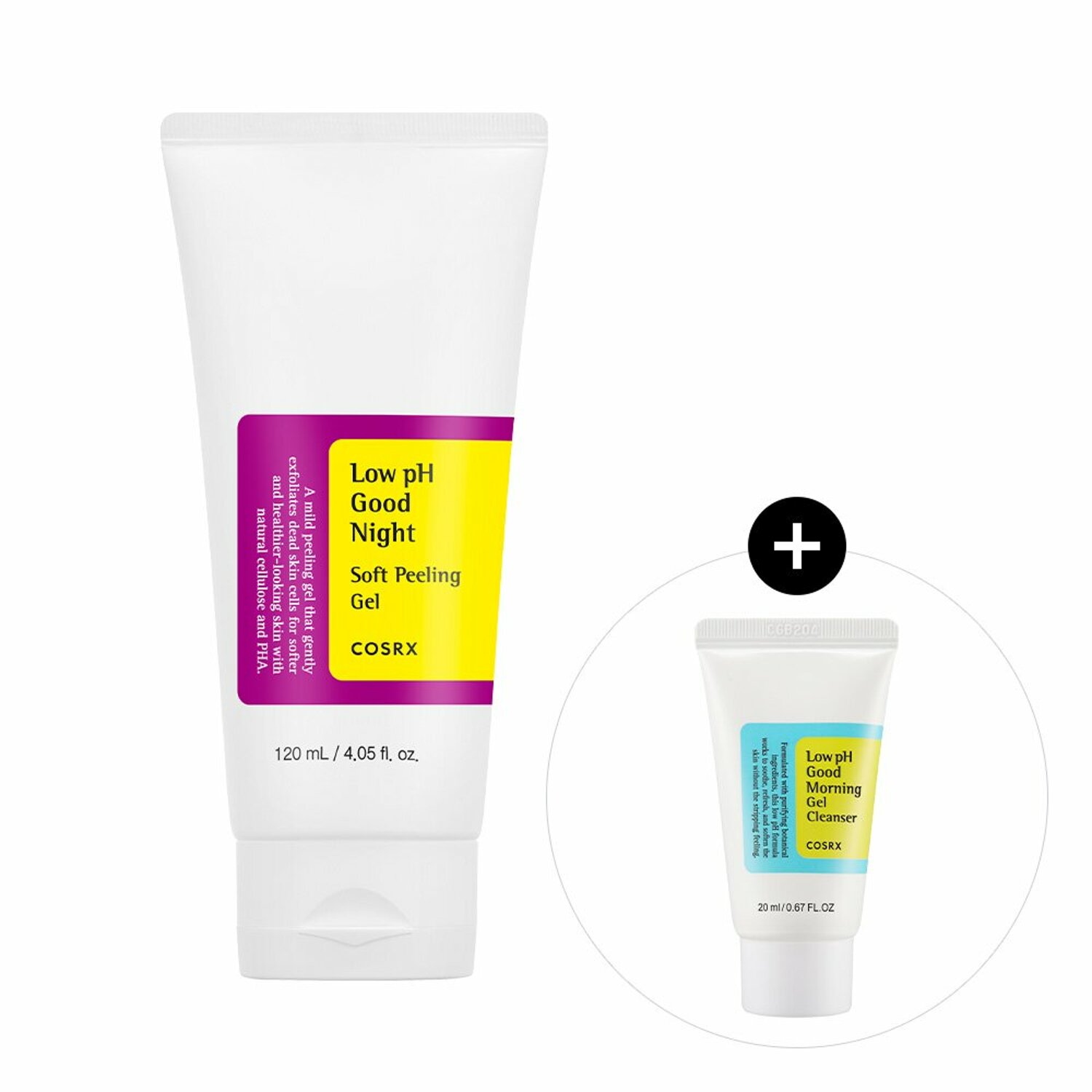
Low pH Good Night Soft Peeling Gel
COSRX
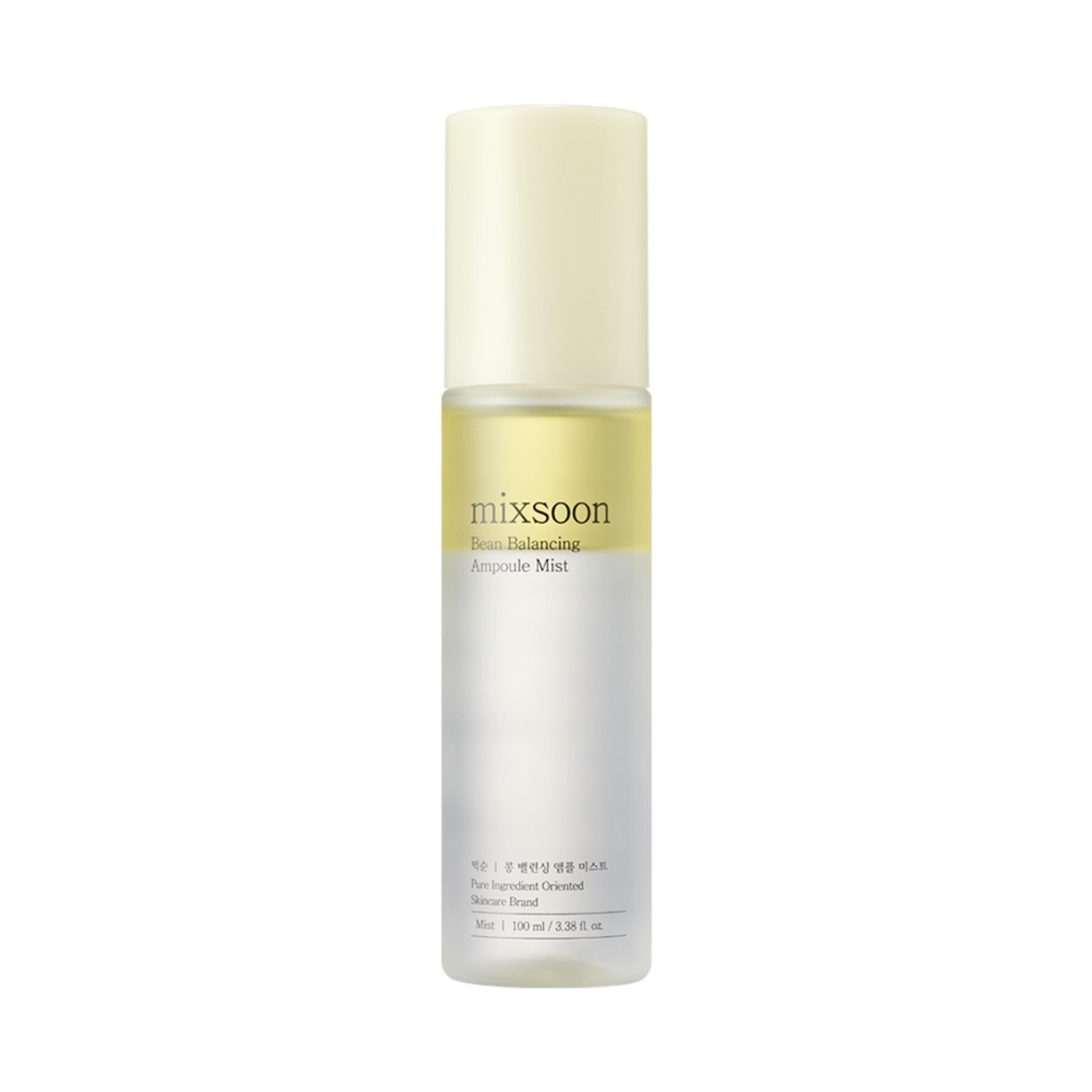
Bean Balancing Ampoule Mist
Mixsoon
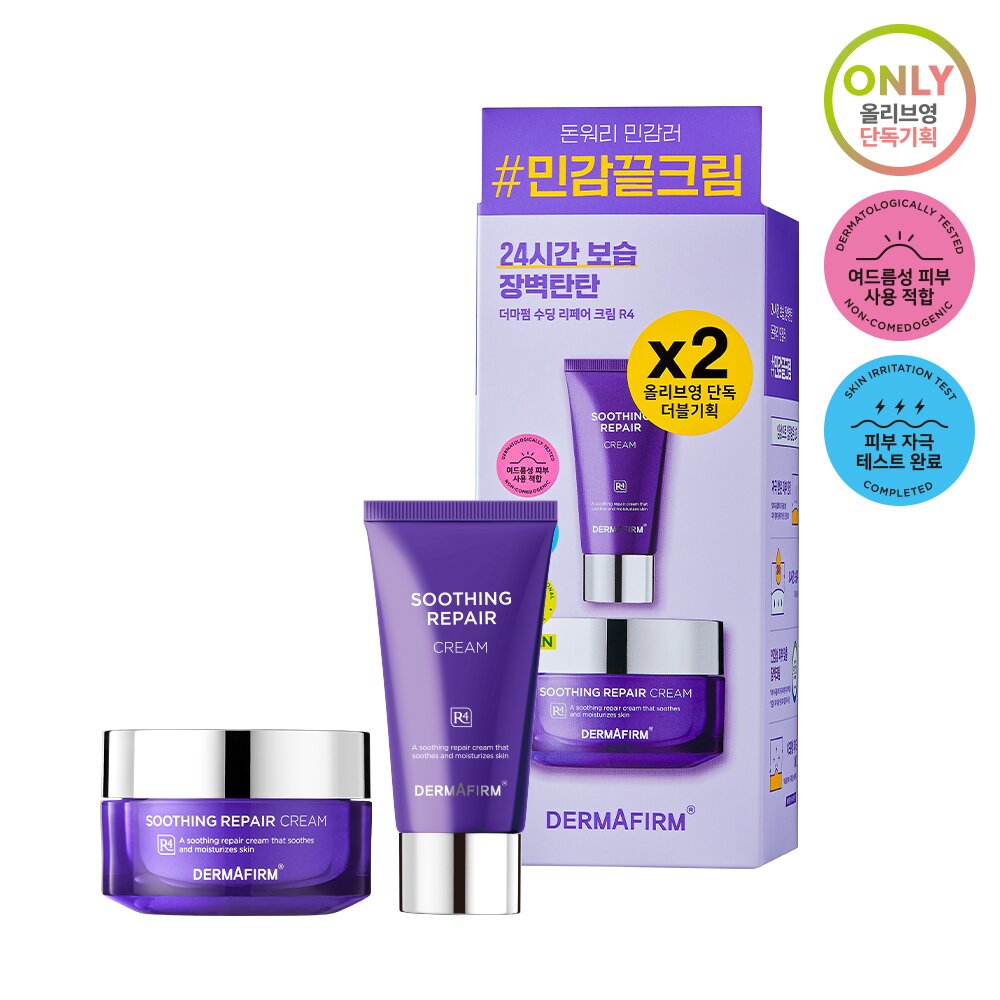
Soothing Repair Cream R4
DERMAFIRM
Frequently Asked Questions
Will rice ferment break me out if I'm acne-prone?▼
How long does it take to see brightening results from rice ferment?▼
Can I use rice ferment if I have a rice allergy?▼
Is rice ferment the same as rice water?▼
Why do some rice ferment products smell slightly sour or funky?▼
Articles About Rice Ferment
Explore More
Want personalized ingredient advice?
Yuri, our AI beauty advisor, can tell you how Rice Ferment works with your specific skin type, routine, and concerns.
Ask Yuri, free