Montmorillonite Clay
INCI: Montmorillonite
Absorbent clay that detoxifies and purifies skin
About Montmorillonite Clay
Montmorillonite clay is a naturally occurring volcanic ash mineral that has become a staple in K-beauty for its exceptional ability to draw out impurities and excess oil from deep within pores. Named after Montmorillon, France, where it was first identified, this clay belongs to the smectite group and is prized for its unique expandable lattice structure that gives it impressive absorption properties. In K-beauty formulations, montmorillonite serves as a powerful detoxifying agent that can absorb up to several times its weight in water and oil, making it incredibly effective for clarifying congested skin without stripping away essential moisture. Unlike harsher clays, montmorillonite is gentle enough for regular use and works particularly well in pore-focused treatments, which is why you'll find it in top-rated products like Redence's Green Grape Gelato Pore Pack Cleanser and Medicube's Spa Relief Frozen Pore Mask, both earning perfect 5.0 ratings from Seoul Sister users. The mineral-rich composition also delivers trace elements like magnesium, calcium, and silica to the skin while it purifies, supporting barrier health and promoting a smoother, more refined complexion. With a comedogenic rating of 0/5, montmorillonite won't clog pores, making it a safe choice even for acne-prone skin. Its versatility in K-beauty extends from cleansers and masks to sun care, as seen in CNP's After-Ray Tone Up Protection Sun Double Pack, where it helps control shine while providing protection.
How Montmorillonite Clay Works
Montmorillonite's purifying power comes from its unique crystalline structure and negative electrical charge. At a molecular level, this clay consists of stacked layers of aluminum and magnesium silicate sheets with spaces between them that can expand significantly when exposed to water. This expansion creates a massive surface area (up to 800 square meters per gram) that acts like a magnet for positively charged particles, including excess sebum, bacteria, heavy metals, and environmental pollutants. When applied to skin, the clay's negative charge attracts and binds these impurities through a process called adsorption, effectively pulling them out of pores and holding them on the clay's surface. As the clay dries, it creates a slight tightening effect that helps temporarily minimize the appearance of pores while continuing to absorb oil. Unlike physical exfoliants that scrub away dead cells, montmorillonite works chemically and osmotically, drawing out debris without mechanical friction. The mineral content also provides gentle astringent properties that help tone and refine skin texture. This dual action of deep cleansing plus mineral delivery explains why montmorillonite is so effective in pore-focused K-beauty treatments without causing the irritation or dryness associated with more aggressive purifying ingredients.
Montmorillonite Clay by Skin Type
Oily Skin
Montmorillonite is exceptional for oily skin because it can absorb up to eight times its weight in oil, making it one of the most effective natural sebum regulators available. Products like SNP's Pore Bounce-Up Clay Mask leverage this property to control shine and reduce the appearance of enlarged pores without triggering rebound oil production. Use it 2-3 times weekly for best results in managing excess sebum and keeping pores clear.
Dry Skin
While montmorillonite is primarily absorbent, dry skin types can still benefit from its detoxifying properties when used strategically. The key is to limit application time (5-10 minutes instead of waiting until fully dry) and focus on congested areas like the T-zone rather than applying to the entire face. Look for formulations that combine montmorillonite with hydrating ingredients, as the clay can be temporarily drying if left on too long or used too frequently.
Combo Skin
Combination skin is ideal for montmorillonite clay treatments since you can target the ingredient exactly where you need it. Apply it to oily zones like the forehead, nose, and chin while avoiding drier cheek areas, or choose products like Redence's Green Grape Gelato Pore Pack Cleanser that balance clay with moisturizing components. This selective approach lets you purify congested areas without compromising hydration in drier zones.
Sensitive Skin
Montmorillonite is one of the gentler clays available, with a 4/5 safety rating and a reputation for being less irritating than alternatives like kaolin or bentonite. Sensitive skin types should still introduce it gradually, starting with once-weekly applications and watching for any reaction. Products like P.CALM's Holy Basil Bubble Deep Mask Set pair montmorillonite with soothing botanicals to minimize potential irritation while still providing purifying benefits.
Normal Skin
Normal skin can enjoy montmorillonite clay treatments regularly to maintain clarity and prevent congestion before it starts. Using clay masks 1-2 times weekly helps keep pores refined and skin texture smooth without disrupting your skin's natural balance. The mineral content also provides ongoing nourishment that supports healthy barrier function and that coveted glass skin glow.
How to Use Montmorillonite Clay
- 1Never let clay masks dry completely on your face. Remove montmorillonite treatments while still slightly damp (about 10-15 minutes after application) to prevent excessive drying and maintain skin comfort.
- 2Mix powdered montmorillonite clay with rose water, green tea, or thermal water instead of tap water to add extra soothing and antioxidant benefits while creating the perfect consistency.
- 3Use clay treatments in the evening rather than morning, since the temporary tightening effect and potential redness from increased circulation need time to settle before makeup application.
- 4Follow clay masks with a hydrating toner or essence to replenish moisture immediately after rinsing, locking in the purifying benefits while preventing any transient dryness.
- 5For targeted treatment, apply montmorillonite clay as a spot treatment on active breakouts or congested areas overnight, letting it work continuously to draw out impurities while you sleep.
Background
Montmorillonite clay was first identified and named in the early 19th century in Montmorillon, France, though volcanic clays have been used in traditional medicine and beauty rituals for thousands of years across cultures. The clay forms from volcanic ash that has weathered and aged over millions of years, with significant deposits found in Wyoming (known as Wyoming bentonite), as well as in China, India, and other volcanic regions. In traditional Korean medicine, similar mineral-rich muds and clays were used in therapeutic baths and skin treatments, particularly for drawing out toxins and treating inflammation. The ingredient gained scientific attention in the 1920s when researchers began studying its unique expandable structure and absorption properties. K-beauty brands embraced montmorillonite in the 2010s as the focus on pore care intensified, incorporating it into innovative formats like bubble masks, gel cleansers, and hybrid sun care products. Today, it represents the perfect marriage of traditional wisdom and modern formulation science in Korean skincare.
K-Beauty Products with Montmorillonite Clay
View all 34 →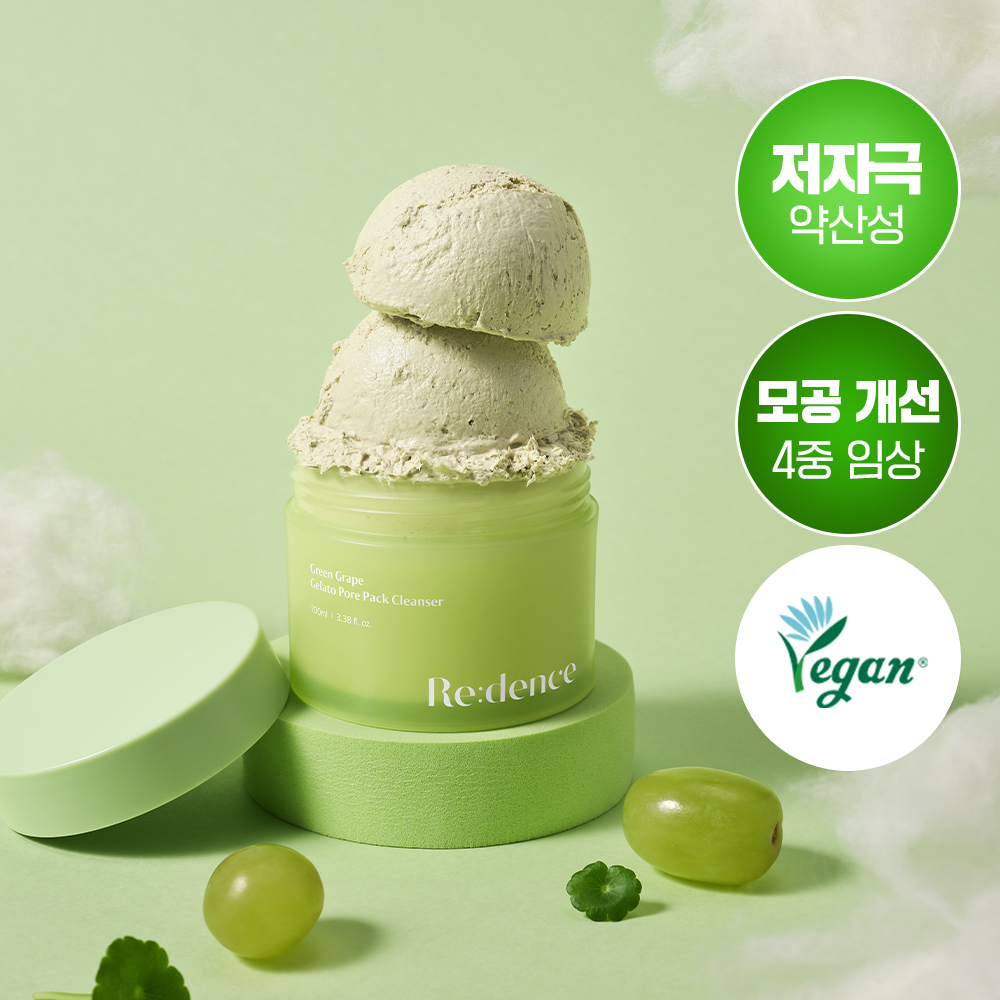
Green Grape Gelato Pore Pack Cleanser
Redence
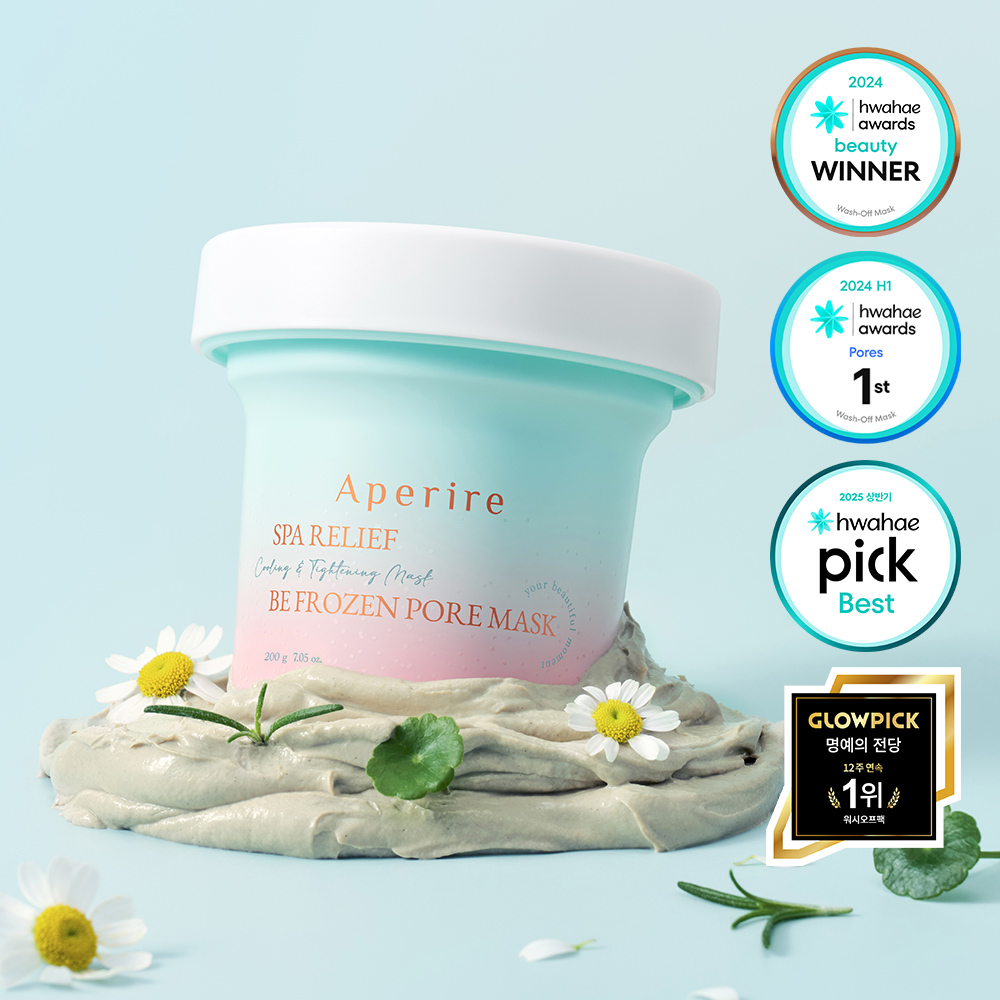
Spa Relief Frozen Pore Mask
Medicube
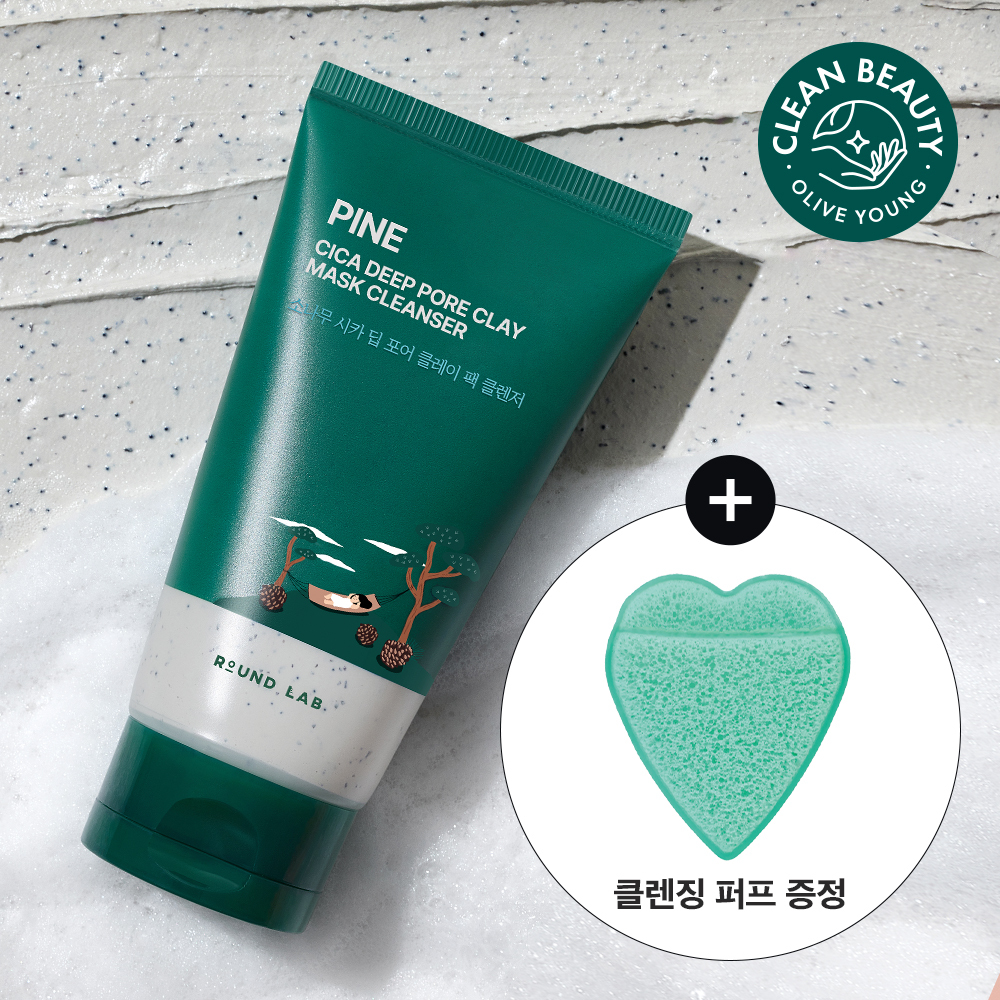
Cica Deep Pore Clay Mask Cleanser
Round Lab
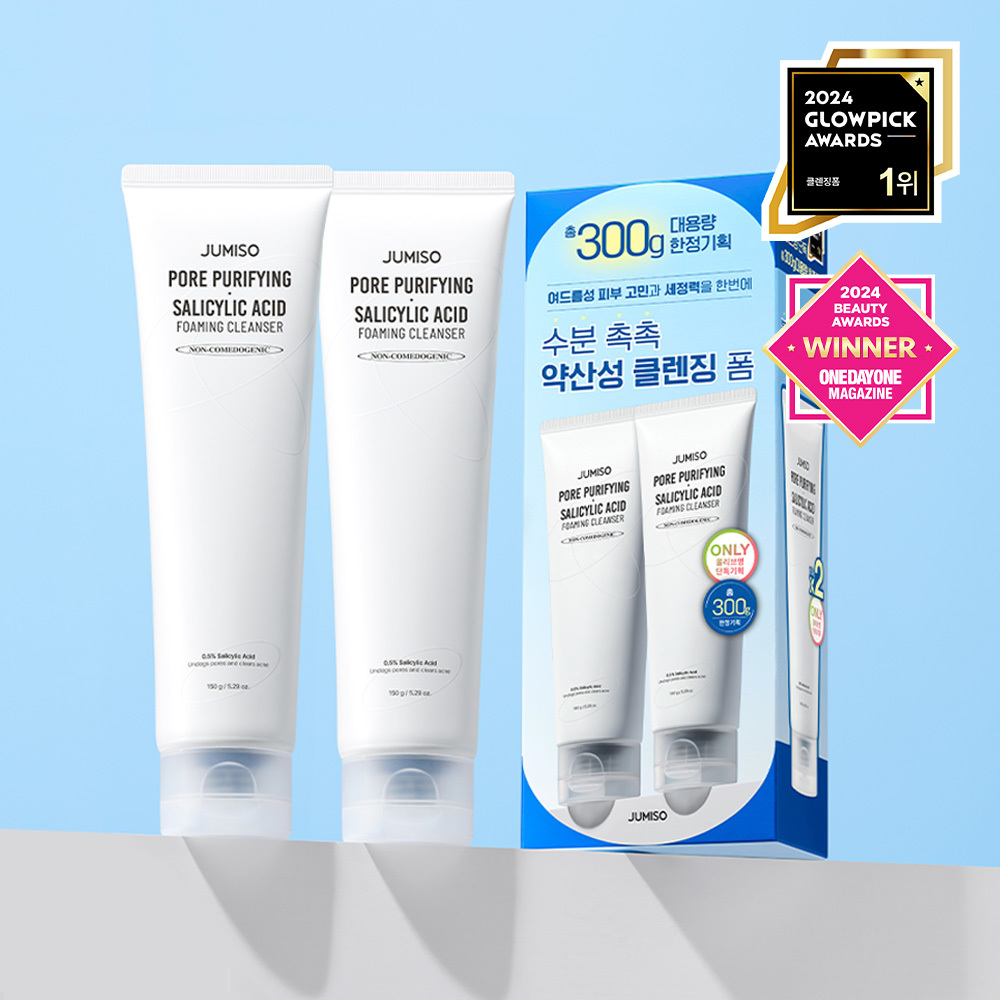
Pore Purifying Salicylic Acid Foaming Cleanser 120g Double Set
Jumiso
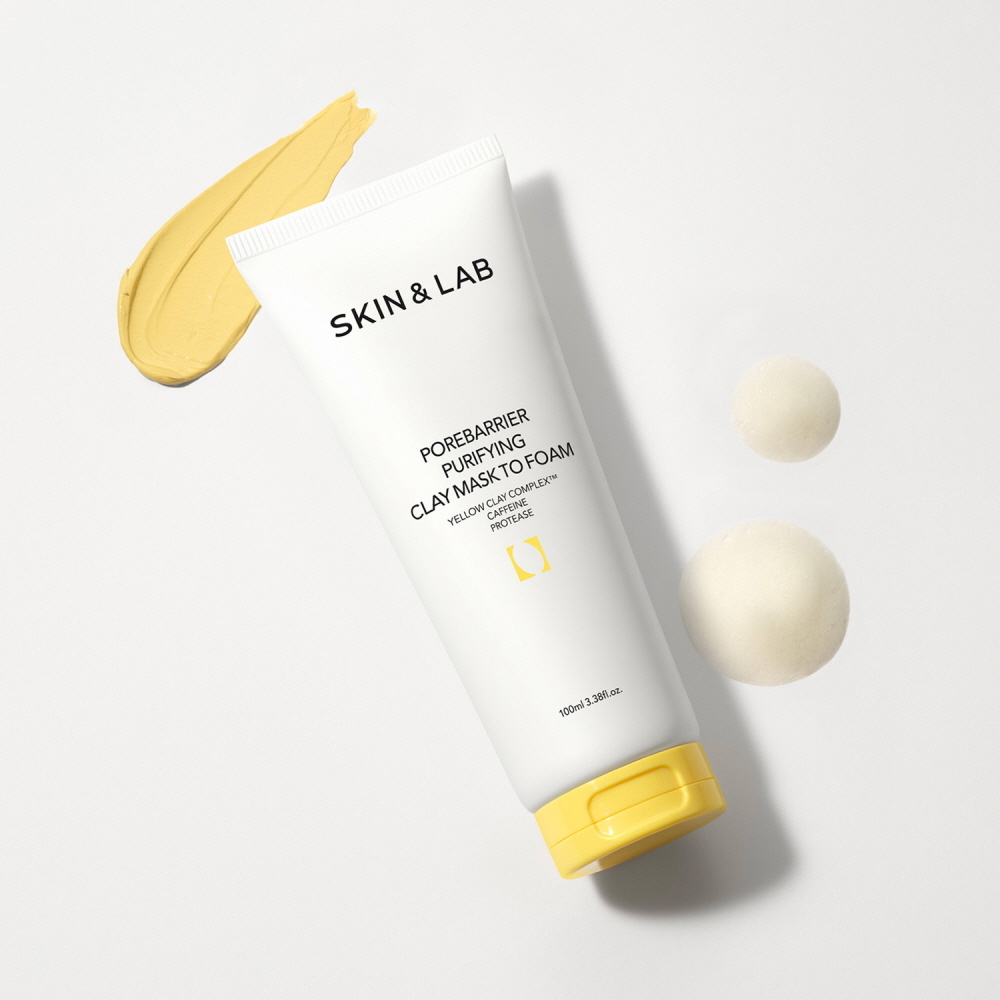
Porebarrier Purifying Clay Mask To Foam
Skin&Lab
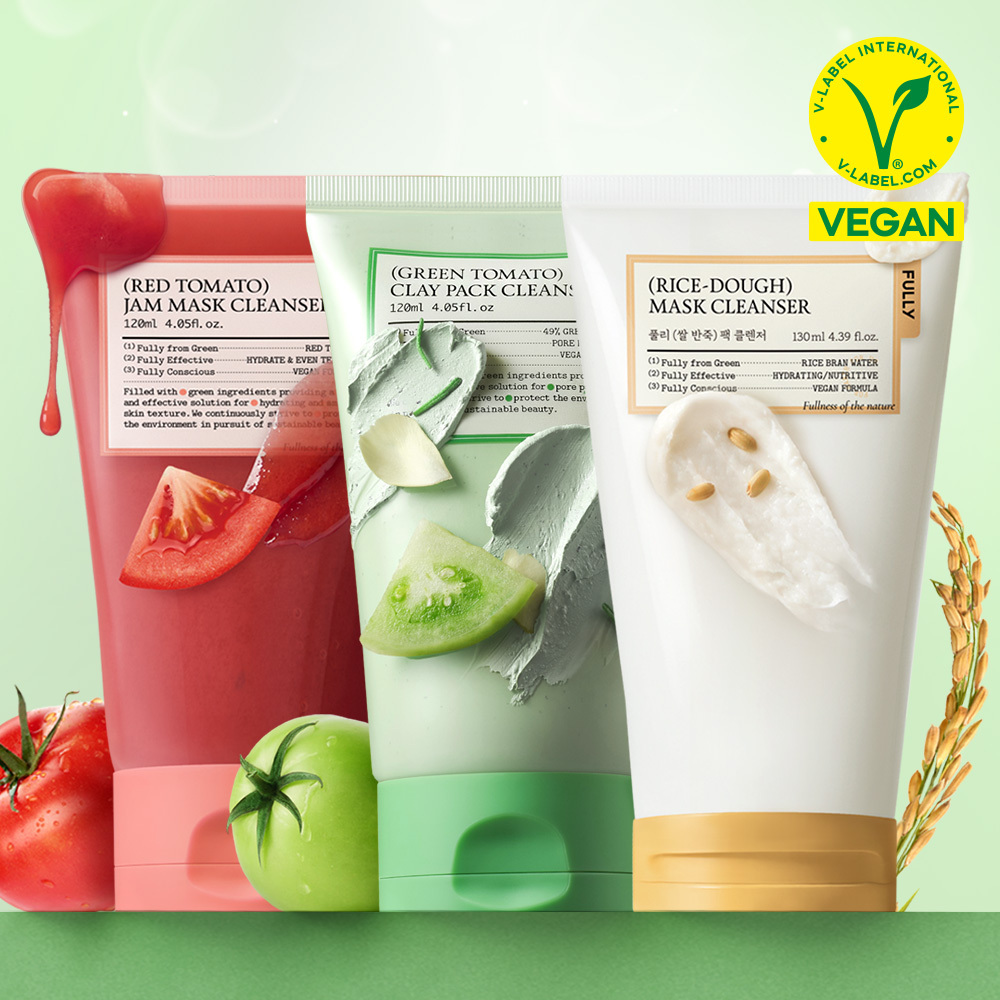
Pack Cleanser - Green Tomato/Red Tomato/Rice Dough
Fully
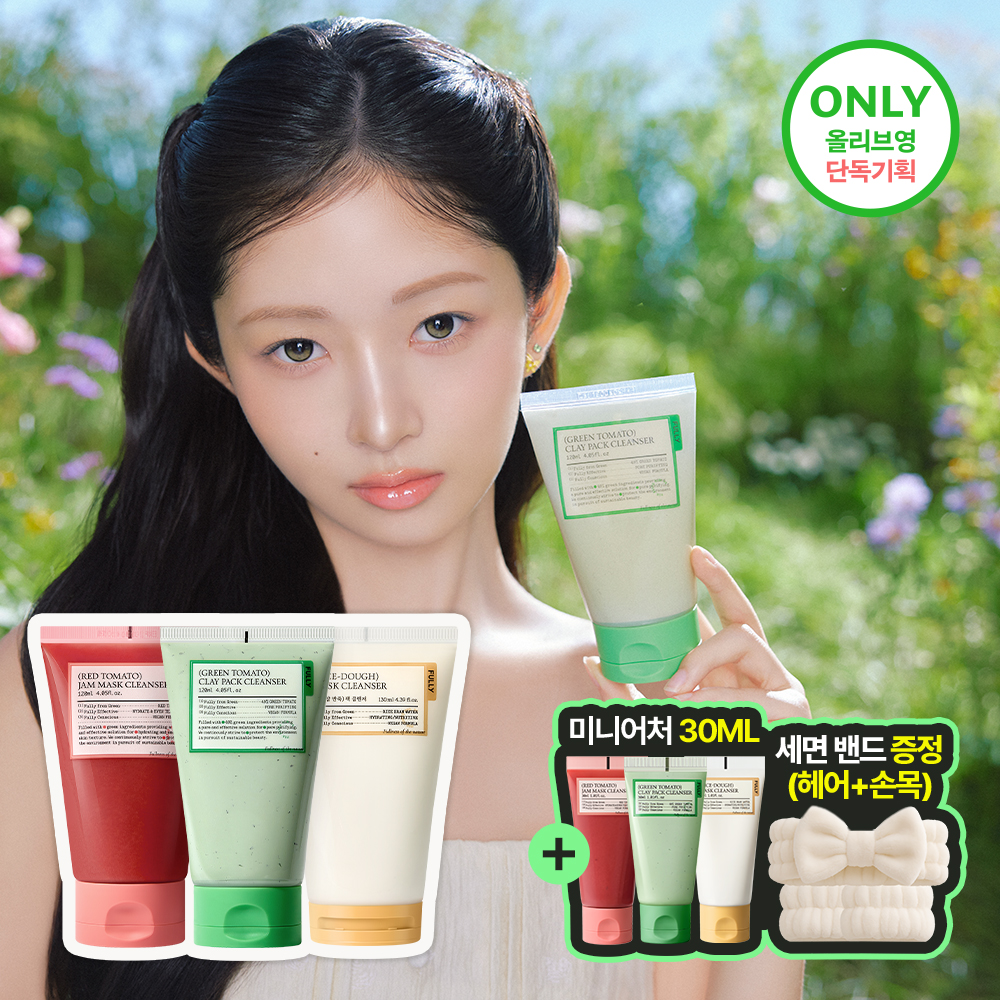
Pack Cleanser Set - Green Tomato / Red Tomato / Rice Dough
Fully
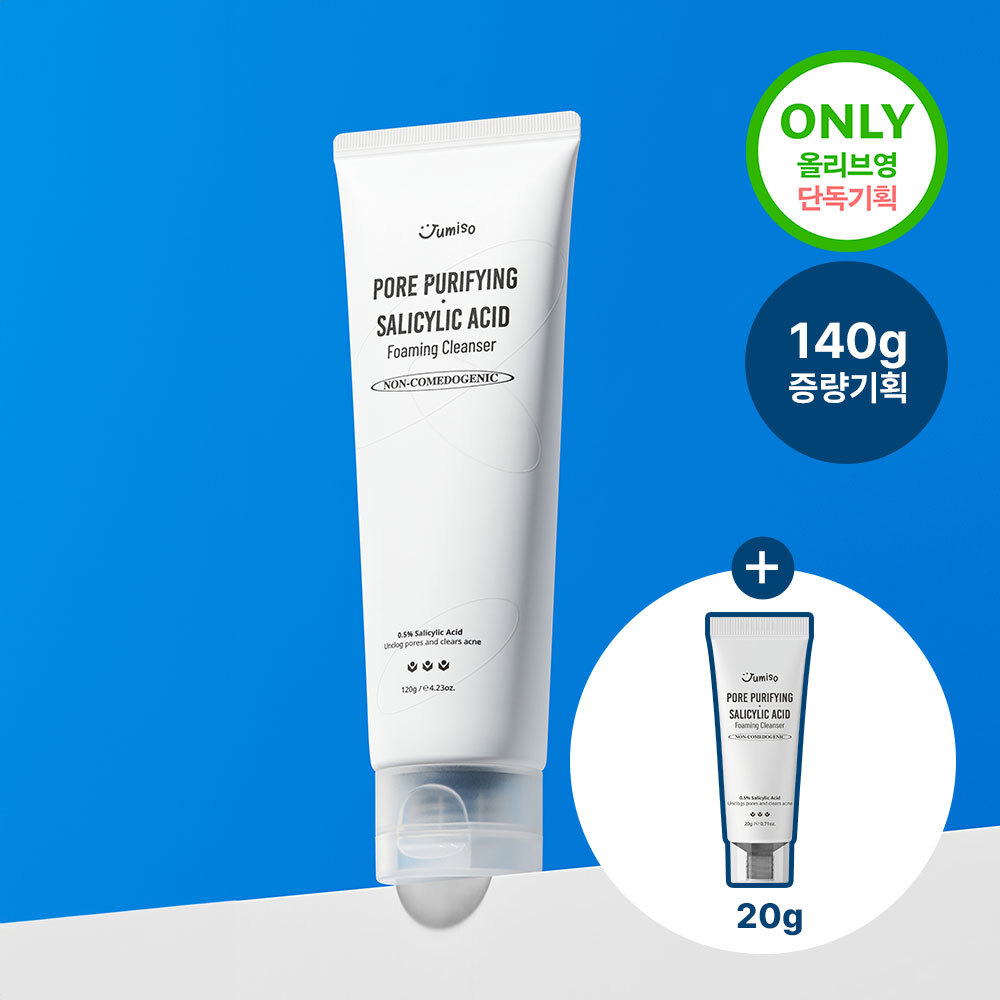
Pore Purifying Salicylic Acid Foaming Cleanser
Jumiso
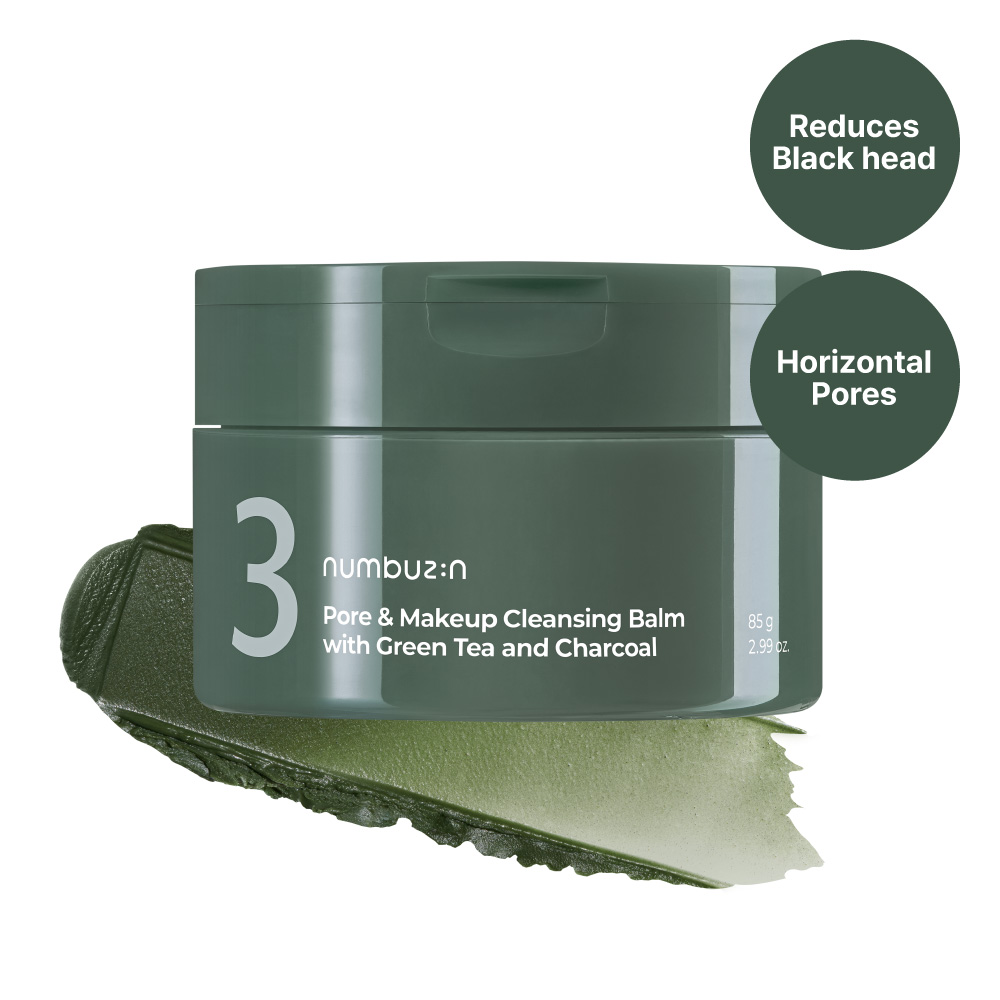
No. 3 Pore & Makeup Cleansing Balm with Green Tea and Charcoal
Numbuzin
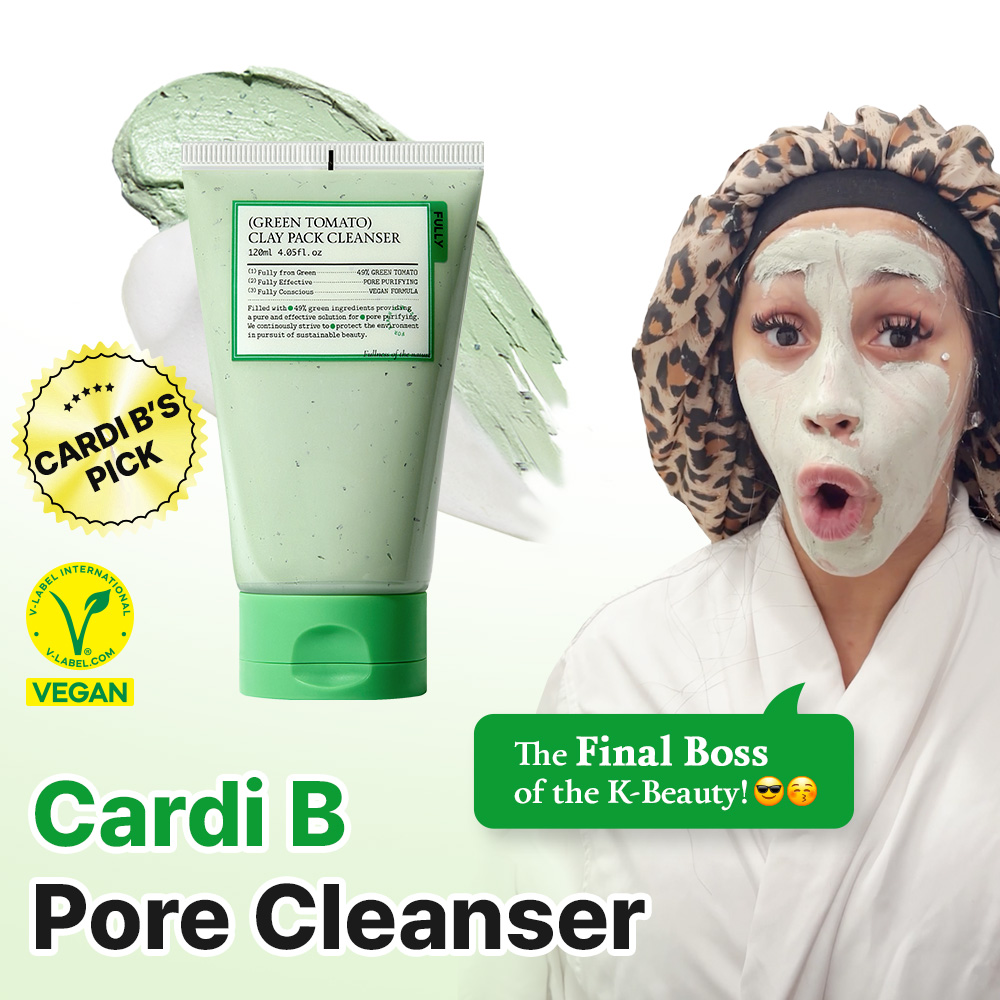
Pack Cleanser Set - Green Tomato/Red Tomato/Rice Dough
Fully
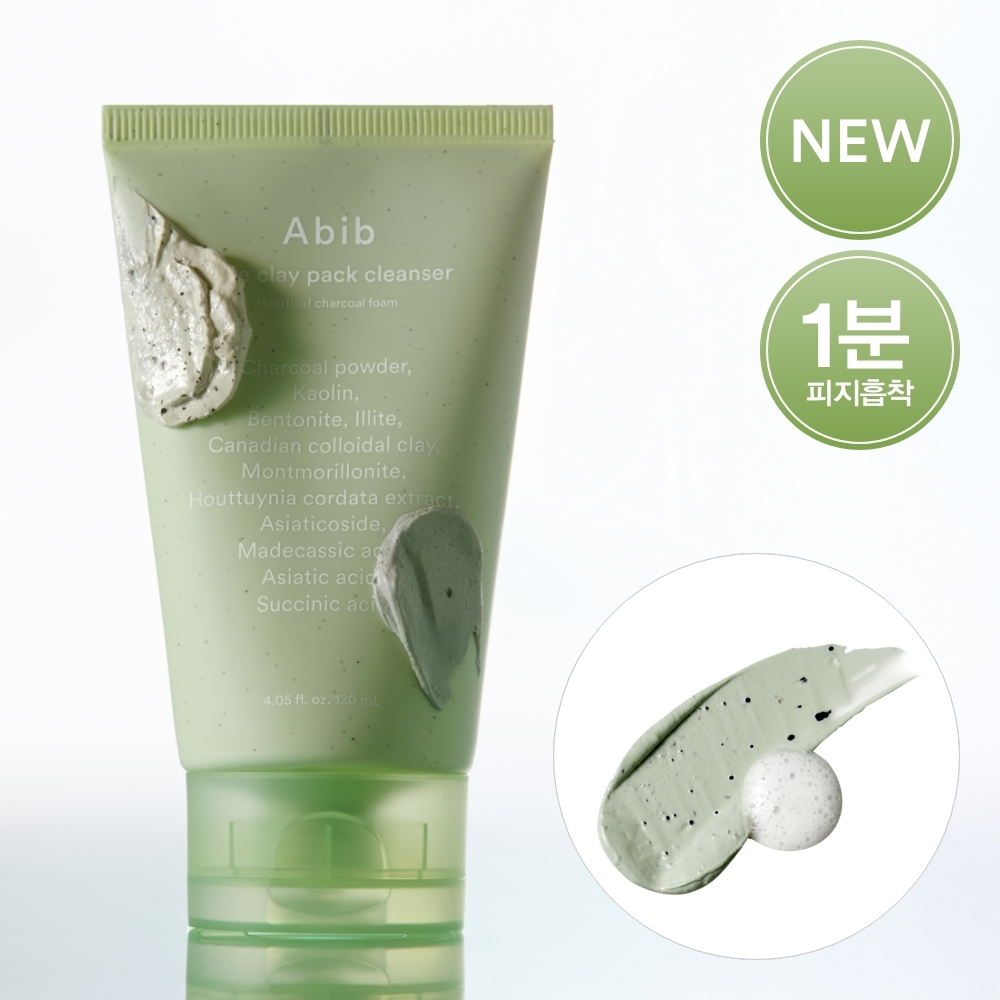
Pore Clay Pack Cleanser Heartleaf Charcoal Foam
Abib
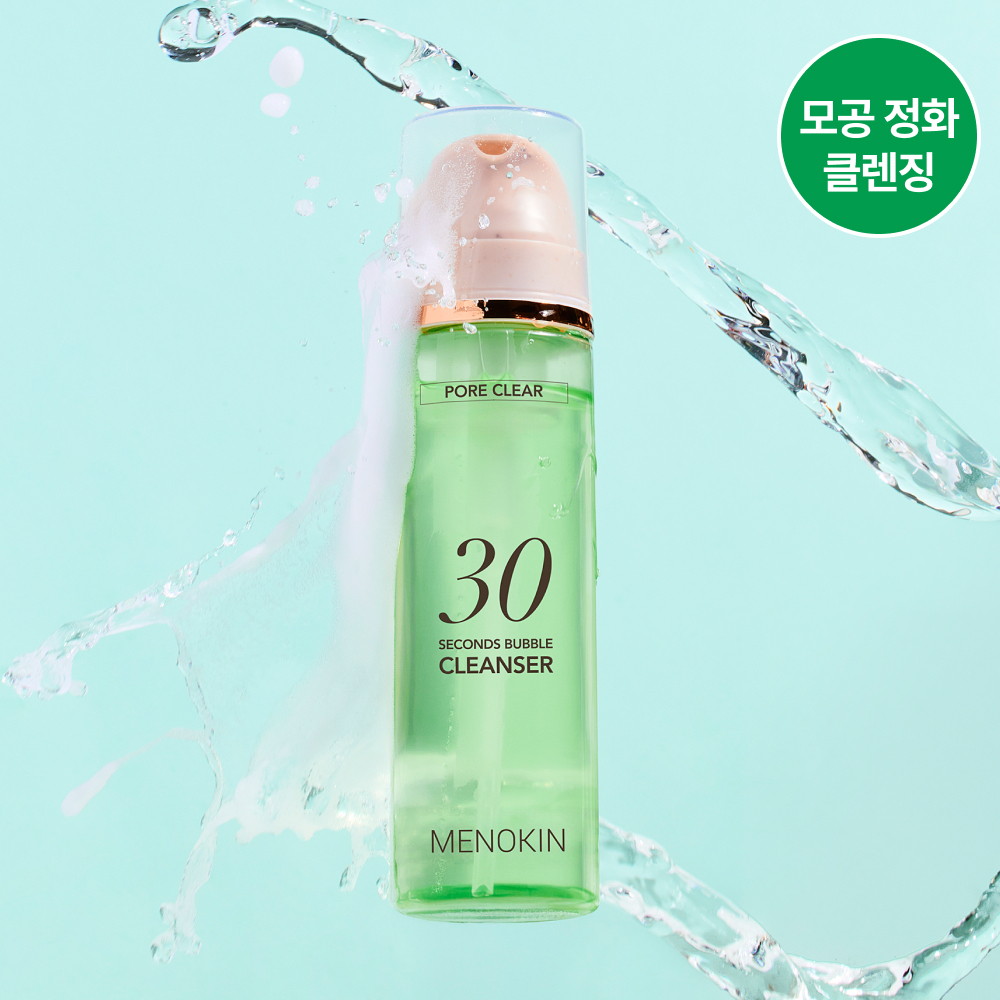
30 Seconds Bubble Cleanser Pore Clear
MENOKIN
Frequently Asked Questions
Can montmorillonite clay help with blackheads and sebaceous filaments?▼
Is montmorillonite clay safe to use during pregnancy?▼
How is montmorillonite different from other clays like kaolin or bentonite?▼
Can I use montmorillonite clay with vitamin C or acids?▼
Why do some montmorillonite products stay wet while others dry down?▼
Explore More
Want personalized ingredient advice?
Yuri, our AI beauty advisor, can tell you how Montmorillonite Clay works with your specific skin type, routine, and concerns.
Ask Yuri, free