Retinal
Vitamin A derivative for anti-aging and skin renewal
About Retinal
Retinal, also known as retinaldehyde, is a powerhouse vitamin A derivative that sits at the sweet spot between gentleness and efficacy in the retinoid family. In K-beauty formulations, retinal has become a cult favorite because it converts to retinoic acid (the active form your skin actually uses) in just one step, compared to retinol's two-step conversion. This means faster, more visible results with less irritation. Found in 42 products on Seoul Sister, retinal addresses multiple skin concerns at once: fine lines, uneven tone, texture issues, and sluggish cell turnover. Korean brands have mastered the art of buffering retinal with soothing ingredients like centella asiatica and peptides, making it accessible even for those who've struggled with traditional retinoids. Top-rated products like Some By Mi's Retinol Bakuchiol Dual Cream (5.0/5) and MEDIPEEL's Melanonx Ampoule RX (5.0/5) demonstrate how K-beauty has refined retinal delivery systems to maximize benefits while minimizing the dreaded retinization period. With a safety rating of 3/5, retinal requires respect and proper introduction to your routine, but the payoff is clinically proven anti-aging results that rival prescription options.
How Retinal Works
Retinal works by binding to retinoic acid receptors (RARs) in your skin cells after converting to retinoic acid through a single enzymatic step via retinaldehyde dehydrogenase. Once activated, it signals your DNA to increase cell turnover, shedding dead surface cells faster while stimulating fibroblasts in the dermis to produce more collagen and elastin. This dual action smooths texture on the surface while building structural support underneath. Retinal also inhibits tyrosinase, the enzyme responsible for melanin production, which helps fade hyperpigmentation and even out skin tone. At the cellular level, it normalizes keratinization (the process of skin cell maturation), preventing the buildup that leads to clogged pores and breakouts. Because retinal is one conversion step closer to the active form than retinol, it delivers results approximately 11 times faster in clinical studies. The molecule also has inherent antibacterial properties, making it particularly effective for acne-prone skin. This multi-mechanism approach is why retinal can address everything from wrinkles to dark spots to texture in a single ingredient.
Retinal by Skin Type
Oily Skin
Retinal is excellent for oily skin because it regulates sebum production and prevents the cellular buildup that leads to clogged pores. The comedogenic rating of 2/5 reflects its pore-clearing benefits outweighing any minimal clogging potential. Start with 2-3 times per week to let your skin adjust, as oily types often tolerate retinal well once past the initial adjustment period.
Dry Skin
Dry skin can absolutely use retinal, but requires extra hydration support during the adjustment phase. Look for formulations like Cell Fusion C's Red Ultimate Cream (5.0/5) that combine retinal with barrier-supporting ingredients. Apply on slightly damp skin and follow with a rich moisturizer to buffer potential dryness and flaking during the first 4-6 weeks.
Combo Skin
Combination skin gets the best of both worlds with retinal, as it addresses oiliness in the T-zone while improving texture on drier areas. The key is strategic application: you can apply it all over or focus on areas needing the most attention. Products like Some By Mi's Retinol Bakuchiol Dual Cream (5.0/5) work particularly well because the bakuchiol adds a gentling effect for variable skin needs.
Sensitive Skin
Sensitive skin needs to approach retinal with caution (hence the 3/5 safety rating), but it's not off-limits. Korean formulations that pair retinal with centella, like Centellian24's Madeca Cream Time Reverse Set (4.8/5), are specifically designed for reactive skin. Start once weekly, always patch test, and build tolerance slowly. The faster conversion to retinoic acid can mean quicker irritation for some, so buffer with a hydrating serum underneath.
Normal Skin
Normal skin is ideal for introducing retinal, as it typically tolerates the adjustment period well and sees results within 4-6 weeks. You can progress to nightly use relatively quickly compared to other skin types. Products like ONE THING's Peptide Retinal Cream (4.9/5) work beautifully here, as normal skin can handle the straightforward, effective formulation without needing extensive buffering ingredients.
How to Use Retinal
- 1Start with 2-3 times per week and gradually increase to nightly use over 6-8 weeks to minimize irritation and build tolerance.
- 2Always apply retinal to completely dry skin (wait 20 minutes after cleansing) to prevent increased penetration and potential irritation.
- 3Use only at night, as retinal increases photosensitivity, and follow with SPF 30+ every morning without exception.
- 4Store retinal products in a cool, dark place and check for color changes (yellowing), which indicate oxidation and reduced effectiveness.
- 5Avoid combining with strong acids (AHAs, BHAs) or vitamin C in the same routine until your skin is fully adjusted to retinal.
Background
Retinal's journey in skincare began in dermatology research labs in the 1990s, when scientists discovered that this intermediate form of vitamin A offered a compelling alternative to prescription tretinoin. While retinol dominated the cosmetic market, retinal remained relatively obscure in Western skincare due to stability challenges and higher production costs. Korean beauty brands changed this narrative in the mid-2010s, investing in advanced encapsulation technologies and stabilization methods that made retinal viable for consumer products. The K-beauty approach combined retinal with traditional botanical ingredients like centella and newer innovations like bakuchiol, creating hybrid formulations that delivered medical-grade results with less irritation. This philosophy of "efficacy with gentleness" transformed retinal from a niche ingredient into a mainstream anti-aging hero. Today, retinal represents K-beauty's commitment to smart formulation science, bridging the gap between cosmetic and pharmaceutical-grade skincare in products accessible to everyday consumers.
K-Beauty Products with Retinal
View all 49 →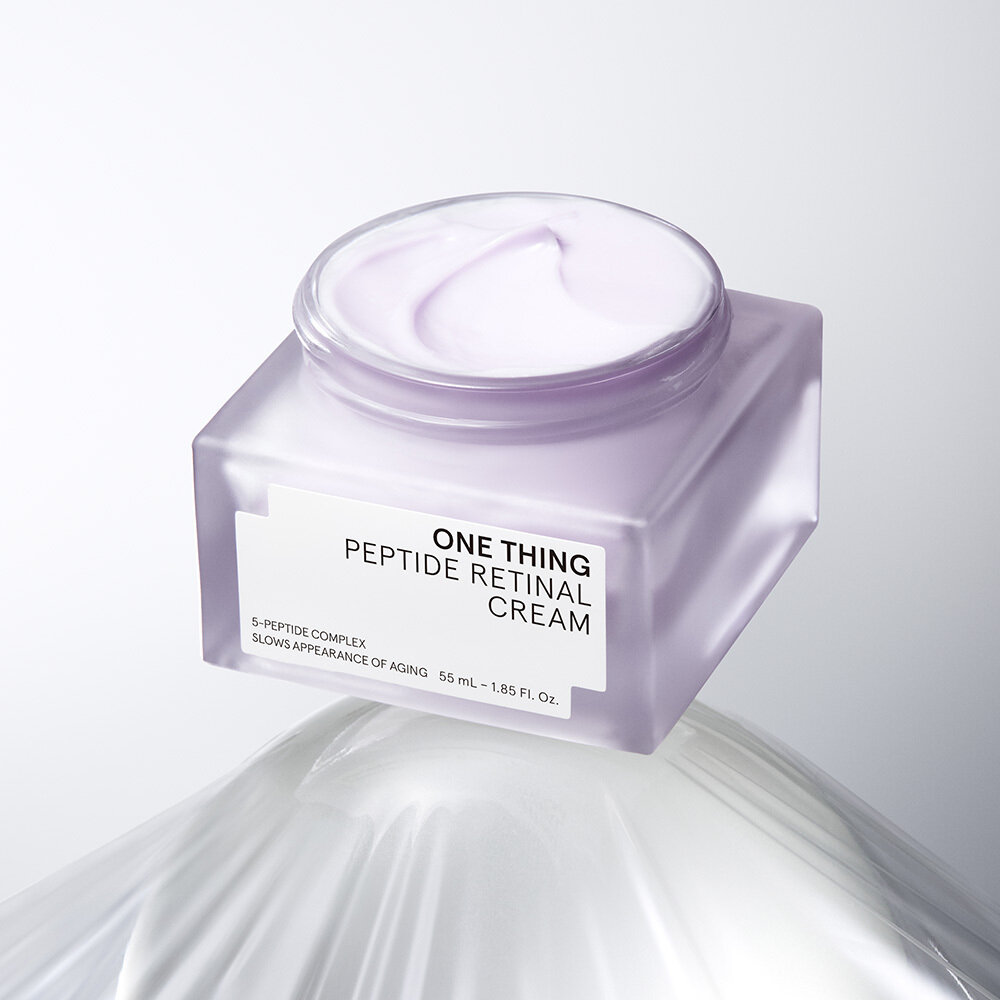
Peptide Retinal Cream
ONE THING
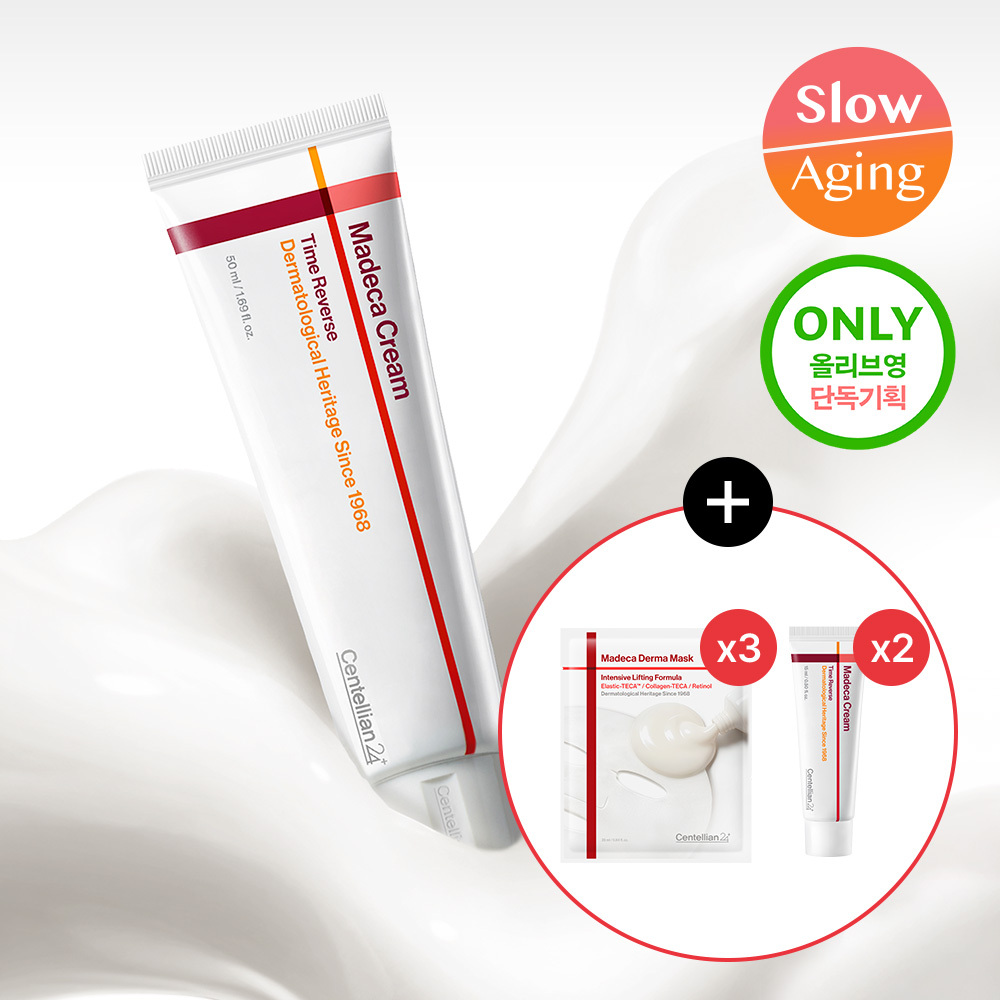
Madeca Cream Time Reverse Set
Centellian24
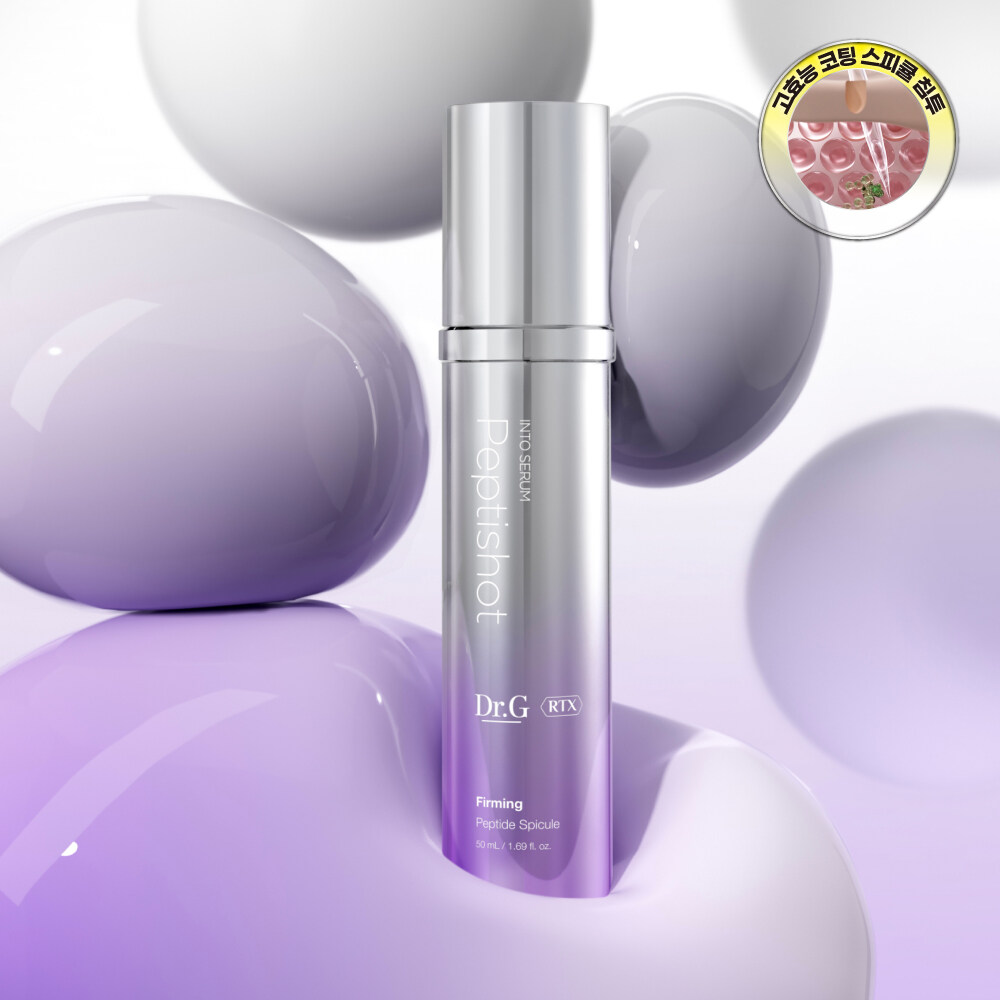
RTX Into Serum Peptishot
Dr.G
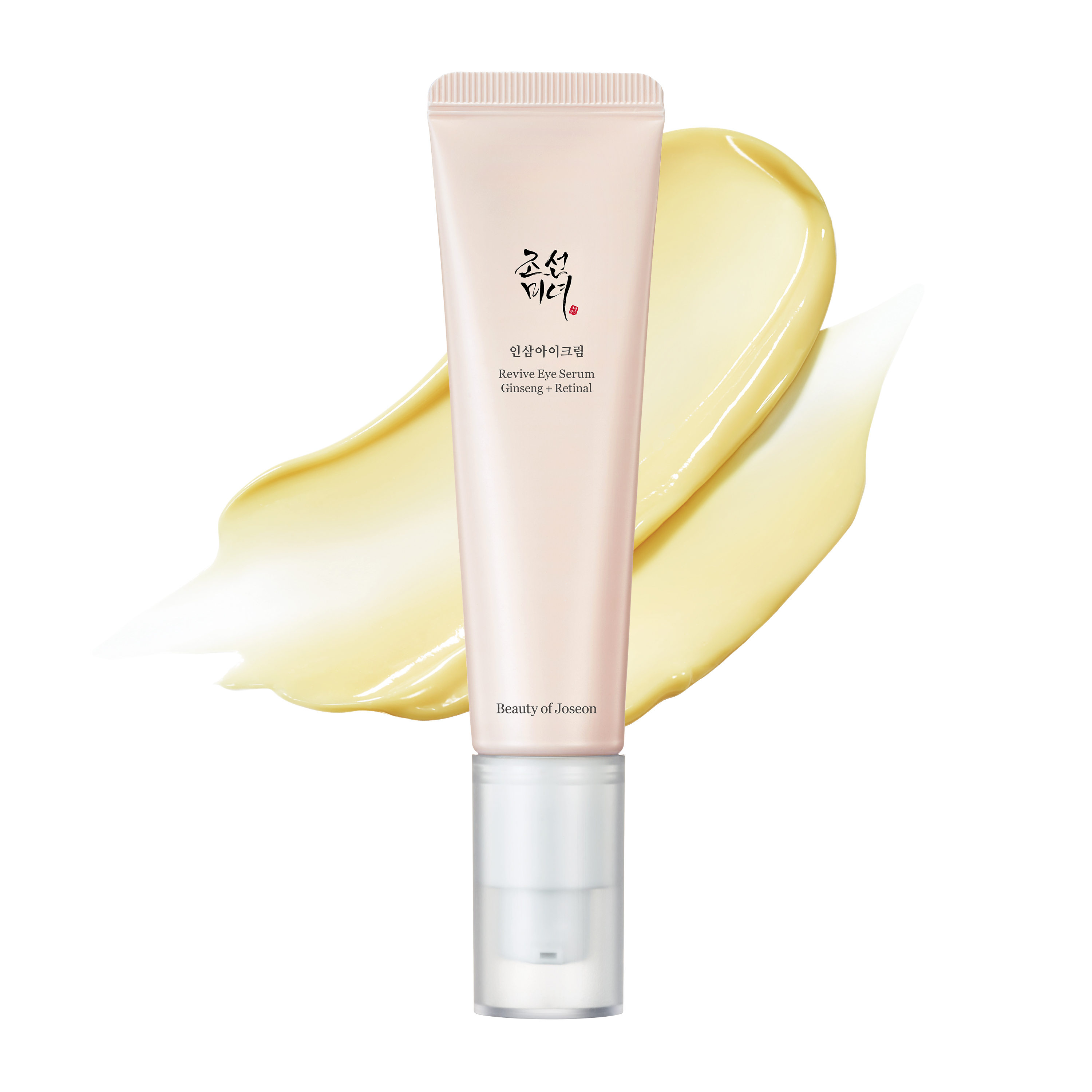
Revive Eye Serum Ginseng + Retinal
Beauty of Joseon
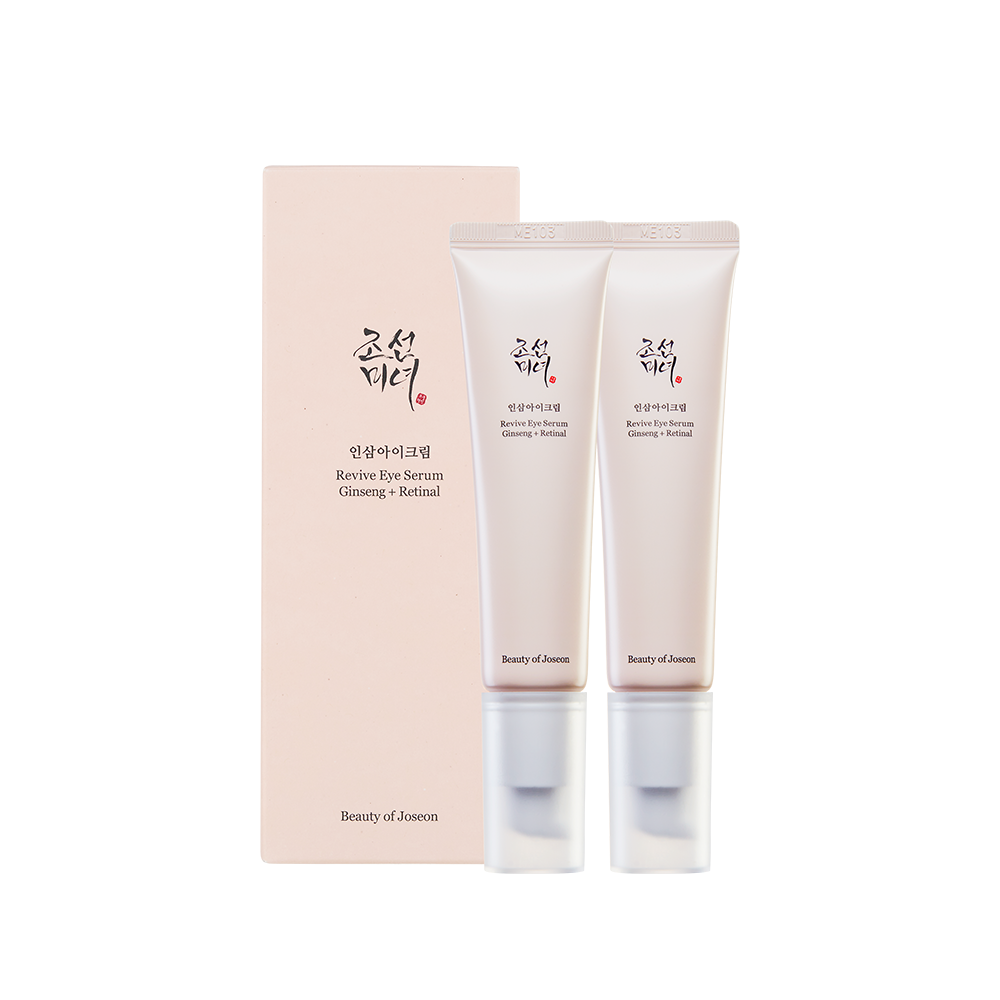
Revive Eye Serum: Ginseng + Retinol Double Pack
Beauty of Joseon

Cellmazing Firming Eye Cream
Torriden
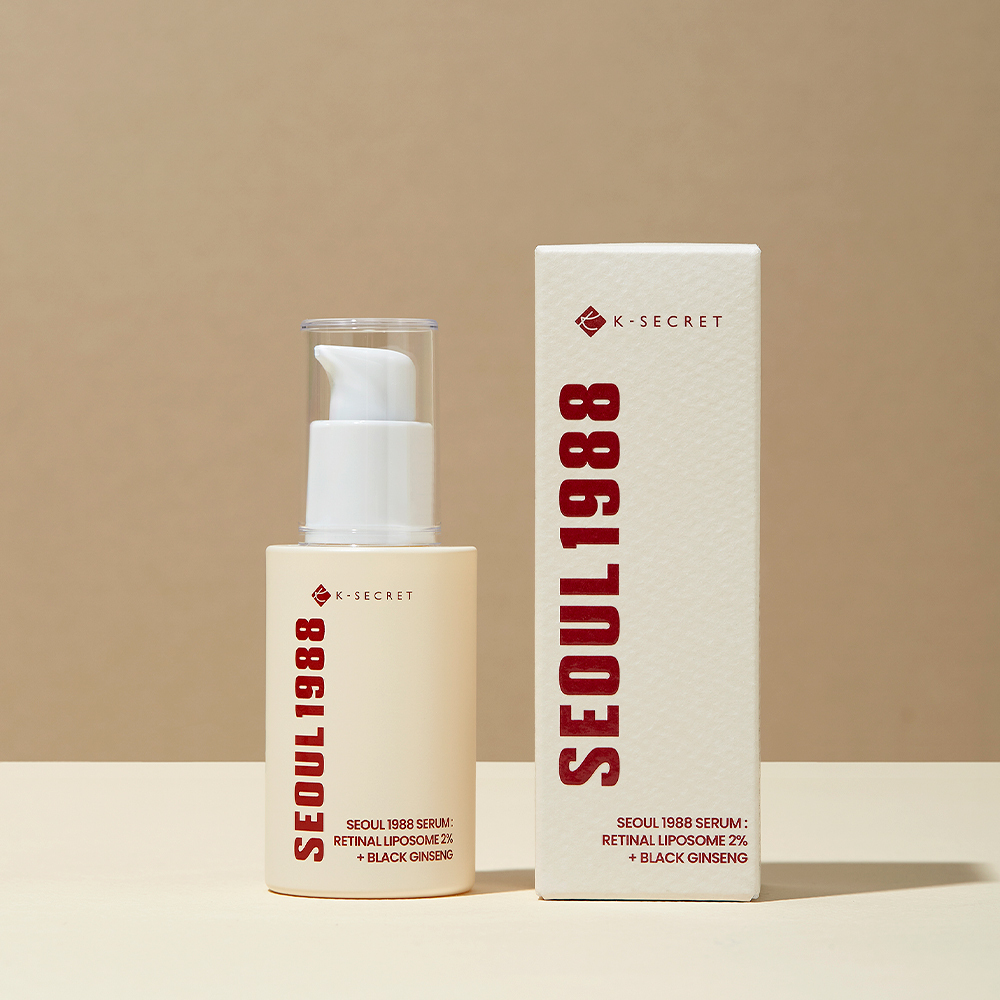
Seoul 1988 Serum: Retinal Liposome 2% + Black Ginseng
KSECRET
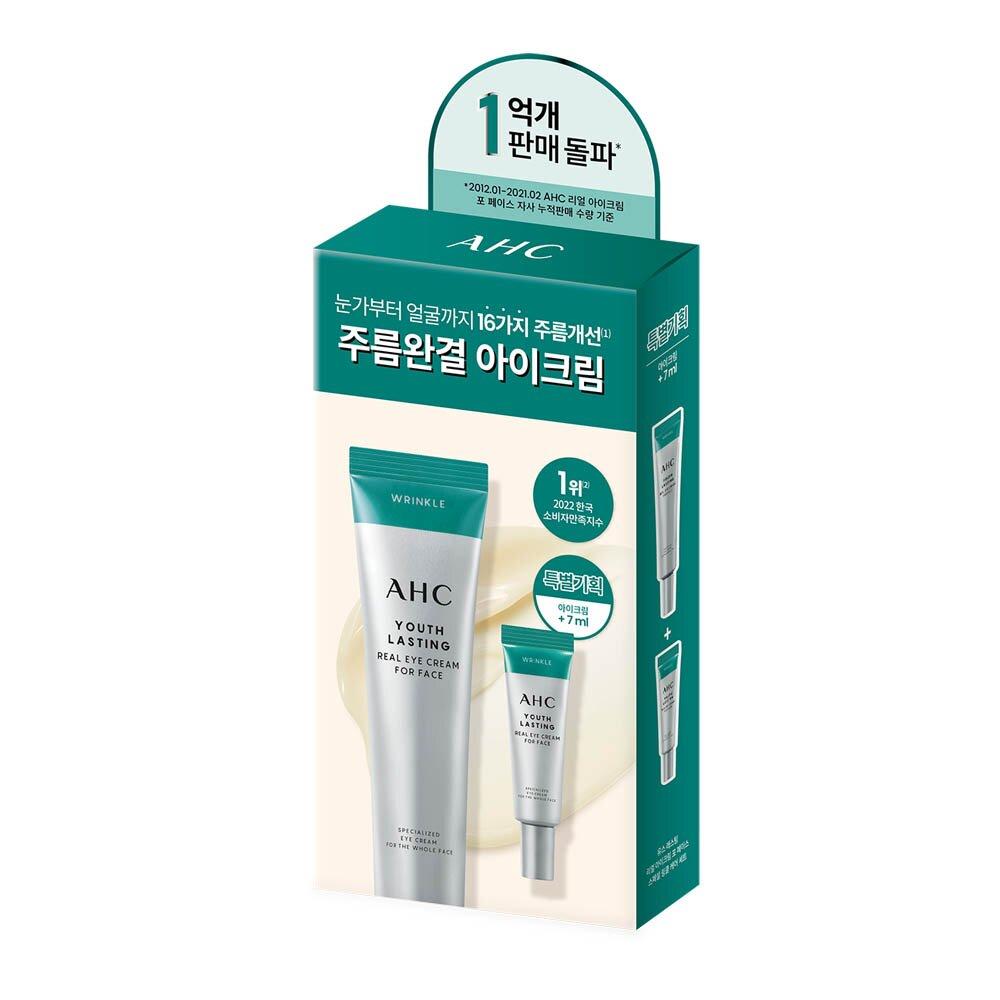
Youth Lasting Real Eye Cream For Face Special Wrinkle Care Set
AHC
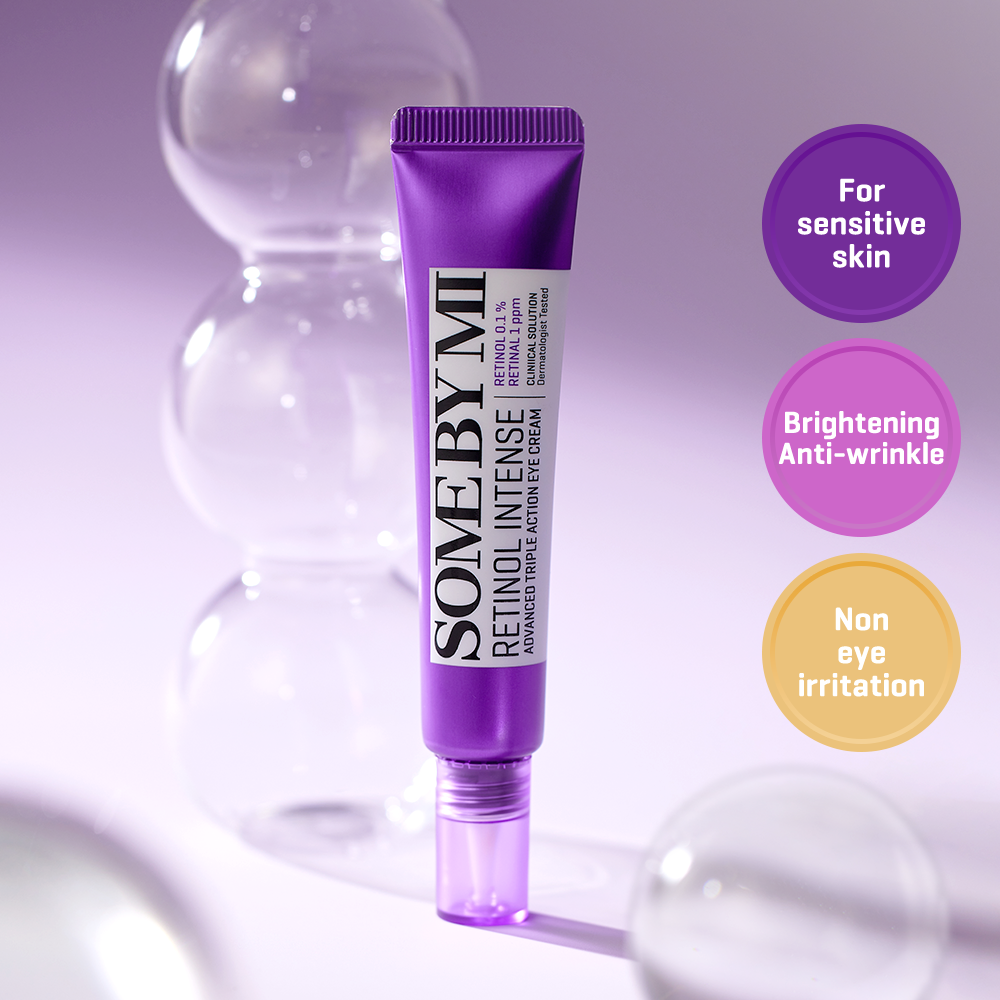
Retinol Intense Advanced Triple Action Eye Cream
Some By Mi
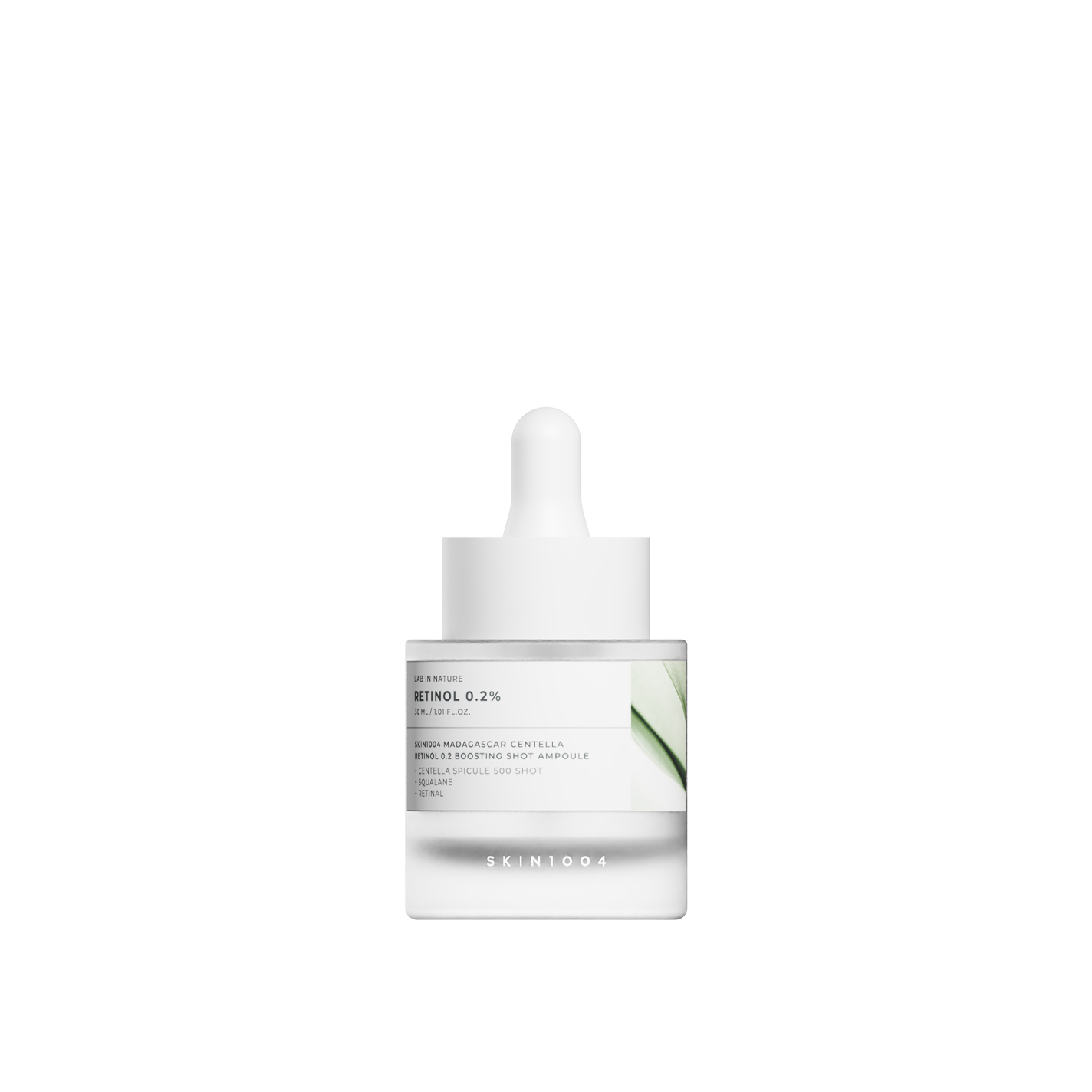
Madagascar Centella Retinol 0.2 Boosting Shot Ampoule
SKIN1004
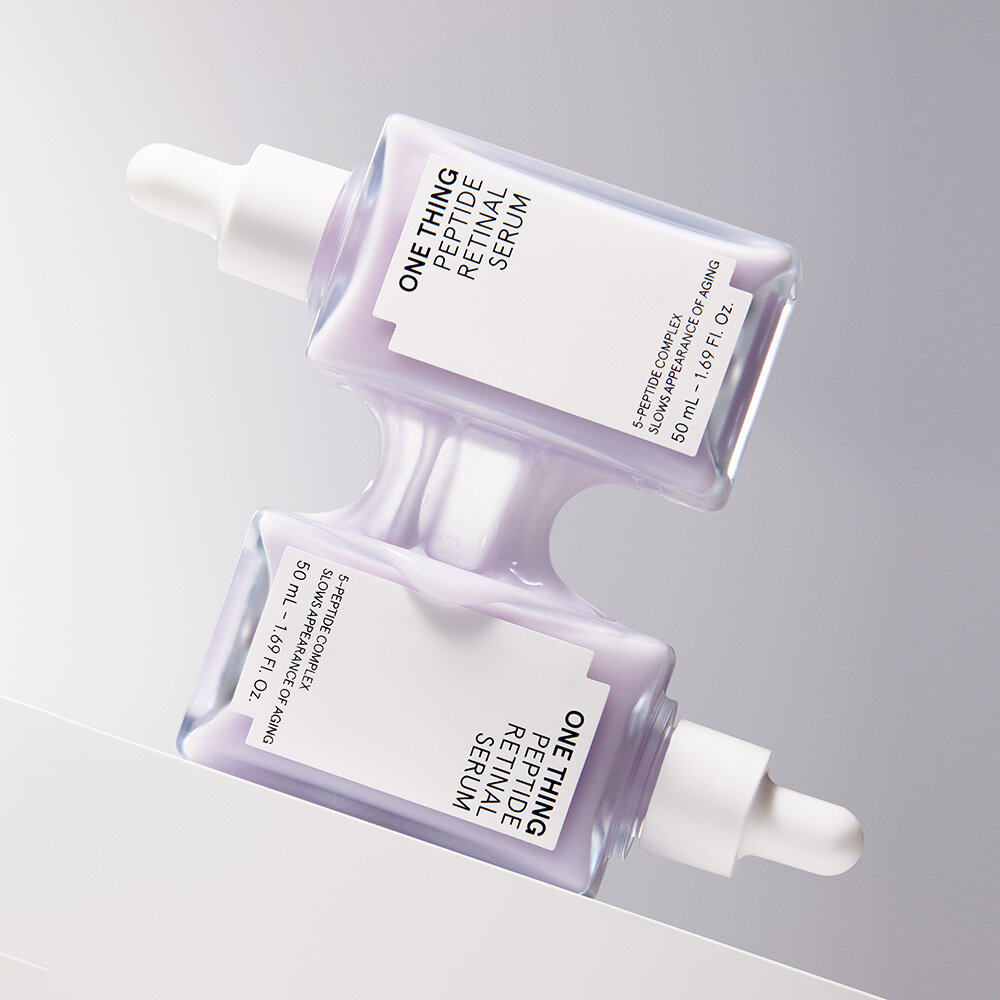
Peptide Retinal Serum
ONE THING

Melanon X Ampoule Cleanser
Medi-Peel
Frequently Asked Questions
Is retinal stronger than retinol?▼
Can I use retinal if I'm pregnant or breastfeeding?▼
Why do some retinal products on Seoul Sister have perfect 5.0 ratings?▼
How long does retinal last before it goes bad?▼
Can I use retinal with niacinamide or do they conflict?▼
Articles About Retinal
Dry Combo Skin With Acne + Scars? Start Here
Dry-but-breaking-out skin isn't a contradiction, and it isn't your fault, it usually means your barrier is stripped and overcompensating. Here's how to calm both problems at once without the harsh actives that made it worse.
What Your Korean Collagen Cream's Label Can (and Can't) Tell You
That collagen cream on your shelf might be listing an ingredient that literally can't get into your skin. The fix is one word on the label, and you can check it in about ten seconds without reading a word of Korean.
Retinol or Retinal? How to Pick the Right One
Everyone's yelling different retinol recommendations at you and it's overwhelming. Here's the honest breakdown of what actually matters for your skin type, and how to start without the peeling nightmare.
Explore More
Want personalized ingredient advice?
Yuri, our AI beauty advisor, can tell you how Retinal works with your specific skin type, routine, and concerns.
Ask Yuri, free