Rice Ferment Filtrate
INCI: Saccharomyces/Rice Ferment Filtrate
Brightening and moisturizing fermented rice extract
About Rice Ferment Filtrate
Rice ferment filtrate is the liquid byproduct created when rice is fermented with Saccharomyces yeast, the same microorganism used to make sake. This process breaks down rice starches into smaller molecules like amino acids, organic acids, and peptides that skin can absorb more easily. In K-beauty, rice ferment filtrate has become a cornerstone brightening ingredient, prized for its ability to fade dark spots and create that signature Korean glass skin glow without irritation. Unlike harsher brightening agents like hydroquinone, rice ferment works gently over time by inhibiting melanin production while simultaneously strengthening the skin barrier. The fermentation process is key to its effectiveness. Raw rice extract is nice, but fermented rice extract delivers exponentially more active compounds. Studies show it contains over 170 beneficial substances including vitamins B and E, minerals, and antioxidants. Korean brands have perfected this ancient ingredient, which originated in sake breweries where workers noticed their hands looked remarkably youthful despite aging. With a safety rating of 4/5 and comedogenic rating of just 1/5, rice ferment filtrate appears in 14 products on Seoul Sister, including top-rated cleansers, toners, and masks. Products like The Face Shop's Rice Water Bright Milk & Jelly Double Foaming Cleanser and Anua's Fountain Water Toner both earn perfect 5.0/5 scores, demonstrating how effectively this ingredient performs across different product categories.
How Rice Ferment Filtrate Works
Rice ferment filtrate works through multiple complementary mechanisms at the cellular level. First, it inhibits tyrosinase, the enzyme responsible for converting amino acids into melanin. By slowing this process, it prevents new dark spots from forming and gradually lightens existing hyperpigmentation. The organic acids produced during fermentation (particularly kojic acid, a natural byproduct of sake fermentation) provide gentle chemical exfoliation, removing dead surface cells that can make skin look dull. Meanwhile, the amino acids and peptides penetrate into the dermis where they stimulate collagen synthesis and support the skin's natural moisture barrier. Rice ferment also contains ferulic acid, a potent antioxidant that neutralizes free radicals from UV exposure and pollution before they can damage DNA and trigger premature aging. The polysaccharides in the filtrate form a light moisturizing film on skin that holds water without feeling heavy or greasy. This combination of brightening, exfoliating, moisturizing, and protecting makes rice ferment filtrate particularly effective for addressing multiple skin concerns simultaneously. The fermentation process essentially predigests the rice, making these beneficial compounds bioavailable in forms your skin can actually use rather than just sitting on the surface.
Rice Ferment Filtrate by Skin Type
Oily Skin
Rice ferment filtrate is excellent for oily skin thanks to its low comedogenic rating of 1/5. The gentle acids help regulate sebum production without stripping skin, while the lightweight hydration prevents the reactive oil production that happens when oily skin gets dehydrated. Products like Beplain's Phytoncide Mild Cleansing Foam (5.0/5) demonstrate how well this ingredient works in formulas designed for excess oil control.
Dry Skin
Dry skin benefits enormously from rice ferment filtrate's dual action as both a humectant and occlusive. The polysaccharides draw moisture into skin while forming a protective barrier that prevents water loss. The amino acids also support ceramide production, strengthening the compromised moisture barrier that typically causes dryness. Unlike some brightening ingredients that can be drying, rice ferment actually improves hydration while working on discoloration.
Combo Skin
Combination skin finds rice ferment filtrate particularly versatile because it balances oil in the T-zone while hydrating dry cheek areas. The ingredient is light enough not to trigger oiliness in sebaceous zones but nourishing enough to address dry patches. Toners like Anua's Fountain Water Toner (5.0/5) work beautifully for combination skin, providing even hydration across different zones without exacerbating either extreme.
Sensitive Skin
Sensitive skin tolerates rice ferment filtrate remarkably well compared to other brightening agents. With a safety rating of 4/5, it delivers results without the irritation associated with stronger actives like retinoids or high-percentage acids. The fermentation process creates naturally soothing compounds that actually calm inflammation while brightening. However, those with yeast sensitivities should patch test first, as Saccharomyces is a fungal organism.
Normal Skin
Normal skin can use rice ferment filtrate preventatively to maintain clarity and radiance. The antioxidants protect against environmental damage that causes premature aging and dark spots, while the gentle exfoliation keeps skin glowing. Products like Papa Recipe's Blemish Deep Brightening Cream Mask Sheet (5.0/5) work perfectly for normal skin as a weekly boost to enhance natural luminosity and prevent future discoloration.
How to Use Rice Ferment Filtrate
- 1Layer rice ferment products after cleansing but before heavier serums and creams. Toners and essences with this ingredient (like Acwell's Licorice pH Balancing Essence Mist at 4.8/5) work best on damp skin to maximize absorption of the amino acids and peptides.
- 2Use rice ferment filtrate products consistently for at least 6-8 weeks to see significant brightening results. Unlike instant-gratification ingredients, fermented rice works cumulatively by preventing new melanin formation rather than bleaching existing pigment.
- 3Pair with sunscreen every morning. Rice ferment helps fade dark spots, but UV exposure will undo your progress by triggering new melanin production. The combination of rice ferment at night and SPF during the day accelerates brightening results.
- 4If you have fungal acne or seborrheic dermatitis, introduce rice ferment filtrate cautiously. While the comedogenic rating is low, the Saccharomyces yeast could potentially feed Malassezia fungus in susceptible individuals. Start with a patch test on your jawline for 3-5 days.
Background
Rice ferment filtrate's journey into skincare began in Japanese sake breweries centuries ago. Workers noticed that despite their aging faces, their hands remained remarkably smooth and youthful from constant contact with fermenting rice. This observation led to the development of sake-based skincare in Japan, which eventually crossed into Korean beauty formulations in the early 2000s. Korean chemists perfected the fermentation process, isolating specific strains of Saccharomyces yeast that produce higher concentrations of brightening compounds. The ingredient gained mainstream K-beauty popularity around 2015 when Korean brands began marketing products centered on fermented ingredients (often called "FTE" or First Treatment Essences). Today, rice ferment represents Korea's mastery of biotechnology in skincare, transforming a traditional ingredient through modern fermentation science to create one of the gentlest yet most effective brightening actives available.
K-Beauty Products with Rice Ferment Filtrate
View all 18 →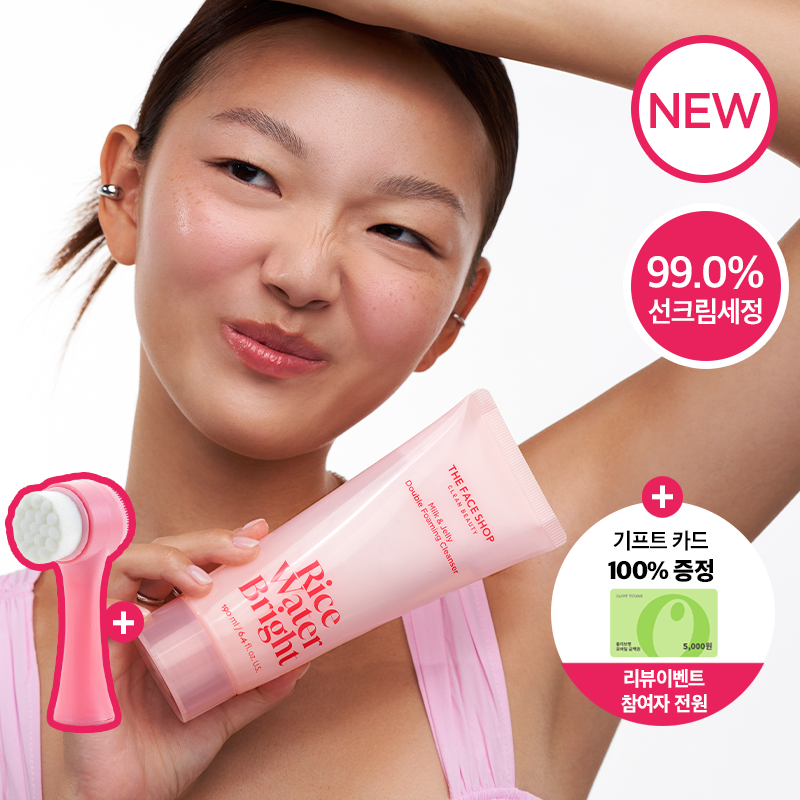
Rice Water Bright Milk & Jelly Double Foaming Cleanser
The Face Shop
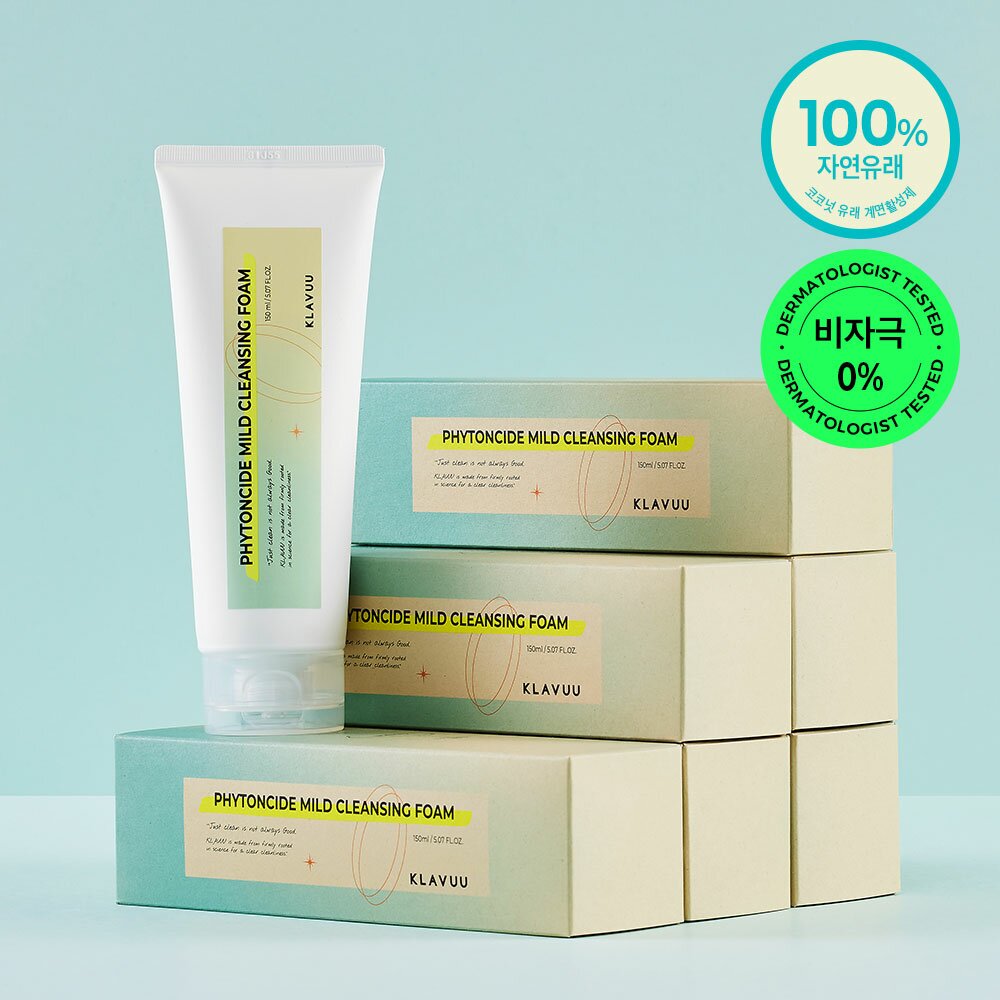
Phytoncide Mild Cleansing Foam
Beplain

Fountain Water Toner
Anua
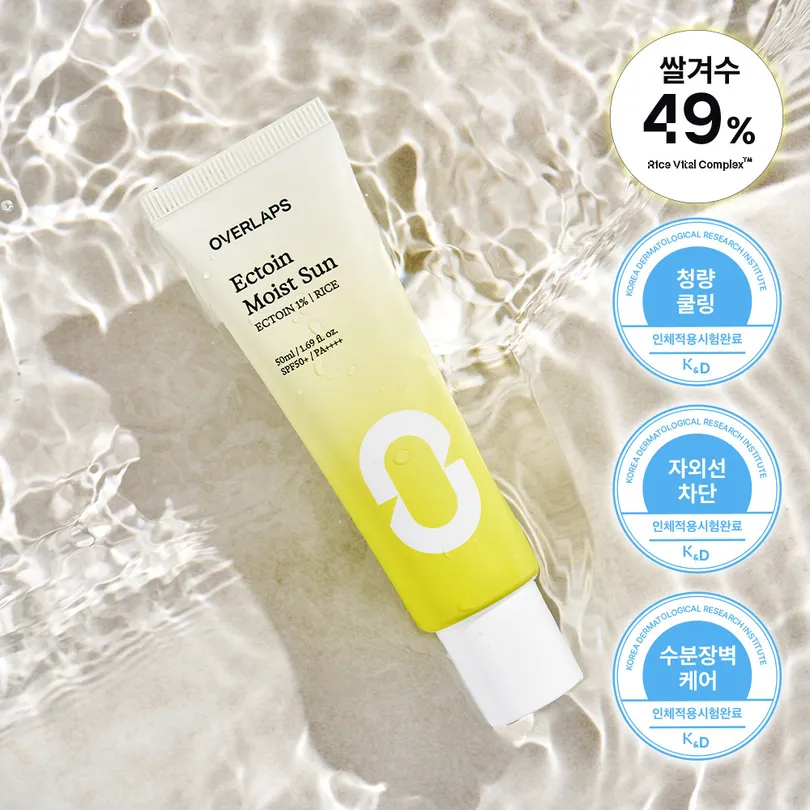
Ectoin Moist Sun Cream
OVERLAPS

Relief Sun: Rice + Probiotics SPF50+ PA++++
Beauty of Joseon
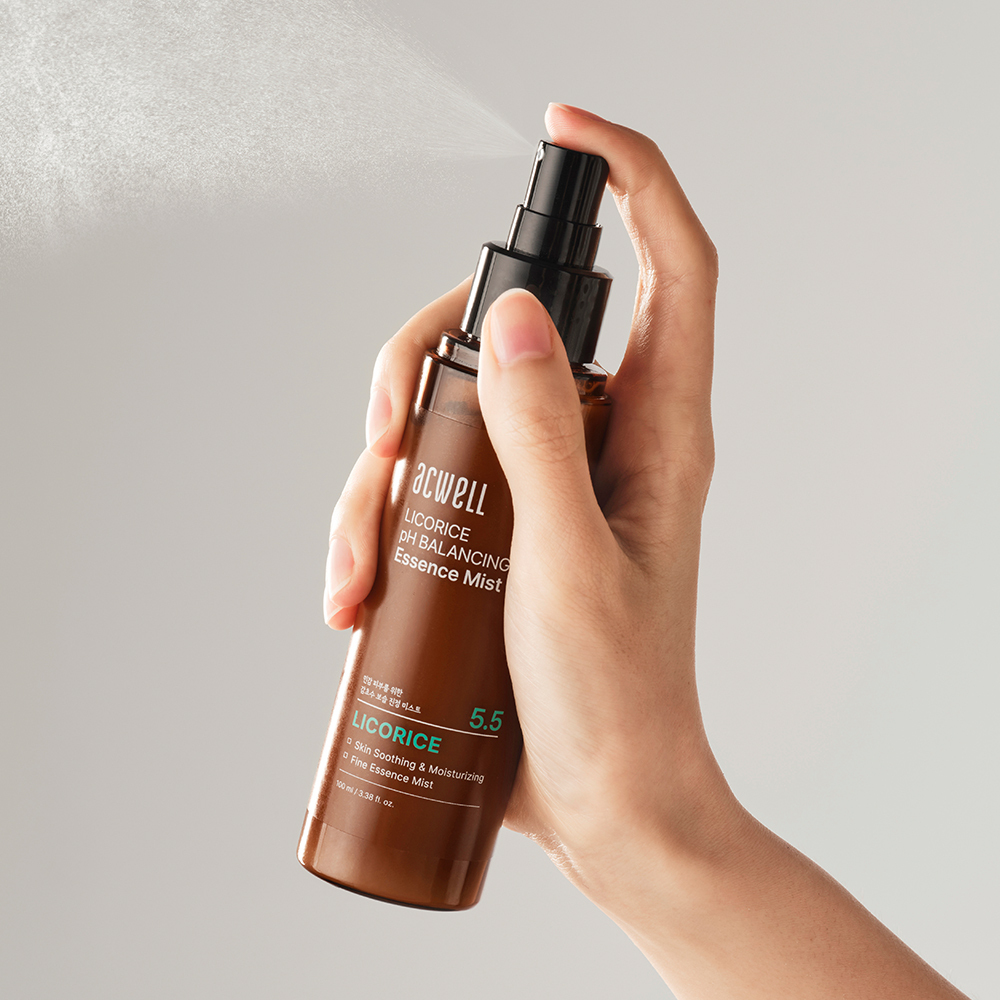
Licorice pH Balancing Essence Mist
Acwell
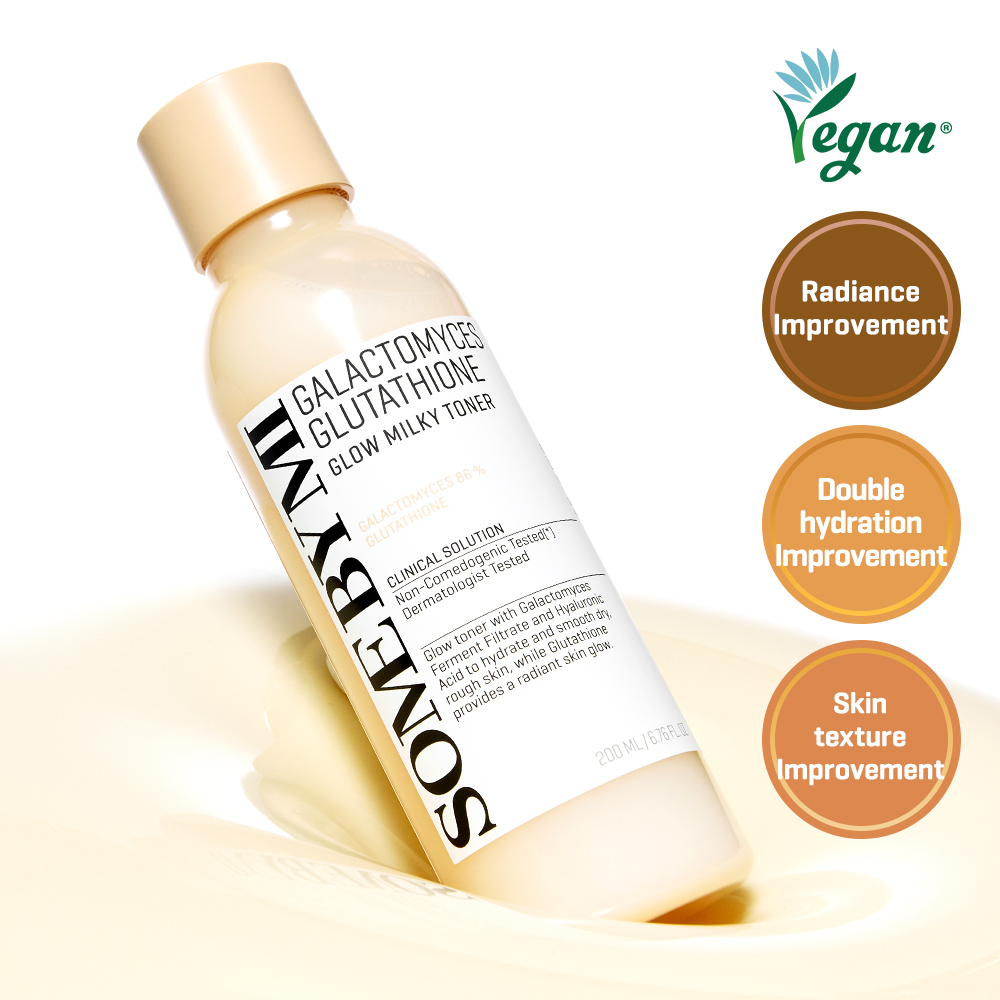
Galactomyces Glutathione Glow Milky Toner
Some By Mi
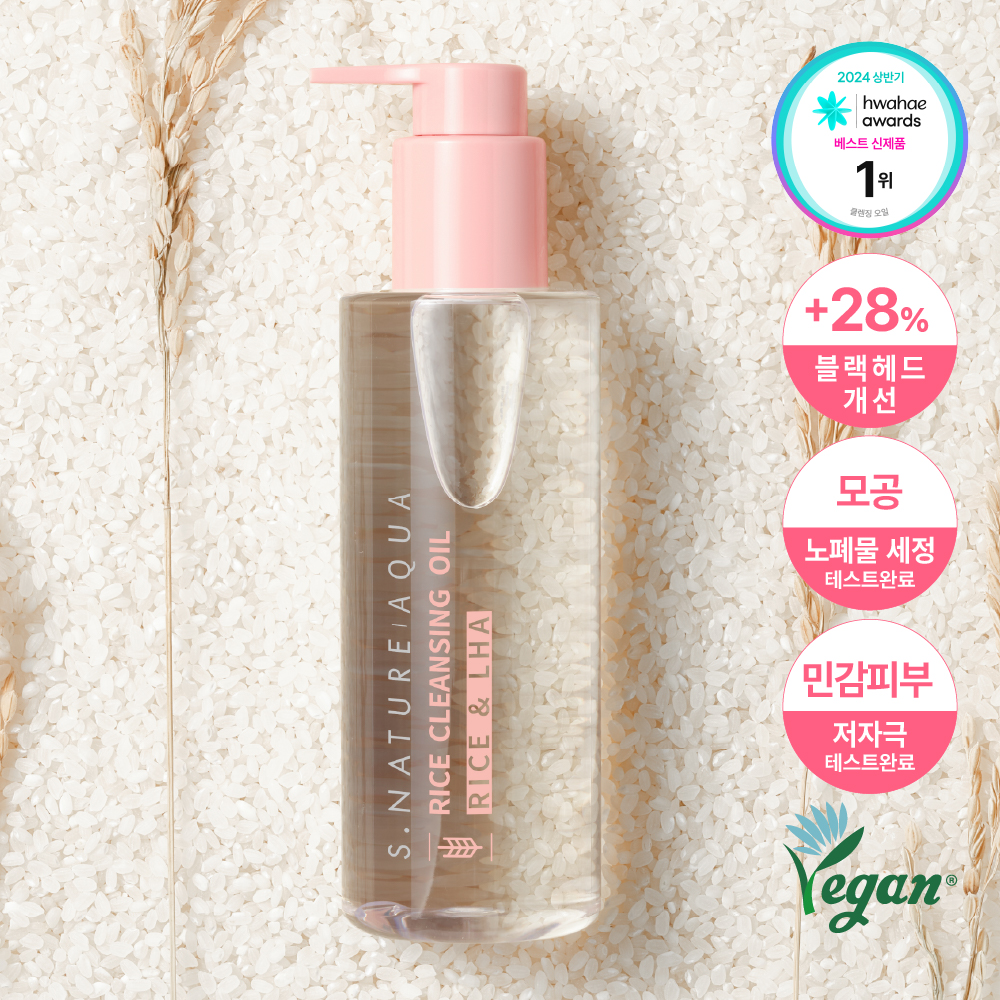
Aqua Rice Cleansing Oil
S.Nature
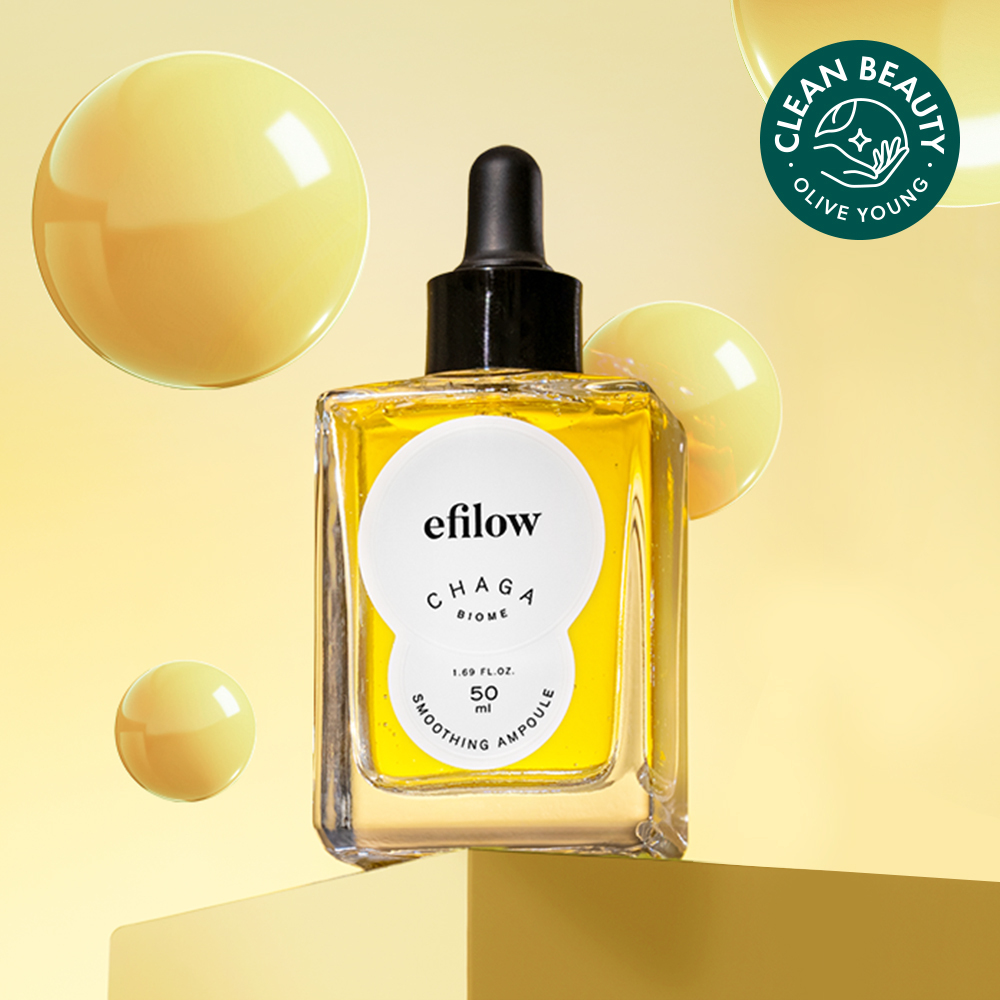
Chaga Biome Smoothing Ampoule
Anua
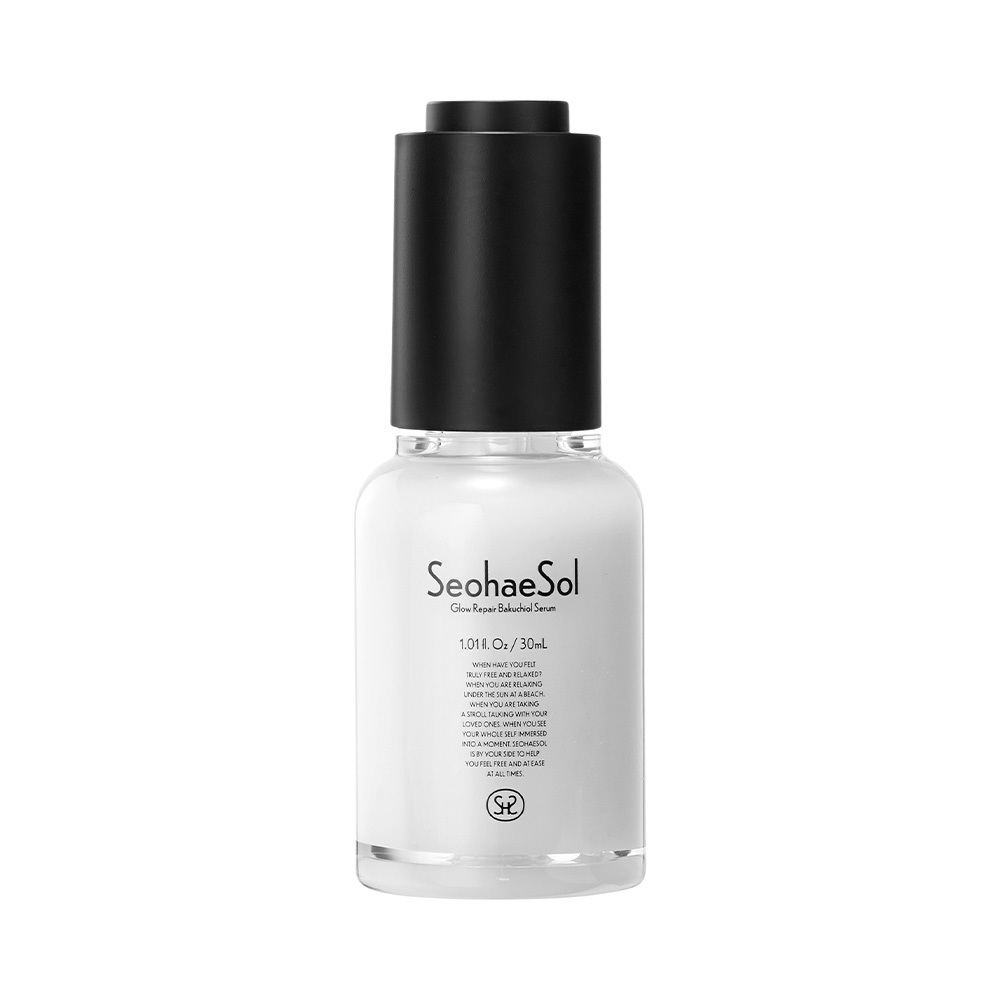
Glow Repair Bakuchiol Serum
Anua
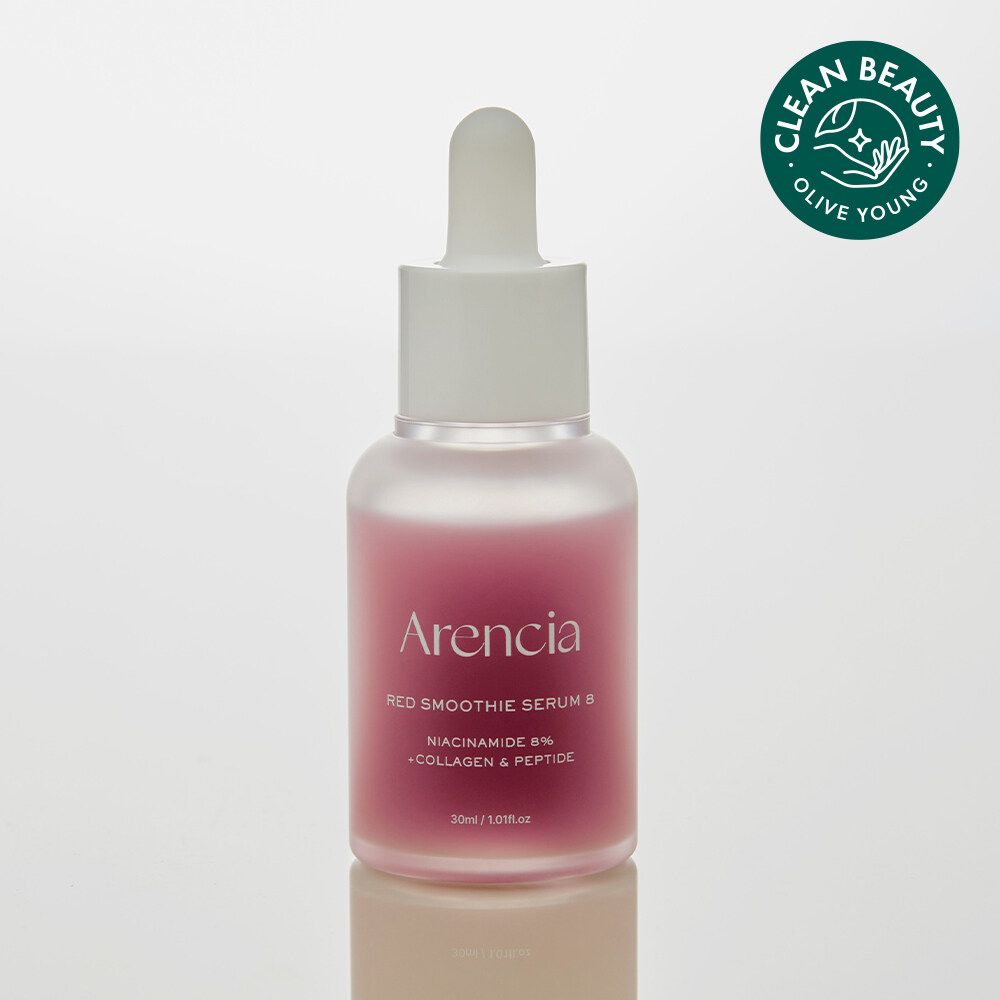
Red Smoothie Serum 8
Arencia
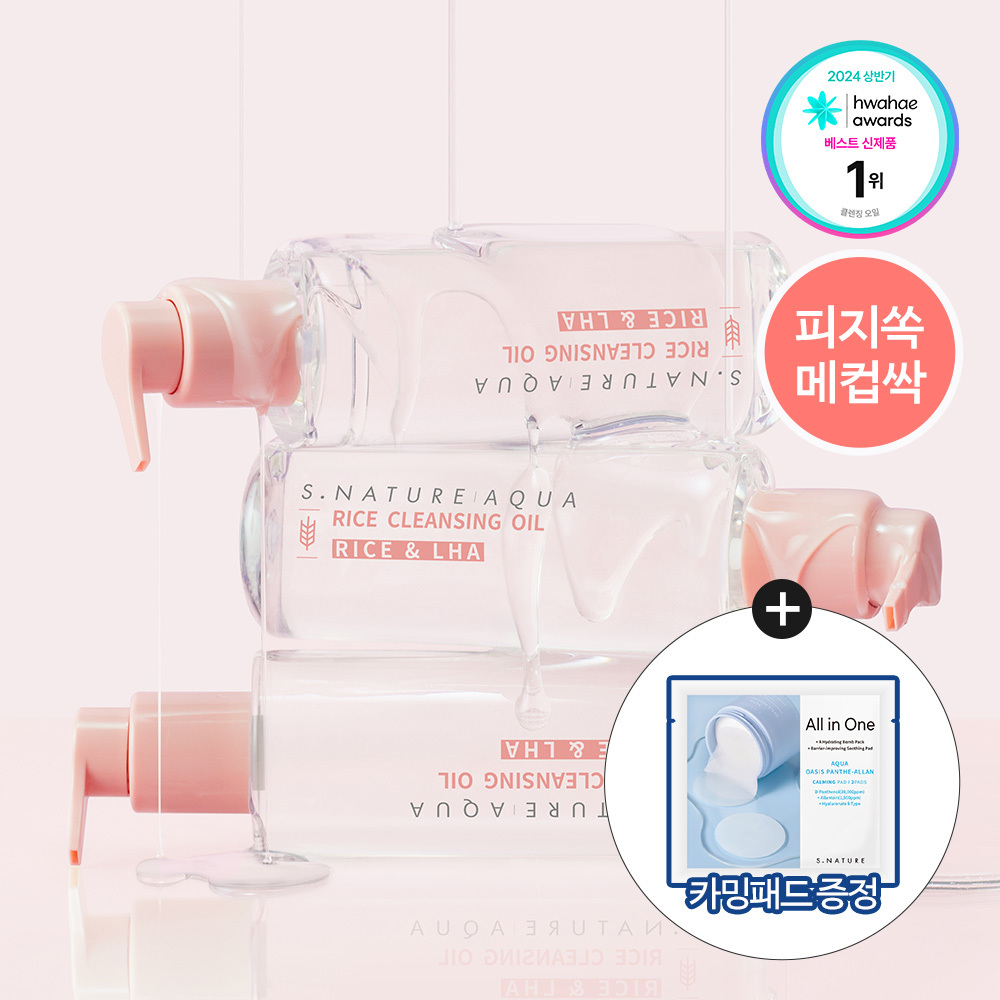
Aqua Rice Cleansing Oil 200ml Set
S.Nature
Frequently Asked Questions
Is rice ferment filtrate the same as rice water?▼
How long does it take to see brightening results from rice ferment filtrate?▼
Can I use rice ferment filtrate with vitamin C or niacinamide?▼
Is rice ferment filtrate safe during pregnancy?▼
Articles About Rice Ferment Filtrate
Explore More
Want personalized ingredient advice?
Yuri, our AI beauty advisor, can tell you how Rice Ferment Filtrate works with your specific skin type, routine, and concerns.
Ask Yuri, free