Shea Butter
Emollient and skin barrier repair
About Shea Butter
Shea butter is a rich, creamy fat extracted from the nuts of the African shea tree (Vitellaria paradoxa). In K-beauty formulations, it serves as a powerhouse emollient that goes beyond simple moisturization to actively support skin barrier repair and long-term hydration. What makes shea butter particularly valuable is its unique fatty acid profile, which includes high concentrations of stearic and oleic acids that closely mimic the lipids naturally found in healthy skin. This molecular similarity allows it to integrate seamlessly into the skin's lipid barrier, helping to restore compromised barriers caused by environmental stress, over-exfoliation, or harsh actives. Korean skincare brands have embraced shea butter not as a heavy occlusive (despite its rich texture) but as a sophisticated barrier-supporting ingredient that can be formulated into surprisingly lightweight textures. Its presence in high-performing products like NAD+ Peptide Boosting Serum by Eqqualberry and HOMME Active Water Moisturizer by Laneige demonstrates how modern K-beauty technology can harness traditional botanical ingredients in elegant, non-greasy formulations. With a perfect safety rating of 5/5 and a comedogenic rating of 0/5, shea butter challenges the misconception that rich emollients automatically clog pores. It's particularly prized for its concentration of vitamins A and E, along with anti-inflammatory compounds like lupeol and cinnamic acid esters, which provide antioxidant protection alongside moisture.
How Shea Butter Works
At the cellular level, shea butter works by supplementing the skin's natural lipid matrix within the stratum corneum, the outermost protective layer of skin. When applied topically, its fatty acids (primarily stearic, oleic, palmitic, and linoleic acids) integrate into the lipid bilayers between corneocytes, essentially filling gaps in a compromised barrier like mortar between bricks. This reinforcement reduces transepidermal water loss (TEWL), allowing the skin to retain moisture more effectively. The triterpene esters in shea butter, including lupeol cinnamate, have been shown to inhibit inflammatory mediators like TNF-alpha and interleukins, which helps calm irritation and support the skin's healing processes. Vitamin A compounds stimulate collagen production and promote cellular turnover, while vitamin E acts as a lipid-soluble antioxidant that protects cell membranes from oxidative damage caused by UV exposure and pollution. Unlike occlusive ingredients that simply sit on the skin's surface, shea butter's molecular composition allows it to be partially absorbed, delivering nutrients while creating a breathable protective film. This dual action makes it particularly effective for repairing damage from retinoids, acids, or environmental aggressors.
Shea Butter by Skin Type
Oily Skin
Contrary to expectation, shea butter can work beautifully for oily skin when properly formulated, as evidenced by its 0/5 comedogenic rating. Look for products where it's combined with lighter ingredients and humectants rather than used as a primary base. It can help repair barrier damage from over-cleansing or mattifying products that strip natural oils, paradoxically reducing reactive oil production.
Dry Skin
This is where shea butter truly excels. Its rich fatty acid content provides both immediate relief and long-term barrier repair for chronically dehydrated skin. Products like the Hyaluron 3X Night Cream by Eucerin (4.9/5 rating) demonstrate how shea butter can be layered with humectants for maximum hydration. Use it in nighttime formulations or as a targeted treatment on particularly parched areas.
Combo Skin
Combination skin benefits from strategic shea butter application, using it on drier zones (cheeks, around eyes) while avoiding overapplication in the T-zone. Modern K-beauty formulations like those from Laneige blend shea butter with water-based ingredients to create balanced moisture that won't overwhelm oilier areas. The key is choosing lightweight formulations rather than avoiding the ingredient entirely.
Sensitive Skin
Shea butter's anti-inflammatory triterpenes and gentle, skin-identical fatty acid profile make it excellent for sensitive, reactive skin. Its perfect 5/5 safety rating reflects minimal allergenic potential. The barrier-repair properties are particularly valuable for sensitive skin that's been compromised by irritation or allergic reactions, helping to restore the protective function that prevents external irritants from penetrating.
Normal Skin
Normal skin can use shea butter as maintenance support for barrier health, particularly during seasonal changes or travel when environmental stressors increase. It works well in multi-ingredient serums like the NAD+ Peptide Boosting Serum by Eqqualberry (5.0/5), where it supports other actives without overwhelming the skin's natural balance. Consider it a preventive measure against future barrier damage.
How to Use Shea Butter
- 1Layer shea butter products after water-based serums but before heavier occlusives to maximize absorption while locking in hydration
- 2If using potent actives like retinoids or acids, apply shea butter-containing products 10-15 minutes after to support barrier repair without interfering with active penetration
- 3During winter or in dry climates, look for products listing shea butter in the first five ingredients for maximum barrier protection
- 4For eye area concerns, shea butter formulations like the PDRN Reedle Shot Eye Lifter by VT (4.8/5) provide rich moisture without migrating into eyes due to its semi-solid consistency
Background
Shea butter has been used for centuries in West and Central Africa, where the shea tree grows wild across the Sahel region. African women have traditionally produced it by hand-crushing, roasting, and grinding shea nuts, then kneading the resulting paste with water to separate the oils. This labour-intensive process has supported women's economic independence across multiple generations. The ingredient gained global recognition in Western skincare during the 1990s, but K-beauty's adoption has been more recent and sophisticated. Korean cosmetic chemists became interested in shea butter around the 2010s, not for its traditional use as a heavy body butter but for its potential in advanced barrier-repair formulations. They discovered that when combined with modern emulsification technology and fermentation processes, shea butter could be transformed into lightweight, fast-absorbing textures that maintain its benefits without the heavy feel Western consumers associated with it.
K-Beauty Products with Shea Butter
View all 43 →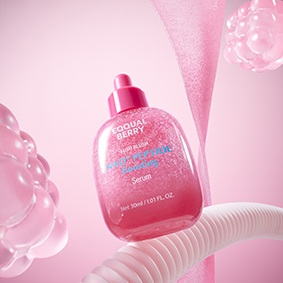
NAD+ Peptide Boosting Serum
Eqqualberry
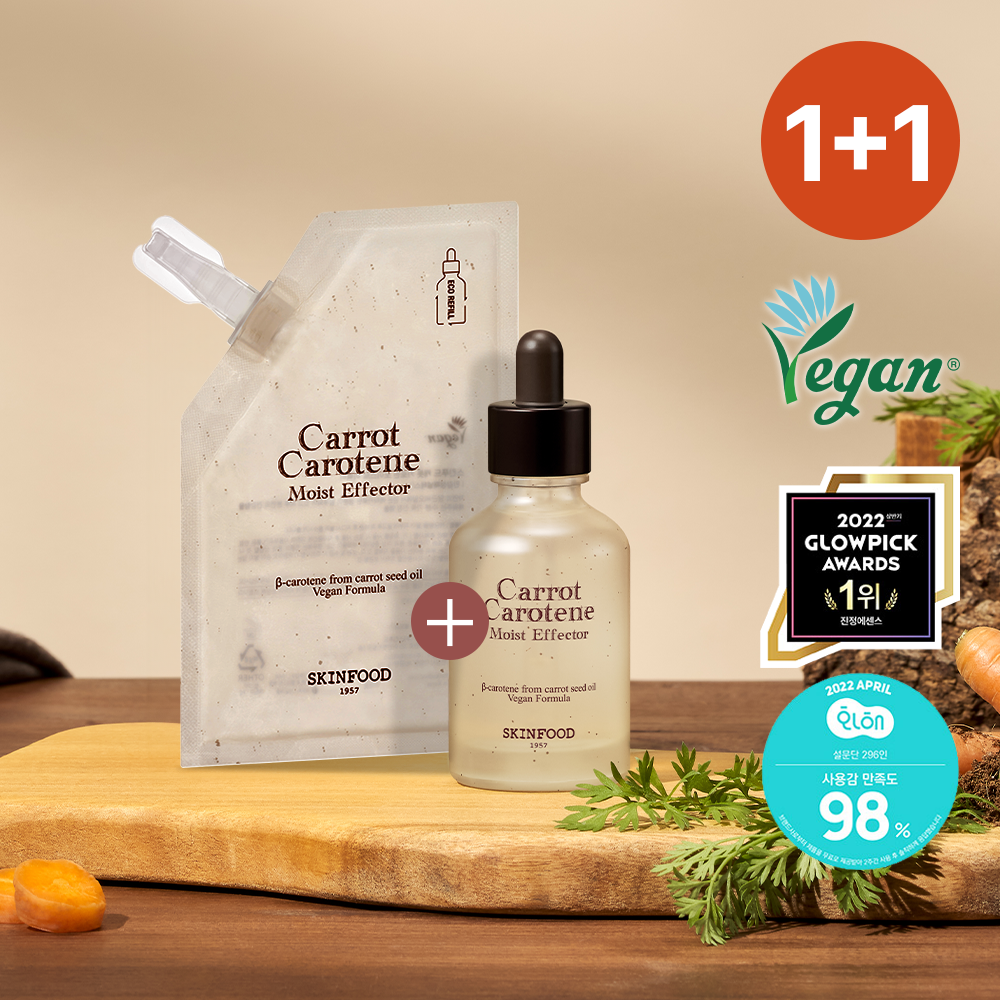
Carrot Carotene Moisture Effector Set
Skinfood
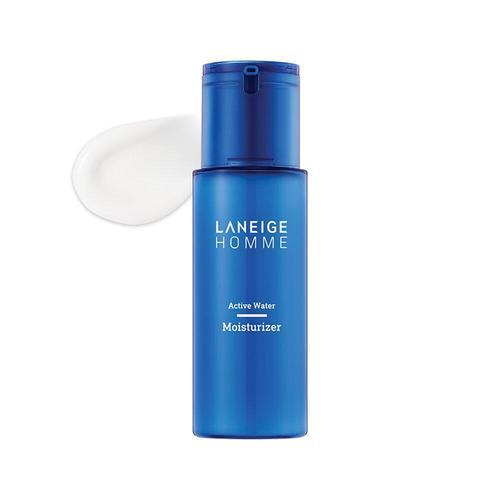
HOMME Active Water Moisturizer
Laneige

PDRN Reedle Shot Eye Lifter
VT
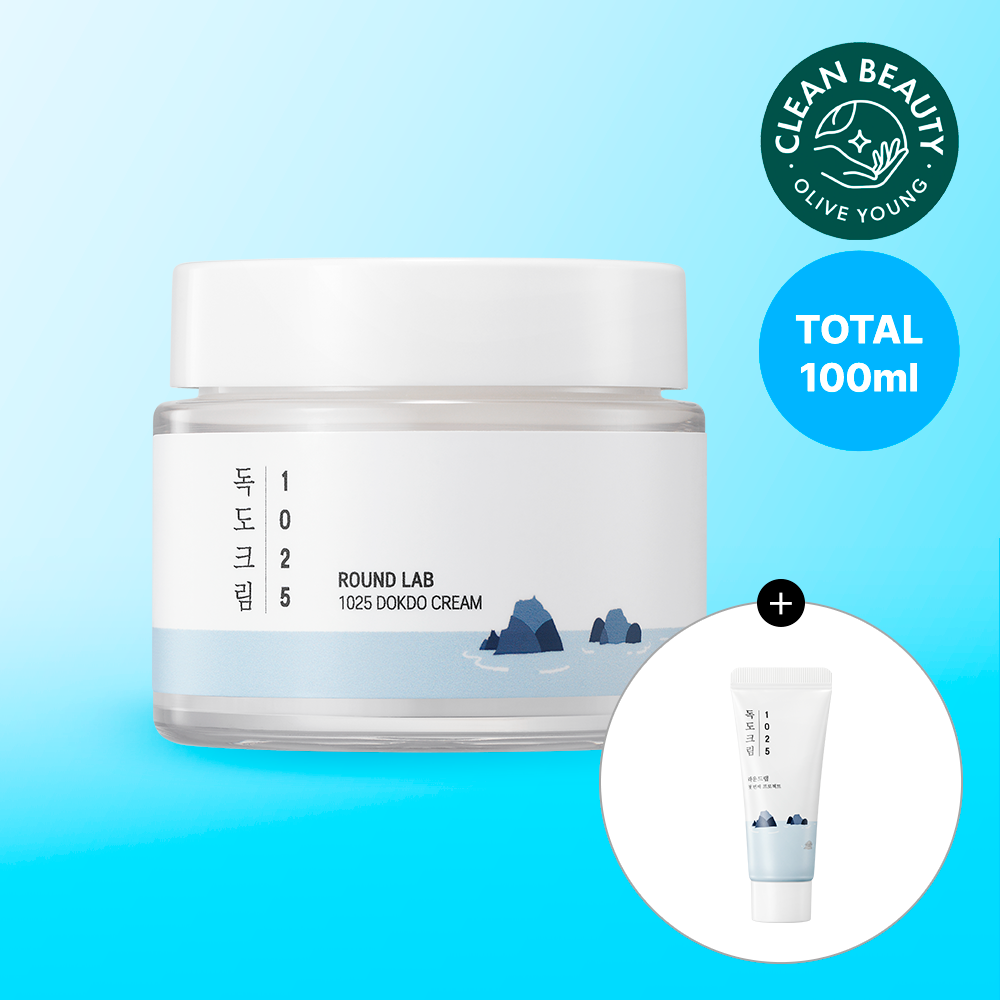
1025 Dokdo Cream
Round Lab
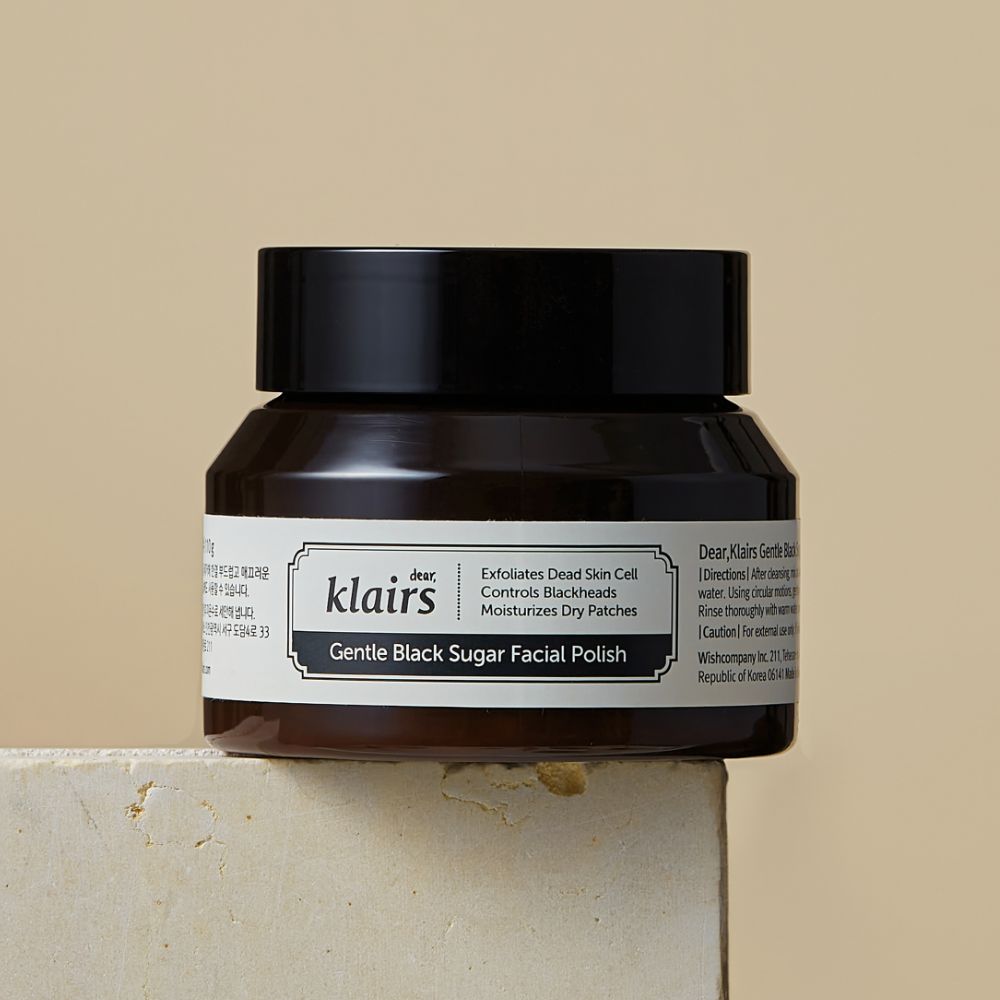
Gentle Black Sugar Facial Polish
Dear, Klairs

Collagen Reedle Shot 100
VT
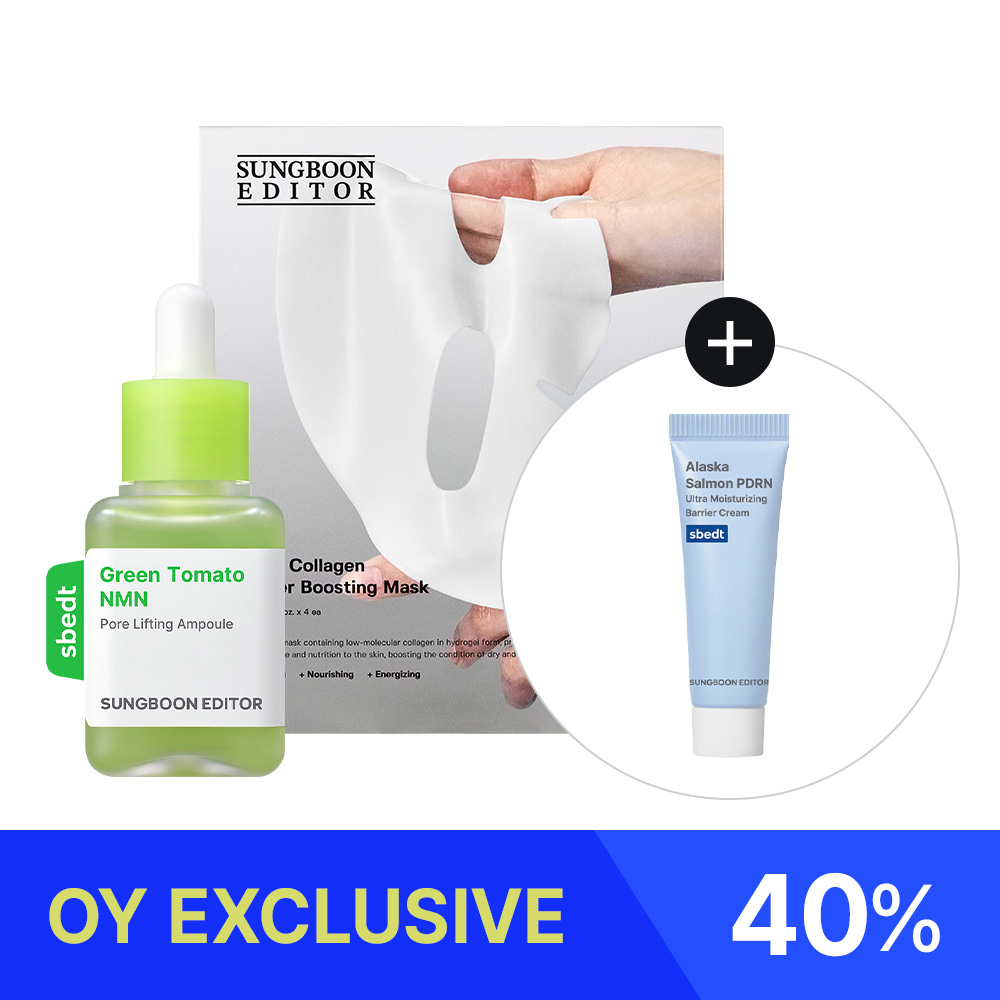
Pore Care Set
Sungboon Editor
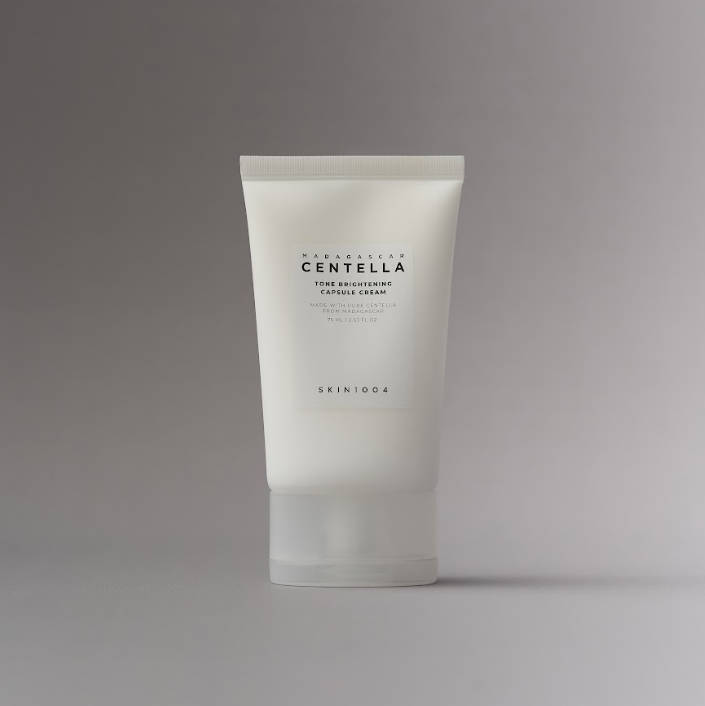
Madagascar Centella Tone Brightening Capsule Cream
SKIN1004
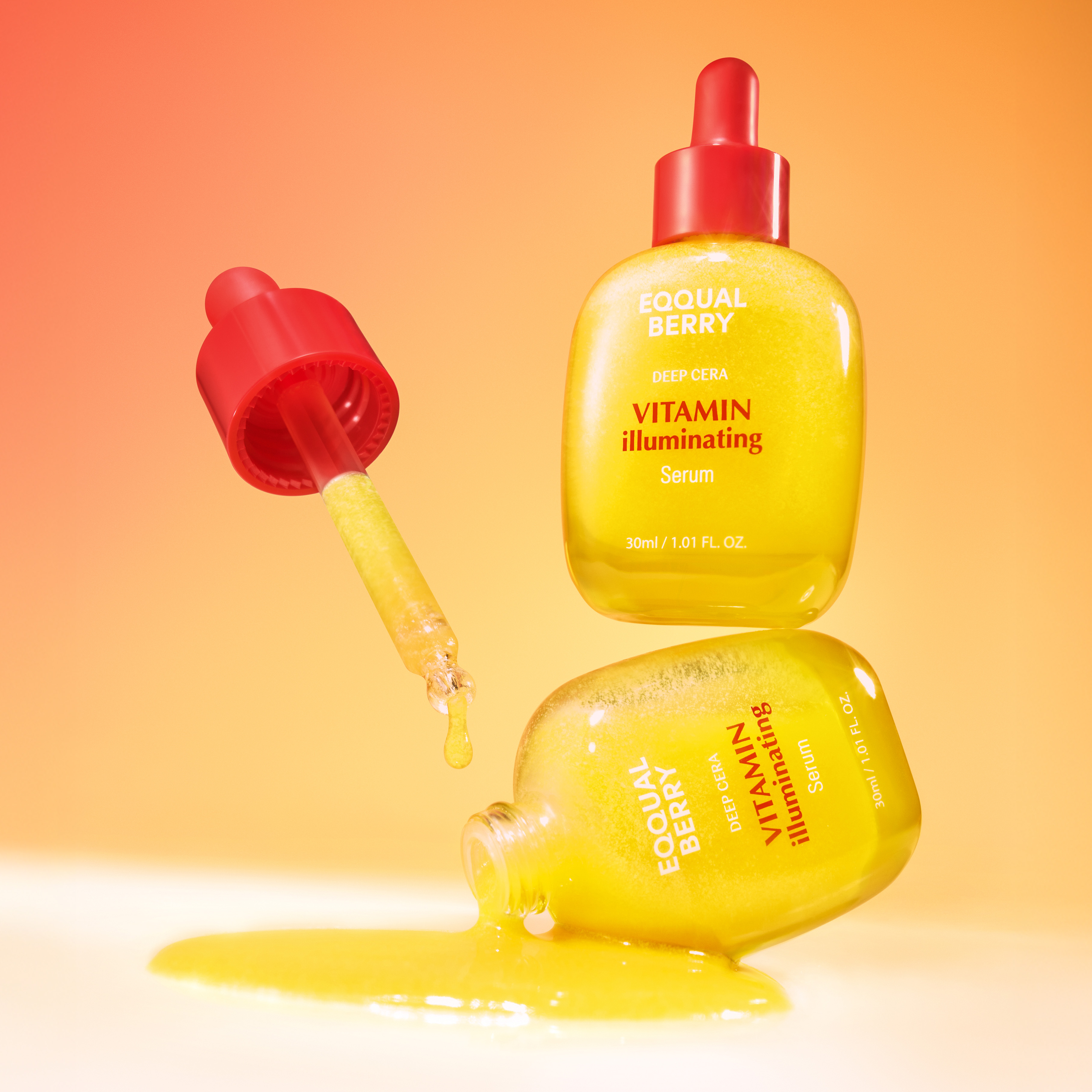
Vitamin Illuminating Serum
Eqqualberry
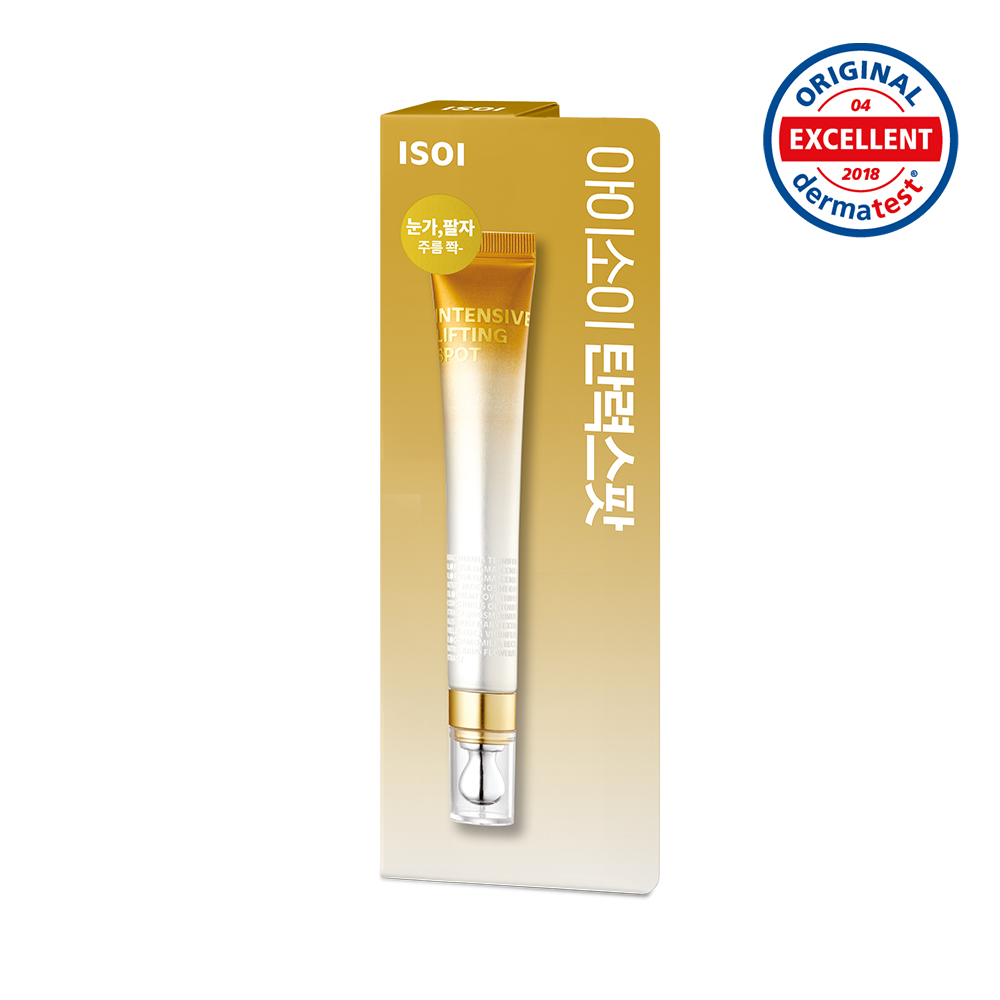
Intensive Lifting Spot
Isoi
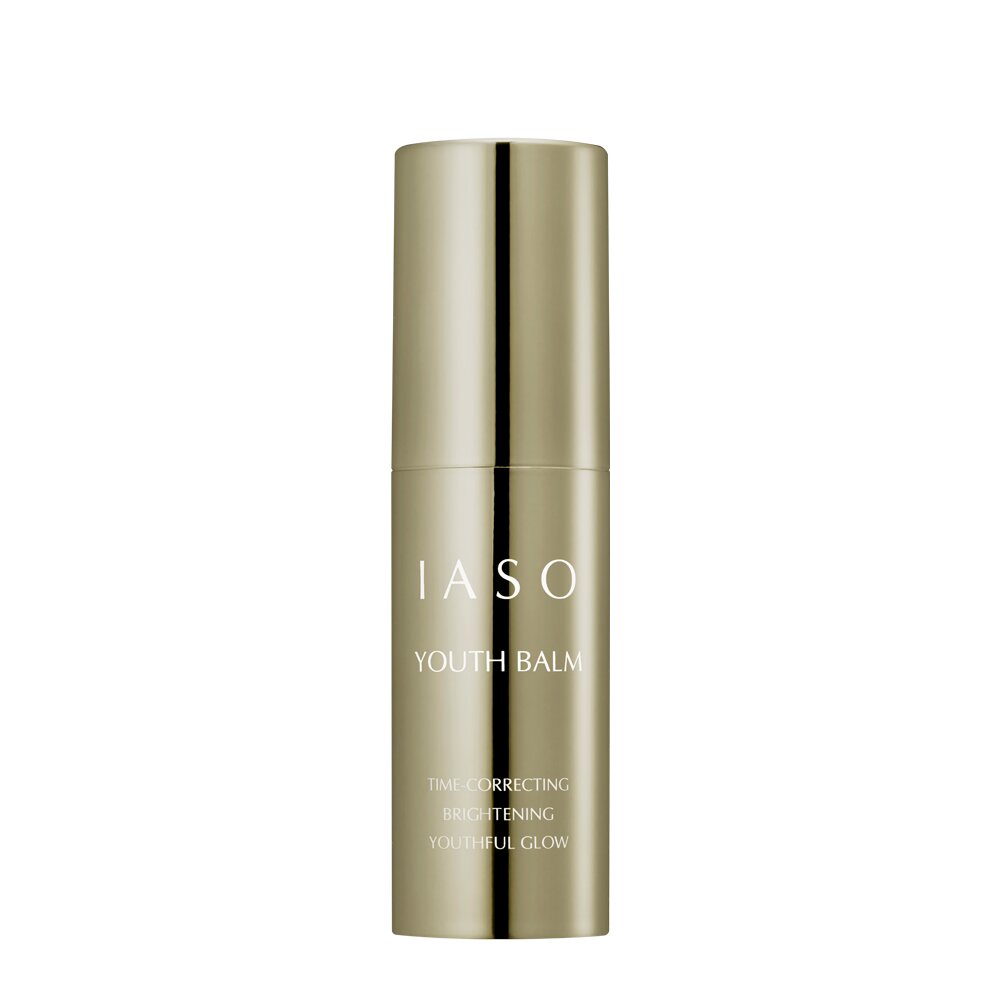
IASO Youth Balm Special Set
BOHO
Frequently Asked Questions
Will shea butter clog my pores if I have acne-prone skin?▼
How is shea butter different from other moisturizing ingredients like ceramides or hyaluronic acid?▼
Can I use shea butter products in my morning routine or will they make my sunscreen less effective?▼
Why do some K-beauty products with shea butter feel so much lighter than Western shea butter creams?▼
Articles About Shea Butter
Best Korean Lip Balm for Dry, Chapped or Sensitive Lips: 8 Picks by Need
Dry, chapped or sensitive lips need the right format and the right (short) ingredient list, not hype. Here are 8 Korean lip balms, sleeping masks and essences picked by actual lip need, each with the ingredients that justify the pick.
Korean Moisturizer or Barrier Cream? How to Tell What Your Skin Actually Needs
A moisturizer is a delivery system with three jobs, and the label rarely says which one you are buying. How to tell damaged from dehydrated, read the ingredient list, and pick accordingly.
Purito Oat-in Cream Discontinued? Best Alternatives
Can't find the Purito Oat-in Intense Cream anymore, or just want something similar without the hunt? Here's what's actually in it, and the K-beauty creams that hit the same notes for dry, reactive skin.
Explore More
Want personalized ingredient advice?
Yuri, our AI beauty advisor, can tell you how Shea Butter works with your specific skin type, routine, and concerns.
Ask Yuri, free