Sodium Hyaluronate
INCI: Sodium Hyaluronate (100ppm)
Humectant that deeply hydrates and plumps skin
About Sodium Hyaluronate
Sodium hyaluronate is the salt form of hyaluronic acid, a naturally occurring polysaccharide found in human skin that acts as a powerful moisture magnet. While hyaluronic acid and sodium hyaluronate are often used interchangeably, sodium hyaluronate has a smaller molecular weight, allowing it to penetrate deeper into the skin rather than sitting on the surface. This ingredient can hold up to 1,000 times its weight in water, making it one of the most effective humectants in skincare. In K-beauty, sodium hyaluronate has become a cornerstone ingredient across product categories, from cleansers like Beplain's Mild Alkaline Cleansing Foam Hyaluron Whip to intensive treatments like Anua's NDP HA Boosting Serum (rated 4.9/5 on Seoul Sister). Korean formulations often layer multiple molecular weights of sodium hyaluronate to target different skin depths, a technique called multi-layered hydration. This approach delivers both immediate plumping effects and long-term moisture retention. With a perfect safety rating of 5/5 and a non-comedogenic rating of 0/5, sodium hyaluronate is suitable for all skin types, including acne-prone and sensitive skin. Its versatility explains why it appears in 12 different K-beauty products on Seoul Sister, spanning everything from sheet masks to modeling packs.
How Sodium Hyaluronate Works
Sodium hyaluronate functions as a humectant by binding water molecules to the skin's surface and within its layers. Its glycosaminoglycan structure contains multiple hydroxyl groups that form hydrogen bonds with water, creating a moisture reservoir in the stratum corneum and deeper epidermis. Because of its lower molecular weight compared to hyaluronic acid (typically under 50 kDa), sodium hyaluronate can penetrate the skin barrier more effectively. Once absorbed, it attracts and retains moisture from both the environment and deeper skin layers through osmotic pressure. This hydration mechanism triggers a visible plumping effect by filling the spaces between collagen and elastin fibers. The ingredient also supports the skin's natural moisture barrier by preventing transepidermal water loss (TEWL). At a cellular level, sodium hyaluronate can stimulate keratinocyte proliferation and enhance the production of natural moisturizing factors (NMFs). Its presence in the dermis also creates an optimal environment for fibroblast activity, indirectly supporting collagen synthesis and skin repair processes.
Sodium Hyaluronate by Skin Type
Oily Skin
Sodium hyaluronate is excellent for oily skin because it provides intense hydration without adding oils or heaviness. When oily skin is dehydrated, it often overproduces sebum to compensate, so using a lightweight humectant like this helps normalize oil production. Products like Beplain's Hyaluron Whip cleanser deliver moisture even during the cleansing step, preventing that tight, stripped feeling that triggers excess oil.
Dry Skin
This ingredient is transformative for dry skin, offering deep hydration that lasts throughout the day. Sodium hyaluronate's ability to hold 1,000 times its weight in water makes it ideal for combating chronic dehydration and flaking. Layer it under heavier creams or oils to lock in moisture, or use intensive treatments like ONE THING's Hyaluronic Acid Modeling Pack for an immediate moisture boost.
Combo Skin
Combination skin benefits from sodium hyaluronate's ability to hydrate without congesting pores. It addresses dry patches on cheeks and around the eyes while remaining lightweight enough for the T-zone. The non-comedogenic rating of 0/5 means it won't trigger breakouts in oilier areas, making it a safe choice for balancing uneven skin needs.
Sensitive Skin
With a perfect 5/5 safety rating, sodium hyaluronate is one of the gentlest hydrating ingredients available for sensitive skin. It's naturally present in human skin, so it rarely causes irritation or allergic reactions. Products like NEEDLY's Retifit Collagen / Hya-light Calming sheet mask (rated 5.0/5) combine sodium hyaluronate with soothing ingredients specifically for reactive skin types.
Normal Skin
Normal skin can use sodium hyaluronate as a preventative measure to maintain optimal hydration levels and preserve skin health over time. It supports the moisture barrier without disrupting the skin's natural balance. Using it consistently helps normal skin stay resilient against environmental stressors and premature aging.
How to Use Sodium Hyaluronate
- 1Apply sodium hyaluronate products to damp skin, not dry skin. The ingredient needs water molecules to bind to, so misting your face first or applying right after cleansing maximizes its effectiveness.
- 2Layer multiple molecular weights for maximum benefit. Many K-beauty serums combine low, medium, and high molecular weight sodium hyaluronate to hydrate different skin depths simultaneously.
- 3In dry climates or heated indoor environments, always seal sodium hyaluronate with an occlusive moisturizer. Without a protective layer on top, it can actually draw moisture out of your skin into the dry air, causing dehydration.
- 4Use it morning and night for best results. Sodium hyaluronate is gentle enough for twice-daily application and works synergistically with most other actives, including vitamin C, retinol, and niacinamide.
Background
Hyaluronic acid was first isolated in 1934 by German scientists Karl Meyer and John Palmer from the vitreous humor of cow eyes (hyalos means glass in Greek). However, the skincare industry initially struggled to use it because of its large molecular size and poor skin penetration. The development of sodium hyaluronate, the sodium salt form with smaller molecular weight, solved this problem in the 1980s. Japanese scientists pioneered the fermentation process that produces sodium hyaluronate from bacteria, making mass production feasible. K-beauty brands embraced this ingredient in the early 2000s as part of the hydration-focused skincare philosophy that defines Korean beauty. The famous seven-skin method and essence-first approach both leverage sodium hyaluronate's moisture-binding properties. Today, Korean cosmetic chemists continue to innovate with multi-weight formulations and delivery systems that maximize this ingredient's benefits.
K-Beauty Products with Sodium Hyaluronate
View all 14 →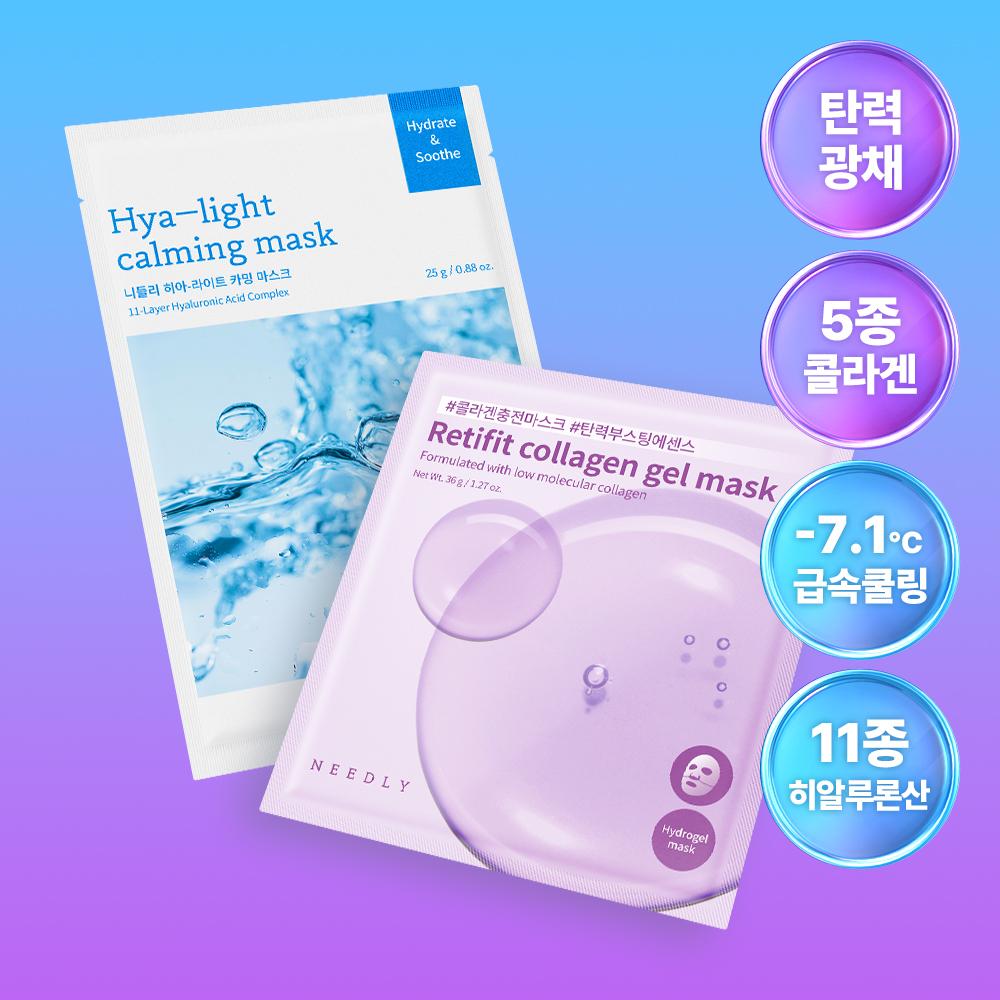
Mask Sheet (Retifit Collagen / Hya-light Calming)
NEEDLY
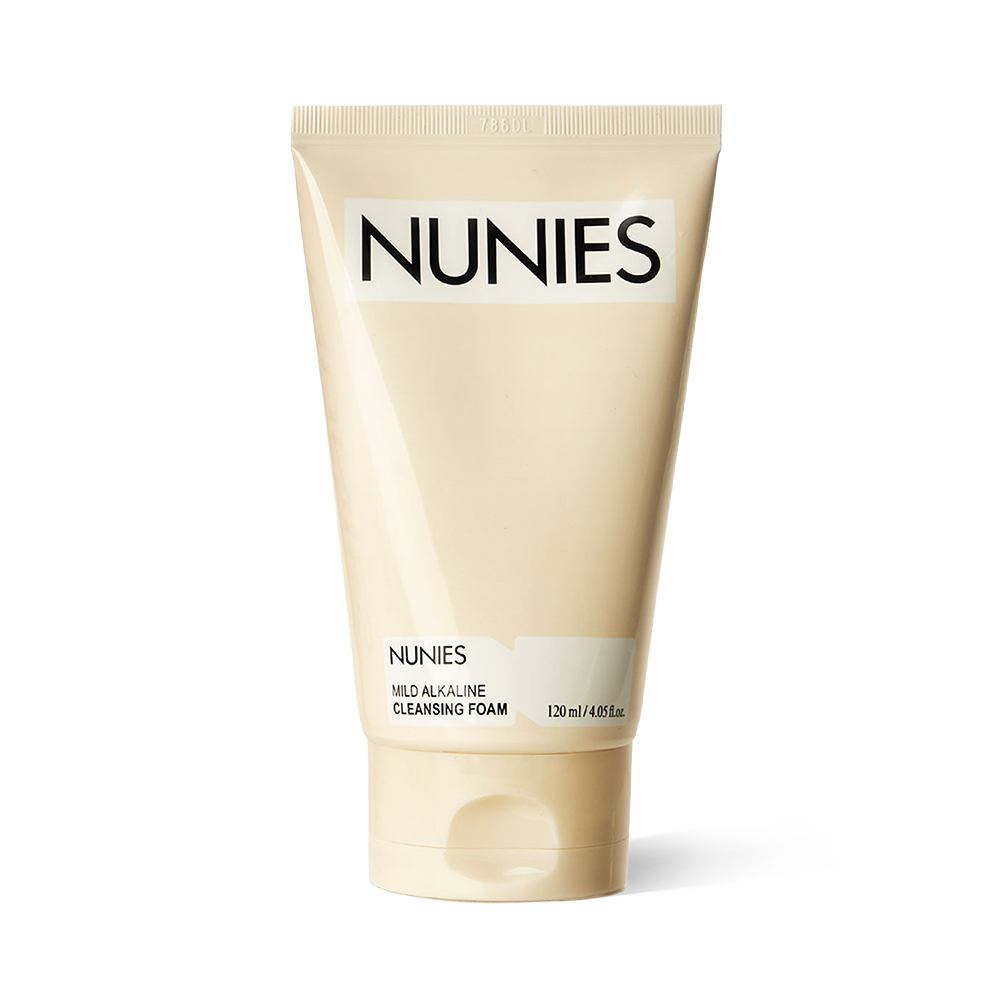
Mild Alkaline Cleansing Foam Hyaluron Whip
Beplain
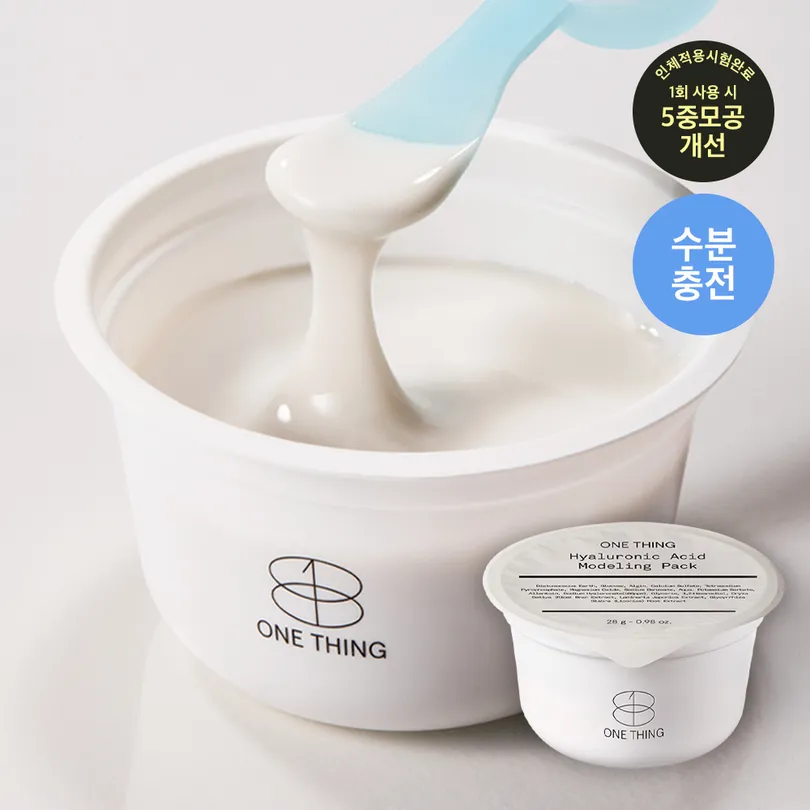
Hyaluronic Acid Modeling Mask Cup Pack
ONE THING
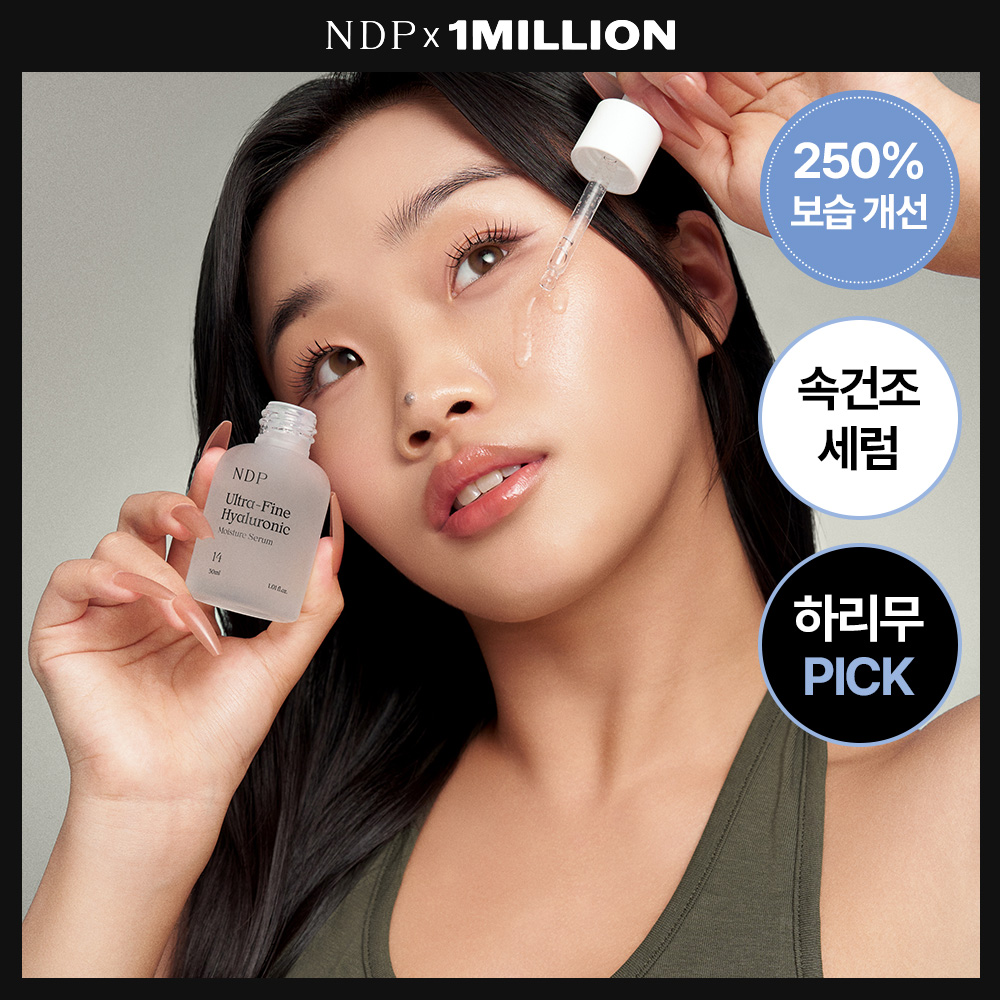
NDP HA Boosting Serum
Anua
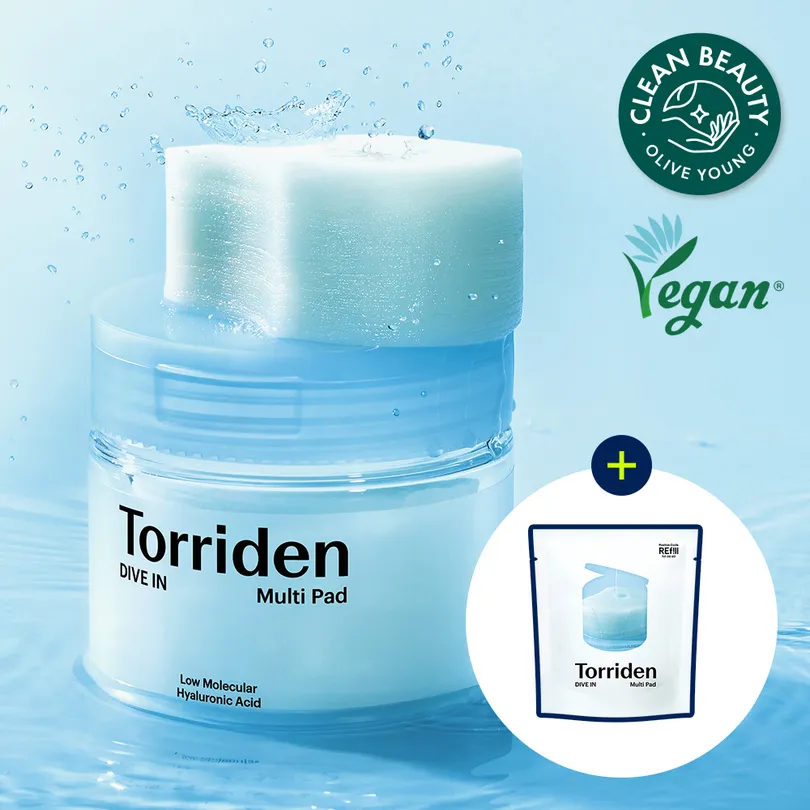
Dive In Low Molecular Hyaluronic Acid Multi Pad
Torriden
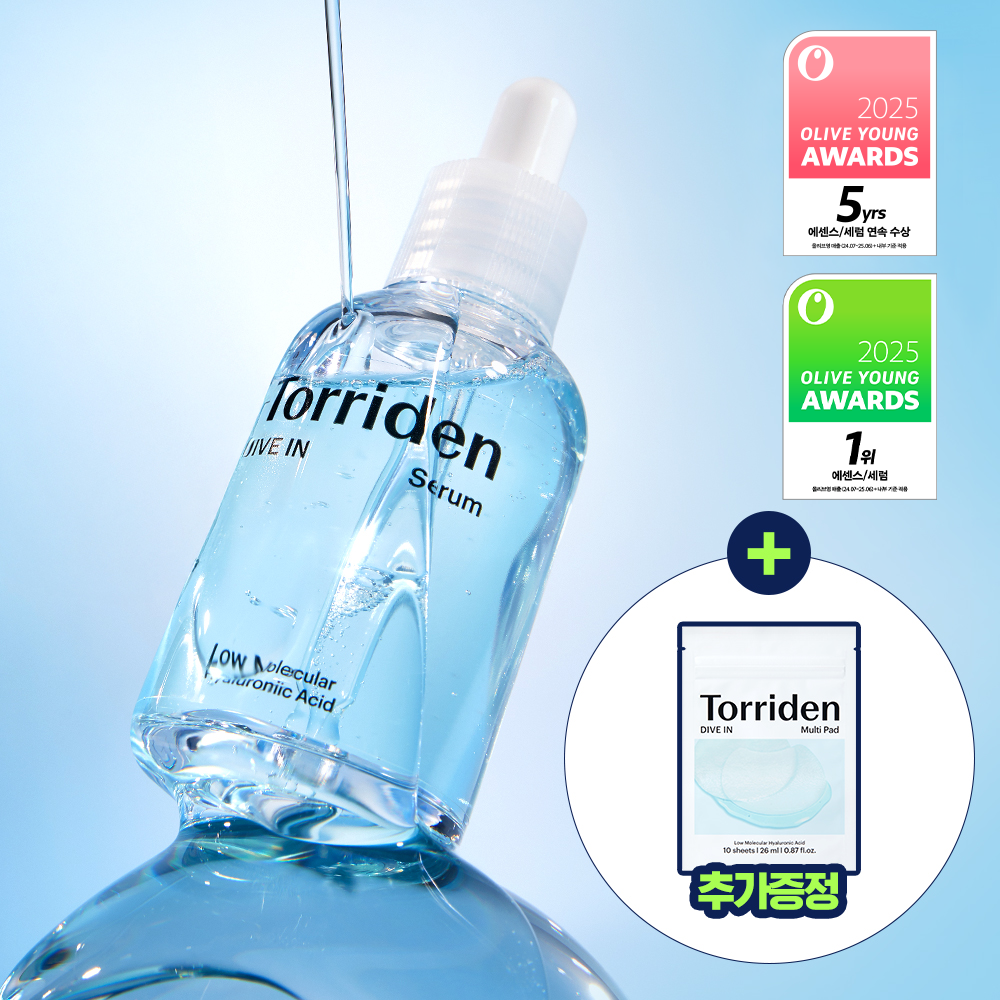
Dive In Serum
Torriden
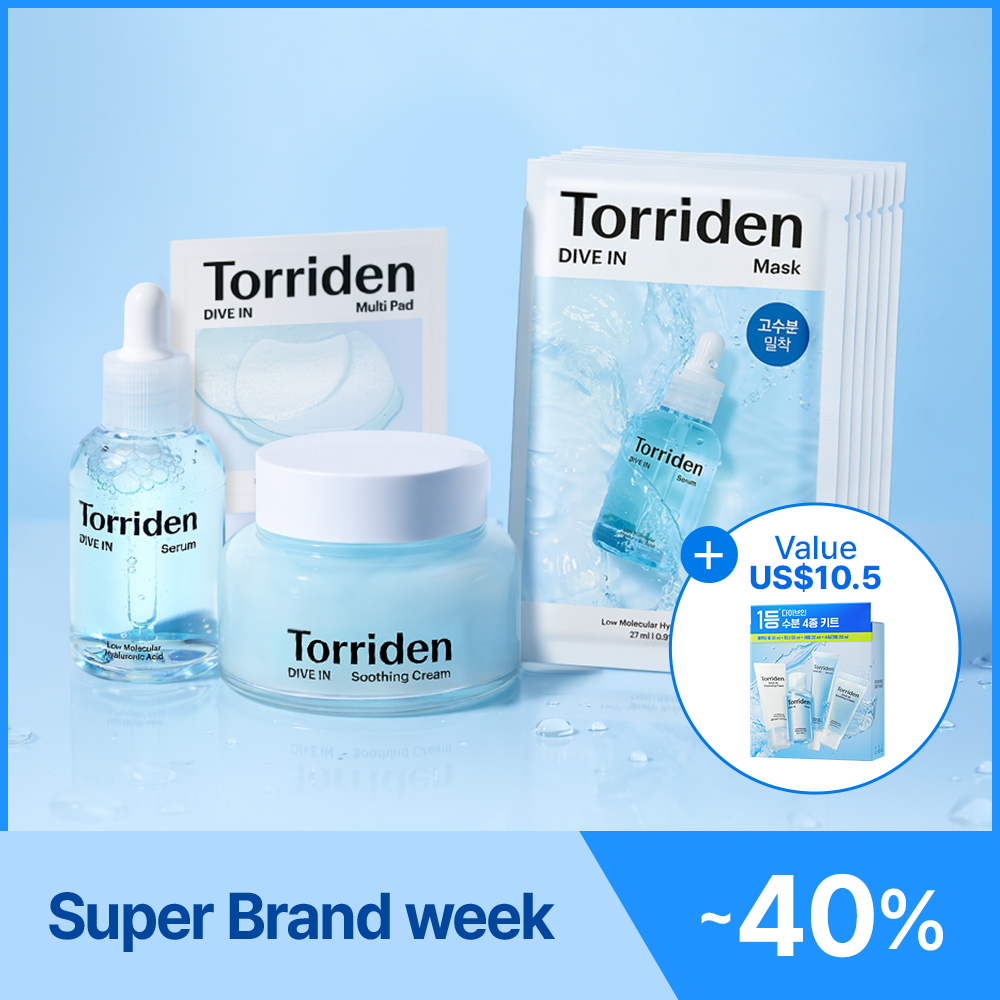
Dive-In Deep Hydration Set
Torriden
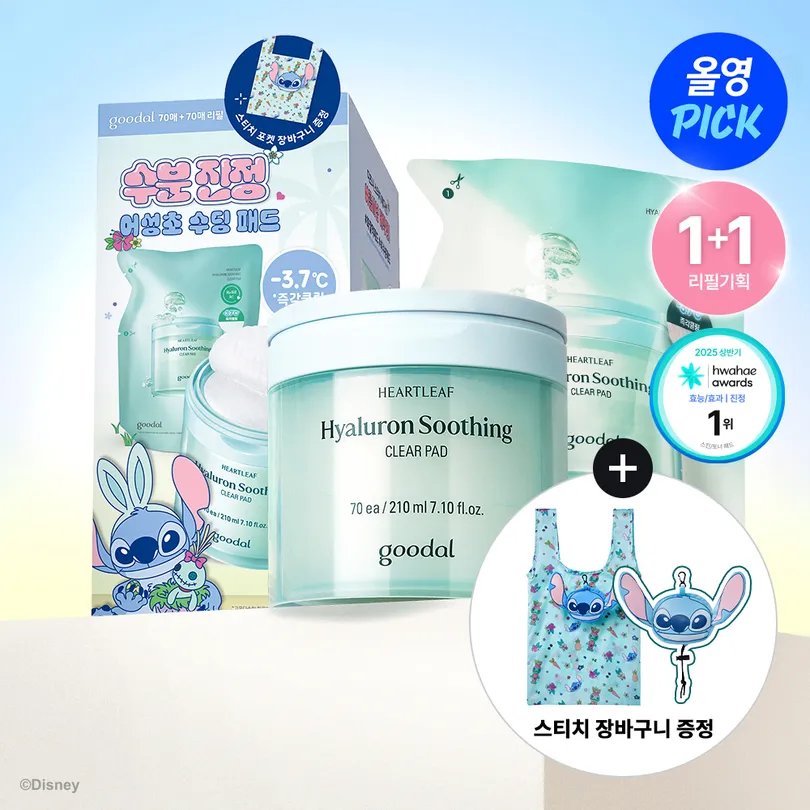
Heartleaf Hyaluron Soothing Clear Pad 70P Set
Goodal
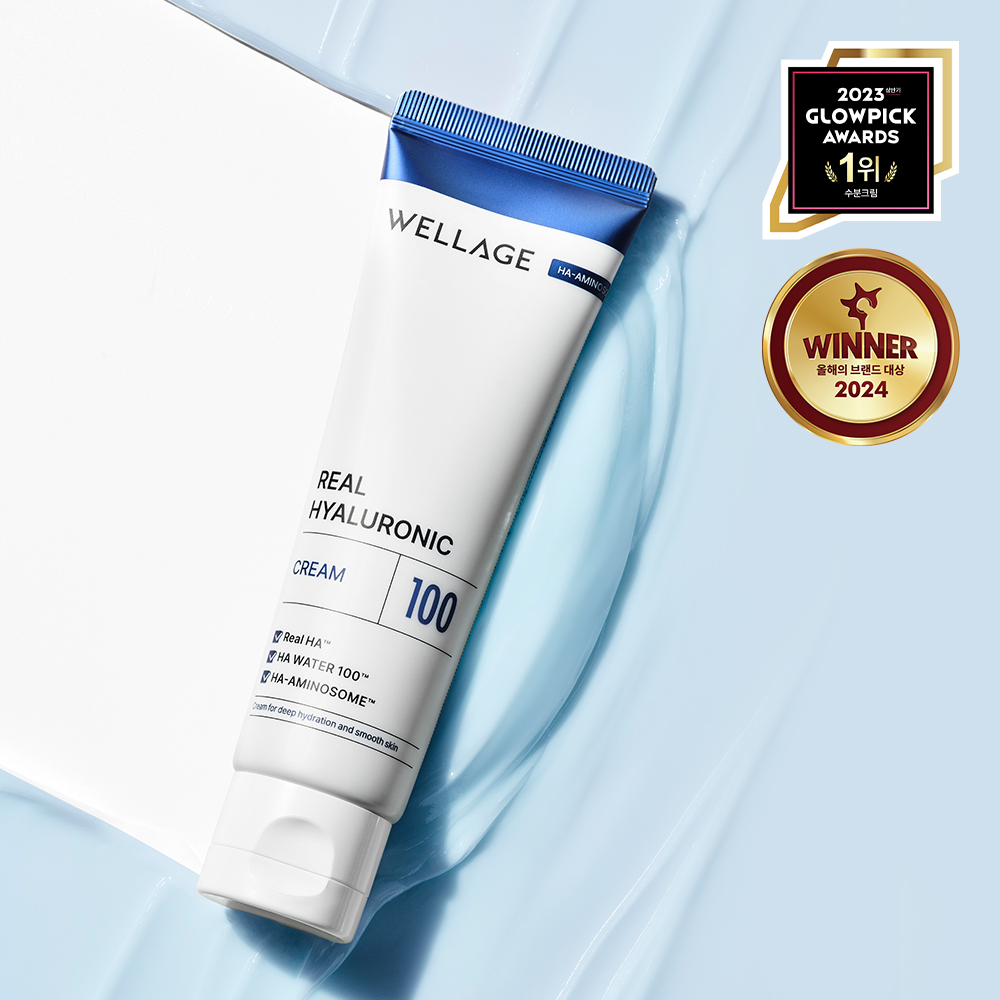
Real Hyaluronic 100 Cream
Wellage
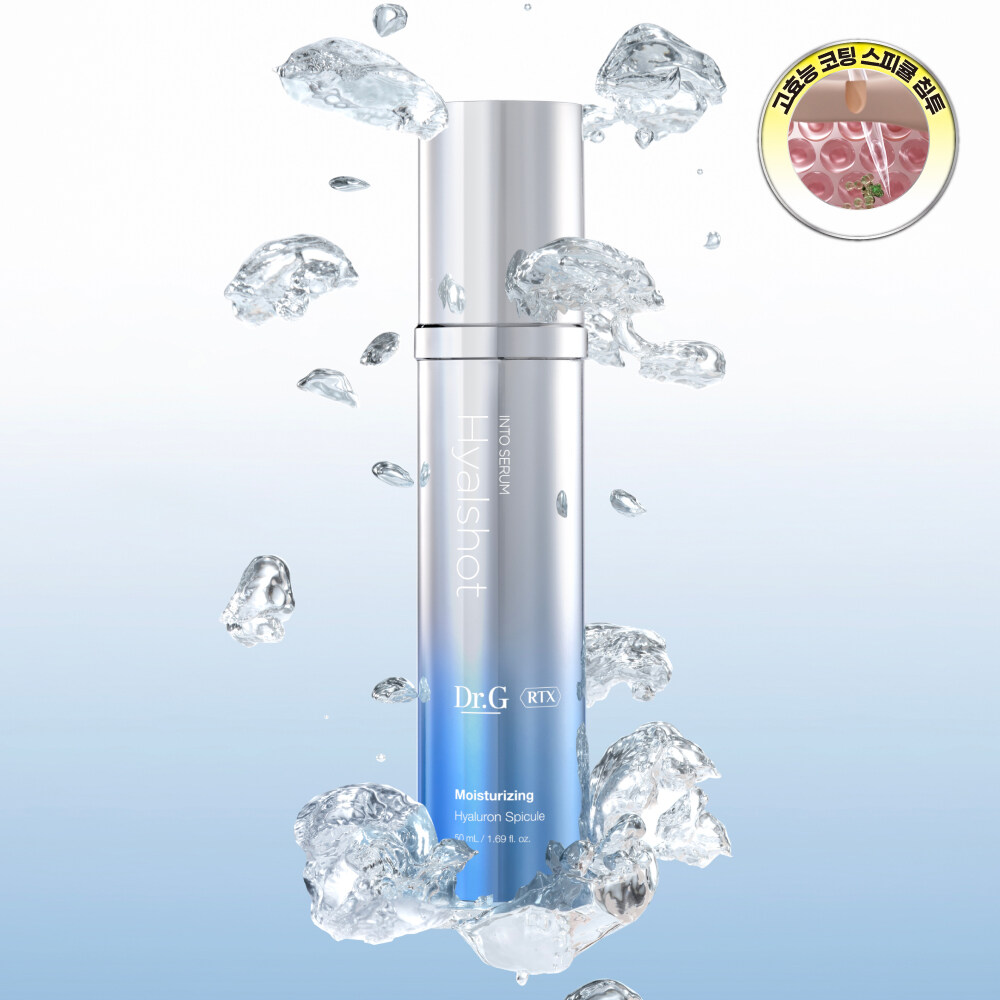
RTX Into Serum Hyalshot
Dr.G
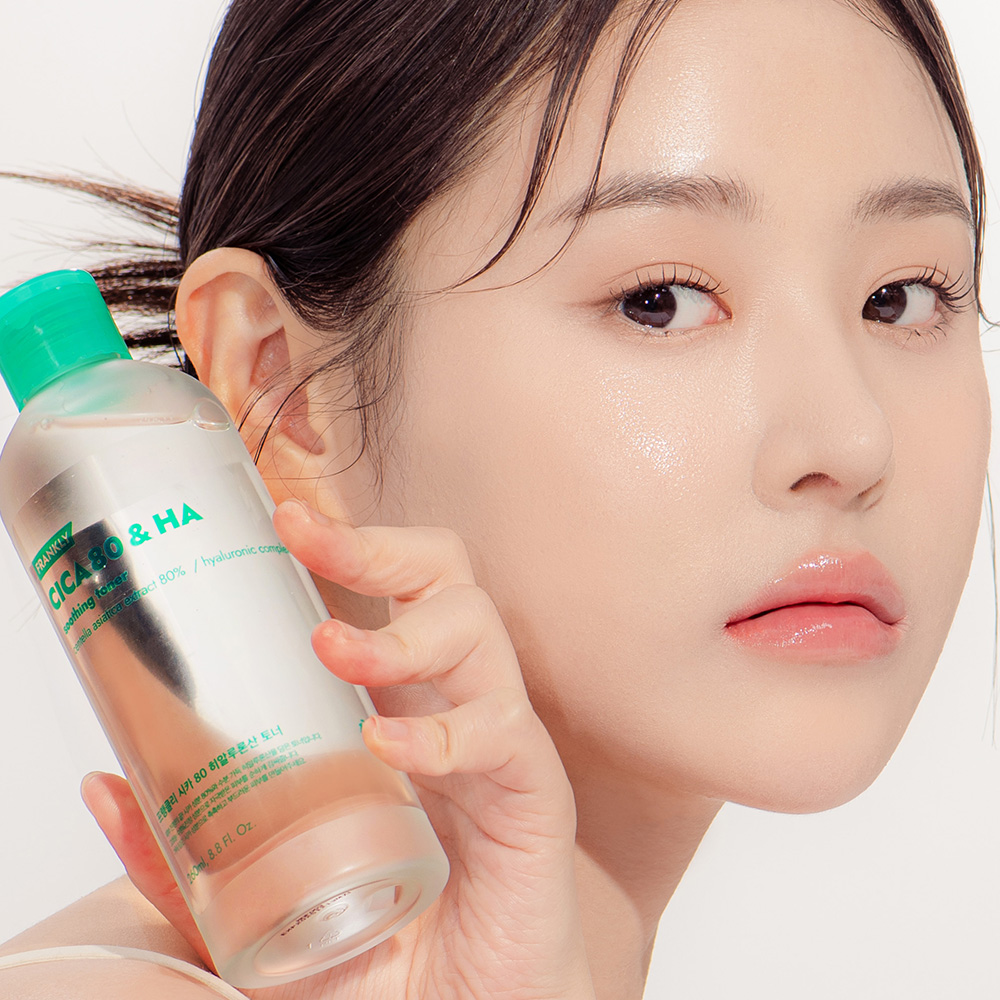
Cica 80% Hyaluronic Acid Toner
Frankly
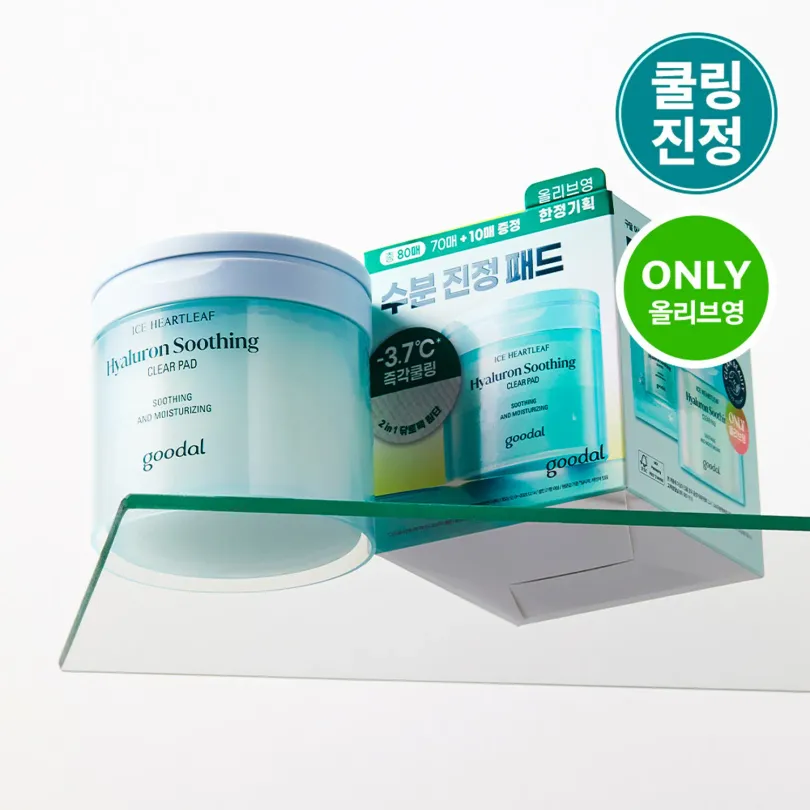
Heartleaf Hyaluron Soothing Clear Pad
Goodal
Frequently Asked Questions
What's the difference between hyaluronic acid and sodium hyaluronate?▼
Can sodium hyaluronate cause breakouts or clog pores?▼
Why does my skin feel dry after using sodium hyaluronate?▼
How much sodium hyaluronate do I need in a product for it to work?▼
Can I use sodium hyaluronate with retinol or vitamin C?▼
Explore More
Want personalized ingredient advice?
Yuri, our AI beauty advisor, can tell you how Sodium Hyaluronate works with your specific skin type, routine, and concerns.
Ask Yuri, free