Sodium PCA
Natural humectant that binds moisture to skin
About Sodium PCA
Sodium PCA is one of the most effective natural moisturizing factors (NMFs) found in human skin, making up about 12% of the amino acids that keep your skin barrier hydrated and healthy. PCA stands for pyrrolidone carboxylic acid, and when combined with sodium, it becomes a powerful humectant that can hold several times its weight in water. In K-beauty formulations, Sodium PCA is prized for its ability to deliver lightweight, non-greasy hydration that mimics what your skin produces naturally. Unlike heavier moisturizing ingredients, it absorbs instantly and works well in everything from cleansers to toners to serums. Korean skincare brands love it because it enhances other active ingredients without adding heaviness or stickiness. With a perfect 5/5 safety rating and 0/5 comedogenic rating, it's suitable for absolutely every skin type, including acne-prone and sensitive skin. You'll find it in 81 K-beauty products on Seoul Sister, often paired with other hydrators like hyaluronic acid or centella for maximum skin barrier support. Because it's naturally present in skin, it rarely causes irritation and actually helps strengthen your moisture barrier over time.
How Sodium PCA Works
Sodium PCA is hygroscopic, meaning it actively pulls moisture from the environment and binds it to the skin's surface. At the molecular level, it works by creating hydrogen bonds with water molecules, preventing transepidermal water loss (TEWL) and maintaining optimal hydration levels in the stratum corneum, your skin's outermost layer. What makes Sodium PCA special is that it's part of your skin's natural moisturizing factor, a group of water-soluble compounds that regulate hydration from within. When your skin is dehydrated or damaged, NMF levels drop, leading to flakiness, tightness, and compromised barrier function. By supplying exogenous Sodium PCA through skincare, you're essentially replenishing what your skin already knows how to use. It increases skin hydration immediately upon application and continues working over time by improving the skin's ability to retain moisture. Unlike occlusive moisturizers that sit on top of skin, Sodium PCA integrates into the barrier itself, making it particularly effective in lightweight formulations like toners and essences.
Sodium PCA by Skin Type
Oily Skin
Sodium PCA is ideal for oily skin because it provides serious hydration without any greasiness or weight. When oily skin is dehydrated (yes, that's possible), it often overproduces sebum to compensate, leading to more breakouts. Sodium PCA helps normalize moisture levels without clogging pores (0/5 comedogenic rating), reducing the need for your skin to overproduce oil.
Dry Skin
This is where Sodium PCA truly shines. Dry skin typically has depleted natural moisturizing factors, and Sodium PCA directly replenishes what's missing. It works beautifully in toners and essences to prep dry skin for heavier moisturizers, and because it's a humectant, it draws moisture from the air into your skin throughout the day.
Combo Skin
Combination skin benefits from Sodium PCA's balanced approach to hydration. It gives your dry areas the moisture they crave while keeping oily zones comfortable and non-greasy. Look for it in lightweight formulations like the Wellage Real Hyaluronic 100 Toner, which layers easily without overwhelming your T-zone.
Sensitive Skin
With a perfect 5/5 safety rating, Sodium PCA is exceptionally gentle on sensitive skin. Because it's naturally present in healthy skin, it's recognized by your barrier rather than treated as a foreign substance. It soothes irritation by restoring optimal hydration levels, and it pairs well with calming ingredients like centella, as seen in Papa Recipe's Real Centella Pack & Foam.
Normal Skin
Even normal skin benefits from Sodium PCA's barrier-strengthening properties. It helps maintain the balanced moisture levels that keep normal skin looking healthy and prevents future dehydration. Use it in your routine as preventative care to keep your skin barrier functioning optimally.
How to Use Sodium PCA
- 1Layer Sodium PCA products before heavier creams or oils. As a humectant, it works best when applied to slightly damp skin and sealed in with an occlusive moisturizer.
- 2In dry climates or during winter, pair Sodium PCA with occlusives like ceramides or squalane. Humectants can actually dehydrate skin if there's no moisture in the air to draw from.
- 3Look for it in cleansers like Beplain's EGF Skin Barrier Cleansing Foam to prevent post-cleanse tightness. Sodium PCA in a cleanser helps maintain hydration even during the washing process.
- 4Combine Sodium PCA with hyaluronic acid for maximum hydration. Products like Wellage Real Hyaluronic 100 Toner do this effectively, creating multiple layers of moisture retention.
- 5Use morning and night without worry. Unlike some actives that require careful timing, Sodium PCA is gentle enough for twice-daily use and won't interfere with other products.
Background
Sodium PCA was first identified as a component of human skin's natural moisturizing factor in the mid-20th century, when scientists were studying what kept healthy skin hydrated. They discovered that skin naturally produces pyrrolidone carboxylic acid from the breakdown of filaggrin proteins in the stratum corneum. The sodium salt form was later developed for cosmetic use because it's more stable and water-soluble than PCA alone. Korean skincare brands were early adopters of Sodium PCA in the 1990s as the industry shifted toward biomimetic ingredients that work with skin's natural processes rather than against them. Its rise in K-beauty coincided with the philosophy of layering lightweight hydrators rather than relying on single heavy creams. Today, it's considered a staple in Korean formulations, particularly in the essence and toner steps that define K-beauty routines.
K-Beauty Products with Sodium PCA
View all 94 →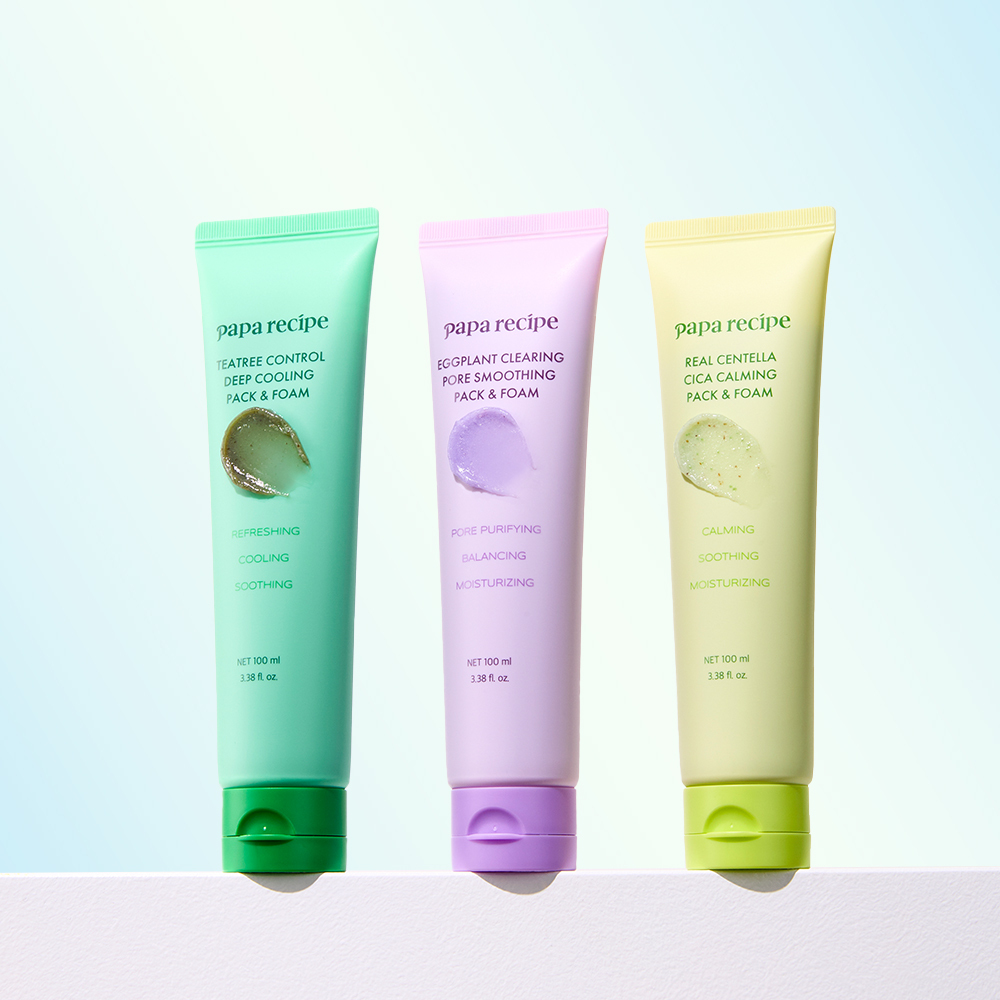
Pack & Foam (Real Centella/Eggplant Clearing/Teatree Control)
Papa Recipe
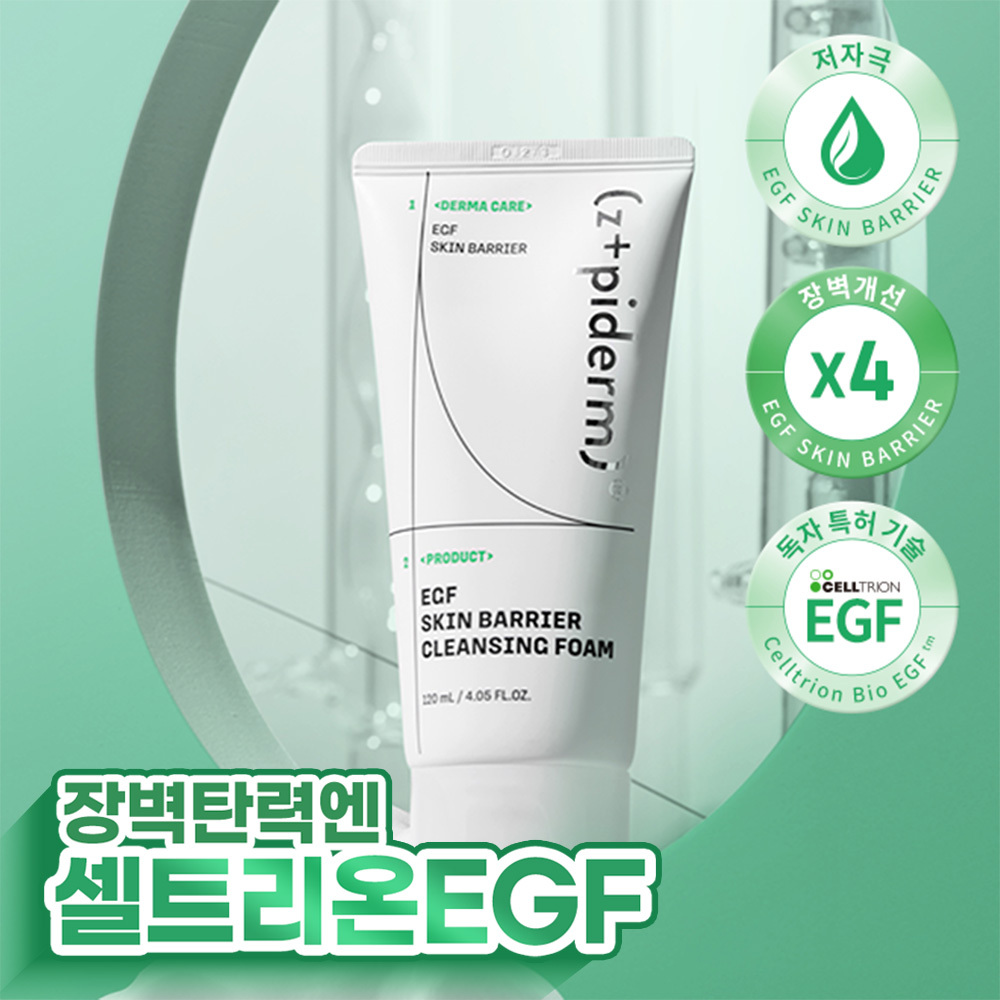
z+piderm EGF Skin Barrier Cleansing Foam
Beplain
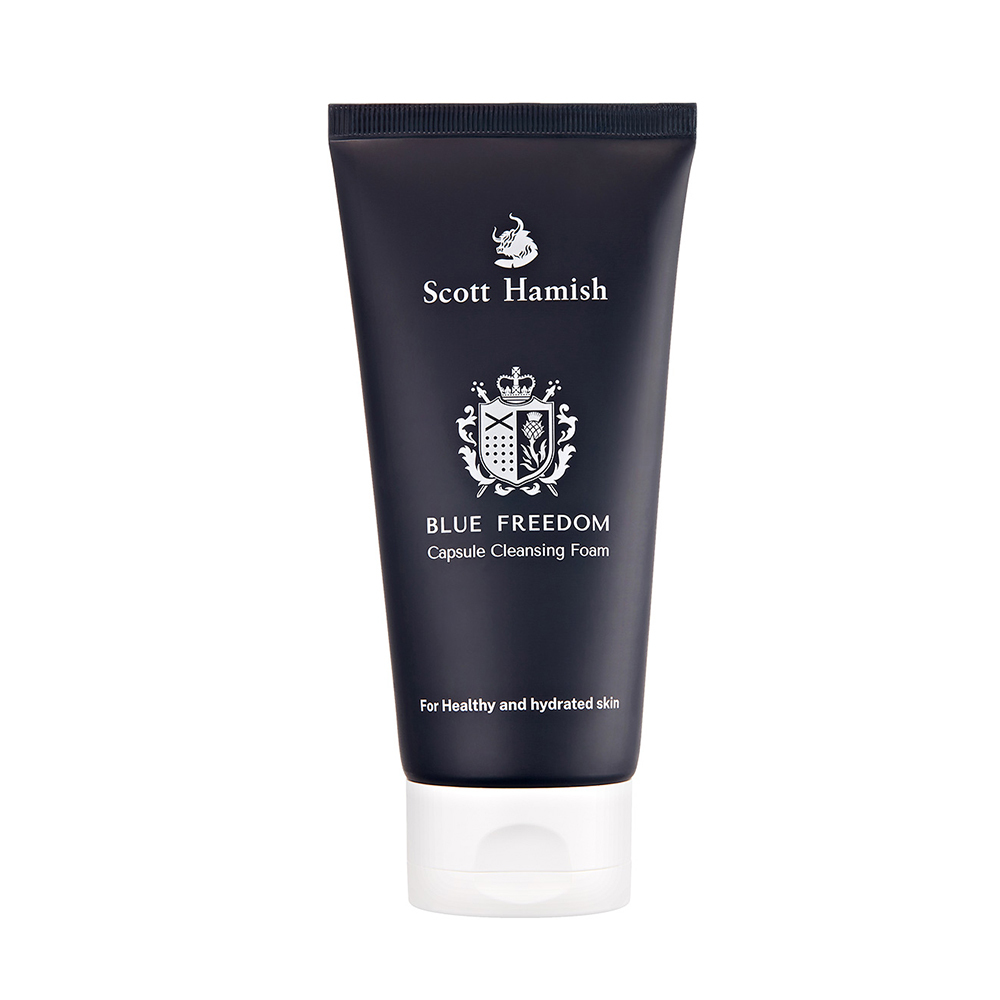
Blue Freedom Capsule Cleansing Foam
Beplain
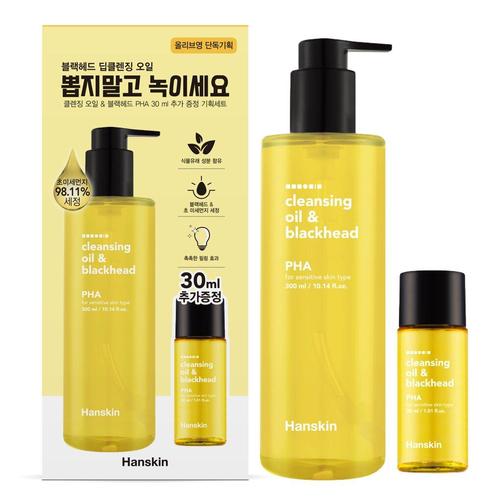
Cleansing Oil & Blackhead
Hanskin
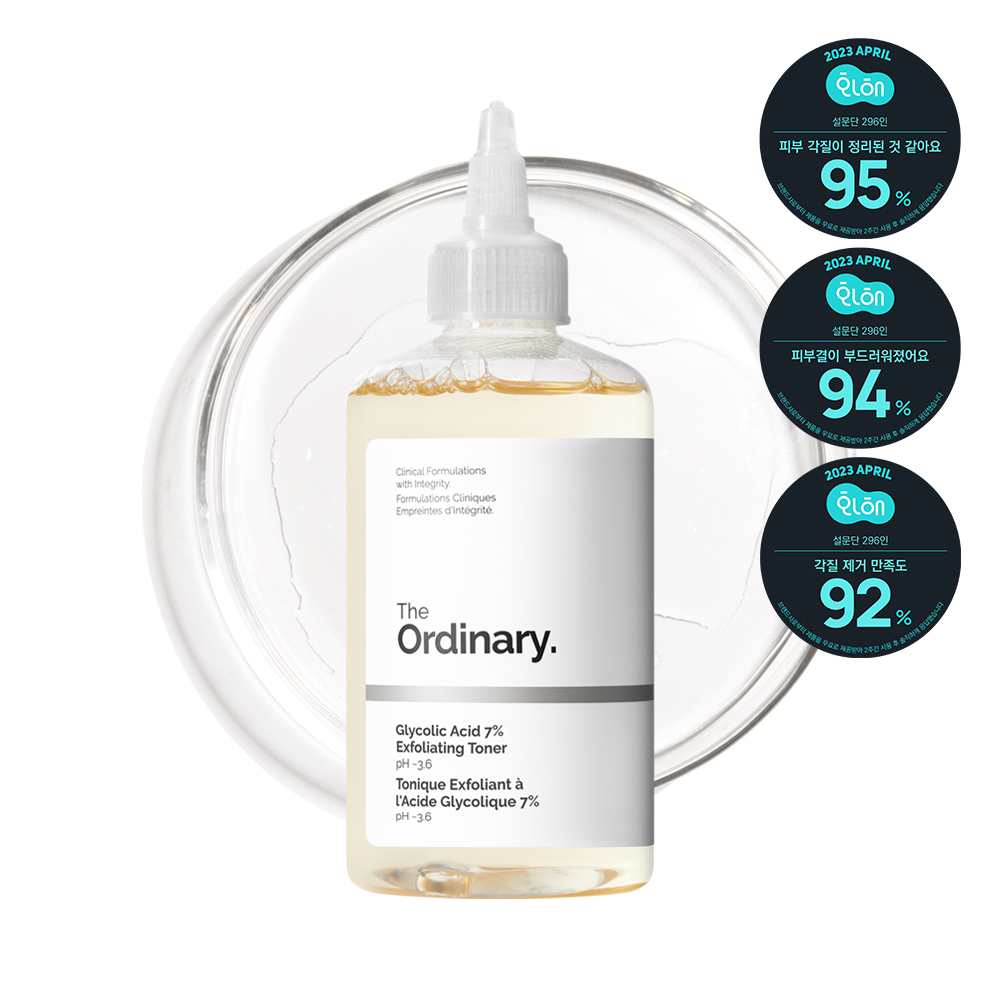
Glycolic Acid 7% Exfoliating Toner
The Ordinary
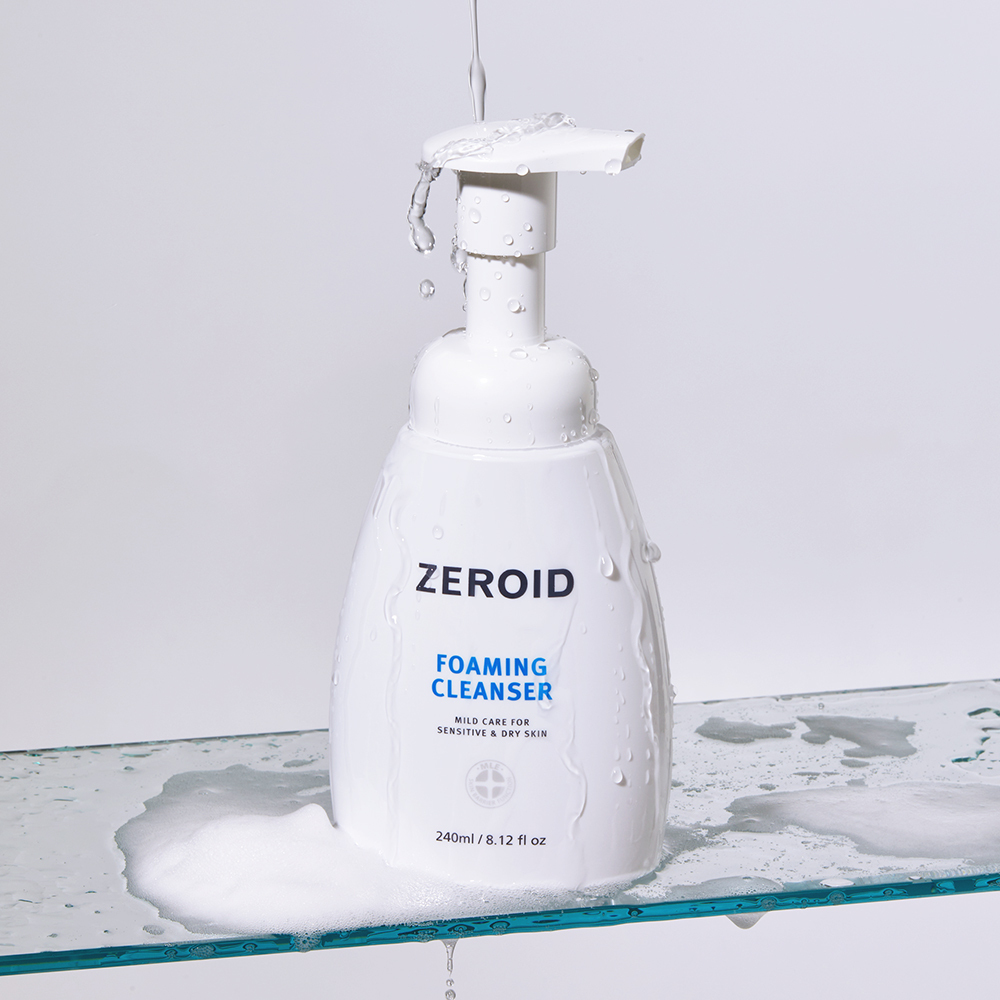
Foaming Cleanser
ZEROID
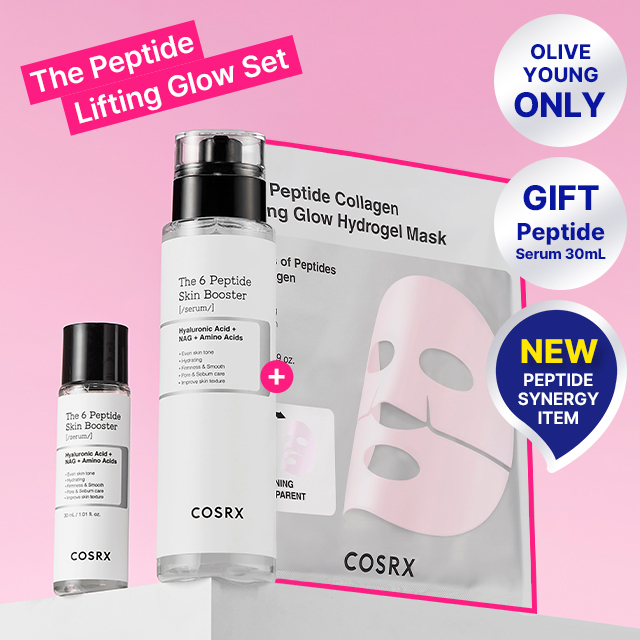
The Peptide Lifting Glow Set
COSRX

Hyaluronic Acid Aqua Gel Cream
Isntree
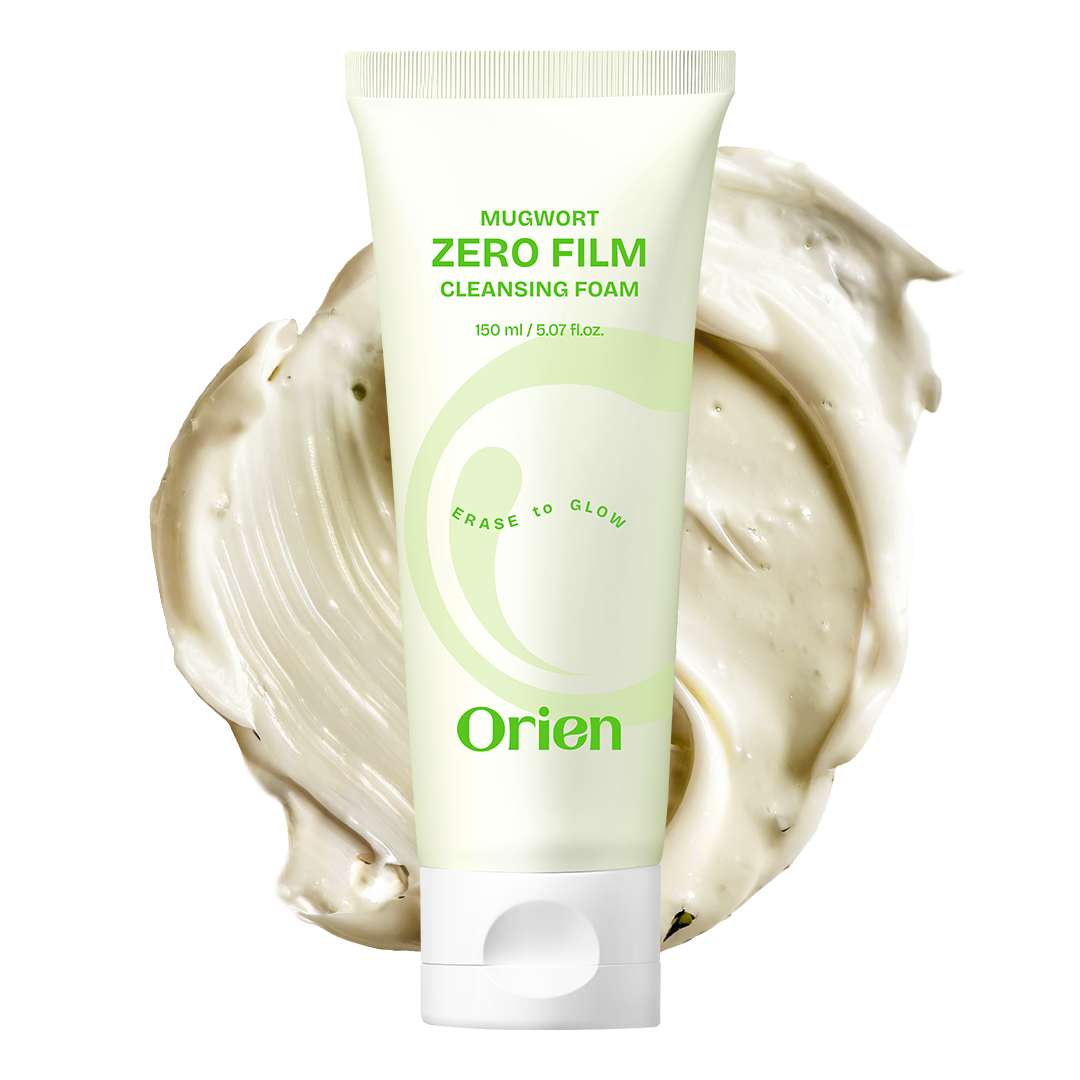
Mugwort Zero Film Cleansing Foam
Orien
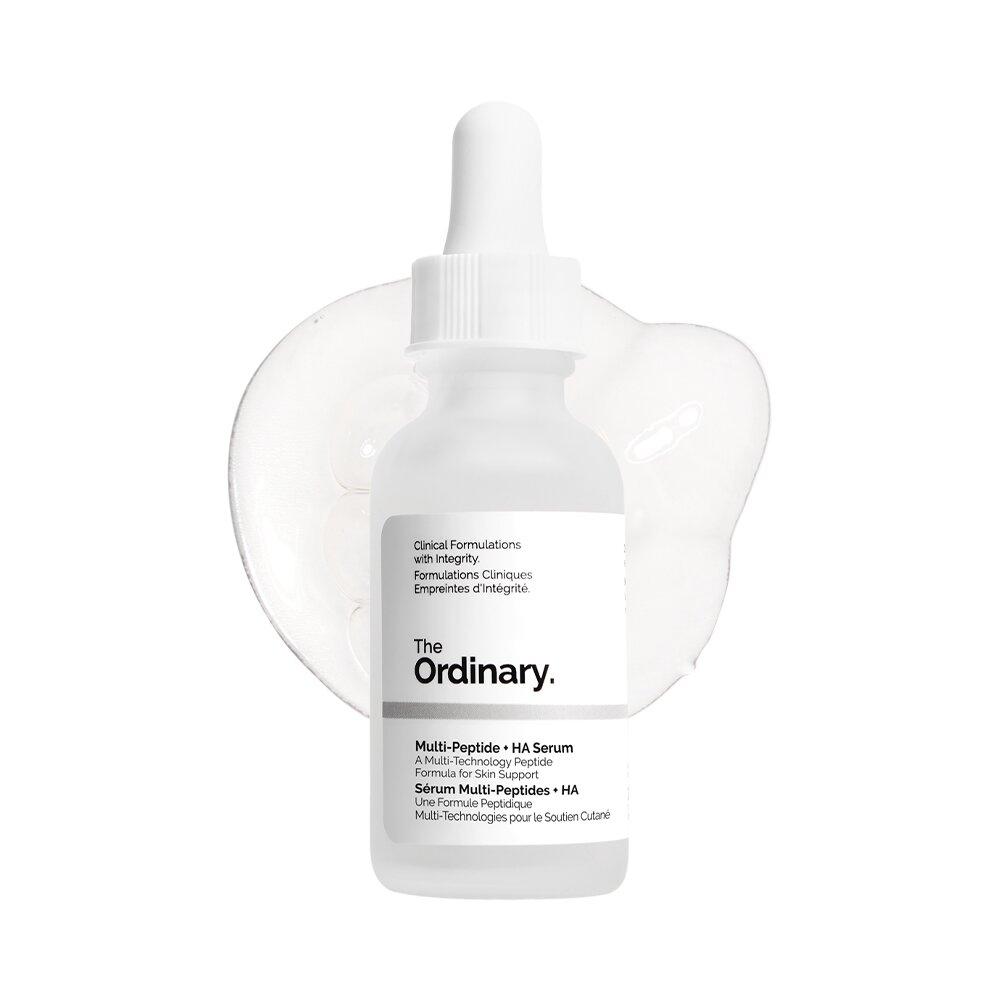
Multi-Peptide Serum + HA
The Ordinary
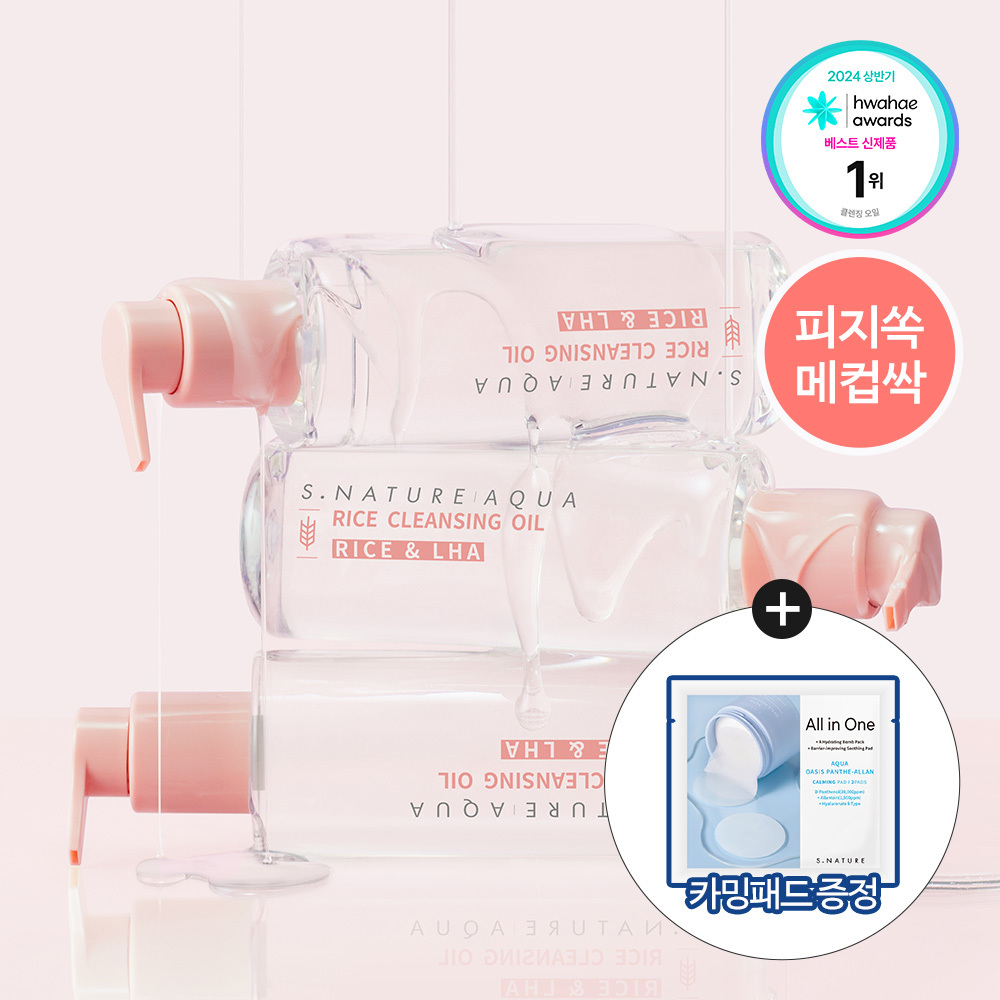
Aqua Rice Cleansing Oil 200ml Set
S.Nature
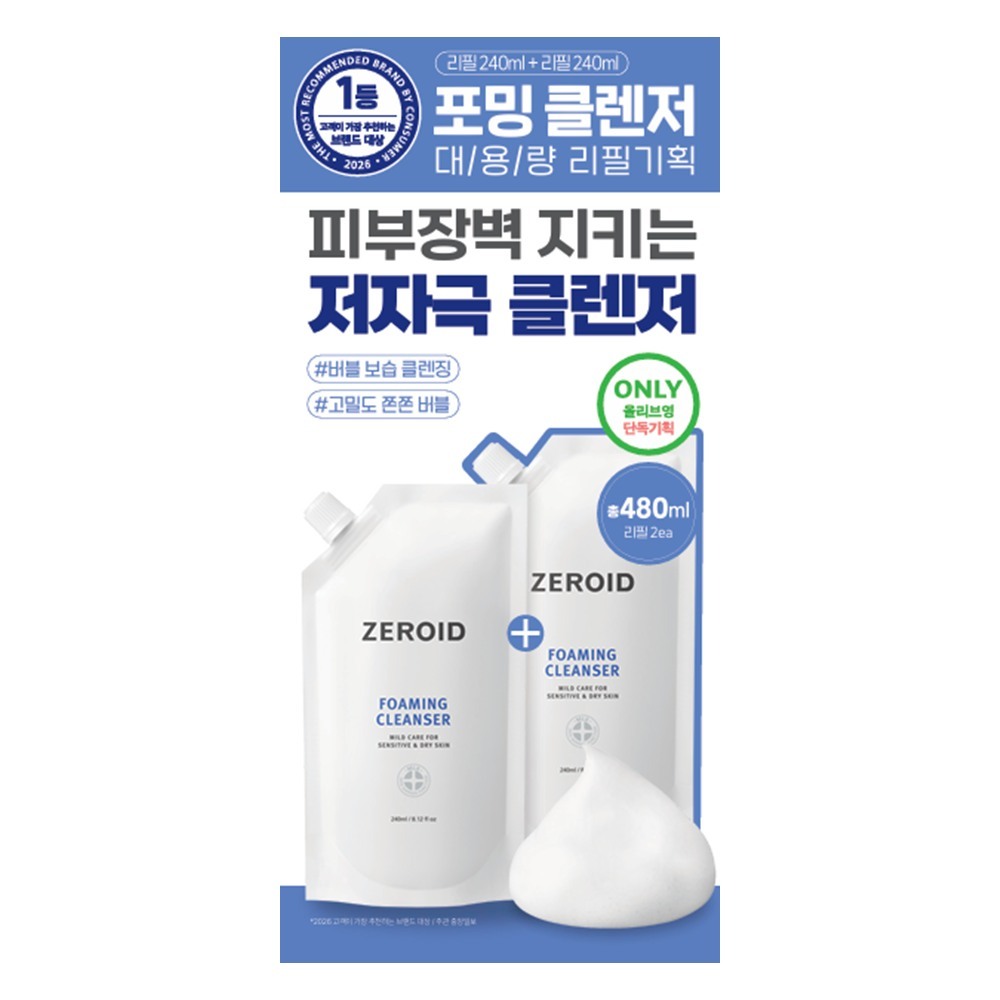
Foaming Cleanser 240ml Refill Set
ZEROID
Frequently Asked Questions
Is Sodium PCA safe to use every day?▼
Can Sodium PCA cause breakouts?▼
How is Sodium PCA different from hyaluronic acid?▼
Will Sodium PCA work in dry climates?▼
Articles About Sodium PCA
Dry Combo Skin With Acne + Scars? Start Here
Dry-but-breaking-out skin isn't a contradiction, and it isn't your fault, it usually means your barrier is stripped and overcompensating. Here's how to calm both problems at once without the harsh actives that made it worse.
How to Get Glass Skin: A K-Beauty Routine That Works
Glass skin is that translucent, almost impossibly dewy look that keeps showing up on your feed. But getting there isn't about buying ten new products. It's about the right ingredients, correct layering, and understanding what your skin actually needs.
Explore More
Want personalized ingredient advice?
Yuri, our AI beauty advisor, can tell you how Sodium PCA works with your specific skin type, routine, and concerns.
Ask Yuri, free