Streptococcus Thermophilus Ferment
Probiotic-derived ingredient that supports skin barrier
About Streptococcus Thermophilus Ferment
Streptococcus Thermophilus Ferment is a probiotic-derived ingredient created through the fermentation of Streptococcus thermophilus, a beneficial bacteria commonly used in yogurt production. In skincare, this ferment produces bioactive compounds including peptides, enzymes, and metabolites that strengthen the skin's natural defense system. K-beauty brands have embraced this ingredient for its ability to support the skin microbiome, the delicate ecosystem of beneficial bacteria that lives on our skin's surface. When this microbiome is balanced, skin appears healthier, more resilient, and better able to defend itself against environmental stressors. The ingredient works by reinforcing the skin barrier, reducing transepidermal water loss, and helping maintain optimal pH levels. With a comedogenic rating of 0/5, it won't clog pores, making it suitable for all skin types including acne-prone skin. Its presence in premium K-beauty formulations like Numbuzin's Super Glowing Essence Toner and Rejuran's Biome Healer Youth Formula Cream reflects the growing scientific understanding that healthy skin isn't about sterilization but about supporting beneficial microorganisms. This represents a fundamental shift in Korean skincare philosophy, moving from aggressive treatments to nurturing approaches that work with your skin's natural biology.
How Streptococcus Thermophilus Ferment Works
During fermentation, Streptococcus thermophilus bacteria break down nutrients and produce beneficial metabolites including lactic acid, exopolysaccharides, and various peptides. These compounds interact with skin cells to stimulate ceramide production, the lipid molecules that form the mortar between skin cells in the stratum corneum. By increasing ceramide synthesis, the ferment strengthens the physical barrier that prevents water loss and keeps irritants out. The lactic acid component provides gentle exfoliation and pH regulation, maintaining the slightly acidic environment where beneficial skin bacteria thrive while discouraging harmful microorganisms. Meanwhile, the exopolysaccharides form a protective film on the skin's surface, creating a humid microenvironment that supports barrier repair. The ferment also modulates inflammatory responses by influencing cytokine production in keratinocytes, helping calm reactive skin without suppressing the immune system entirely. This multi-pronged approach explains why products containing this ingredient, like the 3X Capsule Hydro Booster Cream from House of Hur, deliver both immediate soothing effects and long-term barrier improvement.
Streptococcus Thermophilus Ferment by Skin Type
Oily Skin
Streptococcus Thermophilus Ferment is particularly beneficial for oily skin because it helps regulate sebum production by supporting a balanced skin microbiome. The gentle lactic acid it produces keeps pores clear without the harshness of stronger acids, while its zero comedogenic rating means it won't trigger breakouts. Products like Ideal for Men's Perfect Tightening Skin leverage this ingredient to mattify without stripping, allowing oily skin to self-regulate over time.
Dry Skin
This ferment is excellent for dry skin because it directly addresses barrier dysfunction, the root cause of moisture loss. By stimulating ceramide production and forming a protective film on the skin's surface, it helps lock in hydration and prevent transepidermal water loss. The metabolites it produces also support the skin's natural moisturizing factor, making formulations like Rejuran's Biome Healer Youth Formula Cream deeply hydrating without heavy occlusives.
Combo Skin
Combination skin benefits from this ingredient's balancing properties, as it helps normalize both oily and dry zones by supporting overall skin health rather than targeting specific concerns. The ferment works systemically to improve barrier function across your entire face, allowing your skin to self-regulate moisture and oil production. This makes products like Numbuzin's No. 3 Super Glowing Essence Toner ideal for combination types who need one product that addresses multiple needs.
Sensitive Skin
Streptococcus Thermophilus Ferment is particularly well-suited for sensitive skin because it strengthens the barrier that protects against external irritants while simultaneously calming inflammatory responses. Unlike active ingredients that might trigger reactions, this ferment works with your skin's natural biology to build resilience over time. The all-in-one products from Makeprem utilize this ingredient specifically for its soothing properties, making it safe for reactive skin.
Normal Skin
Even normal skin benefits from this ingredient's preventative properties, as it maintains optimal barrier function and microbiome balance that keep skin healthy long-term. Regular use helps preserve your skin's natural resilience against environmental stress, aging, and seasonal changes. Incorporating products with this ferment into your routine acts as insurance against future skin issues.
How to Use Streptococcus Thermophilus Ferment
- 1Layer Streptococcus Thermophilus Ferment products after cleansing but before heavier creams to maximize absorption, as the ferment metabolites penetrate best on clean, slightly damp skin.
- 2This ingredient pairs beautifully with other barrier-supporting ingredients like ceramides, cholesterol, and fatty acids, creating a synergistic effect that's more powerful than any single ingredient alone.
- 3Allow probiotic ferment products to fully absorb (about 30-60 seconds) before applying other actives, as this gives the beneficial compounds time to interact with your skin microbiome.
- 4If you're using strong actives like retinoids or acids, apply Streptococcus Thermophilus Ferment products afterward to help repair any barrier disruption these ingredients might cause.
- 5Store products containing this ingredient away from direct sunlight and excessive heat to preserve the bioactive compounds, though most K-beauty formulations are stabilized for normal bathroom conditions.
Background
Streptococcus thermophilus has been used in food fermentation for thousands of years, particularly in yogurt and cheese production across Mediterranean and Middle Eastern cultures. Its journey into skincare began in the early 2000s when researchers studying the gut-skin axis discovered that probiotic bacteria produced beneficial metabolites that could be applied topically. Korean cosmetic scientists were among the first to commercialize fermented skincare, drawing on traditional fermentation practices used in foods like kimchi and doenjang. The breakthrough came when studies showed that rather than applying live bacteria to skin (which posed stability and safety challenges), fermented extracts containing bacterial metabolites could deliver similar benefits. K-beauty brands quickly incorporated this technology, with major launches in the mid-2010s positioning probiotic ferments as the next evolution beyond fermented yeast extracts. Today, Streptococcus thermophilus ferment represents the convergence of ancient fermentation wisdom and modern microbiome science.
K-Beauty Products with Streptococcus Thermophilus Ferment
View all 39 →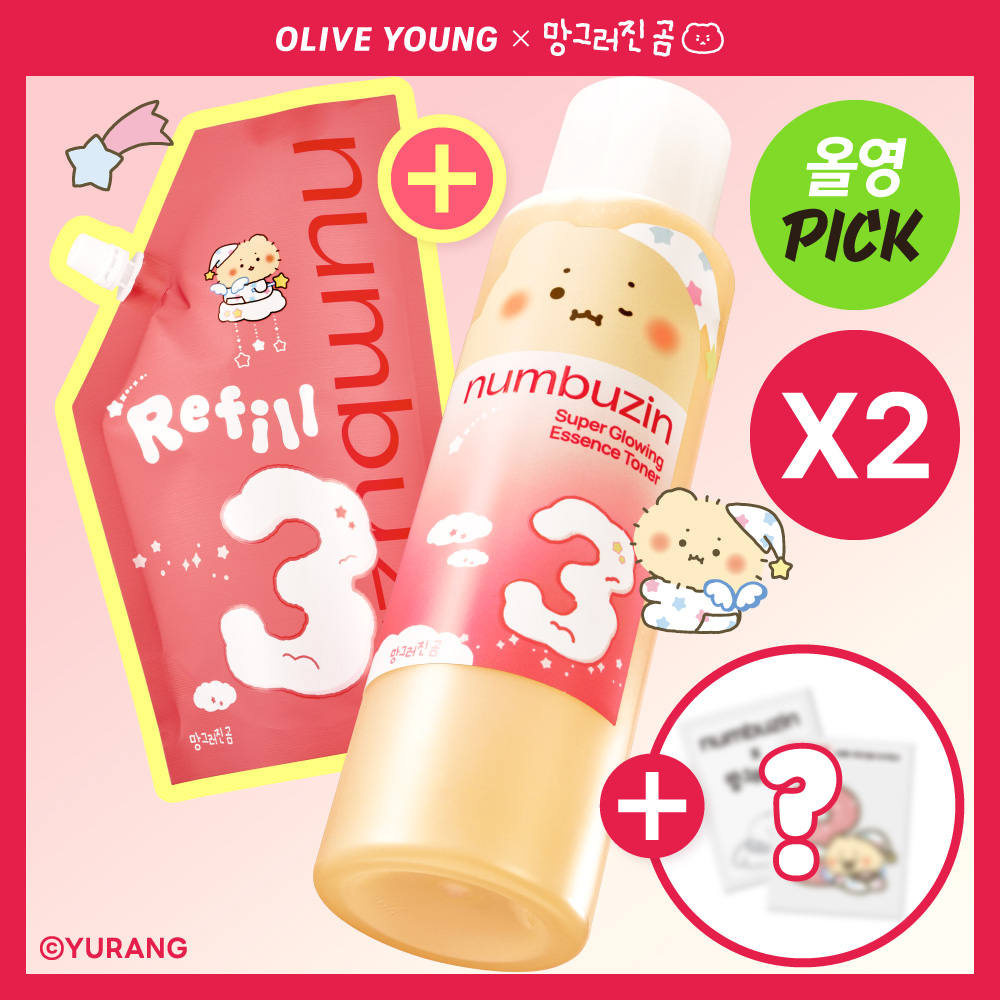
No. 3 Super Glowing Essence Toner
Numbuzin
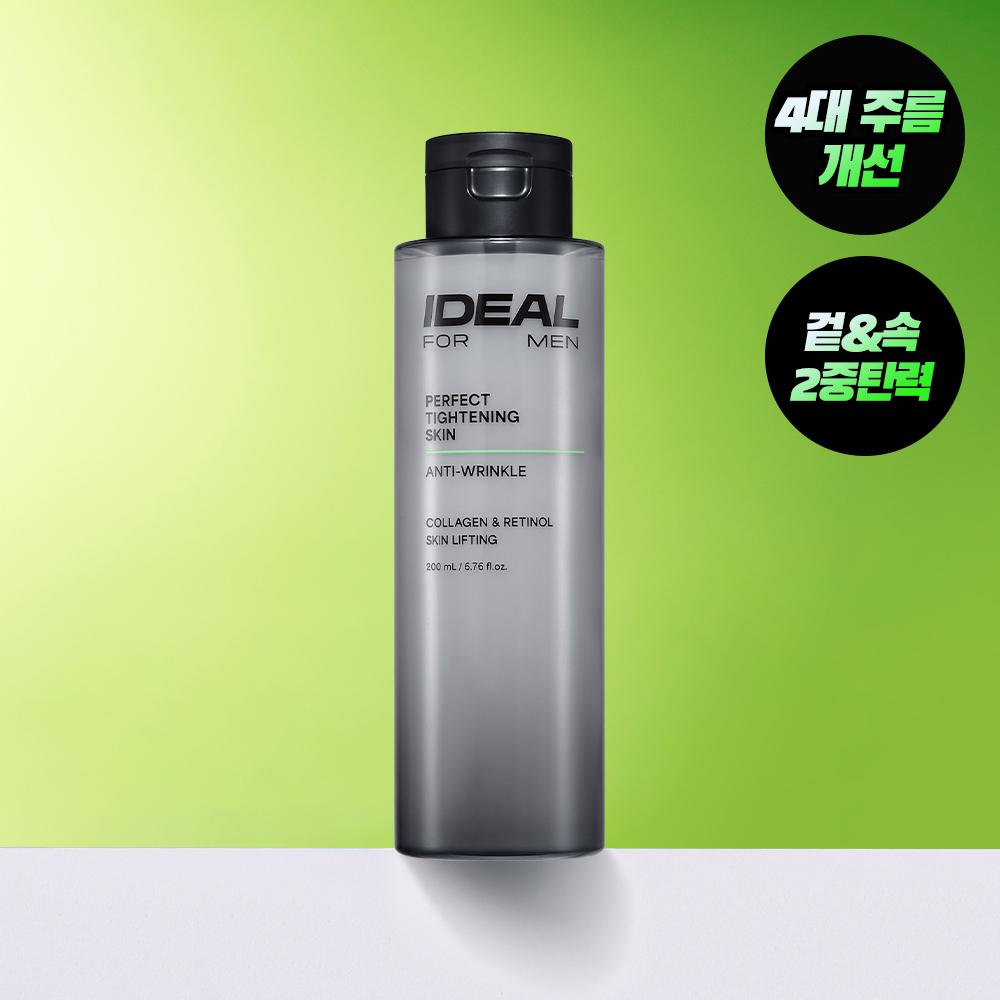
Perfect Tightening Skin
Ideal for Men
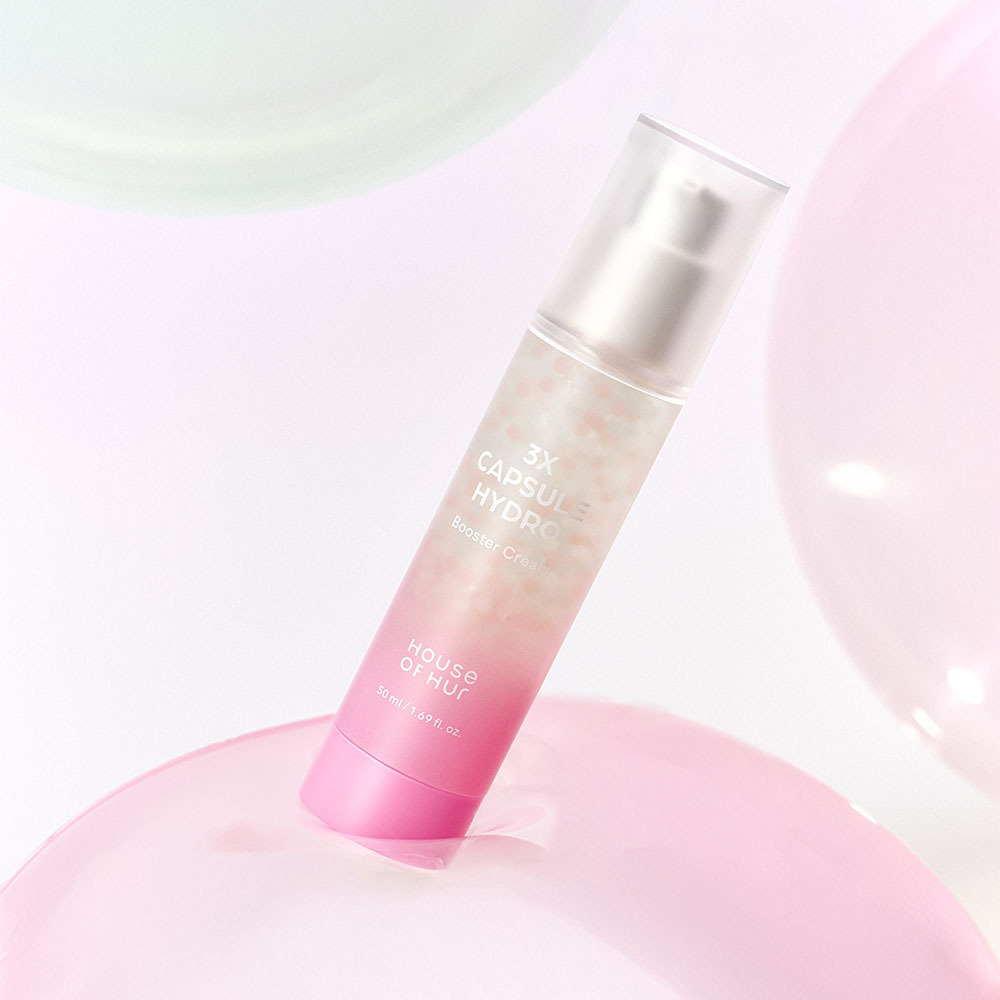
3X Capsule Hydro Booster Cream
House of Hur
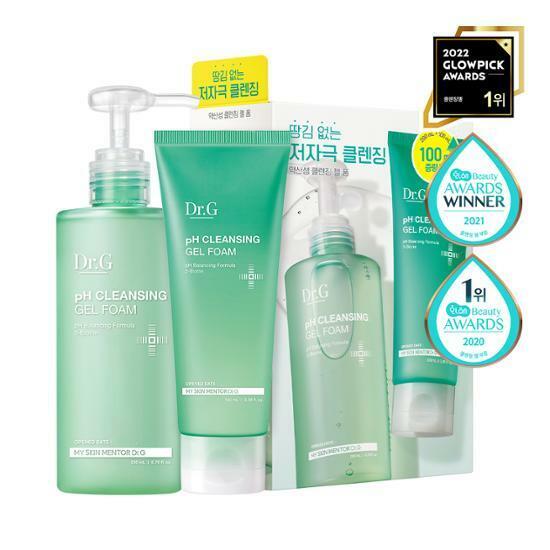
pH Cleansing Gel Foam Special Set
Dr.G
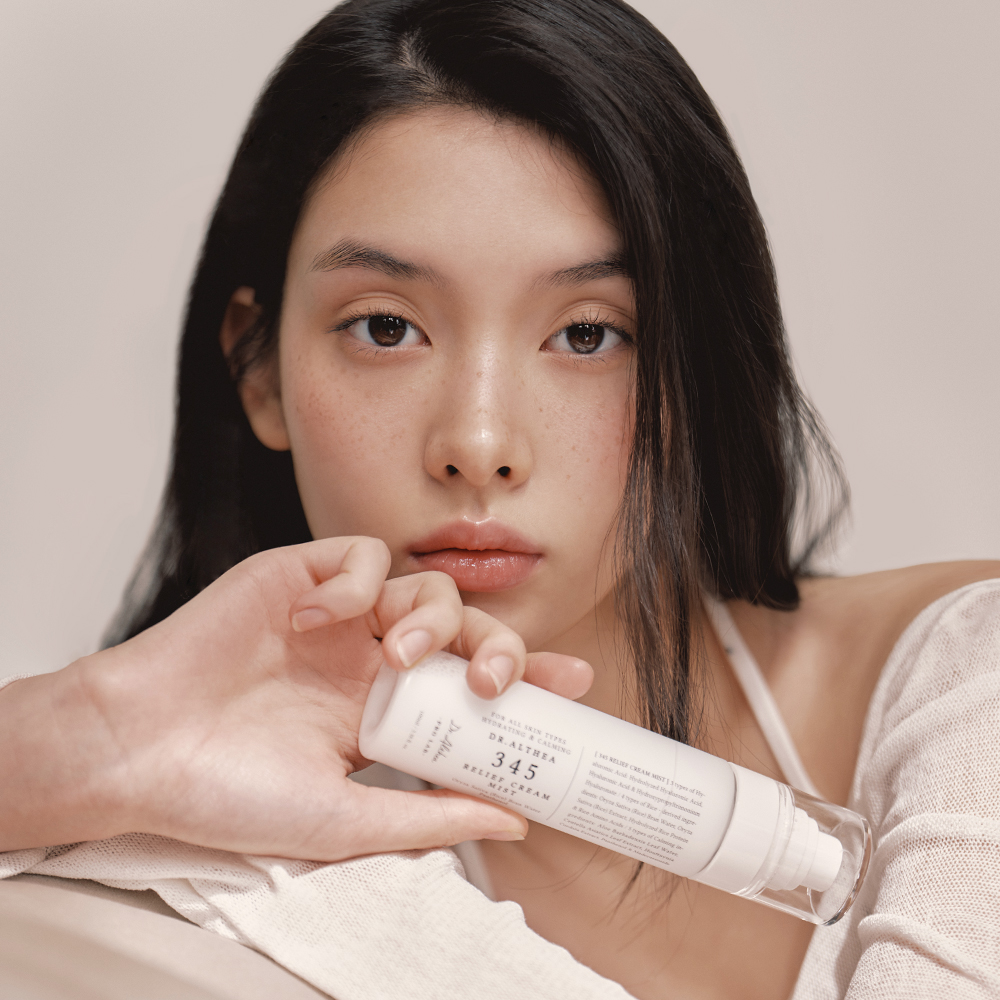
345 Relief Cream Mist
Dr. Althea
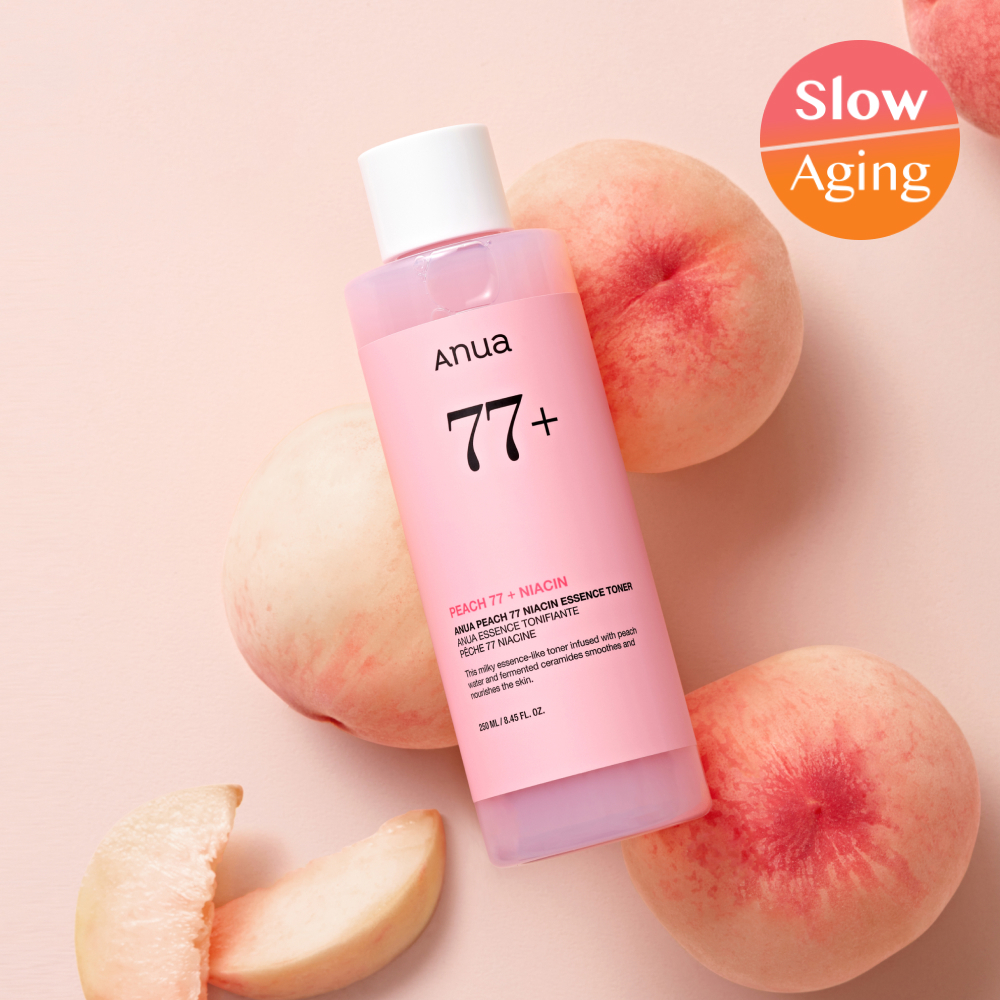
Peach 77 Niacin Essence Toner
Anua
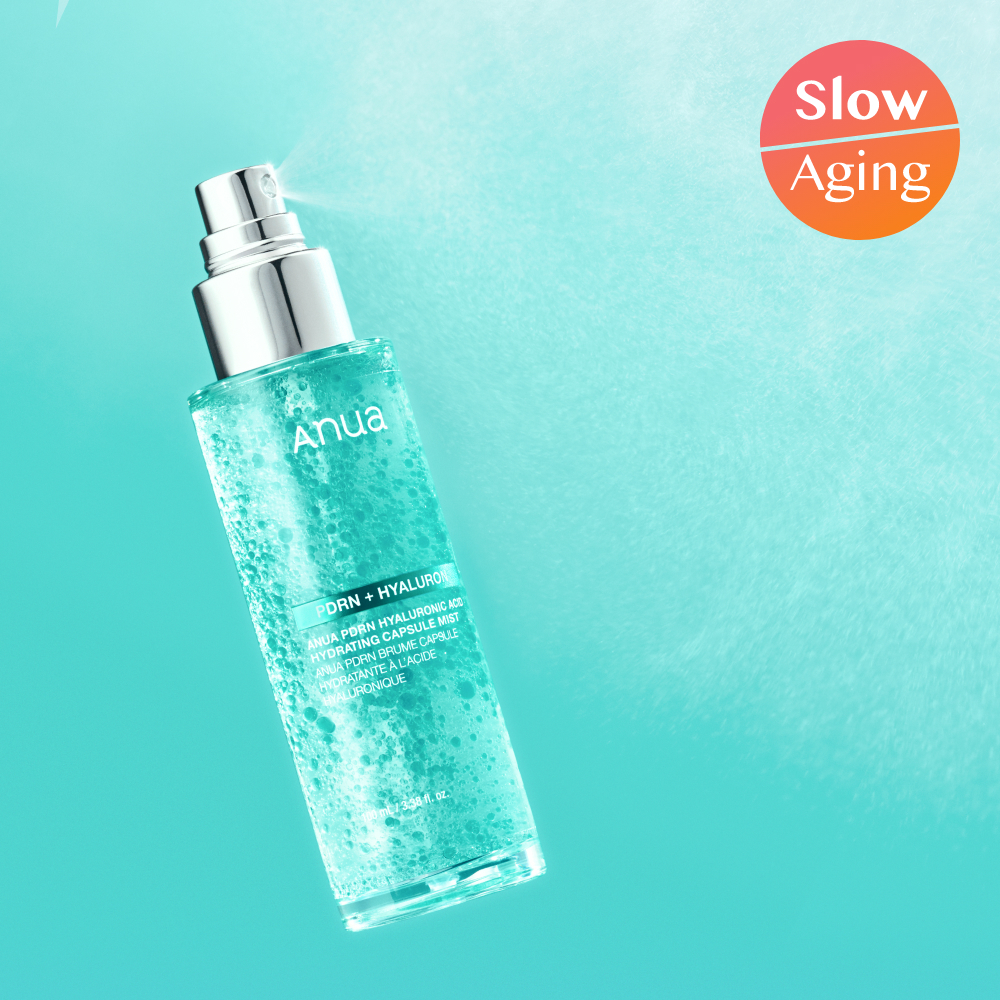
PDRN Hyaluronic Acid Hydrating Capsule Mist
Anua
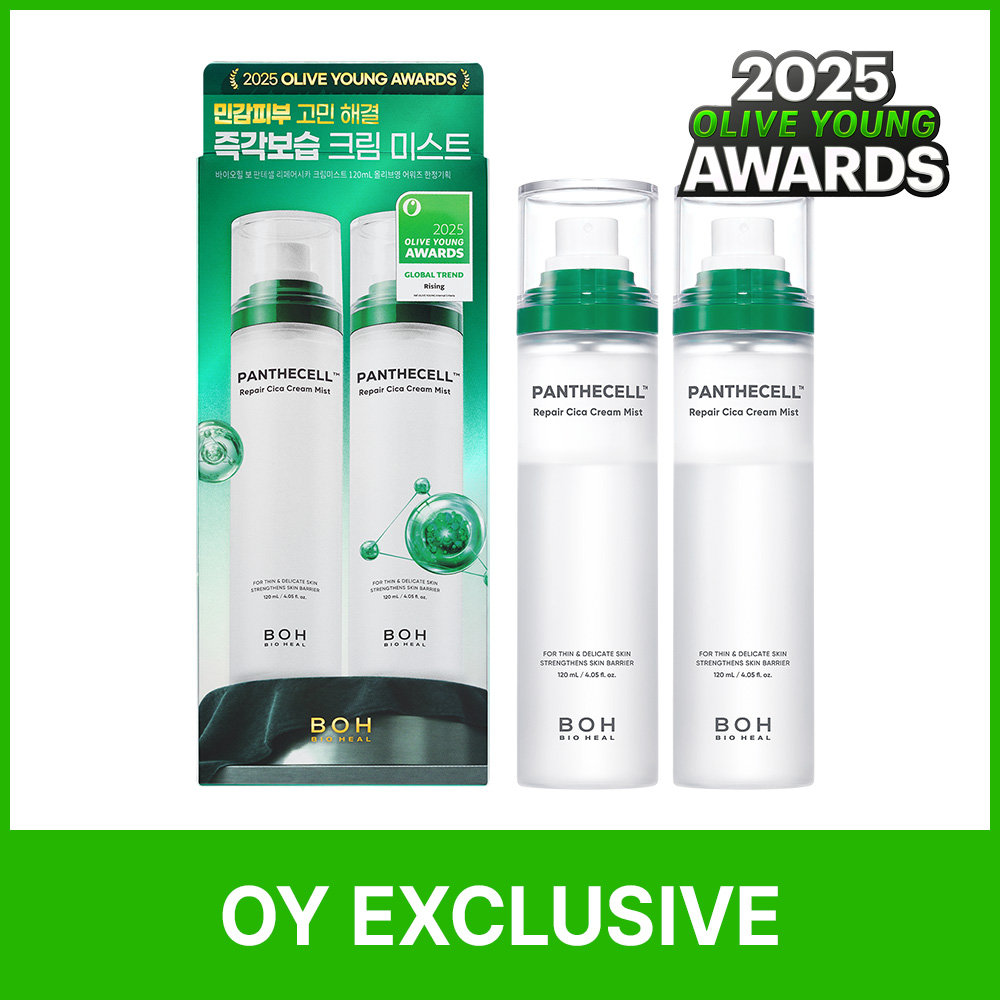
Panthecell Repair Cica Cream Mist
Bioheal BOH
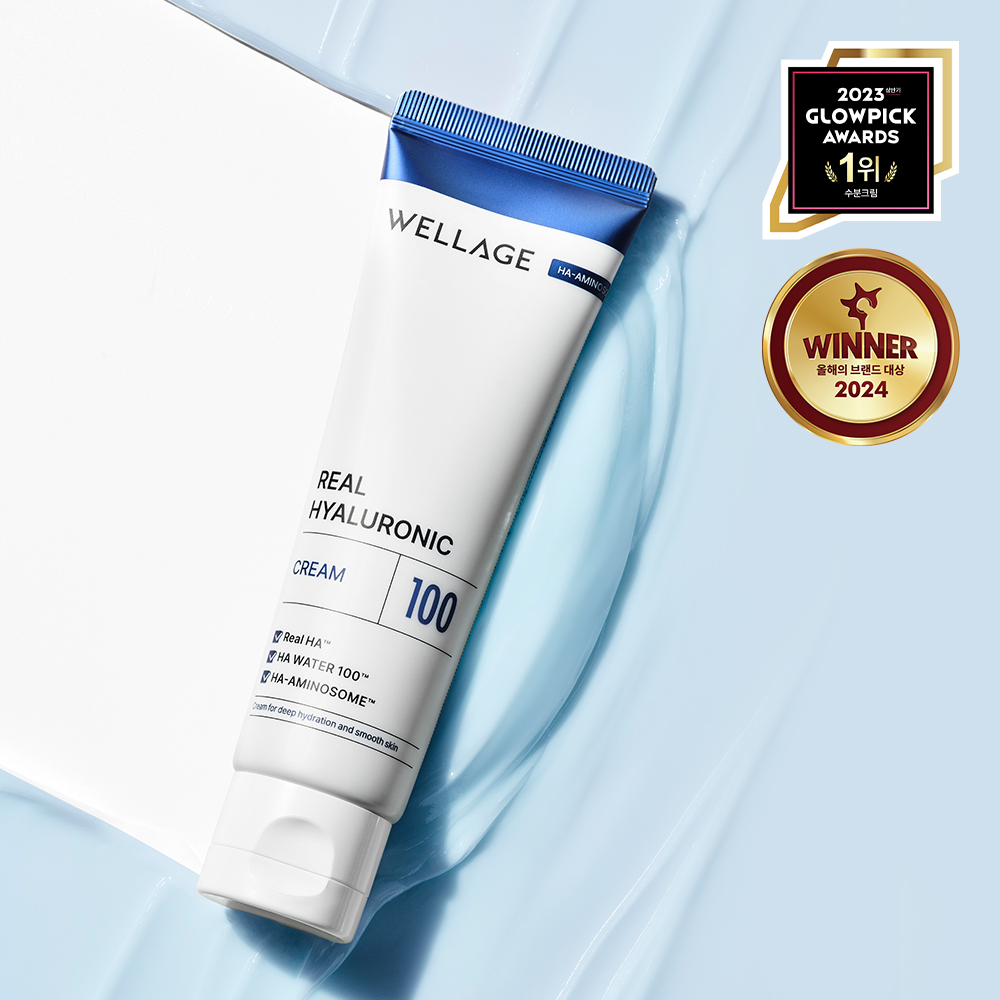
Real Hyaluronic 100 Cream
Wellage
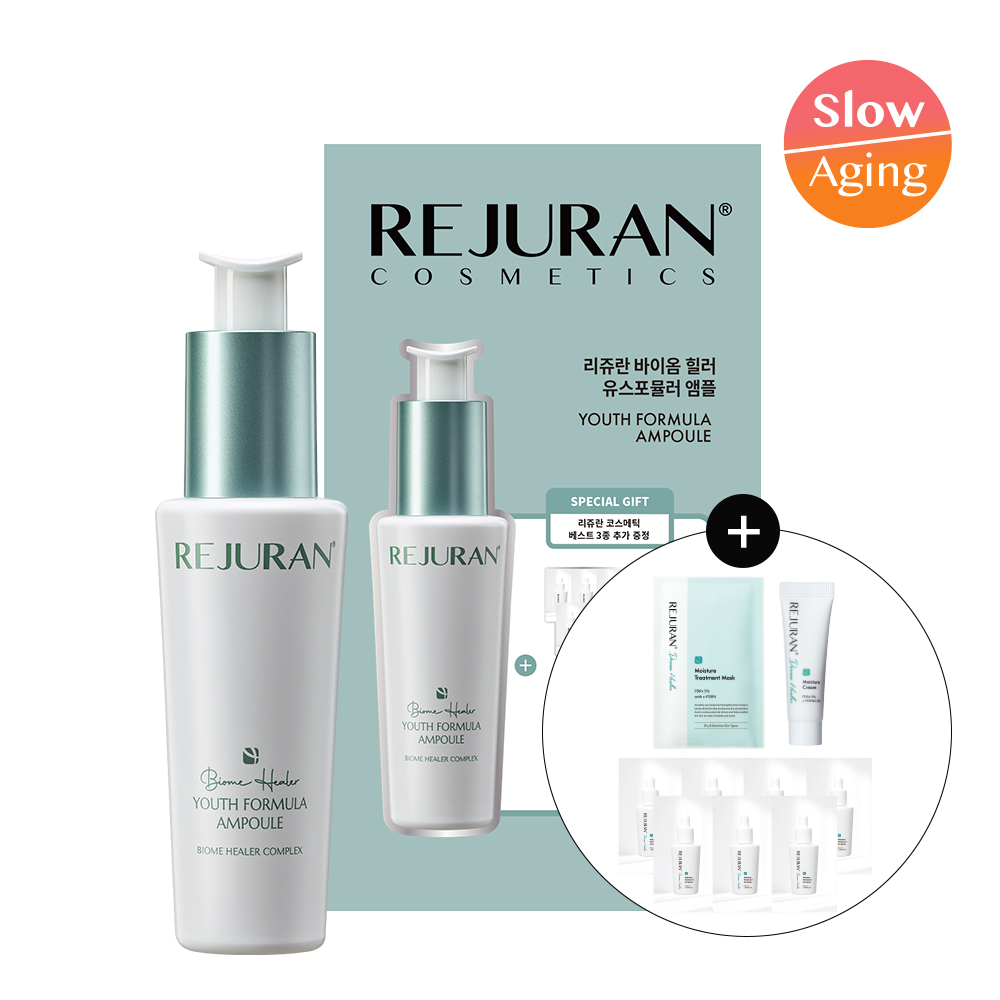
Biome Healer Youth Formula Ampoule
Rejuran
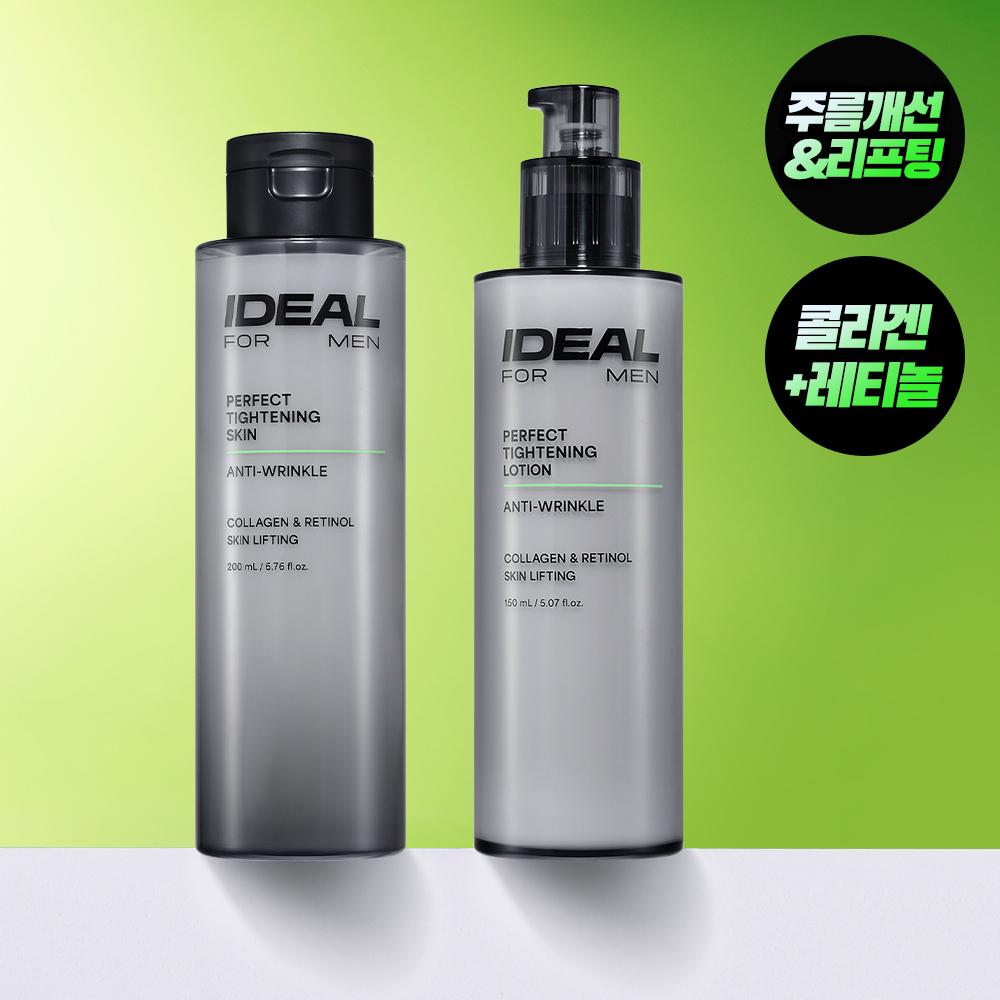
Perfect Tightening Skin 2P Set
Ideal for Men
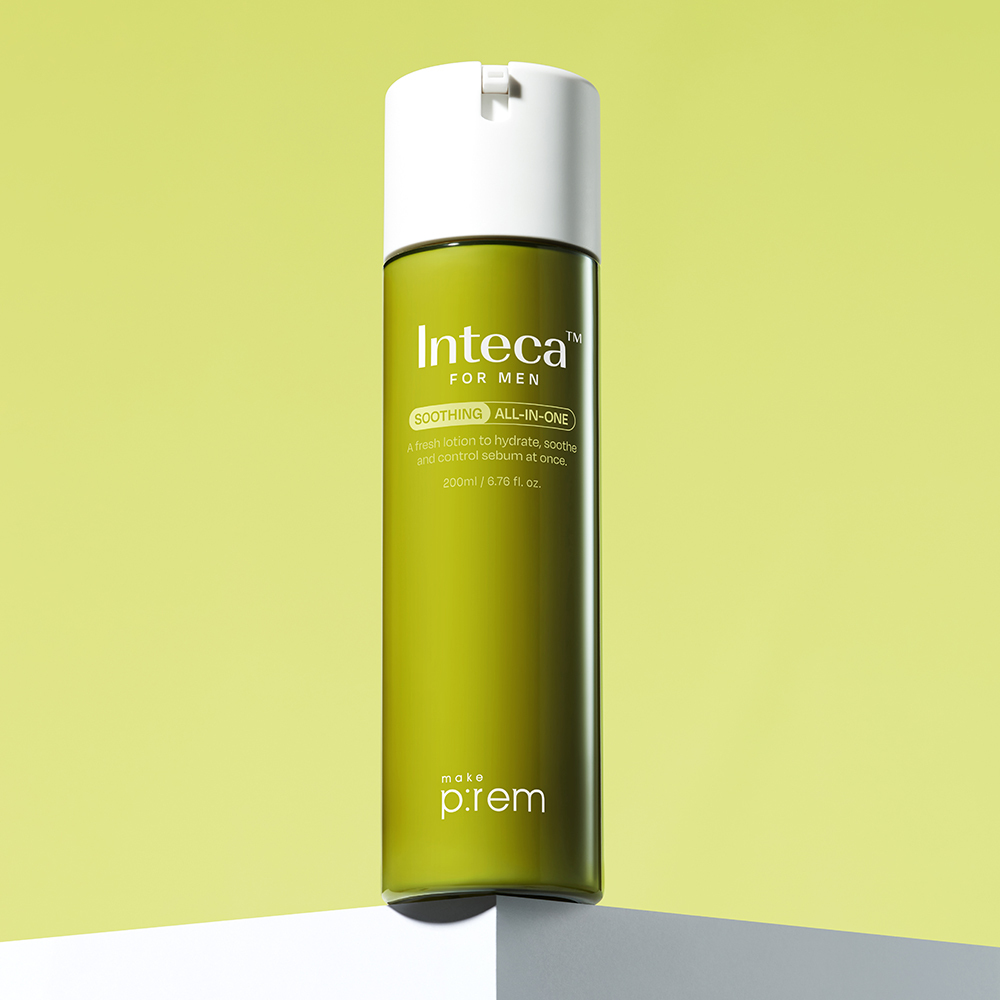
Inteca For Men Soothing All-In-One Set
Makeprem
Frequently Asked Questions
Is Streptococcus Thermophilus Ferment safe for acne-prone skin?▼
How is this different from other probiotic skincare ingredients?▼
Can I use this ingredient with vitamin C or other acids?▼
How long does it take to see results from products with this ingredient?▼
Are products with this ingredient suitable for fungal acne?▼
Explore More
Want personalized ingredient advice?
Yuri, our AI beauty advisor, can tell you how Streptococcus Thermophilus Ferment works with your specific skin type, routine, and concerns.
Ask Yuri, free