Tranexamic Acid
Korean: 트라넥삼산
brightening, anti-hyperpigmentation
Originally a pharmaceutical agent, tranexamic acid inhibits the interaction between keratinocytes and melanocytes, reducing melanin synthesis. Effective for melasma, post-inflammatory hyperpigmentation, and sun spots. Well-tolerated even by sensitive skin. Popular in Korean brightening treatments.
About Tranexamic Acid
Tranexamic acid is a synthetic amino acid derivative that has become one of K-beauty's most celebrated brightening ingredients, despite its unlikely origins as a medication for heavy menstrual bleeding. In skincare, it works differently than traditional brighteners like vitamin C or niacinamide. Rather than just inhibiting melanin production, tranexamic acid disrupts the communication pathway between keratinocytes (skin cells) and melanocytes (pigment-producing cells), essentially preventing the signal that tells your skin to create dark spots in the first place. This unique mechanism makes it particularly effective for stubborn hyperpigmentation issues like melasma, post-inflammatory hyperpigmentation from acne, and persistent sun damage. Korean skincare brands have embraced tranexamic acid for its impressive efficacy combined with remarkable gentleness. With a perfect 5/5 safety rating and 0/5 comedogenic rating, it delivers visible results without irritation, making it accessible to virtually all skin types. Seoul Sister users report effectiveness rates of 79-83% across combination, oily, and sensitive skin types when treating hyperpigmentation. Found in 133 products on the platform, tranexamic acid has earned its place in K-beauty's brightening hall of fame, often paired with complementary ingredients like vitamin C, niacinamide, and centella asiatica to create comprehensive tone-correcting formulas that are both powerful and skin-friendly.
How Tranexamic Acid Works
Tranexamic acid operates through a sophisticated biological mechanism that targets hyperpigmentation at its source. It works by inhibiting plasminogen activators, enzymes involved in the inflammatory cascade that triggers melanin production. When your skin experiences inflammation from UV exposure, hormonal changes, or trauma, plasminogen activators send signals to melanocytes to ramp up melanin synthesis. Tranexamic acid blocks this activation pathway, specifically interfering with the interaction between keratinocytes and melanocytes. This prevents the release of arachidonic acid and prostaglandins, inflammatory mediators that stimulate pigment production. At the cellular level, it reduces tyrosinase activity (the enzyme responsible for melanin synthesis) and decreases the transfer of melanosomes (pigment packets) from melanocytes to surrounding skin cells. Unlike hydroquinone or retinoids that can be harsh, tranexamic acid achieves these results through a gentler pathway that doesn't compromise the skin barrier or cause photosensitivity. Clinical studies show it's particularly effective for melasma because it addresses both the vascular and pigmentary components of the condition, reducing both the excess pigmentation and the increased blood vessel formation often seen in melasma patches.
Tranexamic Acid by Skin Type
Oily Skin
Tranexamic acid is highly effective for oily skin dealing with post-inflammatory hyperpigmentation from acne, with Seoul Sister users reporting 81% effectiveness. Its water-soluble nature means it absorbs quickly without adding heaviness or clogging pores (0/5 comedogenic rating). The ingredient works well in lightweight serums and ampoules that layer easily under mattifying moisturizers.
Dry Skin
While not specifically hydrating, tranexamic acid is gentle enough for dry skin and won't cause additional dryness or irritation. Layer it under richer moisturizers to address dark spots while maintaining hydration. Look for formulas that pair tranexamic acid with hydrating ingredients like hyaluronic acid or glycerin to support your skin barrier while treating discoloration.
Combo Skin
Combination skin sees excellent results with tranexamic acid, with 83% effectiveness reported by Seoul Sister users for hyperpigmentation. The ingredient's lightweight texture works perfectly for the T-zone while being gentle enough for drier cheek areas. It addresses uneven tone across different facial zones without exacerbating either oiliness or dryness.
Sensitive Skin
Tranexamic acid is remarkably well-tolerated by sensitive skin, earning a perfect 5/5 safety rating and delivering 79% effectiveness for hyperpigmentation according to Seoul Sister data. Unlike harsher brighteners, it doesn't cause irritation, redness, or photosensitivity. Korean formulas often combine it with soothing ingredients like centella asiatica (as seen in SKIN1004's Madagascar Centella Soothing Cream) for gentle yet effective brightening.
Normal Skin
Normal skin can use tranexamic acid liberally to prevent and treat any form of hyperpigmentation. Its gentle profile means you can use it daily without concern, making it ideal for maintaining an even tone and preventing future dark spots. Pair it with vitamin C or niacinamide for enhanced brightening effects, as seen in top-rated products like DW-EGF Vitamin C Boosting Ampoule 25.
How to Use Tranexamic Acid
- 1Apply tranexamic acid products after cleansing and toning but before heavier serums and moisturizers. The ingredient absorbs best on slightly damp skin.
- 2Tranexamic acid pairs beautifully with other brightening ingredients. Seoul Sister's top-rated products often combine it with vitamin C (Easydew DW-EGF, Sungboon Editor Muscat Grape) or niacinamide (Jumiso Niacinamide 20 Serum) for synergistic effects.
- 3Unlike some brightening ingredients, tranexamic acid can be used morning and night without photosensitivity concerns, though sunscreen remains essential for preventing new hyperpigmentation.
- 4Results typically appear within 4-8 weeks of consistent use. For stubborn melasma, continue treatment for at least 12 weeks to see maximum improvement.
- 5If you're treating body hyperpigmentation (dark underarms, inner thighs, or scarring), look for body-specific formulas or use your facial products on affected areas.
Background
Tranexamic acid's journey from medicine cabinet to skincare shelf is one of the most fascinating origin stories in cosmetic chemistry. Developed in Japan in 1962 by scientists Shosuke and Utako Okamoto, it was originally synthesized as a hemostatic agent to control excessive bleeding. For decades, it was prescribed for heavy menstrual periods and used in surgical settings. The skincare connection emerged accidentally when dermatologists noticed that patients taking oral tranexamic acid for other conditions experienced significant improvement in melasma. Japanese researchers began investigating topical applications in the 1990s, and by the early 2000s, it gained popularity in Asian skincare, particularly in Japan and Korea. K-beauty brands embraced tranexamic acid in the mid-2010s as consumer demand for science-backed, gentle brightening solutions grew. Unlike traditional brighteners with irritation concerns, tranexamic acid offered the perfect combination of efficacy and tolerability that aligned with K-beauty's skin-first philosophy. Today, it's found in 133 products on Seoul Sister, from cleansers to ampoules, cementing its status as a brightening powerhouse.
Addresses These Concerns
Effectiveness by Skin Type
Drawing on K-beauty clinical research and community consensus, Tranexamic Acid shows the highest effectiveness for combination skin targeting hyperpigmentation (83% positive) and oily skin targeting hyperpigmentation (81% positive). It also benefits sensitive skin for hyperpigmentation.
For hyperpigmentation · 50 reports
For hyperpigmentation · 50 reports
For hyperpigmentation · 50 reports
K-Beauty Products with Tranexamic Acid
View all 150 →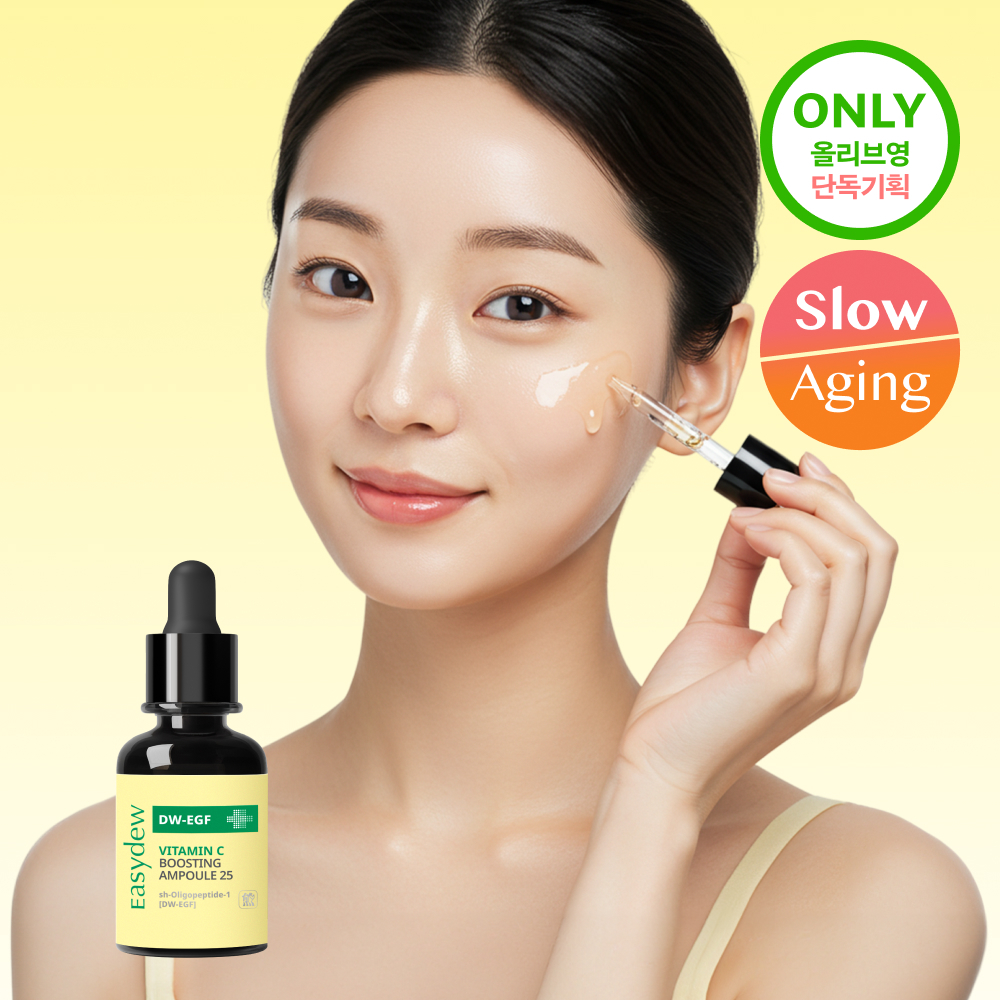
DW-EGF Vitamin C Boosting Ampoule 25
Easydew
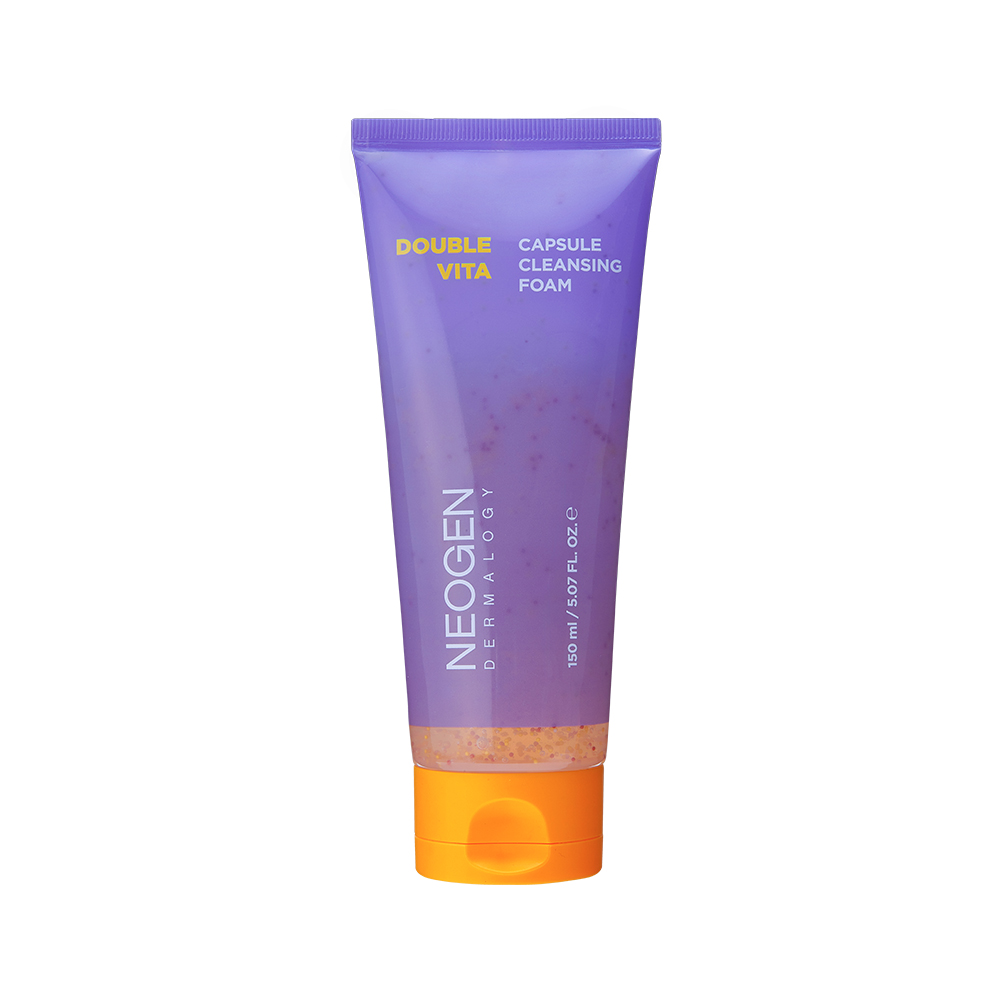
Double Vita Capsule Cleansing Foam
Neogen
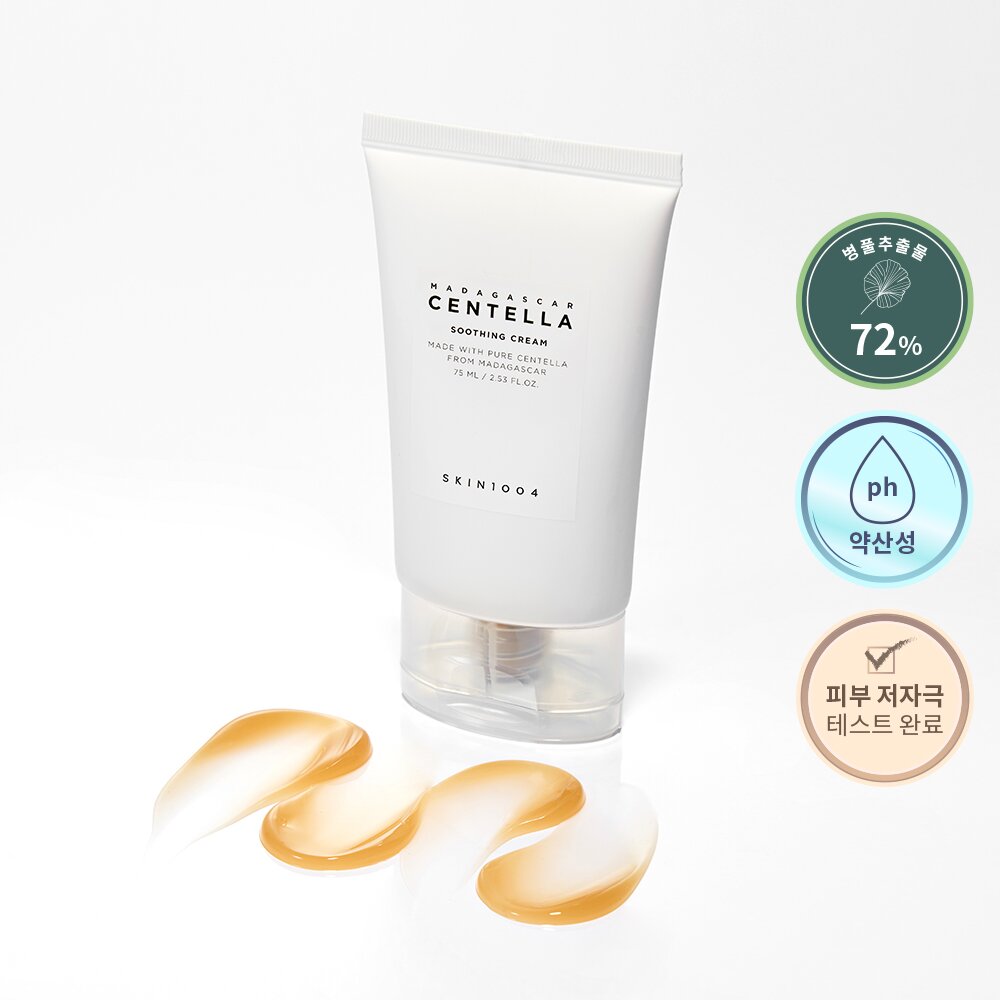
Madagascar Centella Soothing Cream
SKIN1004
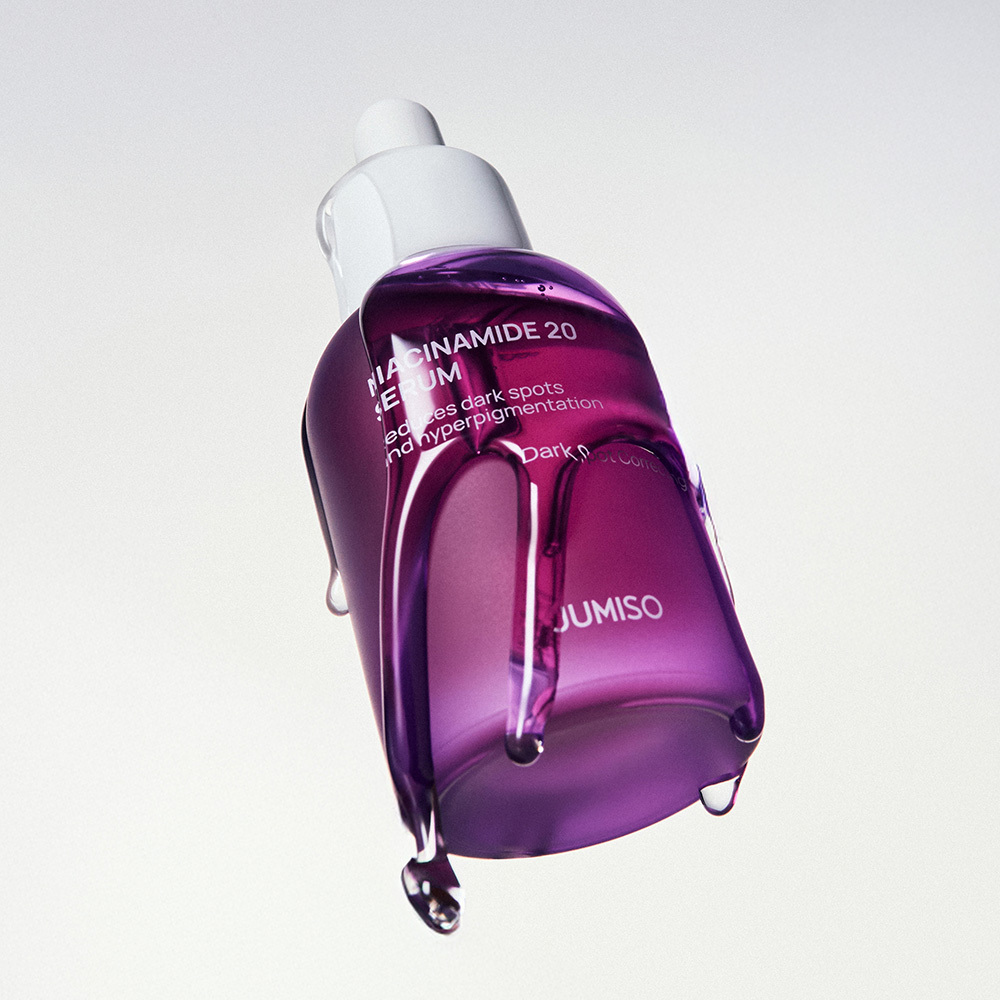
Niacinamide 20 Serum
Jumiso

PDRN Reedle Shot Eye Lifter
VT
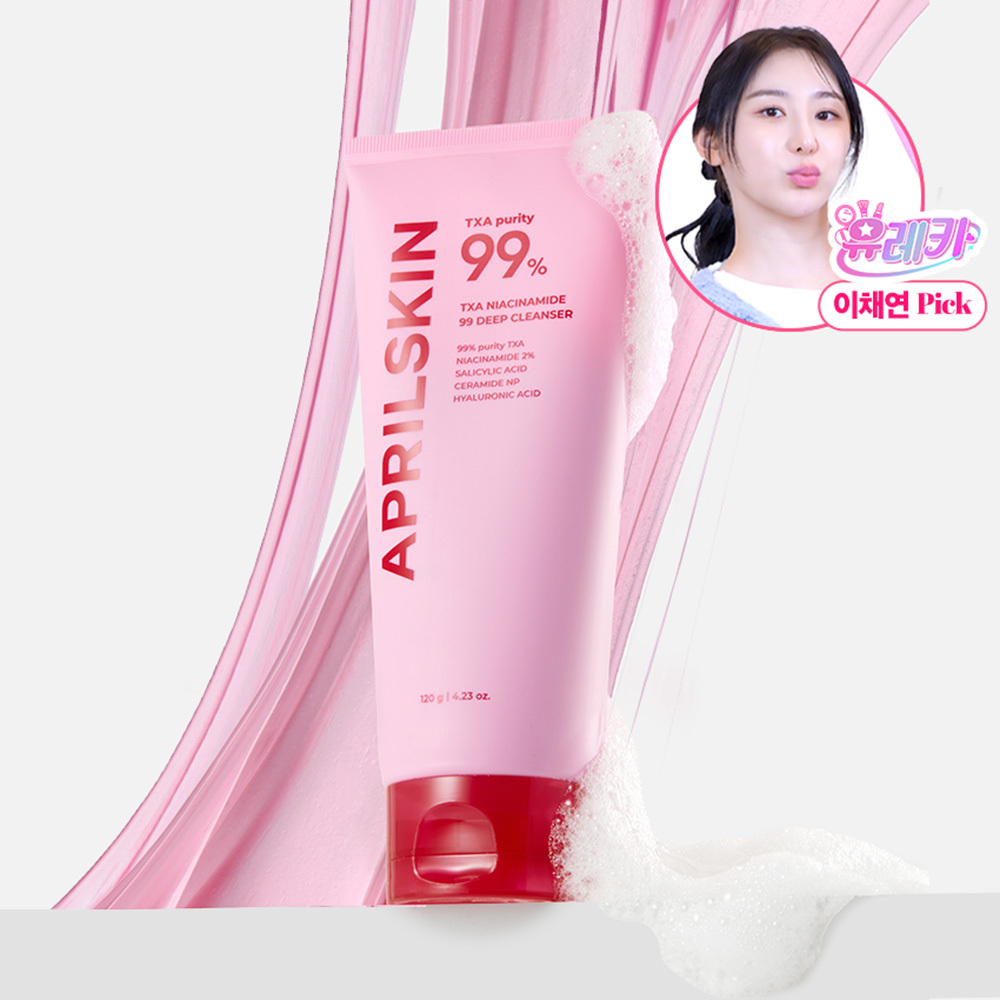
TXA Niacinamide 99 Deep Cleanser
April Skin
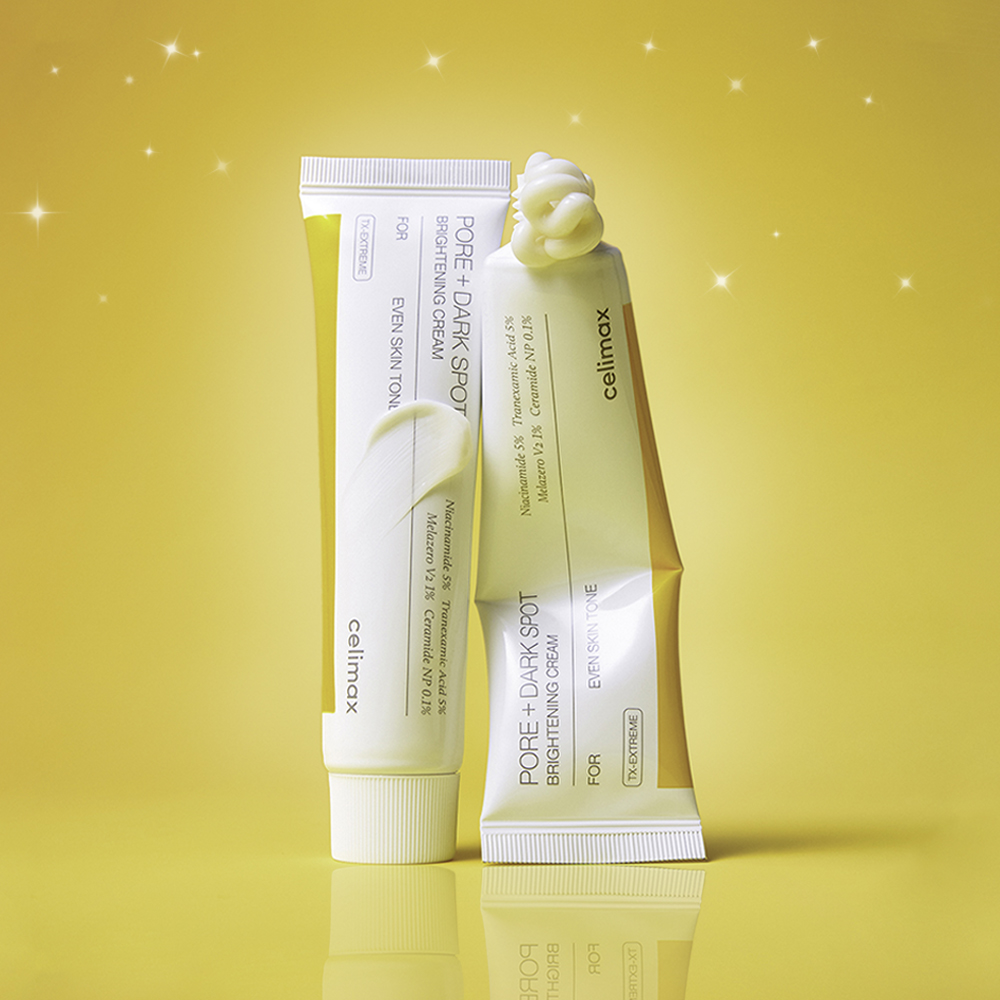
Pore + Dark Spot Brightening Cream
Celimax
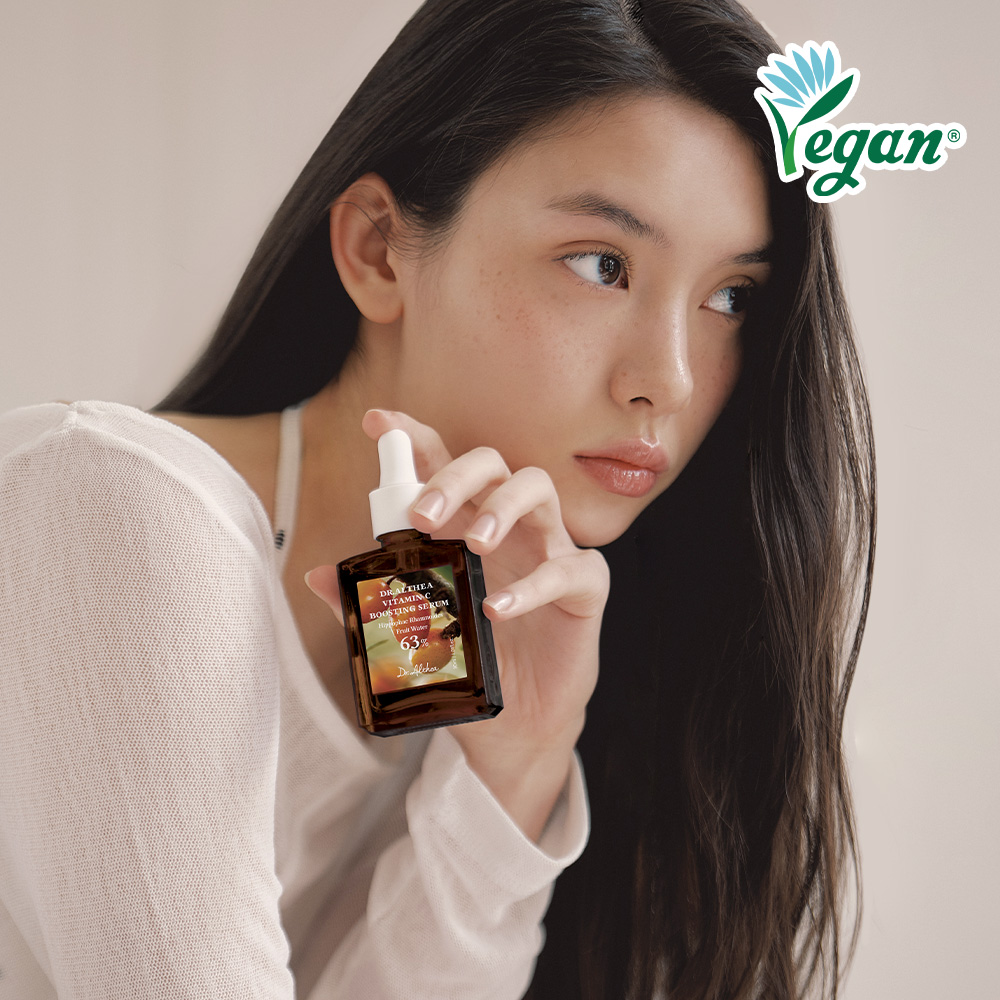
Vitamin C Boosting Serum
Dr. Althea
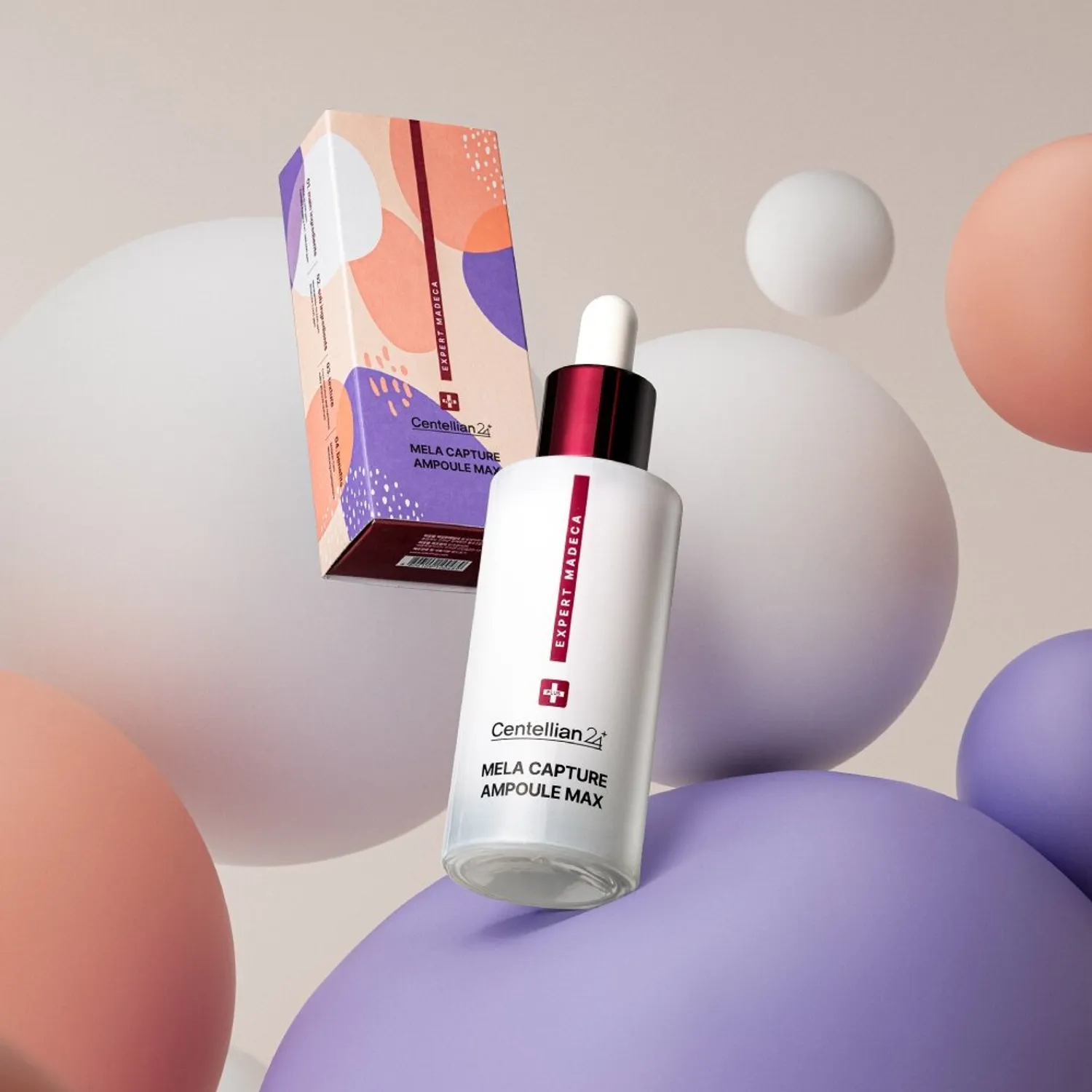
Expert Madeca Mela Capture Ampoule Max
Centellian24
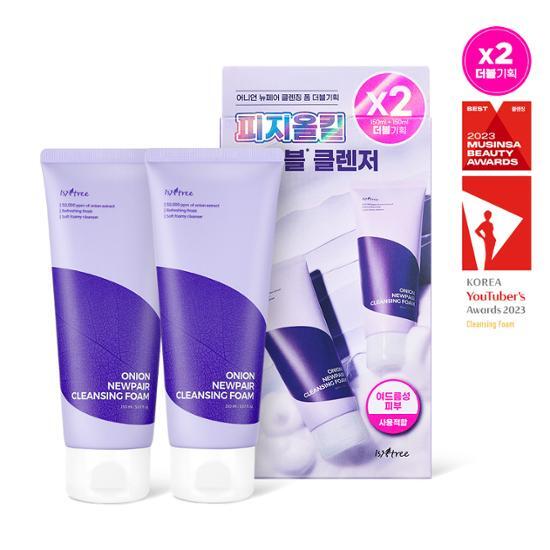
Onion Newpair Cleansing Foam Double Set
Isntree

Melanon X Ampoule Cleanser
Medi-Peel
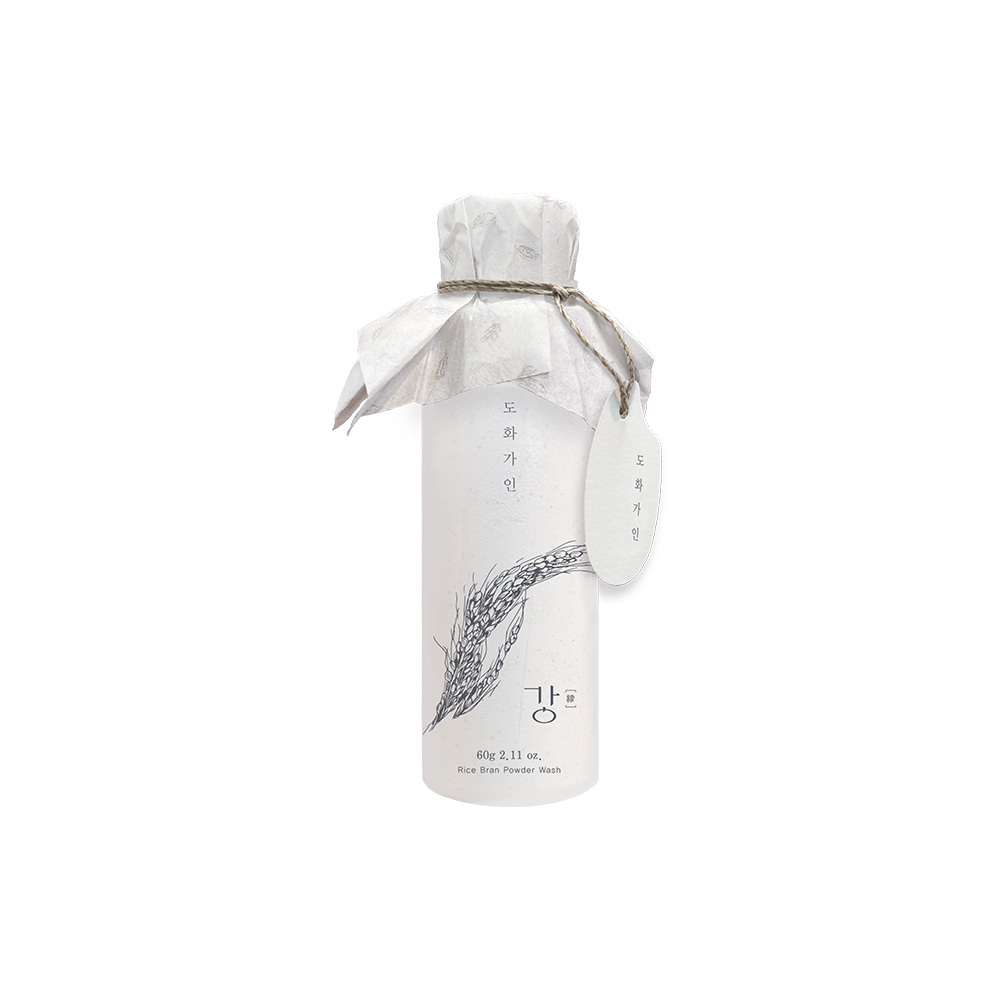
Rice Bran Powder Wash
House of Dohwa
Frequently Asked Questions
How does tranexamic acid compare to vitamin C and niacinamide for brightening?▼
Can I use tranexamic acid if I have sensitive skin or rosacea?▼
How long does it take to see results from tranexamic acid?▼
Is tranexamic acid safe to use during pregnancy?▼
Which skin concern does tranexamic acid work best for?▼
Articles About Tranexamic Acid
Best Korean Skincare for PIH: How to Fade Post-Acne Dark Spots
PIH (brown post-acne marks) needs pigment-pathway ingredients, not the barrier-calming actives that work on red PIE marks. Here is what actually fades dark spots, and how long it really takes.
How to Get Rid of Hyperpigmentation: K-Beauty Guide
Hyperpigmentation isn't a willpower problem, it's a melanin problem, and most people are treating the wrong layer. Here's what actually fades dark spots, with the K-beauty products and ingredients I'd reach for first.
Best Korean Skincare for Dry Skin With Pigmentation: A Routine That Treats Both
Treating pigmentation when your skin is dry feels like a catch-22. Most brightening actives are harsh, and most hydrating routines ignore dark spots entirely. Here's how to build a K-beauty routine that does both without compromise.
Explore More
Want personalized ingredient advice?
Yuri, our AI beauty advisor, can tell you how Tranexamic Acid works with your specific skin type, routine, and concerns.
Ask Yuri, free