Hyaluronic Acid
Humectant that binds moisture to skin
About Hyaluronic Acid
Hyaluronic acid (HA) is a naturally occurring polysaccharide found in human skin that can hold up to 1,000 times its weight in water, making it one of the most effective hydrating ingredients in skincare. In K-beauty, it's practically everywhere, appearing in over 1,100 products from essences to sheet masks. What makes HA special is that it's not an oil or emollient. Instead, it's a humectant that acts like a moisture magnet, drawing water from the environment and deeper skin layers to the surface where it's needed most. Korean skincare brands have mastered formulating with multiple molecular weights of HA, from high molecular weight (which sits on the skin's surface to prevent water loss) to low molecular weight (which penetrates deeper to plump from within). This multi-weight approach is why K-beauty HA serums often feel more effective than Western counterparts. With an 88% effectiveness rating for treating dehydration in dry skin based on real user reports, HA has earned its status as a holy grail ingredient. It's also incredibly safe, scoring 5/5 for safety and 0/5 for comedogenicity, meaning it won't clog pores or cause irritation even in sensitive skin types.
How Hyaluronic Acid Works
Hyaluronic acid works through a process called hygroscopy, which means it actively attracts and binds water molecules from its surroundings. At the molecular level, HA is a glycosaminoglycan, a long chain of repeating sugar molecules with a unique structure that creates spaces where water can attach. When you apply HA topically, these molecular chains form a breathable film on your skin's surface. The high molecular weight HA (over 1,000 kDa) stays on top, creating a protective moisture barrier and giving that instant plumping effect you feel right after application. Lower molecular weight HA (under 50 kDa) can actually penetrate the stratum corneum and reach the deeper epidermis, where it stimulates fibroblast activity and supports collagen synthesis. This dual action is why HA doesn't just hydrate temporarily but can improve skin texture and fine lines with consistent use. Your skin naturally produces HA, but production decreases by about 50% by age 40, which is why supplementing with topical HA becomes increasingly important for maintaining that dewy, bouncy complexion K-beauty is famous for.
Hyaluronic Acid by Skin Type
Oily Skin
HA is perfect for oily skin because it delivers intense hydration without adding oil or heaviness. When oily skin is dehydrated (which happens more often than you'd think), it can actually overproduce sebum to compensate, so keeping skin hydrated with a lightweight humectant like HA can help regulate oil production.
Dry Skin
This is where HA truly shines, with an 88% effectiveness rating for treating dehydration in dry skin. It provides the deep, lasting hydration that dry skin craves without relying on heavy occlusives. For best results, layer it under a moisturizer to seal in the water HA attracts.
Combo Skin
HA is ideal for combination skin because it hydrates without disrupting the delicate balance between oily and dry zones. With an 84% effectiveness rating for combination skin dehydration, it delivers moisture where needed without making T-zones greasy or leaving dry areas still tight.
Sensitive Skin
With a perfect 5/5 safety rating, HA is one of the gentlest hydrating ingredients available. It's naturally present in skin, so it rarely triggers irritation or allergic reactions. Even rosacea-prone and eczema-prone skin typically tolerate it well.
Normal Skin
Normal skin benefits from HA as a preventative measure to maintain optimal hydration levels. With an 85% effectiveness rating, it helps normal skin stay balanced, plump, and resilient against environmental stressors that can lead to premature aging.
How to Use Hyaluronic Acid
- 1Apply HA to damp skin, not dry. It needs water to bind to, so mist your face first or apply right after cleansing while skin is still slightly wet.
- 2In very dry climates or air-conditioned rooms, always layer an occlusive moisturizer over HA to prevent it from pulling water out of your skin when there's not enough humidity in the air.
- 3Look for products with multiple molecular weights (often labeled as 'multi-weight HA' or listing sodium hyaluronate at different sizes) for both surface and deep hydration.
- 4HA serums work best in the essence or serum step of your routine, after cleansing and toning but before heavier creams.
- 5You can use HA both morning and night. It layers beautifully with other actives like vitamin C, niacinamide, and retinol without causing conflicts.
Background
Hyaluronic acid was first isolated in 1934 by Karl Meyer and John Palmer from the vitreous humor of cow eyes (the name comes from 'hyaloid', meaning glassy, and 'uronic acid'). For decades, it was primarily used in medical applications like eye surgery and joint injections. The skincare revolution began in the 1990s when Japanese scientists developed methods to produce HA through bacterial fermentation, making it affordable and accessible for cosmetic use. Korean beauty brands quickly recognized its potential and became pioneers in formulating HA for daily skincare, introducing innovations like fermented HA, cross-linked HA, and multi-molecular weight blends. By the mid-2000s, HA had become a cornerstone of the K-beauty philosophy of layered hydration. Today, Korea remains at the forefront of HA technology, with brands continuously developing new delivery systems and combinations that maximize its skin-plumping, moisture-retaining benefits.
Effectiveness by Skin Type
Drawing on K-beauty clinical research and community consensus, Hyaluronic Acid shows the highest effectiveness for dry skin targeting dehydration (88% positive) and normal skin targeting dehydration (85% positive). It also benefits combination skin for dehydration.
For dehydration · 70 reports
For dehydration · 50 reports
For dehydration · 55 reports
K-Beauty Products with Hyaluronic Acid
View all 1,246 →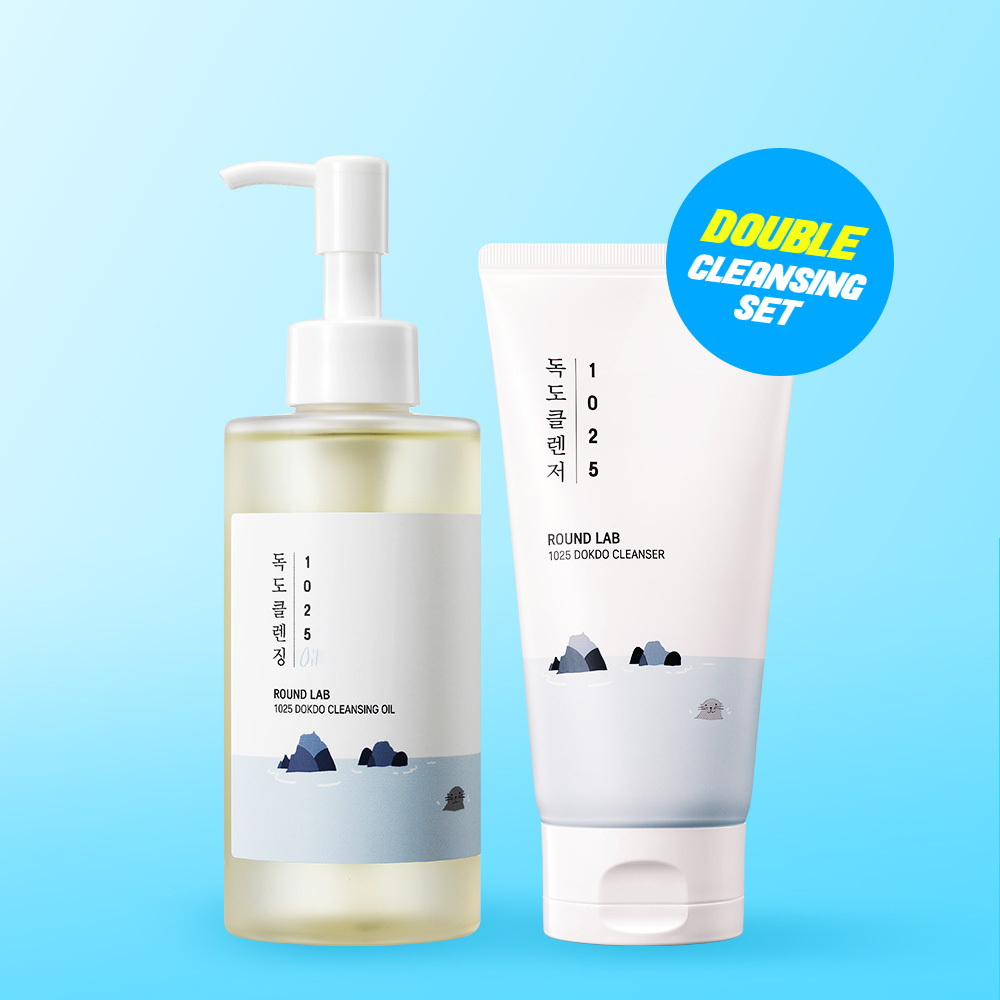
1025 Dokdo Cleansing Oil 200ml + Dokdo Cleanser 150ml Set
Round Lab
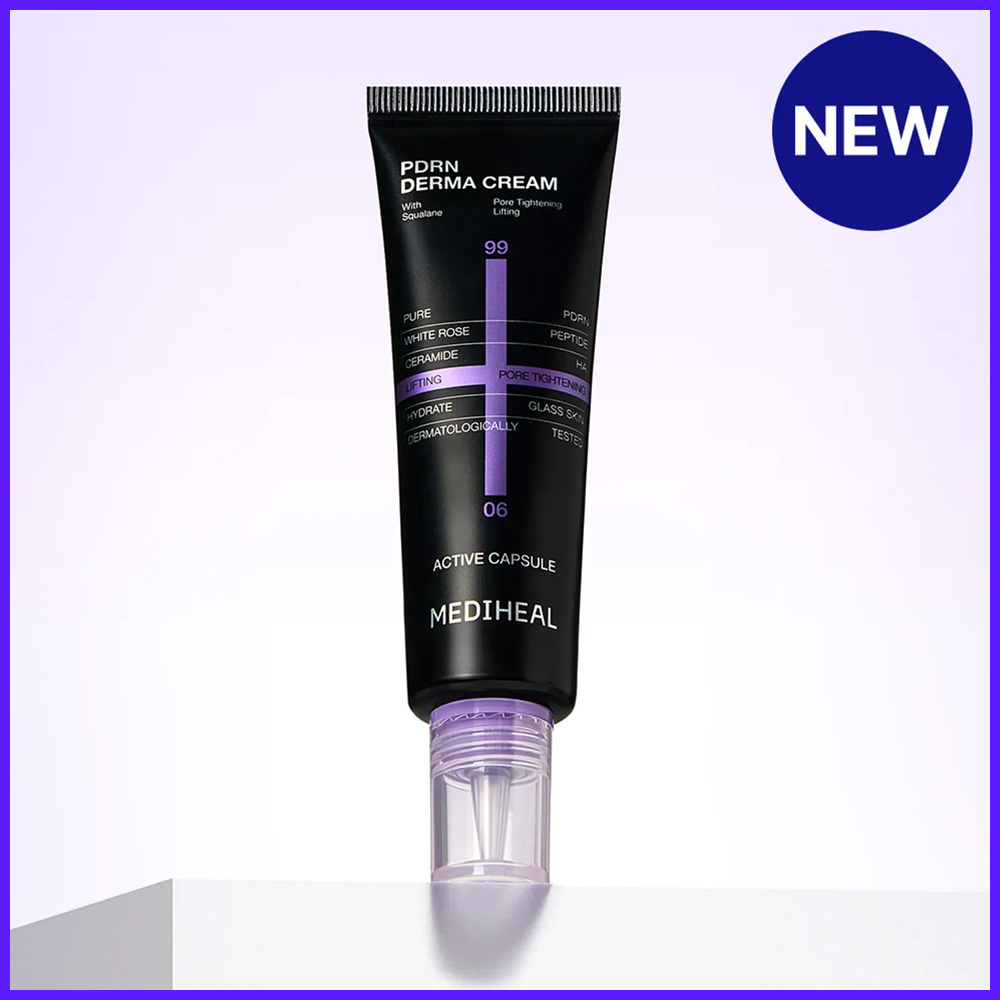
PDRN Lifting Derma Cream
Mediheal
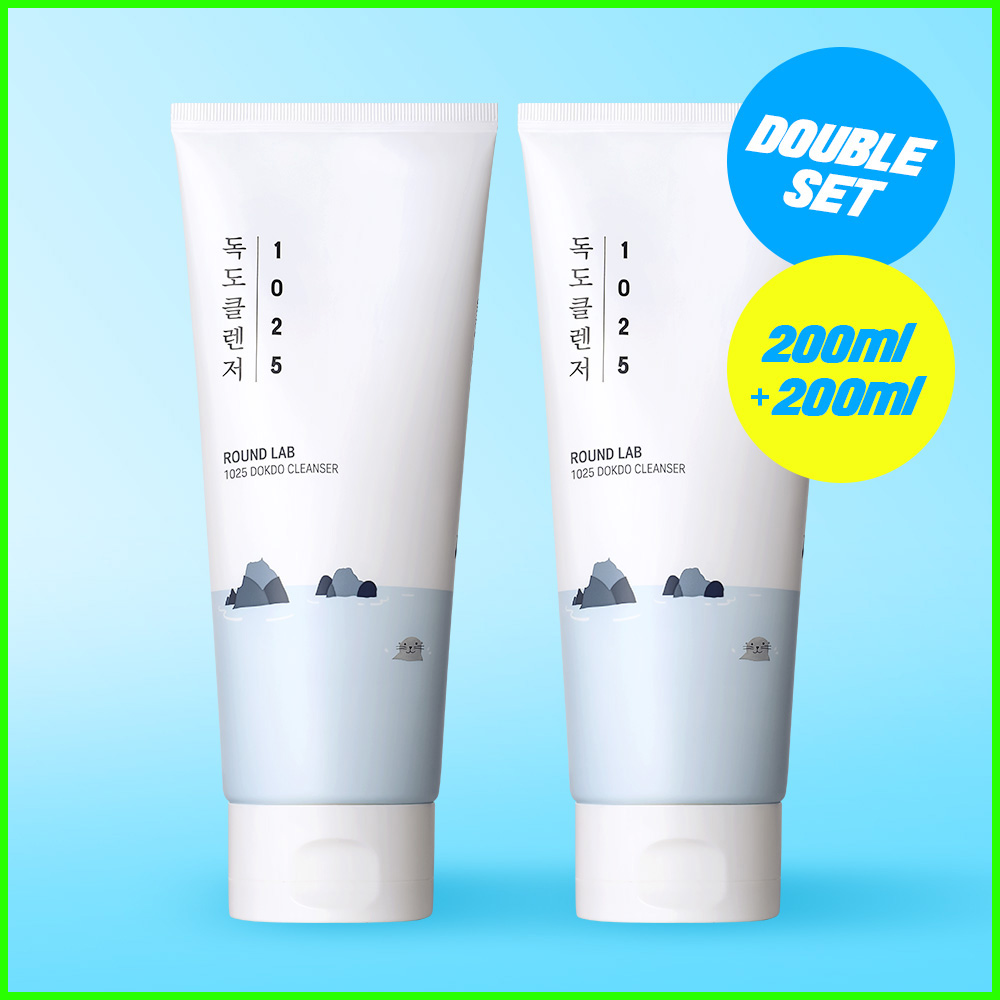
1025 Dokdo Cleanser
Round Lab
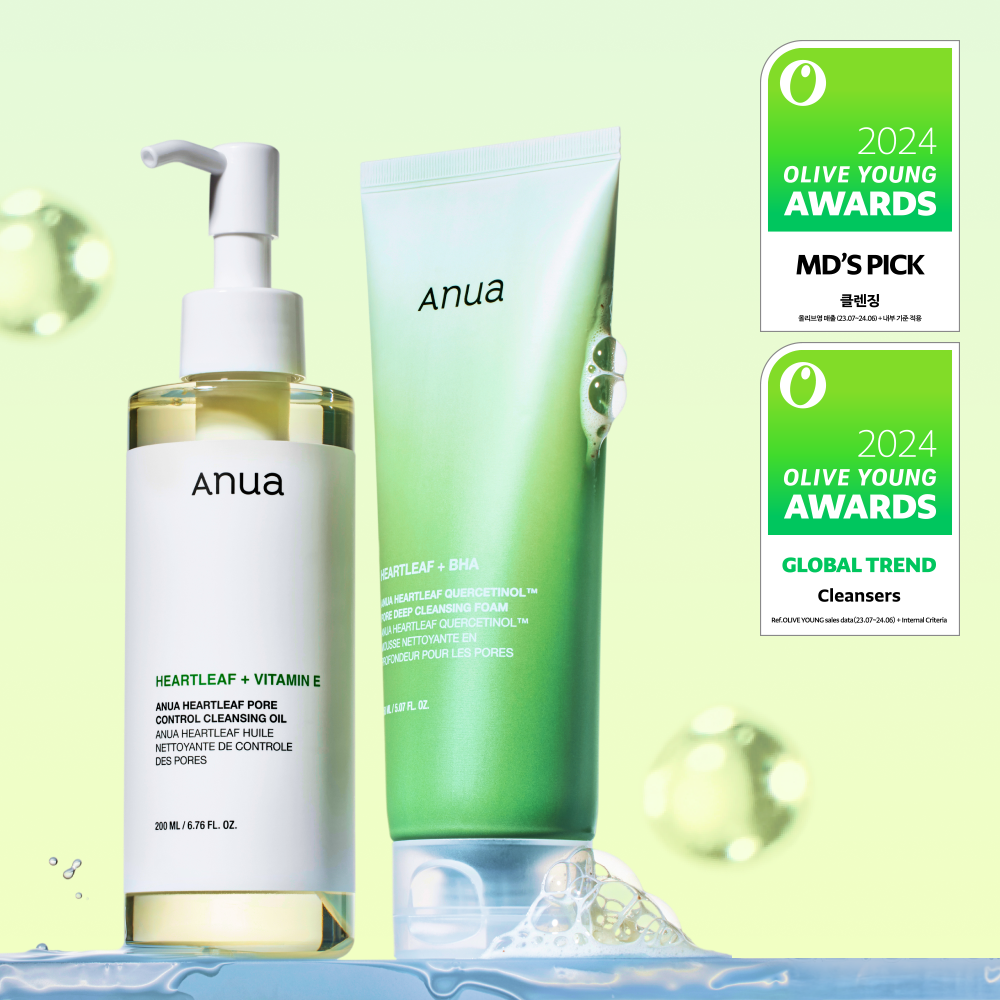
Heartleaf Double Cleansing Set
Anua
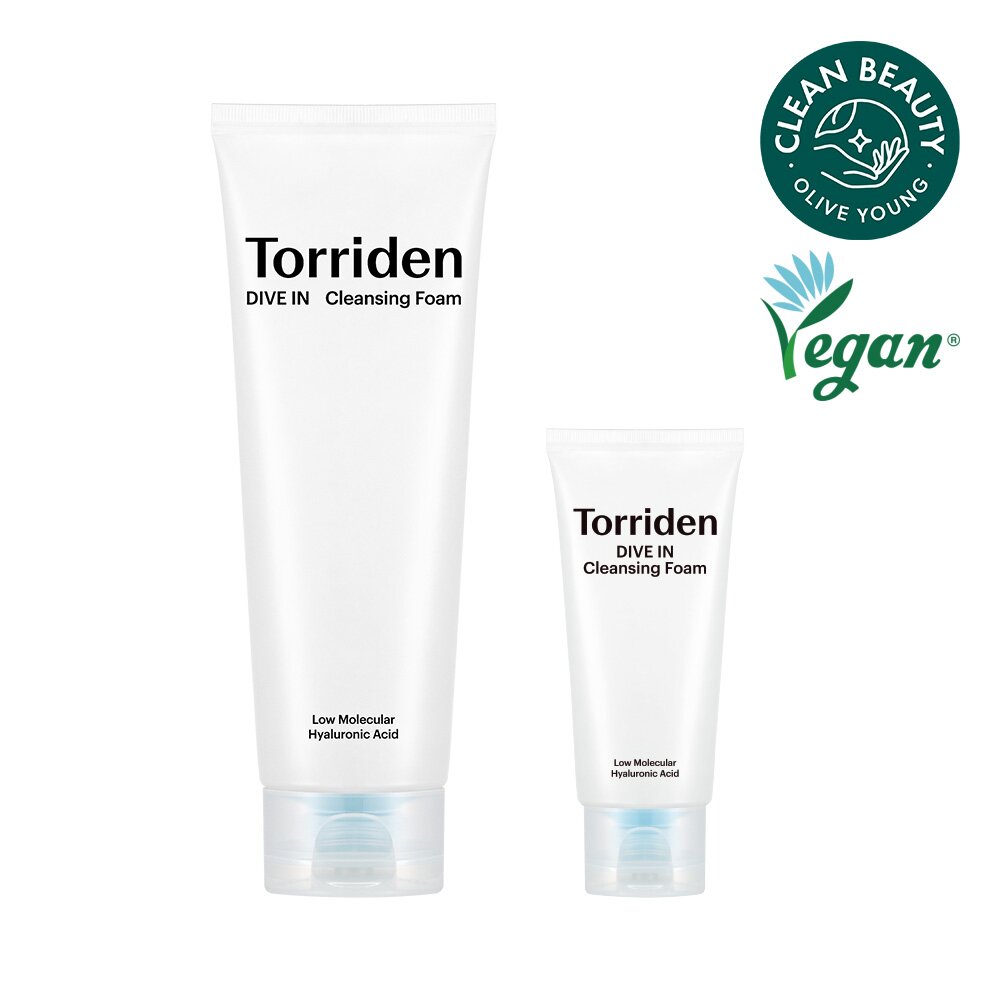
Dive-In Low Molecule Hyaluronic Acid Cleansing Foam
Torriden

PDRN Hyaluronic Capsule 100 Serum Refill Set
Anua

PDRN Hyaluronic Acid 100 Moisturizing Cream
Anua
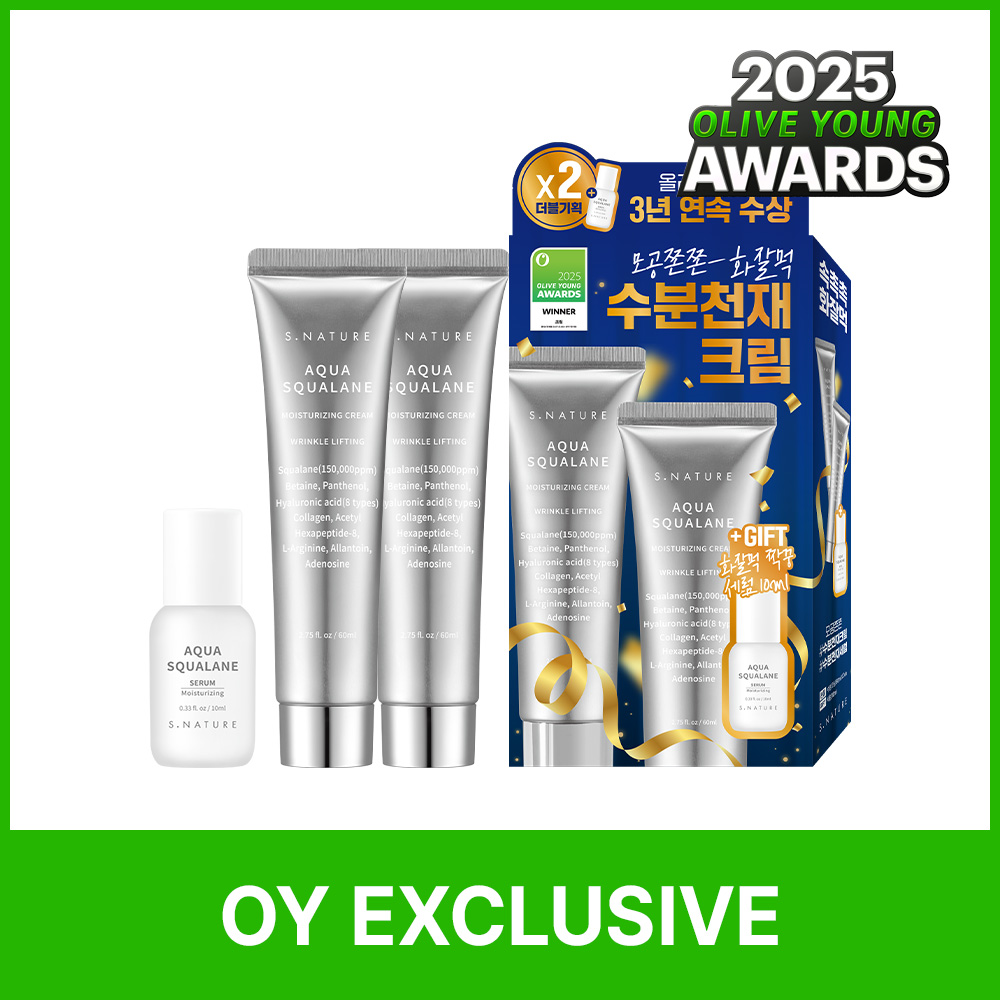
Aqua Squalane Moisturizing Cream
S.Nature
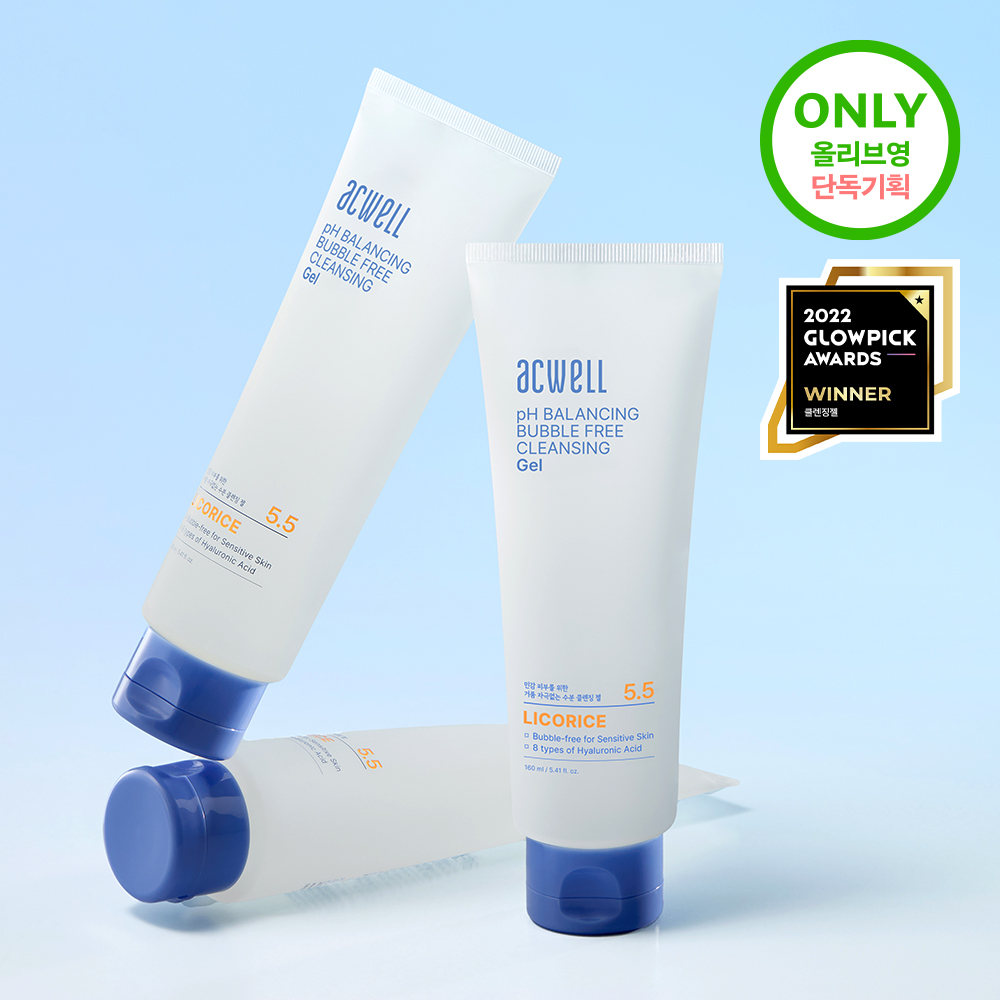
pH Balancing Bubble Free Cleansing Gel
Acwell

Niacinamide 10% + TXA 4% Dark Spot Correcting Serum
Anua
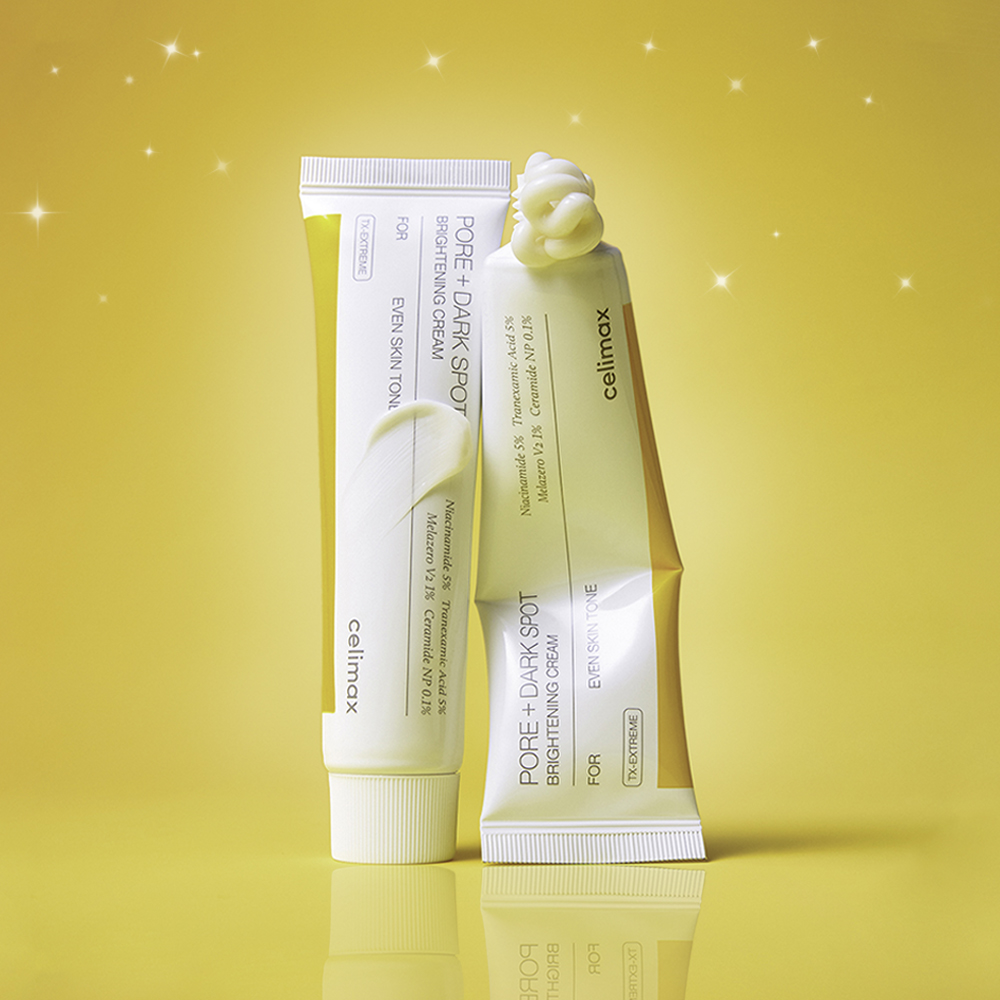
Pore + Dark Spot Brightening Cream
Celimax

147 Barrier Cream
Dr. Althea
Frequently Asked Questions
Can hyaluronic acid actually dehydrate your skin?▼
What's the difference between hyaluronic acid and sodium hyaluronate?▼
How long does it take to see results from hyaluronic acid?▼
Can I use hyaluronic acid with retinol or vitamin C?▼
Is hyaluronic acid safe during pregnancy?▼
Articles About Hyaluronic Acid
Best Korean Lip Balm for Dry, Chapped or Sensitive Lips: 8 Picks by Need
Dry, chapped or sensitive lips need the right format and the right (short) ingredient list, not hype. Here are 8 Korean lip balms, sleeping masks and essences picked by actual lip need, each with the ingredients that justify the pick.
Best Korean Face Mask for Your Skin Type: 8 Picks by Concern
Eight Korean masks matched to real skin concerns, each justified by what's actually on the ingredient list, not the front of the box. Dry, sensitive, oily, and dull-looking skin each get two picks, with the fragrance figure you need to know before you buy.
Best Korean Moisturizer for Your Skin Type: 8 Picks for Dry, Oily, Combo and Sensitive Skin
Eight Korean moisturizers sorted by what your skin actually is, not by hype. Gel creams for oily and combo, richer picks for dry, and fragrance-free options for sensitive and barrier-stressed skin, each justified by its real ingredient list.
Explore More
Want personalized ingredient advice?
Yuri, our AI beauty advisor, can tell you how Hyaluronic Acid works with your specific skin type, routine, and concerns.
Ask Yuri, free