Niacinamide (Vitamin B3)
INCI: Niacinamide
Korean: 나이아신아마이드
brightening, pore-minimizing, barrier-support
Vitamin B3 derivative that reduces hyperpigmentation, minimizes pore appearance, regulates sebum production, and strengthens the skin barrier. One of the most well-researched and well-tolerated actives in K-beauty.
About Niacinamide (Vitamin B3)
Niacinamide, also known as nicotinamide or vitamin B3, is a water-soluble vitamin that has become one of the most beloved and extensively researched ingredients in K-beauty. With a presence in over 2,123 Korean skincare products, it's earned its reputation as a multitasking powerhouse that addresses nearly every major skin concern without irritation. Unlike some actives that target a single issue, niacinamide works on multiple fronts simultaneously. It brightens dark spots and hyperpigmentation, visibly minimizes the appearance of enlarged pores, regulates excess sebum production, and strengthens the skin's protective barrier. This versatility makes it a staple in Korean skincare routines, where layering multiple products is the norm and gentle effectiveness is prized above all. What sets niacinamide apart in the K-beauty landscape is its remarkable tolerance across all skin types. With a perfect 5/5 safety rating and 0/5 comedogenic rating, it's gentle enough for sensitive skin yet powerful enough to tackle stubborn concerns like acne and uneven tone. Korean formulators have mastered the art of incorporating niacinamide at optimal concentrations (typically 2-5%) alongside complementary ingredients, creating products that deliver visible results without the redness, peeling, or sensitivity associated with harsher actives. Whether you're dealing with post-acne marks, dullness, or compromised moisture barriers, niacinamide is one of the few ingredients that genuinely lives up to its hype.
How Niacinamide (Vitamin B3) Works
At the cellular level, niacinamide functions as a precursor to NAD (nicotinamide adenine dinucleotide) and NADP, two coenzymes essential for over 400 enzymatic reactions in skin cells. These reactions govern everything from energy production to DNA repair, making niacinamide fundamental to healthy skin function. For brightening, niacinamide interrupts melanosome transfer, the process where pigment-producing melanocytes transfer melanin to surrounding skin cells. By blocking this transfer, it prevents dark spots from forming and helps fade existing hyperpigmentation without affecting your natural skin tone. Its pore-minimizing effect comes from regulating sebum production at the source (reducing overactive oil glands) and improving skin texture, which makes pores appear smaller. Niacinamide also increases ceramide production in the stratum corneum, the outermost layer of skin. Ceramides are lipids that act like mortar between skin cells, so boosting them strengthens the barrier, reduces water loss, and protects against environmental irritants. Additionally, it has anti-inflammatory properties that calm redness and help with acne by reducing the inflammatory response around breakouts. This multi-pathway action explains why Seoul Sister users report 100% effectiveness for dry, sensitive skin and 82% effectiveness for oily, acne-prone skin.
Niacinamide (Vitamin B3) by Skin Type
Oily Skin
Niacinamide is particularly effective for oily skin, with Seoul Sister data showing 82% effectiveness for acne concerns and 78% effectiveness for pore appearance. It regulates sebum production by controlling the signaling pathways that trigger oil glands, helping to mattify skin without stripping it or triggering rebound oil production. The pore-refining effect comes from both reducing sebum buildup and improving overall skin texture, making enlarged pores less noticeable over time.
Dry Skin
For dry skin, niacinamide shows an impressive 100% effectiveness rating in addressing sensitivity and 75% effectiveness for dullness according to Seoul Sister users. It works by strengthening the lipid barrier and increasing natural ceramide production, which helps skin retain moisture more effectively. This barrier support is particularly valuable in Korean skincare routines, where dry skin types layer multiple hydrating products and need their barrier functioning optimally to lock in all that moisture.
Combo Skin
Combination skin benefits from niacinamide's ability to balance and regulate, with 80% effectiveness for hyperpigmentation concerns. It addresses the oily T-zone by controlling sebum in those areas while simultaneously supporting the barrier in drier cheek zones. This dual action makes it ideal for combination skin that needs both oil control and hydration support, a common concern among K-beauty consumers who often deal with different needs in different facial zones.
Sensitive Skin
Sensitive skin thrives with niacinamide, as evidenced by the 100% effectiveness rating for sensitivity concerns and perfect 5/5 safety rating. Its anti-inflammatory properties calm reactive skin, while its barrier-strengthening effects help protect against the environmental triggers that cause flare-ups. Unlike acids or retinoids that can aggravate sensitivity, niacinamide actually helps build resilience, making it a cornerstone ingredient in Korean skincare for compromised or reactive skin.
Normal Skin
Even normal skin benefits from niacinamide as a preventative and maintenance ingredient. It helps maintain the healthy barrier function that keeps normal skin balanced, prevents future hyperpigmentation from UV exposure or inflammation, and keeps pores refined. Many Korean skincare routines for normal skin include niacinamide as a daily staple to preserve that balanced state and protect against the environmental stressors that can gradually compromise skin health over time.
How to Use Niacinamide (Vitamin B3)
- 1Apply niacinamide in your essence or serum step, after cleansing and toning but before heavier creams. Korean routines typically layer it under hydrating products to maximize its barrier-strengthening benefits.
- 2Niacinamide plays well with most ingredients, but if you're using high-concentration vitamin C (above 15%), consider applying them at different times of day (niacinamide in the morning, vitamin C at night) to avoid any potential interaction that might reduce effectiveness.
- 3Start with 2-5% concentrations for optimal results without irritation. Korean formulations rarely exceed 5% because higher concentrations don't necessarily increase benefits and may cause flushing in some people.
- 4Be patient with brightening results. While barrier improvements happen within weeks, visible reduction in hyperpigmentation typically takes 6-8 weeks of consistent use, as you need to wait for pigmented cells to naturally cycle to the surface.
- 5Look for products that combine niacinamide with hyaluronic acid, centella asiatica, or peptides, combinations frequently used in K-beauty to address multiple concerns simultaneously while maintaining that gentle, skin-first philosophy.
Background
Niacinamide has been recognized as an essential vitamin since the 1930s, when researchers discovered that niacin deficiency caused pellagra, a disease affecting skin, digestion, and mental health. However, its journey into cosmetic use began much later, in the 1970s and 1980s, when studies revealed that topical application could improve skin appearance. Korean skincare brands were among the first to embrace niacinamide as a hero ingredient in the early 2000s, recognizing its alignment with K-beauty's core philosophy of gentle, effective, multi-benefit formulations. While Western skincare was focused on aggressive treatments like high-percentage acids and strong retinoids, Korean formulators saw niacinamide as the perfect ingredient for their approach of building healthy skin through nourishment rather than disruption. Brands like Missha, Cosrx, and Purito helped popularize dedicated niacinamide serums and essences, making the ingredient accessible and destigmatizing the use of active ingredients in everyday routines. Today, niacinamide is so fundamental to K-beauty that it appears in everything from cleansers to sleeping masks.
Addresses These Concerns
Effectiveness by Skin Type
Drawing on K-beauty clinical research and community consensus, Niacinamide (Vitamin B3) shows the highest effectiveness for oily skin targeting acne (82% positive) and combination skin targeting hyperpigmentation (80% positive). It also benefits oily skin for pores, sensitive skin for redness.
For acne · 60 reports
For hyperpigmentation · 50 reports
For pores · 55 reports
For redness · 50 reports
Known Interactions
An old theory suggested that niacinamide and vitamin C react to form niacin (nicotinic acid), which causes skin flushing. Modern research shows this reaction requires temperatures far exceeding those present on human skin and takes far longer than any skincare routine. The combination is generally considered safe and even synergistic for brightening. However, users who experience flushing should separate them as a precaution.
Recommendation: This conflict is largely debunked and most users can safely layer niacinamide and vitamin C. If you experience flushing or irritation, try applying vitamin C in the AM and niacinamide PM. Choose a stable vitamin C derivative (e.g., ascorbyl glucoside) to eliminate any theoretical concern.
K-Beauty Products with Niacinamide (Vitamin B3)
View all 2,354 →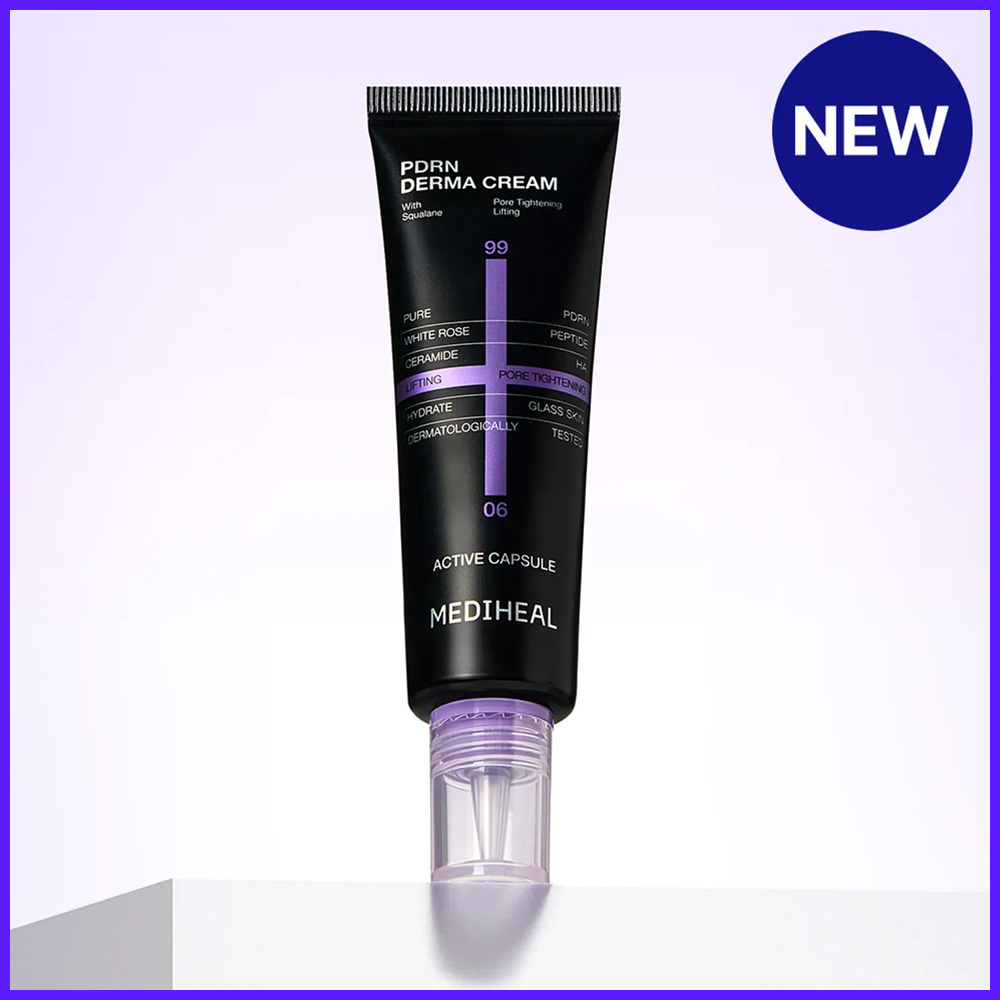
PDRN Lifting Derma Cream
Mediheal

PDRN Hyaluronic Capsule 100 Serum Refill Set
Anua

PDRN Hyaluronic Acid 100 Moisturizing Cream
Anua

345 Relief Cream
Dr. Althea

Reedle Shot 100 Essence Double Pack
VT
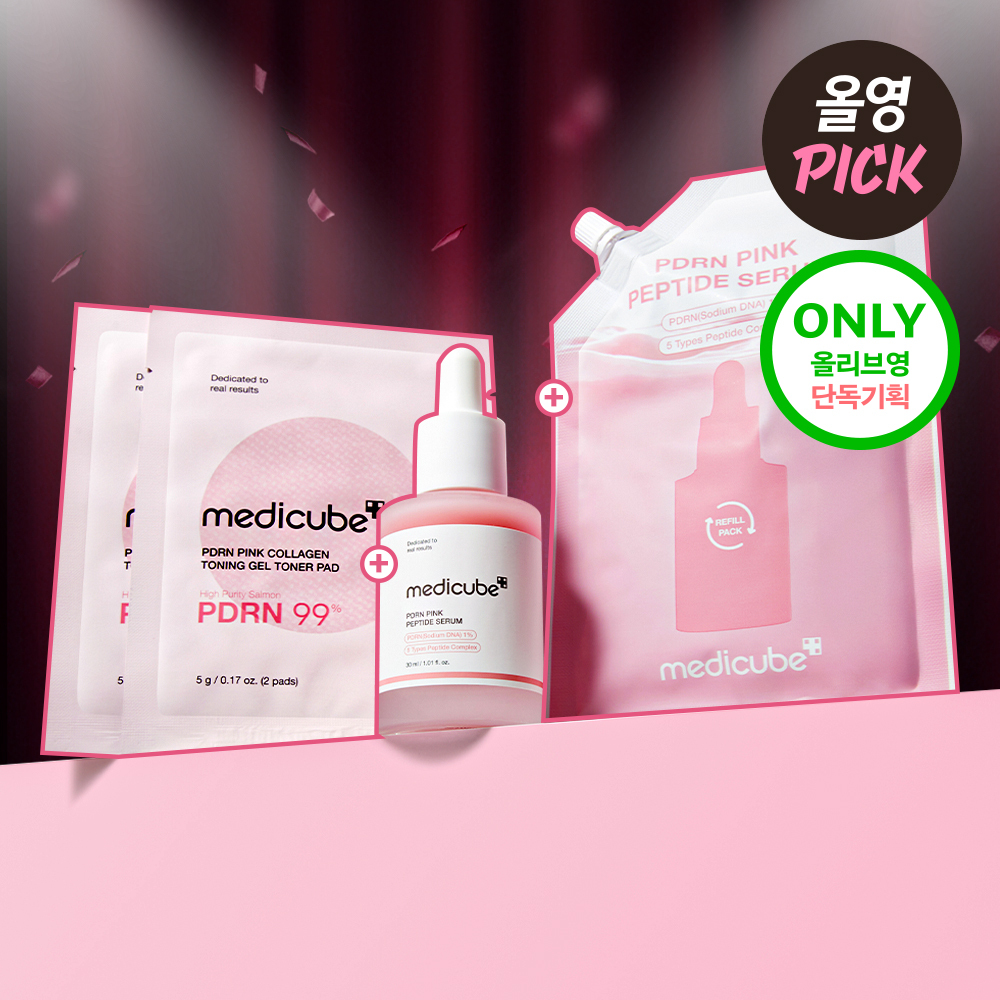
PDRN Pink Peptide Ampoule
Medicube
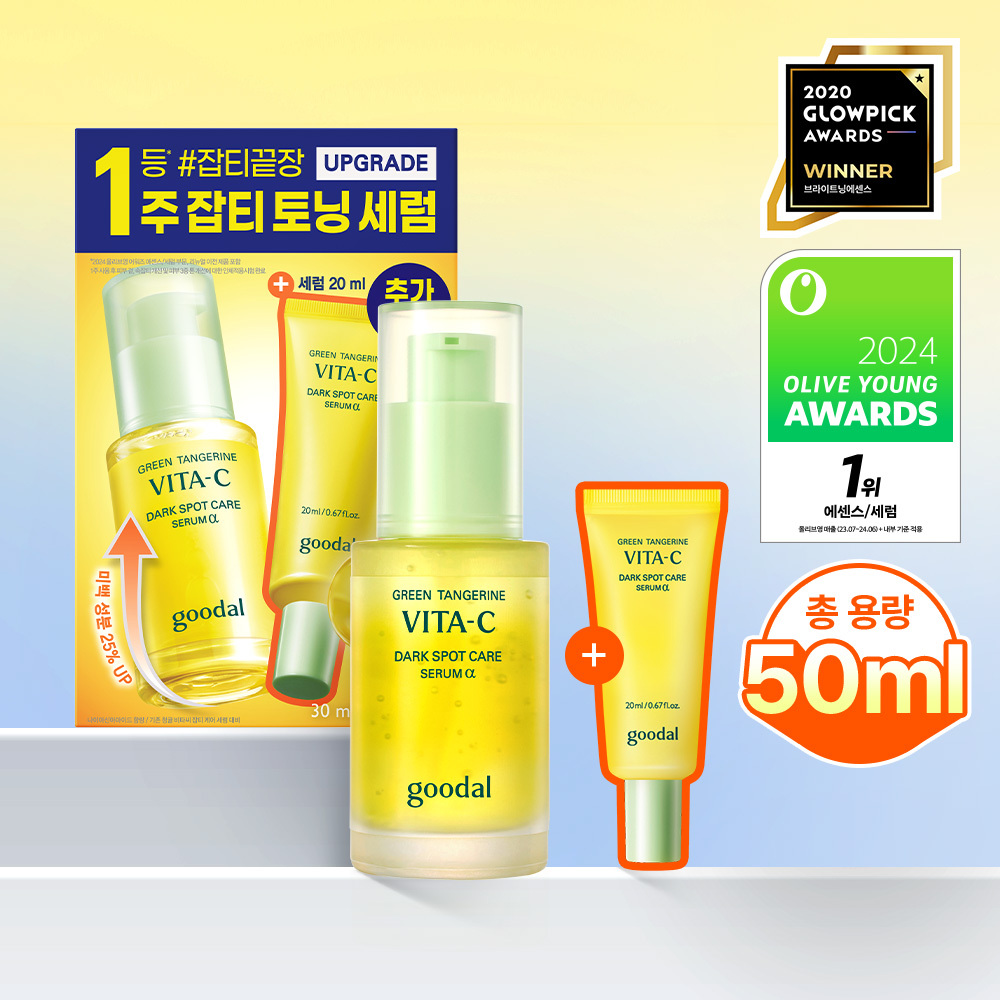
Green Tangerine Vita-C Dark Spot Care Serum α
Goodal
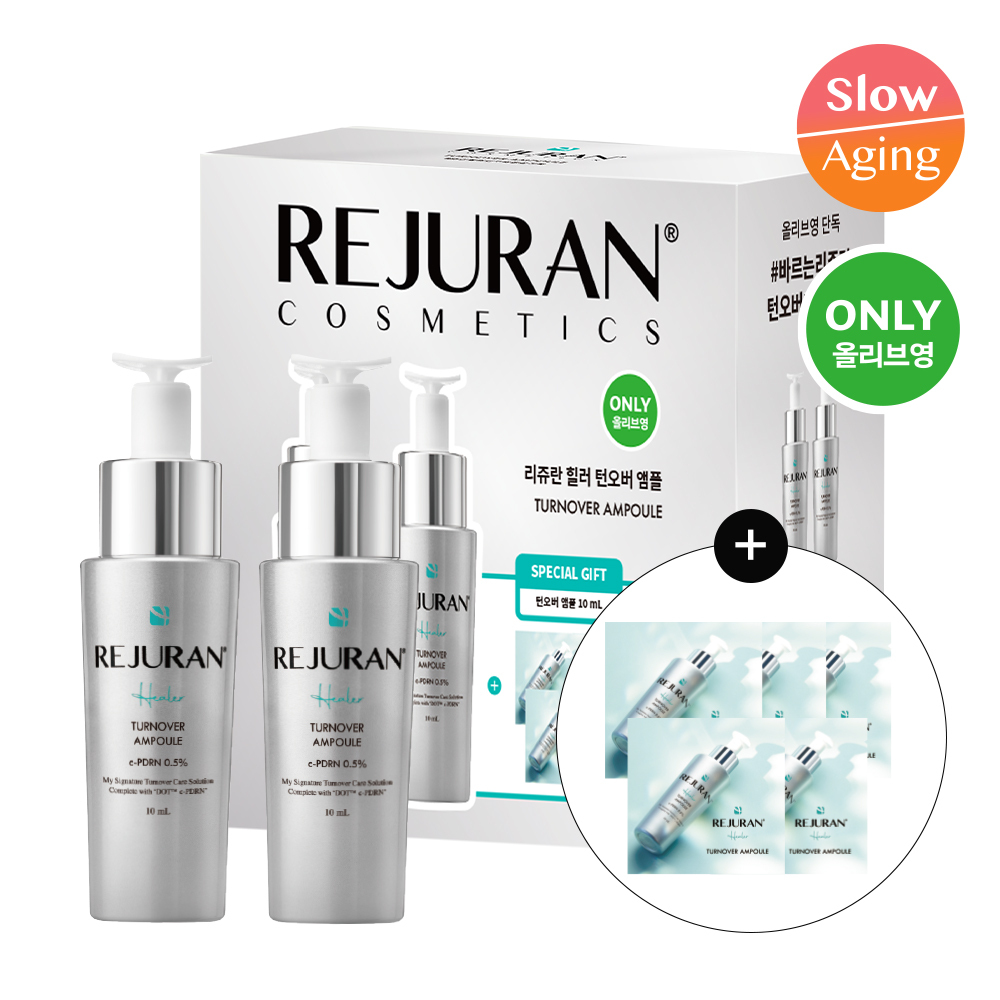
Healer Turnover Ampoule
Rejuran
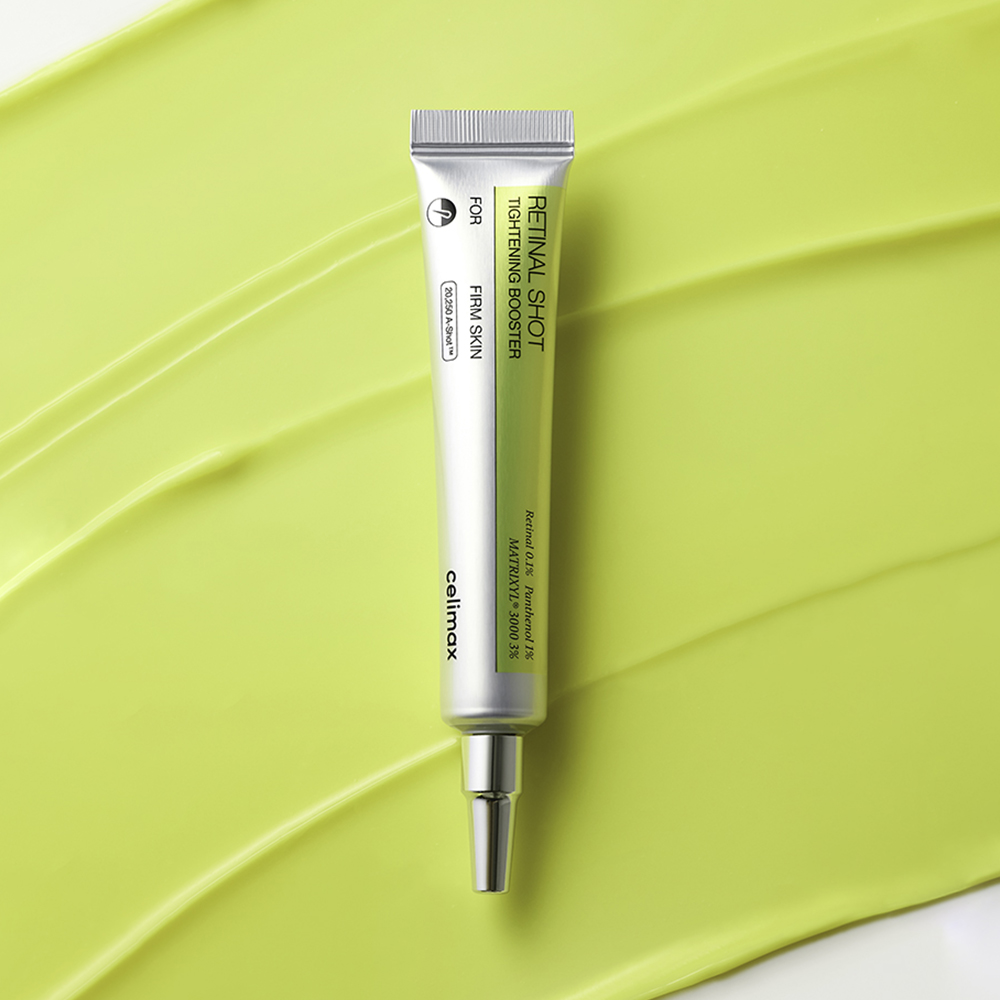
The Vita A Retinal Shot Tightening Booster
Celimax
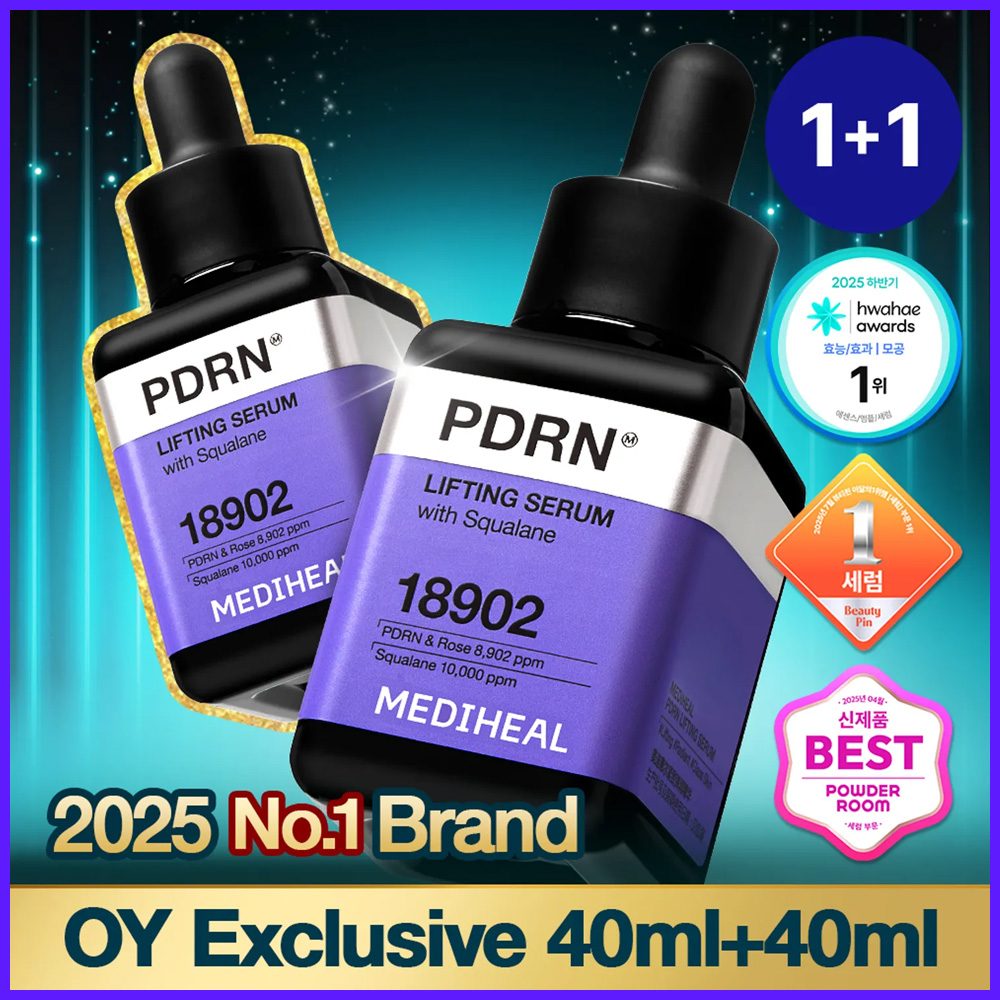
PDRN Lifting Serum
Mediheal
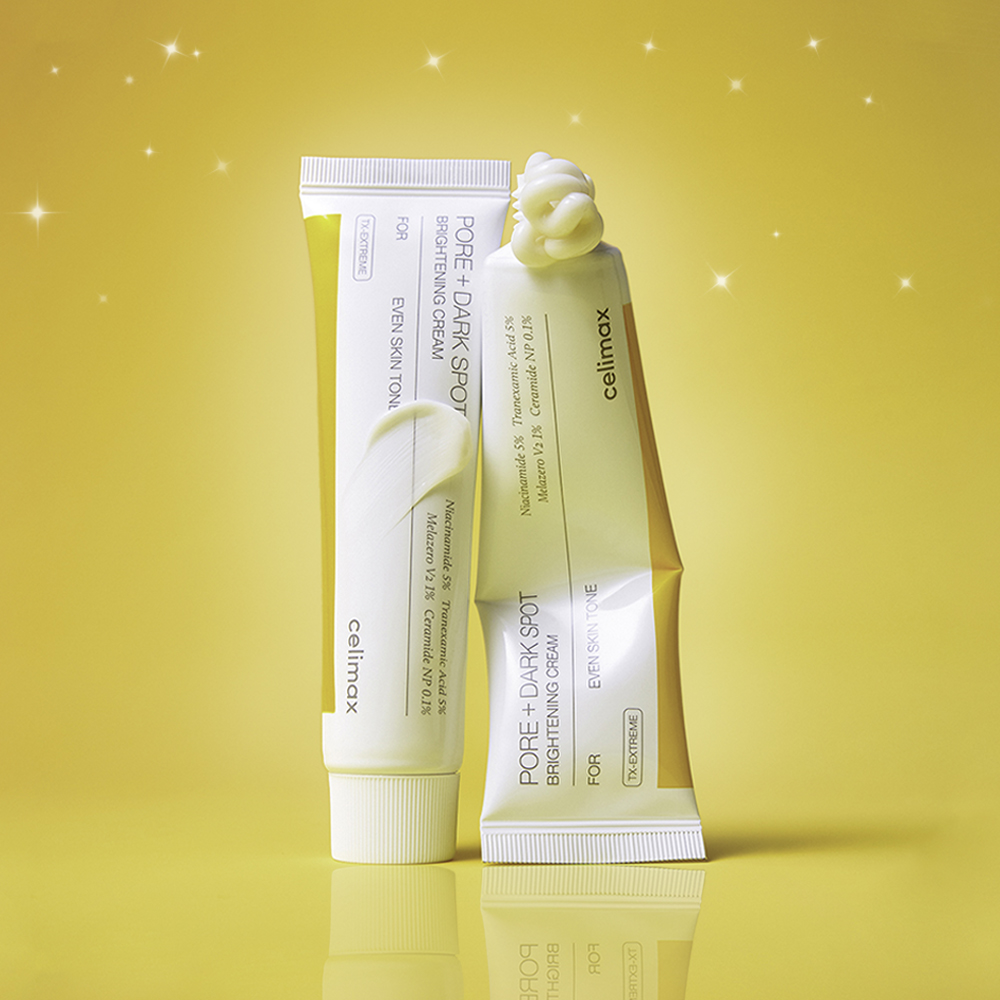
Pore + Dark Spot Brightening Cream
Celimax

Reedle Shot 300 Essence
VT
Frequently Asked Questions
Can I use niacinamide with retinol or vitamin C?▼
How long does it take to see results from niacinamide?▼
Why does my face flush when I use niacinamide?▼
Is niacinamide better than vitamin C for brightening?▼
Can I use niacinamide every day, morning and night?▼
Articles About Niacinamide (Vitamin B3)
Best Korean Lip Balm for Dry, Chapped or Sensitive Lips: 8 Picks by Need
Dry, chapped or sensitive lips need the right format and the right (short) ingredient list, not hype. Here are 8 Korean lip balms, sleeping masks and essences picked by actual lip need, each with the ingredients that justify the pick.
Best Korean Face Mask for Your Skin Type: 8 Picks by Concern
Eight Korean masks matched to real skin concerns, each justified by what's actually on the ingredient list, not the front of the box. Dry, sensitive, oily, and dull-looking skin each get two picks, with the fragrance figure you need to know before you buy.
Best Korean Moisturizer for Your Skin Type: 8 Picks for Dry, Oily, Combo and Sensitive Skin
Eight Korean moisturizers sorted by what your skin actually is, not by hype. Gel creams for oily and combo, richer picks for dry, and fragrance-free options for sensitive and barrier-stressed skin, each justified by its real ingredient list.
Explore More
Want personalized ingredient advice?
Yuri, our AI beauty advisor, can tell you how Niacinamide (Vitamin B3) works with your specific skin type, routine, and concerns.
Ask Yuri, free