Cholesterol
Emollient and skin barrier repair lipid
About Cholesterol
Cholesterol is a naturally occurring lipid that's essential for maintaining healthy skin barrier function. While it often gets a bad reputation in health contexts, topical cholesterol is actually one of the most important components of your skin's lipid barrier, working alongside ceramides and fatty acids to keep your skin hydrated, protected, and resilient. In K-beauty formulations, cholesterol is prized for its ability to repair compromised skin barriers, reduce transepidermal water loss, and restore the skin's natural protective function. It's particularly prominent in dermatologically-focused Korean brands that emphasize barrier repair, like Aestura's Atobarrier line, which features cholesterol as a key active ingredient. Unlike some emollients that simply sit on the skin's surface, cholesterol integrates into the skin's existing lipid matrix, helping to fill in gaps and restore the proper ratio of barrier lipids. This makes it especially valuable for people dealing with barrier damage from over-exfoliation, harsh weather, or skin conditions like eczema. With 586 K-beauty products containing cholesterol on Seoul Sister, this ingredient has become a staple in Korean skincare, reflecting the industry's sophisticated understanding of lipid science and barrier health.
How Cholesterol Works
Cholesterol works by integrating directly into the stratum corneum, the outermost layer of your skin where it naturally exists as part of the lipid barrier. Your skin barrier is composed of a precise ratio of ceramides, cholesterol, and free fatty acids (roughly 1:1:1), and when any of these components are depleted, barrier function suffers. Topical cholesterol replenishes this critical lipid, helping to reorganize the lamellar bilayer structure that prevents water loss and keeps irritants out. At a molecular level, cholesterol's unique structure allows it to increase membrane fluidity and help other lipids arrange themselves in an optimal configuration. It also modulates the crystallinity of the lipid layers, making them more flexible and resistant to environmental stress. Research shows that cholesterol deficiency in the skin barrier is associated with increased inflammation, dryness, and sensitivity. By restoring proper cholesterol levels, topical application helps normalize barrier permeability, reduce inflammation markers, and accelerate the recovery of damaged skin. This makes it fundamentally different from occlusive moisturizers, which only prevent water loss without actually repairing the underlying barrier structure.
Cholesterol by Skin Type
Oily Skin
Oily skin can absolutely benefit from cholesterol, despite common misconceptions about lipids causing greasiness. Since oily skin can still have a compromised barrier (especially if you're using harsh acne treatments or exfoliants), cholesterol helps restore barrier integrity without adding heavy oils. The moderate comedogenic rating of 2/5 means most oily skin types can tolerate it well, though those extremely prone to clogged pores should patch test first.
Dry Skin
This is where cholesterol truly shines. Dry skin often has depleted lipid levels, and cholesterol directly addresses this deficiency by replenishing one of the barrier's key structural components. It works synergistically with ceramides and fatty acids to lock in moisture and prevent the tight, flaky feeling that comes with barrier damage. Products like Aestura's Atobarrier line are specifically formulated for dry, barrier-compromised skin.
Combo Skin
Combination skin benefits from cholesterol's targeted barrier repair without the heaviness of some traditional moisturizers. It helps balance the skin by addressing dehydration in dry areas while supporting overall barrier health. Look for lightweight formulations like cleansing milks that deliver cholesterol without overwhelming oilier zones.
Sensitive Skin
Sensitive skin often has an impaired barrier, making cholesterol particularly beneficial for reducing reactivity and inflammation. By restoring the lipid barrier's integrity, cholesterol helps decrease sensitivity to environmental irritants and allergens. Its excellent safety rating (4/5) reflects its skin-identical nature and low irritation potential. Many dermatologist-recommended Korean lines for sensitive skin feature cholesterol as a core ingredient.
Normal Skin
Even normal skin benefits from cholesterol as a maintenance ingredient, helping to preserve barrier health and prevent future damage. It's especially useful during seasonal changes or after using active ingredients like retinoids or acids that can temporarily compromise the barrier. Using cholesterol-containing products preventatively keeps your skin resilient and balanced.
How to Use Cholesterol
- 1Layer cholesterol products after actives like retinoids or AHAs to help repair any barrier disruption and minimize irritation from these treatments.
- 2For maximum barrier repair, look for products that combine cholesterol with ceramides and fatty acids in the optimal 1:1:1 ratio, like many K-beauty barrier creams.
- 3Cleansing products with cholesterol (like Aestura's Atobarrier Cleansing Milk) are excellent for compromised skin since they clean without stripping the barrier further.
- 4Use cholesterol-rich products both morning and night during barrier recovery periods, or when your skin feels tight, sensitive, or reactive.
Background
Cholesterol's role in skin health was discovered through decades of lipid biochemistry research, which revealed that the skin barrier's lipid matrix requires a specific balance of cholesterol, ceramides, and fatty acids to function properly. While cholesterol has been used in cosmetic formulations since the mid-20th century as an emollient, Korean dermatology and cosmetic science elevated its use by focusing on the precise ratios needed for optimal barrier repair. This scientific approach led to the development of targeted barrier-repair lines like Aestura's Atobarrier series, which treats cholesterol not just as a moisturizing ingredient but as a therapeutic lipid that restores skin health at a structural level. The ingredient gained particular prominence in K-beauty during the 2010s as the industry moved toward dermatologically-focused, barrier-centric skincare. Today, cholesterol is recognized as essential for managing conditions like atopic dermatitis and is a cornerstone of Korean dermocosmetics.
K-Beauty Products with Cholesterol
View all 647 →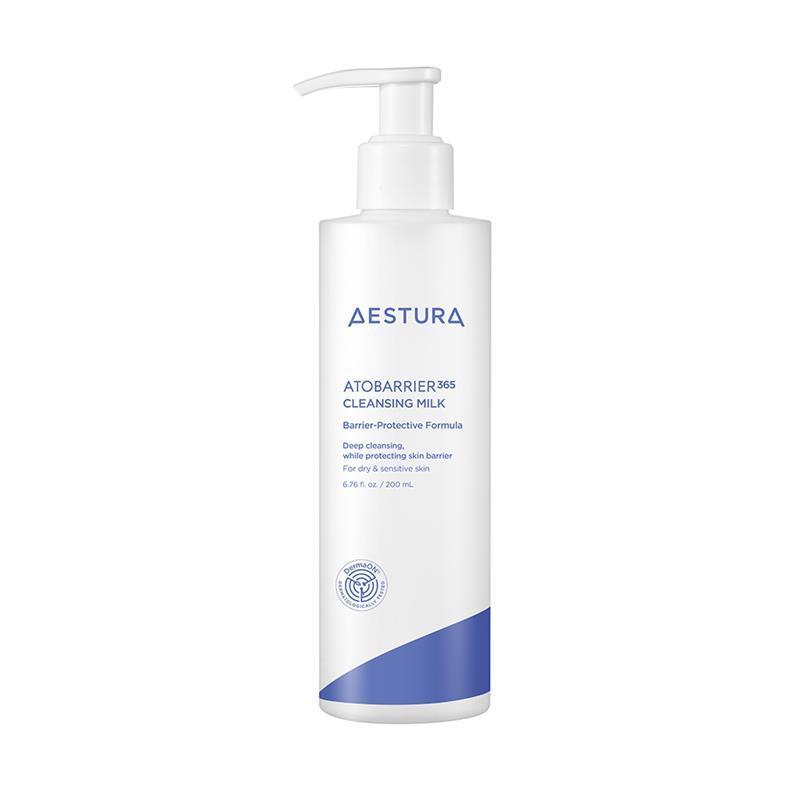
Atobarrier 365 Cleansing Milk
Aestura
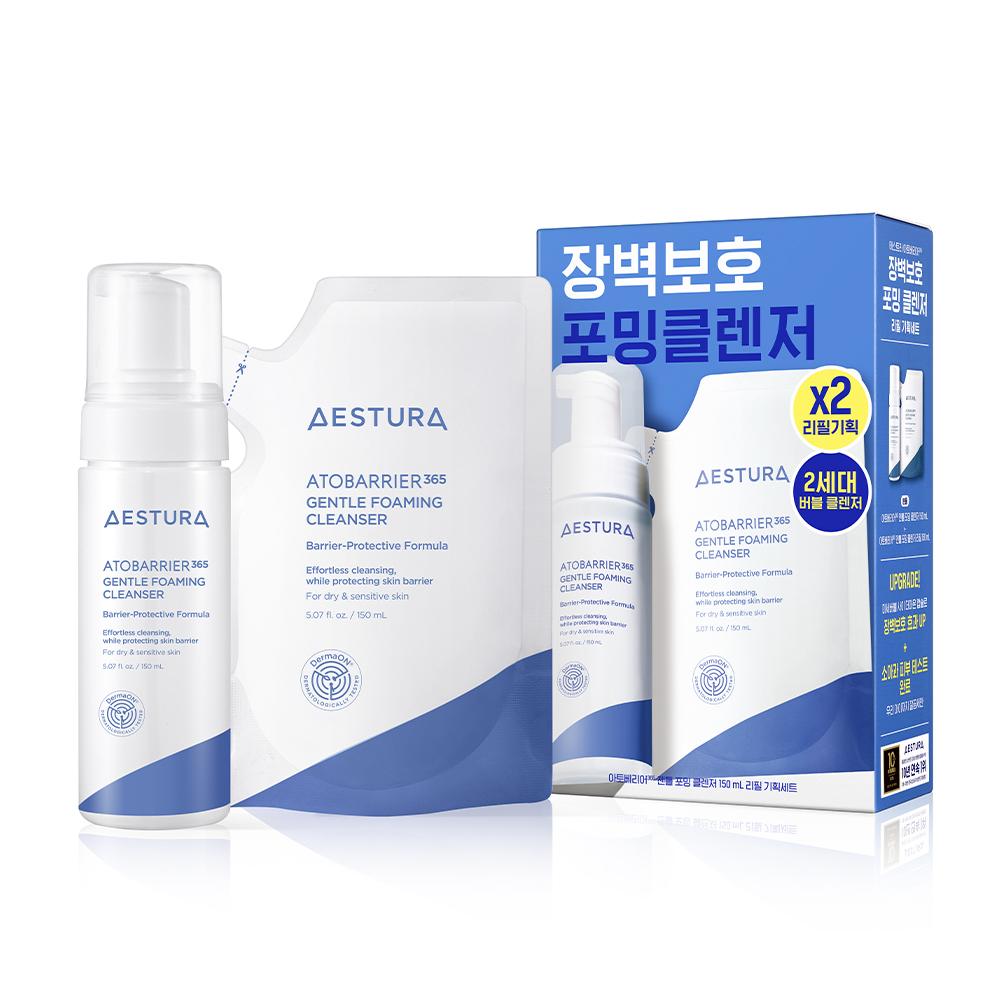
Atobarrier 365 Foaming Cleanser 150ml Refill Set
Aestura
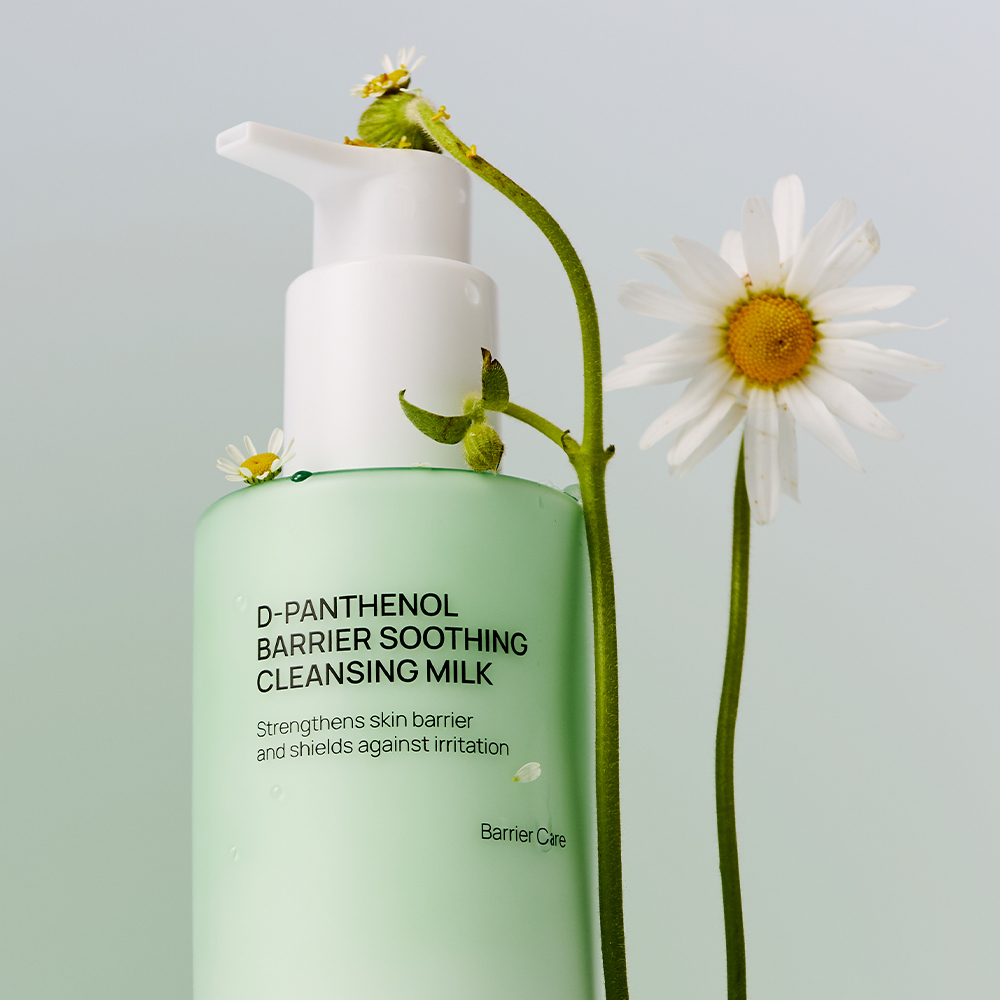
D-Panthenol Barrier Soothing Cleansing Milk
Jumiso
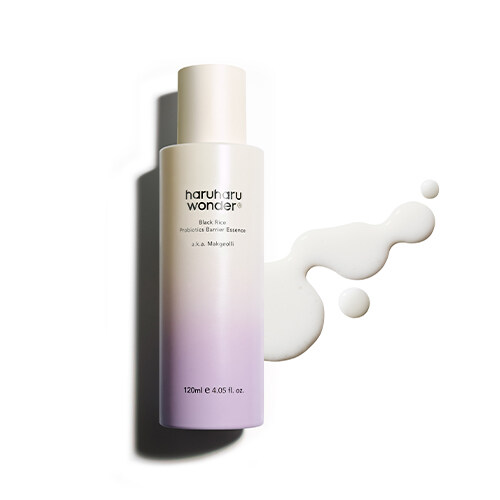
Black Rice Probiotics Barrier Essence
Haruharu Wonder
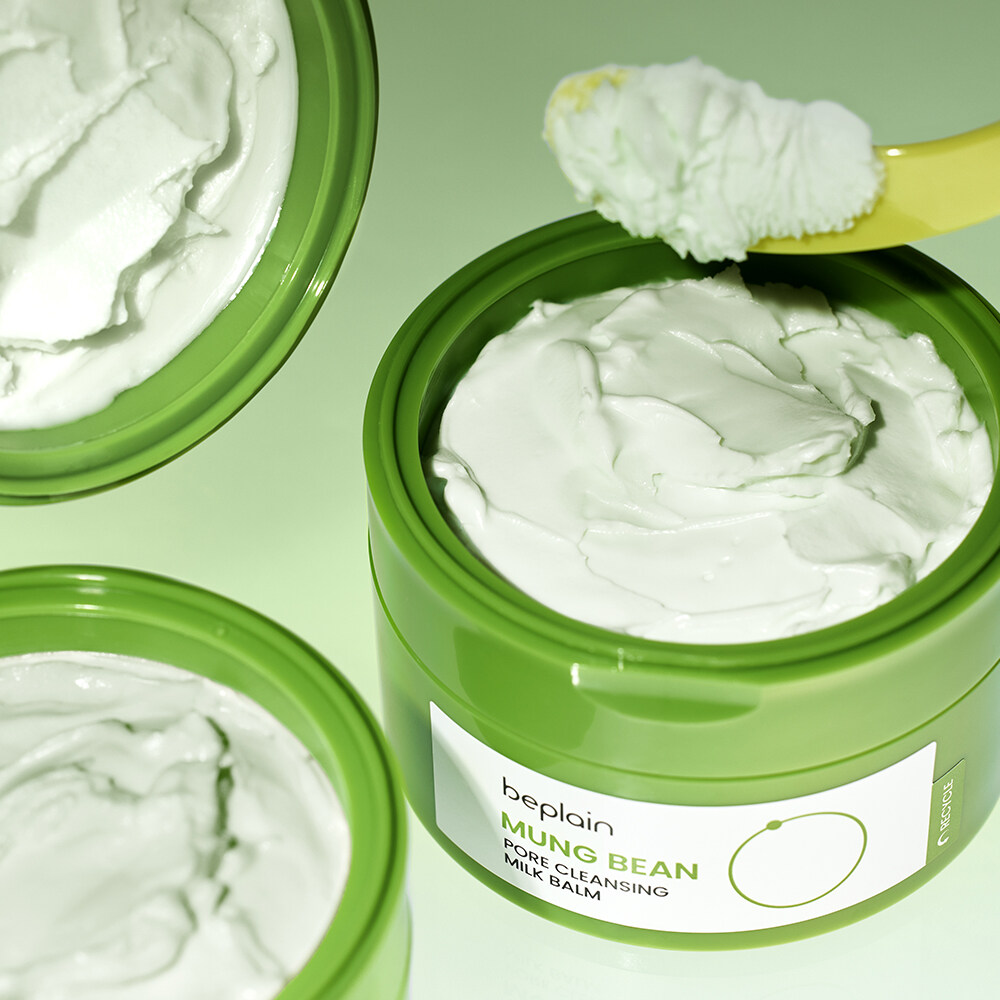
Mung Bean Pore Cleansing Milk Balm
Beplain
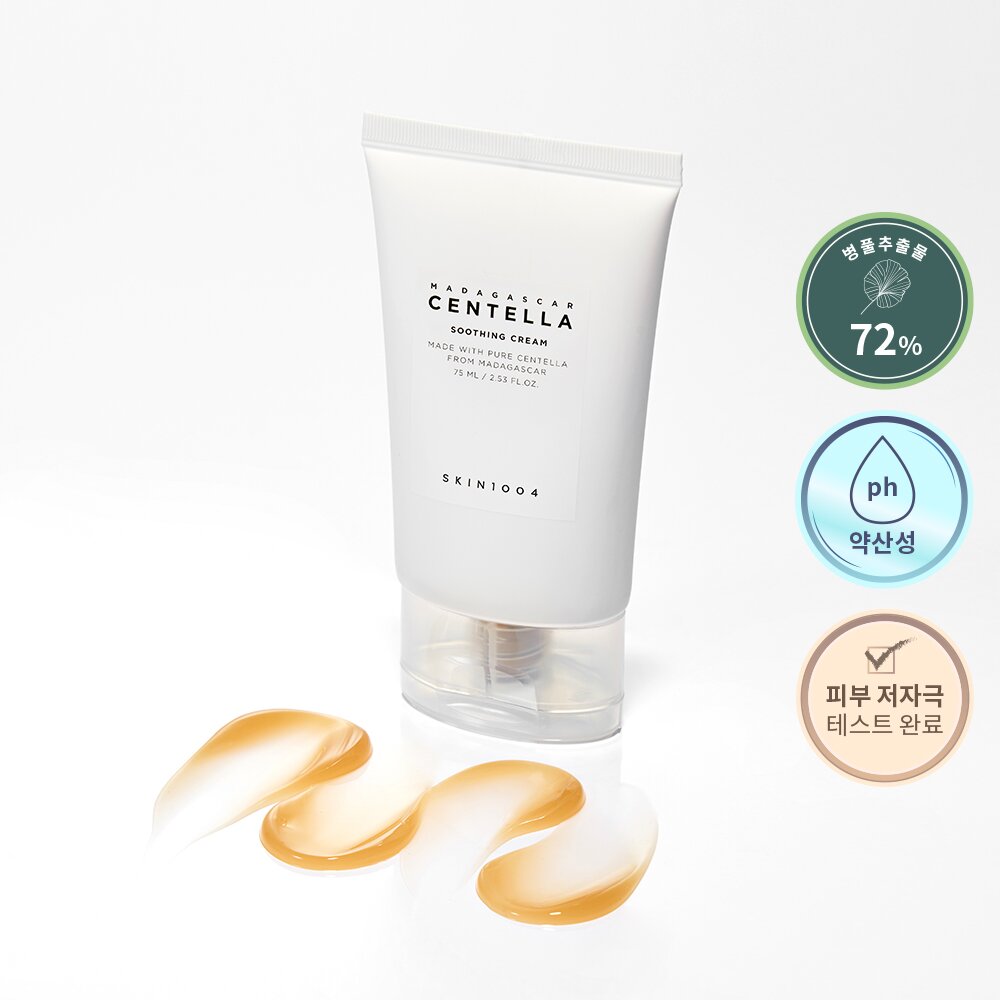
Madagascar Centella Soothing Cream
SKIN1004
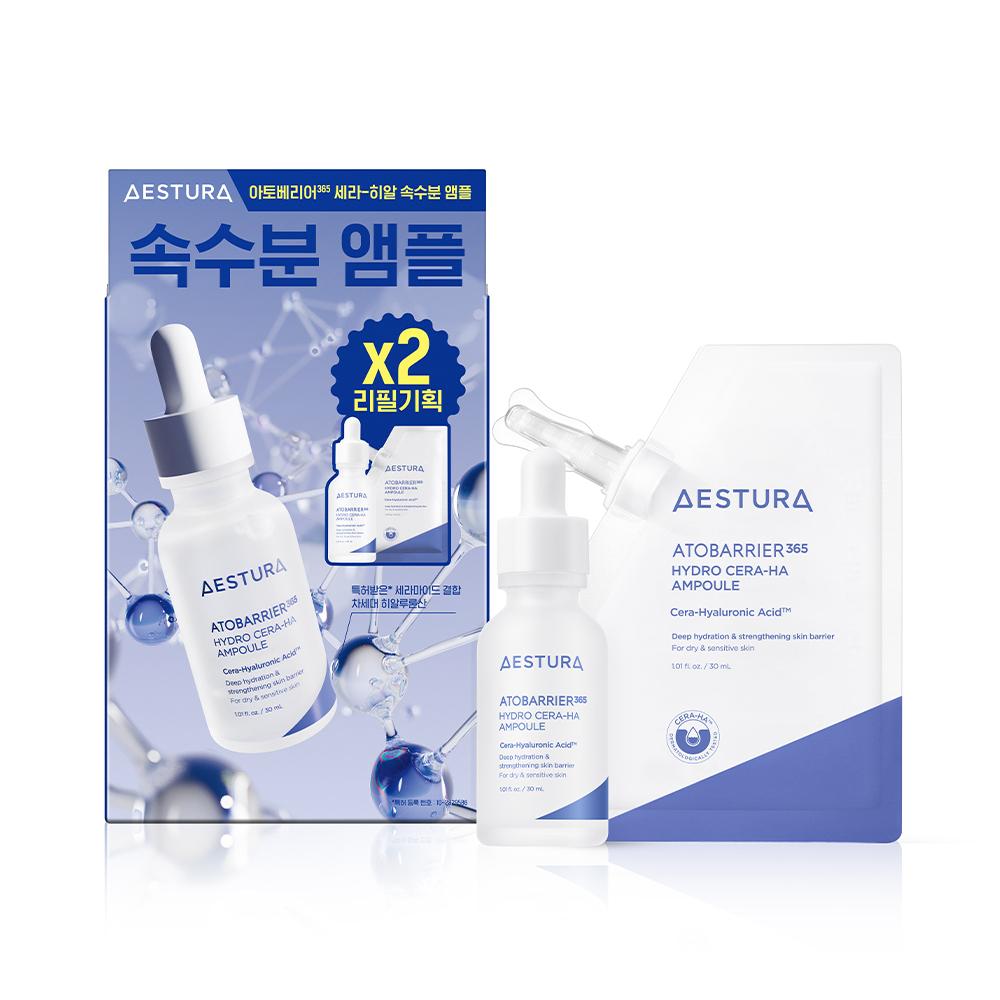
Atobarrier 365 Cera-Ha Ampoule 30ml Refill Set
Aestura
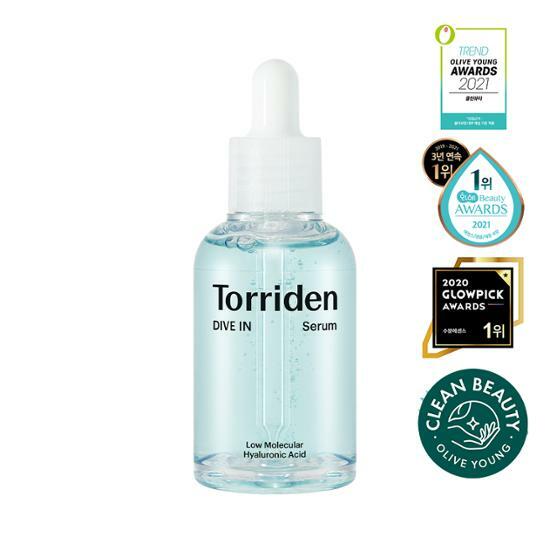
Dive-In Serum
Torriden
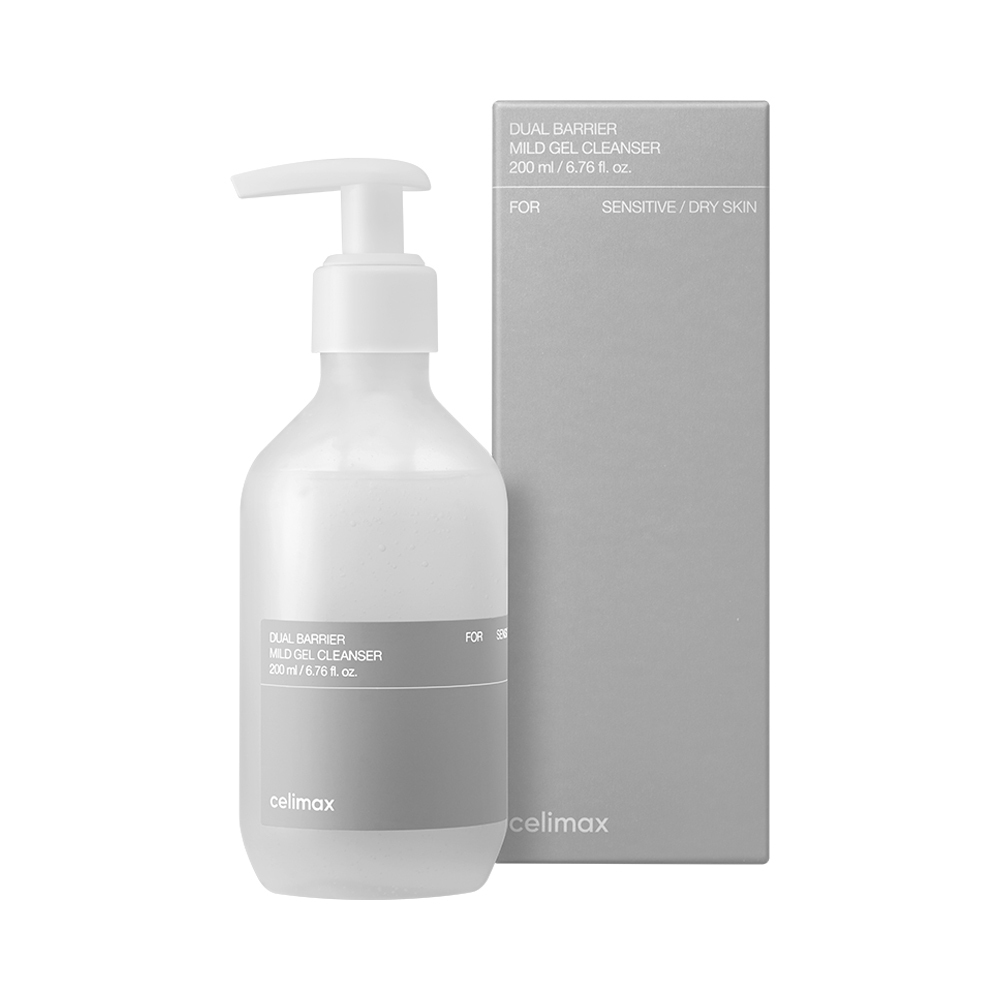
Dual Barrier Mild Gel Cleanser
Celimax

147 Barrier Cream
Dr. Althea
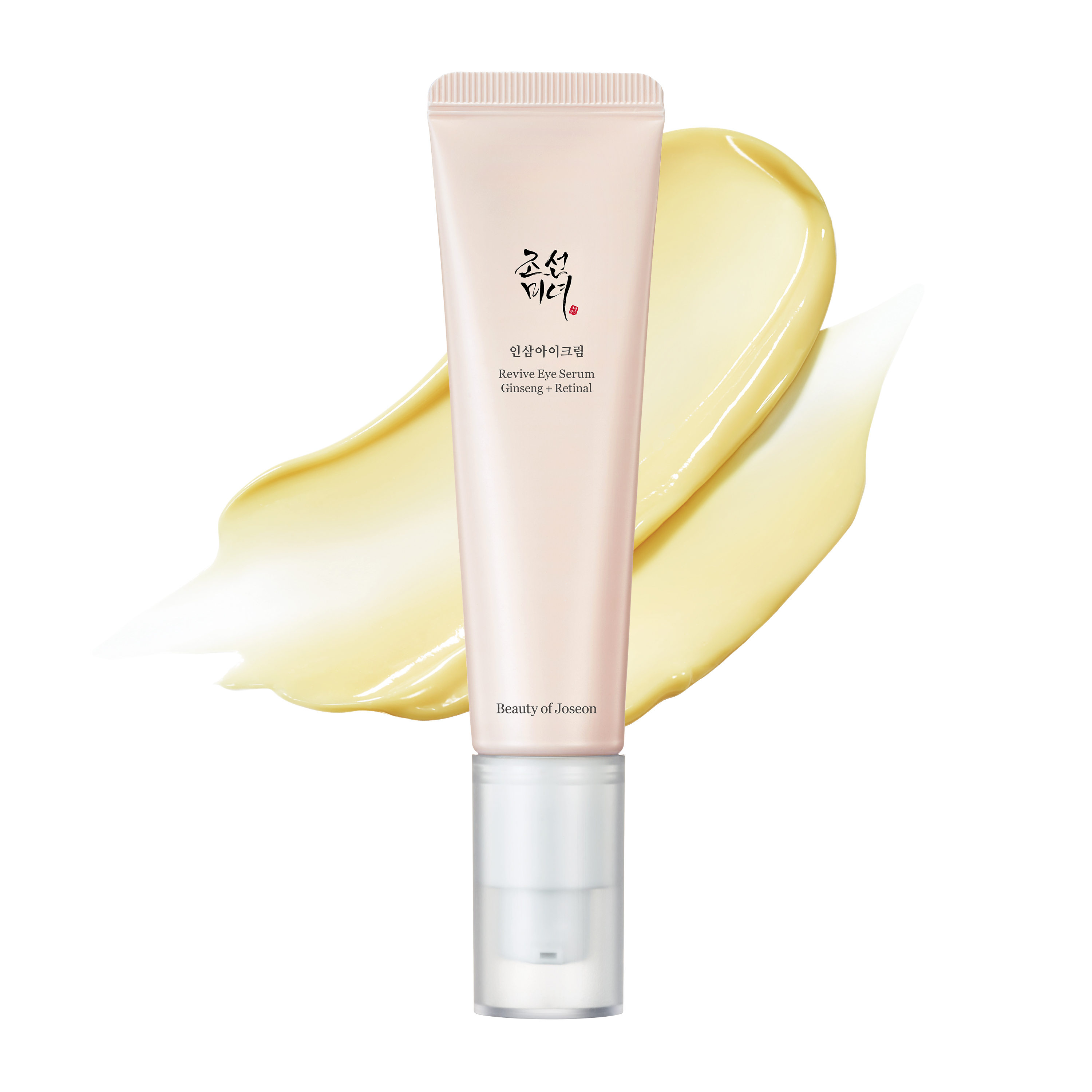
Revive Eye Serum Ginseng + Retinal
Beauty of Joseon
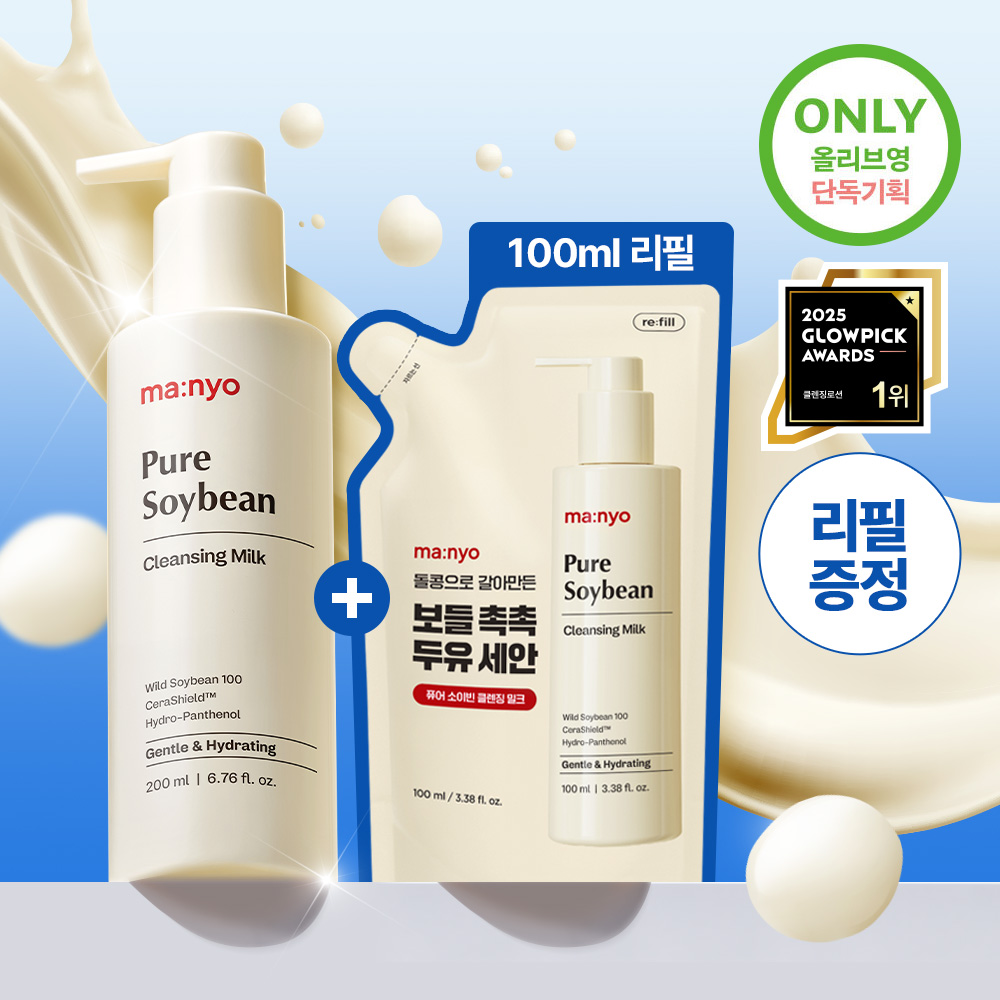
Pure Soybean Cleansing Milk Set (200ml + Refill 100ml)
ma:nyo
Frequently Asked Questions
Is topical cholesterol the same as the cholesterol that affects heart health?▼
Will cholesterol clog my pores or cause breakouts?▼
How quickly does cholesterol repair a damaged skin barrier?▼
Can I use cholesterol with active ingredients like retinol or vitamin C?▼
Articles About Cholesterol
Korean Moisturizer or Barrier Cream? How to Tell What Your Skin Actually Needs
A moisturizer is a delivery system with three jobs, and the label rarely says which one you are buying. How to tell damaged from dehydrated, read the ingredient list, and pick accordingly.
How to Tell If Your Skin Barrier Is Damaged (Real Signs)
Stinging, redness, and products that suddenly burn aren't random, they're your skin barrier waving a white flag. Here's how to actually tell if yours is compromised, and the exact ingredients that rebuild it.
Late 20s Skin Spiral? Your Barrier Is Probably Wrecked
That moment when the algorithm starts serving you retinol ads and "anti-aging at 27" content and suddenly your skin is worse than ever? Yeah, let's talk about what's really going on, because it's probably not what TikTok told you.
Explore More
Want personalized ingredient advice?
Yuri, our AI beauty advisor, can tell you how Cholesterol works with your specific skin type, routine, and concerns.
Ask Yuri, free