Glycerin
INCI: Glycerine
Humectant that attracts and retains moisture
About Glycerin
Glycerin is one of the most fundamental and widely used humectants in skincare, and for good reason. This colorless, odorless liquid has been a cornerstone of K-beauty formulations for decades because it does one thing exceptionally well: it pulls water from the air and deeper skin layers into the outer epidermis, where hydration is most visible and felt. Unlike trendy ingredients that come and go, glycerin has remained a staple because its effectiveness is backed by extensive research and real-world results. In K-beauty, you'll find it in everything from lightweight essences to rich creams, often listed high on ingredient lists in products from brands like Numbuzin and Round Lab. What makes glycerin particularly valuable is its versatility. It works across all skin types without irritation, doesn't clog pores (comedogenic rating of 0/5), and plays well with virtually every other ingredient. Korean formulations often pair glycerin with ceramides, hyaluronic acid, or niacinamide to create hydration systems that don't just add moisture temporarily but help skin hold onto it. With a perfect safety rating of 5/5 and presence in 276 K-beauty products on Seoul Sister, glycerin represents the kind of reliable, science-backed ingredient that forms the backbone of effective skincare routines.
How Glycerin Works
At a molecular level, glycerin is a small humectant molecule with three hydroxyl groups that form hydrogen bonds with water molecules. This structure allows it to bind up to 1,000 times its weight in water. When applied topically, glycerin creates a concentration gradient that draws moisture from two sources: the environment (when humidity is above 65%) and the deeper dermal layers through transepidermal water movement. It sits in the stratum corneum, the outermost layer of skin, where it improves the lipid barrier function by filling spaces between corneocytes. Research shows glycerin also activates aquaporin-3 channels, specialized water-transport proteins in skin cells, which increases the natural flow of water to the skin's surface. Beyond simple hydration, glycerin has been shown to accelerate the skin's natural repair processes by supporting the production of antimicrobial peptides and promoting the maturation of keratinocytes. This means it's not just making skin feel more hydrated temporarily, it's actually improving the barrier function and overall skin health at a cellular level.
Glycerin by Skin Type
Oily Skin
Glycerin is excellent for oily skin because it provides essential hydration without adding oil or heaviness. When oily skin is actually dehydrated (which happens often), it can overproduce sebum to compensate. Glycerin addresses this by delivering water-based moisture that helps balance oil production naturally.
Dry Skin
This is where glycerin truly shines. Dry skin lacks both water and the ability to retain it, and glycerin addresses both issues by pulling moisture in and preventing transepidermal water loss. Look for products that combine glycerin with occlusives like ceramides (common in K-beauty) to lock in the hydration glycerin provides.
Combo Skin
Glycerin is ideal for combination skin because it hydrates dry zones without making oily areas greasy. Its lightweight, water-based nature means it absorbs where needed without leaving residue. Korean essences and toners with glycerin work particularly well for balancing combination skin concerns.
Sensitive Skin
With its perfect 5/5 safety rating, glycerin is one of the gentlest hydrating ingredients available. It's non-irritating, fragrance-free in its pure form, and actually helps strengthen the skin barrier, which reduces sensitivity over time. It's often the go-to humectant in formulations designed for reactive skin.
Normal Skin
Glycerin helps normal skin maintain its healthy state by supporting optimal hydration levels year-round. It's preventative care in ingredient form, keeping the moisture barrier strong and resilient against environmental stressors that could otherwise compromise skin health.
How to Use Glycerin
- 1Layer glycerin-rich products on damp skin (like after toning) to maximize water absorption, a technique central to the K-beauty 7-skin method.
- 2In low-humidity environments (below 65%), always seal glycerin products with a moisturizer containing occlusives, otherwise glycerin may pull water from your skin instead of the air.
- 3Look for glycerin positioned in the top 5 ingredients on product lists for maximum hydration benefits, as seen in top-rated products like Numbuzin's No. 3 Super Glowing Essence Toner.
- 4Glycerin works synergistically with hyaluronic acid and ceramides, so products combining these ingredients (common in Korean formulations) provide more complete hydration than glycerin alone.
Background
Glycerin was accidentally discovered in 1779 by Swedish chemist Carl Wilhelm Scheele while heating olive oil with lead oxide. However, its use in skincare didn't become widespread until the mid-1800s when production methods improved. In traditional Korean beauty practices, natural sources of glycerin like rice water and fermented ingredients provided similar humectant benefits before pure glycerin became commercially available. The ingredient gained prominence in modern K-beauty during the 1990s when Korean cosmetic science began focusing on hydration-first approaches to skincare. Today, glycerin derived from vegetable sources (typically palm, soy, or coconut oil) has become a cornerstone of the Korean beauty philosophy that prioritizes barrier health and long-term skin resilience over quick fixes. Its presence in 276 K-beauty products on Seoul Sister reflects how fundamental it remains to Korean formulation strategies.
K-Beauty Products with Glycerin
View all 280 →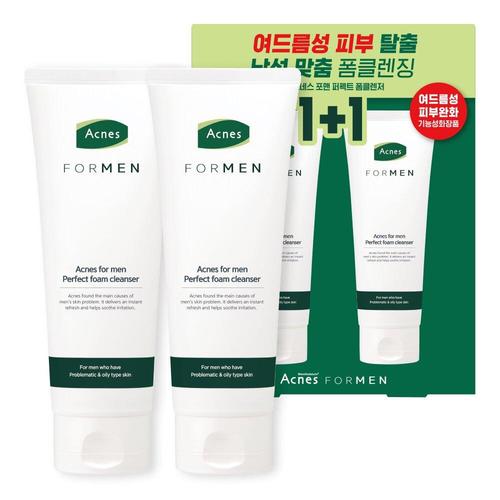
For Men Perfect Foam Cleanser
Acnes
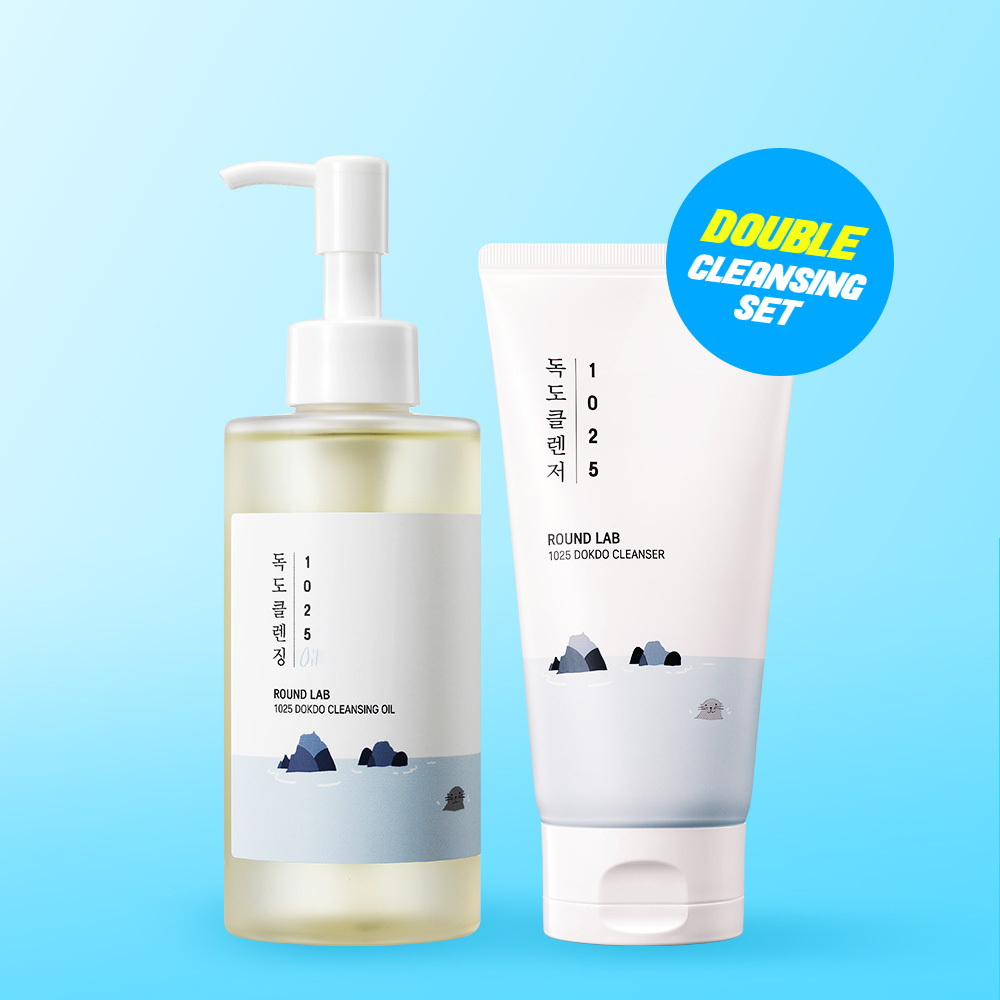
1025 Dokdo Cleansing Oil 200ml + Dokdo Cleanser 150ml Set
Round Lab
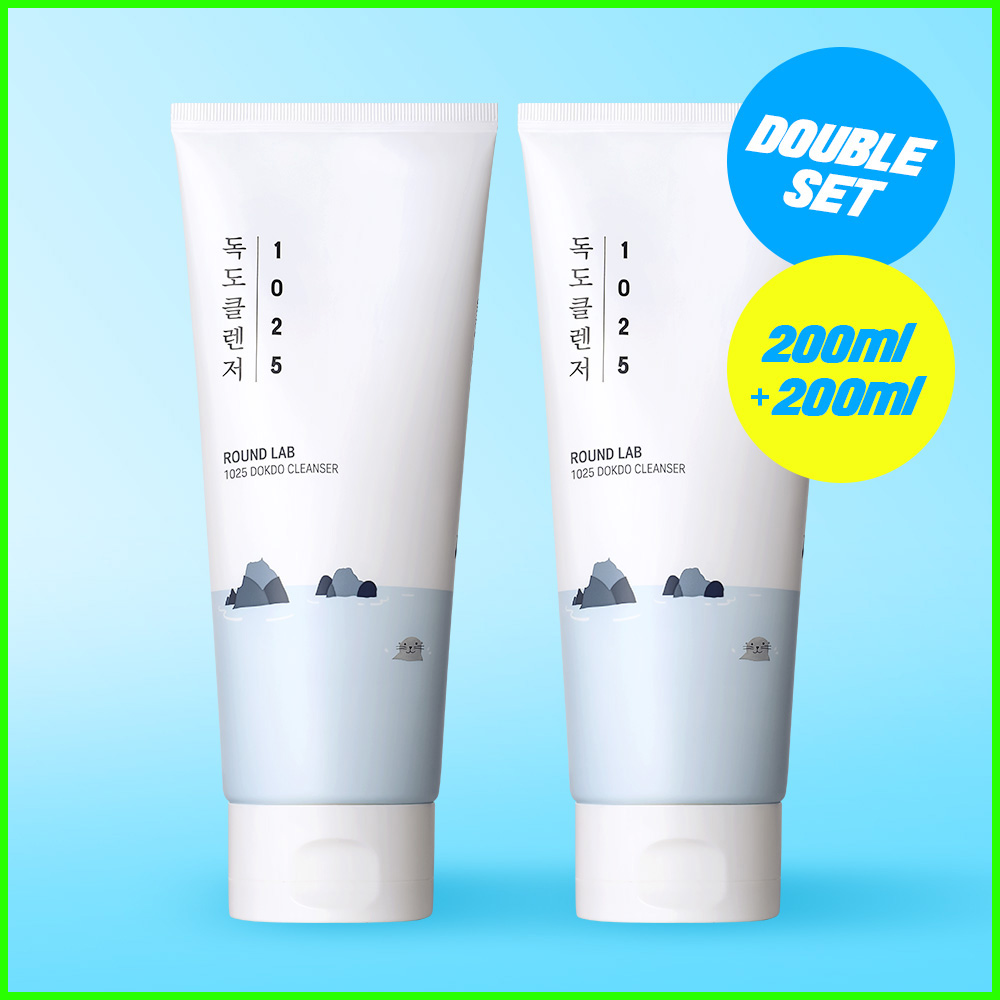
1025 Dokdo Cleanser
Round Lab
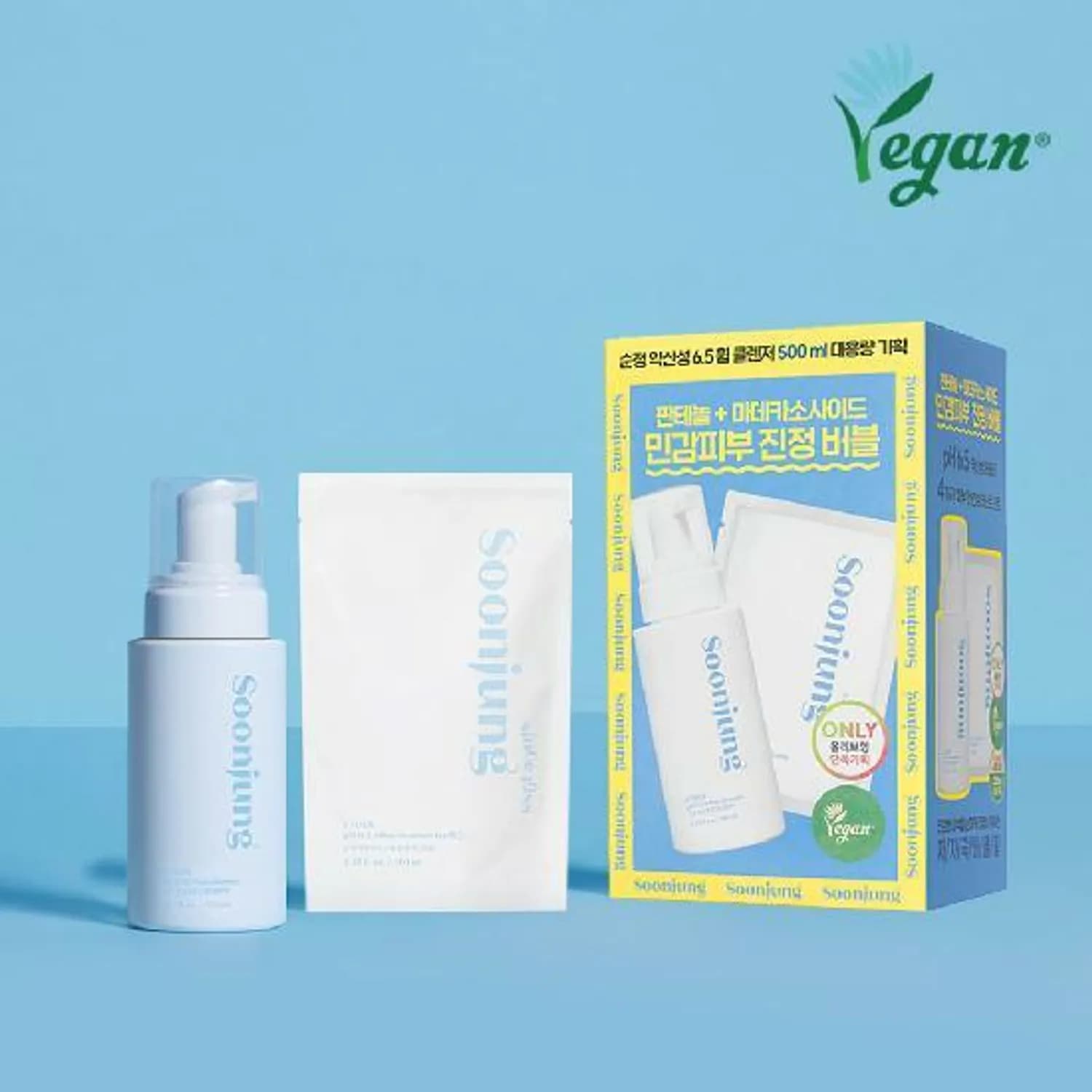
Soon Jung pH 6.5 Whip Cleanser
Etude

Zinc Teca Trouble Serum
Bringgreen
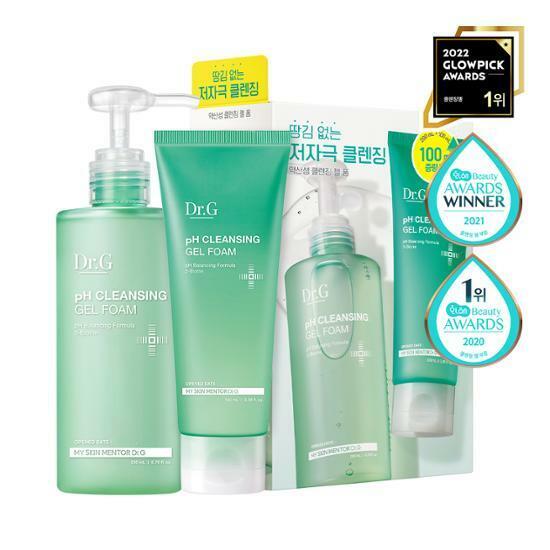
pH Cleansing Gel Foam Special Set
Dr.G
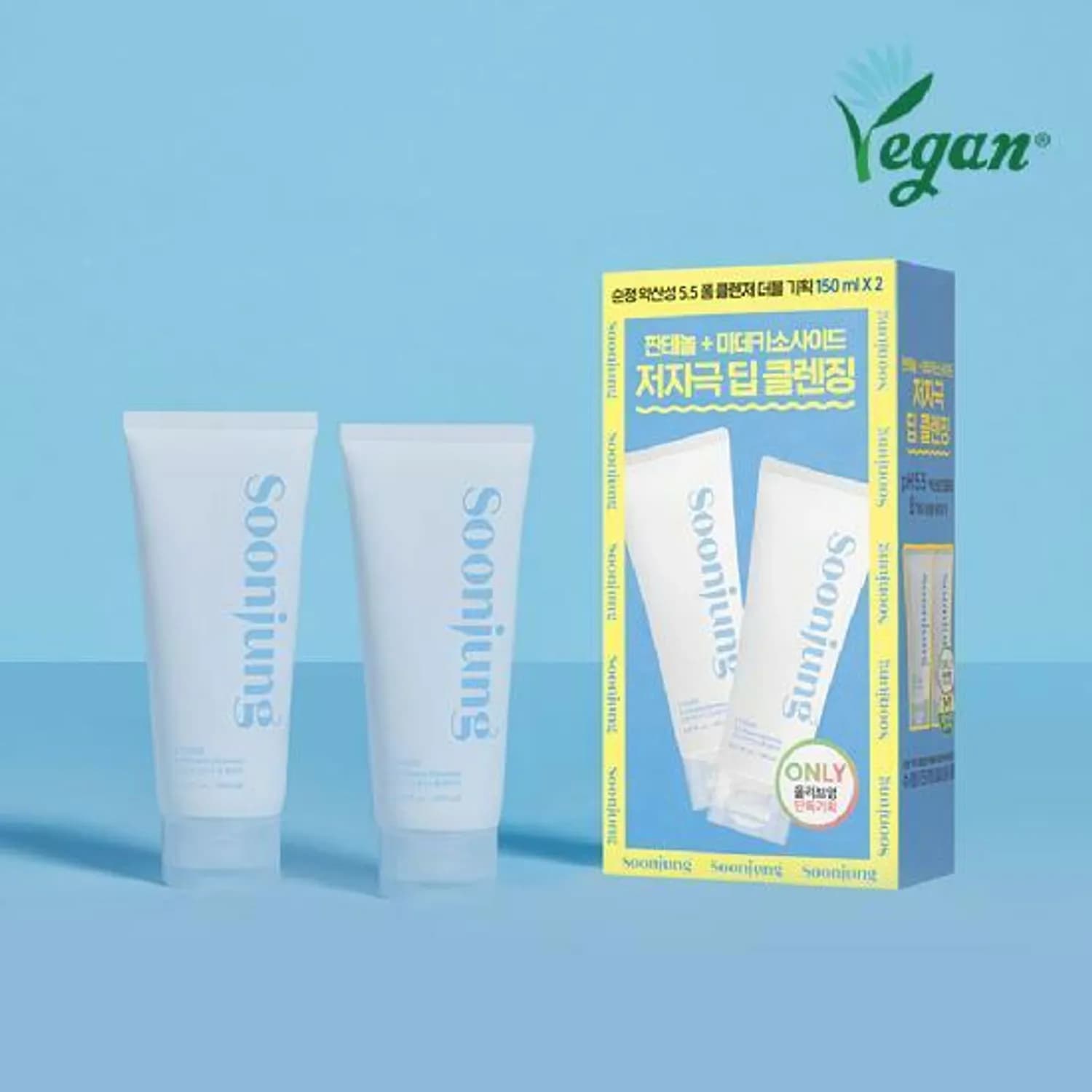
Soonjung pH 5.5 Foam Cleanser
Etude

Clean It Zero Foam Cleanser
Banila Co
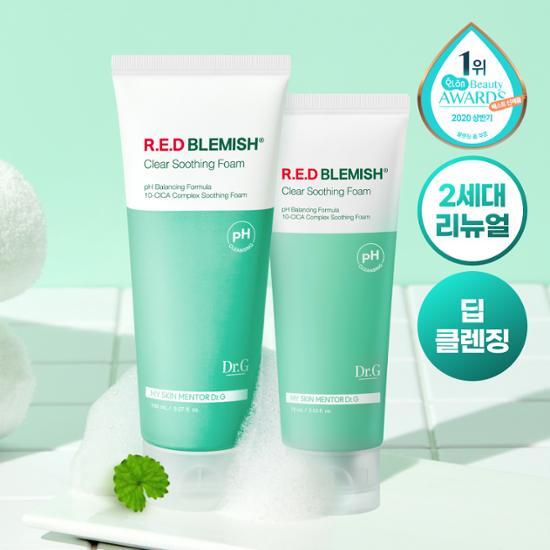
pH Cleansing Red Blemish Clear Soothing Foam Duo Set
Dr.G
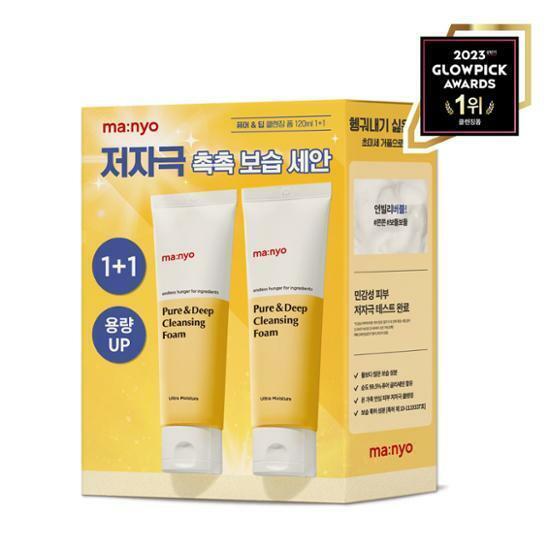
Pure & Deep Cleansing Foam
ma:nyo
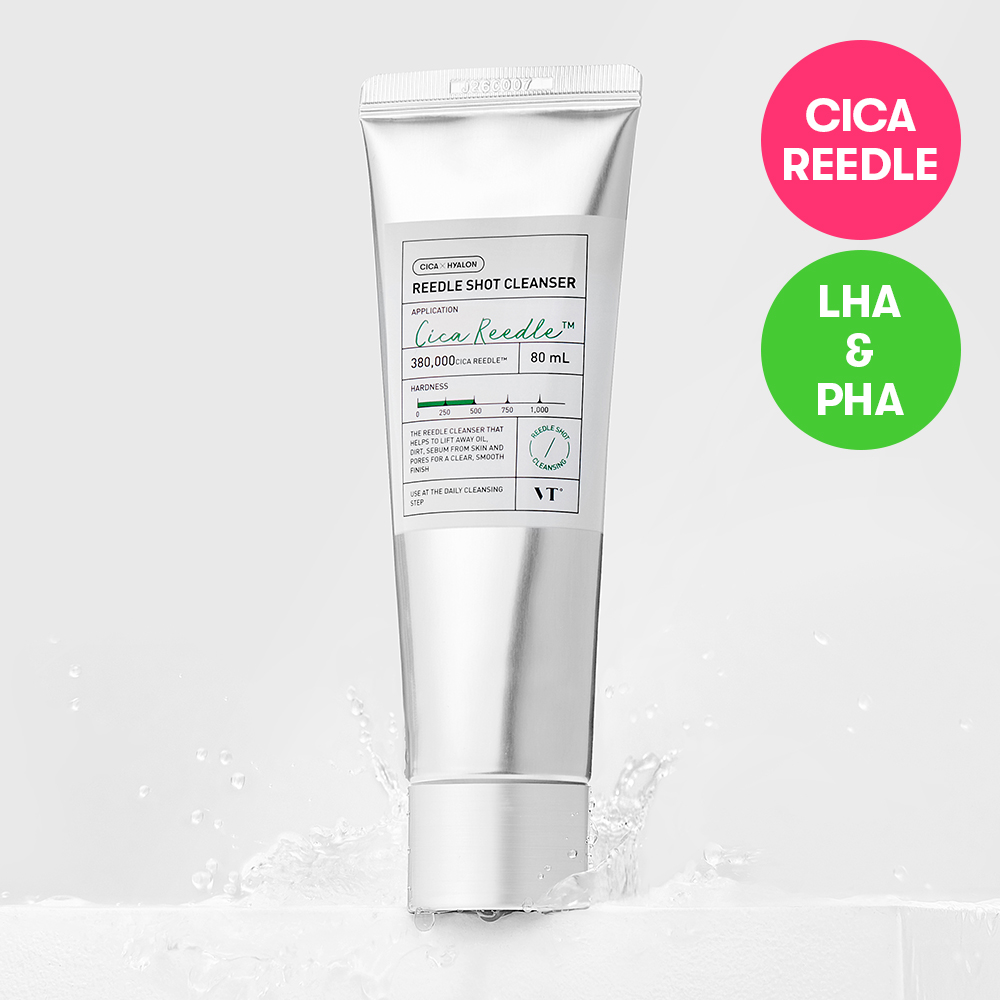
Reedle Shot Cleanser
VT
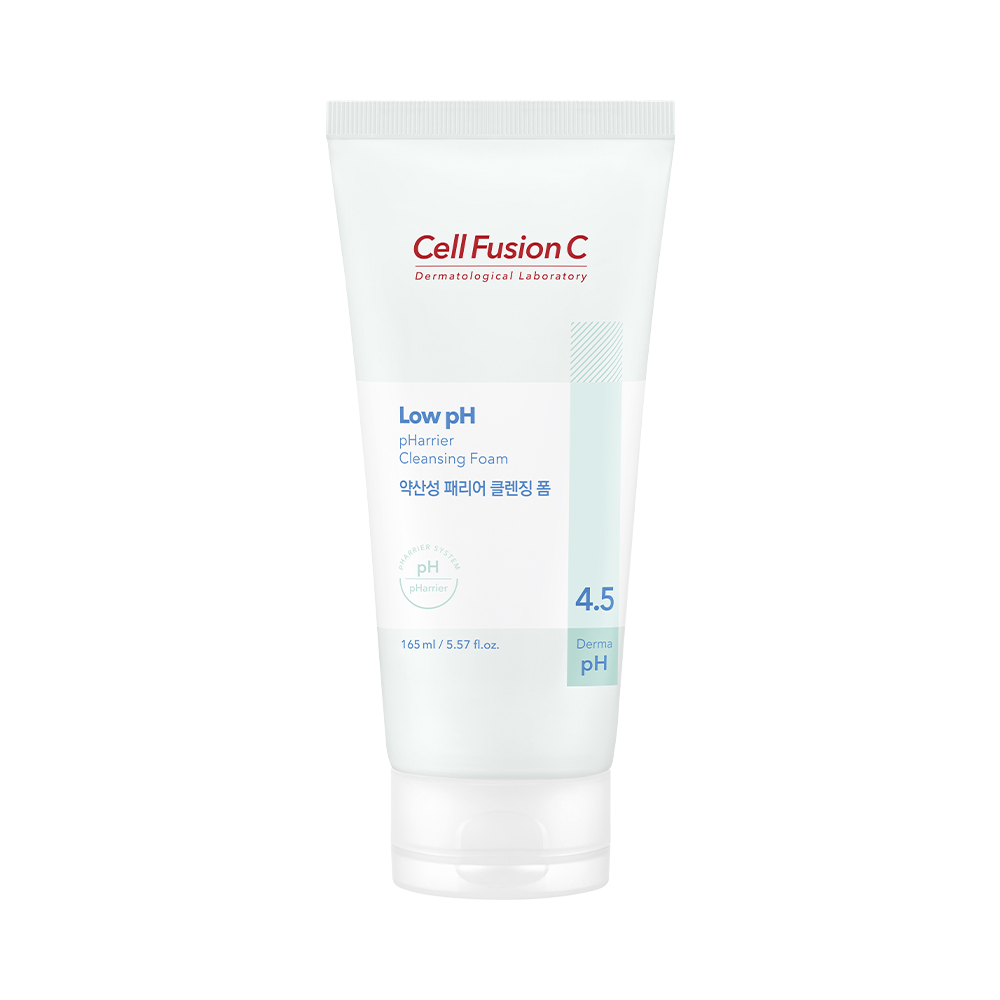
Low pH pHarrier Cleansing Foam
Cell Fusion C
Frequently Asked Questions
Does glycerin actually pull moisture from your skin in dry climates?▼
Why do so many highly-rated K-beauty products contain glycerin?▼
Can you use glycerin if you have acne-prone skin?▼
What's the difference between glycerin and hyaluronic acid?▼
Articles About Glycerin
Best Korean Face Mask for Your Skin Type: 8 Picks by Concern
Eight Korean masks matched to real skin concerns, each justified by what's actually on the ingredient list, not the front of the box. Dry, sensitive, oily, and dull-looking skin each get two picks, with the fragrance figure you need to know before you buy.
Best Korean Moisturizer for Your Skin Type: 8 Picks for Dry, Oily, Combo and Sensitive Skin
Eight Korean moisturizers sorted by what your skin actually is, not by hype. Gel creams for oily and combo, richer picks for dry, and fragrance-free options for sensitive and barrier-stressed skin, each justified by its real ingredient list.
Deep Cystic Acne: What Actually Helps (and What Doesn't)
Deep cysts aren't a "you didn't try hard enough" problem, they're a below-the-surface inflammation problem that most spot treatments can't reach. Here's what actually helps, what makes it worse, and how to build a routine that doesn't wreck your barrier while you heal.
Explore More
Want personalized ingredient advice?
Yuri, our AI beauty advisor, can tell you how Glycerin works with your specific skin type, routine, and concerns.
Ask Yuri, free