Titanium Dioxide
Physical UV filter and white pigment
About Titanium Dioxide
Titanium dioxide is a naturally occurring mineral oxide that serves dual purposes in K-beauty formulations as both a physical UV filter and a white pigment. As a sunscreen ingredient, it sits on the skin's surface and physically deflects UVA and UVB rays, rather than absorbing them like chemical filters. This makes it particularly valued in Korean skincare for its gentle, non-irritating profile and immediate protection upon application. With a comedogenic rating of 0/5, titanium dioxide won't clog pores, which explains its presence in 390 K-beauty products ranging from sun creams to cleansing balms. Beyond UV protection, it provides opacity and a brightening effect in cosmetics, often contributing to the characteristic white cast that some physical sunscreens display. Korean brands have invested heavily in micronizing titanium dioxide particles to reduce this white cast while maintaining photostability and broad-spectrum coverage. The ingredient's inclusion in top-rated cleansing products like I'm From's Fig Gelato Pack Cleanser and Beplain's Mung Bean Pore Cleansing Milk Balm demonstrates its versatility beyond sun protection, where it functions as a mild physical exfoliant and texture enhancer. Its 4/5 safety rating reflects its generally well-tolerated nature, with the single point deduction primarily due to inhalation concerns in powder formulations rather than topical application risks.
How Titanium Dioxide Works
Titanium dioxide operates through light scattering and reflection rather than chemical absorption. Its crystalline structure, with a refractive index of approximately 2.7, allows it to deflect electromagnetic radiation across the UV spectrum. When applied topically, these inorganic particles form a protective barrier that bounces photons away from the skin before they can penetrate the epidermis and cause DNA damage, lipid peroxidation, or collagen degradation. The particle size matters significantly for efficacy. Conventional titanium dioxide particles (200-300 nanometers) provide excellent UV protection but create visible whiteness. Micronized versions (30-150 nanometers), commonly used in modern K-beauty formulations, maintain photoprotective properties while improving cosmetic elegance. In cleansing products, titanium dioxide's mild abrasive properties help lift impurities and dead skin cells without the harshness of synthetic beads. The ingredient remains chemically inert on skin, meaning it doesn't undergo transformations that could generate free radicals or irritating byproducts. This stability makes it particularly suitable for sensitive skin types and explains why Korean dermatologists often recommend titanium dioxide-based sunscreens for post-procedure care when the skin barrier is compromised.
Titanium Dioxide by Skin Type
Oily Skin
Titanium dioxide is excellent for oily skin because it provides sun protection without adding oils or triggering breakouts, maintaining its perfect 0/5 comedogenic rating. Its mattifying properties can help control shine throughout the day, though some may find purely mineral sunscreens feel heavier than chemical alternatives. Look for micronized formulations in lightweight textures to avoid a heavy or greasy feel.
Dry Skin
While titanium dioxide itself is non-drying, physical sunscreens containing it may feel less moisturizing than chemical filters since they sit on the skin's surface rather than absorbing. Dry skin types should pair titanium dioxide sunscreens with hydrating serums or choose hybrid formulas that combine physical and chemical filters. The ingredient won't strip moisture or disrupt the skin barrier, making it safe for compromised dry skin.
Combo Skin
Combination skin benefits from titanium dioxide's non-comedogenic nature in the T-zone while tolerating it well in drier cheek areas. The key is finding the right formulation vehicle, gel creams or fluid textures work better than thick creams. Products like the Mung Bean Pore Cleansing Milk Balm (rated 4.9/5) show how titanium dioxide can balance multiple skin concerns without exacerbating oiliness or dryness in different facial zones.
Sensitive Skin
Titanium dioxide is one of the gentlest UV filters available, making it ideal for sensitive skin that reacts to chemical sunscreen ingredients like avobenzone or octinoxate. Its physical barrier method means no chemical reactions occur on the skin, reducing the risk of irritation, redness, or allergic contact dermatitis. Dermatologists routinely recommend titanium dioxide formulations for rosacea-prone skin and post-laser treatment recovery.
Normal Skin
Normal skin can use titanium dioxide without concerns, enjoying reliable broad-spectrum protection without side effects. The main consideration is cosmetic preference regarding potential white cast, though modern K-beauty formulations have largely solved this issue through particle innovation. Normal skin types have the flexibility to choose based on finish preference, from dewy to matte, since the ingredient itself won't alter skin behavior.
How to Use Titanium Dioxide
- 1Apply titanium dioxide sunscreens as your final skincare step and allow 60 seconds for the product to set before makeup application to prevent pilling and ensure even coverage.
- 2Reapply every two hours during sun exposure, but note that titanium dioxide maintains its protective properties without degrading in sunlight, unlike some chemical filters that break down with UV exposure.
- 3If experiencing white cast, try patting the product into skin rather than rubbing, or look for tinted formulations that incorporate iron oxides alongside titanium dioxide for a more natural finish.
- 4For body application, choose spray or milk formulations with titanium dioxide for easier spreading over large surface areas without the heavy feel some face creams have.
- 5When using titanium dioxide cleansing products, massage gently in circular motions to leverage its mild physical exfoliation properties without over-scrubbing.
Background
Titanium dioxide was first identified in 1791 but didn't enter commercial production until the early 1900s, initially as a white pigment replacing toxic lead-based paints. Its use in sunscreens began in the 1990s as consumer awareness of skin cancer grew and demand for safer UV protection increased. Korean beauty brands embraced titanium dioxide early in the K-beauty revolution of the 2000s, recognizing that Asian consumers, particularly concerned with preventing hyperpigmentation, needed effective yet gentle sun protection suitable for daily use. Traditional Korean beauty philosophy emphasized prevention over correction, aligning perfectly with titanium dioxide's protective mechanism. The ingredient also fit cultural preferences for brightening cosmetics, as its natural white color contributed to the luminous, porcelain skin aesthetic central to K-beauty ideals. Korean cosmetic scientists have since pioneered innovations in particle coating and dispersion technologies, creating some of the most cosmetically elegant titanium dioxide formulations available globally.
K-Beauty Products with Titanium Dioxide
View all 427 →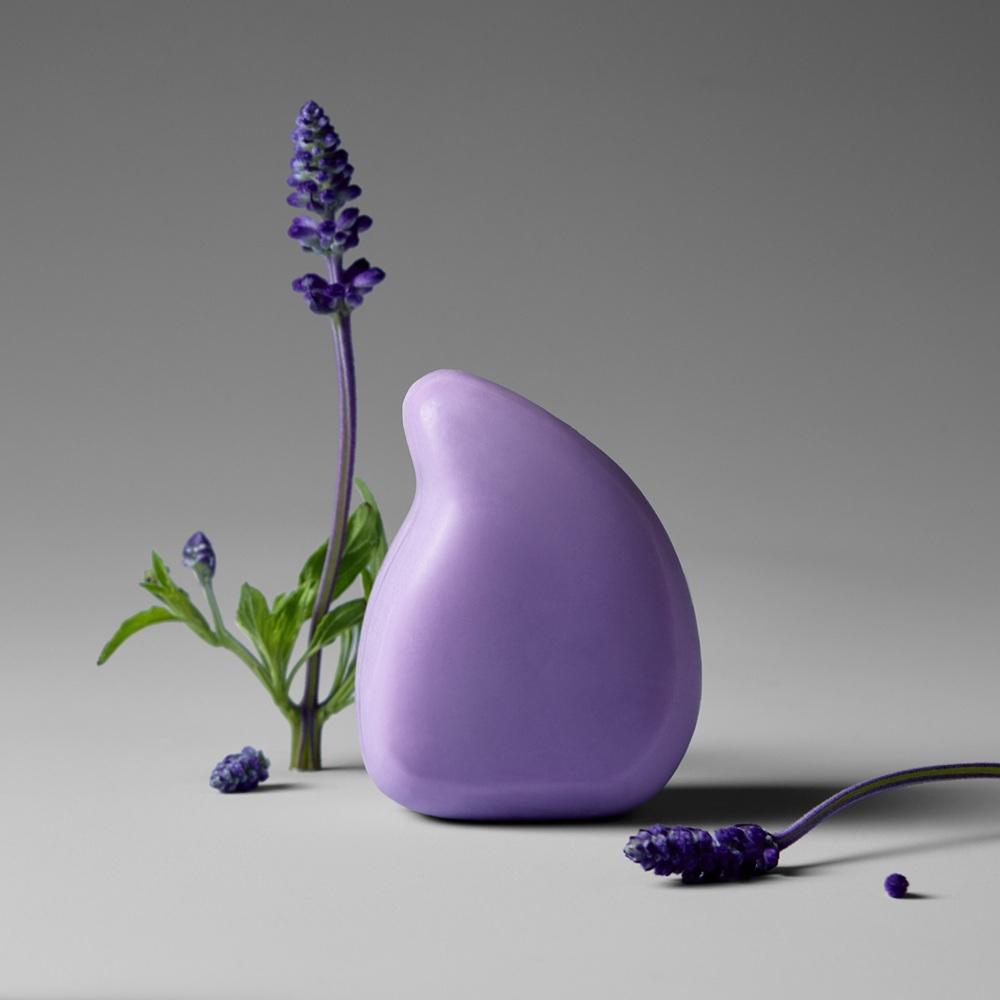
ReSaltZ Salt Massage Lavender Cleansing Bar
Beplain
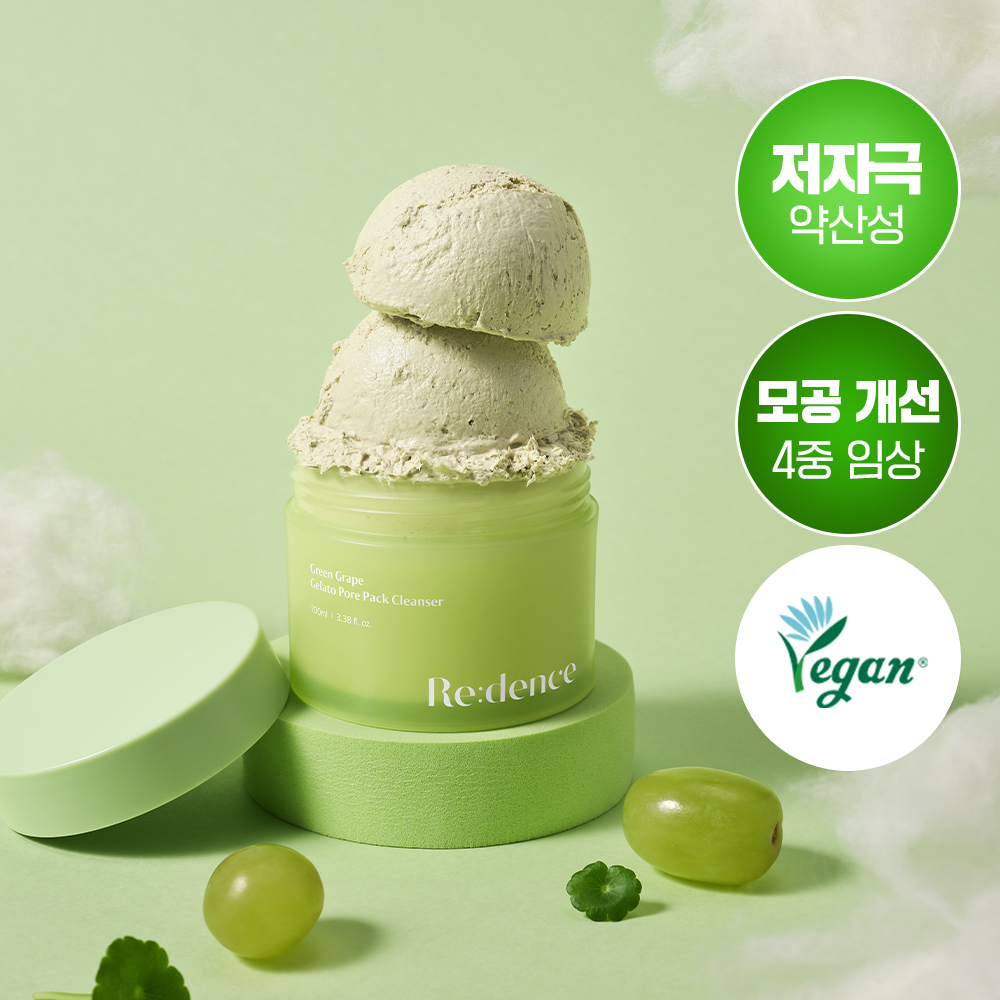
Green Grape Gelato Pore Pack Cleanser
Redence
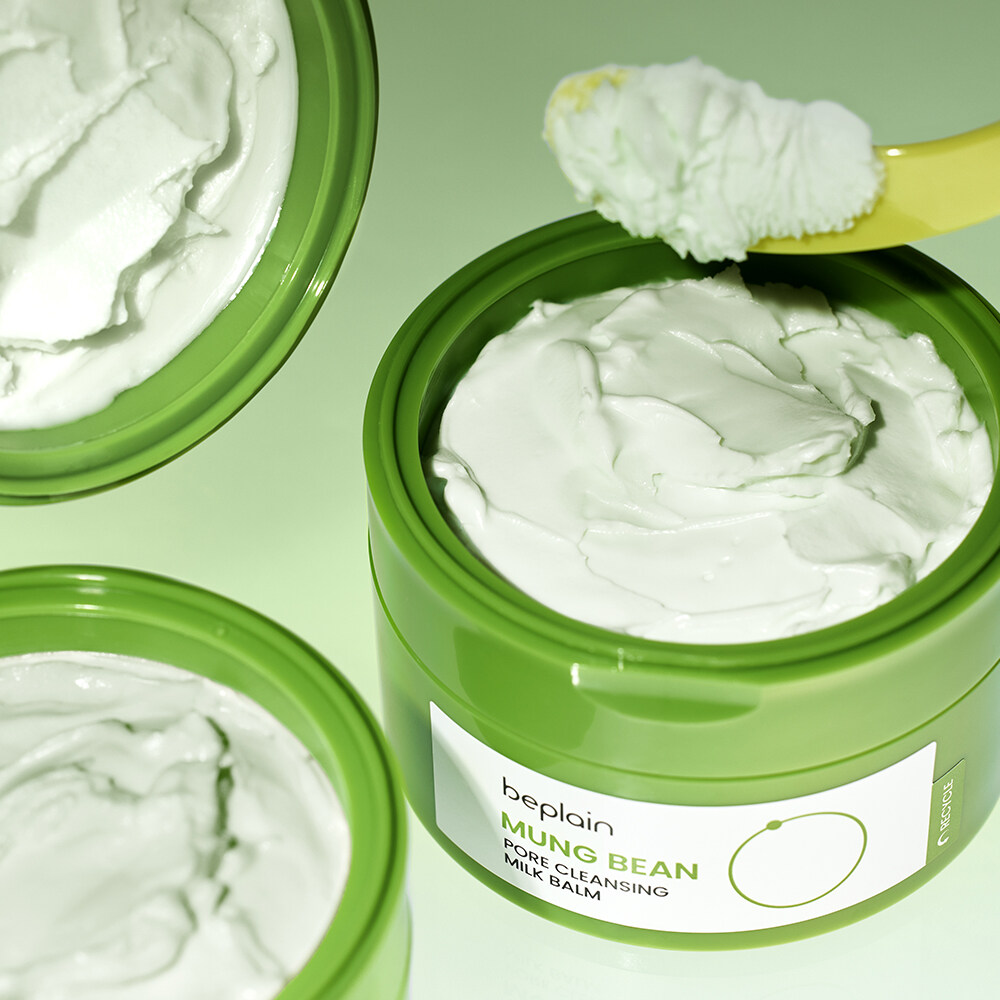
Mung Bean Pore Cleansing Milk Balm
Beplain
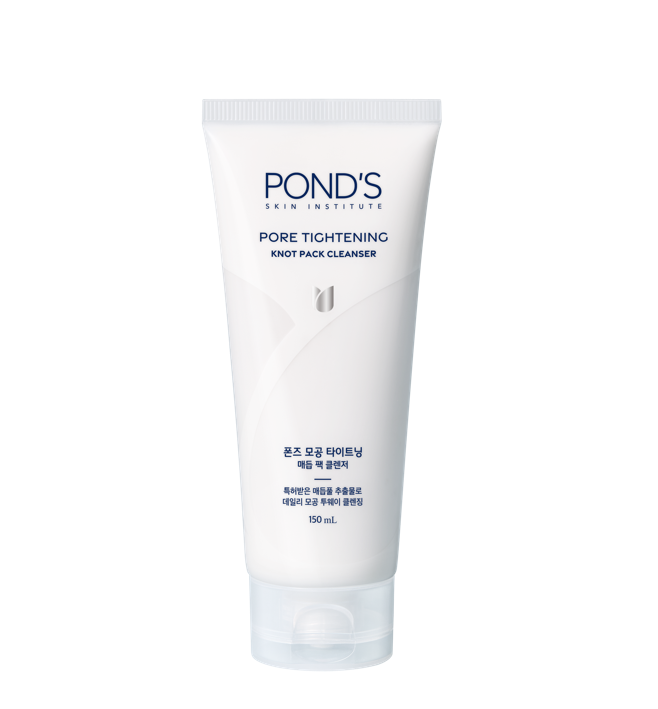
Pore Tightening Knot Pack Cleanser
Pond's
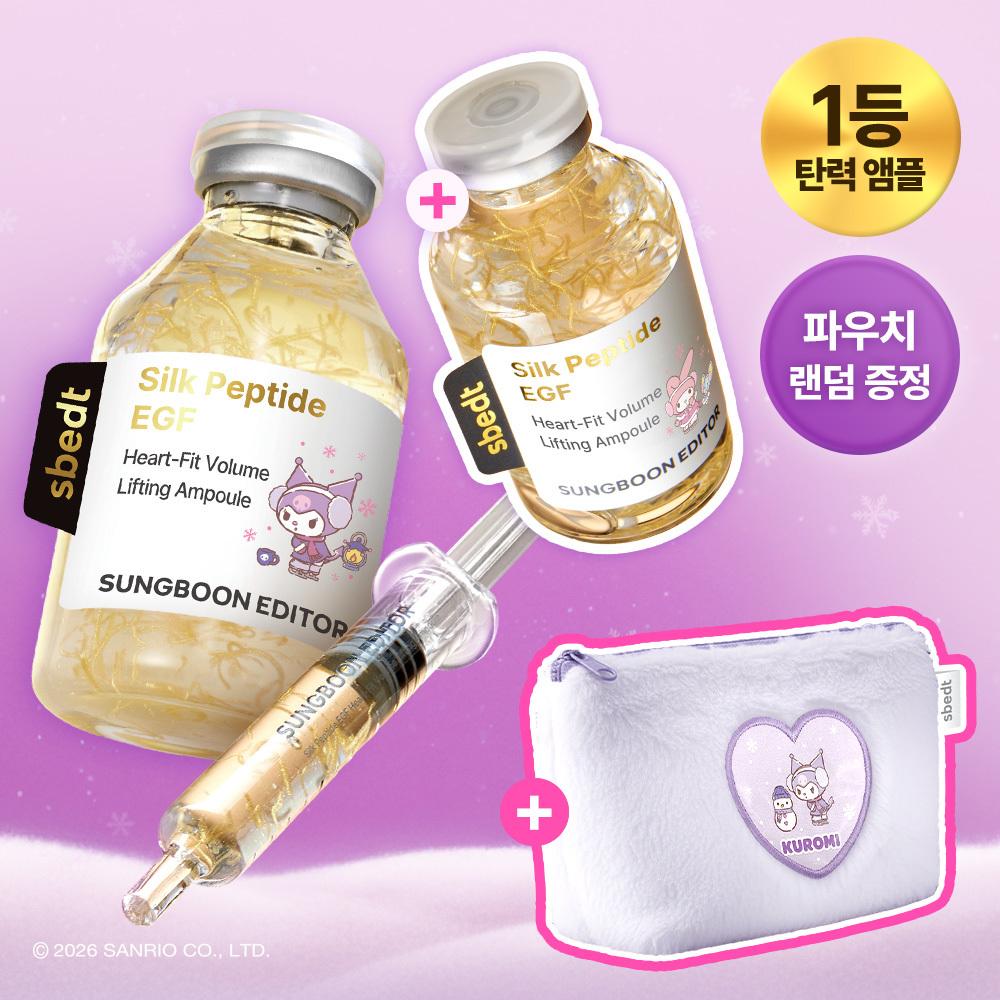
Silk Peptide EGF Heart Fit Volume Lifting Ampoule Double Pack
Sungboon Editor
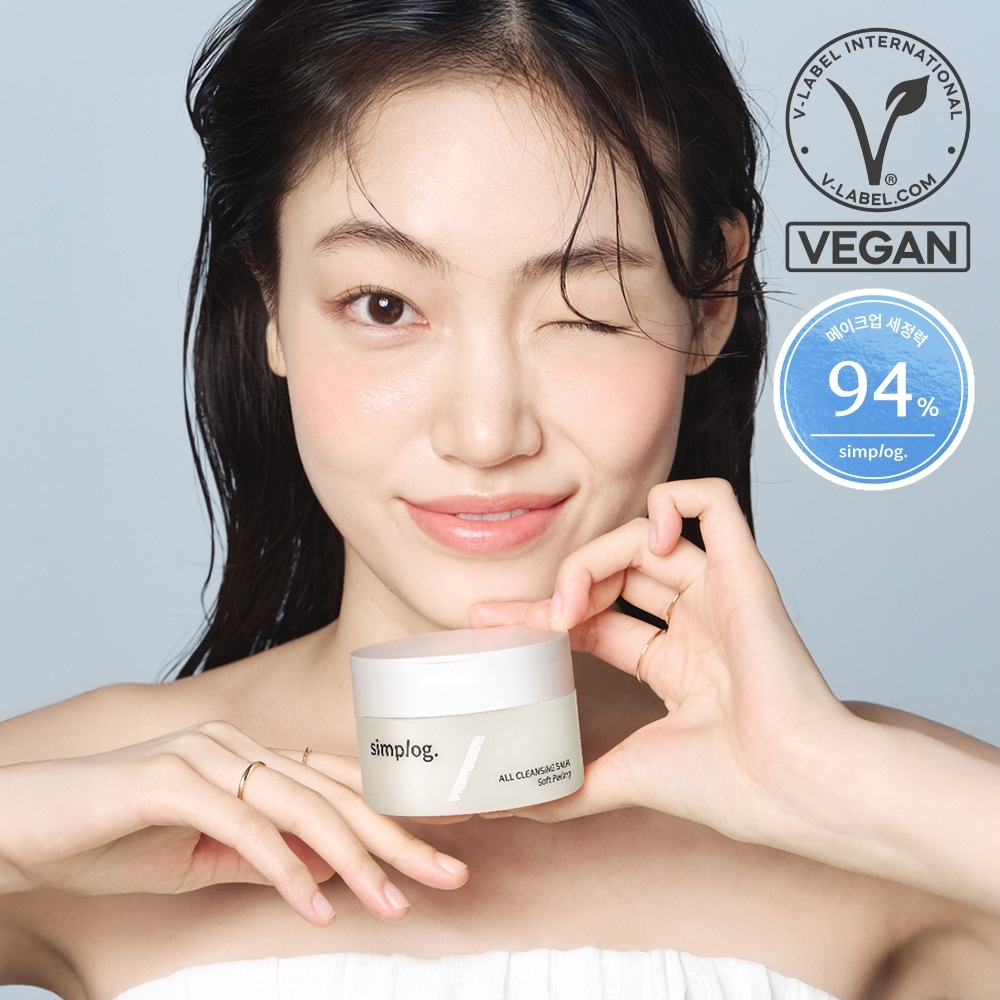
All Cleansing Balm Soft Peeling
Banila Co

PDRN Reedle Shot Eye Lifter
VT
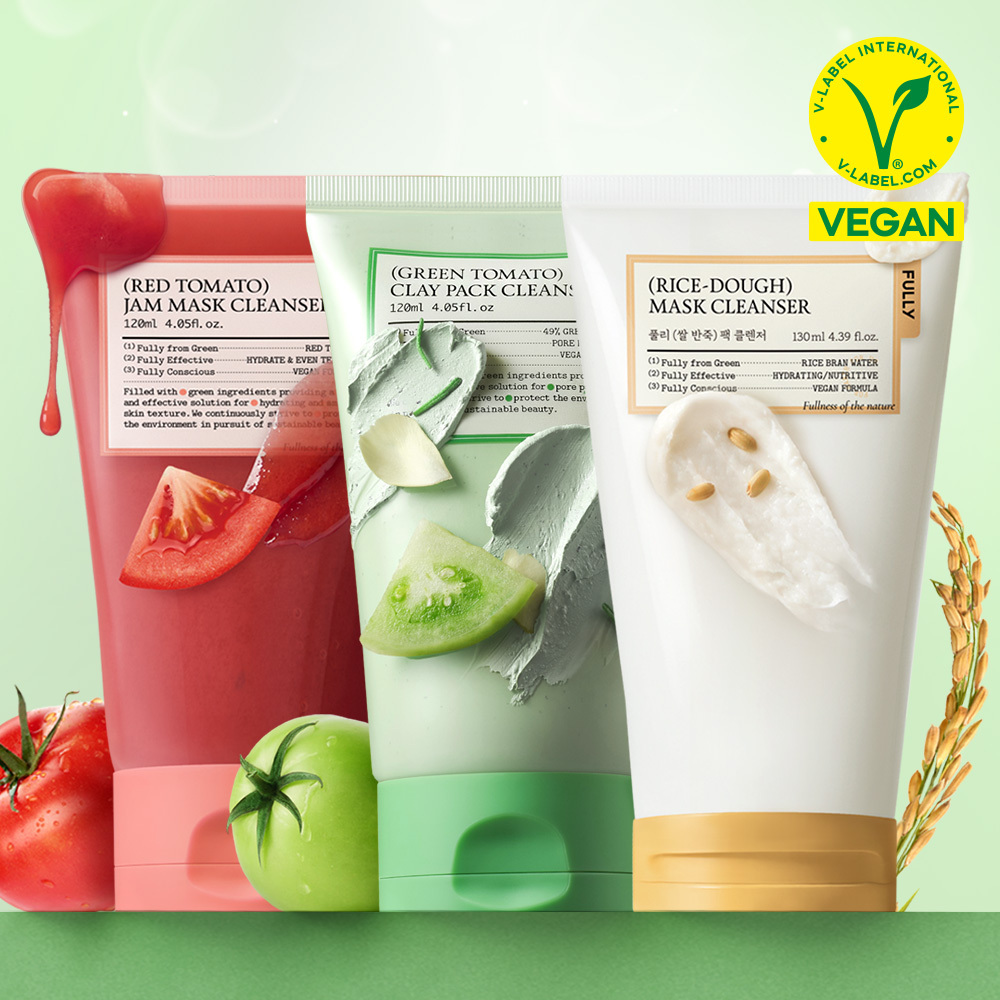
Pack Cleanser - Green Tomato/Red Tomato/Rice Dough
Fully
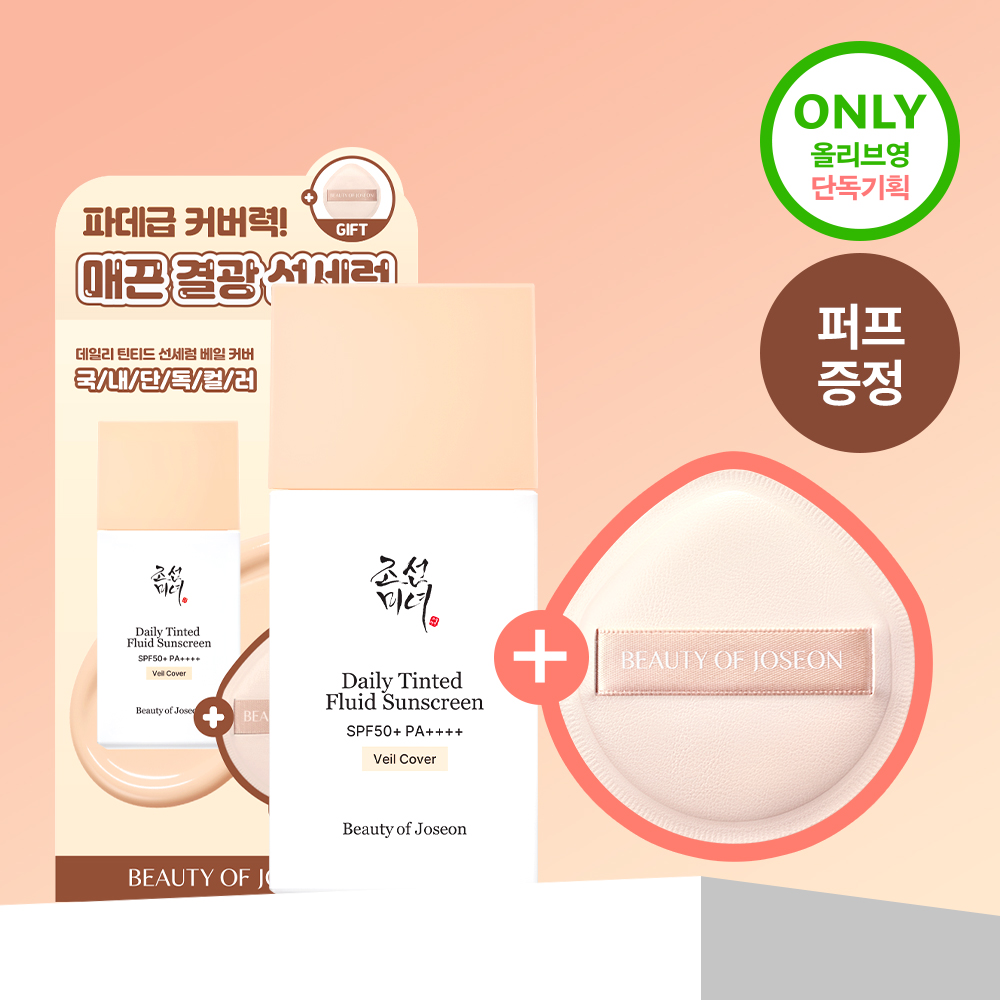
Daily Tinted Sun Serum Veil Cover
Beauty of Joseon
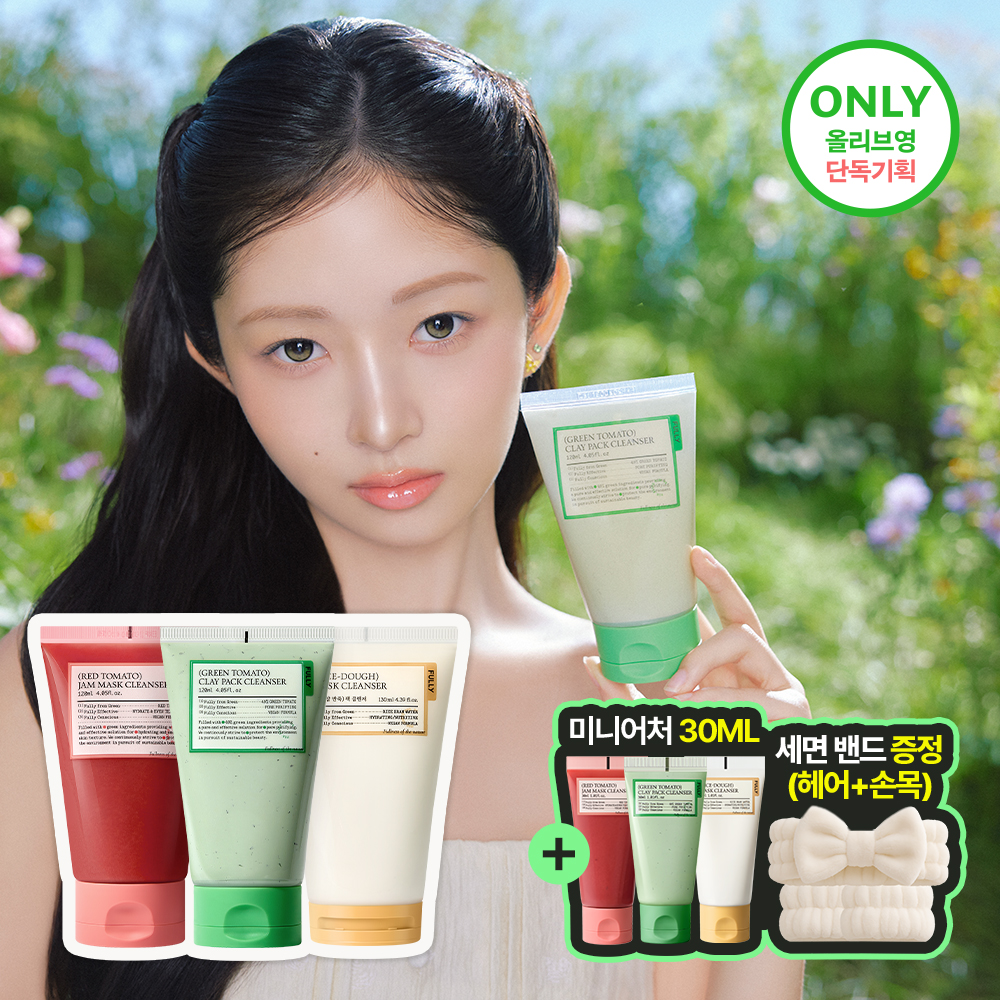
Pack Cleanser Set - Green Tomato / Red Tomato / Rice Dough
Fully
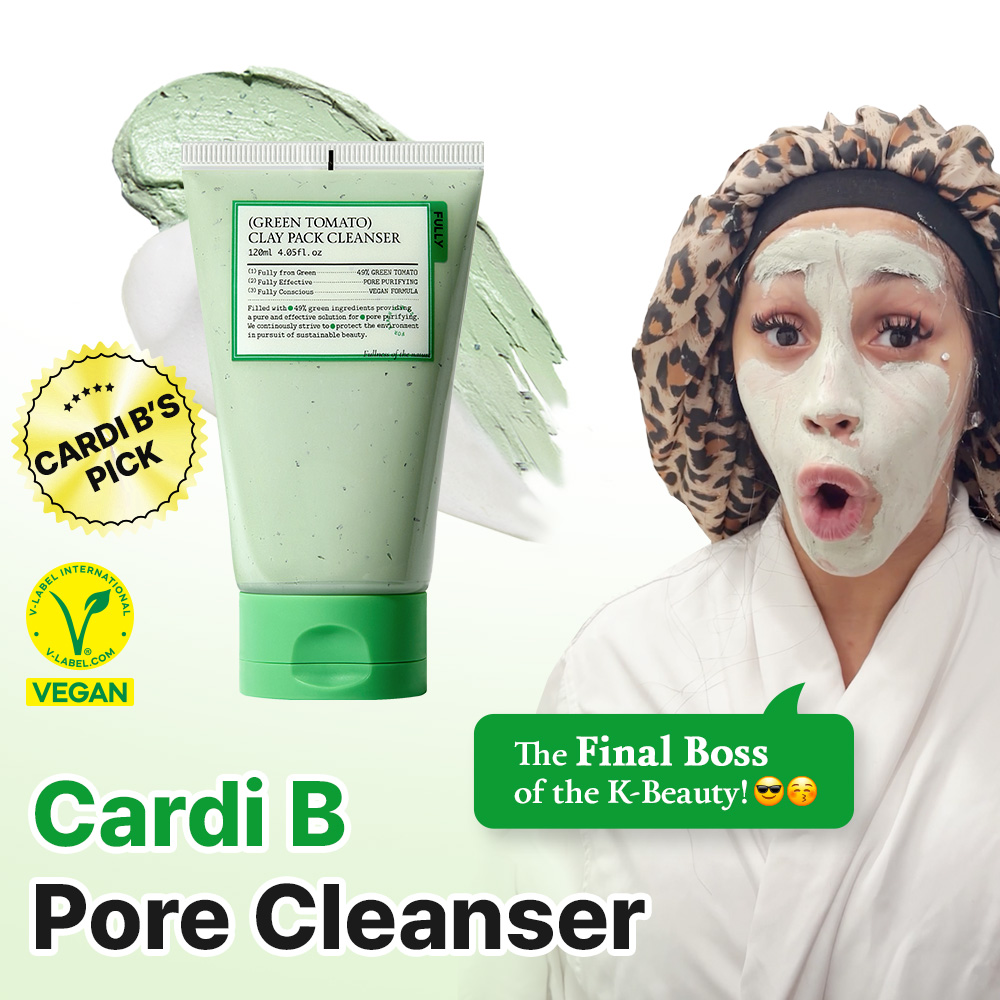
Pack Cleanser Set - Green Tomato/Red Tomato/Rice Dough
Fully
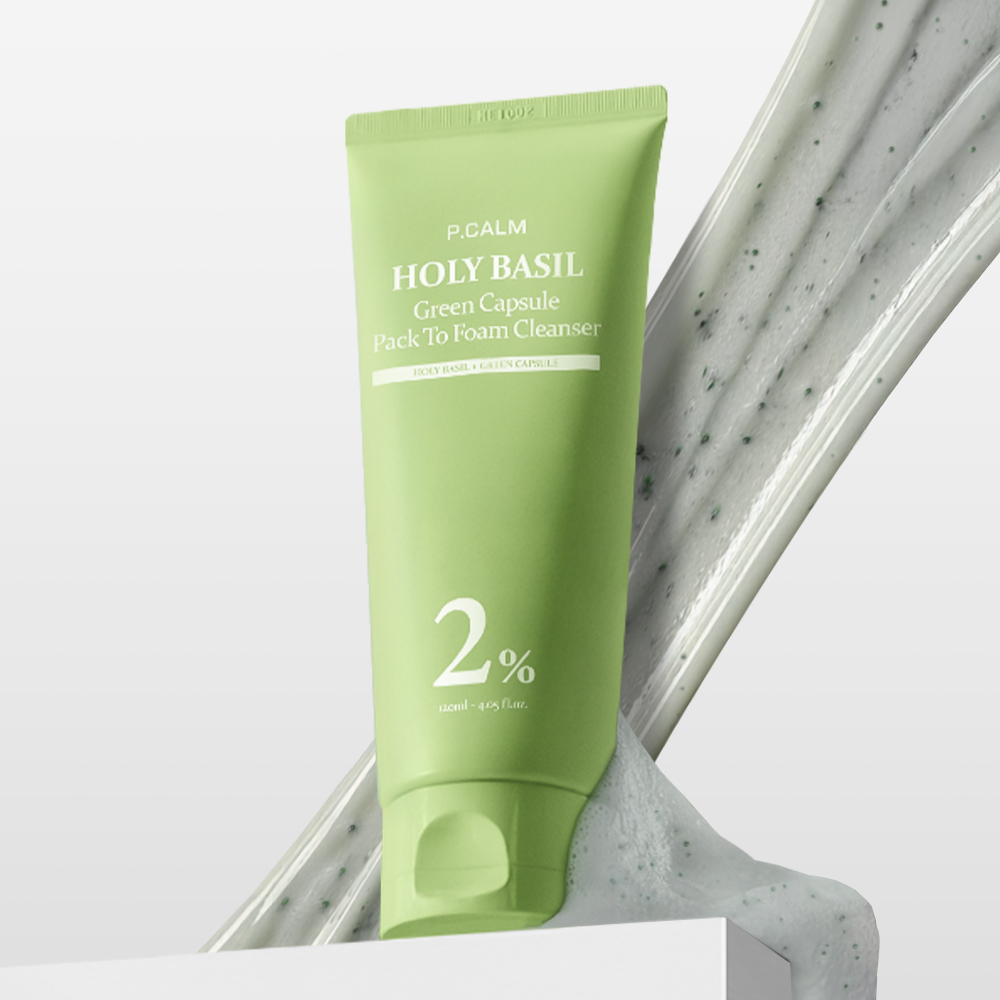
P.CALM Holy Basil Green Capsule Pack To Foam Cleanser
Beplain
Frequently Asked Questions
Does titanium dioxide in sunscreen cause a white cast on darker skin tones?▼
Is titanium dioxide safe to use every day?▼
Can titanium dioxide protect against blue light from screens?▼
Why is titanium dioxide in cleansers if it's a sunscreen ingredient?▼
Articles About Titanium Dioxide
Best Korean Lip Balm for Dry, Chapped or Sensitive Lips: 8 Picks by Need
Dry, chapped or sensitive lips need the right format and the right (short) ingredient list, not hype. Here are 8 Korean lip balms, sleeping masks and essences picked by actual lip need, each with the ingredients that justify the pick.
Best Korean Face Mask for Your Skin Type: 8 Picks by Concern
Eight Korean masks matched to real skin concerns, each justified by what's actually on the ingredient list, not the front of the box. Dry, sensitive, oily, and dull-looking skin each get two picks, with the fragrance figure you need to know before you buy.
Why Does My Skincare Keep Making My Skin Worse?
When your skin gets progressively worse the more products you add, the fix is almost never another active. It's usually your barrier waving a white flag. Here's how to figure out what's actually going wrong and rebuild from there.
Explore More
Want personalized ingredient advice?
Yuri, our AI beauty advisor, can tell you how Titanium Dioxide works with your specific skin type, routine, and concerns.
Ask Yuri, free