Zinc Oxide
Physical UV filter and skin protectant
About Zinc Oxide
Zinc oxide is a mineral compound that sits at the foundation of physical sun protection in K-beauty. Unlike chemical UV filters that absorb rays and convert them to heat, zinc oxide works like a microscopic shield on your skin's surface, reflecting and scattering both UVA and UVB radiation. It's one of only two FDA-approved physical sunscreen ingredients (the other being titanium dioxide) and offers true broad-spectrum protection across the entire UV spectrum. Beyond sun defense, zinc oxide is a multitasking skin protectant with proven anti-inflammatory and wound-healing properties, which explains why it appears in everything from sunscreens to calming serums and acne treatments. K-beauty brands have embraced zinc oxide not just for its safety profile (it's reef-safe and approved for babies) but for its ability to calm reactive skin while providing reliable protection. Modern formulations have solved the notorious white cast problem through nanotechnology and innovative texturing, making zinc oxide sunscreens feel lighter and look more natural than ever. With a perfect 5/5 safety rating and minimal comedogenic potential (1/5), it's particularly valued in Korean skincare for sensitive and acne-prone complexions that need protection without irritation.
How Zinc Oxide Works
Zinc oxide functions through physical rather than chemical mechanisms. When applied to skin, microscopic zinc oxide particles create a protective barrier that sits on top of the stratum corneum (your outermost skin layer). These particles have a high refractive index, meaning they efficiently reflect, scatter, and to a small degree absorb UV photons before they can penetrate deeper skin layers and cause DNA damage. The magic happens at the particle surface where light waves hit the zinc oxide crystal structure and bounce away at different angles, preventing them from reaching living skin cells below. This is fundamentally different from organic (chemical) filters that absorb UV energy and convert it to heat. Beyond sun protection, zinc oxide demonstrates anti-inflammatory activity by inhibiting NF-kB signaling pathways, which explains why it reduces redness and calms irritated skin. It also has mild antimicrobial properties that help control acne-causing bacteria without the harshness of traditional acne ingredients. The mineral is an essential cofactor for over 200 enzymes involved in wound healing and collagen synthesis, so topical application may support skin repair processes.
Zinc Oxide by Skin Type
Oily Skin
Zinc oxide is excellent for oily skin because it provides mattifying benefits while protecting from UV damage. The mineral particles help absorb excess sebum throughout the day, and modern formulations like Anessa's Perfect UV Sunscreen Skincare Milk deliver protection without the greasy residue older zinc formulas left behind. Its antimicrobial properties also help manage breakouts without clogging pores (1/5 comedogenic rating).
Dry Skin
While zinc oxide itself is non-drying, physical sunscreens can sometimes feel chalky on dry skin if not properly formulated. Look for zinc oxide products paired with hydrating ingredients like those in Anua's Angelcica Calming-aging Water Serum, which combines mineral protection with moisture-binding actives. The skin protectant properties actually help prevent moisture loss by creating a physical barrier.
Combo Skin
Zinc oxide is ideal for combination skin because it addresses multiple concerns simultaneously. It mattifies oily zones without over-drying drier areas, provides universal sun protection, and reduces inflammation in reactive patches. Products like Beplain's Cicaffeine Trouble Reset Cleansing Foam (5.0 rating) show how zinc oxide can be incorporated beyond just sunscreen into daily cleansing routines for balanced, protected skin.
Sensitive Skin
This ingredient is the gold standard for sensitive skin protection. Unlike chemical UV filters that can trigger reactions, zinc oxide is inert and sits on the surface rather than being absorbed. Its anti-inflammatory properties actively calm redness and irritation while providing broad-spectrum protection. The perfect 5/5 safety rating reflects why dermatologists recommend it for rosacea, eczema, and post-procedure skin.
Normal Skin
Normal skin benefits from zinc oxide's reliable, broad-spectrum protection without the risk of irritation or breakouts. It's a low-maintenance option that delivers consistent results. The high ratings of products like Cell Fusion C's Laser Rejuvenation Cream (4.9/5) demonstrate how zinc oxide fits seamlessly into comprehensive skincare routines, protecting skin while allowing other active ingredients to work effectively.
How to Use Zinc Oxide
- 1Apply zinc oxide sunscreen as the final step of your morning routine, after moisturizer but before makeup. Use approximately a quarter teaspoon for your face and reapply every two hours of sun exposure.
- 2If you experience a white cast, try warming the product between your palms before application and pat rather than rub it into skin. Modern K-beauty formulations minimize this issue, but technique helps.
- 3Zinc oxide pairs beautifully with antioxidants like vitamin C or niacinamide in your routine. Apply actives first, let them absorb, then seal everything in with your zinc oxide sunscreen for enhanced photoprotection.
- 4For acne-prone skin, look for zinc oxide in both your sunscreen and spot treatments (like Acnes Sebum Balancing Skin 2.0, rated 4.8/5) to get anti-inflammatory benefits while controlling oil and protecting healing skin from post-inflammatory hyperpigmentation.
Background
Zinc oxide has been used medicinally for thousands of years. Ancient Egyptians applied zinc-containing ointments for wound healing, and the compound appears in traditional Ayurvedic and Chinese medicine texts. The modern use of zinc oxide in sun protection began in the mid-20th century when researchers discovered its UV-blocking properties. It gained FDA approval as a sunscreen active in 1978 and has remained a cornerstone of dermatological sun protection ever since. K-beauty brands embraced zinc oxide relatively late compared to Western markets, initially focused on chemical filters that felt lighter on skin. However, growing concerns about marine safety, sensitivity issues with chemical filters, and consumer demand for clean ingredients drove Korean formulators to innovate with zinc oxide in the 2010s. They solved traditional problems like white cast and heavy texture through particle size optimization and hybrid formulations, creating products like Anessa's highly-rated sunscreen milk that combine mineral protection with the elegant textures K-beauty consumers expect.
K-Beauty Products with Zinc Oxide
View all 168 →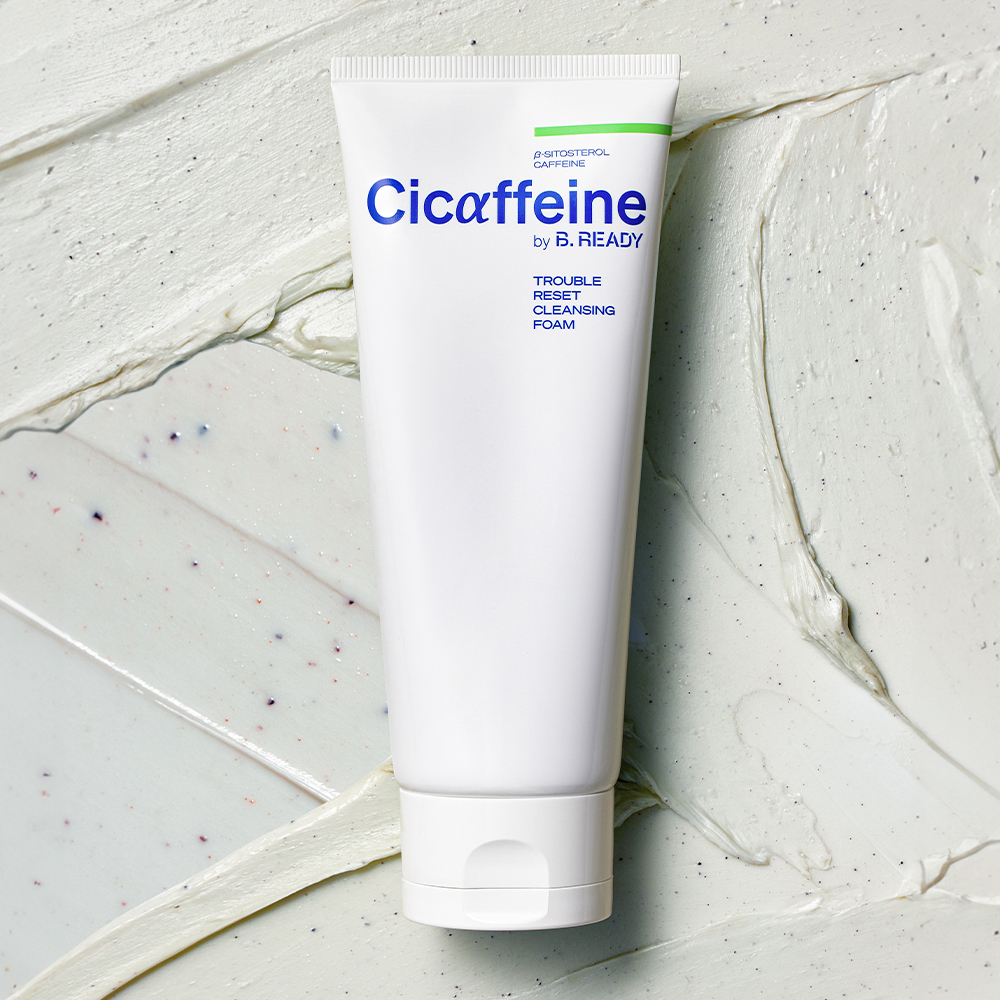
Cicaffeine Trouble Reset Cleansing Foam
Beplain
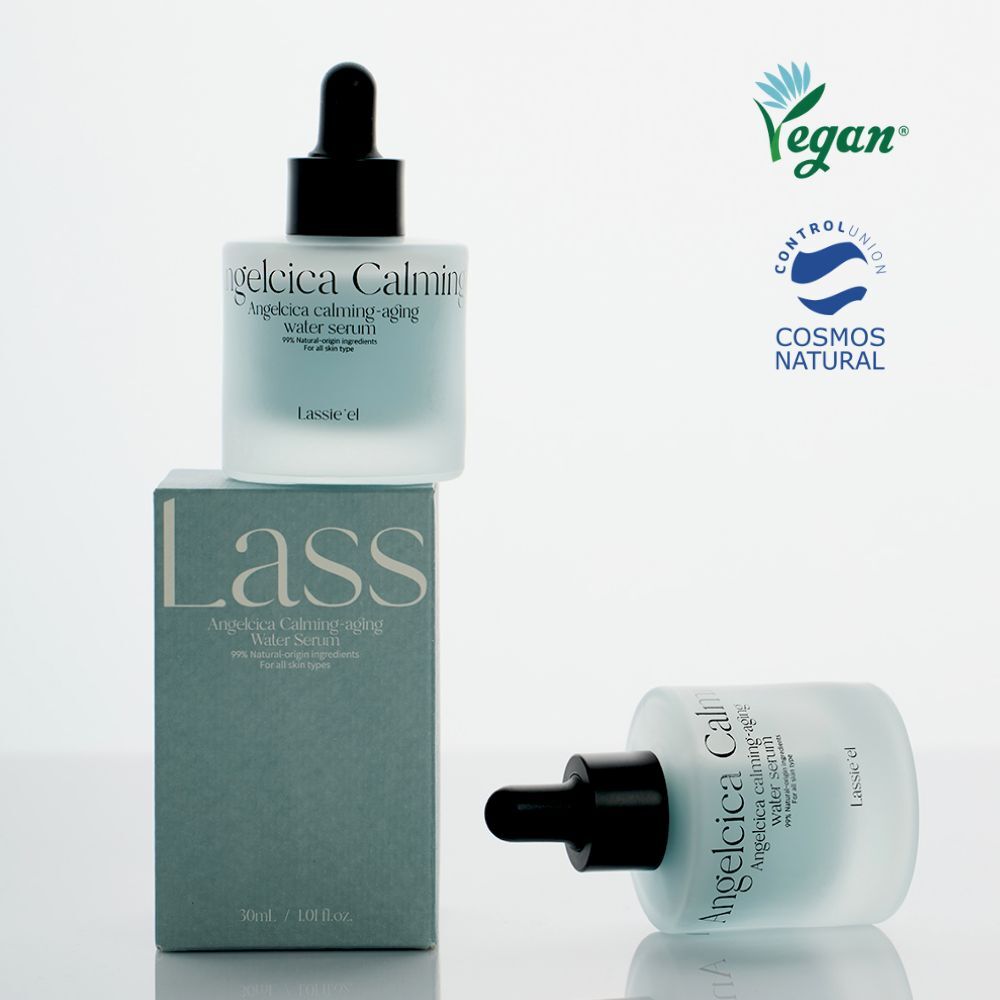
Angelcica Calming-aging Water Serum
Anua
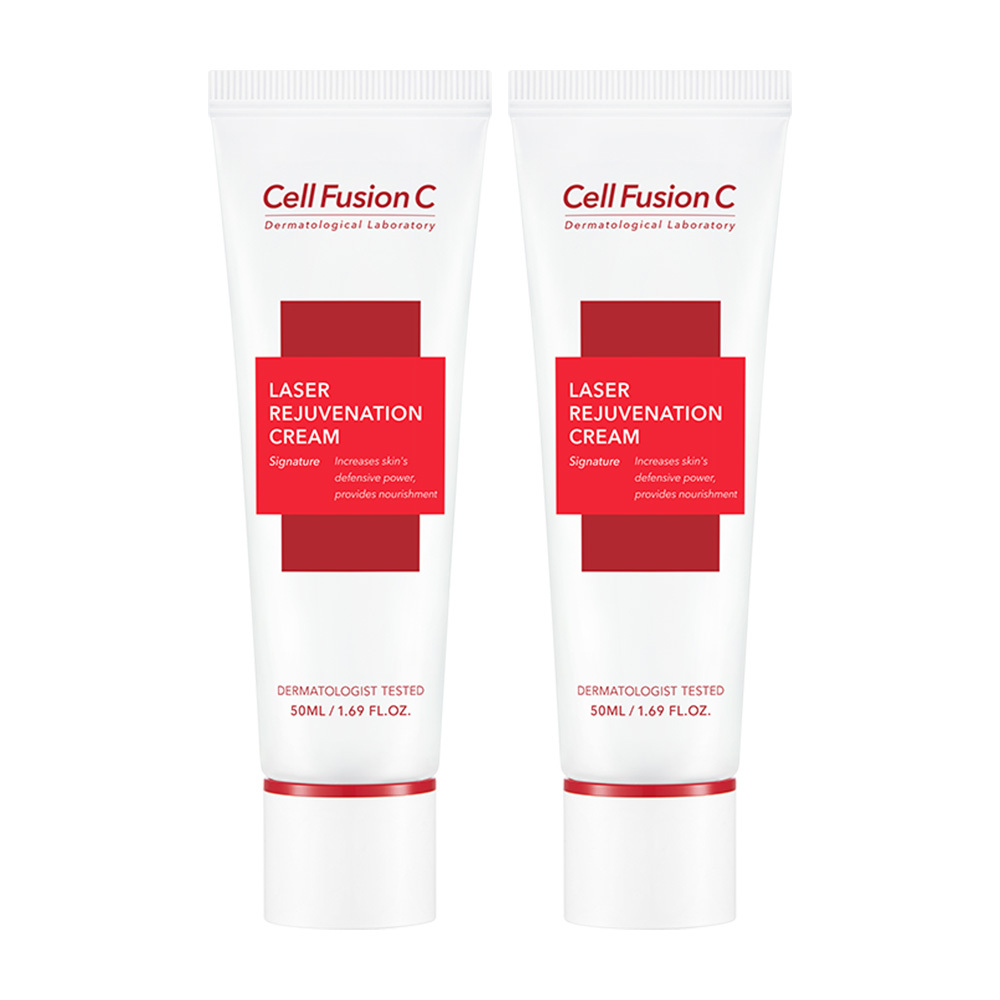
Laser Rejuvenation Cream Double Set
Cell Fusion C
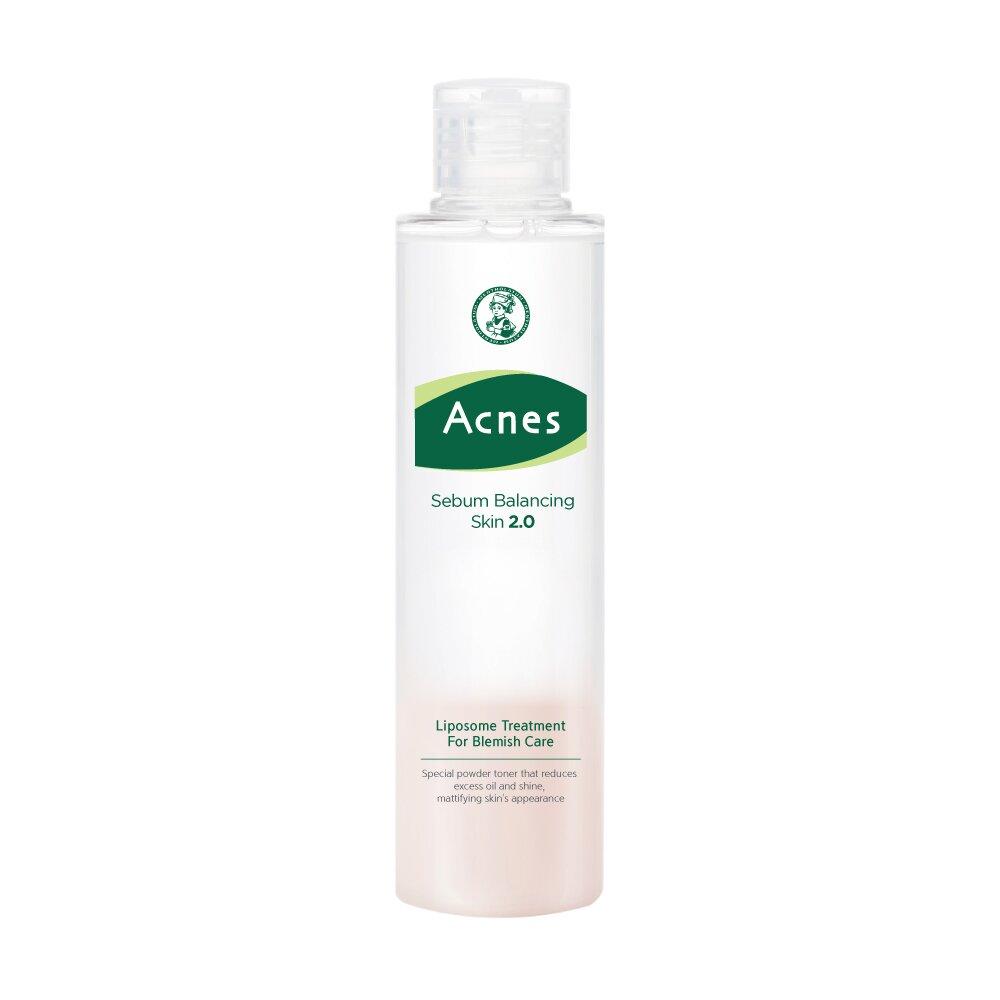
Sebum Balancing Skin 2.0
Acnes
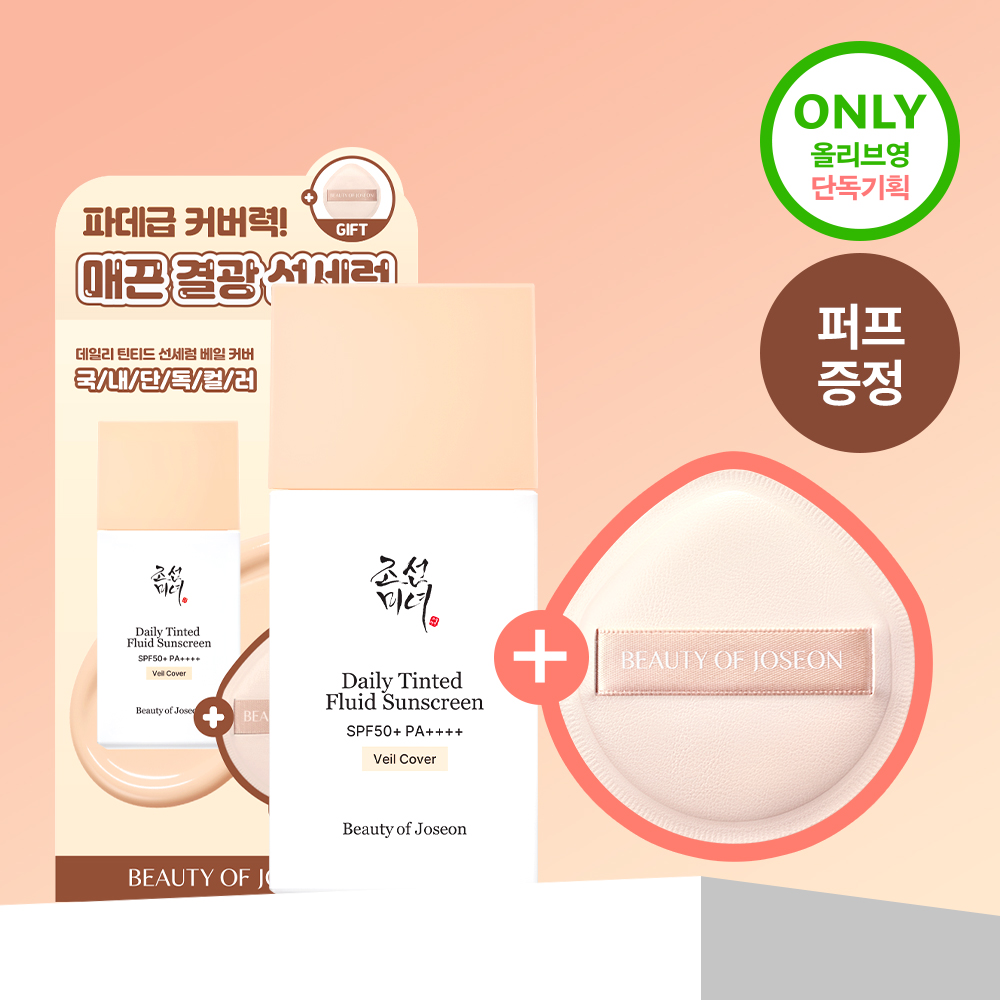
Daily Tinted Sun Serum Veil Cover
Beauty of Joseon
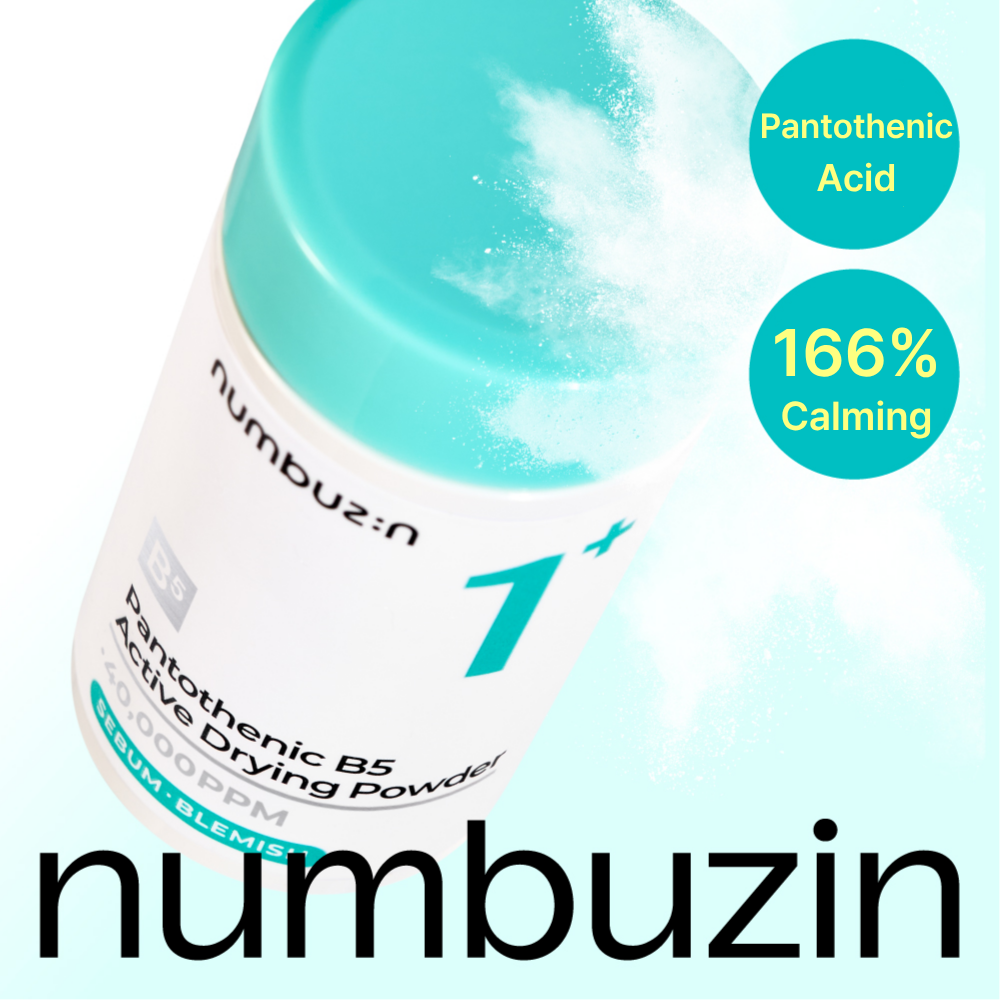
No. 1 Pantothenic B5 Active Drying Powder
Numbuzin
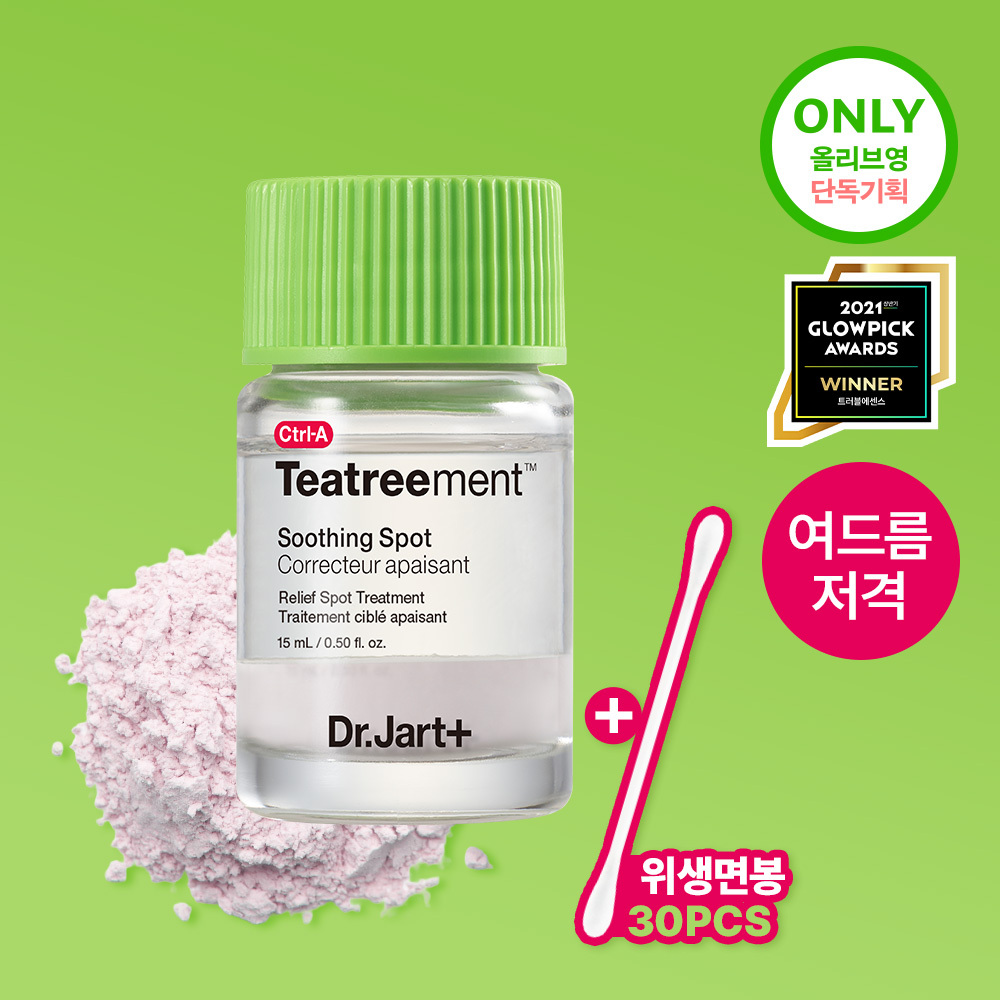
Ctrl-A Teatreement Soothing Spot
Dr. Jart+
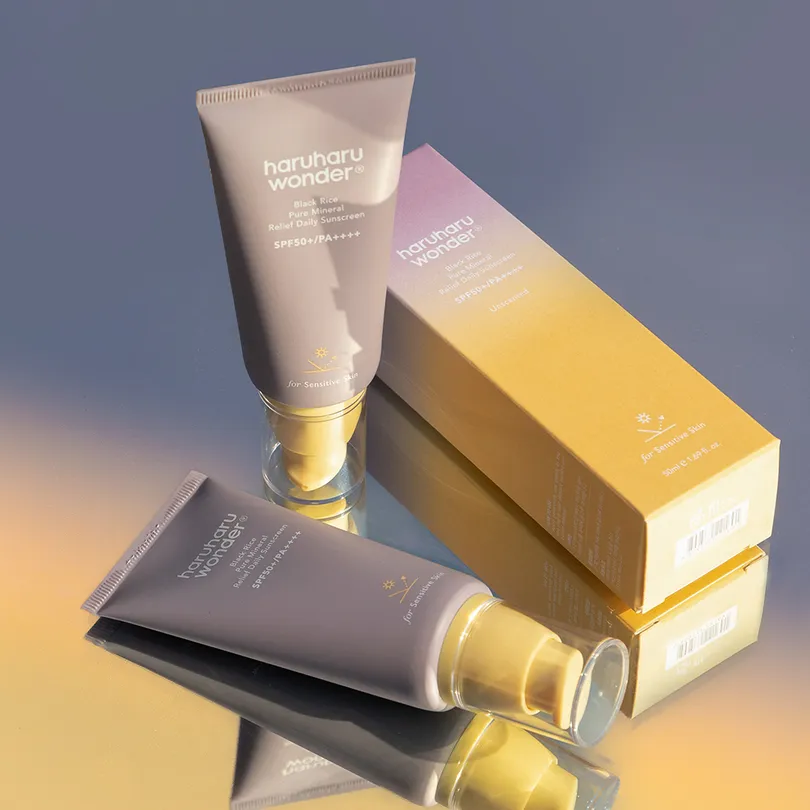
Black Rice Pure Mineral Relief Daily Sunscreen Duo
Haruharu Wonder
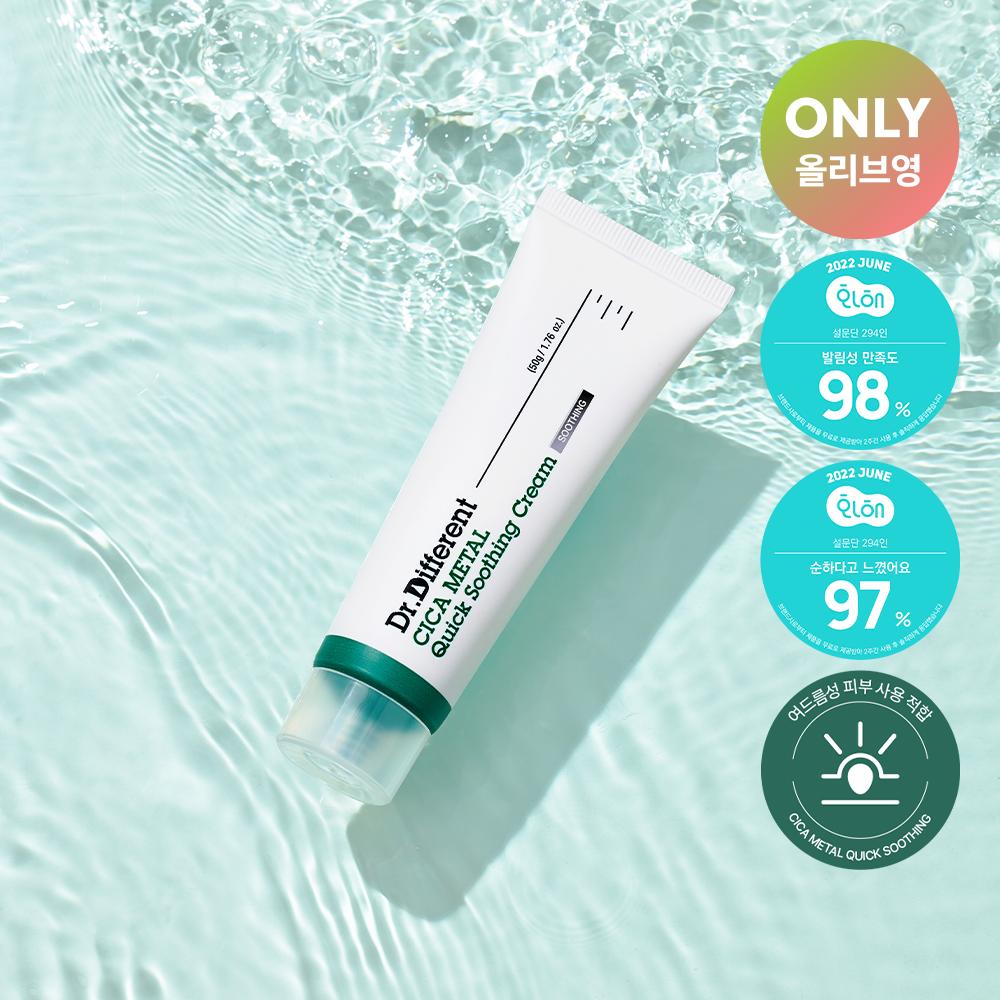
CICA METAL Quick Soothing Cream
Dr.Different
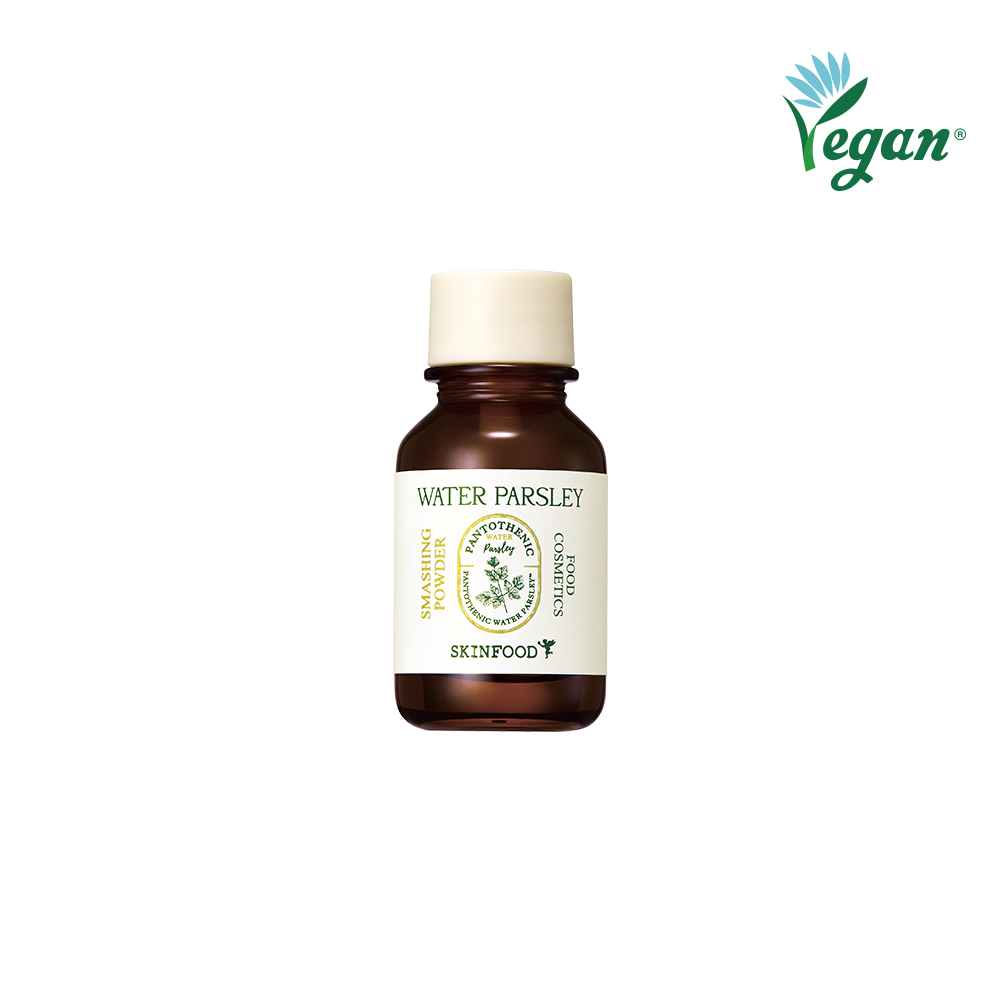
Pantothenic Water Parsley Smashing Powder
Skinfood
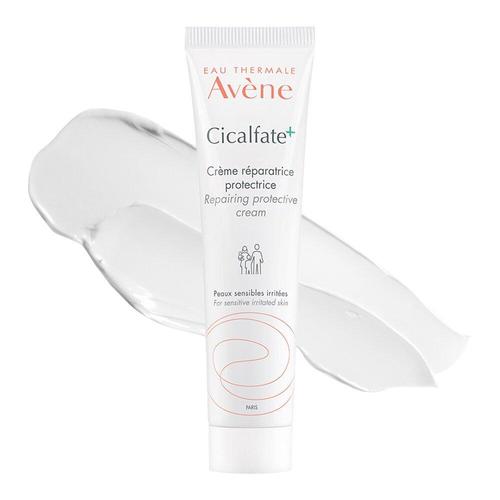
Cicalfate+ Repairing Protective Cream
Avène
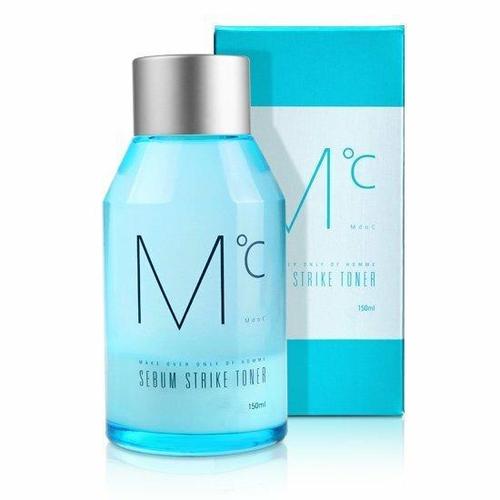
Sebum Strike Toner
Anua
Frequently Asked Questions
Does zinc oxide sunscreen really leave a white cast?▼
Is zinc oxide better than chemical sunscreens?▼
Can I use zinc oxide if I have acne?▼
How does zinc oxide compare to titanium dioxide?▼
Articles About Zinc Oxide
Why Does My Skincare Keep Making My Skin Worse?
When your skin gets progressively worse the more products you add, the fix is almost never another active. It's usually your barrier waving a white flag. Here's how to figure out what's actually going wrong and rebuild from there.
Late 20s Skin Spiral? Your Barrier Is Probably Wrecked
That moment when the algorithm starts serving you retinol ads and "anti-aging at 27" content and suddenly your skin is worse than ever? Yeah, let's talk about what's really going on, because it's probably not what TikTok told you.
Beauty of Joseon Aqua Fresh Sunscreen: Full Review
Beauty of Joseon's Aqua Fresh sunscreen has become a staple recommendation across K-beauty communities. But does it actually deliver on its promises, and is it right for your skin type? We break down the full ingredient list, UV protection, and who should (and shouldn't) reach for this one.
Explore More
Want personalized ingredient advice?
Yuri, our AI beauty advisor, can tell you how Zinc Oxide works with your specific skin type, routine, and concerns.
Ask Yuri, free