Vitamin C
INCI: Ascorbic Acid
Korean: 비타민 C
brightening, antioxidant, collagen-synthesis
The gold standard antioxidant and brightening ingredient. Inhibits tyrosinase (reducing melanin production), neutralizes free radicals, and stimulates collagen synthesis. Unstable at high pH and in oxidizing conditions -- K-beauty innovates heavily in stable vitamin C derivatives (ascorbyl glucoside, ethyl ascorbic acid). Pure L-ascorbic acid requires low pH formulations.
About Vitamin C
Vitamin C, scientifically known as L-ascorbic acid, is one of the most researched and celebrated ingredients in skincare. It's a powerhouse antioxidant that tackles multiple skin concerns at once: brightening dull skin, fading hyperpigmentation, protecting against environmental damage, and stimulating collagen production to reduce fine lines. What makes vitamin C so effective is its ability to inhibit tyrosinase, the enzyme responsible for melanin production, which means fewer dark spots and a more even skin tone over time. At the same time, it neutralizes free radicals generated by UV exposure and pollution, preventing oxidative stress that accelerates aging. K-beauty brands have become masters at formulating vitamin C, addressing its notorious instability through innovative derivatives like ascorbyl glucoside, ethyl ascorbic acid, and tetrahexyldecyl ascorbate. Pure L-ascorbic acid remains the gold standard for potency, but it requires low pH formulations (around 3.5) to penetrate skin effectively. This acidic environment can be sensitizing for some skin types, which is why derivative forms have gained popularity. With 340 K-beauty products on Seoul Sister featuring this ingredient, vitamin C is a cornerstone of Korean skincare philosophy, where radiant, glass-like skin is the ultimate goal.
How Vitamin C Works
Vitamin C works through multiple mechanisms at the cellular level. First, it inhibits tyrosinase, the enzyme that converts the amino acid tyrosine into melanin. By blocking this pathway, vitamin C reduces the formation of new pigmentation and gradually fades existing dark spots. Second, as an antioxidant, vitamin C donates electrons to neutralize reactive oxygen species (free radicals) that damage cellular structures like DNA, proteins, and lipid membranes. This protective effect is especially important after sun exposure, when free radical production spikes. Third, vitamin C acts as a cofactor for the enzymes prolyl hydroxylase and lysyl hydroxylase, which are essential for collagen synthesis. Collagen is the structural protein that keeps skin firm and plump, so vitamin C directly supports skin's structural integrity. Pure L-ascorbic acid must penetrate the stratum corneum (the outermost skin layer) to reach living cells where these reactions occur. Its effectiveness depends heavily on pH, with optimal absorption at pH 3.5 or lower. Derivatives like ascorbyl glucoside and ethyl ascorbic acid are converted to active L-ascorbic acid within the skin, offering better stability in formulations while still delivering brightening and antioxidant benefits.
Vitamin C by Skin Type
Oily Skin
Oily skin responds beautifully to vitamin C, with 80% effectiveness for hyperpigmentation according to Seoul Sister data. The ingredient doesn't add heaviness or clog pores (comedogenic rating: 0/5), making it ideal for acne-prone individuals dealing with post-inflammatory hyperpigmentation. Water-based vitamin C serums are particularly well-suited for oily skin types.
Dry Skin
Dry skin users report only 50% effectiveness for dullness, likely because pure L-ascorbic acid formulations can be drying due to their acidic pH. Derivative forms like ascorbyl glucoside or pairing vitamin C with hydrating ingredients like hyaluronic acid or glycerin can improve tolerability and results. Look for creamy vitamin C products rather than lightweight serums.
Combo Skin
Combination skin sees excellent results with vitamin C, achieving 82% effectiveness for dullness. The ingredient addresses both the oily T-zone concerns (brightness, texture) and drier areas without exacerbating either condition. Apply vitamin C serum after cleansing and before heavier moisturizers, adjusting the moisturizer weight by zone if needed.
Sensitive Skin
Sensitive skin users report 68% effectiveness for hyperpigmentation, lower than other skin types, likely due to irritation from low-pH formulations. Start with gentler vitamin C derivatives like sodium ascorbyl phosphate or ascorbyl glucoside rather than pure L-ascorbic acid. Patch test first, introduce gradually (every other day initially), and avoid combining with other acids or retinol until tolerance is established.
Normal Skin
Normal skin tolerates vitamin C exceptionally well, with 84% effectiveness for hyperpigmentation. This skin type can handle both pure L-ascorbic acid and derivative forms, making it easier to experiment with different formulations and concentrations. Normal skin users can also safely combine vitamin C with other actives once they've built tolerance.
How to Use Vitamin C
- 1Apply vitamin C serum in the morning after cleansing to maximize its photoprotective benefits throughout the day, always following with SPF.
- 2Store vitamin C products in cool, dark places and check for oxidation (the serum turning yellow or brown), which indicates the formula has degraded and lost potency.
- 3Start with lower concentrations (10-15%) if you're new to vitamin C, then work up to 20% once your skin builds tolerance.
- 4Wait 10-15 minutes after applying pure L-ascorbic acid before layering other products to allow the low pH to work effectively.
- 5If using vitamin C with retinol, apply vitamin C in the morning and retinol at night to avoid pH conflicts and minimize irritation risk.
Background
Vitamin C's role in skin health was first recognized through scurvy research in the 18th century, but its topical skincare applications emerged much later. Dr. Sheldon Pinnell's groundbreaking research in the 1990s established the requirements for effective topical vitamin C: L-ascorbic acid form, pH below 3.5, and concentration between 10-20%. This research sparked a skincare revolution. K-beauty brands took Dr. Pinnell's foundation and ran with it, innovating extensively in stabilization technology and derivative forms. Korean brands recognized that while pure L-ascorbic acid was potent, its instability and irritation potential limited its appeal. This led to the development and popularization of derivatives like ascorbyl glucoside (water-soluble, gentle) and ethyl ascorbic acid (oil-soluble, stable). Today, vitamin C is ubiquitous in K-beauty routines, appearing in everything from essences to sheet masks, reflecting Korea's cultural emphasis on luminous, translucent skin.
Addresses These Concerns
Effectiveness by Skin Type
Drawing on K-beauty clinical research and community consensus, Vitamin C shows the highest effectiveness for normal skin targeting hyperpigmentation (84% positive) and combination skin targeting dullness (82% positive). It also benefits oily skin for hyperpigmentation, sensitive skin for hyperpigmentation.
For hyperpigmentation · 55 reports
For dullness · 50 reports
For hyperpigmentation · 50 reports
For hyperpigmentation · 50 reports
Known Interactions
Pure L-ascorbic acid (vitamin C) requires an acidic pH (around 3.5) to remain stable and effective, while retinol works optimally at a higher pH. Using them together in the same step may render one or both ingredients less effective. Additionally, combining two potent actives can increase irritation risk for sensitive skin.
Recommendation: Use vitamin C in the AM (where its antioxidant benefits pair perfectly with SPF) and retinol in the PM. This also avoids the photosensitizing effect of retinol during daytime.
Both AHAs and vitamin C (L-ascorbic acid) are acidic and work at low pH. While they are not chemically incompatible, layering both in the same routine can be unnecessarily irritating for sensitive skin types. Some formulations intentionally combine them, but higher-strength versions of each should not be stacked.
Recommendation: If you use both, apply vitamin C first (it needs the lowest pH), then wait a few minutes before applying the AHA. For sensitive skin, use on alternate days. Most people tolerate this combination well at moderate concentrations.
An old theory suggested that niacinamide and vitamin C react to form niacin (nicotinic acid), which causes skin flushing. Modern research shows this reaction requires temperatures far exceeding those present on human skin and takes far longer than any skincare routine. The combination is generally considered safe and even synergistic for brightening. However, users who experience flushing should separate them as a precaution.
Recommendation: This conflict is largely debunked and most users can safely layer niacinamide and vitamin C. If you experience flushing or irritation, try applying vitamin C in the AM and niacinamide PM. Choose a stable vitamin C derivative (e.g., ascorbyl glucoside) to eliminate any theoretical concern.
K-Beauty Products with Vitamin C
View all 369 →
Vitamin C Booster Shot
Arencia
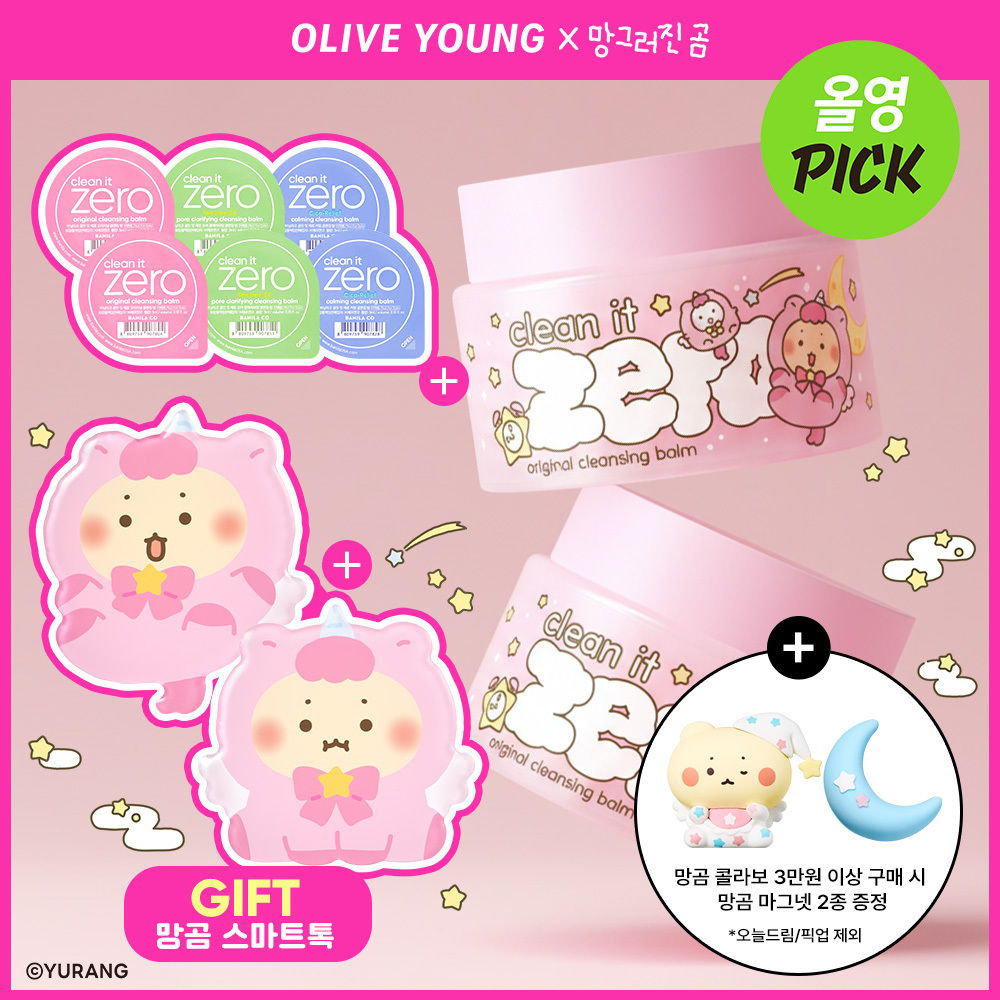
Clean It Zero Original Cleansing Balm
Banila Co
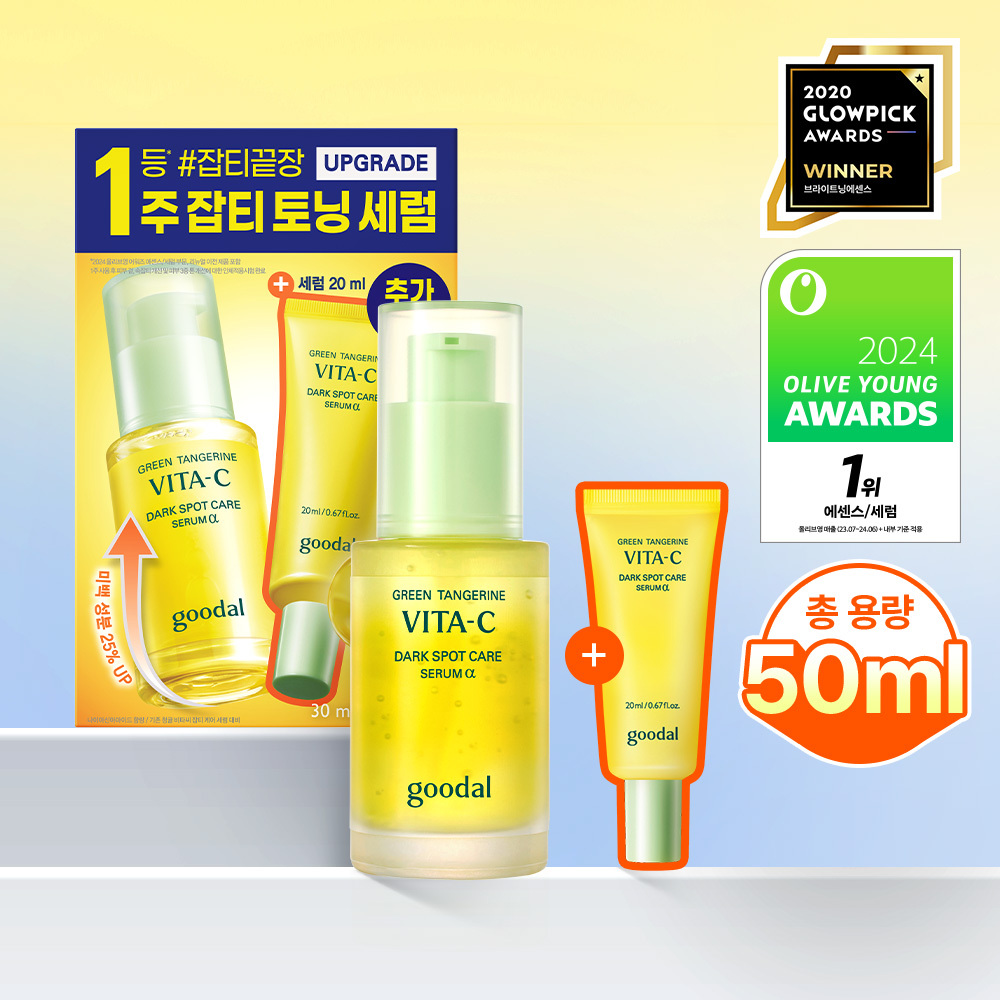
Green Tangerine Vita-C Dark Spot Care Serum α
Goodal
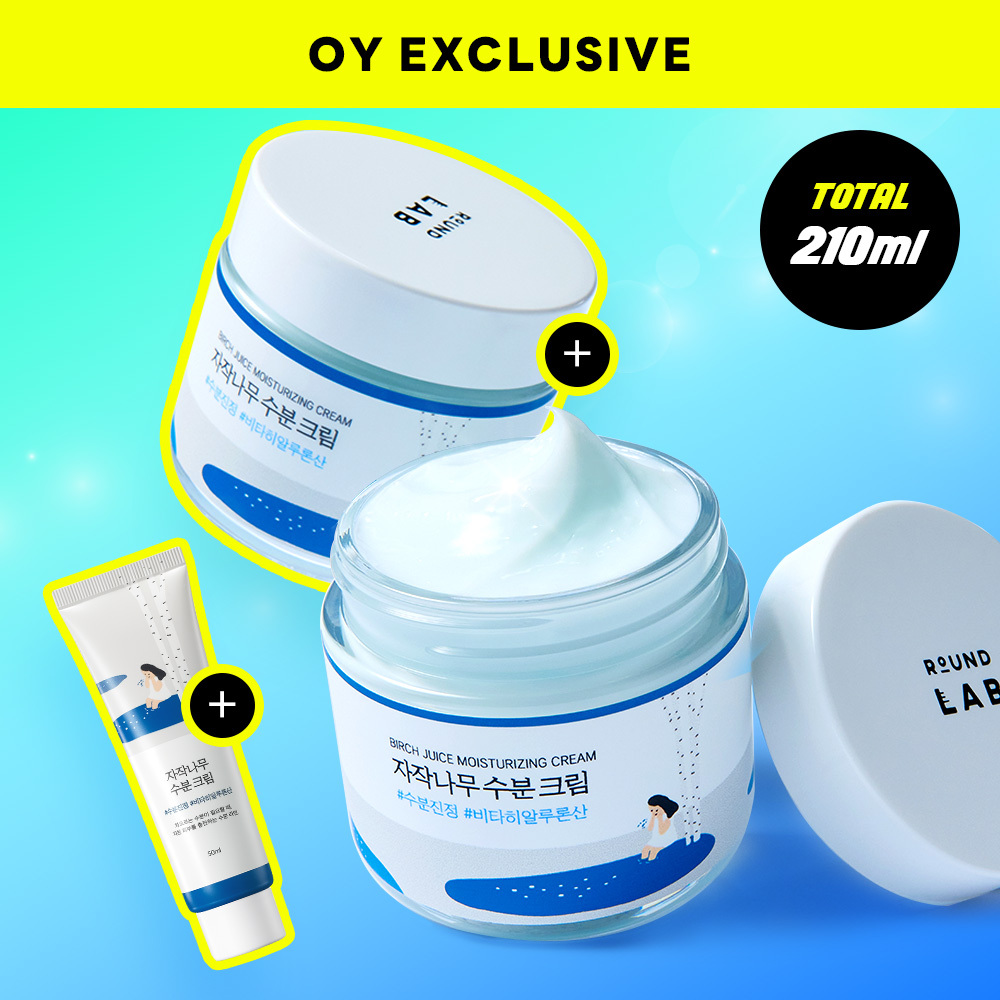
Birch Juice Moisturizing Cream Double Set
Round Lab
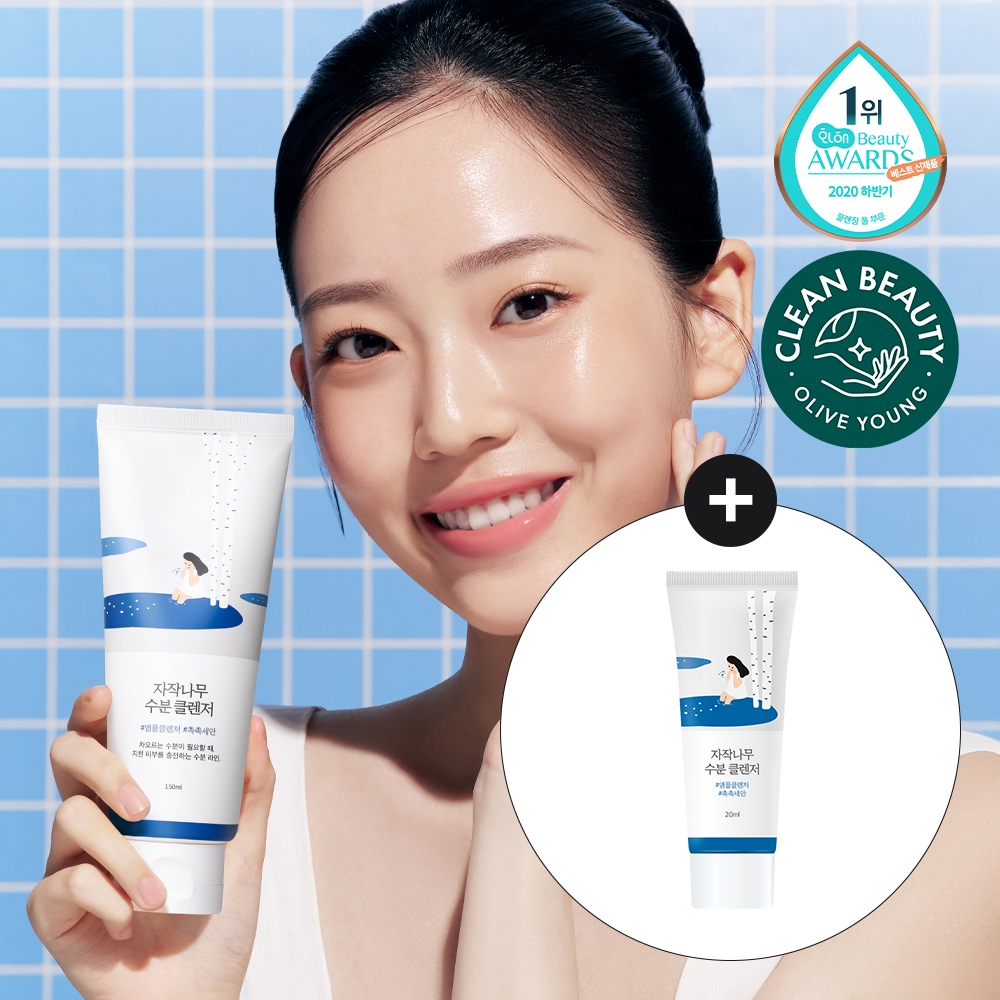
Birch Juice Moisturizing Cleanser
Round Lab
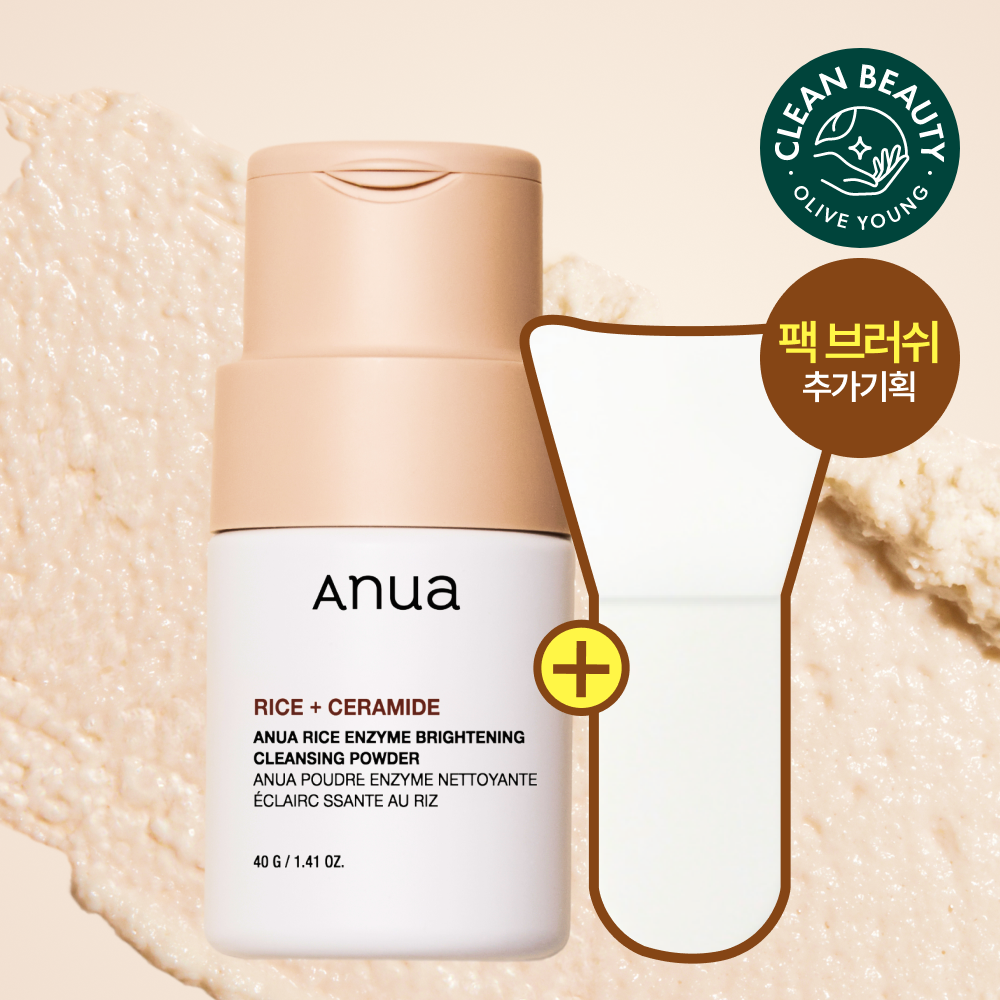
Rice Enzyme Brightening Cleansing Powder
Anua
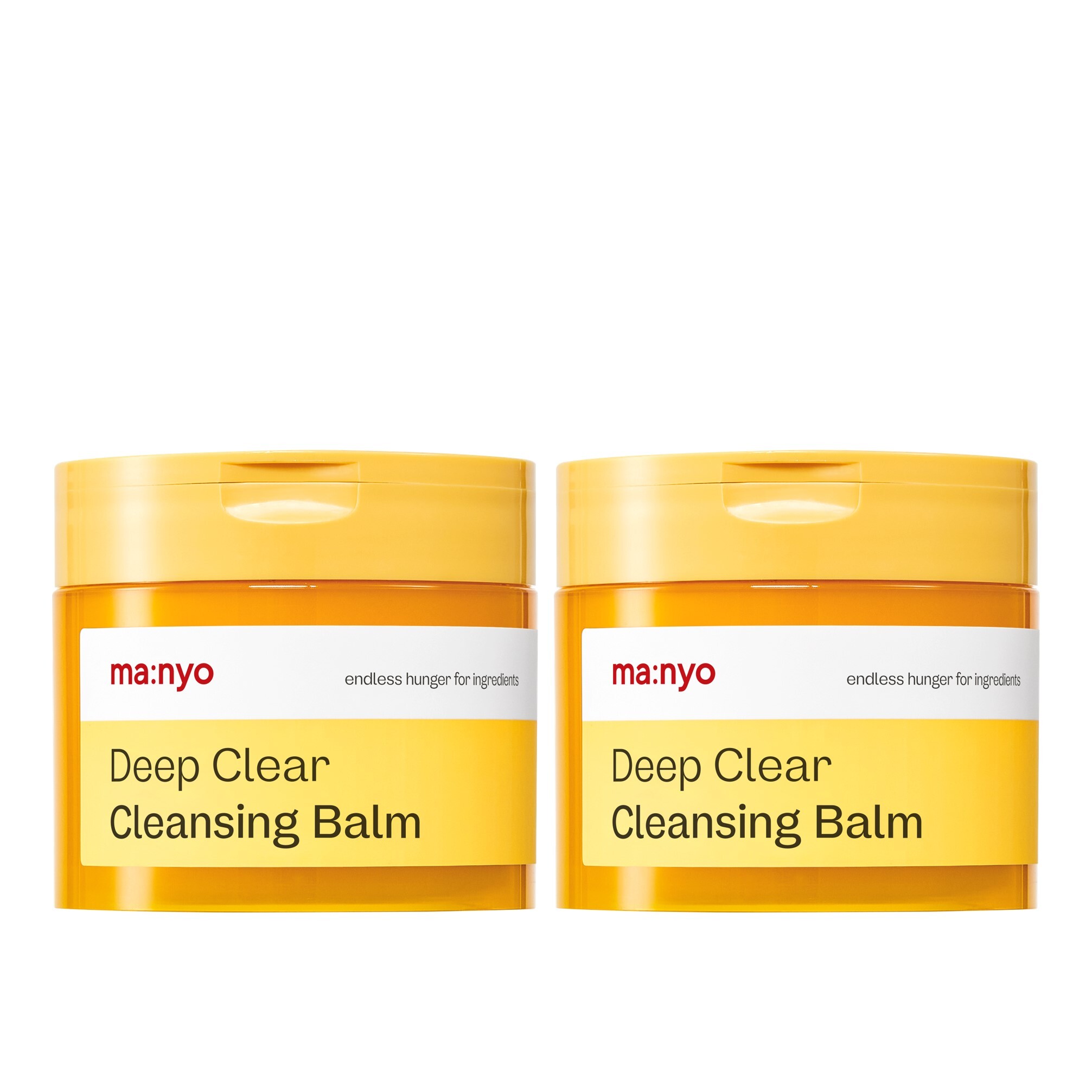
Deep Clear Cleansing Balm Double Pack
ma:nyo
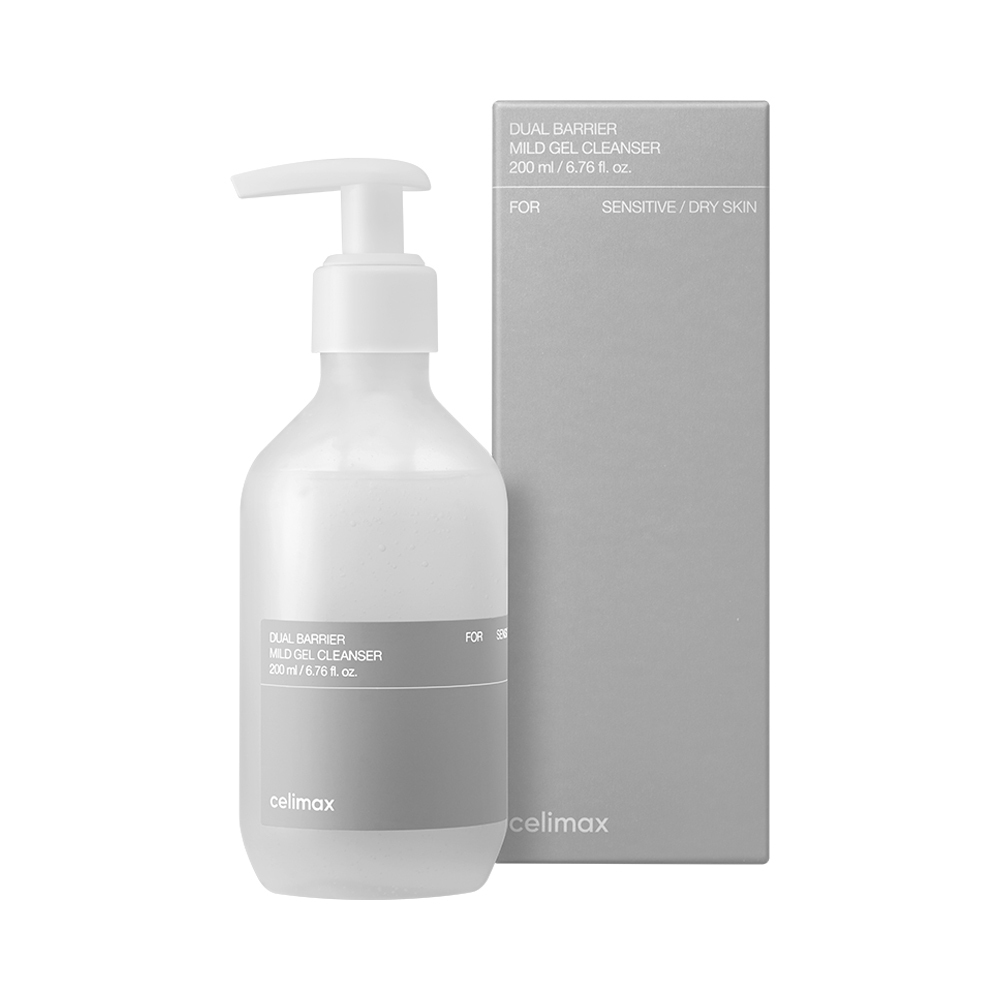
Dual Barrier Mild Gel Cleanser
Celimax
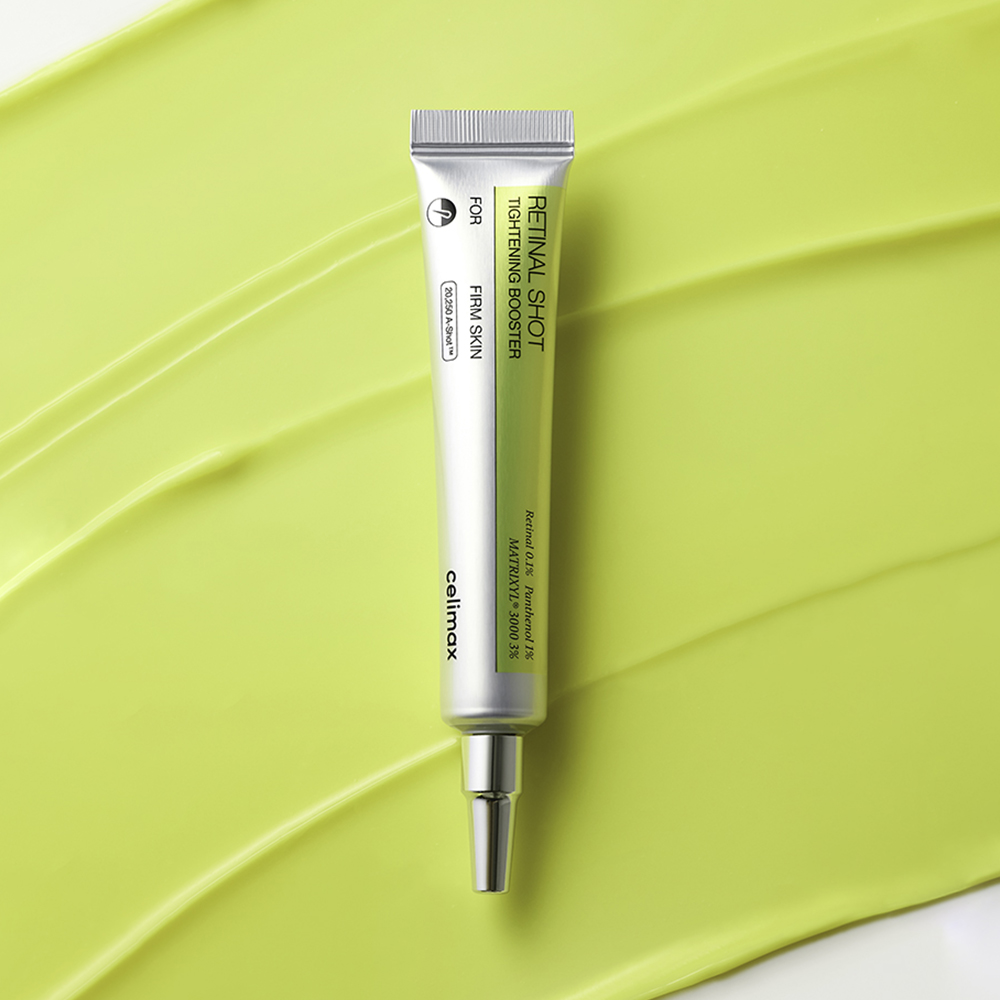
The Vita A Retinal Shot Tightening Booster
Celimax
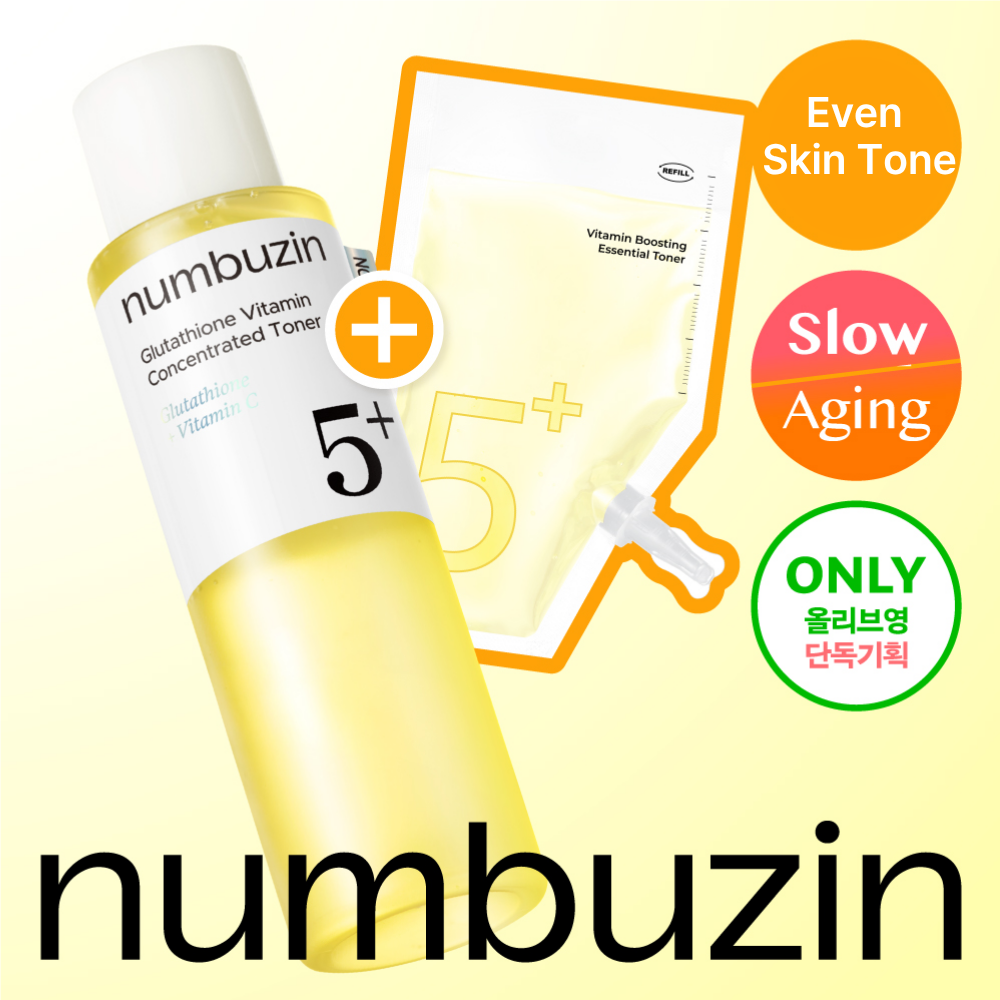
No. 5 Vitamin Boosting Essential Toner
Numbuzin
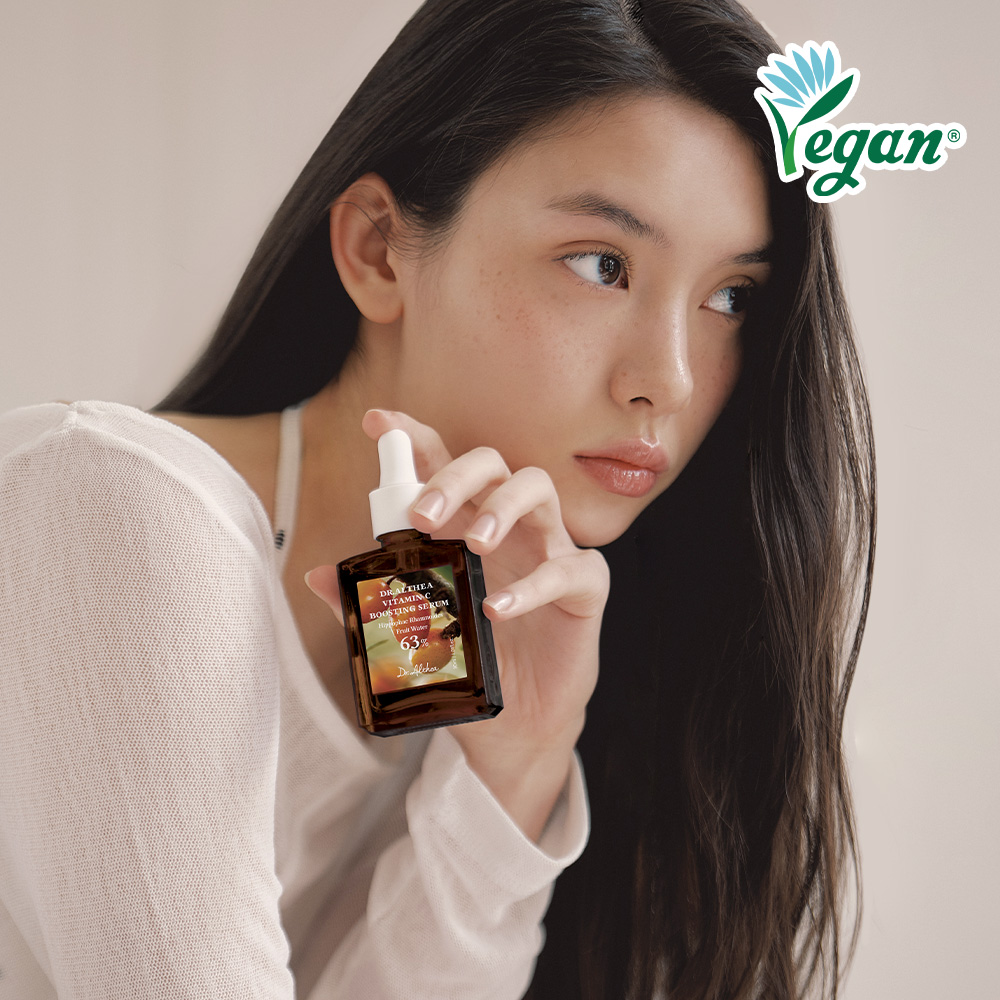
Vitamin C Boosting Serum
Dr. Althea
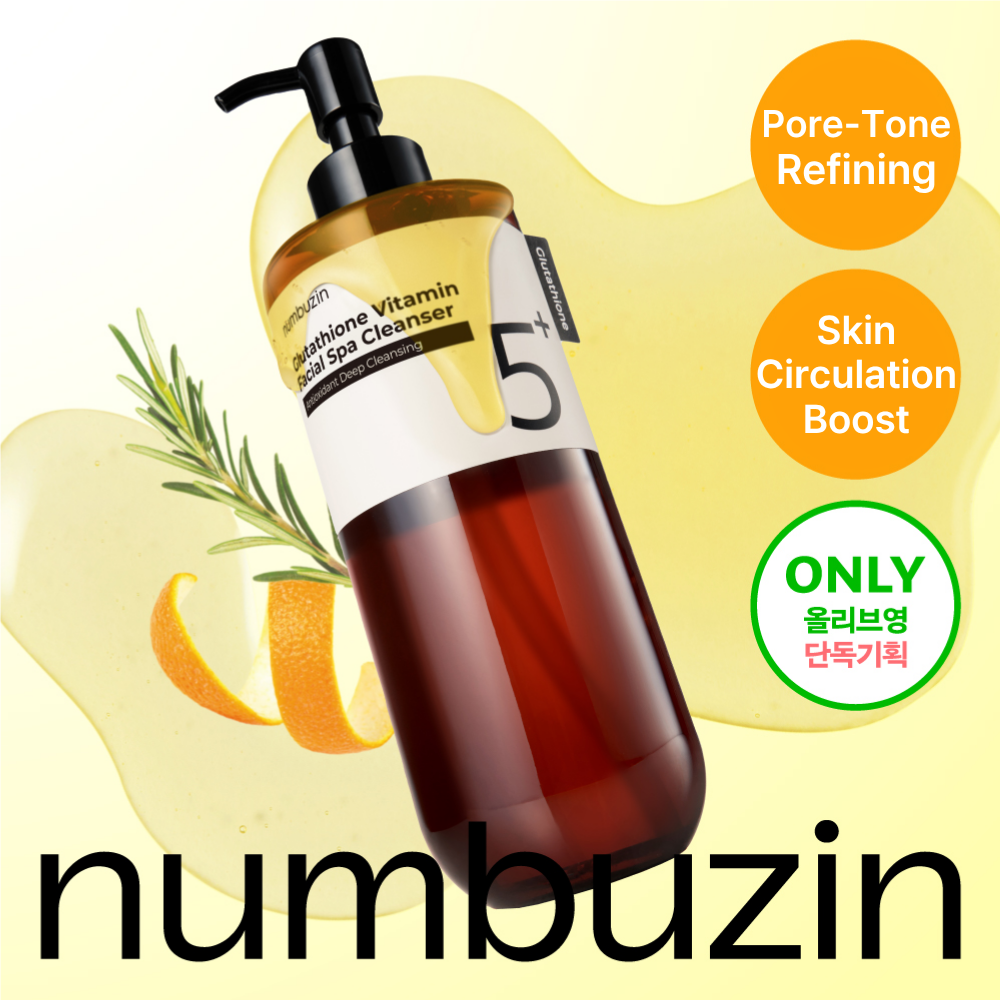
No. 5 Glutathione C Facial Spa Cleanser
Numbuzin
Frequently Asked Questions
Can I use vitamin C and niacinamide together?▼
Why does my vitamin C serum turn orange or brown?▼
Should I use vitamin C in the morning or at night?▼
Can I use vitamin C with retinol?▼
Why does vitamin C work better for some skin types than others?▼
Articles About Vitamin C
Why Does My Skincare Keep Making My Skin Worse?
When your skin gets progressively worse the more products you add, the fix is almost never another active. It's usually your barrier waving a white flag. Here's how to figure out what's actually going wrong and rebuild from there.
Korean Moisturizer or Barrier Cream? How to Tell What Your Skin Actually Needs
A moisturizer is a delivery system with three jobs, and the label rarely says which one you are buying. How to tell damaged from dehydrated, read the ingredient list, and pick accordingly.
Dry Combo Skin With Acne + Scars? Start Here
Dry-but-breaking-out skin isn't a contradiction, and it isn't your fault, it usually means your barrier is stripped and overcompensating. Here's how to calm both problems at once without the harsh actives that made it worse.
Explore More
Want personalized ingredient advice?
Yuri, our AI beauty advisor, can tell you how Vitamin C works with your specific skin type, routine, and concerns.
Ask Yuri, free