Glycolic Acid (AHA)
INCI: Glycolic Acid
Korean: 글리콜산
exfoliating, brightening, anti-aging
The smallest alpha-hydroxy acid (AHA), derived from sugarcane. Deeply exfoliates the skin surface, stimulates collagen production, and improves skin texture and tone. At low concentrations acts as a gentle exfoliant; higher concentrations are more aggressive. Photosensitizing -- use SPF.
About Glycolic Acid (AHA)
Glycolic acid is the smallest molecule in the alpha-hydroxy acid (AHA) family, derived from sugarcane and prized in K-beauty for its ability to penetrate deeply and work fast. Because of its tiny molecular size, it slips past the skin's surface more easily than other AHAs like lactic or mandelic acid, making it one of the most effective exfoliants available. It works by dissolving the bonds between dead skin cells, revealing fresher, brighter skin underneath. Beyond surface exfoliation, glycolic acid also stimulates collagen production in the deeper layers of the skin, which helps smooth fine lines and improve overall texture over time. K-beauty brands have mastered formulating glycolic acid at various strengths, from gentle daily toners to high-percentage peeling ampoules, allowing users to tailor their exfoliation intensity. It's a go-to for tackling dullness, uneven tone, hyperpigmentation, and rough texture. However, it does make skin more sensitive to UV damage, so pairing it with daily SPF is non-negotiable. With 72 products on Seoul Sister featuring glycolic acid, including top-rated formulas like Medicube's Red Acne Succinic Acid Peel and Purito Seoul's Peel Shot Exfoliating Pad (both rated 5.0/5), it's clear this ingredient has earned its place as a K-beauty staple for anyone seeking smoother, more radiant skin.
How Glycolic Acid (AHA) Works
Glycolic acid works by weakening the bonds that hold dead skin cells together on the outermost layer of the epidermis, a process called desquamation. Its small molecular weight (76 Da) allows it to penetrate more deeply than larger AHAs, reaching not just the stratum corneum but also the upper dermis. Once absorbed, it interacts with keratinocytes and signals increased cell turnover, encouraging the skin to shed dull, damaged cells faster. This exposes younger, healthier cells and gives the complexion an immediate glow. At the same time, glycolic acid lowers the skin's pH temporarily, which can trigger fibroblasts in the dermis to ramp up collagen and elastin synthesis. This dual action, exfoliation on the surface and collagen stimulation beneath, is why glycolic acid is effective for both immediate radiance and long-term anti-aging benefits. The concentration and pH of the formula determine how aggressive the peel is. Lower concentrations (under 10%) are gentle enough for daily use, while higher strengths (20-30%) are typically used in targeted treatments or professional peels.
Glycolic Acid (AHA) by Skin Type
Oily Skin
Glycolic acid is excellent for oily skin because it helps unclog pores, reduce sebum buildup, and prevent breakouts by keeping dead skin cells from trapping oil. Its exfoliating action also minimizes the appearance of enlarged pores over time. Start with lower concentrations to avoid over-exfoliation, which can paradoxically trigger more oil production.
Dry Skin
Dry skin can benefit from glycolic acid's ability to remove flaky, rough patches and improve moisture absorption from other products. However, higher concentrations can strip the skin and worsen dryness, so it's best to use gentler formulations (5-8%) and always follow with a rich moisturizer. Avoid using it daily if you experience tightness or irritation.
Combo Skin
Combination skin responds well to glycolic acid because it can address both oily and dry zones without over-treating either. Use it to smooth rough areas and control shine in the T-zone, but monitor how your skin reacts and adjust frequency if you notice dryness on the cheeks. A balanced, mid-strength formula (around 10%) works well for most combination types.
Sensitive Skin
Sensitive skin should approach glycolic acid with caution. Its small molecule size and low pH can cause redness, stinging, and irritation, especially at higher concentrations. If you want to try it, start with a product under 5% glycolic acid, use it once or twice a week, and patch test first. Consider switching to a gentler AHA like lactic acid if glycolic proves too harsh.
Normal Skin
Normal skin can handle glycolic acid well and will see noticeable improvements in texture, brightness, and clarity. You can use moderate concentrations (10-15%) a few times a week without major issues, though it's still important to listen to your skin and scale back if you notice sensitivity. Consistent use will keep your complexion smooth and glowing.
How to Use Glycolic Acid (AHA)
- 1Always apply glycolic acid to clean, dry skin. Damp skin increases penetration and can lead to irritation.
- 2Start slow. Use it 1-2 times per week for the first few weeks, then gradually increase frequency as your skin builds tolerance.
- 3Never skip sunscreen the morning after using glycolic acid. AHAs make your skin more vulnerable to UV damage and hyperpigmentation.
- 4Avoid layering glycolic acid with other strong actives like retinol or high-strength vitamin C in the same routine to prevent over-exfoliation and irritation.
- 5If you're using a high-percentage peel (20-30%), follow the product's instructions carefully and consider doing it at night so your skin has time to recover.
Background
Glycolic acid's journey into skincare began in the 1970s when dermatologists studying fruit acids discovered that sugarcane-derived glycolic acid had remarkable exfoliating and anti-aging properties. By the 1990s, it became a cornerstone of chemical peels in Western dermatology. K-beauty brands embraced glycolic acid in the early 2010s, integrating it into accessible at-home formats like toners, serums, and peeling pads. Korean formulators focused on balancing efficacy with gentleness, often combining glycolic acid with soothing ingredients like centella asiatica or hyaluronic acid to minimize irritation. This approach made chemical exfoliation less intimidating for everyday consumers and helped glycolic acid become a staple in multi-step Korean skincare routines. Today, it's one of the most researched and widely used AHAs in both professional and consumer skincare worldwide.
Addresses These Concerns
Known Interactions
Both AHAs and vitamin C (L-ascorbic acid) are acidic and work at low pH. While they are not chemically incompatible, layering both in the same routine can be unnecessarily irritating for sensitive skin types. Some formulations intentionally combine them, but higher-strength versions of each should not be stacked.
Recommendation: If you use both, apply vitamin C first (it needs the lowest pH), then wait a few minutes before applying the AHA. For sensitive skin, use on alternate days. Most people tolerate this combination well at moderate concentrations.
Using retinol and AHAs (like glycolic acid) together significantly increases risk of irritation, redness, peeling, and a compromised skin barrier. Both are potent exfoliants/actives -- layering them can cause over-exfoliation and photosensitivity.
Recommendation: Use on alternate nights (skin cycling: retinol night, then AHA night, then recovery nights). Never apply both in the same routine. Always apply SPF the following morning.
K-Beauty Products with Glycolic Acid (AHA)
View all 84 →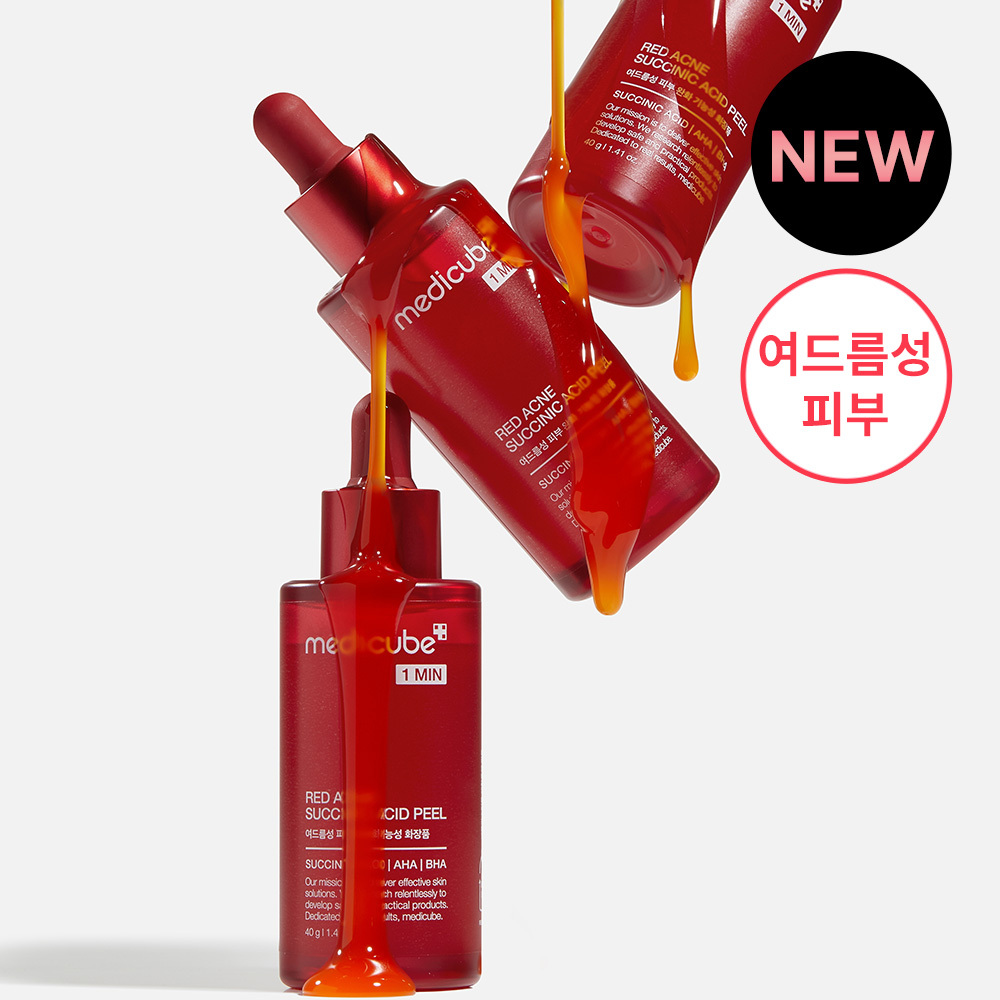
Red Acne Succinic Acid Peel
Medicube
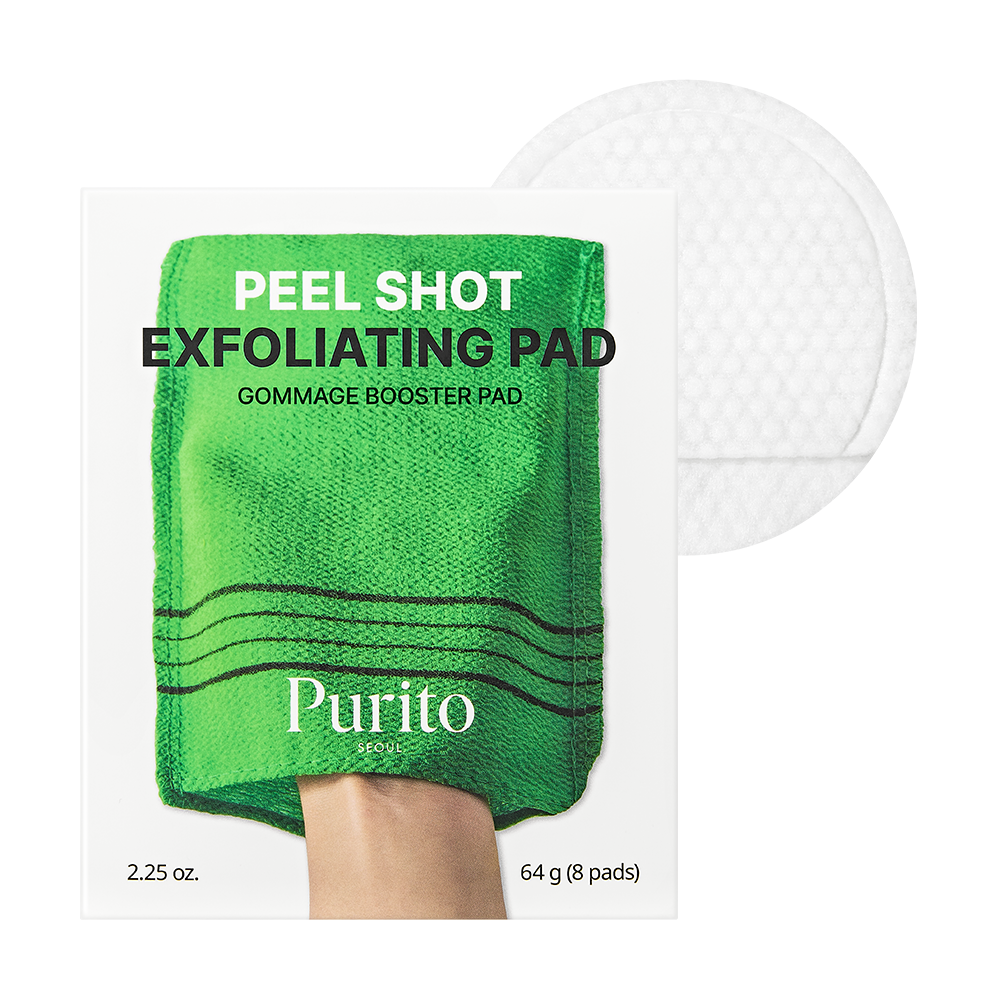
Peel Shot Exfoliating Pad
Purito Seoul
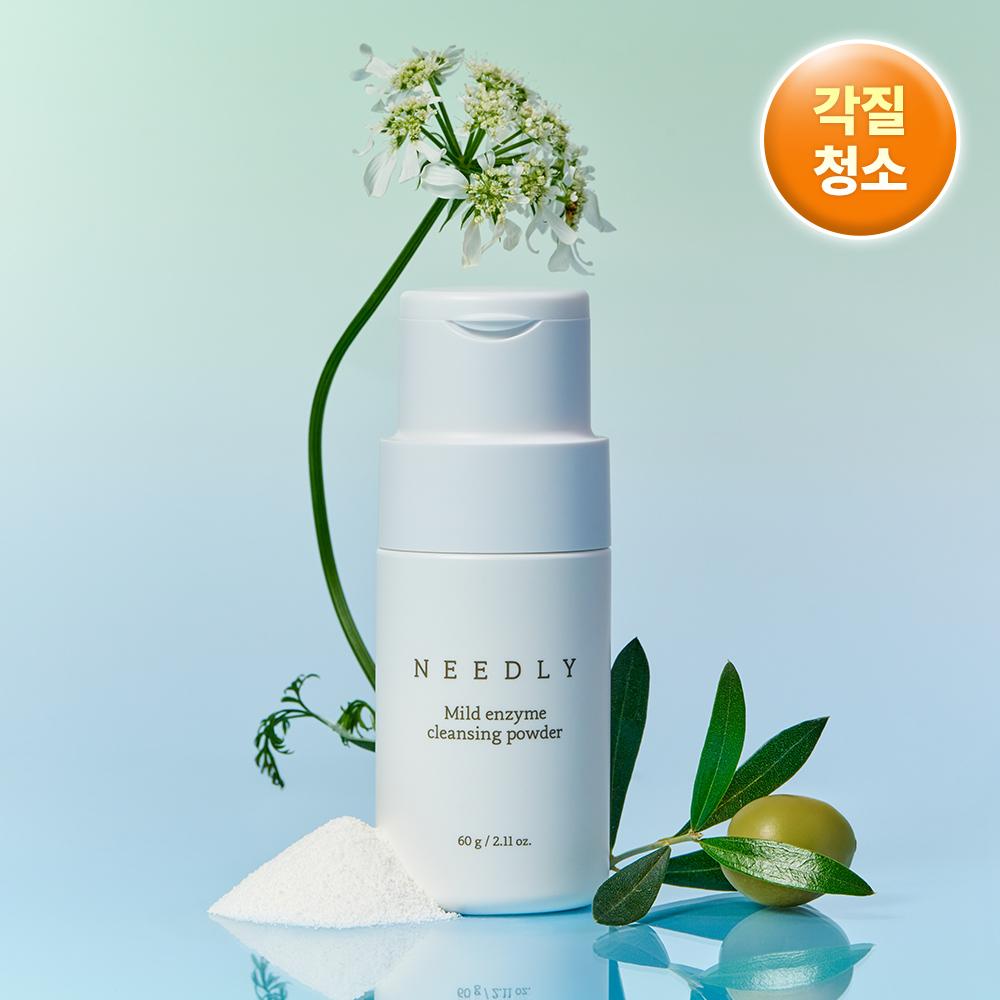
Mild Enzyme Cleansing Powder
NEEDLY
Hyper Glow 30% Ampoule Peeling 2-Step Program
Dr.G
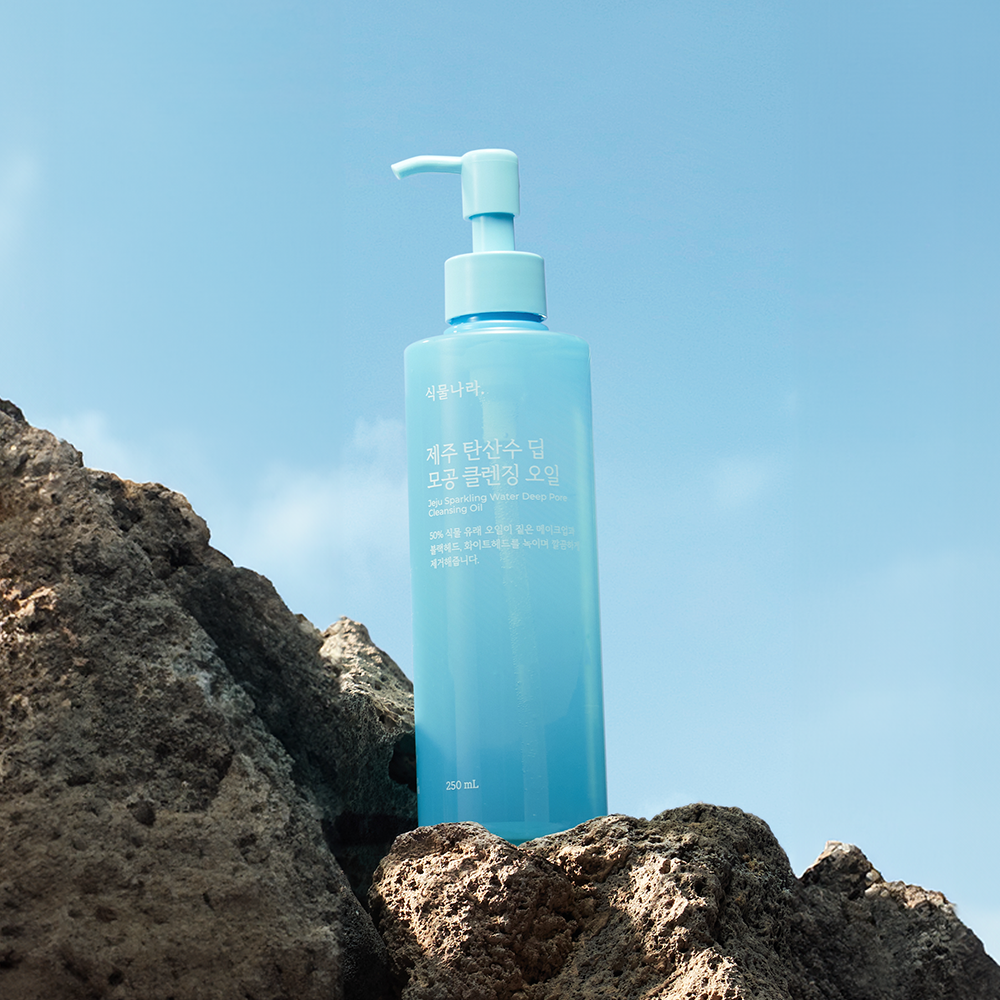
Jeju Sparkling Water Deep Pore Cleansing Oil
Shingmulnara

Zinc Teca Trouble Serum
Bringgreen

Madeca Matcha Toning Peeling Gel
Centellian24
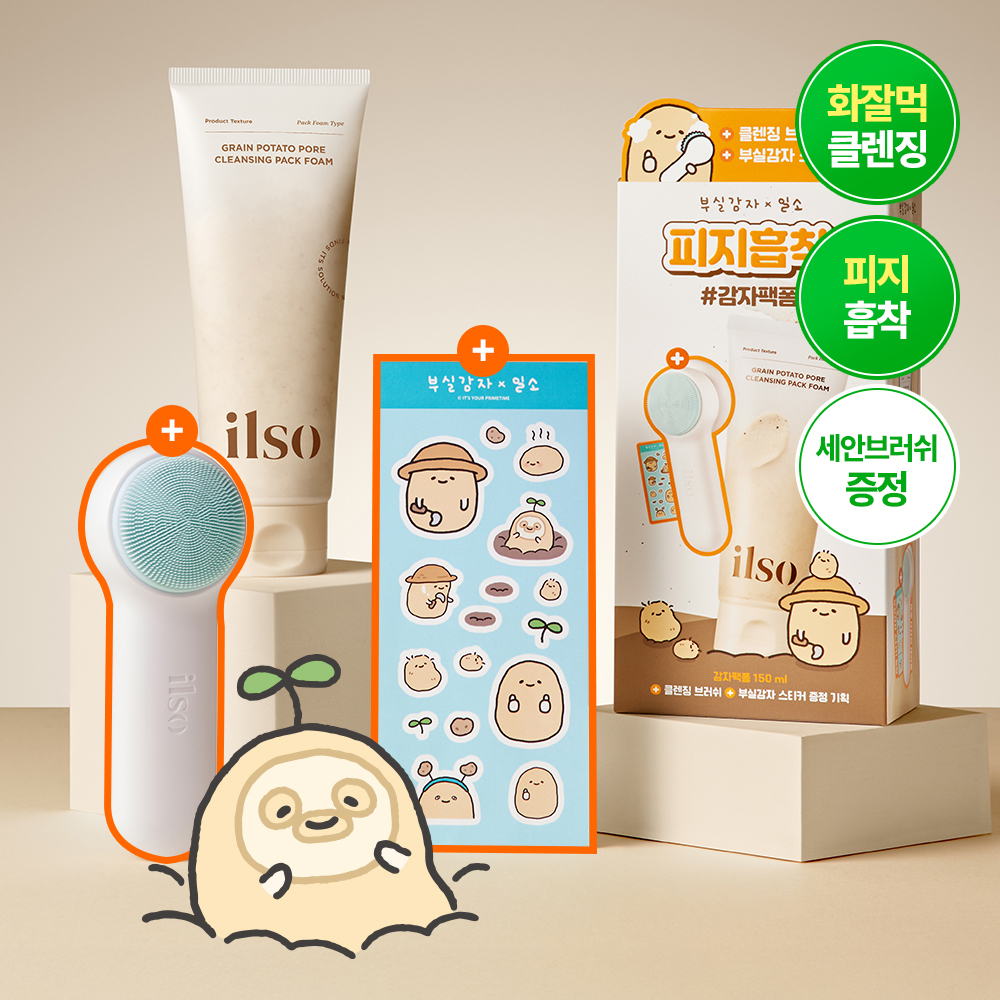
Grain Potato Cleansing Pack Foam
Ilso
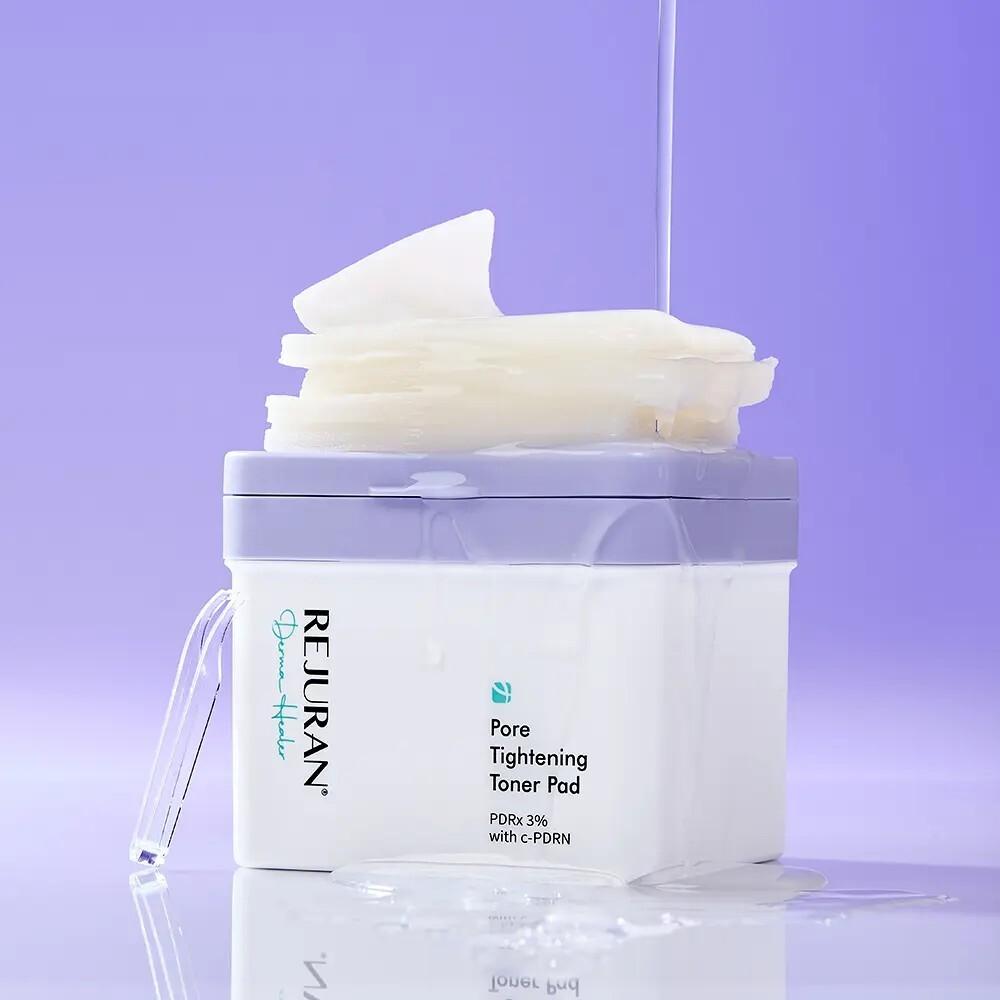
Derma Healer Pore Tightening Toner Pad 60P Limited Set
Rejuran
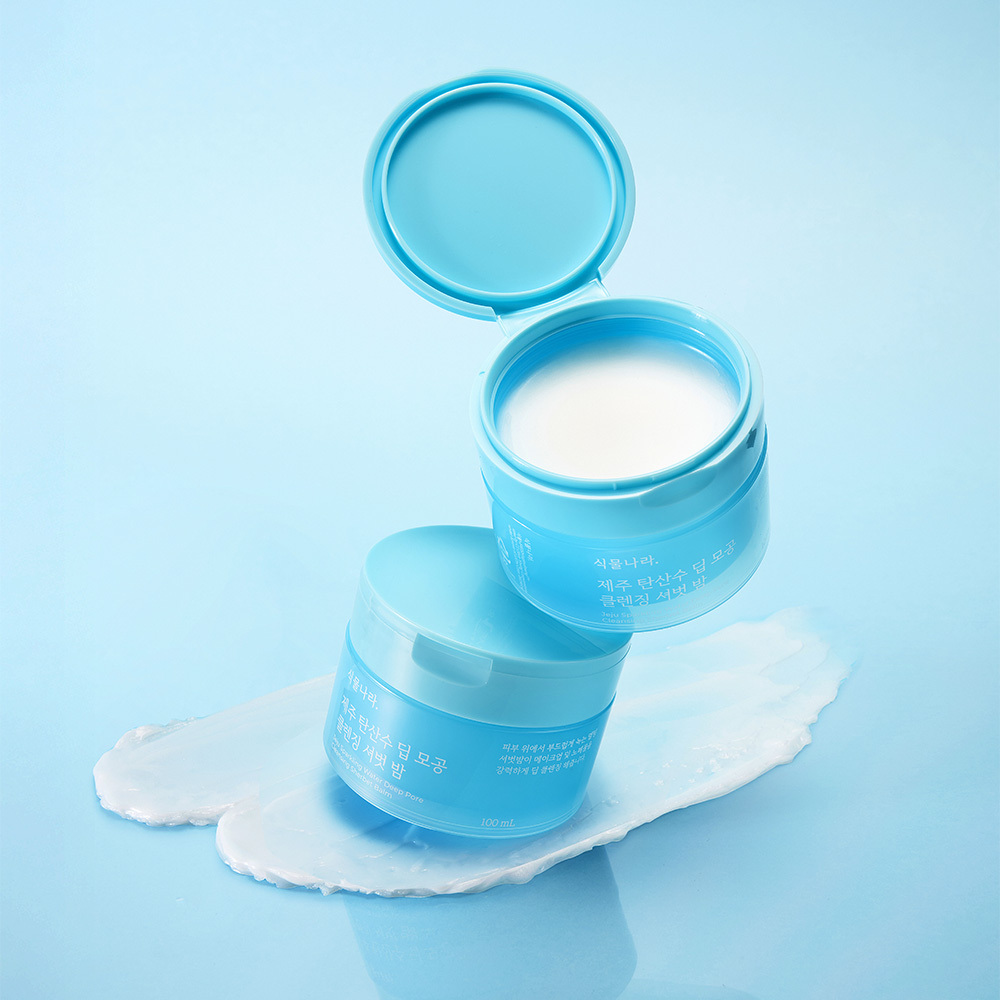
Jeju Sparkling Water Deep Pore Cleansing Sherbet Balm
Shingmulnara
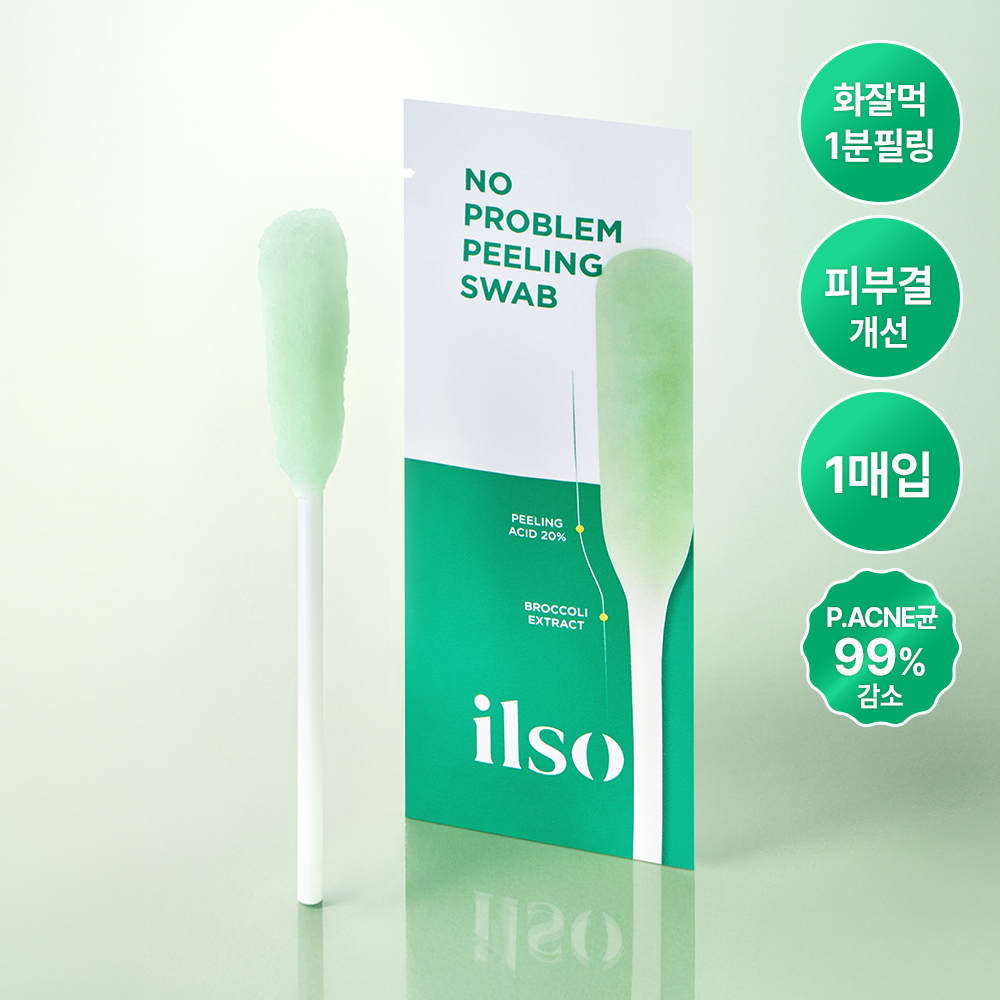
No Problem Peeling Swab
Ilso
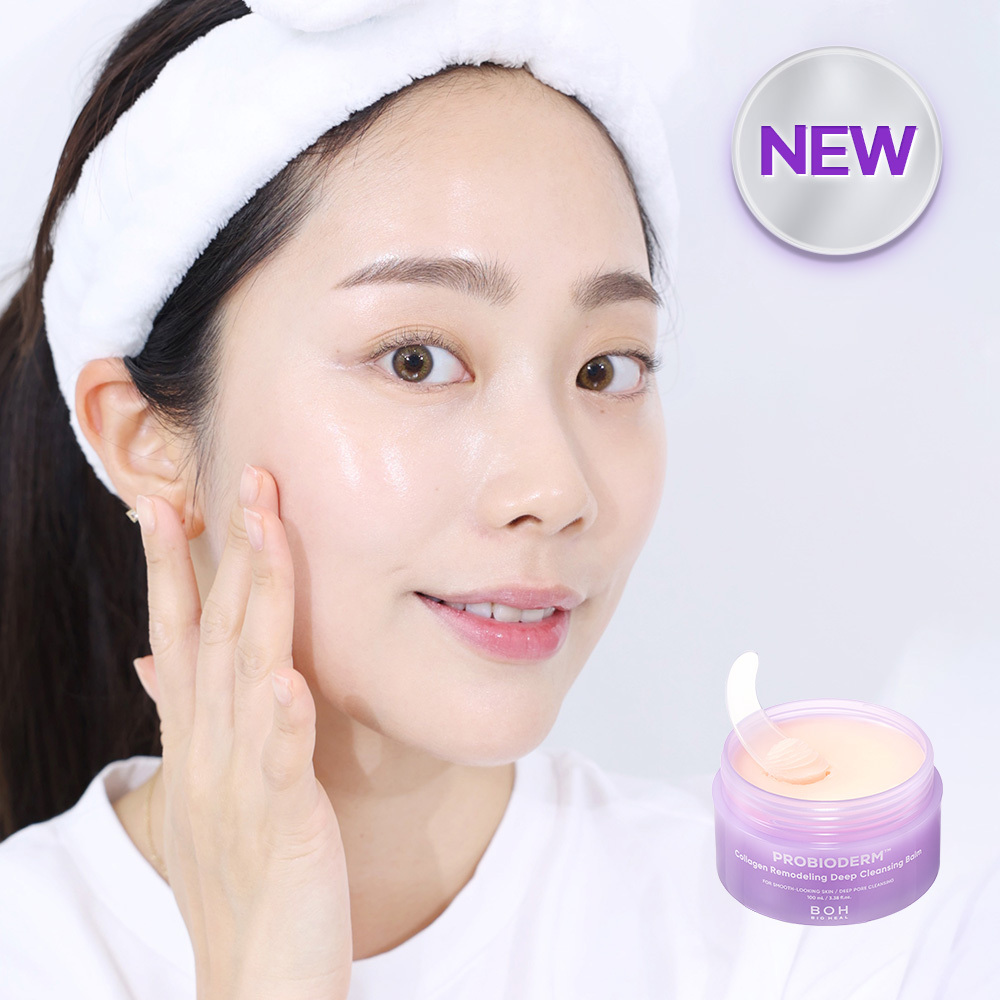
Probioderm Collagen Remodeling Deep Cleansing Balm
Bioheal BOH
Frequently Asked Questions
Can I use glycolic acid every day?▼
Why can't I use glycolic acid with retinol?▼
Does glycolic acid help with acne scars and hyperpigmentation?▼
Is glycolic acid safe during pregnancy?▼
What's the difference between glycolic acid and lactic acid?▼
Articles About Glycolic Acid (AHA)
How to Tell If Your Skin Barrier Is Damaged (Real Signs)
Stinging, redness, and products that suddenly burn aren't random, they're your skin barrier waving a white flag. Here's how to actually tell if yours is compromised, and the exact ingredients that rebuild it.
How to Evaluate Your K-Beauty Routine (Without Guessing)
You've got a shelf full of K-beauty products but no idea if they're actually working together or secretly fighting each other. Here's how to evaluate what you have, figure out what's missing, and stop wasting money on products that don't fit your skin.
Best Korean Skincare for Dry Skin With Pigmentation: A Routine That Treats Both
Treating pigmentation when your skin is dry feels like a catch-22. Most brightening actives are harsh, and most hydrating routines ignore dark spots entirely. Here's how to build a K-beauty routine that does both without compromise.
Explore More
Want personalized ingredient advice?
Yuri, our AI beauty advisor, can tell you how Glycolic Acid (AHA) works with your specific skin type, routine, and concerns.
Ask Yuri, free