Retinol (Vitamin A)
INCI: Retinol
Korean: 레티놀
anti-aging, exfoliating, acne-control
A vitamin A derivative that accelerates cell turnover, stimulates collagen synthesis, and reduces fine lines, wrinkles, and acne. One of the most evidence-backed anti-aging ingredients. Requires careful introduction (start low, go slow). Photosensitizing -- use at night. Avoid during pregnancy.
About Retinol (Vitamin A)
Retinol is the gold standard anti-aging ingredient in both Western and K-beauty skincare, backed by decades of clinical research proving its ability to reduce fine lines, wrinkles, acne, and hyperpigmentation. As a pure form of vitamin A, retinol works at a cellular level to accelerate skin cell turnover and stimulate collagen production, making it one of the few ingredients with visible, measurable results over time. In K-beauty formulations, retinol is often combined with soothing ingredients like centella asiatica or PDRN to minimize irritation while maximizing efficacy. Korean brands have mastered the art of delivering retinol in gentler, more stable formulations that respect the skin barrier, a philosophy central to K-beauty's approach. With 96 products on Seoul Sister featuring retinol and community effectiveness ratings as high as 87% for anti-aging concerns, this ingredient has proven its value across multiple skin types. However, retinol requires patience and respect. It's photosensitizing (meaning it makes skin more vulnerable to UV damage), so it must be used at night with diligent SPF application during the day. The mantra 'start low, go slow' exists for good reason: jumping in with high concentrations can lead to retinization (redness, peeling, sensitivity) that discourages continued use. When introduced properly, retinol transforms skin texture, fades dark spots, clears acne, and delivers the kind of long-term anti-aging results that few other ingredients can match.
How Retinol (Vitamin A) Works
Retinol penetrates the skin and converts into retinoic acid, the active form of vitamin A that your skin cells can actually use. Once converted, retinoic acid binds to specific nuclear receptors in your skin cells, essentially sending signals that tell your cells to behave like younger, healthier versions of themselves. This triggers several key processes: it speeds up cell turnover by promoting the shedding of old, damaged cells and the production of fresh new ones, reducing the appearance of fine lines and uneven texture. It also stimulates fibroblasts (the cells responsible for making collagen and elastin) to ramp up production, which helps restore skin firmness and elasticity lost with age. At the same time, retinol regulates sebum production and prevents dead skin cells from clogging pores, which is why it's so effective for acne. It also inhibits the enzyme tyrosinase, which controls melanin production, making it powerful for fading hyperpigmentation and dark spots. The catch is that retinol must be converted into retinoic acid by your skin's enzymes, which is why it's gentler than prescription tretinoin but also requires consistent use over weeks to months to see full results.
Retinol (Vitamin A) by Skin Type
Oily Skin
Retinol is excellent for oily skin, with Seoul Sister users reporting 80% effectiveness for acne concerns. It regulates sebum production, unclogs pores, and prevents breakouts while improving overall texture. Oily skin tends to tolerate retinol better than drier types due to higher natural oil production, which can buffer irritation.
Dry Skin
Dry skin can benefit from retinol's collagen-boosting and texture-refining effects (78% effectiveness for anti-aging), but it requires extra caution. The exfoliating action can exacerbate dryness and lead to flaking or sensitivity. Use a lower concentration (0.25% to 0.5%), apply over a hydrating serum, and always follow with a rich moisturizer to support the skin barrier.
Combo Skin
Combination skin responds very well to retinol, with 84% effectiveness for anti-aging on Seoul Sister. The ingredient addresses both oiliness in the T-zone (by regulating sebum) and dryness on the cheeks (by improving cell turnover). Focus application on areas of concern and adjust moisturizer thickness by zone if needed.
Sensitive Skin
Sensitive skin shows the lowest tolerance for retinol, with 62% effectiveness and higher risk of irritation, redness, and peeling. If you have sensitive skin, start with an encapsulated or time-release retinol formula (common in K-beauty), use it only 1-2 times per week initially, and pair it with calming ingredients like centella or PDRN. Many K-beauty retinol products, like VT's Cica Reti-A Essence, are specifically formulated with soothing agents to minimize reactivity.
Normal Skin
Normal skin is the ideal candidate for retinol, achieving 87% effectiveness for anti-aging according to Seoul Sister data. You can tolerate a wider range of concentrations and frequency, making it easier to build up to nightly use. Focus on consistency and sun protection to maximize long-term benefits without compromising your naturally balanced skin barrier.
How to Use Retinol (Vitamin A)
- 1Start with a low concentration (0.25% to 0.5%) and use it only 1-2 nights per week for the first month. Gradually increase frequency as your skin builds tolerance. This minimizes the dreaded retinol purge and irritation.
- 2Always apply retinol to completely dry skin at night. Damp skin increases penetration and can lead to irritation. Wait 20-30 minutes after cleansing before applying.
- 3Use a pea-sized amount for your entire face. More is not better with retinol. Avoid the eye area, corners of the nose, and lips unless you're using a product specifically formulated for those delicate zones.
- 4Non-negotiable: wear SPF 30 or higher every single day when using retinol. Retinol increases photosensitivity, making your skin more vulnerable to UV damage and hyperpigmentation. Skipping sunscreen negates retinol's benefits and can cause more harm than good.
- 5Do not combine retinol with glycolic acid or other AHAs in the same routine. Seoul Sister data shows high conflict risk, leading to severe irritation and barrier damage. Alternate nights or use AHAs in the morning and retinol at night, though even this requires caution.
Background
Retinol's journey to skincare stardom began in the 1930s when vitamin A was first isolated, but its dermatological power wasn't recognized until the 1970s when Dr. Albert Kligman discovered that topical tretinoin (prescription retinoic acid) could treat acne and reverse photoaging. This led to decades of research proving that vitamin A derivatives could fundamentally alter skin function at a cellular level. Over-the-counter retinol became widely available in the 1980s as a gentler alternative to prescription retinoids. K-beauty embraced retinol later than Western markets, approaching it with characteristic caution and innovation. Korean brands focused on stabilizing retinol in formulations that minimized irritation, often pairing it with traditional soothing ingredients like centella, green tea, and fermented extracts. This philosophy of 'powerful but gentle' has made K-beauty retinol products particularly appealing to those intimidated by retinol's reputation for harshness, as seen in products like Medicube's PDRN Pink Collagen Bubble Serum and VT's Cica Reti-A line.
Addresses These Concerns
Effectiveness by Skin Type
Drawing on K-beauty clinical research and community consensus, Retinol (Vitamin A) shows the highest effectiveness for normal skin targeting anti-aging (87% positive) and combination skin targeting anti-aging (84% positive). It also benefits oily skin for acne, dry skin for anti-aging, sensitive skin for anti-aging.
For anti-aging · 60 reports
For anti-aging · 50 reports
For acne · 55 reports
For anti-aging · 50 reports
For anti-aging · 50 reports
Known Interactions
Using retinol and AHAs (like glycolic acid) together significantly increases risk of irritation, redness, peeling, and a compromised skin barrier. Both are potent exfoliants/actives -- layering them can cause over-exfoliation and photosensitivity.
Recommendation: Use on alternate nights (skin cycling: retinol night, then AHA night, then recovery nights). Never apply both in the same routine. Always apply SPF the following morning.
Combining retinol and salicylic acid (BHA) in the same routine can lead to over-exfoliation, especially for sensitive or dry skin types. Salicylic acid's low pH may also reduce retinol's effectiveness. The combination is more tolerable than retinol + AHA but still warrants caution.
Recommendation: Alternate use: apply salicylic acid in the AM (if needed) and retinol PM, or use on different nights. If your skin is not sensitive, some users tolerate layering with a buffer moisturizer in between. Monitor for irritation.
Pure L-ascorbic acid (vitamin C) requires an acidic pH (around 3.5) to remain stable and effective, while retinol works optimally at a higher pH. Using them together in the same step may render one or both ingredients less effective. Additionally, combining two potent actives can increase irritation risk for sensitive skin.
Recommendation: Use vitamin C in the AM (where its antioxidant benefits pair perfectly with SPF) and retinol in the PM. This also avoids the photosensitizing effect of retinol during daytime.
K-Beauty Products with Retinol (Vitamin A)
View all 111 →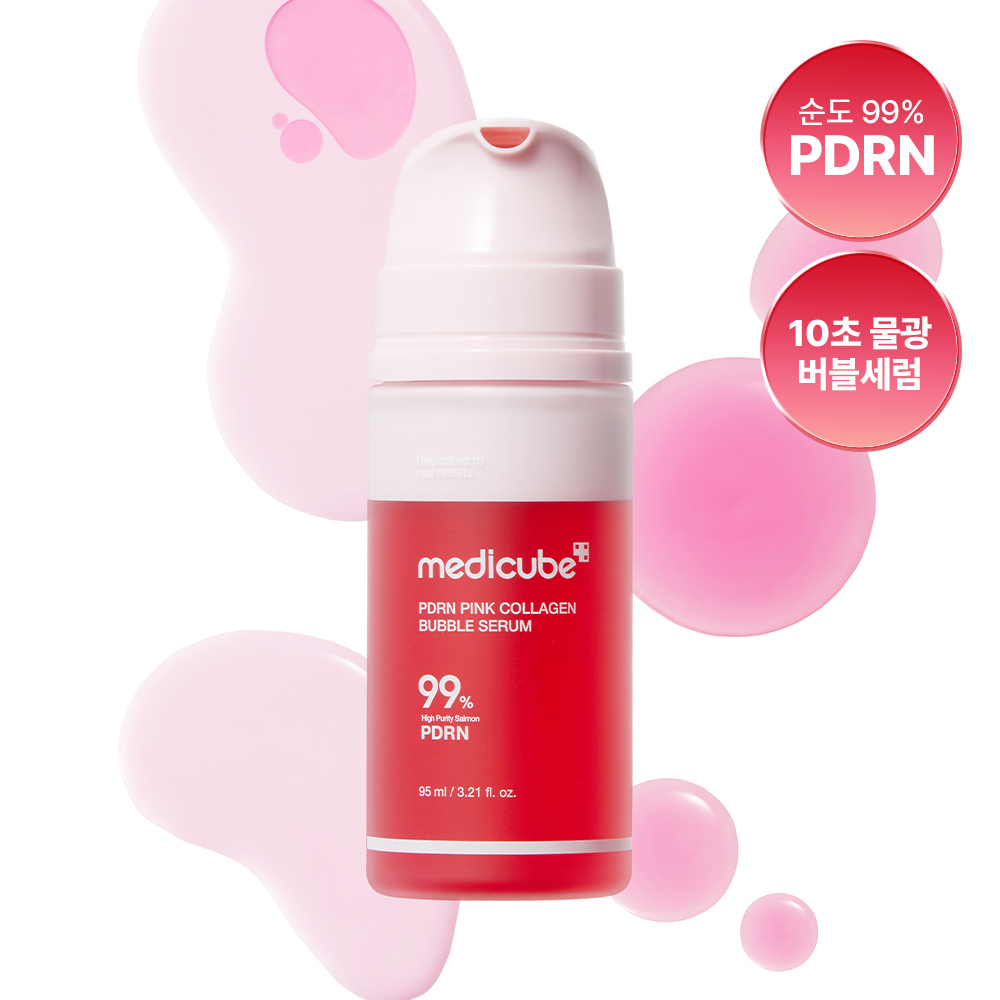
PDRN Pink Collagen Bubble Serum
Medicube
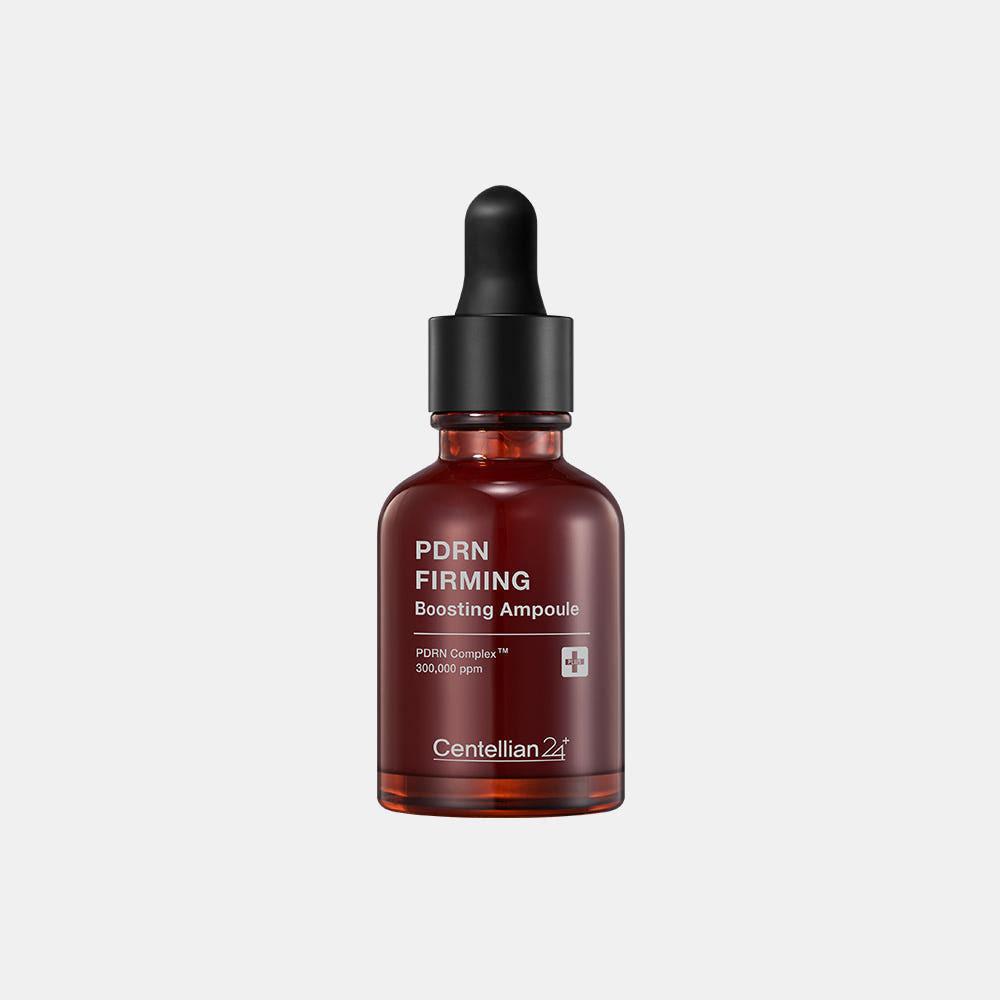
PDRN Firming Boosting Ampoule
Centellian24
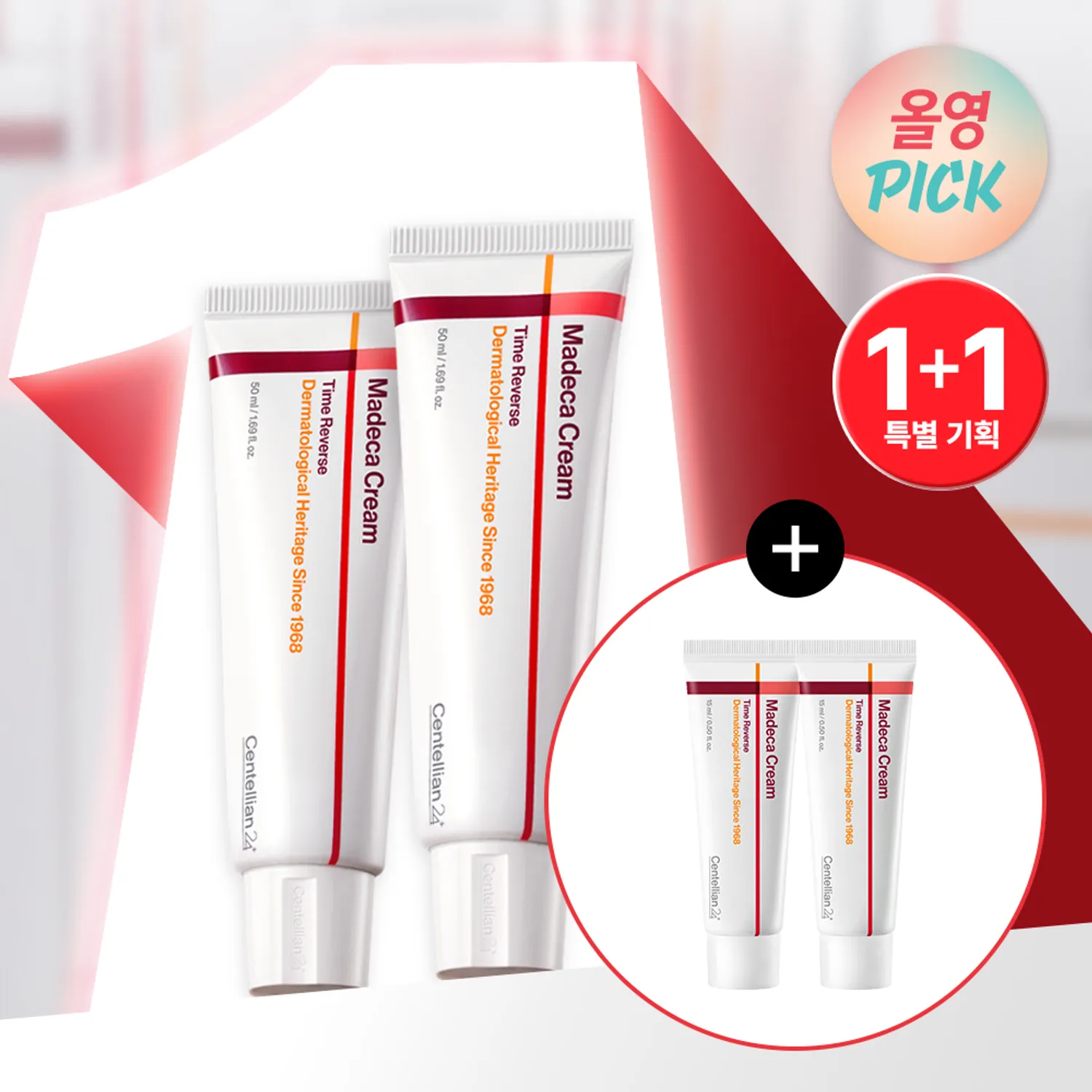
Madeca Cream Time Reverse Double Pack
Centellian24
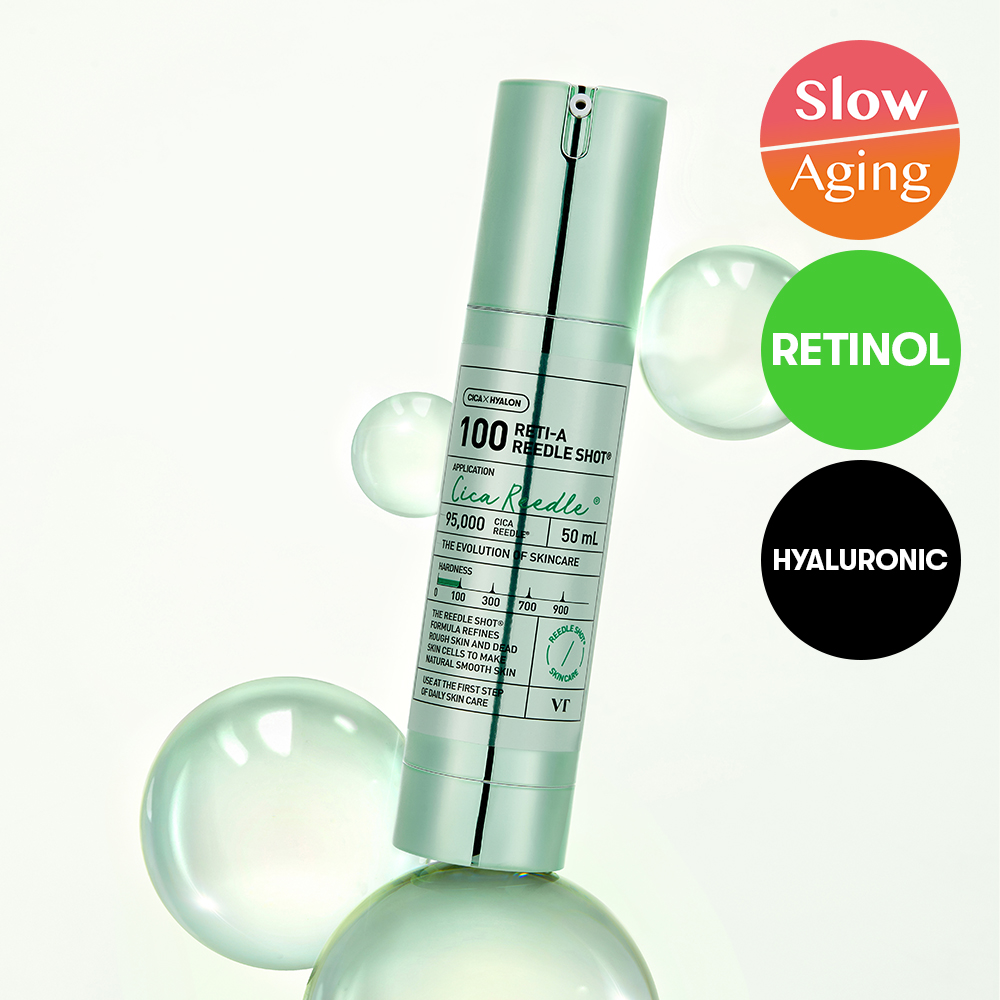
Reti-A Reedle Shot 100
VT
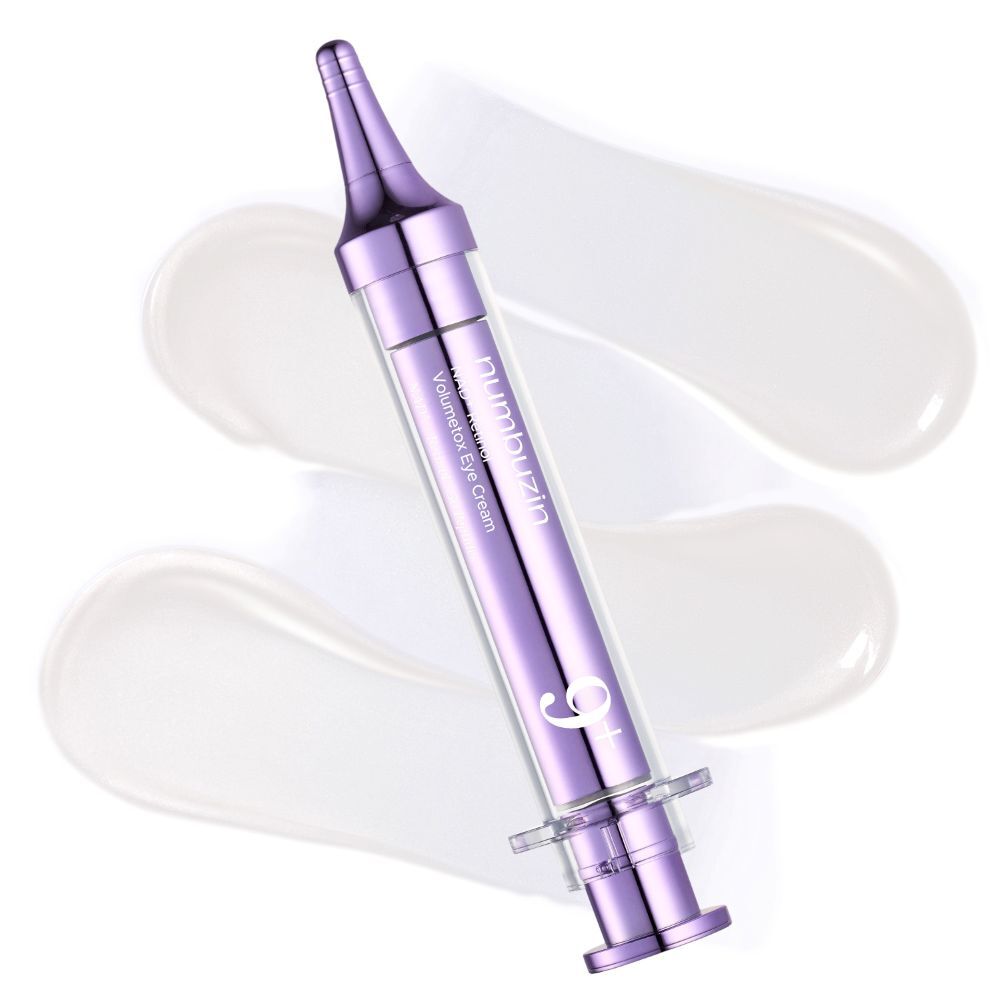
No. 9 NAD RetinA Volume Shot Eye Cream
Numbuzin
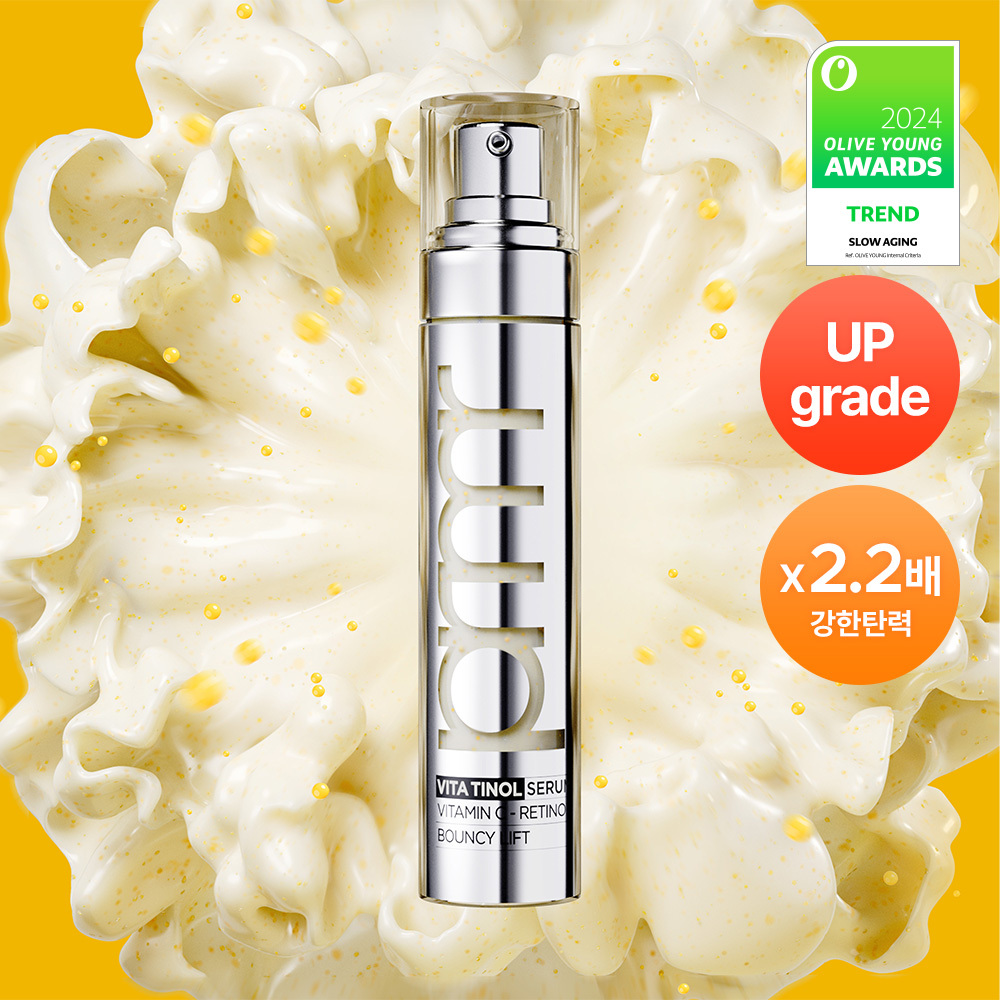
Vitatinol Bouncy Lift Serum
Primera

Cellmazing Firming Eye Cream
Torriden
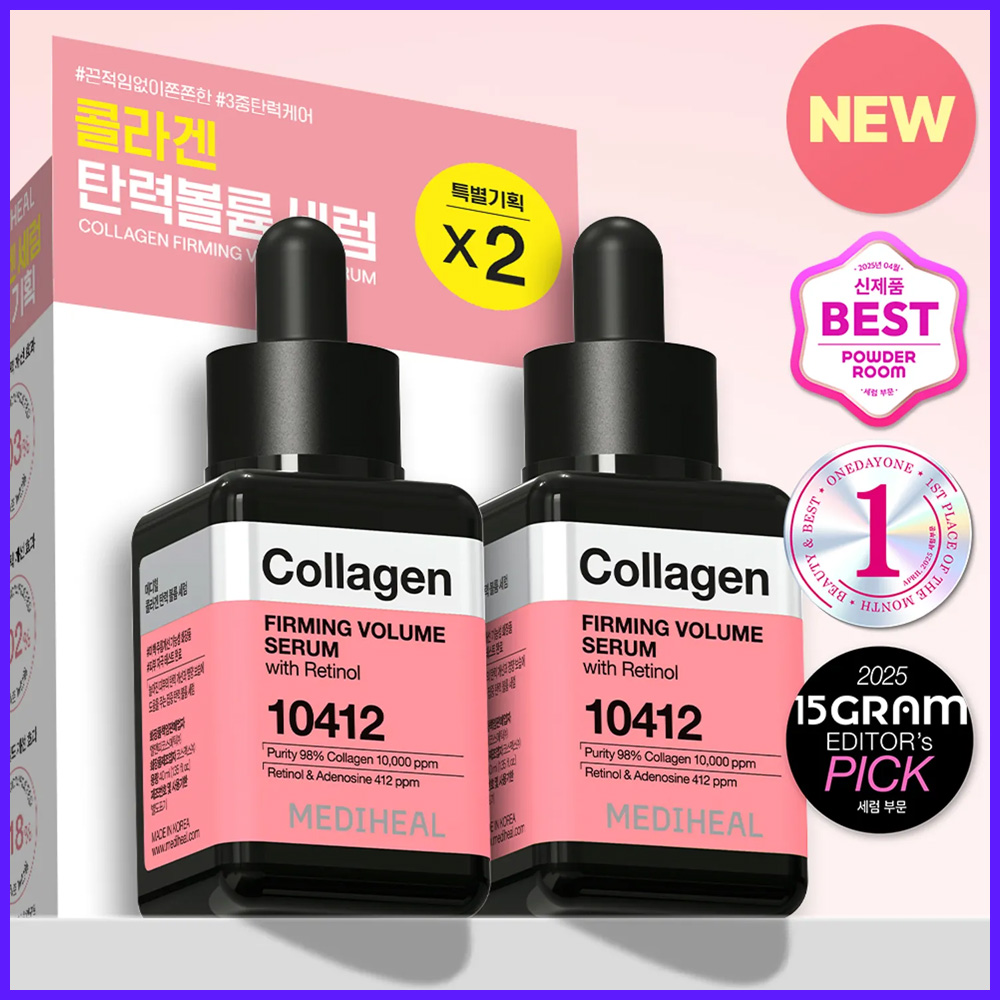
Collagen Firming Volume Serum Double Set
Mediheal
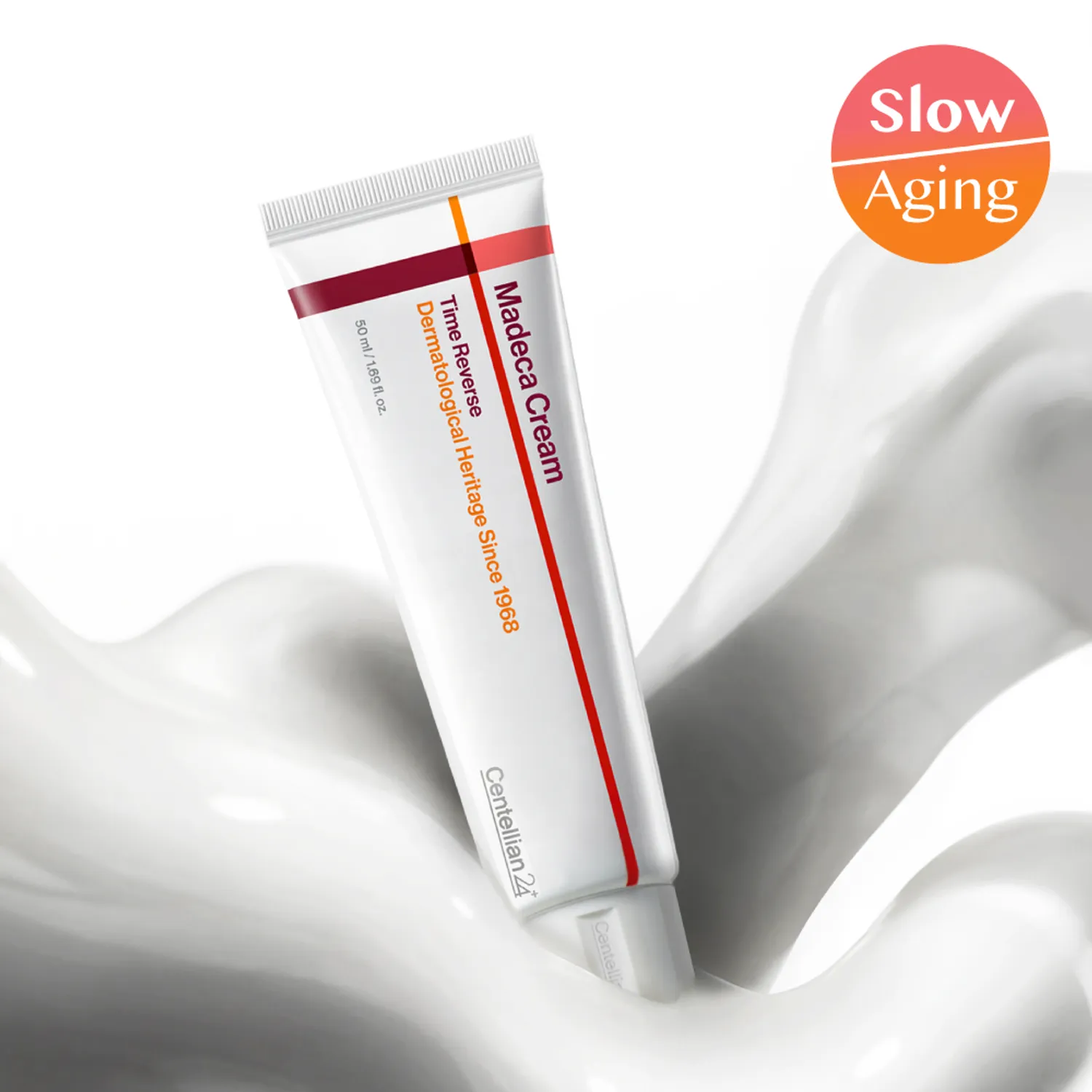
Madeca Cream Time Reverse
Centellian24
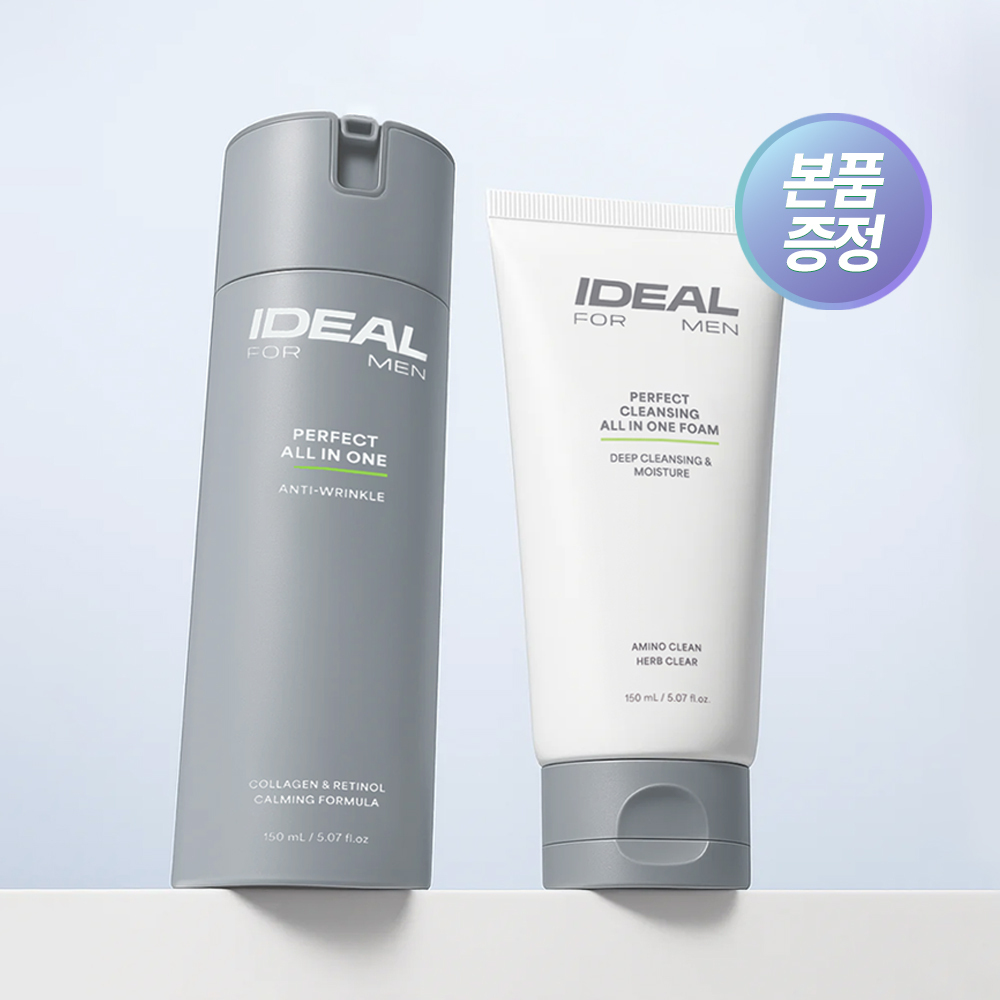
Perfect All In One Set
Ideal for Men
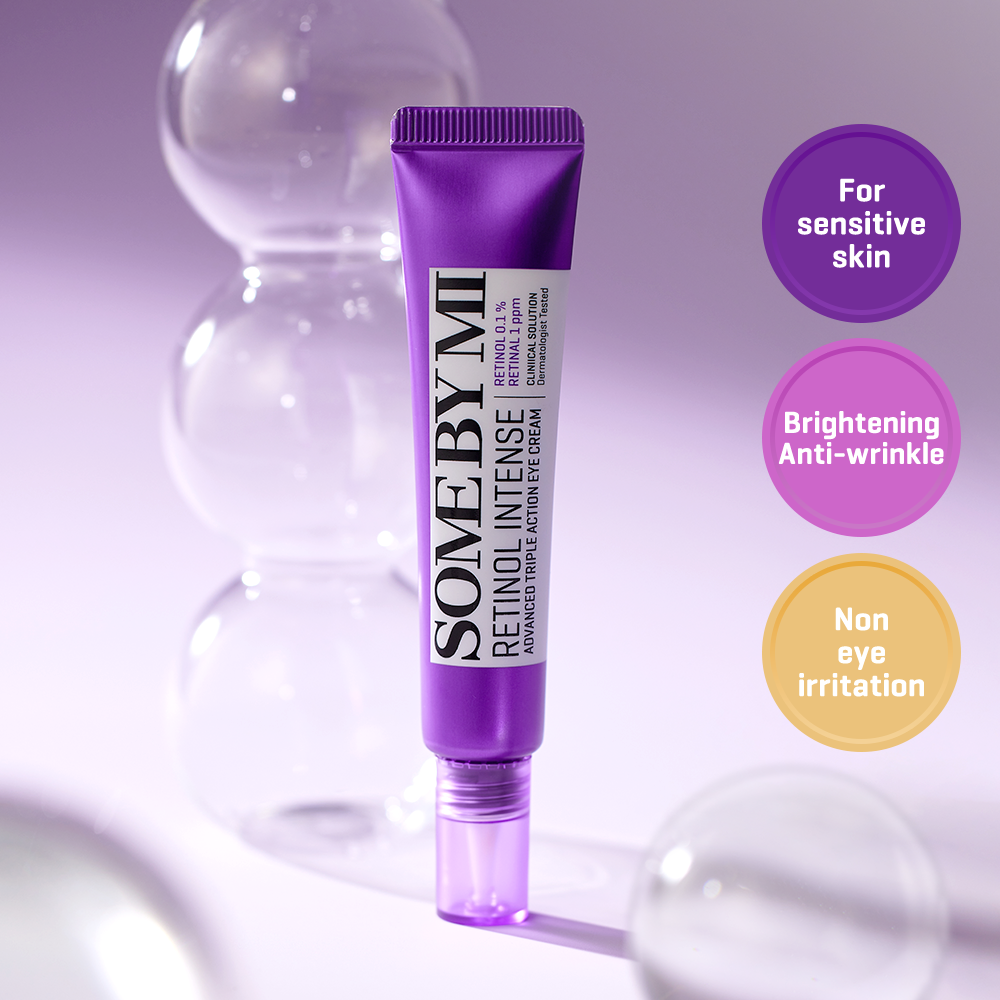
Retinol Intense Advanced Triple Action Eye Cream
Some By Mi
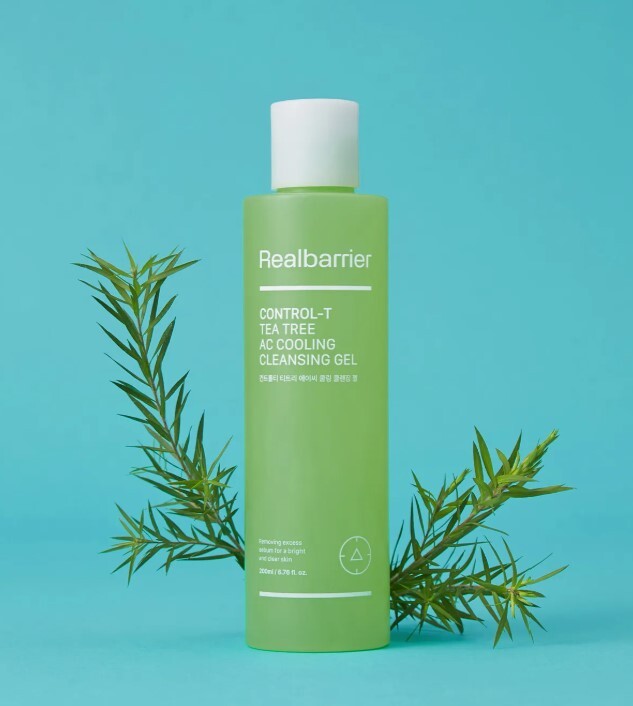
Control-T Tea Tree AC Cooling Cleansing Gel
Real Barrier
Frequently Asked Questions
Can I use retinol every night?▼
Why can't I use retinol with vitamin C or glycolic acid?▼
What's the difference between retinol and tretinoin?▼
Is retinol safe during pregnancy?▼
Why is my skin peeling and red after starting retinol?▼
Articles About Retinol (Vitamin A)
Why Is PDRN So Popular? The Honest Breakdown
PDRN is on every For You page and every Korean serum launch right now. Here's what's actually in it, what it does for your skin, and whether the hype matches the science, or if you're about to drop money on a buzzword.
Deep Cystic Acne: What Actually Helps (and What Doesn't)
Deep cysts aren't a "you didn't try hard enough" problem, they're a below-the-surface inflammation problem that most spot treatments can't reach. Here's what actually helps, what makes it worse, and how to build a routine that doesn't wreck your barrier while you heal.
Why Does My Skincare Keep Making My Skin Worse?
When your skin gets progressively worse the more products you add, the fix is almost never another active. It's usually your barrier waving a white flag. Here's how to figure out what's actually going wrong and rebuild from there.
Explore More
Want personalized ingredient advice?
Yuri, our AI beauty advisor, can tell you how Retinol (Vitamin A) works with your specific skin type, routine, and concerns.
Ask Yuri, free